

Free Outback Travel Guide & Mobile App
Explore Outback with free travel guides. Discover regional history, expert tips, proposed trips, and audio guides on web or mobile app.


Explore Australia’s Outback for ancient desert landscapes, Aboriginal culture, remote towns, star-filled skies and long-distance adventures.
Read more about Outback
When is the best time to visit Outback?
Best: April–May, September · 23–27°C| Month | High (°C) | Rainfall (mm) |
|---|---|---|
| January | 34 | 30 |
| February | 33 | 28 |
| March | 31 | 25 |
| April (best) | 27 | 22 |
| May (best) | 23 | 20 |
| June | 18 | 18 |
| July | 17 | 17 |
| August | 19 | 18 |
| September (best) | 24 | 20 |
| October | 28 | 22 |
| November | 31 | 25 |
| December | 33 | 28 |
Getting to and around Outback
How to get there
Transportation
Top city travel guides in Outback
The cities of Outback, and the easiest places to base yourself.
-

-

-

-

-

-


Swipe for more cities
Destinations in Outback
Resorts, valleys and scenic spots worth a trip of their own.
-

-

-

-

-

-


Swipe for more destinations
Best attractions in Outback
The Outback’s attractions are defined by scale, geology and cultural meaning rather than by a dense concentration of developed sites. In Central Australia, Uluru and Kata Tjuta provide major visitor experiences within Uluru-Kata Tjuta National Park, while Watarrka National Park contains the sandstone walls and walking country of Kings Canyon. Alice Springs offers access to desert landscapes, galleries and museums, and the MacDonnell Ranges extend west and east through a succession of gorges, waterholes and lookout points. South Australia’s Flinders Ranges combine hiking, wildlife and Aboriginal cultural interpretation, while Coober Pedy explains the ingenuity of opal-mining life underground. Broken Hill presents a substantial mining and arts heritage, and western districts lead towards the mineral landscapes of Kalgoorlie-Boulder and the Pilbara. Across the region, attractions also include station stays, wildlife encounters, dark-sky viewing, scenic aviation, four-wheel-drive journeys and Aboriginal cultural tours. Access, permits and seasonal conditions vary considerably, so the most remote experiences require more preparation than a conventional sightseeing itinerary.
-
Theme park
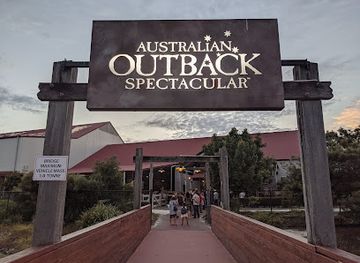
Australian Outback Spectacular
Discover the heart of Australia at the Australian Outback Spectacular, a thrilling dinner theater experience showcasing the Outback's rich culture and history.
-
Tourist attraction
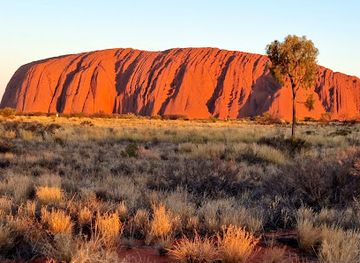
Uluṟu-Kata Tjuṯa Cultural Centre
Discover the rich heritage of the Anangu people at the Uluṟu-Kata Tjuṯa Cultural Centre, a gateway to Aboriginal culture and traditions.
-
Tourist attraction
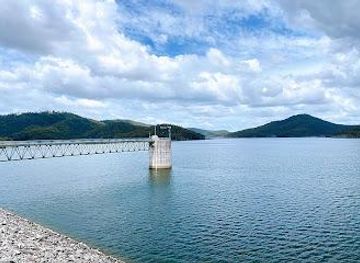
Hinze Dam
Discover the natural beauty and recreational delights of Hinze Dam in Advancetown, Queensland – a perfect getaway for nature lovers and adventurers.
-
Tourist attraction
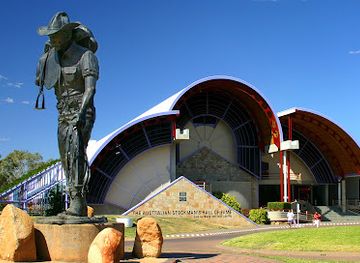
Australian Stockman's Hall of Fame & Outback Heritage Centre
Experience the rich heritage of Australia's outback at the Australian Stockman's Hall of Fame & Outback Heritage Centre in Longreach, Queensland.
Best landmarks in Outback
Uluru is the Outback’s most recognisable landmark, a vast sandstone monolith whose Anangu cultural significance is central to the meaning of the surrounding national park; visitors should view it from designated areas rather than climb it. Nearby Kata Tjuta forms a separate group of rounded domes, while Kings Canyon’s high sandstone walls create one of Central Australia’s most distinctive natural scenes. The MacDonnell Ranges provide a long geological spine near Alice Springs, marked by gorges, gaps and red-rock escarpments. In South Australia, Wilpena Pound is a prominent natural amphitheatre within the Flinders Ranges, and the historic mining landscape of Broken Hill reflects the scale of mineral development. Coober Pedy’s underground churches and dwellings are practical responses to heat rather than decorative curiosities. Further west, the Goldfields landscapes around Kalgoorlie-Boulder and the iron-rich ranges of the Pilbara demonstrate the continuing importance of geology to the Outback economy and identity.
-
Performing arts theater
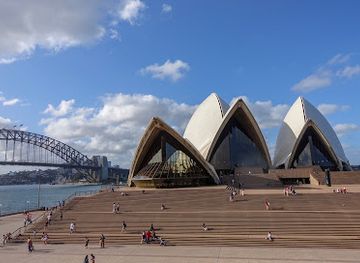
Sydney Opera House
Explore the architectural brilliance and cultural richness of the Sydney Opera House, a must-visit destination for art and music enthusiasts in Australia.
-
Bridge
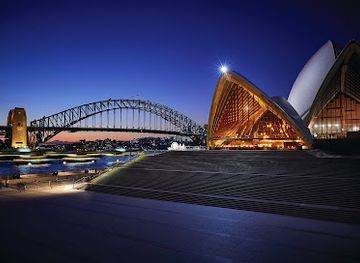
Sydney Harbour Bridge
Discover the stunning Sydney Harbour Bridge, an iconic landmark offering breathtaking views and rich history, perfect for every tourist's itinerary.
-
Scenic spot
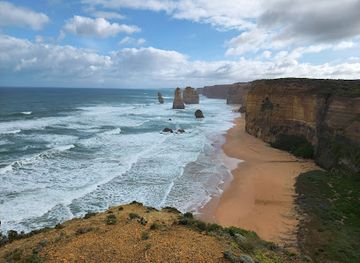
Twelve Apostles
Experience the stunning beauty of the Twelve Apostles, where towering limestone stacks meet the Southern Ocean along Australia's iconic Great Ocean Road.
-
Park
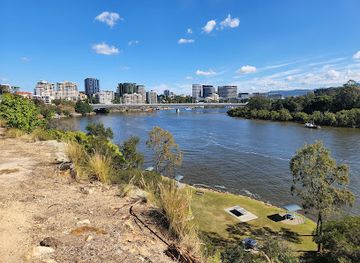
Kangaroo Point Cliffs Park (River Terrace Park)
Discover the breathtaking views and outdoor adventures at Kangaroo Point Cliffs Park, a must-see destination in Brisbane's lush landscape.
Explore Outback on the map
Plan your trip on one map. See where the top cities, national parks and sights are, and book hotels and experiences in a few clicks.
Best hotels in Outback
Best restaurants in Outback
Outback dining is shaped by distance, supply lines and the social importance of roadhouses, pubs, station kitchens and small-town cafés. Menus commonly draw on Australian staples such as grilled beef, lamb, burgers, pies and baked goods, while larger regional centres offer broader contemporary cooking. In Central Australia, Aboriginal bush foods may appear in prepared dishes or guided cultural experiences, although ingredients and availability vary and should not be assumed to represent one uniform tradition. South Australian towns may feature local produce and pastoral fare, while mining centres support a more diverse population and restaurant scene. Country pubs and roadhouses are often as important for conversation, fuel and local information as for meals. Farmers’ markets and regional stores can provide fruit, vegetables and provisions where supply allows, but visitors travelling remote roads should carry food rather than rely on finding a restaurant. Water, coffee and an early meal are practical priorities when distances between services are large.
-
Steak
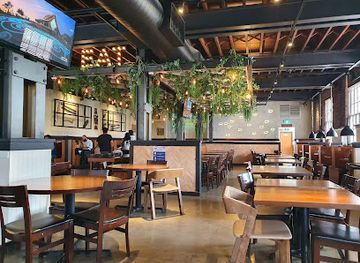
Outback Steakhouse North Strathfield
Experience authentic Australian flavors at Outback Steakhouse North Strathfield - where every meal is an adventure!
-
Steak
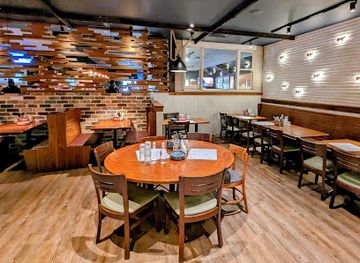
Outback Steakhouse Penrith
Experience authentic Australian flavors at Outback Steakhouse Penrith – where great steaks meet warm hospitality.
-
Steak
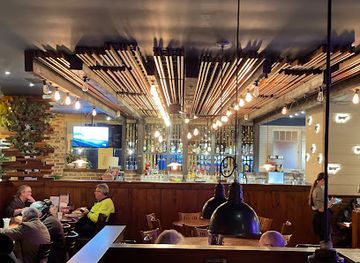
Outback Steakhouse Wentworthville
Discover the authentic taste of Australia at Outback Steakhouse Wentworthville – where every meal is an adventure!
-
Steak
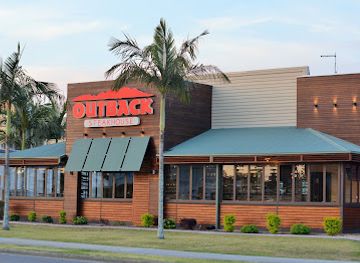
Outback Steakhouse Aspley
Delight in authentic Australian cuisine at Outback Steakhouse Aspley – where every meal is an unforgettable experience.
Best bars in Outback
Nightlife in the Outback is generally centred on country pubs, hotel dining rooms, community events, live music and the quiet social life of regional towns rather than a large club scene. Alice Springs, Broken Hill and Kalgoorlie-Boulder provide the broadest choice of restaurants, bars and evening entertainment, while smaller settlements usually have one or two important local venues. Historic hotels and mining-town pubs can reveal the social history of the interior, but licensing arrangements and opening patterns vary. Some station stays and lodges offer evening meals, stargazing or informal gatherings rather than conventional nightlife. In remote areas, darkness is itself a major attraction: visitors may spend the evening around a campfire where permitted, or observing the sky away from artificial light. Drink responsibly, plan transport before consuming alcohol and remember that long distances, heat and dehydration make rural evenings different from those in Australia’s coastal cities.
-
American
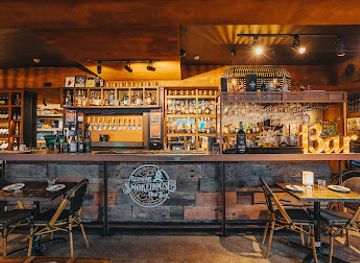
Elements Smokehouse and Bar
Discover the taste of America at Elements Smokehouse and Bar, where flavorful dishes and friendly service create unforgettable dining experiences.
-
Steak
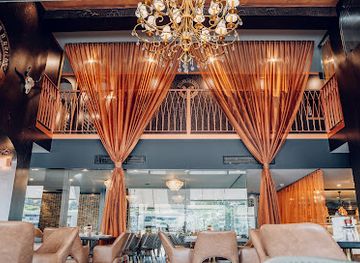
Elements Bar and Grill Woolloomooloo
Experience exquisite Australian cuisine with stunning waterfront views at Elements Bar and Grill Woolloomooloo.
-
Pub
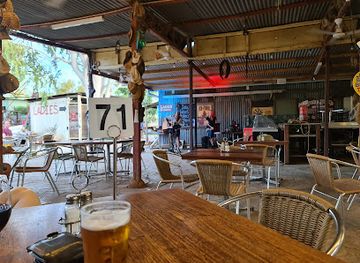
Daly Waters Pub
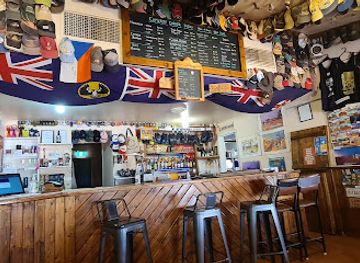
Discover the charm of Daly Waters Pub, a historic outback gem offering hearty meals, cold drinks, and a unique atmosphere in the Northern Territory.
-
Pub
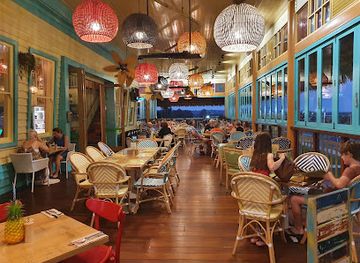
Banana Bender Pub
Experience the lively atmosphere and unique flavors of the Banana Bender Pub in Palmview, Queensland, the ultimate destination for tourists seeking local charm.
Best nightclubs in Outback
Nightlife in the Outback is generally centred on country pubs, hotel dining rooms, community events, live music and the quiet social life of regional towns rather than a large club scene. Alice Springs, Broken Hill and Kalgoorlie-Boulder provide the broadest choice of restaurants, bars and evening entertainment, while smaller settlements usually have one or two important local venues. Historic hotels and mining-town pubs can reveal the social history of the interior, but licensing arrangements and opening patterns vary. Some station stays and lodges offer evening meals, stargazing or informal gatherings rather than conventional nightlife. In remote areas, darkness is itself a major attraction: visitors may spend the evening around a campfire where permitted, or observing the sky away from artificial light. Drink responsibly, plan transport before consuming alcohol and remember that long distances, heat and dehydration make rural evenings different from those in Australia’s coastal cities.
-
Night club
Home The Venue
Discover the ultimate nightlife experience at Home The Venue in Sydney, featuring live music, exquisite dining, and a vibrant atmosphere.
-
Disco club
Retro's Fortitude Valley
Discover the lively atmosphere of Retro's Fortitude Valley, a vibrant disco club with exciting events and cocktails in the heart of Brisbane's nightlife.
-
Night club
The MET Brisbane
Experience the electrifying nightlife at The MET Brisbane, the ultimate nightclub and bar in Fortitude Valley for unforgettable nights out.
-
Night club
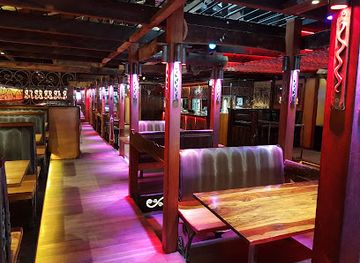
The Woolshed
Experience the vibrant nightlife of Cairns at The Woolshed, the ultimate destination for dancing, drinks, and unforgettable memories.



Best shops in Outback
Shopping in the Outback is concentrated in regional high streets, roadhouses, galleries, community art centres and specialist outlets rather than large retail precincts. Aboriginal art is among the most significant purchases, but visitors should buy through reputable Aboriginal-owned or properly authorised galleries and ask about the artist, community and provenance. Alice Springs, Broken Hill, Coober Pedy and Kalgoorlie-Boulder offer a broader range of books, clothing, practical travel supplies, mining memorabilia and locally made gifts. Opals are strongly associated with Coober Pedy, although buyers should seek clear information about quality, treatment and origin. Regional food products, craftwork, leather goods, jewellery and station-themed souvenirs are also available, with selection varying by town. Markets and galleries may operate seasonally or irregularly, so avoid planning a long detour around an unconfirmed opening. Space, weight and heat should be considered when transporting food, artworks or other purchases across remote routes.
-
Western apparel store
Outback Traders Australia
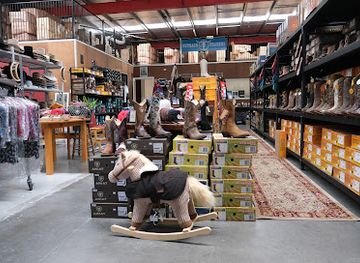
Discover authentic Western apparel and outdoor gear at Outback Traders Australia, the ultimate destination for adventurers and style seekers alike.
-
Jewelry store
Australian Outback Opals
Explore the unique beauty of opals at Australian Outback Opals in Tamborine Mountain, where each gemstone tells a captivating story.
-
General store
Cameron Corner Store
Discover the charm of Cameron Corner Store, a unique outback stop offering local goods and a taste of Queensland's rugged beauty.
-
Gift shop
Bits of Australia
Explore authentic Aboriginal art and unique Australian souvenirs at Bits of Australia, a charming gift shop in Balmain East.

Get your free copy of our complete guide to Outback, delivered straight to you.
Everything on this page, from attractions and restaurants to essentials and local phrases, in one PDF you can read offline, print or share.
Already have an account? Sign in
Your Outback guide is ready.
We'll send it to · Not you? Sign out

Getting your guide ready…
We are putting together a fresh copy of the Outback guide. This can take up to a minute.
This can take a few moments. If your browser asks, choose Allow so the download can start. You'll find the guide in your Downloads folder.
Nothing happened? Download it again
Sorry, the guide is taking longer than usual. Please try again in a minute, or get it by email instead.
Outback essentials
Currency and Payment
Safety
Emergency Situations
Do's and Don'ts
Local Tips
From Eve
Local phrases worth knowing
You don't need to get them perfect. A few words go a long way, and locals appreciate the effort.
Basics
| English | Local | Say it |
|---|---|---|
| Hello | G'day | [guh-day] |
| Goodbye | See ya | [see yah] |
| Yes | Yeah | [yeh] |
| No | Nah | [nah] |
| Please/You're welcome | No worries | [no war-ees] |
| Thank you | Thanks mate | [thanks mate] |
| Excuse me/Sorry | Sorry mate | [sorry mate] |
| How are you? | How ya goin'? | [how yah goin'?] |
| Fine. And you? | Good, you? | [gud, you?] |
| Do you speak English? | Do ya speak English? | [do yah speak English?] |
| I don't understand | I don't get it | [I don't get it] |
Eating & Drinking
| English | Local | Say it |
|---|---|---|
| I'd like to see the menu, please | Can I see the menu, please? | [can I see the menu, please?] |
| I don't eat meat | I’m a vegetarian | [I'm a vegetarian] |
| Cheers! | Cheers! | [cheers] |
| I would like to pay, please | Can I get the bill, please? | [can I get the bill, please?] |
Emergencies
| English | Local | Say it |
|---|---|---|
| Help! | Help! | [help] |
| Go away! | Get lost! | [get lost] |
| Call the Police! | Ring the cops! | [ring the cops] |
| Call a doctor! | Get a doctor! | [get a doctor] |
| I'm lost | I’m a bit lost | [I'm a bit lost] |
| I'm ill | I’m crook | [I'm crook] |
Shopping
| English | Local | Say it |
|---|---|---|
| I'd like to buy... | I wanna buy... | [I wanna buy...] |
| I'm just looking | Just browsing, thanks | [just browsing, thanks] |
| How much is it? | What’s the price? | [what's the price?] |
| That's too expensive | That's a bit rich | [that's a bit rich] |
| Can you lower the price? | Can ya drop the price? | [can yah drop the price?] |
Time & Numbers
| English | Local | Say it |
|---|---|---|
| What time is it? | What’s the time? | [what's the time?] |
| It's one o'clock | It's one o'clock | [it's one o'clock] |
| Half past (10) | Half past ten | [half past ten] |
| Morning | Mornin' | [mornin'] |
| Afternoon | Arvo | [arvo] |
| Evening | Evenin' | [evenin'] |
| Yesterday | Yesterday | [yesterday] |
| Today | Today | [today] |
| Tomorrow | Tomorrow | [tomorrow] |
| 1 | One | [one] |
| 2 | Two | [two] |
| 3 | Three | [three] |
| 4 | Four | [four] |
| 5 | Five | [five] |
| 6 | Six | [six] |
| 7 | Seven | [seven] |
| 8 | Eight | [eight] |
| 9 | Nine | [nine] |
| 10 | Ten | [ten] |
Transport & Directions
| English | Local | Say it |
|---|---|---|
| Where's a/the...? | Where’s the...? | [where's the...?] |
| What's the address? | What's the address? | [what's the address?] |
| Can you show me (on the map)? | Can ya point it out on the map? | [can yah point it out on the map?] |
| When's the next (bus)? | When's the next bus? | [when's the next bus?] |
| A ticket (to ....) | A ticket to... | [a ticket to...] |
History of Outback
First Peoples and Ancient Country
Aboriginal peoples have lived across the Australian interior for at least 50,000 years, maintaining sophisticated relationships with desert, river, savanna and mountain environments. Country is understood not simply as land but as a network of ancestral, cultural, spiritual and practical connections. Rock art, ceremonial places, travel routes and inherited ecological knowledge remain important across the Outback. The precise traditions differ between language groups, and visitors should avoid treating the interior as culturally uniform. Contemporary Aboriginal communities continue to manage Country, share knowledge through cultural tourism and protect places of deep significance.
European Exploration and Inland Mapping
From the early nineteenth century, European expeditions attempted to cross and map the continent’s interior, often relying on Aboriginal knowledge while failing to recognise or credit it adequately. Explorers including Edward John Eyre, John McDouall Stuart and Burke and Wills became associated with journeys through difficult country, although these expeditions brought hardship and conflict as well as geographical knowledge. Their routes helped establish later stock, telegraph and transport corridors. Many modern highways and settlements follow paths shaped by this era, while the consequences for Aboriginal communities included dispossession, violence and disruption of established movement across Country.
Pastoral Expansion in the Nineteenth Century
Cattle and sheep stations expanded into the interior during the nineteenth century, particularly across Queensland, the Northern Territory, South Australia and Western Australia. Vast properties depended on seasonal water, stock routes and the labour of Aboriginal workers, whose contribution was frequently under-recorded and often obtained under coercive conditions. Station life created the distinctive architecture and social patterns of the pastoral Outback, including homesteads, stockyards, bores and remote service settlements. Drought, flood, changing markets and land-management pressures have continued to shape the industry.
Telegraph Lines and Inland Communication
The completion of the Overland Telegraph Line in 1872 connected Adelaide with Darwin and, through submarine cables, provided a much faster communication link between Australia and the outside world. Telegraph stations at places such as Alice Springs, Tennant Creek and Daly Waters became important inland outposts. The line encouraged further exploration, pastoral development and administrative control, while also depending on routes and water sources long known to Aboriginal people. Several former stations and associated ruins now form part of the Outback’s heritage landscape.
Mining Towns and Mineral Frontiers
Mineral discoveries transformed parts of the interior from the late nineteenth century onwards. Broken Hill developed around silver, lead and zinc deposits, Kalgoorlie-Boulder around gold, and Coober Pedy around opal mining. Mining stimulated railways, water infrastructure, labour migration and strongly regional town identities, but it also imposed environmental costs and difficult working conditions. Many communities retain a visible connection to mining through headframes, open workings, underground dwellings, museums and surviving company buildings. Contemporary extraction remains economically important across several Outback districts.
Modern Roads, Tourism and Conservation
Twentieth-century roads, air services and motor travel made major Outback landscapes more accessible, while national parks and conservation reserves established new frameworks for protecting desert ecosystems and heritage. Uluru-Kata Tjuta National Park became a prominent example of joint management after land was returned to its Anangu traditional owners in 1985. The closure of the Uluru climb in 2019 reflected Anangu wishes and changed the way many visitors engage with the site. Today tourism, pastoralism, mining, conservation and Aboriginal land management remain interconnected parts of the interior’s modern economy.
Outback in Photos
Browse through our photo collection highlighting the charm and character of the destination.
Neighbouring regions of Outback
The closest regions to Outback, if you have time for more than one.
-

-

-

-

-


Swipe for more regions
Explore more

Explore more of Australia
Discover the diverse landscapes, vibrant cities, and unique wildlife of Australia, a captivating destination offering endless adventures and unforgettable experiences.
Explore Australia