

Free Bregenzerwald Travel Guide & Mobile App
Explore Bregenzerwald with free travel guides. Discover regional history, expert tips, proposed trips, and audio guides on web or mobile app.


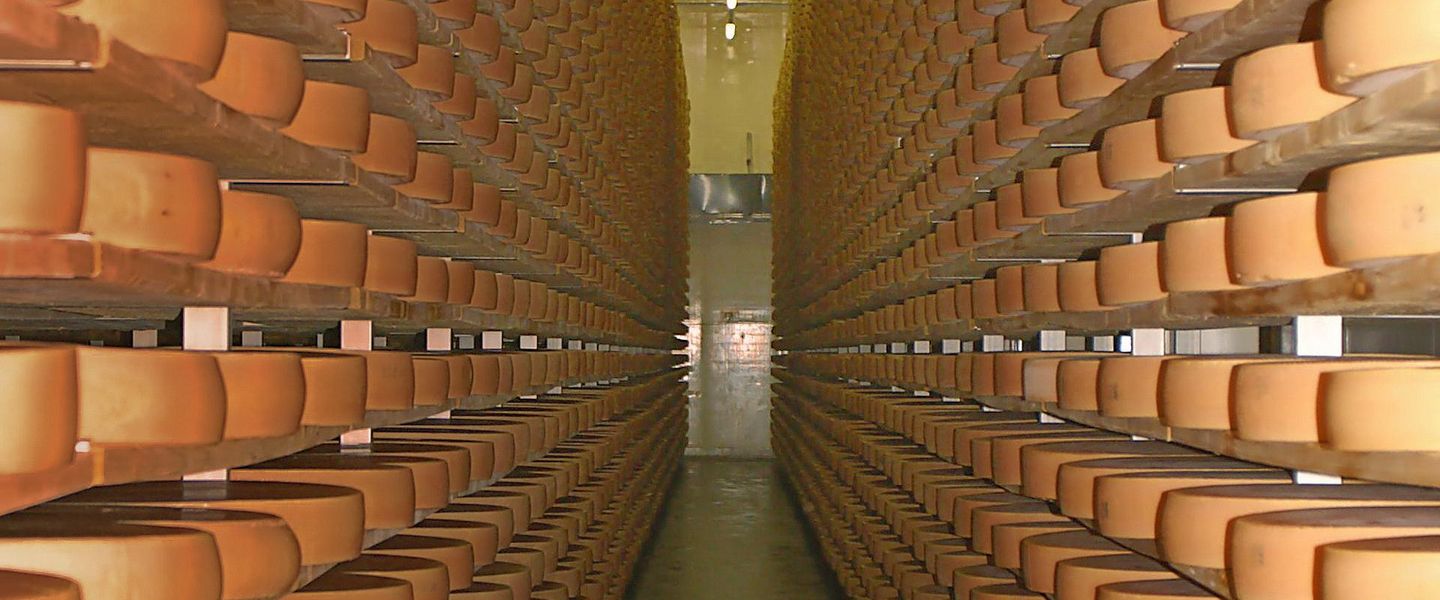


Explore Bregenzerwald in Austria for timber architecture, mountain cheese, alpine villages, hiking, skiing and carefully shaped rural landscapes.
Read more about Bregenzerwald
When is the best time to visit Bregenzerwald?
Best: June–August · 21–23°C| Month | High (°C) | Rainfall (mm) |
|---|---|---|
| January | 1 | 60 |
| February | 2 | 55 |
| March | 7 | 65 |
| April | 12 | 70 |
| May | 17 | 80 |
| June (best) | 21 | 90 |
| July (best) | 23 | 100 |
| August (best) | 22 | 95 |
| September | 19 | 85 |
| October | 13 | 75 |
| November | 7 | 70 |
| December | 3 | 65 |
Getting to and around Bregenzerwald
How to get there
Transportation
Top city travel guides in Bregenzerwald
The cities of Bregenzerwald, and the easiest places to base yourself.
-

-


Swipe for more cities
Destinations in Bregenzerwald
Resorts, valleys and scenic spots worth a trip of their own.
-

-


Swipe for more destinations
Best attractions in Bregenzerwald
The Bregenzerwald's attractions are distributed through its valleys rather than concentrated in one resort. Village walks in Schwarzenberg, Bezau, Egg, Hittisau and Andelsbuch reveal timber farmhouses, chapels, workshops and carefully maintained public spaces, while the Werkraum Bregenzerwald in Andelsbuch explores the region's continuing relationship with craft and design. The Women's Museum in Hittisau takes a distinctive cultural and social approach to regional and international themes. Outdoor attractions range from gentle meadow paths and forest tracks to demanding Alpine routes around Mellau, Au, Schoppernau and Damüls. In summer, cable cars and walking networks open access to high pastures and panoramic ridges; in winter, the area supports skiing, snowshoeing and winter walking. Rural dairies, alpine huts and farm shops add a working dimension to sightseeing, and the preserved section of the Bregenzerwaldbahn offers insight into the region's transport history. Families may prefer manageable village walks and lift-accessed viewpoints, while experienced walkers can plan longer routes across high valleys, always allowing for changing weather and seasonal access.
-
Tourist attraction
inatura - Erlebnis Naturschau Dornbirn
Explore the beauty of nature at inatura - Erlebnis Naturschau Dornbirn, an interactive museum offering engaging exhibits and breathtaking biodiversity.
-
Tourist attraction
inatura natural spectacle Gmbh
Explore the enchanting inatura natural spectacle in Dornbirn, Austria, a museum dedicated to the wonders of nature and interactive learning.
-
Tourist attraction
Buchenegger Wasserfälle
Explore the breathtaking Buchenegger Wasserfälle in Oberstaufen, Germany. Experience stunning waterfalls, lush trails, and a peaceful retreat into nature.
-
Tourist attraction
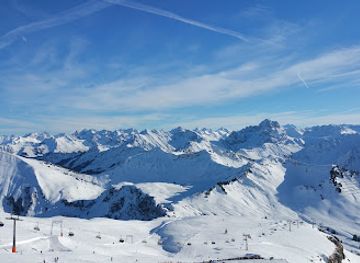
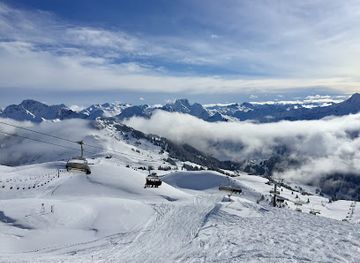
Damüls - Mellau - Faschina ski
Experience the stunning alpine beauty and diverse winter sports at Damüls - Mellau - Faschina Ski Resort, a top destination in the Austrian Alps.


Best landmarks in Bregenzerwald
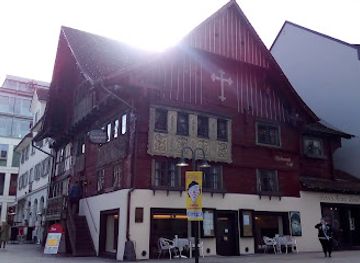
The Bregenzerwald's most recognisable landmarks often combine architecture with the surrounding working landscape. Schwarzenberg's village centre is distinguished by historic wooden houses, a parish church and the legacy of Angelika Kauffmann, the eighteenth-century painter born in the village. The KäseStrasse Bregenzerwald is not a single monument but a regional network of dairies, villages and food producers that gives visible form to the area's cheese-making tradition. In Andelsbuch, the Werkraum building represents the region's modern craft culture through architecture that is itself part of the story. The narrow-gauge railway heritage associated with the Bregenzerwaldbahn recalls the connection that transformed access to the valleys in the early twentieth century. Higher landmarks are natural rather than built: the mountain amphitheatres around Mellau, Damüls, Au and Schoppernau, with their pastures, limestone summits and pronounced seasonal contours, express the geography that has shaped settlement and farming. Village churches, chapels, timber barns and carefully positioned farmhouses complete the region's characteristic visual identity.
-
Mountain cable car
Pfänderbahn
Discover the breathtaking views of Austria, Germany, and Switzerland from the Pfänderbahn cable car in Bregenz, a must-visit for every traveler.
-
Mountain cable car
Bergbahnen Diedamskopf Au-Schoppernau
Discover the breathtaking beauty of Diedamskopf in Vorarlberg, Austria - a perfect destination for skiing, hiking, and indulging in nature's wonders.
-
Ski resort
Damüls - Mellau - Faschina ski
Explore the stunning Damüls - Mellau - Faschina ski resort, a paradise for skiing and winter sports enthusiasts in the heart of the Austrian Alps.
-
Hiking area
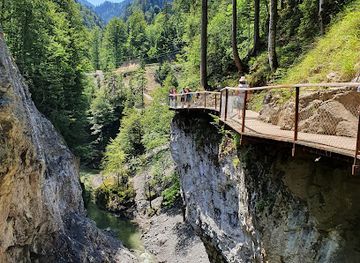
Rappenlochschlucht
Explore the breathtaking beauty of Rappenlochschlucht, a stunning hiking area in Dornbirn, Austria, perfect for nature lovers and adventure seekers.
Explore Bregenzerwald on the map
Plan your trip on one map. See where the top cities, national parks and sights are, and book hotels and experiences in a few clicks.
Best hotels in Bregenzerwald
Best restaurants in Bregenzerwald
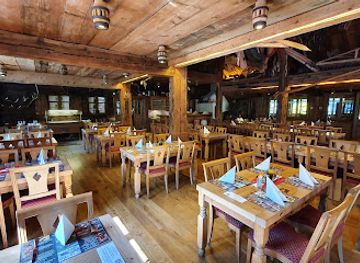
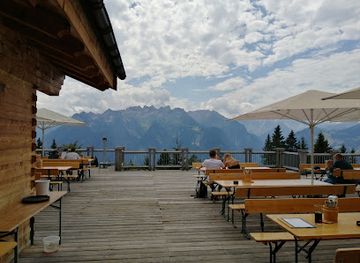
Food in the Bregenzerwald is closely tied to dairy farming, alpine pasture and the practical cooking of Vorarlberg. Bregenzerwälder mountain cheese is the defining product, and it appears on mixed cheese plates, in savoury dishes and alongside farmhouse bread at village dairies, alpine huts and rural inns. Other local specialities include Käsknöpfle, small egg noodles traditionally combined with cheese and fried onions, as well as regional versions of Riebel, a simple cornmeal dish associated with Vorarlberg. Menus vary from traditional Gasthäuser and hut kitchens to contemporary restaurants that use seasonal vegetables, local dairy products and Alpine herbs. In the valleys, cafés and bakeries are useful stops for coffee and pastries, while farm shops offer cheese, butter, honey and other produce. Dining is generally more dispersed than in a city, so opening days and evening availability should be checked before travelling to a remote village or mountain establishment.
-
Family-friendly
Panoramarestaurant Karren
Experience exquisite cuisine and stunning views at Panoramarestaurant Karren in Dornbirn—where every meal is a feast for your senses.
-
Restaurant
Gasthof Ur-Alp Erleben
Discover traditional alpine cuisine at Gasthof Ur-Alp Erleben - where every meal is a celebration of local flavors amidst stunning mountain scenery.
-
Restaurant
Alpengasthof Muttersberg
Discover the culinary delights and breathtaking views at Alpengasthof Muttersberg, where nature meets authentic Austrian cuisine.
-
Restaurant
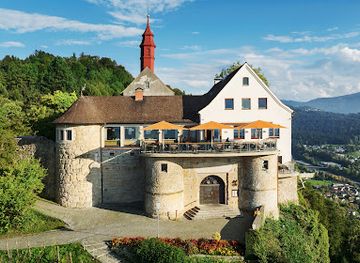
Burgrestaurant Gebhardsberg
Experience fine dining with breathtaking views at Burgrestaurant Gebhardsberg in Bregenz - where culinary excellence meets stunning scenery.

Best bars in Bregenzerwald
Evening life in the Bregenzerwald is modest and community-oriented rather than centred on a large club scene. Traditional inns and hotel bars are the main places for a relaxed drink, with social life often extending around village events, seasonal celebrations and live music. Bezau, Egg, Mellau and the larger resort communities offer the broadest choice of cafés, bars and evening restaurants, while smaller settlements may become quiet soon after dinner. In winter, après-ski venues can be livelier around the ski areas, particularly in higher resorts, but the atmosphere remains more Alpine than metropolitan. Some restaurants and bars showcase Vorarlberg beer, schnapps or non-alcoholic regional drinks, and occasional cultural programmes provide an alternative to nightlife focused on alcohol. Visitors should expect earlier closing patterns and should arrange transport in advance when staying outside the main villages, since late public transport is limited in rural valleys.
-
Bar
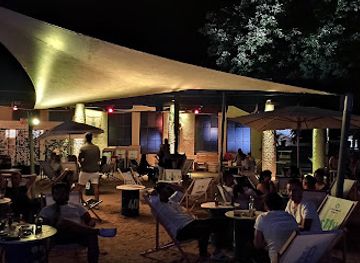
Beachbar Bregenz
Discover the vibrant Beachbar Bregenz, where the stunning Lake Constance views meet exciting nightlife in a lively bar atmosphere.
-
Bar
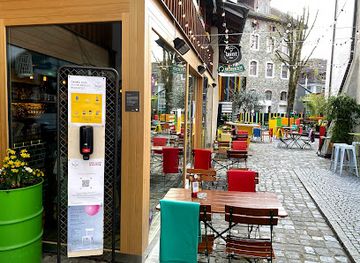
Bunt Bar
Experience the vibrant atmosphere of Bunt Bar in Feldkirch - a lively social hub with a diverse drink menu and friendly ambiance.
-
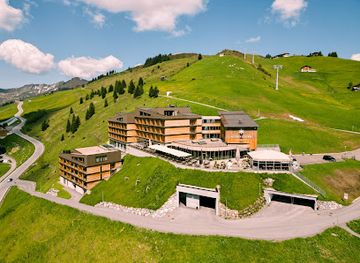
Bar
Alpenstern Panoramahotel
Experience breathtaking alpine views and authentic Austrian hospitality at Alpenstern Panoramahotel in Damüls.
-
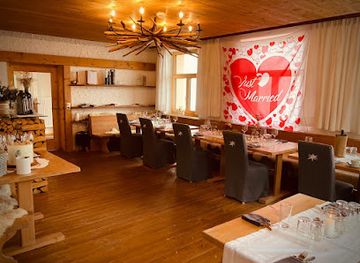
Restaurant
Edelweiß am Öberle
Experience authentic Austrian cuisine and warm hospitality at Edelweiß am Öberle, a charming restaurant and inn in the heart of the Alps.
Best nightclubs in Bregenzerwald
Evening life in the Bregenzerwald is modest and community-oriented rather than centred on a large club scene. Traditional inns and hotel bars are the main places for a relaxed drink, with social life often extending around village events, seasonal celebrations and live music. Bezau, Egg, Mellau and the larger resort communities offer the broadest choice of cafés, bars and evening restaurants, while smaller settlements may become quiet soon after dinner. In winter, après-ski venues can be livelier around the ski areas, particularly in higher resorts, but the atmosphere remains more Alpine than metropolitan. Some restaurants and bars showcase Vorarlberg beer, schnapps or non-alcoholic regional drinks, and occasional cultural programmes provide an alternative to nightlife focused on alcohol. Visitors should expect earlier closing patterns and should arrange transport in advance when staying outside the main villages, since late public transport is limited in rural valleys.
-
Night club
El Capitán Gastro GmbH
Discover the vibrant nightlife of Rankweil at El Capitán Gastro GmbH, a premier night club offering great music and a lively atmosphere.
-
Night club
SENDER club
Discover the electrifying nightlife at SENDER Club in Lustenau, a top destination for music, dancing, and unforgettable memories.
-
Disco club
SHAKE CLUBBING
Dive into Röthis' nightlife at SHAKE CLUBBING, where electrifying beats and vibrant dance floors create unforgettable party experiences.
-
Night club
sGaschur - Club, Bar, Apresski
Experience the vibrant nightlife at sGaschur, the ultimate après-ski destination in Gaschurn, Austria, with great drinks, music, and unforgettable moments.


Best shops in Bregenzerwald
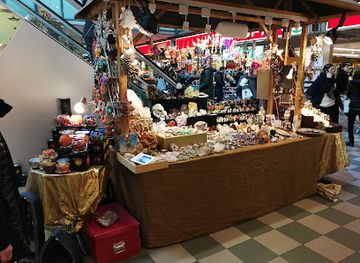
Shopping in the Bregenzerwald is primarily local and craft-led rather than based on large retail centres. Village streets in Bezau, Egg, Schwarzenberg, Hittisau and Andelsbuch contain small food shops, bakeries, galleries and practical outdoor retailers, while farm shops and dairies sell mountain cheese, butter, honey, spirits and other regional produce. The Werkraum Bregenzerwald in Andelsbuch provides an introduction to the work of local craftspeople and can help visitors understand the region's strong traditions in woodworking, furniture, textiles and household design. Markets and seasonal village events may offer handmade goods, but their timing changes, so check local tourist information rather than relying on a fixed schedule. Good regional purchases include carefully made wooden objects, contemporary craft pieces, cheese and illustrated material about local architecture. For a broader choice of conventional high-street shopping, Bregenz and Dornbirn are outside the Bregenzerwald and serve as the nearest larger retail centres.
-
Shopping mall
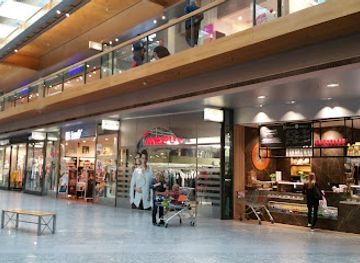
Einkaufszentrum Messepark
Discover Einkaufszentrum Messepark, the ultimate shopping destination in Dornbirn, Austria, where shopping meets dining and entertainment for all.
-
Shopping mall
ZIMBAPARK Shopping Center
Explore ZIMBAPARK Shopping Center: Your Ultimate Shopping and Dining Destination in Bürs, Austria.
-
Shopping mall
Stadtmarkt Dornbirn Einkaufszentrum
Explore the diverse shopping and dining experiences at Stadtmarkt Dornbirn, the heart of local culture in Dornbirn, Austria.
-
Chocolate shop
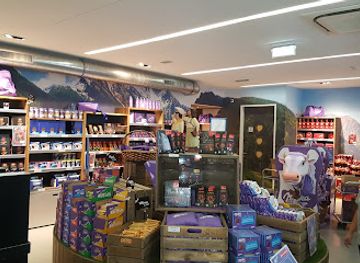
Milka Lädele
Discover the magic of chocolate at Milka Lädele in Bludenz, where every bite is a taste of Alpine delight!
Get your free copy of our complete guide to Bregenzerwald, delivered straight to you.
Everything on this page, from attractions and restaurants to essentials and local phrases, in one PDF you can read offline, print or share.
Already have an account? Sign in
Your Bregenzerwald guide is ready.
We'll send it to · Not you? Sign out

Getting your guide ready…
We are putting together a fresh copy of the Bregenzerwald guide. This can take up to a minute.
This can take a few moments. If your browser asks, choose Allow so the download can start. You'll find the guide in your Downloads folder.
Nothing happened? Download it again
Sorry, the guide is taking longer than usual. Please try again in a minute, or get it by email instead.
Bregenzerwald essentials
Currency and Payment
Safety
Emergency Situations
Do's and Don'ts
Local Tips
From Eve
Local phrases worth knowing
You don't need to get them perfect. A few words go a long way, and locals appreciate the effort.
Basics
| English | Local | Say it |
|---|---|---|
| Hello | Grüß Gott | [Groos Got] |
| Goodbye | Auf Wiedersehen | [Owf Veederzayn] |
| Yes | Ja | [Yah] |
| No | Nein | [Nyn] |
| Please/You're welcome | Bitte | [Bitt-eh] |
| Thank you | Danke | [Dahn-keh] |
| Excuse me/Sorry | Entschuldigung | [Ent-shool-dee-goong] |
| How are you? | Wie geht's? | [Vee gates?] |
| Fine. And you? | Gut. Und dir? | [Goot. Oond deer?] |
| Do you speak English? | Sprichst du Englisch? | [Spreekst doo Ing-lish?] |
| I don't understand | Ich verstehe nicht | [Ick fer-shtay-eh nikht] |
Eating & Drinking
| English | Local | Say it |
|---|---|---|
| I'd like to see the menu, please | Ich hätte gerne die Speisekarte, bitte | [Ick het-teh gair-neh dee Shpyze-kahr-teh, bitt-eh] |
| I don't eat meat | Ich esse kein Fleisch | [Ick ess-eh kine Flysh] |
| Cheers! | Prost! | [Prohst!] |
| I would like to pay, please | Ich möchte bezahlen, bitte | [Ick mer-kt-eh beh-tsah-len, bitt-eh] |
Emergencies
| English | Local | Say it |
|---|---|---|
| Help! | Hilfe! | [Hil-feh!] |
| Go away! | Geh weg! | [Gay vek!] |
| Call the Police! | Rufen Sie die Polizei! | [Roof-en Zee dee Poh-li-tsai!] |
| Call a doctor! | Rufen Sie einen Arzt! | [Roof-en Zee eye-nen Artst!] |
| I'm lost | Ich habe mich verirrt | [Ick hah-beh mikh fer-eert] |
| I'm ill | Ich bin krank | [Ick bin krank] |
Shopping
| English | Local | Say it |
|---|---|---|
| I'd like to buy... | Ich möchte kaufen... | [Ick mer-kt-eh kow-fen...] |
| I'm just looking | Ich schaue nur | [Ick shau-eh noor] |
| How much is it? | Wie viel kostet es? | [Vee feel kost-et es?] |
| That's too expensive | Das ist zu teuer | [Das ist tsoo toy-er] |
| Can you lower the price? | Könnten Sie den Preis senken? | [Kern-ten Zee den Pryce sen-ken?] |
Time & Numbers
| English | Local | Say it |
|---|---|---|
| What time is it? | Wie spät ist es? | [Vee shpayt ist es?] |
| It's one o'clock | Es ist ein Uhr | [Es ist ine Oor] |
| Half past (10) | Halb (10) | [Halb (10)] |
| Morning | Morgen | [Morg-en] |
| Afternoon | Nachmittag | [Nahk-mit-tag] |
| Evening | Abend | [Ah-bent] |
| Yesterday | Gestern | [Gest-ern] |
| Today | Heute | [Hoy-teh] |
| Tomorrow | Morgen | [Morg-en] |
| 1 | Eins | [Eyns] |
| 2 | Zwei | [Tsvy] |
| 3 | Drei | [Dry] |
| 4 | Vier | [Veer] |
| 5 | Fünf | [Foonf] |
| 6 | Sechs | [Zex] |
| 7 | Sieben | [Zee-ben] |
| 8 | Acht | [Akh-t] |
| 9 | Neun | [Noyn] |
| 10 | Zehn | [Tzehn] |
Transport & Directions
| English | Local | Say it |
|---|---|---|
| Where's a/the...? | Wo ist ein/das...? | [Vo ist ine/das...?] |
| What's the address? | Wie lautet die Adresse? | [Vee low-tet dee Ah-dress-eh?] |
| Can you show me (on the map)? | Könnten Sie mir zeigen (auf der Karte)? | [Kern-ten Zee meer tsay-gen (owf der Kar-tah)?] |
| When's the next (bus)? | Wann fährt der nächste (Bus)? | [Vahn fehrt der nay-sh-teh (Boos)?] |
| A ticket (to ....) | Ein Ticket (nach....) | [Ine Tih-ket (nahkh....)] |
History of Bregenzerwald
Early settlement and Alpine farming
The Bregenzerwald's valleys and lower mountain slopes were settled gradually, with farming communities developing around meadows, forests and pasture rights. The region's economy was shaped by seasonal livestock husbandry: cattle moved between valley farms and higher alpine pastures during the warmer months. This system produced the patterned landscape of hay meadows, barns and wooded hills that remains visible today. Farm buildings were not merely homes but working units designed for storing hay, housing animals and coping with a demanding climate.
Medieval expansion under the Counts of Bregenz and Montfort
During the Middle Ages, the wider area was influenced first by the Counts of Bregenz and later by the Counts of Montfort, whose territories covered much of present-day Vorarlberg. Churches, local settlements and systems of landholding developed as communities became more firmly integrated into regional political structures. The Bregenzerwald retained a relatively dispersed settlement pattern rather than forming one dominant town, a characteristic still evident in its hamlets, parish villages and scattered farmsteads.
The Bregenzerwald rural community
From the late Middle Ages into the early modern period, Bregenzerwald communities developed strong local institutions governing land, pasture and woodland use. The so-called Bregenzerwald rural community, or Bauernrepublik in later historical shorthand, represented a notable tradition of local self-administration, although it operated within wider feudal and state structures rather than as an independent republic. Communal rights and responsibilities helped regulate access to alpine resources and contributed to the region's enduring culture of cooperative land management.
Habsburg rule and the formation of Vorarlberg
The Habsburgs gradually acquired control over the territories of present-day Vorarlberg between the late Middle Ages and the early modern era. The Bregenzerwald became part of a political world linked to Austria while maintaining local customs, parish structures and agricultural practices. In the nineteenth century, administrative reforms and the eventual creation of the Austrian federal state of Vorarlberg gave the region a clearer place within modern Austria. Roads and improved communications increasingly connected its valleys with Bregenz, the Rhine Valley and neighbouring Alpine districts.
Dairy culture, trade and migration
For centuries, the Bregenzerwald combined subsistence agriculture with trade in timber, livestock, dairy products and craft goods. Mountain cheese became one of the most recognisable products of the region's alpine economy, made from milk produced during summer grazing and matured in village or alpine dairies. Limited agricultural opportunities also encouraged seasonal work and migration, especially before modern tourism and improved transport offered new income. The result was a culture that remained rural while maintaining connections across Vorarlberg and the wider Alpine world.
Tourism, railways and modern architecture
Tourism expanded from the late nineteenth century, helped by better roads and the Bregenzerwaldbahn, a narrow-gauge railway that connected the region with the Rhine Valley and Bregenz from 1902. Although the railway no longer operates through the entire Bregenzerwald, surviving sections and railway heritage remain part of the region's story. In the twentieth and twenty-first centuries, winter sports, hiking and cultural tourism developed alongside farming. Contemporary regional architecture and the Werkraum craft movement have made the continued use of timber and local workmanship an important part of the Bregenzerwald's public identity.
Bregenzerwald in Photos
Browse through our photo collection highlighting the charm and character of the destination.
Neighbouring regions of Bregenzerwald
The closest regions to Bregenzerwald, if you have time for more than one.
-

-

-

-

-


Swipe for more regions
Explore more
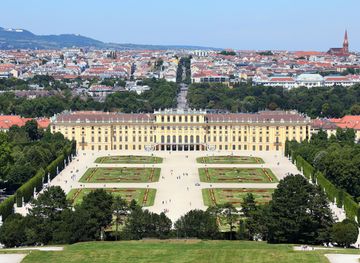
Explore more of Austria
Discover Austria's blend of alpine landscapes, rich cultural heritage, and culinary delights, from Vienna's historic charm to Tyrol's dramatic beauty.
Explore Austria