

Free Ötztal Travel Guide & Mobile App
Explore Ötztal with free travel guides. Discover regional history, expert tips, proposed trips, and audio guides on web or mobile app.


Explore Ötztal in Tyrol for glacier country, Alpine villages, waterfalls, thermal bathing, hiking and some of Austria’s most extensive ski terrain.
Read more about Ötztal
When is the best time to visit Ötztal?
Best: June–August · 20–22°C| Month | High (°C) | Rainfall (mm) |
|---|---|---|
| January | 0 | 40 |
| February | 2 | 40 |
| March | 7 | 40 |
| April | 11 | 50 |
| May | 16 | 70 |
| June (best) | 20 | 80 |
| July (best) | 22 | 80 |
| August (best) | 21 | 80 |
| September | 17 | 60 |
| October | 12 | 50 |
| November | 6 | 50 |
| December | 1 | 50 |
Getting to and around Ötztal
How to get there
Transportation
Destinations in Ötztal
Resorts, valleys and scenic spots worth a trip of their own.
-

-


Swipe for more destinations
Best attractions in Ötztal
Ötztal’s attractions range from accessible valley experiences to demanding high-Alpine adventures. Near Umhausen, the Stuibenfall plunges down a wooded cliff and is reached by paths and viewing points, while the Ötzi Village presents reconstructed prehistoric buildings and practical demonstrations connected with Copper Age life. Around Oetz, Piburger See provides a scenic setting for walking and swimming in permitted areas, with forested shores that contrast with the valley’s higher, rockier terrain. Längenfeld combines local heritage and walking routes with the Aqua Dome thermal complex, whose indoor and outdoor pools are especially suited to rest after mountain activities. Farther south, Sölden is the principal centre for lift-accessed skiing, glacier skiing and summer mountain excursions, while Obergurgl and Hochgurgl offer high-altitude trails and winter sports. The region’s side valleys, mountain huts, climbing areas and cycling routes broaden the outdoor offer, but many require sound planning and weather awareness. Seasonal roads and cable cars make some viewpoints easy to reach at certain times of year, while other landscapes remain accessible only to experienced walkers or mountaineers.
-
Amusement park
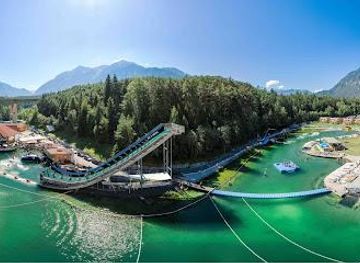
AREA 47 - Tirol
Experience adventure and relaxation at AREA 47, Tirol's premier amusement park set against the stunning backdrop of the Ötztal Alps.
-
Tourist attraction
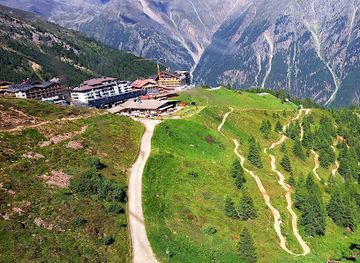
Giggijochbahn Sölden
Explore the breathtaking landscapes and thrilling adventures at Giggijochbahn Sölden, your gateway to the Ötztal Alps.
-
Tourist attraction
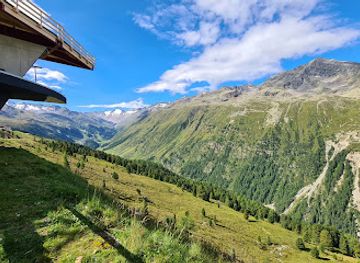
TOP Mountain Motorcycle Museum Crosspoint
Explore the fascinating world of motorcycles in the stunning Ötztal Alps at the TOP Mountain Motorcycle Museum Crosspoint, where history and adventure collide.
-
Tourist attraction
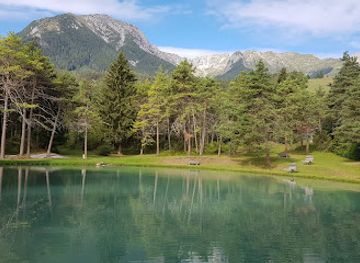
Rosengartenschlucht
Explore the breathtaking beauty of Rosengartenschlucht, a must-visit gorge in the heart of the Tyrolean Alps, perfect for nature lovers and adventure seekers.
Best landmarks in Ötztal
The Stuibenfall near Umhausen is one of Ötztal’s most recognisable natural landmarks, dropping in a series of cascades beside a steep, wooded slope. The Ötzi Village nearby gives the valley a distinctive archaeological association, interpreting prehistoric Alpine life through reconstructed structures rather than presenting the distant discovery site as if it were within the village. Piburger See, set above Oetz, is a notable landscape landmark whose wooded basin offers a gentler contrast to the high mountains. In the upper valley, the peaks and glacier landscapes around Sölden, Obergurgl and Hochgurgl define the visual identity of Ötztal, with seasonal lift access opening views across the Ötztal Alps. Timmelsjoch is an important historical and geographical landmark at the international border, although its road is seasonal and the crossing connects Austria with South Tyrol in Italy. Historic parish churches, farmhouses and village centres throughout Oetz, Umhausen and Längenfeld add a human scale to these larger natural features and show how settlement adapted to a narrow Alpine valley.
-
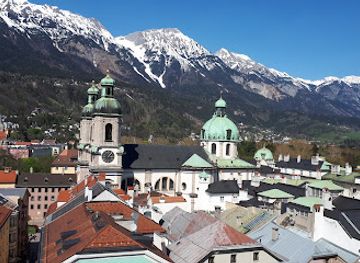
Historical landmark
Golden Roof
Discover Innsbruck's glittering heart: the Golden Roof, a symbol of imperial power and architectural beauty in the Old Town.
-
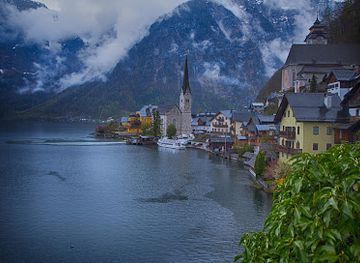
Scenic spot
Panoramic Viewpoint - Hallstatt
Capture the iconic Hallstatt panorama from this must-visit viewpoint, offering breathtaking views of the village, lake, and surrounding Alps.
-
 Wellness hotel
Aqua Dome
Experience futuristic relaxation amidst the Alps at Aqua Dome, a unique thermal spa in Längenfeld, Ötztal Valley.
-
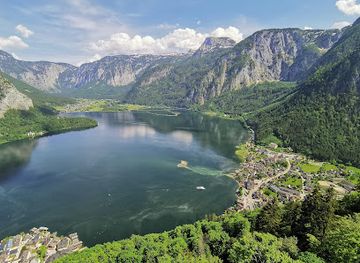
Observation deck
Panoramic Viewpoint - Hallstatt Skywalk
Experience breathtaking panoramic views from the Hallstatt Skywalk, perched 360 meters above the UNESCO World Heritage village.
Explore Ötztal on the map
Plan your trip on one map. See where the top cities, national parks and sights are, and book hotels and experiences in a few clicks.
Best hotels in Ötztal
Best restaurants in Ötztal
Ötztal’s dining combines Tyrolean staples with the expectations of an international mountain-resort region. Menus commonly include dishes such as cheese dumplings, bacon dumplings, gröstl, soups, schnitzel, game when in season and Kaiserschmarrn, alongside alpine cheeses, rye bread and pastries. Mountain huts and traditional inns place emphasis on filling food suited to walkers and skiers, while Sölden and Obergurgl-Hochgurgl offer a broader range of contemporary restaurants and international cooking. Längenfeld and Oetz have village restaurants, cafés and inns where regional produce appears alongside modern interpretations of Austrian cuisine. Farmers’ products, dairy goods, cured meats and fruit-based spirits reflect the valley’s agricultural traditions, although menus vary between communities and seasons. In winter and during busy summer weeks, booking is sensible for popular restaurants, particularly in the larger resort centres.
-
Restaurant
Aqua Dome
Discover ultimate relaxation at Aqua Dome - a luxurious wellness retreat nestled in the heart of Austria's Ötztal Valley.
-
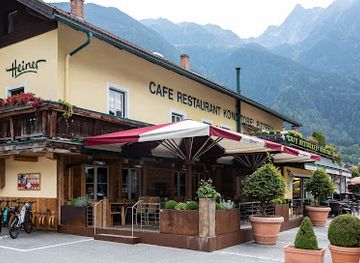
Restaurant
Cafe Heiner
Discover Cafe Heiner in Ötztal Valley: A charming restaurant and confectionery offering delicious meals and delightful sundaes.
-
Restaurant
Gasthof Andreas Hofer
Experience authentic Austrian cuisine at Gasthof Andreas Hofer in Umhausen – where tradition meets taste.
-
Restaurant
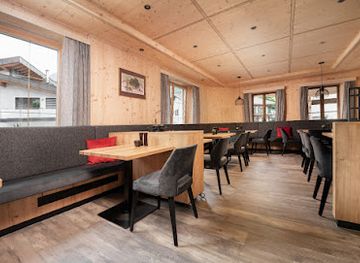
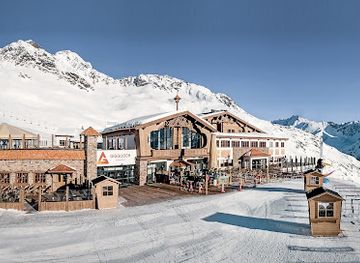
Wirtshaus am Giggijoch
Experience authentic Austrian cuisine with stunning alpine views at Wirtshaus am Giggijoch in Sölden.
Best bars in Ötztal
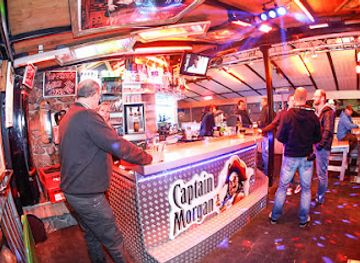
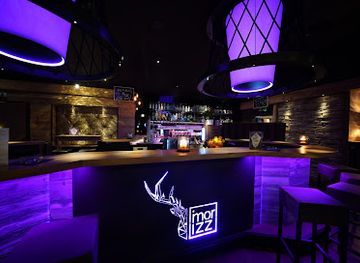
Evening life in Ötztal is concentrated in Sölden, with après-ski venues, hotel bars, pubs and live-music settings providing the region’s most developed nightlife. Obergurgl and Hochgurgl offer a more compact resort scene centred on hotels, mountain restaurants and bars, while Oetz and Längenfeld are better suited to quiet drinks, traditional inns and restaurant evenings. Some ski venues become livelier during the winter season, but opening arrangements and events change regularly. In rural parts of the valley, nightlife generally means meeting friends in a local pub, attending occasional live music or enjoying a late meal rather than visiting a nightclub. Breweries, spirits and regional drinks may feature on menus, but the evening culture is not solely alcohol-based; wellness facilities, winter walks and cultural activities also shape the after-dark experience.
-
Amusement park
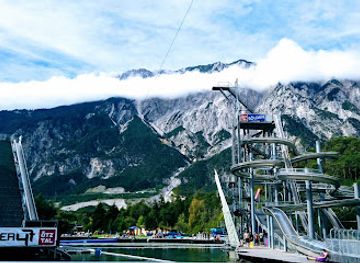
AREA 47 - Tirol
Discover the ultimate thrill at AREA 47 - Tirol, where adventure meets stunning alpine beauty in Austria's breathtaking Ötztal Valley.
-
Restaurant
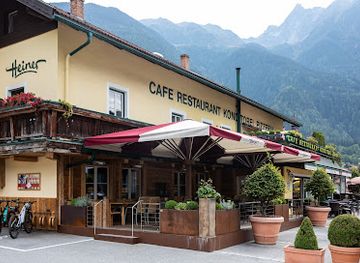
Cafe Heiner
Discover Café Heiner in Ötz, where delectable desserts meet savory delights in a cozy alpine atmosphere.
-
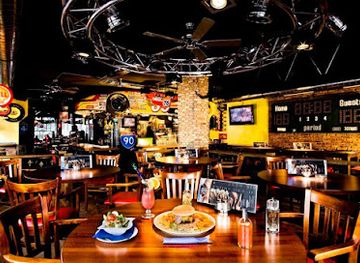
Diner
Oilers69 - American Diner in Haiming in Tirol
Experience the flavors of America at Oilers69, the top American diner in Haiming, Tirol, where delicious burgers and steaks await!
-
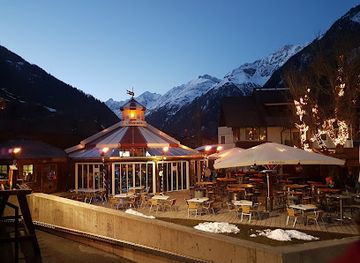
Bar
Marco's
Experience the vibrant ambiance of Marco's in Sölden, where great food and drinks meet a lively atmosphere, perfect for relaxation after your alpine adventures.
Best nightclubs in Ötztal
Evening life in Ötztal is concentrated in Sölden, with après-ski venues, hotel bars, pubs and live-music settings providing the region’s most developed nightlife. Obergurgl and Hochgurgl offer a more compact resort scene centred on hotels, mountain restaurants and bars, while Oetz and Längenfeld are better suited to quiet drinks, traditional inns and restaurant evenings. Some ski venues become livelier during the winter season, but opening arrangements and events change regularly. In rural parts of the valley, nightlife generally means meeting friends in a local pub, attending occasional live music or enjoying a late meal rather than visiting a nightclub. Breweries, spirits and regional drinks may feature on menus, but the evening culture is not solely alcohol-based; wellness facilities, winter walks and cultural activities also shape the after-dark experience.
-
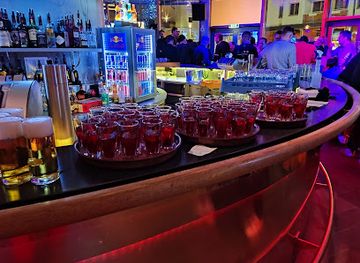
Bar
Fire & Ice Sölden
Experience the vibrant nightlife at Fire & Ice Sölden, the ultimate après-ski destination with a lively bar and disco atmosphere.
-
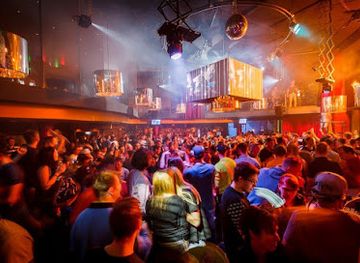
Night club
Katapult Sölden
Discover the electrifying nightlife at Katapult Sölden, where music, dance, and alpine charm come together for an unforgettable experience.
-
Bar
Black Orange Bar Sölden
Uncover the vibrant nightlife of Sölden at Black Orange Bar, where great drinks and lively entertainment await every visitor.
-
Disco club
Johnny - The Club Of Emotions
Discover the vibrant nightlife of Oberndorf at Johnny - The Club Of Emotions, where dance, cocktails, and gourmet hamburgers create unforgettable evenings.
Best shops in Ötztal
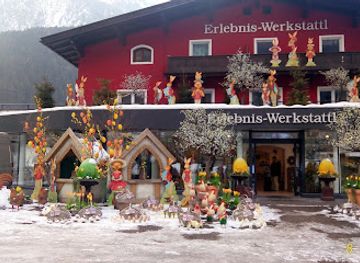
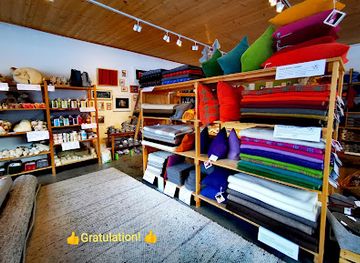
Shopping in Ötztal is practical, seasonal and closely connected with mountain life rather than centred on large urban retail districts. Sölden has the broadest selection of sports shops, ski equipment, outdoor clothing, footwear, souvenirs and resort fashion, while Obergurgl and Hochgurgl offer similar goods on a smaller scale. Oetz, Umhausen and Längenfeld have village shops, bakeries, supermarkets and independent businesses useful for everyday supplies and locally produced gifts. Visitors can look for Tyrolean food products such as mountain cheese, cured meats, bread, honey, preserves and fruit spirits, as well as woollen goods, woodwork and small handicrafts. Market activity varies by season and locality, so temporary stalls and events should be checked locally rather than assumed to operate year-round. For traditional products, farm shops and regional producers can offer a more direct connection with the valley’s agricultural culture than generic souvenir outlets.
-
Supermarket
SPAR
Discover the best of Tyrolean grocery shopping at SPAR in Oetz: fresh produce, local specialties, and a friendly atmosphere await you.
-
Knit shop
Ötztaler Schafwollzentrum - Regensburger GmbH
Explore the enchanting world of wool crafting at Ötztaler Schafwollzentrum, a unique destination in Tyrol showcasing exquisite textile artistry.
-
Grocery store
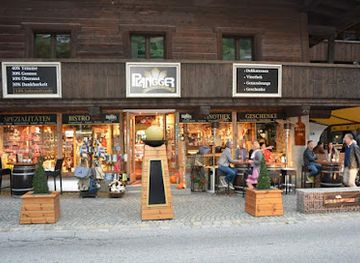
Plangger DELIKATESSEN Oetz
Experience the best of local delicacies and exquisite wines at Plangger DELIKATESSEN Oetz in the enchanting Ötz valley.
-
Souvenir store
Sölden Store - Glanzpunkte
Explore Sölden Store - Glanzpunkte for unique souvenirs, local crafts, and a cozy coffee shop experience in the heart of the Ötztal Alps.

Get your free copy of our complete guide to Ötztal, delivered straight to you.
Everything on this page, from attractions and restaurants to essentials and local phrases, in one PDF you can read offline, print or share.
Already have an account? Sign in
Your Ötztal guide is ready.
We'll send it to · Not you? Sign out

Getting your guide ready…
We are putting together a fresh copy of the Ötztal guide. This can take up to a minute.
This can take a few moments. If your browser asks, choose Allow so the download can start. You'll find the guide in your Downloads folder.
Nothing happened? Download it again
Sorry, the guide is taking longer than usual. Please try again in a minute, or get it by email instead.
Ötztal essentials
Currency and Payment
Safety
Emergency Situations
Do's and Don'ts
Local Tips
From Eve
Local phrases worth knowing
You don't need to get them perfect. A few words go a long way, and locals appreciate the effort.
Basics
| English | Local | Say it |
|---|---|---|
| Hello | Griaß di | [Gree-ahs dee] |
| Goodbye | Pfiat di | [Pfee-aht dee] |
| Yes | Ja | [Yah] |
| No | Nein | [Nine] |
| Please/You’re welcome | Bitte | [Bitt-eh] |
| Thank you | Danke | [Dahn-keh] |
| Excuse me/Sorry | Entschuldigung | [Ent-shool-dee-goong] |
| How are you? | Wie geht's? | [Vee gate's?] |
| Fine. And you? | Gut. Und dir? | [Gooot. Oond deer?] |
| Do you speak English? | Sprechst du Englisch? | [Shprekt doo English?] |
| I don’t understand | Ich versteh nicht | [Eekh fersh-tay nikht] |
Eating & Drinking
| English | Local | Say it |
|---|---|---|
| I’d like to see the menu, please | Ich hätt gern die Speisekarte, bitte | [Eekh het gearn dee Shpieze-kahr-teh, bitt-eh] |
| I don’t eat meat | Ich ess kein Fleisch | [Eekh ess kine Flysh] |
| Cheers! | Prost! | [Prohst!] |
| I would like to pay, please | Ich möcht gern zahlen, bitte | [Eekh merkt gearn tsah-len, bitt-eh] |
Emergencies
| English | Local | Say it |
|---|---|---|
| Help! | Hilfe! | [Hil-feh!] |
| Go away! | Geh weg! | [Gay vek!] |
| Call the Police! | Ruf die Polizei! | [Roof dee Po-lee-tsai!] |
| Call a doctor! | Ruf einen Arzt! | [Roof eye-nen Artzt!] |
| I’m lost | Ich bin verloren | [Eekh bin fer-lo-ren] |
| I’m ill | Ich bin krank | [Eekh bin krank] |
Shopping
| English | Local | Say it |
|---|---|---|
| I’d like to buy... | Ich möcht gern kaufen... | [Eekh merkt gearn kow-fen...] |
| I’m just looking | Ich schau nur | [Eekh shau noor] |
| How much is it? | Wieviel kostet das? | [Vee-feel kostet das?] |
| That’s too expensive | Das ist zu teuer | [Das ist tsu toy-er] |
| Can you lower the price? | Können Sie den Preis senken? | [Kurn-en zee den prize senken?] |
Time & Numbers
| English | Local | Say it |
|---|---|---|
| What time is it? | Wie spät ist es? | [Vee shpaet ist es?] |
| It’s one o’clock | Es ist ein Uhr | [Es ist ine Oor] |
| Half past (10) | Halb (10) | [Halb (10)] |
| Morning | Morgen | [Mor-gen] |
| Afternoon | Nachmittag | [Nahkh-mit-tahg] |
| Evening | Abend | [Ah-bent] |
| Yesterday | Gestern | [Ges-tern] |
| Today | Heute | [Hoy-teh] |
| Tomorrow | Morgen | [Mor-gen] |
| 1 | Eins | [Eyns] |
| 2 | Zwei | [Tsvy] |
| 3 | Drei | [Dry] |
| 4 | Vier | [Feer] |
| 5 | Fünf | [Fünf] |
| 6 | Sechs | [Zex] |
| 7 | Sieben | [Zee-ben] |
| 8 | Acht | [Acht] |
| 9 | Neun | [Noyn] |
| 10 | Zehn | [Tsen] |
Transport & Directions
| English | Local | Say it |
|---|---|---|
| Where's a/the...? | Wo ist ein/das ...? | [Vo ist ine/das ...?] |
| What's the address? | Was ist die Adresse? | [Vas ist dee Ah-dress-eh?] |
| Can you show me (on the map)? | Kannst du mir (auf der Karte) zeigen? | [Kanst doo meer (auf der Kahr-teh) tsai-gen?] |
| When's the next (bus)? | Wann kommt der nächste (Bus)? | [Vahn komt der nay-sh-teh (Boos)?] |
| A ticket (to ....) | Ein Ticket (nach ....) | [Eyn Ticket (nahkh ....)] |
History of Ötztal
Prehistoric Alpine Passage and Ötzi
The high mountains around Ötztal were not an absolute barrier to prehistoric movement. The discovery of Ötzi, a Copper Age man found in 1991 near the Similaun on the Austrian–Italian border, demonstrated that people crossed these upland routes more than 5,000 years ago. His exact discovery site lies on the Italian side of the international boundary, while the name Ötzi reflects the wider Ötztal Alpine landscape. The find provided evidence of clothing, tools, diet and travel in prehistoric Alpine Europe, transforming understanding of life above the valleys.
Roman and Medieval Connections
Ötztal formed part of a wider network linking the Inn Valley with Alpine passes towards present-day South Tyrol. Roman influence was strongest through regional routes and settlements in the surrounding Tyrol rather than through a single large Roman town in the valley. During the medieval period, estates, churches and farming communities developed along the valley floor and side valleys. Local place names, parish churches and historic farm buildings preserve traces of this gradual settlement process, while mountain passes remained important for seasonal movement, trade and pastoral activity.
Farming, Transhumance and Valley Communities
For centuries, life in Ötztal depended on a combination of valley agriculture, dairy farming, forestry and seasonal grazing. Families moved livestock between lower farms, summer pastures and high Alpine huts, a pattern known as transhumance. The steep terrain encouraged compact settlements and distinctive farm buildings adapted to limited cultivable land. Hay meadows, irrigation channels, chapels and pasture huts remain visible reminders of this economy, even though tourism and modern services now provide much of the region’s employment.
Mountain Routes and Timmelsjoch
The route over Timmelsjoch connected the Ötztal side of the Alps with the Passeier and Merano areas of South Tyrol. For local communities it was historically a demanding mountain crossing used by traders, farmers and travellers; its modern road opened in the twentieth century and made the pass accessible to motor traffic during the snow-free season. The route’s history reflects Ötztal’s position between the northern Tyrolean lowlands and the high passes leading towards Italy, while also explaining why the crossing remains seasonal and vulnerable to Alpine weather.
The Rise of Alpine Tourism
Organised mountaineering and tourism expanded in the nineteenth and early twentieth centuries as visitors arrived to explore the Ötztal Alps. Mountain huts, guides and improved roads gradually connected remote communities with a wider travel economy. The development of cable cars and ski infrastructure after the Second World War accelerated this change, especially in Sölden and the high valley around Obergurgl and Hochgurgl. Tourism brought employment and investment, but it also altered settlement patterns, architecture and the balance between traditional farming and service industries.
Modern Ski and Wellness Development
From the late twentieth century, Ötztal diversified beyond summer mountaineering and winter skiing. Snowmaking, lifts and resort accommodation established Sölden as an internationally known ski centre, while Obergurgl-Hochgurgl developed a high-altitude winter season. Längenfeld added a major thermal-bathing dimension through the Aqua Dome, linking wellness with the valley’s geothermal identity. Contemporary Ötztal therefore combines old agricultural landscapes and Alpine customs with highly developed mountain tourism, transport infrastructure and hospitality.
Ötztal in Photos
Browse through our photo collection highlighting the charm and character of the destination.
Neighbouring regions of Ötztal
The closest regions to Ötztal, if you have time for more than one.
-

-

-

-

-


Swipe for more regions
Explore more
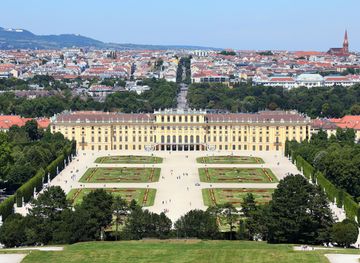
Explore more of Austria
Discover Austria's blend of alpine landscapes, rich cultural heritage, and culinary delights, from Vienna's historic charm to Tyrol's dramatic beauty.
Explore Austria