

Free Montafon Travel Guide & Mobile App
Explore Montafon with free travel guides. Discover regional history, expert tips, proposed trips, and audio guides on web or mobile app.


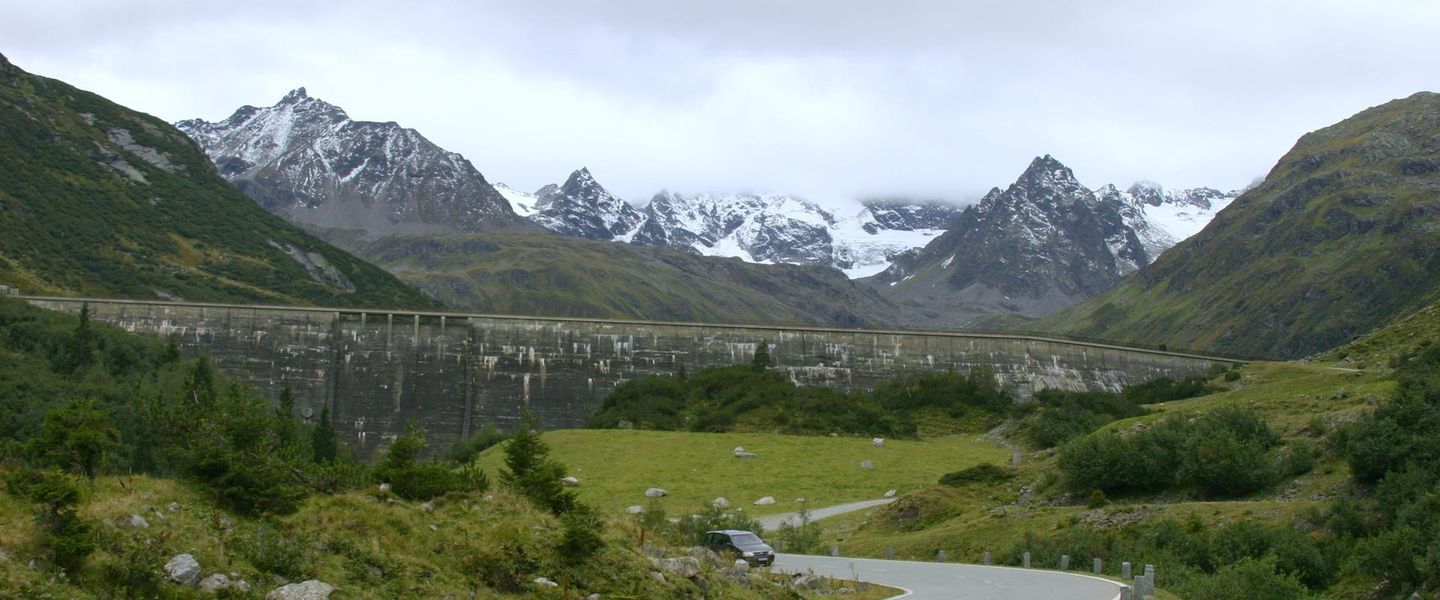


Montafon combines Vorarlberg mountain villages, Alpine hiking, winter sports, traditional farmhouses and high routes towards the Silvretta.
Read more about Montafon
When is the best time to visit Montafon?
Best: July–September · 19–23°C| Month | High (°C) | Rainfall (mm) |
|---|---|---|
| January | 2 | 60 |
| February | 3 | 55 |
| March | 8 | 65 |
| April | 11 | 70 |
| May | 17 | 90 |
| June | 21 | 105 |
| July (best) | 23 | 110 |
| August (best) | 23 | 105 |
| September (best) | 19 | 85 |
| October | 14 | 75 |
| November | 8 | 70 |
| December | 4 | 65 |
Getting to and around Montafon
How to get there
Transportation
Top city travel guides in Montafon
The cities of Montafon, and the easiest places to base yourself.

Swipe for more cities
Destinations in Montafon
Resorts, valleys and scenic spots worth a trip of their own.
-

-

-

-


Swipe for more destinations
Best attractions in Montafon
Montafon’s attractions are distributed through a long Alpine valley rather than concentrated in one town. Schruns provides museums, cultural institutions and easy access to the valley railway, while the historic villages and farmhouses around Bartholomäberg and Tschagguns show how settlement developed on sunny terraces above the Ill. The mining heritage of Bartholomäberg and Silbertal offers a different perspective on the region’s past. Above the valley, the Golm, Silvretta Montafon, Gargellen and Kristberg areas provide hiking, skiing, mountain biking and panoramic routes, with a range of terrain from family-friendly paths to demanding high-mountain excursions. The Silvretta-Hochalpenstraße begins at Partenen and is a major scenic road leading towards the high Alps and onward into Tyrol when seasonally open. Alpine dairies, meadows, forest tracks and marked walking routes offer quieter alternatives to the lift stations, although access and opening arrangements vary by season. The attraction landscape is therefore a combination of living rural culture, interpretive heritage, engineered mountain infrastructure and dramatic natural terrain.
-
Mountain cable car
Golm im Montafon
Discover Golm im Montafon, a stunning mountain paradise for skiing in winter and hiking in summer, surrounded by breathtaking Alpine beauty.
-
National park
Swiss National Park
Experience the breathtaking beauty of the Swiss National Park, where stunning landscapes and diverse wildlife await every visitor.
-
Tourist attraction
Bürserschlucht
Explore the enchanting Bürserschlucht Gorge, a natural oasis perfect for hiking, photography, and immersing in Austria's breathtaking landscapes.
-
Mountain cable car
Montafon Kristbergbahn Silbertal GmbH
Discover breathtaking views and exhilarating adventures at Montafon Kristbergbahn, the ultimate mountain cable car experience in the Austrian Alps.
Best landmarks in Montafon
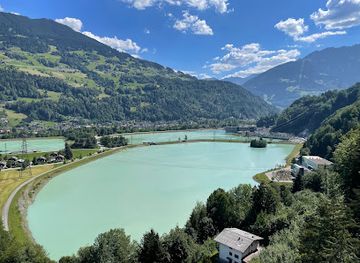
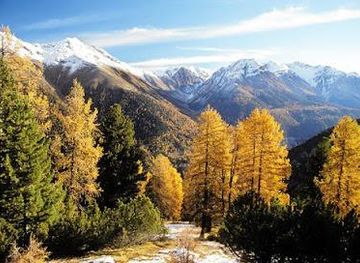
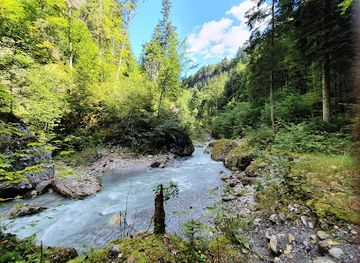
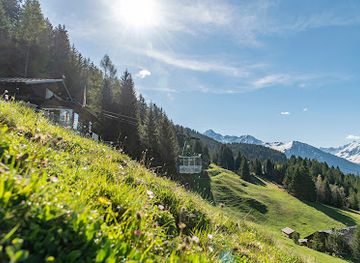
Montafon’s most recognisable landmarks reflect both its mountain setting and its rural history. The parish church of St Bartholomäus at Bartholomäberg stands above the valley and forms a prominent focal point in a settlement associated with early mining and historic farmsteads. In Schruns, the parish church of St Jodok and the surrounding centre provide an architectural reference point for the valley’s traditional main town. The Montafonerhaus, found in surviving examples across villages such as Bartholomäberg, Silbertal and Tschagguns, is a defining vernacular landmark rather than a single monument; its timber-and-masonry form records the practical organisation of Alpine farm life. The steep Rätikon mountains to the west and the higher Silvretta ranges towards Partenen give Montafon its great natural landmarks, with distinctive peaks and passes visible from valley terraces. The Silvretta-Hochalpenstraße is also a major engineered landmark: beginning at Partenen, it climbs towards the high Alpine landscape before continuing beyond Montafon into Tyrol. Together these places show how churches, farmhouses, roads and mountain forms shape the valley’s identity.
-
Tourist attraction
Silvretta-Hochalpenstraße
Experience the breathtaking beauty of the Silvretta-Hochalpenstraße, a scenic alpine road in Austria offering stunning views and outdoor adventures.
-
Mountain cable car
Golm im Montafon
Discover Golm im Montafon: A premier alpine destination for skiing, hiking, and breathtaking views in the heart of the Austrian Alps.
-
Ski resort
Silvretta Montafon
Experience thrilling skiing and stunning alpine beauty at Silvretta Montafon, Austria's premier ski resort destination.
-
Mountain cable car
Silvretta Montafon GmbH
Discover the stunning beauty of Silvretta Montafon, a premier ski resort with breathtaking views, thrilling slopes, and year-round outdoor adventures.
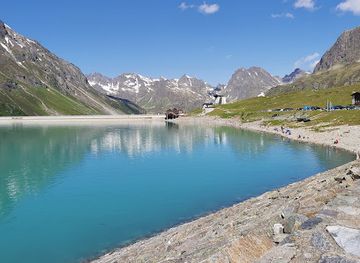
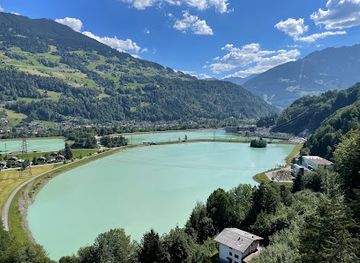
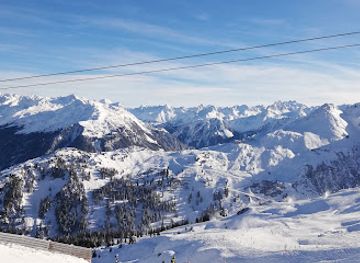
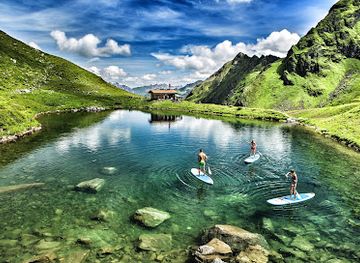
Explore Montafon on the map
Plan your trip on one map. See where the top cities, national parks and sights are, and book hotels and experiences in a few clicks.
Best hotels in Montafon
Best restaurants in Montafon
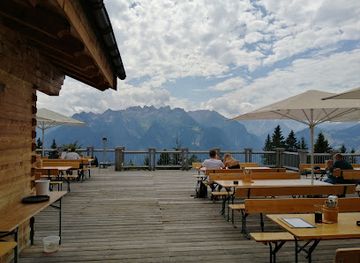
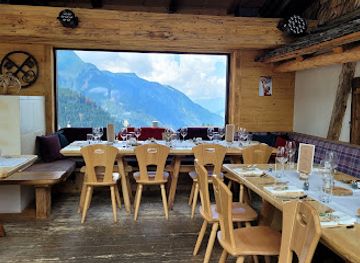
Dining in Montafon combines Vorarlberg specialities with the practical food traditions of an Alpine farming valley. Kässpätzle, made with pasta, local-style cheese and onions, is widely encountered, alongside cheese dumplings, soups, rösti-like potato dishes, yeast pastries and cakes. Mountain cheese and other dairy products are important regional ingredients, often served in village inns, mountain huts and alpine dairies. Schruns and the larger resort villages offer the broadest choice of cafés, restaurants and contemporary menus, while smaller settlements tend towards traditional inns and seasonal establishments. Mountain restaurants are central to the skiing and hiking experience, but their opening periods, menus and payment arrangements can differ from those in the valley. Local produce markets and farm shops, where available, are useful for bread, cheese, jams and other provisions. Austrian wine is common on menus, while beer, coffee and fruit-based drinks complement the regional food culture.
-
Restaurant
Alpengasthof Muttersberg
Experience authentic Austrian cuisine at Alpengasthof Muttersberg while exploring stunning hiking trails in Nüziders.
-
Restaurant
Brunellawirt
Discover Brunellawirt: A delightful restaurant in Garfrescha serving authentic Austrian cuisine amidst breathtaking scenery.
-
Restaurant
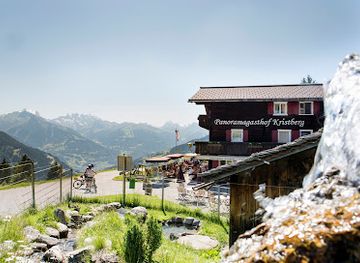
Panoramagasthof Kristberg
Experience authentic Austrian cuisine at Panoramagasthof Kristberg surrounded by stunning mountain views in the heart of Montafon.
-
Restaurant
Kapellrestaurant
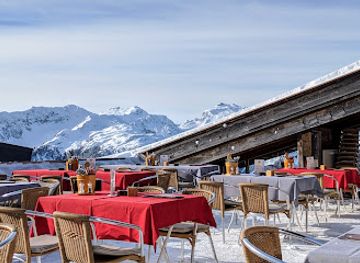
Experience alpine dining at its best at Kapellrestaurant - where tradition meets breathtaking mountain views in Montafon.
Best bars in Montafon
Evening life in Montafon is generally sociable and low-key rather than centred on a large nightclub district. Schruns and the main ski villages have the widest selection of hotel bars, traditional pubs, après-ski venues and restaurants that remain open into the evening, with activity usually increasing during the winter season. Gaschurn, St Gallenkirch and nearby resort areas attract visitors seeking live music and après-ski entertainment, while smaller villages rely more on village inns, hotel lounges and occasional local events. In summer, evenings often focus on outdoor dining, mountain-view terraces and cultural programmes rather than late-night venues. Craft beer, Austrian wines, schnapps and non-alcoholic drinks are available, but visitors do not need to drink alcohol to participate in local social life. Check return transport carefully, as services between villages become less frequent later in the evening.
-
Mountain cabin
Lindauer Hütte
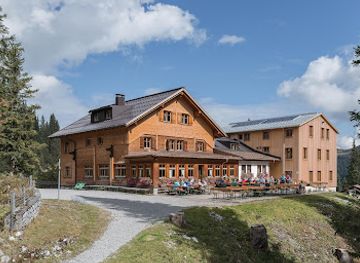
Discover the charm of Lindauer Hütte, a mountain retreat in Tschagguns offering stunning views, local cuisine, and a perfect base for outdoor adventures.
-
Bar
Kapellrestaurant
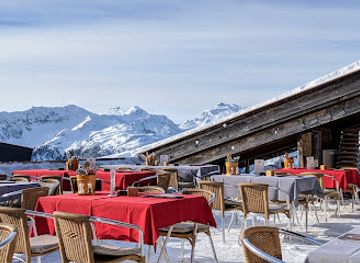
Discover the enchanting Kapellrestaurant, a mountain cabin offering delicious local cuisine and breathtaking views in the heart of Montafon.
-
Restaurant
Berghof Golm
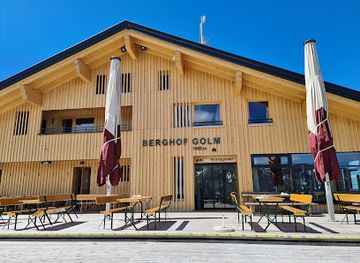
Experience the best of Tyrolean cuisine and cozy mountain lodging at Berghof Golm, nestled in the breathtaking landscapes of Tschagguns.
-
Restaurant
Almhütte Fellimännle
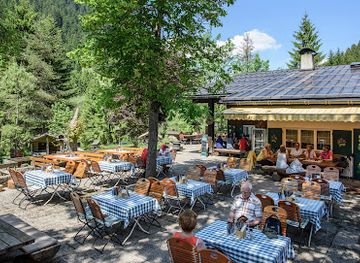
Discover Almhütte Fellimännle: A hidden gem in the mountains, offering authentic Austrian cuisine and breathtaking views in a serene hiking area.
Best nightclubs in Montafon
Evening life in Montafon is generally sociable and low-key rather than centred on a large nightclub district. Schruns and the main ski villages have the widest selection of hotel bars, traditional pubs, après-ski venues and restaurants that remain open into the evening, with activity usually increasing during the winter season. Gaschurn, St Gallenkirch and nearby resort areas attract visitors seeking live music and après-ski entertainment, while smaller villages rely more on village inns, hotel lounges and occasional local events. In summer, evenings often focus on outdoor dining, mountain-view terraces and cultural programmes rather than late-night venues. Craft beer, Austrian wines, schnapps and non-alcoholic drinks are available, but visitors do not need to drink alcohol to participate in local social life. Check return transport carefully, as services between villages become less frequent later in the evening.
-
Bar
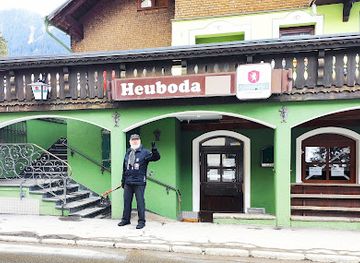
Heuboda Gaschurn - Aprés Ski, Bar, Disco
Experience vibrant après ski at Heuboda Gaschurn, a lively bar and disco offering delicious drinks and unforgettable nightlife in the heart of the Alps.
-
Night club
SENDER club
Discover the energetic nightlife of SENDER Club in Lustenau, where vibrant music and a lively atmosphere await every night.
-
Bar
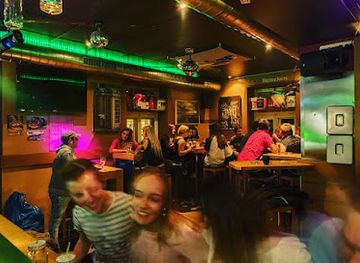
Mobar
Experience the vibrant nightlife of Schruns at Mobar, where friends gather over drinks in a warm and inviting atmosphere.
-
Pub
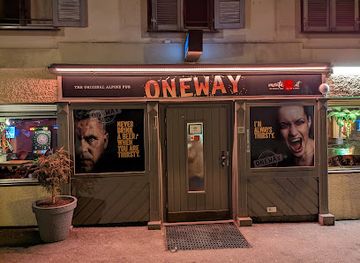
ONEWAY Pub
Experience the vibrant nightlife at ONEWAY Pub, the perfect spot for tourists in Schruns to unwind and enjoy local drinks and live music.

Best shops in Montafon
Shopping in Montafon is focused on practical Alpine goods, regional food and independent village retail rather than large-scale urban commerce. Schruns has the broadest choice of shops, including outdoor equipment, clothing, groceries, cafés, books and locally oriented gift shops, while neighbouring resort villages provide equipment hire and seasonal sports retail. Farm shops and specialist food outlets are suitable places to look for mountain cheese, bread, preserves, honey and other regional produce. Traditional craft items, woodwork, textiles and products referencing the Montafonerhaus or local mountain culture may appear in museum shops and independent retailers, although stock varies. Weekly markets and seasonal events can add local produce and handmade goods, but dates should be checked locally. Visitors seeking extensive department stores or luxury shopping will find a much smaller offer than in nearby urban centres such as Bludenz, outside Montafon. The most useful purchases are generally food provisions, quality walking or ski equipment and durable regional products rather than mass-produced souvenirs.
-
Shopping mall
Einkaufszentrum Messepark
Explore Einkaufszentrum Messepark in Dornbirn, Austria, where shopping meets leisure in a vibrant atmosphere filled with diverse stores and delightful dining options.
-
Shopping mall
ZIMBAPARK Shopping Center
Explore the vibrant ZIMBAPARK Shopping Center in Bürs, where shopping meets leisure, dining, and family fun.
-
 Mountain cable car
Silvretta Montafon GmbH
Experience the breathtaking beauty and thrilling adventures of Silvretta Montafon, a premier alpine destination for skiing and mountain exploration.
-
Chocolate shop
Milka Lädele
Discover the sweet world of Milka chocolate at Milka Lädele, a must-visit chocolate shop in Bludenz, Austria, offering an exquisite range of delightful treats.
Get your free copy of our complete guide to Montafon, delivered straight to you.
Everything on this page, from attractions and restaurants to essentials and local phrases, in one PDF you can read offline, print or share.
Already have an account? Sign in
Your Montafon guide is ready.
We'll send it to · Not you? Sign out

Getting your guide ready…
We are putting together a fresh copy of the Montafon guide. This can take up to a minute.
This can take a few moments. If your browser asks, choose Allow so the download can start. You'll find the guide in your Downloads folder.
Nothing happened? Download it again
Sorry, the guide is taking longer than usual. Please try again in a minute, or get it by email instead.
Montafon essentials
Currency and Payment
Safety
Emergency Situations
Do's and Don'ts
Local Tips
From Eve
Local phrases worth knowing
You don't need to get them perfect. A few words go a long way, and locals appreciate the effort.
Basics
| English | Local | Say it |
|---|---|---|
| Hello | Hallo | [Hah-lo] |
| Goodbye | Auf Wiedersehen | [Owf Vee-der-zay-en] |
| Yes | Ja | [Yah] |
| No | Nein | [Nine] |
| Please/You're welcome | Bitte | [Bitt-eh] |
| Thank you | Danke | [Dahn-keh] |
| Excuse me/Sorry | Entschuldigung | [Ent-shool-dee-goong] |
| How are you? | Wie geht's? | [Vee gate's?] |
| Fine. And you? | Gut. Und dir? | [Goot. Oond deer?] |
| Do you speak English? | Sprichst du Englisch? | [Shprikst doo English?] |
| I don't understand | Ich verstehe nicht | [Ish fer-shtay-eh niht] |
Eating & Drinking
| English | Local | Say it |
|---|---|---|
| I'd like to see the menu, please | Ich möchte die Speisekarte sehen, bitte | [Ish mer-khte dee Shpie-zee-kahr-teh zay-en, bitt-eh] |
| I don't eat meat | Ich esse kein Fleisch | [Ish ess-eh kine Fly-sh] |
| Cheers! | Prost! | [Prohst] |
| I would like to pay, please | Ich möchte bezahlen, bitte | [Ish mer-khte beh-tsah-len, bitt-eh] |
Emergencies
| English | Local | Say it |
|---|---|---|
| Help! | Hilfe! | [Hil-feh] |
| Go away! | Geh weg! | [Gay vek] |
| Call the Police! | Rufen Sie die Polizei! | [Roof-en zee dee Po-li-tsai] |
| Call a doctor! | Rufen Sie einen Arzt! | [Roof-en zee eye-nen Artst] |
| I'm lost | Ich habe mich verlaufen | [Ish ha-beh mikh fer-lau-fen] |
| I'm ill | Ich bin krank | [Ish bin krank] |
Shopping
| English | Local | Say it |
|---|---|---|
| I'd like to buy... | Ich möchte ... kaufen | [Ish mer-khte ... kau-fen] |
| I'm just looking | Ich schaue nur | [Ish shau-eh noor] |
| How much is it? | Wie viel kostet das? | [Vee feel kost-et das?] |
| That's too expensive | Das ist zu teuer | [Das ist tsu toy-er] |
| Can you lower the price? | Können Sie den Preis senken? | [Kern-en zee den price sen-ken?] |
Time & Numbers
| English | Local | Say it |
|---|---|---|
| What time is it? | Wie spät ist es? | [Vee shpaet ist es?] |
| It's one o'clock | Es ist ein Uhr | [Es ist ine Oor] |
| Half past (10) | Halb (10) | [Halb (10)] |
| Morning | Morgen | [Mor-gen] |
| Afternoon | Nachmittag | [Nahch-mit-tahg] |
| Evening | Abend | [Ah-bent] |
| Yesterday | Gestern | [Geh-stern] |
| Today | Heute | [Hoy-teh] |
| Tomorrow | Morgen | [Mor-gen] |
| 1 | Eins | [Eins] |
| 2 | Zwei | [Ts-vai] |
| 3 | Drei | [Dry] |
| 4 | Vier | [Feer] |
| 5 | Fünf | [Fünf] |
| 6 | Sechs | [Zex] |
| 7 | Sieben | [Zee-ben] |
| 8 | Acht | [Acht] |
| 9 | Neun | [Noyn] |
| 10 | Zehn | [Tsen] |
Transport & Directions
| English | Local | Say it |
|---|---|---|
| Where's a/the...? | Wo ist ein/das...? | [Vo ist ine/das...?] |
| What's the address? | Wie lautet die Adresse? | [Vee laut-et dee Ah-dres-seh?] |
| Can you show me (on the map)? | Können Sie mir (auf der Karte) zeigen? | [Kern-en zee meer (owf der Kart-eh) tsai-gen?] |
| When's the next (bus)? | Wann kommt der nächste (Bus)? | [Vahn komt der nay-shteh (Boos)?] |
| A ticket (to ....) | Ein Ticket (nach ...) | [Ine Ticket (nahch ...)] |
History of Montafon
Prehistoric settlement and Roman-era connections
Archaeological evidence indicates human activity in the Montafon region before the Roman period, although the valley was never an urban centre of the Roman world. Its position between the Rhine valley and Alpine passes gave it importance as part of a wider network linking settlements across the mountains. Roman influence reached the surrounding Vorarlberg area, and later routes continued to connect Montafon with neighbouring valleys. The landscape visitors see today was shaped much later by farming, but the valley’s role as a corridor through the Alps has deep historical roots.
Medieval farming communities and church foundations
During the Middle Ages, Montafon developed as a collection of farming settlements organised around parish churches, alpine pastures and local estates. Religious foundations helped structure community life, while paths over mountain passes connected the valley with the Rhine valley, Prättigau and other Alpine districts. Churches in settlements such as Bartholomäberg and Schruns preserve elements of this long development, although many buildings were altered or rebuilt over time. The medieval economy depended on livestock, haymaking, grain where conditions allowed, and trade along difficult but valuable mountain routes.
Mining in Bartholomäberg and the wider valley
Mining is one of Montafon’s most important early industries. Copper and other ores were extracted in the Bartholomäberg area and elsewhere in the valley from the Middle Ages into the early modern period, with periods of renewed activity as demand and technology changed. Mining brought specialist knowledge, trade and additional income, but it also depended on arduous labour and difficult transport. The mining heritage remains visible through interpreted sites, museum displays and traces in the hills around Bartholomäberg and Silbertal, adding an industrial dimension to a landscape often associated primarily with farming and skiing.
Walser settlement and Alpine cultural exchange
From the late Middle Ages onwards, Walser settlers established communities in several high Alpine areas of the wider region, including parts of the Montafon landscape. Walser communities are associated with distinctive settlement patterns, farming practices and Alemannic dialect traditions, although Montafon’s culture cannot be reduced to a single origin. Movement across passes brought continuing exchange with neighbouring valleys in present-day Switzerland and Tyrol. This history helps explain the variety of local speech, house forms and rural traditions found between the valley floor and higher settlements such as Gargellen.
Agriculture, trade and the Montafonerhaus
For centuries, Montafon households combined farming with seasonal work, timber use, livestock keeping and trade. The Montafonerhaus developed as a practical building type suited to this economy, bringing living quarters, storage and agricultural functions together under one roof. Its combination of timber construction and masonry, often with carefully arranged entrances and working spaces, became a defining feature of the valley’s built heritage. Although modern life has transformed the rural economy, surviving farmhouses, hay meadows and alpine pastures show how strongly settlement and landscape were shaped by self-sufficient farming.
Tourism, railways and the modern Alpine economy
Tourism expanded in Montafon during the late nineteenth and twentieth centuries, encouraged by improved roads, the railway connection from Bludenz to Schruns and growing interest in Alpine scenery. Winter sports later transformed the valley’s economy, bringing lifts, hotels and purpose-built facilities to several villages. This development did not erase the older settlements: farming, forestry, local crafts and heritage institutions remain part of the regional economy. Today Montafon balances a substantial outdoor-tourism industry with efforts to maintain village character, traditional architecture and working mountain landscapes.
Montafon in Photos
Browse through our photo collection highlighting the charm and character of the destination.
Neighbouring regions of Montafon
The closest regions to Montafon, if you have time for more than one.
-

-

-

-

-


Swipe for more regions
Explore more
Explore more of Austria
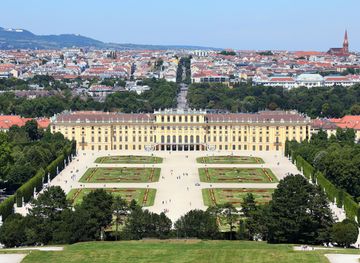
Discover Austria's blend of alpine landscapes, rich cultural heritage, and culinary delights, from Vienna's historic charm to Tyrol's dramatic beauty.
Explore Austria