

Free Vorarlberg Travel Guide & Mobile App
Explore Vorarlberg with free travel guides. Discover regional history, expert tips, proposed trips, and audio guides on web or mobile app.


Explore Vorarlberg’s Lake Constance cities, timber villages, mountain valleys, Alpine resorts, regional food and progressive architecture in western Austria.
Read more about Vorarlberg
When is the best time to visit Vorarlberg?
Best: June–August · 23–24°C| Month | High (°C) | Rainfall (mm) |
|---|---|---|
| January | 3 | 67 |
| February | 4 | 61 |
| March | 8 | 75 |
| April | 13 | 88 |
| May | 19 | 105 |
| June (best) | 23 | 124 |
| July (best) | 24 | 126 |
| August (best) | 24 | 112 |
| September | 20 | 98 |
| October | 14 | 86 |
| November | 8 | 80 |
| December | 3 | 71 |
Getting to and around Vorarlberg
How to get there
Transportation
Top city travel guides in Vorarlberg
The cities of Vorarlberg, and the easiest places to base yourself.
-

-

-


Swipe for more cities
Destinations in Vorarlberg
Resorts, valleys and scenic spots worth a trip of their own.
-

-

-

-

-


Swipe for more destinations
Best attractions in Vorarlberg
Vorarlberg’s attractions range from Lake Constance culture to high Alpine recreation. Bregenz combines the lakeside promenade and harbour with Kunsthaus Bregenz, the Pfänder mountain and the seasonal Bregenz Festival. In the Rhine Valley, Dornbirn provides museums and urban culture, while Hohenems is associated with palaces, Jewish heritage and the accessible foothills of the Karren. Feldkirch offers a historic centre and Schattenburg, with the Walgau and southern valleys opening into more rural landscapes. The Bregenzerwald is a destination in its own right, appreciated for its villages, farmhouses, contemporary buildings, walking routes and cheese-making traditions. Montafon, Brandnertal, Klostertal and the Arlberg provide extensive opportunities for hiking, skiing, climbing, cycling and scenic cable-car journeys. Families can find animal parks, swimming facilities and hands-on museums, while visitors interested in industry and design can explore the legacy of textile production and the region’s modern architecture. Activities are highly seasonal: winter concentrates on snow sports, summer on mountain access and walking, and spring and autumn on town visits, food, architecture and lower-altitude excursions.
-
Museum
Zeppelin Museum Friedrichshafen
Immerse yourself in the rich history of air travel at the Zeppelin Museum Friedrichshafen, where innovation meets legacy on the shores of Lake Constance.
-
Technology museum
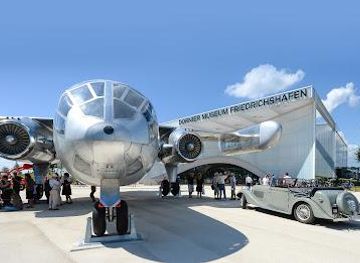
Dornier Museum
Discover the innovative legacy of aviation and aerospace technology at Dornier Museum, a must-visit destination in Friedrichshafen.
-
Tourist attraction
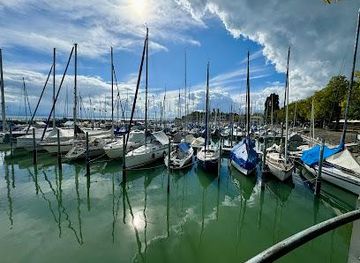
Uferpromenade Friedrichshafen
Explore Uferpromenade Friedrichshafen: A scenic lakeside escape with breathtaking views, vibrant gardens, and local culture along Lake Constance.
-
Monastery
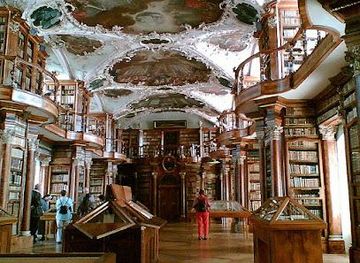
Abbey of Saint Gall
Discover the historical splendor of the Abbey of Saint Gall, a UNESCO World Heritage site with a stunning library and captivating architecture in the heart of St. Gallen.

Best landmarks in Vorarlberg
Vorarlberg’s most recognisable landmarks express its borderland history, Alpine setting and confidence in modern design. Bregenz’s lakeside Festival Theatre and floating stage are distinctive cultural structures, while the white Kunsthaus Bregenz is an important contemporary architectural presence near the old town. Above the city, Pfänder forms a natural landmark with wide views over Lake Constance and the surrounding countries. Feldkirch’s medieval centre is defined by the towers, walls and hilltop Schattenburg, a castle associated with the Counts of Montfort. In Hohenems, Renaissance-era Palace Hohenems recalls the town’s former aristocratic status. The Bregenzerwald’s traditional farmhouses and carefully integrated modern timber buildings are less monumental but collectively form one of the region’s strongest visual identities. Farther south, the high valleys, jagged ridges and passes around Montafon, Klostertal and the Arlberg provide the defining natural landmarks, changing dramatically with snow cover, light and season.
-
Tourist attraction
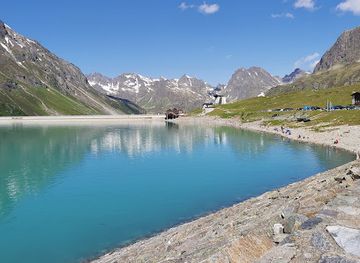
Silvretta-Hochalpenstraße
Experience the 'Dream Road of the Alps' on the Silvretta-Hochalpenstraße, a scenic toll road with stunning mountain views and hairpin turns.
-
Mountain cable car
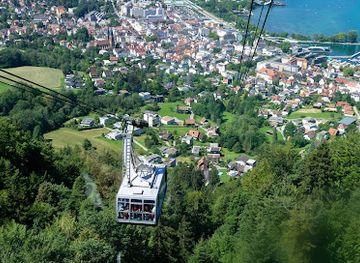
Pfänderbahn
Reach breathtaking panoramic views of Lake Constance and the Alps in just 6 minutes via the Pfänderbahn cable car.
-
Hiking area
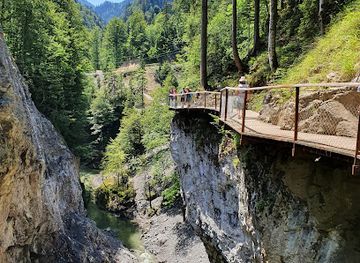
Rappenlochschlucht
Discover the Rappenlochschlucht: Awe-inspiring gorges, waterfalls, and hiking trails await in this natural wonder near Dornbirn, Austria.
-
Museum
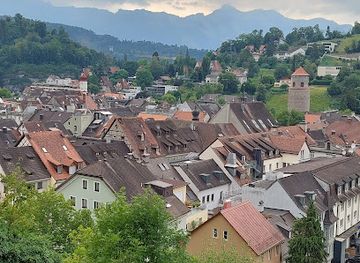
Schattenburg
Explore Schattenburg Castle in Feldkirch: a medieval fortress with a fascinating museum, offering a glimpse into Austria's rich history and culture.
Explore Vorarlberg on the map
Plan your trip on one map. See where the top cities, national parks and sights are, and book hotels and experiences in a few clicks.
Best hotels in Vorarlberg
Best restaurants in Vorarlberg
Vorarlberg’s food reflects mountain dairying, farming and its position beside the German- and Swiss-speaking parts of the Alpine world. Kässpätzle, small pasta-like dumplings with local cheese and fried onions, is a familiar regional speciality, while mountain cheeses from the Bregenzerwald are central to farm shops, inns and seasonal menus. Other traditional dishes include soups, rösti-like preparations, dumplings and hearty meat or vegetable plates, often adapted to the produce available in the valleys. Towns such as Bregenz, Dornbirn and Feldkirch offer the broadest choice of international and contemporary restaurants, cafés and bakeries. Rural inns and mountain huts provide simpler menus, with dairy products, smoked meats, cakes and apple-based desserts common in many areas. Farmers’ markets, dairies and direct-sales shops are useful for discovering cheeses, breads, preserves and seasonal produce. In resort communities, dining ranges from informal Alpine food to polished modern cooking, but booking is prudent during winter and major cultural events.
-
Restaurant
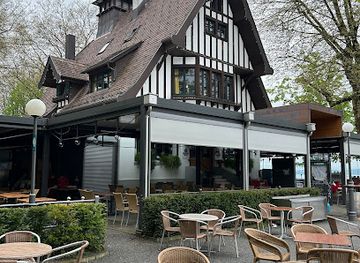
Wirtshaus am See
Experience authentic Austrian cuisine with breathtaking views at Wirtshaus am See in Bregenz.
-
Visitor center
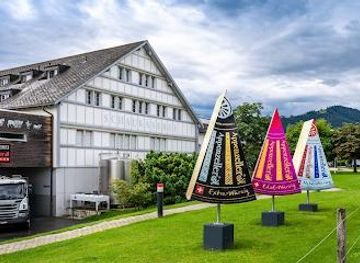
Appenzeller Schaukäserei
Unveil the spicy secrets of Appenzeller Käse in a live show dairy blending tradition, taste, and Alpine charm amid Switzerland's rolling hills.
-
Family-friendly
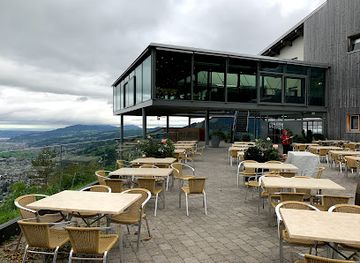
Panoramarestaurant Karren
Discover exquisite dining with breathtaking alpine views at Panoramarestaurant Karren in Dornbirn.
-
Restaurant
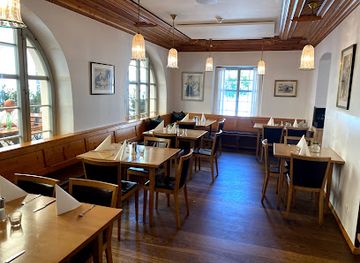
Restaurant Kornmesser
Experience authentic Austrian cuisine at Restaurant Kornmesser in Bregenz - where tradition meets modern dining.
Best bars in Vorarlberg
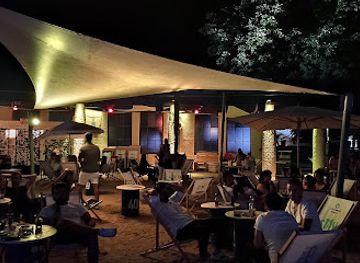
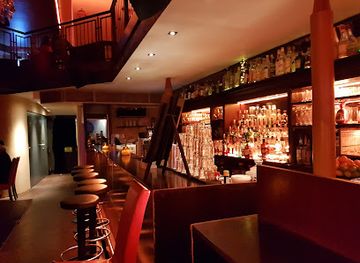
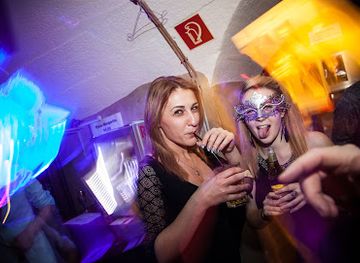
Evening life in Vorarlberg is concentrated in Bregenz, Dornbirn and Feldkirch, with smaller scenes in Hohenems, Bludenz and the larger mountain resorts. Bregenz offers bars, cafés, cultural events and occasional festival-related evenings near the lake, while Dornbirn and Feldkirch have a mixture of pubs, cocktail-led venues, live music and student-oriented nightlife. In the Alpine valleys, traditional inns, hotel bars and après-ski venues are more characteristic than large clubs, particularly in winter resorts such as Lech and Zürs. Montafon and other mountain areas may have seasonal live music and late-opening venues, but schedules change with the season. Craft breweries, wine bars and relaxed cafés provide alternatives to clubbing, and many smaller communities become quiet relatively early. Check local listings for current performances and opening arrangements rather than expecting a nightlife district on the scale of Vienna or Salzburg.
-
Mexican
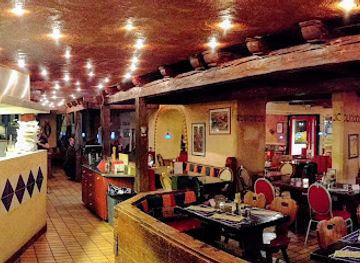
Viva Cantina Mexicana Bar
Indulge in authentic Mexican flavors and vibrant cocktails at Viva Cantina Mexicana Bar in Bregenz, a must-visit for food lovers.
-
Bar
Beachbar Bregenz
Discover the vibrant Beachbar Bregenz, where stunning lake views, delicious cocktails, and a lively atmosphere await you in the heart of Austria.
-
Bar
Wirtshaus Kohldampf im Fohren Center Bludenz
Experience a unique blend of dining and entertainment at Wirtshaus Kohldampf in Bludenz, featuring local cuisine, bowling, and laser tag for all ages.
-
Bar
Cuba
Experience the lively atmosphere of Cuba in Bregenz, where delicious cuisine, refreshing drinks, and vibrant nightlife come together in perfect harmony.

Best nightclubs in Vorarlberg
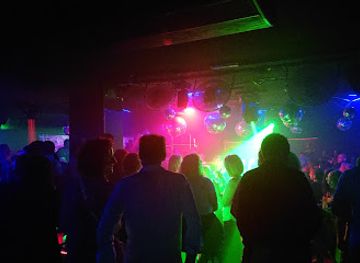
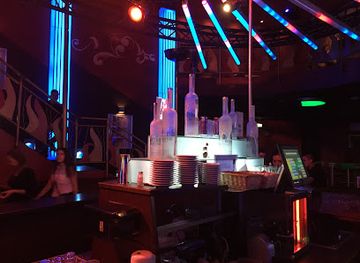
Evening life in Vorarlberg is concentrated in Bregenz, Dornbirn and Feldkirch, with smaller scenes in Hohenems, Bludenz and the larger mountain resorts. Bregenz offers bars, cafés, cultural events and occasional festival-related evenings near the lake, while Dornbirn and Feldkirch have a mixture of pubs, cocktail-led venues, live music and student-oriented nightlife. In the Alpine valleys, traditional inns, hotel bars and après-ski venues are more characteristic than large clubs, particularly in winter resorts such as Lech and Zürs. Montafon and other mountain areas may have seasonal live music and late-opening venues, but schedules change with the season. Craft breweries, wine bars and relaxed cafés provide alternatives to clubbing, and many smaller communities become quiet relatively early. Check local listings for current performances and opening arrangements rather than expecting a nightlife district on the scale of Vienna or Salzburg.
-
Night club
SENDER club
Discover the vibrant nightlife at SENDER Club in Lustenau, where pulsating music, dancing, and great vibes await every night.
-
Night club
Nachtschicht Hard
Discover the vibrant nightlife of Hard, Austria at Nachtschicht Hard, the ultimate destination for dancing and karaoke.
-
Disco club
SHAKE CLUBBING
Unleash your spirit at SHAKE CLUBBING, Röthis's premier disco club, where electrifying nights meet unforgettable memories.
-
Night club
rauch club
Discover the electrifying nightlife at Rauch Club in Feldkirch, Austria, where music, dancing, and fun create unforgettable moments.
Best shops in Vorarlberg
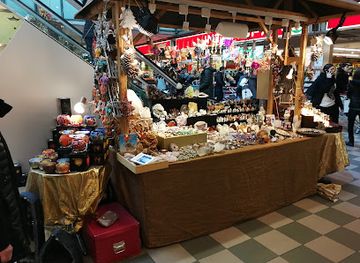
Shopping in Vorarlberg is strongest in the towns and market communities of the Rhine Valley, where Feldkirch’s historic streets, Bregenz’s central area and Dornbirn’s retail districts offer independent shops alongside everyday Austrian chains. The region is particularly rewarding for products connected with design, craft and food: Bregenzerwald cheeses, breads, preserves, spirits, textiles, wooden objects and carefully made household goods are widely available through dairies, farm shops, galleries and specialist retailers. Dornbirn and surrounding communities retain links to the textile industry, while contemporary design shops reflect the region’s architectural culture. Hohenems and Feldkirch are useful for antiques, books and small specialist businesses, though opening patterns vary. Mountain resorts focus more on outdoor equipment, winter sports clothing and high-quality local food than on extensive general retail. Seasonal markets, Christmas markets and village events provide opportunities to buy regional produce and crafts, but visitors should check dates locally because market schedules differ between communities.
-
Shopping mall
Einkaufszentrum Messepark
Experience shopping, dining, and entertainment at Einkaufszentrum Messepark, the ultimate shopping mall in Dornbirn, Austria.
-
Shopping mall
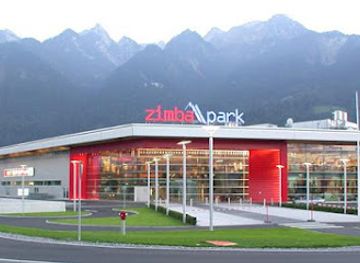
ZIMBAPARK Shopping Center
Explore ZIMBAPARK Shopping Center in Bürs for a fantastic mix of shopping, dining, and entertainment experiences in a vibrant setting.
-
Shopping mall
Stadtmarkt Dornbirn Einkaufszentrum
Explore Stadtmarkt Dornbirn: A bustling shopping mall offering a perfect blend of local culture, retail delights, and culinary experiences in the heart of Dornbirn.
-
Shopping mall
Am Garnmarkt
Discover the vibrant shopping experience at Am Garnmarkt in Götzis, Austria, where retail and relaxation meet.
Get your free copy of our complete guide to Vorarlberg, delivered straight to you.
Everything on this page, from attractions and restaurants to essentials and local phrases, in one PDF you can read offline, print or share.
Already have an account? Sign in
Your Vorarlberg guide is ready.
We'll send it to · Not you? Sign out

Getting your guide ready…
We are putting together a fresh copy of the Vorarlberg guide. This can take up to a minute.
This can take a few moments. If your browser asks, choose Allow so the download can start. You'll find the guide in your Downloads folder.
Nothing happened? Download it again
Sorry, the guide is taking longer than usual. Please try again in a minute, or get it by email instead.
Vorarlberg essentials
Currency and Payment
Safety
Emergency Situations
Do's and Don'ts
Local Tips
From Eve
Local phrases worth knowing
You don't need to get them perfect. A few words go a long way, and locals appreciate the effort.
Basics
| English | Local | Say it |
|---|---|---|
| Hello | Grüaß di | [Grooss dee] |
| Goodbye | Adieu | [A-dyoo] |
| Yes | Ja | [Yah] |
| No | Nei | [Nay] |
| Please/You're welcome | Bitte | [Bitta] |
| Thank you | Danke | [Dahn-keh] |
| Excuse me/Sorry | Entschuldigung | [Ent-shool-dee-goong] |
| How are you? | Wia geits? | [Vee gaits] |
| Fine. And you? | Guat. Und dir? | [Gooot. Oond deer] |
| Do you speak English? | Sprecht ihr Englisch? | [Sprekt ear Englisch] |
| I don't understand | I versteh nix | [Ee fer-shteh nicks] |
Eating & Drinking
| English | Local | Say it |
|---|---|---|
| I'd like to see the menu, please | I möcht gern d'Karte sehn, bitte | [Ee mercht gurn d'Karta zayn, bitta] |
| I don't eat meat | I ess kein Fleisch | [Ee ess kyne Flysh] |
| Cheers! | Prost! | [Prohst] |
| I would like to pay, please | I möcht zahlen, bitte | [Ee mercht tsah-len, bitta] |
Emergencies
| English | Local | Say it |
|---|---|---|
| Help! | Helft! | [Helft] |
| Go away! | Geh weg! | [Gay vek] |
| Call the Police! | Ruf die Polizei! | [Roof dee Polizai] |
| Call a doctor! | Ruf en Doktor! | [Roof en Dok-tor] |
| I'm lost | I bin verlorn | [Ee bin fer-lorn] |
| I'm ill | I bin krank | [Ee bin krank] |
Shopping
| English | Local | Say it |
|---|---|---|
| I'd like to buy... | I möcht kaufen... | [Ee mercht kau-fen] |
| I'm just looking | I schau nur | [Ee shau noor] |
| How much is it? | Wie viel kostet's? | [Vee feel kost-ets] |
| That's too expensive | Das isch z'uer teuer | [Das ish z'oor toy-er] |
| Can you lower the price? | Könntet ihr de Preis senken? | [Kern-tet ear deh Price senk-en] |
Time & Numbers
| English | Local | Say it |
|---|---|---|
| What time is it? | Wia spät isch's? | [Vee shpaet ish's] |
| It's one o'clock | Es isch ein Uhr | [Es ish ein Oor] |
| Half past (10) | Halb elf | [Halb elf] |
| Morning | Morgä | [Mor-gah] |
| Afternoon | Nachmittäg | [Nahch-mit-tayg] |
| Evening | Abend | [A-bend] |
| Yesterday | Gester | [Ges-ter] |
| Today | Hüt | [Hoot] |
| Tomorrow | Morgä | [Mor-gah] |
| 1 | Eins | [Eins] |
| 2 | Zwei | [Tsvi] |
| 3 | Drei | [Drai] |
| 4 | Vier | [Veer] |
| 5 | Fünf | [Fünf] |
| 6 | Sechs | [Zex] |
| 7 | Sieben | [Zee-ben] |
| 8 | Acht | [Acht] |
| 9 | Neun | [Noyn] |
| 10 | Zehn | [Tsen] |
Transport & Directions
| English | Local | Say it |
|---|---|---|
| Where's a/the...? | Wo isch a/d'...? | [Vo ish a/d'...?] |
| What's the address? | Wia isch d'Adräs? | [Vee ish d'Adrays?] |
| Can you show me (on the map)? | Könntet ihr mir zeigä (uff dr Kärt)? | [Kern-tet ear meer tsay-gah (oof der Kaert)?] |
| When's the next (bus)? | Wänn kommt dr nächscht (Bus)? | [Venn komt der nay-shch-t (Boos)?] |
| A ticket (to ....) | E Ticket (nach ....) | [Ee Ticket (naakh ....)] |
History of Vorarlberg
Early Settlement and the Roman Province of Raetia
The Rhine Valley and Alpine passes have attracted settlement since prehistoric times, while the area later formed part of the Roman province of Raetia. Brigantium, near modern Bregenz, became an important Roman settlement and communications point on Lake Constance. Roman roads, administration and trade connected the region with the wider Alpine world, although much of the later settlement pattern developed after the empire’s withdrawal. Archaeological remains around Bregenz provide the clearest reminder that Vorarlberg’s position between the lake, the Rhine and the mountain passes has long given it strategic importance.
Medieval Counts, Towns and Alpine Valleys
During the Middle Ages, power in the region was divided among local dynasties, ecclesiastical institutions and neighbouring political centres. The Counts of Montfort became particularly influential, establishing Feldkirch as an important fortified town and leaving their name across several valleys and settlements. Castles, churches and market privileges helped shape the medieval landscape, while farming communities expanded into higher valleys. Feldkirch’s old town and Schattenburg remain especially visible evidence of the period, when control of routes through the Alps brought both revenue and political significance.
The Habsburg Era and the Formation of Vorarlberg
The Habsburg monarchy acquired much of present-day Vorarlberg in stages, incorporating territories that had previously belonged to local lords, abbeys and other authorities. The region was administered alongside Tyrol for long periods but retained strong links with Swabia, Switzerland and the wider Lake Constance area. This borderland position influenced language, trade and commercial relationships. In 1814, after the Napoleonic period, Vorarlberg returned to Austrian rule, and in 1861 it became a separate crown land, an important step in the development of its modern regional identity.
Textiles, Commerce and Industrialisation
From the eighteenth and nineteenth centuries, textile production became one of Vorarlberg’s defining economic forces. Cotton processing, spinning, weaving and embroidery developed particularly strongly in the Rhine Valley and around towns such as Dornbirn, supported by water power, improved transport and commercial links across the borders. Industrial wealth changed the appearance of towns and helped fund civic buildings, churches and cultural institutions. Although the textile sector later contracted and globalised, its legacy remains visible in factories, company histories, design traditions and the region’s continuing reputation for practical, high-quality manufacturing.
Railways, Tourism and the Alpine Economy
The opening of the railway through the Arlberg in the nineteenth century connected Vorarlberg more directly with the rest of Austria and strengthened trade across the mountains. Rail access also encouraged tourism, especially in mountain valleys and at the Arlberg, where winter sports developed into a major industry during the twentieth century. Roads, lifts and hotels transformed communities that had once relied mainly on farming and seasonal work. Today, tourism remains important, but it shares the economy with manufacturing, services, agriculture and internationally oriented businesses in the Rhine Valley.
Modern Vorarlberg: Regional Identity and Architecture
Since the late twentieth century, Vorarlberg has become known beyond Austria for contemporary architecture that engages with local materials, craftsmanship and settlement patterns. The so-called Vorarlberg school of architecture is not a single formal movement, but a broad regional culture of careful building, often using timber and clear modern forms. Projects in the Bregenzerwald and other rural areas are frequently developed in dialogue with local communities and traditional structures. This architectural confidence complements, rather than replaces, older farmhouses, historic town centres and the region’s long-established manufacturing culture.
Vorarlberg in Photos
Browse through our photo collection highlighting the charm and character of the destination.
Neighbouring regions of Vorarlberg
The closest regions to Vorarlberg, if you have time for more than one.
-

-

-

-

-


Swipe for more regions
Explore more
Explore more of Austria
Discover Austria's blend of alpine landscapes, rich cultural heritage, and culinary delights, from Vienna's historic charm to Tyrol's dramatic beauty.
Explore Austria