

Free Paznaun Travel Guide & Mobile App
Explore Paznaun with free travel guides. Discover regional history, expert tips, proposed trips, and audio guides on web or mobile app.


Paznaun combines Tyrolean villages, high mountain trails, four ski areas and the dramatic Silvretta landscape in western Austria.
Read more about Paznaun
When is the best time to visit Paznaun?
Best: June–August · 19–21°C| Month | High (°C) | Rainfall (mm) |
|---|---|---|
| January | 0 | 40 |
| February | 2 | 45 |
| March | 6 | 50 |
| April | 12 | 55 |
| May | 15 | 60 |
| June (best) | 19 | 65 |
| July (best) | 21 | 70 |
| August (best) | 20 | 65 |
| September | 17 | 60 |
| October | 12 | 55 |
| November | 5 | 50 |
| December | 2 | 45 |
Getting to and around Paznaun
How to get there
Transportation
Top city travel guides in Paznaun
The cities of Paznaun, and the easiest places to base yourself.

Swipe for more cities
Destinations in Paznaun
Resorts, valleys and scenic spots worth a trip of their own.

Swipe for more destinations
Best attractions in Paznaun
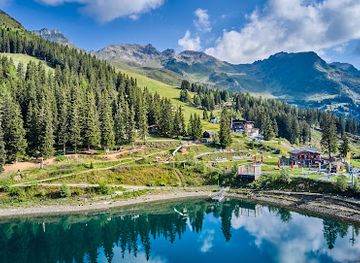
Paznaun's attractions are closely tied to its mountains and to the distinct character of its four main communities. In See, Kappl, Ischgl and Galtür, cable-car areas open access to summer walking, mountain biking, family trails and panoramic viewpoints, while the same slopes become winter ski terrain. The experience ranges from the extensive, internationally oriented infrastructure around Ischgl to the quieter, more family-focused settings of See, Kappl and Galtür. The valley's marked paths lead through spruce forests, flower-rich meadows, traditional alp pastures and demanding high-mountain terrain in the Silvretta and Verwall surroundings. Galtür's Alpinarium combines exhibitions about nature, culture and local history with a striking reminder of the avalanche protection works built after 1999. Village churches, chapels, farmsteads and alpine dairies provide a cultural counterpoint to outdoor recreation, while indoor swimming and wellness facilities offer alternatives in poor weather. Visitors should distinguish the valley's own mountain activities from the nearby Silvretta High Alpine Road, whose principal access lies outside Paznaun in Vorarlberg.
-
Tourist attraction
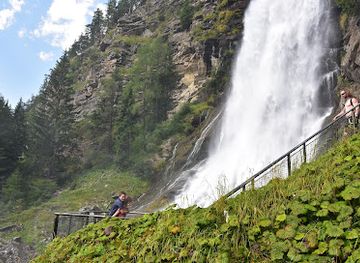
Stuibenfall
Explore the stunning Stuibenfall, Austria's largest waterfall, and immerse yourself in breathtaking nature and exhilarating hiking trails.
-
Tourist attraction
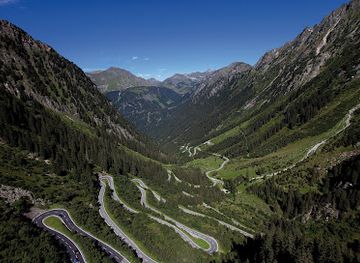
Silvretta-Hochalpenstraße
Explore the breathtaking beauty of Silvretta-Hochalpenstraße, a stunning alpine road offering adventure and picturesque views in the Austrian Alps.
-
Tourist attraction
Rosengartenschlucht
Discover the breathtaking Rosengartenschlucht, a stunning gorge in Imst, Austria, perfect for hiking and enjoying nature's beauty.
-
Tourist attraction
A1 Silvrettabahn
Experience the breathtaking beauty of the Alps with A1 Silvrettabahn, your gateway to skiing and hiking adventures in Ischgl.
Best landmarks in Paznaun
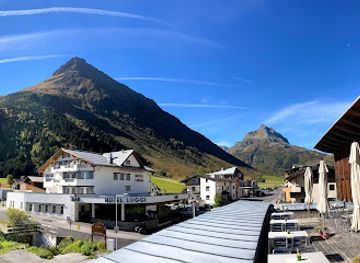
The parish church of St Nicholas in Ischgl is one of Paznaun's most recognisable village landmarks, standing above the resort and representing the older settlement beneath the modern ski infrastructure. Galtür's parish church and compact village centre provide a contrasting historic focus in a higher, more open part of the valley, while chapels and traditional farmhouses scattered around Kappl and See reveal the historic pattern of dispersed Alpine settlement. The Trisanna valley itself is a defining geographical landmark, narrowing and rising towards the high mountain landscapes beyond Galtür. The Alpinarium Galtür is especially significant because its architecture forms part of the avalanche protection wall constructed after the 1999 disaster; it is both a cultural building and a visible record of the community's relationship with natural hazards. Above the villages, the ridges and peaks of the Silvretta and Verwall groups form the region's most dramatic natural landmarks, although access to them is weather-dependent and often requires proper mountain experience.
-
Amusement park
Sunny Mountain Erlebnispark
Experience thrilling rides, scenic trails, and family-friendly fun at Sunny Mountain Adventure Park in the heart of the Austrian Alps!
-
Museum
Alpinarium Galtür
Explore alpine history, resilience, and stunning views at Galtür's Alpinarium, a unique museum built into an avalanche protection wall.
-
Amusement park
Ischgl Skyfly
Experience the ultimate adrenaline rush! Soar through the Tyrolean Alps on the Ischgl Skyfly, a thrilling 2km zipline adventure with breathtaking views.
-
Playground
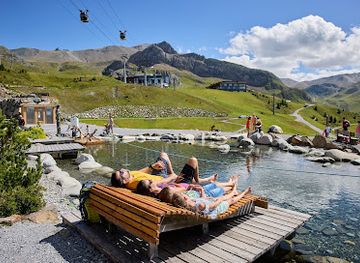
Vider Truja Adventure Park
Experience outdoor adventure at Vider Truja Adventure Park in Ischgl, with water features, climbing, and stunning Alpine views for the whole family.

Explore Paznaun on the map
Plan your trip on one map. See where the top cities, national parks and sights are, and book hotels and experiences in a few clicks.
Best hotels in Paznaun
Best restaurants in Paznaun
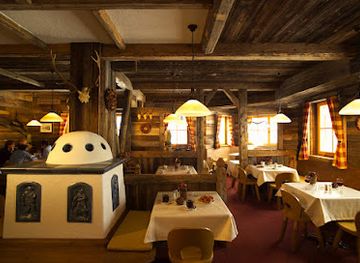
Paznaun's food culture is rooted in western Austrian and Tyrolean cooking, with menus commonly featuring dumplings, hearty soups, pasta dishes, roast meats, sausages and seasonal vegetables. Mountain cheeses and other dairy products reflect the continuing importance of alpine pasture and cattle farming, while bread, cakes and pastries are prominent in village cafés and hotel dining rooms. Traditional inns and mountain huts provide filling food suited to walkers and skiers, often alongside regional beers, schnapps and non-alcoholic alpine drinks. Ischgl has the broadest choice of restaurants, including contemporary dining and international styles, whereas See, Kappl and Galtür tend towards local inns, hotel restaurants and smaller cafés. Farm shops, alpine dairies and seasonal markets are useful places to look for regional cheese and other locally produced goods. Menus can change with the season and with supply from nearby farms, so visitors should ask about current local specialities rather than assume that every dish is exclusive to Paznaun.
-
Restaurant
Paznauner Taja
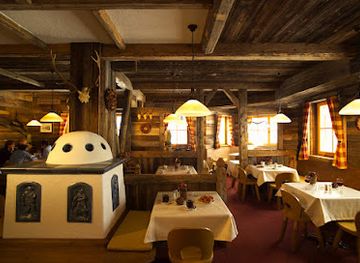
Discover Paznauner Taja: A culinary haven in Ischgl offering exquisite Austrian dishes with breathtaking mountain views.
-
Restaurant
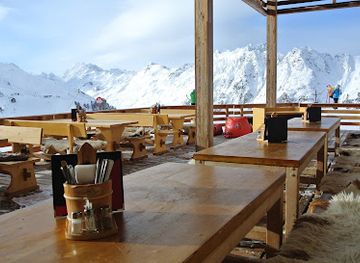
Vider Alp
Discover Vider Alp: A charming mountain cabin restaurant in Ischgl offering delicious cuisine and breathtaking alpine views.
-
Restaurant
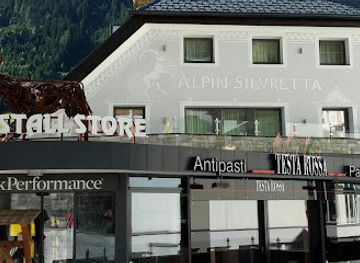
Kuhstall
Experience exquisite dining and vibrant nightlife at Kuhstall in Ischgl - where culinary delights meet unforgettable entertainment.
-
Restaurant
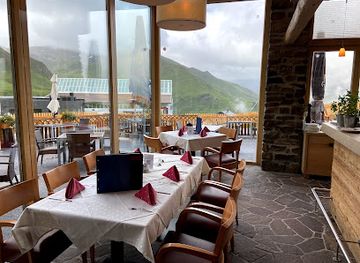
Bergrestaurant Alpenhaus
Experience authentic Austrian cuisine at Bergrestaurant Alpenhaus amidst breathtaking alpine scenery.
Best bars in Paznaun
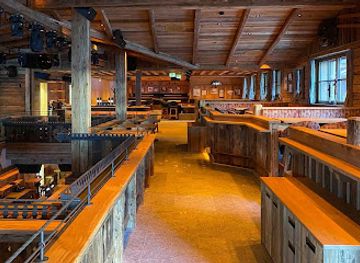
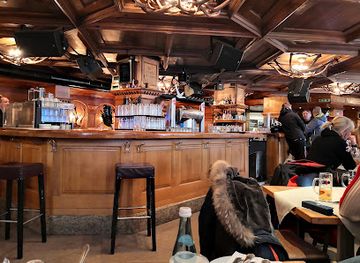
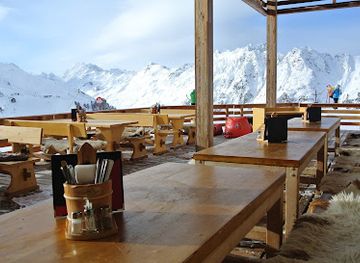
Evening life differs sharply across Paznaun. Ischgl is the valley's principal nightlife centre, with a substantial après-ski culture, hotel bars, music venues and late-opening establishments concentrated around the resort infrastructure. Its evening scene is more international and energetic than that of the neighbouring municipalities, particularly during the ski season. Kappl, See and Galtür generally offer a quieter pattern of traditional inns, hotel lounges, cafés and restaurants, with occasional live music or seasonal après-ski gatherings rather than a large club circuit. In smaller villages, distances and bus times matter, so arrange the return journey before staying out late. Breweries, regional drinks and Tyrolean schnapps may appear on local menus, but the valley's evening culture also includes conversation, dining and mountain hospitality without alcohol being central to the experience. Outside winter, nightlife is usually more restrained and follows the seasonal rhythm of the resort.
-
Restaurant
Paznauner Taja
Experience authentic Austrian cuisine amidst breathtaking alpine views at Paznauner Taja in Ischgl.
-
Live music bar
Trofana Alm
Discover Trofana Alm in Ischgl: A lively live music bar offering delicious pizza and unforgettable entertainment in the heart of the Alps.
-
Bar
Schatzi Bar
Experience the lively ambiance, delicious pizzas, and extensive drink selection at Schatzi Bar in the heart of Ischgl, Austria's premier ski destination.
-
Bar
Vider Alp
Experience the charm of Vider Alp, a cozy mountain cabin bar in Ischgl, where alpine allure meets traditional Austrian cuisine and stunning views.
Best nightclubs in Paznaun
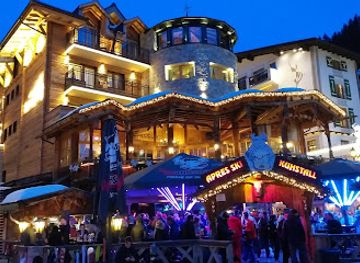
Evening life differs sharply across Paznaun. Ischgl is the valley's principal nightlife centre, with a substantial après-ski culture, hotel bars, music venues and late-opening establishments concentrated around the resort infrastructure. Its evening scene is more international and energetic than that of the neighbouring municipalities, particularly during the ski season. Kappl, See and Galtür generally offer a quieter pattern of traditional inns, hotel lounges, cafés and restaurants, with occasional live music or seasonal après-ski gatherings rather than a large club circuit. In smaller villages, distances and bus times matter, so arrange the return journey before staying out late. Breweries, regional drinks and Tyrolean schnapps may appear on local menus, but the valley's evening culture also includes conversation, dining and mountain hospitality without alcohol being central to the experience. Outside winter, nightlife is usually more restrained and follows the seasonal rhythm of the resort.
-
Night club
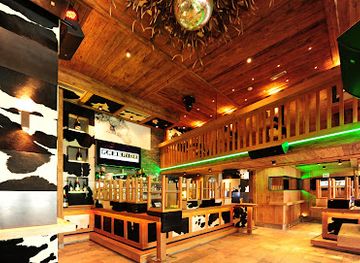
Kuhstall
Experience the vibrant nightlife of Ischgl at Kuhstall, a top-rated night club offering dining, dancing, and a lively bar atmosphere.
-
Pub
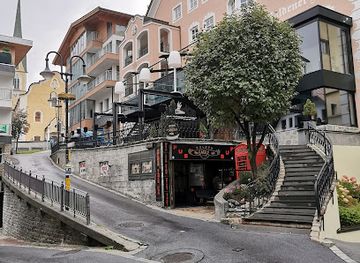
Golden Eagle
Discover the charm of Golden Eagle, a cozy pub in Ischgl, perfect for unwinding with drinks and good company after exploring the stunning Tyrolean Alps.
-
Bar
FreeRide
Experience Ischgl's vibrant nightlife at FreeRide, where lively music, great drinks, and unforgettable moments await you.
-
Bar
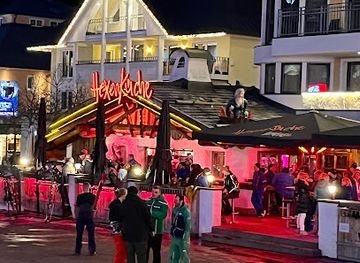
Hexenküche Ischgl
Experience the lively atmosphere of Hexenküche Ischgl, the ultimate après-ski bar in the heart of the Alps, perfect for relaxation and fun.
Best shops in Paznaun
Shopping in Paznaun is shaped by resort needs, local food production and the different scale of its villages. Ischgl has the largest concentration of sports shops, outdoor equipment, winter clothing, specialist services and boutiques, reflecting its international ski-resort economy. Kappl, See and Galtür have smaller selections centred on everyday provisions, sports equipment, souvenirs and locally oriented shops rather than extensive retail districts. Visitors looking for regional gifts should consider mountain cheese, dairy products, Tyrolean foods, schnapps, woodwork and locally made craft items, checking labelling when provenance matters. Farm shops, alpine dairies and seasonal local markets can offer more direct connections with Paznaun's agricultural traditions than standard souvenir outlets. Practical shopping is easiest in the larger settlements, while rural accommodation areas may have limited opening arrangements and fewer alternatives. The valley is not primarily a luxury-shopping destination, but it provides useful specialist outdoor retail and a selection of food and craft products associated with Alpine life.
-
Shopping mall
FMZ IMST
Explore FMZ IMST, a shopping mall in Imst, Austria, offering diverse shops, a movie theater, and delightful dining experiences for every visitor.
-
Sporting goods store
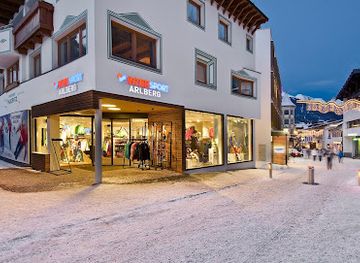
INTERSPORT Arlberg
Explore St. Anton am Arlberg with the best outdoor gear at INTERSPORT Arlberg, your one-stop shop for skiing, biking, and more.
-
Bar
Kuhstall
Discover the vibrant nightlife at Kuhstall in Ischgl, where exceptional dining meets energetic entertainment in the heart of the Alps.
-
Duty free store
Acla da fans
Discover Acla da Fans in Samnaun - your ultimate duty-free shopping experience for liquors and Swiss delicacies, surrounded by breathtaking Alpine views.

Get your free copy of our complete guide to Paznaun, delivered straight to you.
Everything on this page, from attractions and restaurants to essentials and local phrases, in one PDF you can read offline, print or share.
Already have an account? Sign in
Your Paznaun guide is ready.
We'll send it to · Not you? Sign out

Getting your guide ready…
We are putting together a fresh copy of the Paznaun guide. This can take up to a minute.
This can take a few moments. If your browser asks, choose Allow so the download can start. You'll find the guide in your Downloads folder.
Nothing happened? Download it again
Sorry, the guide is taking longer than usual. Please try again in a minute, or get it by email instead.
Paznaun essentials
Currency and Payment
Safety
Emergency Situations
Do's and Don'ts
Local Tips
From Eve
Local phrases worth knowing
You don't need to get them perfect. A few words go a long way, and locals appreciate the effort.
Basics
| English | Local | Say it |
|---|---|---|
| Hello | Grüß Gott | [Greez Got] |
| Goodbye | Auf Wiedersehen | [Owf Veedahzayn] |
| Yes | Ja | [Yah] |
| No | Nein | [Nyn] |
| Please/You're welcome | Bitte | [Bitt-eh] |
| Thank you | Danke | [Dahn-keh] |
| Excuse me/Sorry | Entschuldigung | [Ent-shool-dee-goong] |
| How are you? | Wie geht's? | [Vee gates?] |
| Fine. And you? | Gut. Und dir? | [Goot. Oond deer?] |
| Do you speak English? | Sprechen Sie Englisch? | [Shprekhen Zee English?] |
| I don't understand | Ich verstehe nicht | [Ish fershteh nikht] |
Eating & Drinking
| English | Local | Say it |
|---|---|---|
| I'd like to see the menu, please | Ich hätte gerne die Speisekarte, bitte | [Ish hett-eh gurn-eh dee Shpieze-kart-eh, bitt-eh] |
| I don't eat meat | Ich esse kein Fleisch | [Ish ess-eh kyn Flysh] |
| Cheers! | Prost! | [Prohst!] |
| I would like to pay, please | Ich möchte bezahlen, bitte | [Ish murkt-eh beh-zahl-en, bitt-eh] |
Emergencies
| English | Local | Say it |
|---|---|---|
| Help! | Hilfe! | [Hil-fuh!] |
| Go away! | Geh weg! | [Gay vek!] |
| Call the Police! | Rufen Sie die Polizei! | [Roof-en Zee dee Pohl-itzei!] |
| Call a doctor! | Rufen Sie einen Arzt! | [Roof-en Zee eye-nen Artsht!] |
| I'm lost | Ich bin verloren | [Ish bin fer-lo-ren] |
| I'm ill | Ich bin krank | [Ish bin krank] |
Shopping
| English | Local | Say it |
|---|---|---|
| I'd like to buy... | Ich möchte kaufen... | [Ish murkt-eh kow-fen...] |
| I'm just looking | Ich schaue nur | [Ish shau-eh noor] |
| How much is it? | Wie viel kostet es? | [Vee feel kost-et es?] |
| That's too expensive | Das ist zu teuer | [Das ist tsoo toyer] |
| Can you lower the price? | Können Sie den Preis senken? | [Kern-en Zee den Pryz zen-ken?] |
Time & Numbers
| English | Local | Say it |
|---|---|---|
| What time is it? | Wie spät ist es? | [Vee shpayt ist es?] |
| It's one o'clock | Es ist ein Uhr | [Es ist ine Oor] |
| Half past (10) | Halb nach (10) | [Hahlb nahkh (ten)] |
| Morning | Morgen | [Mor-gen] |
| Afternoon | Nachmittag | [Nahkh-mit-tahg] |
| Evening | Abend | [A-bend] |
| Yesterday | Gestern | [Ges-tern] |
| Today | Heute | [Hoy-tuh] |
| Tomorrow | Morgen | [Mor-gen] |
| 1 | Eins | [Eyns] |
| 2 | Zwei | [Zvai] |
| 3 | Drei | [Dry] |
| 4 | Vier | [Feer] |
| 5 | Fünf | [Fünf] |
| 6 | Sechs | [Zex] |
| 7 | Sieben | [Zee-ben] |
| 8 | Acht | [Acht] |
| 9 | Neun | [Noyn] |
| 10 | Zehn | [Zayn] |
Transport & Directions
| English | Local | Say it |
|---|---|---|
| Where's a/the...? | Wo ist ein/das...? | [Vo ist ine/das...?] |
| What's the address? | Wie ist die Adresse? | [Vee ist dee Ah-dress-eh?] |
| Can you show me (on the map)? | Können Sie mir (auf der Karte) zeigen? | [Kern-en Zee meer (owf der Kart-eh) tsai-gen?] |
| When's the next (bus)? | Wann kommt der nächste (Bus)? | [Vahn komt der nay-shte (Bus)?] |
| A ticket (to ....) | Ein Ticket (nach ....) | [Ine Ticket (nahkh ....)] |
History of Paznaun
Early settlement and Roman routes
The high valley was settled gradually rather than urbanised, with communities developing around usable terraces, pasture and river corridors. The wider western Tyrolean region lay within the Roman province of Raetia, and routes through the Inn valley connected the Alpine interior with important transalpine passages. Paznaun itself remained a relatively remote side valley, but its landscape was shaped by movement between neighbouring valleys and by the gradual adoption of Christian and German-speaking settlement patterns during the medieval period.
Medieval colonisation of the valley
During the Middle Ages, Paznaun developed as a dispersed agricultural valley under the political influence of Tyrolean and ecclesiastical authorities. Farmsteads, hamlets and parish communities occupied sunny slopes and valley-floor terraces, while summer pastures supported cattle and dairy production. The resulting settlement pattern—small clusters of houses, chapels, fields and alpine meadows rather than one dominant town—remains characteristic of See, Kappl, Ischgl and Galtür.
Trade, migration and the western Alpine frontier
Paznaun's position near the borders of Switzerland and the former Tyrolean territories encouraged seasonal movement, trade and labour migration. People travelled over difficult passes to exchange livestock, agricultural goods and household products, while some valley residents sought work elsewhere in the Alps. These connections helped shape local dialects, building traditions and economic relationships, even though the valley's steep terrain limited large-scale commerce and industry.
Farming, alpine dairying and village society
For centuries, the valley economy depended on a combination of small-scale farming, forestry and alpine pasture. Summer transhumance moved livestock to higher meadows, where milk could be processed into durable cheeses and other dairy products. Parish churches, farmhouses, chapels and communal alpine buildings formed the practical and social framework of village life. Tourism later changed employment patterns, but cattle husbandry, haymaking and alpine dairying still contribute to Paznaun's cultural identity and landscape.
The rise of modern alpine tourism
Tourism began to transform Paznaun during the twentieth century as improved roads, motor vehicles, ski equipment and accommodation made the valley more accessible. Ischgl developed into a major international ski resort, while Kappl, See and Galtür established their own smaller-scale winter and summer offers. Cable cars, pistes and hotels brought substantial economic change, but the valley's communities retained separate municipal identities and different relationships with the surrounding landscape.
The Galtür avalanche of 1999 and its legacy
In February 1999, a major avalanche struck Galtür and caused extensive loss of life and damage. The disaster had a profound effect on the community and led to renewed attention to avalanche forecasting, warning systems, protective structures and emergency planning in Alpine settlements. The Alpinarium Galtür, incorporated into a large avalanche-protection wall, serves both as a cultural institution and as a place for understanding the valley's natural hazards, history and resilience.
Paznaun in Photos
Browse through our photo collection highlighting the charm and character of the destination.
Neighbouring regions of Paznaun
The closest regions to Paznaun, if you have time for more than one.
-

-

-

-

-


Swipe for more regions
Explore more
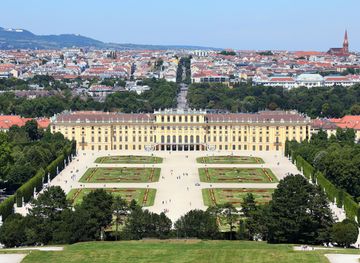
Explore more of Austria
Discover Austria's blend of alpine landscapes, rich cultural heritage, and culinary delights, from Vienna's historic charm to Tyrol's dramatic beauty.
Explore Austria