

Free Gailtal Travel Guide & Mobile App
Explore Gailtal with free travel guides. Discover regional history, expert tips, proposed trips, and audio guides on web or mobile app.


Explore Gailtal in southern Austria for Alpine lakes, hiking, skiing, borderland villages and Carinthian food between the Gailtal and Carnic Alps.
Read more about Gailtal
When is the best time to visit Gailtal?
Best: June, August–September · 22–26°C| Month | High (°C) | Rainfall (mm) |
|---|---|---|
| January | 5 | 40 |
| February | 7 | 45 |
| March | 11 | 50 |
| April | 15 | 60 |
| May | 20 | 70 |
| June (best) | 25 | 80 |
| July | 27 | 90 |
| August (best) | 26 | 90 |
| September (best) | 22 | 70 |
| October | 16 | 55 |
| November | 9 | 45 |
| December | 5 | 40 |
Getting to and around Gailtal
How to get there
Transportation
Best attractions in Gailtal
Gailtal's attractions are closely tied to its valley geography and mountains. Around Hermagor and Pressegger See, visitors can combine lakeside swimming, gentle walking, cycling and family recreation with excursions into the foothills. Pressegger See is valued for its warm bathing water, reed-fringed shores and accessible outdoor setting. South of Hermagor, Garnitzenklamm offers a more rugged experience, with a narrow gorge and equipped routes that demand care and suitable footwear. Nassfeld provides the region's broadest mountain infrastructure, functioning as a ski area in winter and a base for hiking, cycling and panoramic excursions in warmer months. Farther west, Kötschach-Mauthen and the upper Gailtal provide access to quieter alpine landscapes, traditional villages and routes towards the Carnic Alps. Museums and local cultural collections in the valley help explain farming, trade and borderland life, while historic churches and old village centres provide smaller-scale heritage experiences. The region also appeals to cyclists, anglers, climbers and walkers who prefer a landscape where outdoor activity remains connected to working farms and settled communities.
-
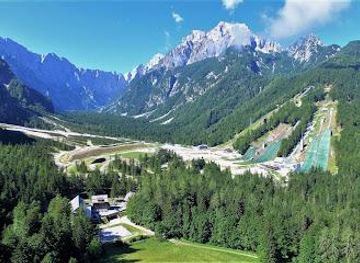
Sports complex
Planica Nordic Centre
Explore the beauty and thrill of winter sports at Planica Nordic Centre, a premier destination nestled in Slovenia's stunning Julian Alps.
-
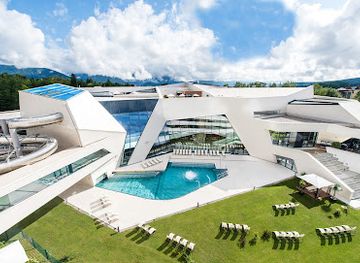
Tourist attraction
KärntenTherme Warmbad-Villach
Discover the ultimate relaxation at KärntenTherme Warmbad-Villach, Austria's premier wellness destination with thermal baths and water park fun.
-
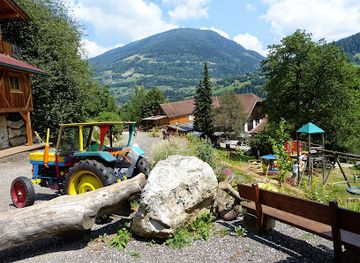
Tourist attraction
Alpen Wildpark Feld am See
Experience the magic of wildlife and nature at Alpen Wildpark Feld am See, a perfect family-friendly attraction in the heart of Austria.
-
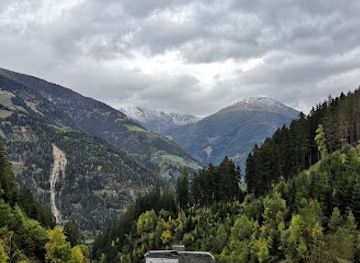
Tourist attraction
Raggaschlucht
Explore Raggaschlucht, a breathtaking gorge in Austria filled with stunning waterfalls, lush trails, and captivating natural beauty for adventurers and nature lovers.
Best landmarks in Gailtal
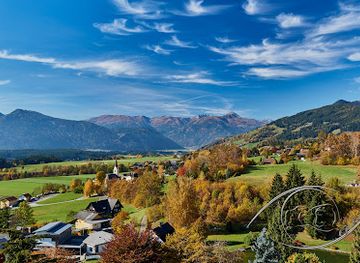
The Gail River is the valley's defining geographical landmark, threading through settlements and farmland beneath the Gailtal Alps and Carnic Alps. Pressegger See is another instantly recognisable feature: its shallow, warm waters and reed-lined edges create a marked contrast with the surrounding mountain skyline. The narrow rock corridors of Garnitzenklamm near Möderndorf provide a dramatic natural landmark and illustrate the erosive force of Alpine streams. Nassfeld's high mountain passes and ridges form the region's most prominent resort landscape, with views extending across the southern Austrian border country. In the western valley, the meeting of the Gailtal and Lesachtal near Kötschach-Mauthen gives the town an important geographical position, while village churches and traditional farmhouses preserve the settled landscape's historical character. Above the valley, the Carnic Alps contain paths, ruins and memorial traces from the First World War's Alpine front; these are significant historical landmarks but often lie in demanding terrain rather than beside easy-access visitor sites.
-
Historical landmark
Burg Sommeregg
Explore the historical charm and stunning views of Burg Sommeregg, a captivating landmark in the heart of Austria's picturesque hills.
-
Hiking area
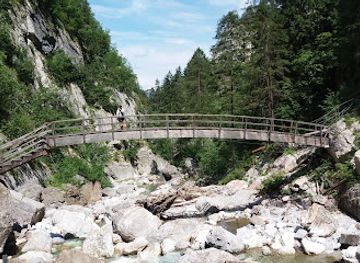
Garnitzenklamm
Explore the stunning Garnitzenklamm, a picturesque hiking area in Austria known for its breathtaking landscapes and thrilling outdoor adventures.
-
Animal park
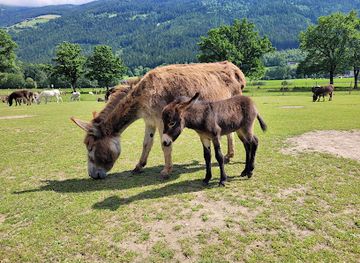
Donkey Park Maltatal
Experience the charm of Donkey Park Maltatal, where playful donkeys and stunning natural landscapes come together for a family-friendly adventure.
-
Museum
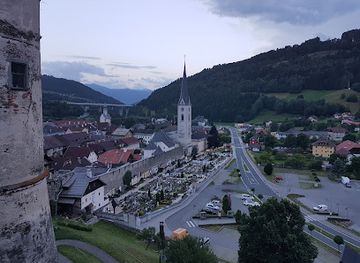
Pankratium
Explore the cultural richness of Austria at Pankratium Museum in Gmünd, where art and history come to life in an engaging setting.
Explore Gailtal on the map
Plan your trip on one map. See where the top cities, national parks and sights are, and book hotels and experiences in a few clicks.
Best hotels in Gailtal
Best restaurants in Gailtal
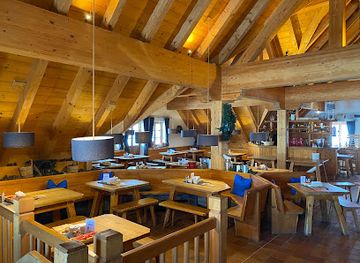
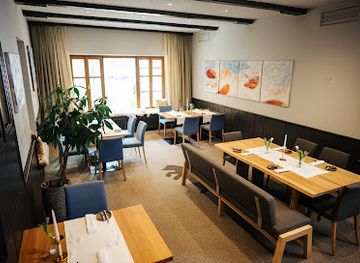
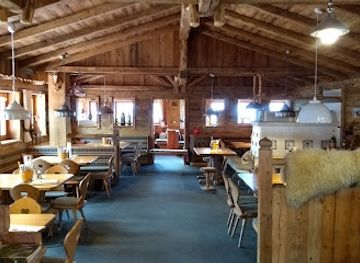
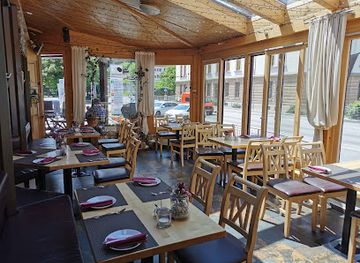
Dining in Gailtal reflects southern Carinthian farming traditions and the valley's proximity to Italy and Slovenia. Kärntner Kasnudeln, pasta parcels commonly filled with curd cheese, herbs and other local ingredients, are among the best-known regional specialities, while alpine cheeses, farmhouse bread, cured meats and seasonal vegetables appear in traditional inns and farm shops. Around Pressegger See and Hermagor, restaurants range from family cafés and pizzerias to established Austrian inns, with summer menus often making use of lake-and-mountain tourism. In Nassfeld, dining is concentrated in hotels, mountain establishments and resort facilities, with hearty dishes suited to active days. The upper Gailtal has a quieter food scene, where village inns and local producers are more important than a large choice of formal restaurants. Look for Carinthian pastries, locally made dairy products and seasonal game or mushroom dishes, while remembering that menus and opening patterns can vary considerably outside the main tourist seasons.
-
Restaurant
Watschiger Alm
Experience authentic Austrian cuisine surrounded by stunning alpine views at Watschiger Alm in Sonnenalpe Nassfeld.
-
Restaurant
Gasthaus und Hotel Bärenwirt
Discover the best of Austrian cuisine at Gasthaus und Hotel Bärenwirt in Hermagor - where fine dining meets warm hospitality.
-
Restaurant
Kofelalm Madritsche
Experience traditional alpine cuisine at Kofelalm Madritsche amidst breathtaking mountain views.
-
Restaurant
Ristorante Mari e Monti da Emanuela
Experience authentic Italian cuisine blended with local flavors at Ristorante Mari e Monti da Emanuela in scenic Hermagor.
Best bars in Gailtal
Gailtal's evening life is modest and generally centred on traditional inns, hotel bars, cafés and occasional live music rather than a large nightclub circuit. Hermagor offers the widest choice of places to meet for a drink or a late meal, while Nassfeld becomes livelier during the winter ski season and selected summer periods. In the smaller villages and upper valley, evenings are more likely to revolve around a restaurant, local pub or community event than a dedicated late-night venue. Austrian beer, regional spirits and non-alcoholic drinks are widely available, and some mountain and resort establishments provide après-ski socialising in winter. Opening arrangements can be seasonal, especially in rural areas, so visitors should check locally rather than assume that a venue operates every night. The valley's night-time character is best understood as relaxed Alpine hospitality rather than an urban entertainment scene.
-
Bar
Gasthaus und Hotel Bärenwirt
Experience authentic Austrian hospitality at Gasthaus und Hotel Bärenwirt in Hermagor, where fine dining meets cozy guest accommodations.
-
Restaurant
Motorrad-Hotel Gasthof Strasswirt am Nassfeld in Kärnten
Discover the perfect blend of comfort and adventure at Motorrad-Hotel Gasthof Strasswirt in Kärnten, your gateway to the stunning Nassfeld region.
-
Bar
Gailtaler Hof
Discover the charm of Gailtaler Hof in Kötschach-Mauthen, where local flavor meets cozy comfort in a stunning alpine setting.
-
Bar
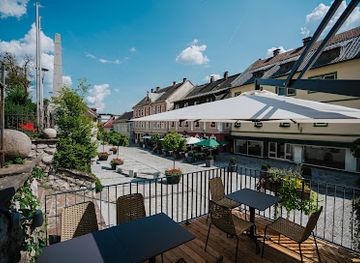
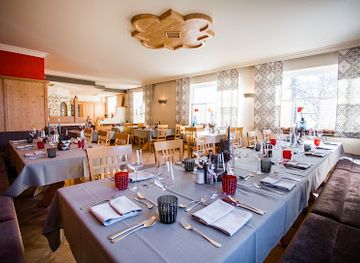
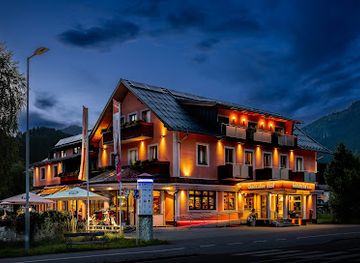
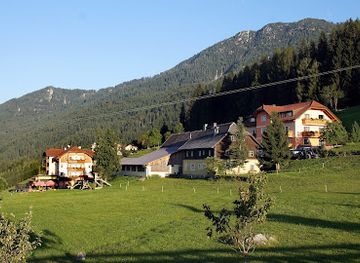
Aparthotel & Restaurant Ederhof, Familie Brunner KG
Discover the charm of Ederhof, a family-run aparthotel and restaurant in the heart of the Austrian Alps, blending comfort, culture, and culinary delights.
Best nightclubs in Gailtal
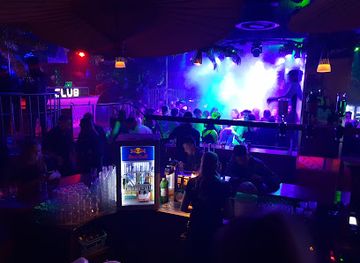
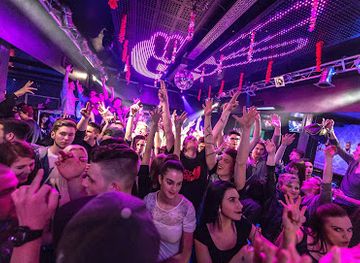
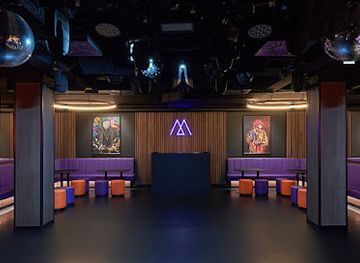
Gailtal's evening life is modest and generally centred on traditional inns, hotel bars, cafés and occasional live music rather than a large nightclub circuit. Hermagor offers the widest choice of places to meet for a drink or a late meal, while Nassfeld becomes livelier during the winter ski season and selected summer periods. In the smaller villages and upper valley, evenings are more likely to revolve around a restaurant, local pub or community event than a dedicated late-night venue. Austrian beer, regional spirits and non-alcoholic drinks are widely available, and some mountain and resort establishments provide après-ski socialising in winter. Opening arrangements can be seasonal, especially in rural areas, so visitors should check locally rather than assume that a venue operates every night. The valley's night-time character is best understood as relaxed Alpine hospitality rather than an urban entertainment scene.
-
Disco club
V-Club Villach
Experience the vibrant nightlife at V-Club Villach - where music, dancing, and fun come together for an unforgettable evening.
-
Disco club
G2 clubs Disco
Experience the vibrant nightlife at G2 Clubs Disco, a premier dance club and bar in Lieserhofen, perfect for unforgettable nights of fun.
-
Disco club
Hooks
Discover the pulsating nightlife of Mauthen at Hooks Disco Club, where music, dance, and vibrant energy come together for an unforgettable experience.
-
Musical club
Moon Bar & Disco
Discover the electrifying nightlife at Moon Bar & Disco in Nassfeld, where great music and a vibrant atmosphere meet breathtaking alpine views.
Best shops in Gailtal
Shopping in Gailtal is primarily local and practical, with the broadest everyday choice in Hermagor. Its shops provide food, outdoor equipment and regional products, while smaller villages have independent stores, bakeries and traditional inns rather than extensive retail streets. Farm shops and direct-sale outlets are worthwhile for Carinthian cheese, cured meats, honey, bread, spirits and seasonal produce, although availability depends on the individual producer. Around Pressegger See and Nassfeld, visitors will find tourism-oriented shops selling walking, cycling and winter-sports equipment, along with modest selections of souvenirs. Kötschach-Mauthen serves the upper valley and is useful for local provisions and specialist outdoor needs. Crafts, wood products, woollen goods and Alpine-themed gifts may appear in village shops and seasonal markets, but Gailtal is not a destination for large shopping centres or luxury retail. Markets and small local events are the best opportunities to buy directly from producers and to find goods with a genuine connection to the valley.
-
Home improvement store
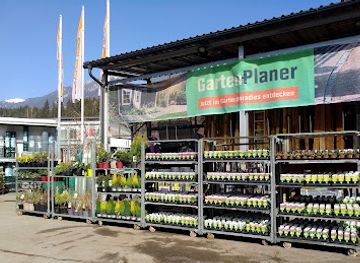
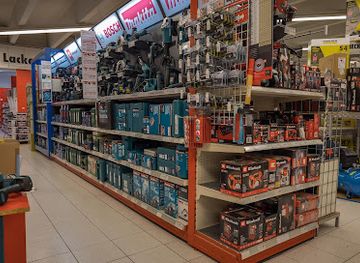
OBI Hermagor
Explore OBI Hermagor for an unmatched selection of home improvement essentials in the heart of Austria's stunning landscapes.
-
Building materials supplier
A. Klauss Iron and. hardware store
Explore A. Klauss Iron and Hardware Store in Kötschach-Mauthen for all your DIY and home improvement needs, where quality meets variety.
-
 Grocery store
Edelgreissler Herwig Ertl
Discover authentic Austrian flavors at Edelgreissler Herwig Ertl, a beloved grocery store in Kötschach, offering local produce and artisanal goods.
-
Sporting goods store
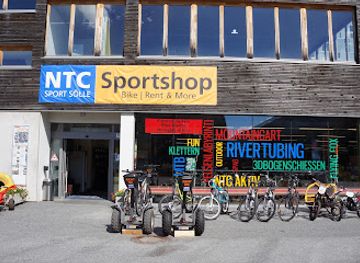
NTC Sport Sölle
Discover NTC Sport Sölle for all your outdoor equipment needs, from bicycles to ski gear, in the scenic landscapes of Tröpolach, Austria.
Get your free copy of our complete guide to Gailtal, delivered straight to you.
Everything on this page, from attractions and restaurants to essentials and local phrases, in one PDF you can read offline, print or share.
Already have an account? Sign in
Your Gailtal guide is ready.
We'll send it to · Not you? Sign out

Getting your guide ready…
We are putting together a fresh copy of the Gailtal guide. This can take up to a minute.
This can take a few moments. If your browser asks, choose Allow so the download can start. You'll find the guide in your Downloads folder.
Nothing happened? Download it again
Sorry, the guide is taking longer than usual. Please try again in a minute, or get it by email instead.
Gailtal essentials
Currency and Payment
Safety
Emergency Situations
Do's and Don'ts
Local Tips
From Eve
Local phrases worth knowing
You don't need to get them perfect. A few words go a long way, and locals appreciate the effort.
Basics
| English | Local | Say it |
|---|---|---|
| Hello | Grüß Gott | [Grewss Got] |
| Goodbye | Auf Wiedersehen | [Owff Veederzehn] |
| Yes | Ja | [Ya] |
| No | Nein | [Nine] |
| Please/You're welcome | Bitte | [Bitt-eh] |
| Thank you | Danke | [Dahn-keh] |
| Excuse me/Sorry | Entschuldigung | [Ent-shool-dee-goong] |
| How are you? | Wie geht's? | [Vee gates?] |
| Fine. And you? | Gut. Und dir? | [Goot. Oond deer?] |
| Do you speak English? | Sprechen Sie Englisch? | [Shprecken Zee English?] |
| I don't understand | Ich verstehe nicht | [Ick fersh-teh-eh nikht] |
Eating & Drinking
| English | Local | Say it |
|---|---|---|
| I'd like to see the menu, please | Ich hätte gerne die Speisekarte, bitte | [Ick het-teh gair-neh dee Shpy-zeh-kar-teh, bitt-eh] |
| I don't eat meat | Ich esse kein Fleisch | [Ick ess-eh kine Flysh] |
| Cheers! | Prost! | [Prohst!] |
| I would like to pay, please | Ich möchte bezahlen, bitte | [Ick merkh-teh be-za-hlen, bitt-eh] |
Emergencies
| English | Local | Say it |
|---|---|---|
| Help! | Hilfe! | [Hil-feh!] |
| Go away! | Geh weg! | [Gay veg!] |
| Call the Police! | Rufen Sie die Polizei! | [Roof-en Zee dee Poh-lee-tsai!] |
| Call a doctor! | Rufen Sie einen Arzt! | [Roof-en Zee eye-nen Artzt!] |
| I'm lost | Ich habe mich verlaufen | [Ick hah-beh mikh fer-lauf-en] |
| I'm ill | Ich bin krank | [Ick bin krank] |
Shopping
| English | Local | Say it |
|---|---|---|
| I'd like to buy... | Ich möchte kaufen... | [Ick merkh-teh kau-fen...] |
| I'm just looking | Ich schaue nur | [Ick sha-oo-eh noor] |
| How much is it? | Wie viel kostet es? | [Vee feel kost-eh ess?] |
| That's too expensive | Das ist zu teuer | [Das ist tsu toy-er] |
| Can you lower the price? | Können Sie den Preis senken? | [Kern-en Zee den Price zen-ken?] |
Time & Numbers
| English | Local | Say it |
|---|---|---|
| What time is it? | Wie spät ist es? | [Vee shpayt ist ess?] |
| It's one o'clock | Es ist ein Uhr | [Ess ist ine Oor] |
| Half past (10) | Halb (10) | [Halb (10)] |
| Morning | Morgen | [Mor-gen] |
| Afternoon | Nachmittag | [Nahkh-mit-tahg] |
| Evening | Abend | [Ah-bent] |
| Yesterday | Gestern | [Ges-terrn] |
| Today | Heute | [Hoy-teh] |
| Tomorrow | Morgen | [Mor-gen] |
| 1 | Eins | [Eyns] |
| 2 | Zwei | [Zvy] |
| 3 | Drei | [Dry] |
| 4 | Vier | [Veer] |
| 5 | Fünf | [Foonf] |
| 6 | Sechs | [Zex] |
| 7 | Sieben | [Zee-ben] |
| 8 | Acht | [Akh-t] |
| 9 | Neun | [Noyn] |
| 10 | Zehn | [Tsen] |
Transport & Directions
| English | Local | Say it |
|---|---|---|
| Where's a/the...? | Wo ist ein/das...? | [Voh ist ine/das...?] |
| What's the address? | Wie ist die Adresse? | [Vee ist dee Ah-dress-eh?] |
| Can you show me (on the map)? | Könnten Sie mir (auf der Karte) zeigen? | [Kern-ten Zee meer (owf der Kar-teh) tsai-gen?] |
| When's the next (bus)? | Wann kommt der nächste (Bus)? | [Vahn komt der nay-shte (Boos)?] |
| A ticket (to ....) | Ein Ticket (nach ....) | [Ine Tick-et (nahkh ....)] |
History of Gailtal
Prehistoric and Roman Borderland
The Gail valley has long provided a natural east-west route through the southern Alps. Archaeological evidence from the wider Upper Gail valley records settlement before Roman rule, while Roman roads connected Noricum with the Alpine passes and communities towards Italy. The valley was not an isolated mountain pocket: its river corridor, passes and southern approaches encouraged movement of people, goods and military traffic. Roman influence is reflected in the broader road network and settlement history of Carinthia, although many visible remains in Gailtal are fragmentary rather than monumental.
Medieval Lords, Churches and Market Towns
During the Middle Ages, Gailtal was divided among ecclesiastical and secular powers associated with the historical duchy of Carinthia. Churches, parish foundations and fortified sites helped organise settlement in a landscape of farming villages, alpine pastures and important routes over the mountains. Hermagor developed as a local centre, while Kötschach gained significance at the meeting point of routes leading towards the upper valley and neighbouring Alpine regions. Medieval patterns remain legible in village churches, farm buildings and the traditional relationship between valley fields and higher summer grazing.
Habsburg Rule and Alpine Agriculture
As part of the Habsburg lands and later the Austrian Empire, Gailtal remained primarily agricultural, with forestry, livestock keeping, grain production and alpine dairying shaping the local economy. Farms were adapted to steep terrain and seasonal work, while inns and markets served travellers moving between Carinthia, East Tyrol and the territories to the south. The valley's proximity to Venetian and Sl Slovenian-speaking areas encouraged exchanges in trade, building styles and foodways. Many local traditions developed within this wider southern Alpine network rather than in isolation.
Railways and Regional Connection
Rail transport altered the valley's relationship with the rest of Austria during the late nineteenth and early twentieth centuries. The Gailtalbahn connected communities with the main railway network and supported the movement of timber, agricultural products and passengers. Although services and infrastructure have changed over time, the railway remains an important part of the valley's transport history. Roads later became increasingly important for everyday travel and tourism, while improved connections helped Hermagor and Nassfeld develop as gateways for visitors.
The First World War in the Carnic Alps
From 1915, the Carnic Alps south of Gailtal became part of the Alpine front between Austria-Hungary and Italy. Soldiers fought in severe conditions at high elevation, and snow, rockfall and exposure were as formidable as military action. Trails, shelters, tunnels, cemeteries and other remnants remain in the mountain landscape, particularly along routes reached from the upper Gailtal and neighbouring border areas. This heritage requires respect: some former positions lie in difficult terrain and should be visited only with appropriate equipment and sound route information.
Twentieth-Century Rural Change and Tourism
After the Second World War, mechanisation and changing agricultural practices reduced the workforce needed on many farms, encouraging out-migration and a gradual shift towards services. At the same time, tourism expanded from a summer activity centred on scenery and lakes into a four-season industry. Pressegger See, the upper Gail valley and Nassfeld each developed different visitor profiles, from family-oriented lakeside recreation to winter sports and demanding mountain walking. Contemporary Gailtal continues to combine working farms and village life with a tourism economy shaped by its Alpine setting.
Gailtal in Photos
Browse through our photo collection highlighting the charm and character of the destination.
Neighbouring regions of Gailtal
The closest regions to Gailtal, if you have time for more than one.
-

-

-

-

-


Swipe for more regions
Explore more
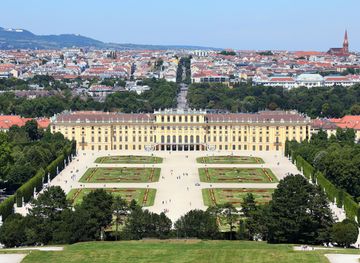
Explore more of Austria
Discover Austria's blend of alpine landscapes, rich cultural heritage, and culinary delights, from Vienna's historic charm to Tyrol's dramatic beauty.
Explore Austria