
East Tyrol, Austria Travel Guide
Discover East Tyrol: A Stunning Alpine Wonderland in Austria, Perfect for Nature Lovers and Adventure Seekers.
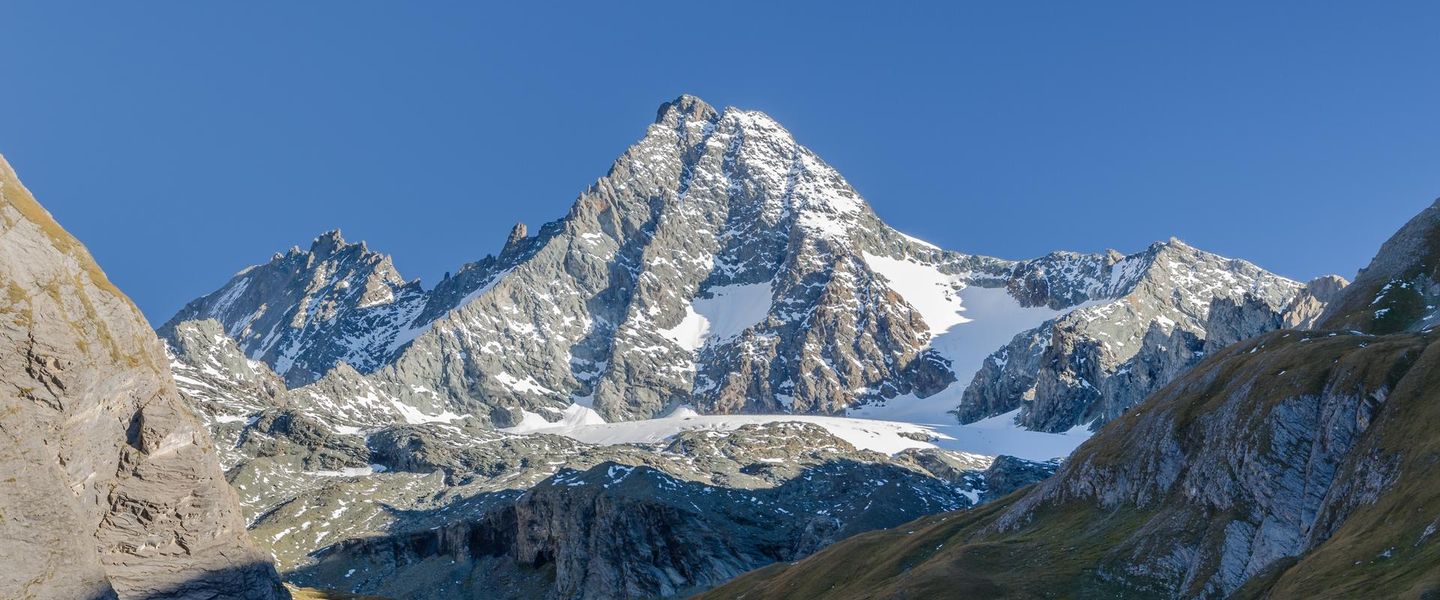
Nestled in the heart of the Austrian Alps, East Tyrol is a haven for nature enthusiasts and adventure seekers alike. This picturesque region boasts breathtaking landscapes, ranging from towering peaks to verdant valleys. Whether you're an avid hiker, a passionate skier, or simply someone who loves to soak in stunning mountain vistas, East Tyrol offers a little something for everyone. One of the highlights of East Tyrol is the Hohe Tauern National Park, which is home to Austria's tallest mountain, Grossglockner. The park is a sanctuary for wildlife, including ibex, golden eagles, and marmots. Visitors can enjoy numerous hiking and biking trails that cater to all levels of fitness and experience. In the winter months, the region transforms into a snowy paradise, perfect for skiing, snowboarding, and snowshoeing. The charming town of Lienz, known as the 'Pearl of the Dolomites,' is the cultural heart of East Tyrol. With its medieval architecture, bustling markets, and cozy cafes, Lienz offers a perfect blend of history and modernity. Don't miss the Bruck Castle, a 13th-century fortress that now houses a museum showcasing regional art and history. For a taste of local cuisine, visit one of the traditional Austrian taverns where you can savor dishes like Tyrolean dumplings and hearty stews. East Tyrol is not just about outdoor activities and historical landmarks; it's also a great place for relaxation and rejuvenation. The region is dotted with wellness hotels and spas that offer a range of treatments, from traditional Austrian massages to modern wellness therapies. Whether you're looking to unwind after a day of adventure or simply want to indulge in some self-care, East Tyrol has plenty of options to help you feel refreshed and revitalized.

Know before you go
Hi, I'm Eve. Here are a few practical things to know before exploring East Tyrol.
- Visit in late spring or early autumn for the best hiking conditions and fewer crowds.
- Purchase a Hohe Tauern National Park Card for discounts on attractions and public transport.
- Try the local specialty, 'Schlipfkrapfen,' a type of dumpling filled with potatoes and cheese.
- Check out the local farmers' markets in Lienz for fresh produce and handmade crafts.
- Bring layers of clothing as mountain weather can change rapidly.
Destinations in East Tyrol
Resorts, valleys and scenic spots worth a trip of their own.


Explore East Tyrol: Things to Do, Places to Eat, Hotels & More
Handpicked recommendations for top attractions, local dining, accommodations, and more

Top Attractions & Sightseeing in East Tyrol
Top-rated picks
Best Attractions

Wildpark Assling
Explore the enchanting Wildpark Assling, where nature and wildlife come together for a unique zoo experience in the Tyrolean Alps.

Wichtelpark
Explore Wichtelpark in Sillian, Austria: An adventure playground with climbing routes, a flying fox, and beautiful picnic spots for families.

Schloss Bruck | Museum der Stadt Lienz
Uncover the cultural treasures of Schloss Bruck in Lienz, where history, art, and scenic beauty converge for an unforgettable experience.

archaeological naturalistic spa area Lagole
Explore Lagole, a captivating archaeological site and natural spa in the Dolomites, where history meets relaxation amidst stunning landscapes.

Best landmarks in East Tyrol
Top-rated picks
Best Landmarks

Wildpark Assling
Experience the beauty of native wildlife at Wildpark Assling, a family-friendly zoo nestled in the scenic Austrian Alps.

Schloss Bruck | Museum der Stadt Lienz
Explore the historic Schloss Bruck in Lienz, a captivating museum that blends art, culture, and scenic beauty for an unforgettable experience.

Nationalpark Hohe Tauern
Explore the breathtaking beauty of Nationalpark Hohe Tauern, Austria's largest national park, where adventure and nature await.

Aguntum
Explore the rich history and breathtaking scenery at Aguntum, Austria's captivating archaeological museum and Roman settlement.

Best restaurants in East Tyrol
Top-rated picks
Best Restaurants

Restaurant ADLERSTÜBERL
Experience authentic Austrian cuisine at Restaurant ADLERSTÜBERL in Lienz, where tradition meets taste in a charming setting.

Wirtshaus & Restaurant Alte Mühle Matrei
Experience authentic Tyrolean cuisine at Wirtshaus & Restaurant Alte Mühle Matrei amidst stunning mountain views.

Alpengasthaus Obersee
Discover culinary delights at Alpengasthaus Obersee—where exquisite dining meets breathtaking lakeside views in Austria.

Kirchenwirt
Discover Kirchenwirt in Lienz: A delightful restaurant offering authentic Austrian cuisine and a cozy atmosphere perfect for tourists.

Best bars in East Tyrol
Top-rated picks
Best Bars

Gasthaus Marinelli das Kultlokal Dölsach
Discover the charm of Gasthaus Marinelli - a celebrated Austrian restaurant in Dölsach offering authentic dishes and a welcoming beer garden.

Weinstube MÜHLE
Discover the authentic flavors of South Tyrol at Weinstube MÜHLE, where local wines and traditional cuisine await in a cozy atmosphere.

Himmelblau Restaurant
Discover the charm of an Irish pub in Lienz, Austria, at Himmelblau Restaurant, where great food and lively atmosphere await.

Café Bar Lounge Zeitlos
Experience the vibrant atmosphere of Café Bar Lounge Zeitlos in Lienz, where delightful drinks and a welcoming ambiance await every visitor.

Best nightclubs in East Tyrol
Top-rated picks
Best Nightclubs

Stadtkeller Lienz
Experience the vibrant nightlife of Lienz at Stadtkeller, where dancing and live music create unforgettable memories.

Laufhaus Lienz
Experience the electrifying nightlife at Laufhaus Lienz, a premier night club in Oberdrauburg with great music and unforgettable vibes.

Best shops in East Tyrol
Top-rated picks
Best Shops

Designer Outlet Parndorf
Experience luxury shopping at unbeatable prices at Designer Outlet Parndorf, the ultimate shopping destination in Austria.

Designer Outlet Salzburg
Discover unbeatable deals on top brands at Designer Outlet Salzburg, a stunning shopping destination nestled in the heart of the Austrian Alps.

Kaufhaus Tyrol
Discover a shopping paradise at Kaufhaus Tyrol, where fashion, food, and fun come together in the heart of Innsbruck.

Loacker
Discover the sweet side of Panzendorf at Loacker Cafe, where exquisite chocolate, coffee, and pastries create a delightful experience.

Explore East Tyrol on the Map
A handpicked selection of must-see spots in East Tyrol, mapped for you.
East Tyrol Essentials
-
East Tyrol is located in the southern part of Tyrol, Austria. The nearest international airport is Innsbruck Airport, approximately 180 kilometers away. From Innsbruck, you can take a train to Lienz, the main town of East Tyrol, which takes around 3 hours. Alternatively, you can drive or take a bus from Innsbruck, which offers a scenic route through the Alps.
-
East Tyrol has a well-developed public transportation system, including buses and trains. The VVT (Verkehrsverbund Tirol) operates the regional bus services, and ÖBB (Austrian Federal Railways) provides train services. For more remote areas, renting a car is recommended. Biking is also popular, with numerous bike paths available.
-
The official currency in Austria is the Euro (EUR). Credit cards are widely accepted in hotels, restaurants, and shops. However, it is advisable to carry some cash, especially when visiting smaller villages or rural areas. ATMs are readily available in towns like Lienz.
-
East Tyrol is generally a safe destination for tourists. However, it is always wise to take standard precautions, such as not leaving valuables unattended and being cautious in crowded places. There are no specific high-crime areas targeting tourists, but staying vigilant is always recommended.
-
In case of emergency, dial 112 for immediate assistance, which connects you to police, fire brigade, and medical services. The local hospital in Lienz provides medical care. It is advisable to have travel insurance that covers medical emergencies. Pharmacies are available in towns for minor health issues.
-
Fashion: Do wear comfortable and practical clothing, especially if you plan to hike. Avoid overly casual attire in more formal settings. Religion: Do respect local customs and traditions. When visiting churches, dress modestly. Public Transport: Do be respectful and give up your seat to elderly passengers. Don't eat or drink on public transport. Greetings: Do greet people with a friendly 'Grüß Gott' or 'Hallo.' A firm handshake is common. Eating & Drinking: Do try local delicacies and wines. Don't refuse hospitality, as it is considered impolite.
-
To experience East Tyrol like a local, visit the weekly farmers' markets in Lienz where you can buy fresh produce and traditional Tyrolean goods. Engage with locals, who are friendly and proud of their heritage. Don't miss the chance to hike in the Hohe Tauern National Park and visit historical sites such as the Aguntum Roman City ruins. For a unique experience, attend local festivals and events, which often feature traditional music, dance, and cuisine.
When is the best time to visit East Tyrol?
Useful Local Phrases for East Tyrol
You don't need to speak the language perfectly. Even learning a few simple words can make conversations warmer—and locals usually appreciate the effort.
— Eve

Here are the phrases I use most often in East Tyrol. Try a few—you'll be surprised how far they go! 😊
❤️
-
- HelloHallo
[Hah-lo] - GoodbyeAuf Wiedersehen
[Owf Veeder-zay-en] - YesJa
[Yah] - NoNein
[Nine] - Please/You're welcomeBitte
[Bit-te] - Thank youDanke
[Dahn-ke] - Excuse me/SorryEntschuldigung
[Ent-shool-dee-goong] - How are you?Wie geht's?
[Vee gates?] - Fine. And you?Gut. Und dir?
[Goot. Oond deer?] - Do you speak English?Sprechen Sie Englisch?
[Shpre-ken Zee Eng-lish?] - I don't understandIch verstehe nicht
[Ich fer-shtay-e nikht]
- HelloHallo
-
- I'd like to see the menu, pleaseIch hätte gerne die Speisekarte, bitte
[Ich heh-teh gair-ne dee Shpie-ze-kar-teh, bit-te] - I don't eat meatIch esse kein Fleisch
[Ich es-se kine Flysh] - Cheers!Prost!
[Prohst!] - I would like to pay, pleaseIch möchte bezahlen, bitte
[Ich moech-teh be-za-hlen, bit-te]
- I'd like to see the menu, pleaseIch hätte gerne die Speisekarte, bitte
-
- Help!Hilfe!
[Hil-fe!] - Go away!Geh weg!
[Gay vek!] - Call the Police!Rufen Sie die Polizei!
[Roo-fen Zee dee Po-lee-tzai!] - Call a doctor!Rufen Sie einen Arzt!
[Roo-fen Zee eye-nen Artst!] - I'm lostIch habe mich verlaufen
[Ich hab-e mikh fer-lau-fen] - I'm illIch bin krank
[Ich bin krangk]
- Help!Hilfe!
-
- I'd like to buy...Ich möchte ... kaufen
[Ich moech-te ... kau-fen] - I'm just lookingIch schaue nur
[Ich shau-e noor] - How much is it?Wie viel kostet es?
[Vee feel kos-tet es?] - That's too expensiveDas ist zu teuer
[Das ist tsu toy-er] - Can you lower the price?Könnten Sie den Preis senken?
[Kuen-ten Zee den Pryce zen-ken?]
- I'd like to buy...Ich möchte ... kaufen
-
- What time is it?Wie spät ist es?
[Vee shpaet ist es?] - It's one o'clockEs ist ein Uhr
[Es ist ine Oor] - Half past (10)Halb (zehn)
[Halb (tsayn)] - MorningMorgen
[Mor-gen] - AfternoonNachmittag
[Nahch-mit-tag] - EveningAbend
[Ah-bent] - YesterdayGestern
[Ges-tern] - TodayHeute
[Hoy-te] - TomorrowMorgen
[Mor-gen] - 1Eins
[Eyns] - 2Zwei
[Tsvai] - 3Drei
[Dry] - 4Vier
[Veer] - 5Fünf
[Fuenf] - 6Sechs
[Zex] - 7Sieben
[Zee-ben] - 8Acht
[Acht] - 9Neun
[Noyn] - 10Zehn
[Tsayn]
- What time is it?Wie spät ist es?
-
- Where's a/the...?Wo ist ein/das ...?
[Vo ist ine/das ...?] - What's the address?Wie ist die Adresse?
[Vee ist dee Ah-dres-se?] - Can you show me (on the map)?Können Sie mir (auf der Karte) zeigen?
[Kuen-nen Zee meer (owf der Kar-te) tsai-gen?] - When's the next (bus)?Wann kommt der nächste (Bus)?
[Vann komt der nay-chte (Boos)?] - A ticket (to ....)Ein Ticket (nach ...)
[Ine Ti-ket (nahch ...)]
- Where's a/the...?Wo ist ein/das ...?
History of East Tyrol
-
East Tyrol, nestled in the heart of the Austrian Alps, has been a crossroads of cultures for millennia. Archaeological findings suggest that the region was settled as early as the Bronze Age. The ancient Roman road, Via Claudia Augusta, which connected the Po River in Italy to the Danube River in Germany, passed through East Tyrol, facilitating trade and cultural exchange.
-
During the medieval period, East Tyrol was under the dominion of various feudal lords. The region saw the construction of numerous castles and fortresses, such as Bruck Castle in Lienz, which dates back to the 13th century. These structures served both as defensive strongholds and as administrative centers, reflecting the turbulent nature of the era.
-
In the early 19th century, East Tyrol became a significant theater of conflict during the Tyrolean Rebellion against Napoleonic forces. Led by Andreas Hofer, the Tyrolean insurgents fought valiantly to defend their homeland from French and Bavarian occupation. The rebellion is commemorated in East Tyrol through various monuments and annual celebrations.
-
Following the Napoleonic Wars, East Tyrol was integrated into the Austrian Empire. The region experienced significant political and administrative changes during this period, which helped to shape its modern identity. The construction of the Puster Valley Railway in the late 19th century further connected East Tyrol to the rest of Austria, promoting economic development and tourism.
-
World War I had a profound impact on East Tyrol. The frontlines between Austria-Hungary and Italy ran through the region, leading to significant military and civilian casualties. The aftermath of the war saw the dissolution of the Austro-Hungarian Empire and the signing of the Treaty of Saint-Germain in 1919, which reaffirmed East Tyrol's status as part of Austria.
-
East Tyrol is renowned for its rich cultural heritage and traditions, which are deeply rooted in its history. The region boasts a vibrant array of festivals, folk music, and traditional crafts. The annual Almabtrieb, or cattle drive, is a particularly notable event where decorated livestock are herded down from the mountain pastures to the valley, celebrating the end of the summer grazing season.
Neighbouring Regions of East Tyrol
The closest regions to East Tyrol, if you have time for more than one.


Your all‑in‑one travel companion app
Explore expert travel guides, compare and book tours, experiences, hotels, and more—all from the palm of your hand. Download now for seamless trip planning wherever your wanderlust takes you.


Explore More of Austria
Looking beyond East Tyrol? Discover Austria for broader travel guides, local hot-spots, and regional highlights.
Explore AustriaEast Tyrol in Photos
Browse through our photo collection highlighting the charm and character of the destination.


East Tyrol: Austria's Hidden Gem of Alpine Splendor
Nestled in the heart of the Austrian Alps, East Tyrol is a haven for nature enthusiasts and adventure seekers alike. This picturesque region boasts breathtaking landscapes, ranging from towering peaks to verdant valleys. Whether you're an avid hiker, a passionate skier, or simply someone who loves to soak in stunning mountain vistas, East Tyrol offers a little something for everyone. One of the highlights of East Tyrol is the Hohe Tauern National Park, which is home to Austria's tallest mountain, Grossglockner. The park is a sanctuary for wildlife, including ibex, golden eagles, and marmots. Visitors can enjoy numerous hiking and biking trails that cater to all levels of fitness and experience. In the winter months, the region transforms into a snowy paradise, perfect for skiing, snowboarding, and snowshoeing. The charming town of Lienz, known as the 'Pearl of the Dolomites,' is the cultural heart of East Tyrol. With its medieval architecture, bustling markets, and cozy cafes, Lienz offers a perfect blend of history and modernity. Don't miss the Bruck Castle, a 13th-century fortress that now houses a museum showcasing regional art and history. For a taste of local cuisine, visit one of the traditional Austrian taverns where you can savor dishes like Tyrolean dumplings and hearty stews. East Tyrol is not just about outdoor activities and historical landmarks; it's also a great place for relaxation and rejuvenation. The region is dotted with wellness hotels and spas that offer a range of treatments, from traditional Austrian massages to modern wellness therapies. Whether you're looking to unwind after a day of adventure or simply want to indulge in some self-care, East Tyrol has plenty of options to help you feel refreshed and revitalized.