

Free Hohe Tauern Travel Guide & Mobile App
Explore Hohe Tauern with free travel guides. Discover regional history, expert tips, proposed trips, and audio guides on web or mobile app.


Explore Hohe Tauern’s glaciers, peaks, waterfalls, alpine villages and national-park valleys across Salzburg, Tyrol and Carinthia.
Read more about Hohe Tauern
When is the best time to visit Hohe Tauern?
Best: June–August · 18–20°C| Month | High (°C) | Rainfall (mm) |
|---|---|---|
| January | 0 | 60 |
| February | 1 | 50 |
| March | 5 | 60 |
| April | 9 | 70 |
| May | 15 | 90 |
| June (best) | 18 | 100 |
| July (best) | 20 | 110 |
| August (best) | 19 | 100 |
| September | 16 | 90 |
| October | 12 | 70 |
| November | 6 | 70 |
| December | 2 | 60 |
Getting to and around Hohe Tauern
How to get there
Transportation
Top city travel guides in Hohe Tauern
The cities of Hohe Tauern, and the easiest places to base yourself.
-

-


Swipe for more cities
Destinations in Hohe Tauern
Resorts, valleys and scenic spots worth a trip of their own.
-

-

-

-

-

-


Swipe for more destinations
Best attractions in Hohe Tauern
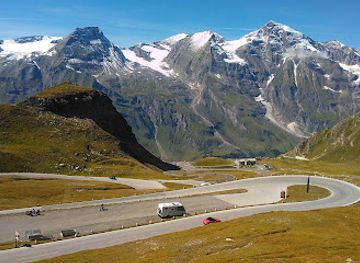
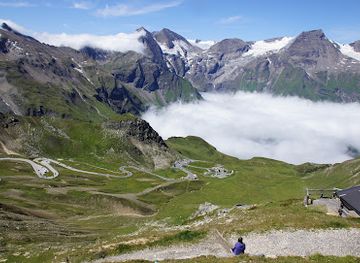
Hohe Tauern’s attractions are inseparable from its mountain geography. The Hohe Tauern National Park offers marked walking routes, wildlife interpretation, guided nature outings and visitor centres that explain glaciers, geology, farming and alpine habitats. Krimml Waterfalls provide one of the region’s most accessible major natural sights, while the Grossglockner High Alpine Road leads through high landscapes towards viewpoints of the Glockner group. Around the valleys, museums and exhibitions explore mining, mountaineering and local rural life, including the regional heritage presented in and around Mittersill. Heiligenblut, Matrei in Osttirol and Mallnitz make useful bases for different sections of the range, each with access to contrasting mountain scenery. Summer activities include hiking, climbing, cycling and supervised glacier or wildlife excursions; winter centres offer skiing, snowshoeing and cross-country routes. The attraction landscape is less about a dense sequence of ticketed sights than about moving between valleys, protected habitats, historic settlements and high viewpoints. Visitors should distinguish demanding alpine routes from family-friendly valley trails and check seasonal access before travelling.
-
Tourist attraction
Großglockner Hochalpenstraße
Explore the breathtaking Großglockner Hochalpenstraße, a scenic alpine road that unveils the majestic beauty of Austria's highest mountain and stunning landscapes.
-
Tourist attraction
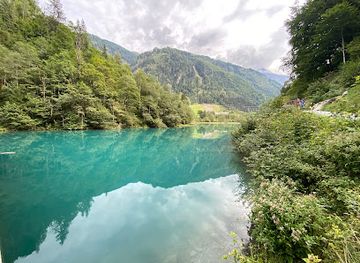
Sigmund Thun Klamm
Experience the breathtaking beauty of Sigmund Thun Klamm, a stunning gorge with waterfalls and scenic trails in the heart of Kaprun, Austria.
-
Tourist attraction
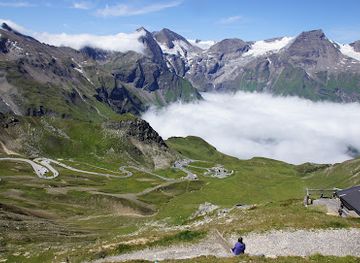
Edelweißspitze
Discover the breathtaking beauty of Edelweißspitze, Austria's highest accessible peak, where stunning alpine views await every traveler.
-
Observation deck
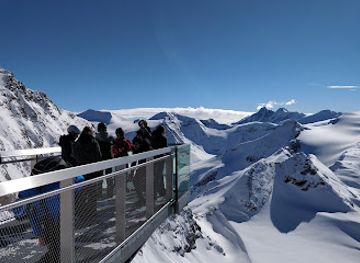
Gipfelwelt 3000
Experience breathtaking views and unforgettable adventures at Gipfelwelt 3000, the ultimate observation deck in the heart of the Austrian Alps.
Best landmarks in Hohe Tauern
Grossglockner is Hohe Tauern’s defining natural landmark and Austria’s highest summit, rising above glaciers and ridges on the boundary between Tyrol and Carinthia. The nearby Pasterze glacier, viewed from the Grossglockner area, illustrates the scale and continuing change of the high-alpine environment. Krimml Waterfalls form another emblematic feature, descending in successive stages beside the village of Krimml. In Heiligenblut, the parish church of St Vincent stands beneath the Glockner group and has become one of the region’s most recognisable village images, while the medieval settlement of Rauris retains links with the area’s mining past. The Grossglockner High Alpine Road is itself a landmark of twentieth-century engineering, crossing dramatic terrain with engineered bends and viewpoints. Across the valleys, timber farm buildings, wayside chapels and historic churches provide a quieter architectural record of pastoral life, trade and pilgrimage than the monumental peaks but are equally important to the region’s identity.
-
 Tourist attraction
Krimml Waterfalls
Experience the breathtaking beauty of Krimml Waterfalls, Austria's highest waterfall, set amidst stunning alpine scenery perfect for outdoor adventures.
-
Tourist attraction
Großglockner Hochalpenstraße
Experience the breathtaking beauty and adventure of the Großglockner Hochalpenstraße, a must-visit alpine road in Austria.
-
Tourist attraction
Sigmund Thun Klamm
Explore the breathtaking beauty of Sigmund Thun Klamm, a stunning gorge with waterfalls, hiking trails, and breathtaking Alpine views in Kaprun, Austria.
-
Tourist attraction
Edelweißspitze
Experience the breathtaking beauty of Edelweissspitze, a must-visit alpine destination offering stunning vistas and outdoor adventures.

Explore Hohe Tauern on the map
Plan your trip on one map. See where the top cities, national parks and sights are, and book hotels and experiences in a few clicks.
Best hotels in Hohe Tauern
Best restaurants in Hohe Tauern
Food in Hohe Tauern reflects the practical traditions of Austrian mountain valleys, with dairy farming, woodland produce, preserved meats, bread and seasonal vegetables appearing in village inns, cafés and mountain huts. Pinzgauer specialities are particularly associated with the Salzburg side, while menus across the region commonly include Kasnocken or Käsespätzle, dumplings, soups, alpine cheese, cured ham and hearty stews. Kaiserschmarrn and other pastries are popular after a walk, and huts often serve simple food designed for hungry hikers rather than elaborate dining. Regional cheeses and fresh farmhouse products can be found through local shops, farm sales and selected markets. Larger resorts and spa towns provide a broader choice, including contemporary Austrian cooking, international restaurants and bakeries, while smaller valleys tend to rely on traditional inns and seasonal establishments. Menus and opening patterns can be limited outside peak periods, so advance planning is useful when staying in a remote village or walking between huts.
-
Restaurant
Adler Lounge
Experience exquisite Austrian cuisine at Adler Lounge amidst breathtaking Alpine scenery in Kals am Großglockner.
-
Austrian
Bergrestaurant Gletschermühle
Experience authentic Austrian cuisine with breathtaking views at Bergrestaurant Gletschermühle in Kitzsteinhorn.
-
Austrian
Gasthof Sahnealm
Discover Gasthof Sahnealm: A Culinary Gem in Hollersbach im Pinzgau Offering Authentic Austrian Flavors Amidst Stunning Alpine Scenery.
-
Restaurant
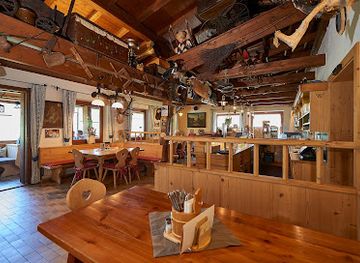
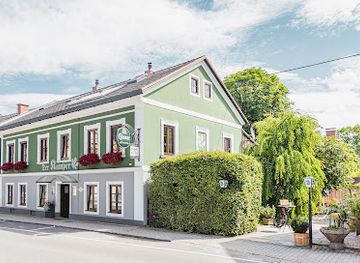
Der Kamper
Experience authentic Austrian flavors at Der Kamper in Admont – where tradition meets taste in a cozy setting.
Best bars in Hohe Tauern
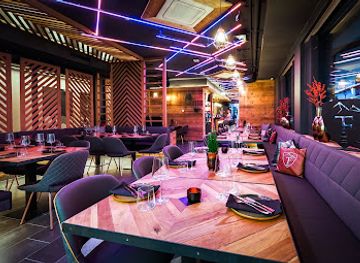
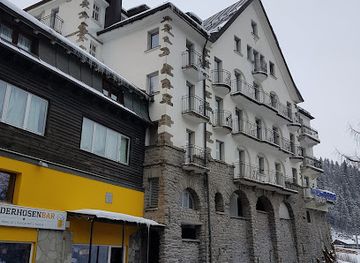
Evening life in Hohe Tauern is generally social and relaxed rather than focused on a large nightclub scene. Traditional inns, hotel lounges, wine bars and cafés form the mainstay, with après-ski venues becoming busier in winter resorts. Larger settlements such as Zell am See, Mittersill, Bad Gastein and selected valley resorts offer more choice, including live music, late-opening bars and occasional club nights, while smaller villages usually become quiet after dinner. Historic spa traditions give Bad Gastein a more developed evening culture than many rural national-park communities, although it lies at the eastern edge of the wider Hohe Tauern travel area. In summer, evenings often centre on outdoor terraces, local cultural events or conversations after a day in the mountains. Check seasonal opening arrangements, particularly outside the main ski and summer walking periods.
-
Bar
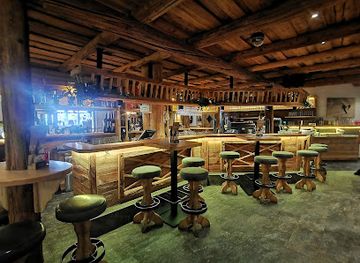
Baumbar
Experience the vibrant ambiance of Baumbar in Kaprun, where delicious food meets an exciting bar atmosphere, perfect for all night owls.
-
Bar
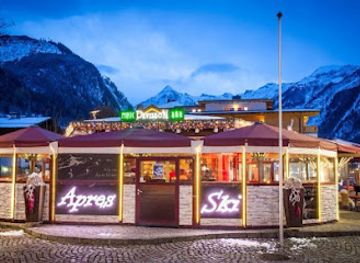
Pavillon Après-Ski Bar
Experience the vibrant atmosphere and delightful drinks at Pavillon Après-Ski Bar, the perfect retreat in Kaprun after a day on the slopes.
-
Cafe
Chillas Bar & Kitchen
Discover the delightful flavors and lively atmosphere at Chillas Bar & Kitchen in Kaprun, a top spot for food and live music lovers.
-
Bar
Restaurant 24 Kitchen & Bar
Discover the culinary wonders of 24 Kitchen & Bar in Kaprun, where fresh ingredients meet creative flair in a stunning setting.
Best nightclubs in Hohe Tauern
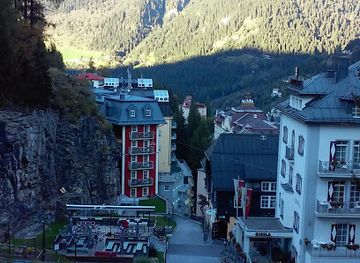
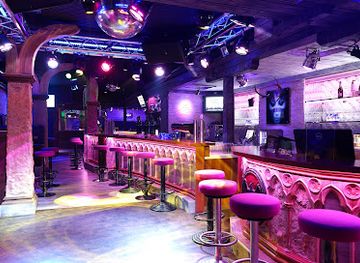
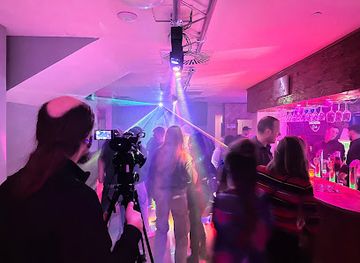
Evening life in Hohe Tauern is generally social and relaxed rather than focused on a large nightclub scene. Traditional inns, hotel lounges, wine bars and cafés form the mainstay, with après-ski venues becoming busier in winter resorts. Larger settlements such as Zell am See, Mittersill, Bad Gastein and selected valley resorts offer more choice, including live music, late-opening bars and occasional club nights, while smaller villages usually become quiet after dinner. Historic spa traditions give Bad Gastein a more developed evening culture than many rural national-park communities, although it lies at the eastern edge of the wider Hohe Tauern travel area. In summer, evenings often centre on outdoor terraces, local cultural events or conversations after a day in the mountains. Check seasonal opening arrangements, particularly outside the main ski and summer walking periods.
-
Bar
Haeggbloms BAR
Discover the excitement of Haeggbloms BAR in Bad Gastein, a vibrant venue blending bar, pub, and night club experiences for an unforgettable night out.
-
Bar
Cult*Disco*Bar Fuggo Radstadt
Discover unforgettable nights at Cult*Disco*Bar Fuggo, Radstadt's premier bar and disco club, blending music, drinks, and vibrant ambiance.
-
Night club
Wührers discotheque
Experience the vibrant nightlife at Wührers Discotheque in Bad Gastein, where unforgettable dance parties and great music await.
-
Disco club
Barracuda Club Kaprun
Discover the electrifying nightlife of Kaprun at Barracuda Club, where dance, music, and unforgettable experiences await.
Best shops in Hohe Tauern
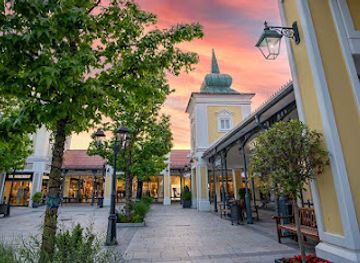
Shopping in Hohe Tauern is concentrated in valley towns and resort centres rather than large retail districts. Mittersill, Zell am See, Matrei in Osttirol, Heiligenblut and other established settlements combine practical outdoor shops with bakeries, delicatessens, independent retailers and stores selling regional food. Farmers’ products may include mountain cheese, cured meats, honey, herbal goods, spirits and seasonal preserves, although availability varies by village and time of year. Craft shops and galleries offer woodwork, woollen goods, ceramics, religious items and locally themed artwork, while mountain resorts provide equipment and clothing for hiking and winter sports. Weekly markets and farm shops are useful for buying provisions, but visitors should confirm trading days locally rather than assume a market operates every day. Souvenirs are often strongest when connected to the landscape—regional food, handmade objects or quality outdoor equipment—rather than generic alpine merchandise.
-
Outlet mall
Designer Outlet Parndorf
Explore unparalleled shopping experiences at Designer Outlet Parndorf, featuring top brands at prices you'll love.
-
Outlet mall
Designer Outlet Salzburg
Explore the ultimate shopping destination at Designer Outlet Salzburg with top designer brands at unbeatable prices in a scenic setting.
-
Museum
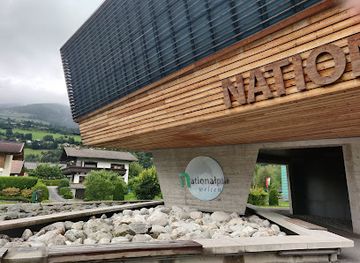
Hohe Tauern National Park Information Centre
Discover the beauty and biodiversity of Hohe Tauern National Park at the informative centre in Mittersill, Austria.
-
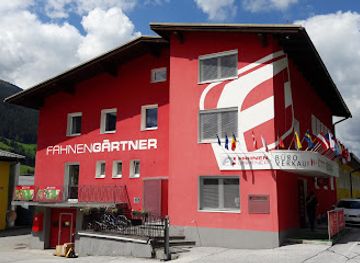
Flag store
Fahnen-Gärtner GmbH
Explore Fahnen-Gärtner GmbH in Mittersill, Austria – a vibrant flag store offering unique flags and banners for every occasion.

Get your free copy of our complete guide to Hohe Tauern, delivered straight to you.
Everything on this page, from attractions and restaurants to essentials and local phrases, in one PDF you can read offline, print or share.
Already have an account? Sign in
Your Hohe Tauern guide is ready.
We'll send it to · Not you? Sign out

Getting your guide ready…
We are putting together a fresh copy of the Hohe Tauern guide. This can take up to a minute.
This can take a few moments. If your browser asks, choose Allow so the download can start. You'll find the guide in your Downloads folder.
Nothing happened? Download it again
Sorry, the guide is taking longer than usual. Please try again in a minute, or get it by email instead.
Hohe Tauern essentials
Currency and Payment
Safety
Emergency Situations
Do's and Don'ts
Local Tips
From Eve
Local phrases worth knowing
You don't need to get them perfect. A few words go a long way, and locals appreciate the effort.
Basics
| English | Local | Say it |
|---|---|---|
| Hello | Grüß Gott | [Groos Got] |
| Goodbye | Auf Wiedersehen | [Owf Veederzehn] |
| Yes | Ja | [Yah] |
| No | Nein | [Nyn] |
| Please/You're welcome | Bitte | [Bitt-eh] |
| Thank you | Danke | [Dahn-kah] |
| Excuse me/Sorry | Entschuldigung | [Ent-shool-dee-goong] |
| How are you? | Wie geht's? | [Vee gates?] |
| Fine. And you? | Gut. Und dir? | [Gooot. Oond deer?] |
| Do you speak English? | Sprechen Sie Englisch? | [Shprecken Zee English?] |
| I don't understand | Ich verstehe nicht | [Ish fer-shtay-eh nikht] |
Eating & Drinking
| English | Local | Say it |
|---|---|---|
| I'd like to see the menu, please | Ich hätte gerne die Speisekarte, bitte | [Ish het-teh gair-neh dee Shpy-ze-kahr-te, bitt-eh] |
| I don't eat meat | Ich esse kein Fleisch | [Ish ess-eh kine Fly-sh] |
| Cheers! | Prost! | [Prohst!] |
| I would like to pay, please | Ich möchte bezahlen, bitte | [Ish merkh-teh beh-tsah-len, bitt-eh] |
Emergencies
| English | Local | Say it |
|---|---|---|
| Help! | Hilfe! | [Hil-feh!] |
| Go away! | Geh weg! | [Gay veg!] |
| Call the Police! | Rufen Sie die Polizei! | [Roo-fen Zee dee Pohl-itzei!] |
| Call a doctor! | Rufen Sie einen Arzt! | [Roo-fen Zee eye-nen Artst!] |
| I'm lost | Ich habe mich verlaufen | [Ish hab-eh mikh fer-lau-fen] |
| I'm ill | Ich bin krank | [Ish bin krank] |
Shopping
| English | Local | Say it |
|---|---|---|
| I'd like to buy... | Ich möchte ... kaufen | [Ish merkh-teh ... kow-fen] |
| I'm just looking | Ich schaue nur | [Ish shau-eh noor] |
| How much is it? | Wie viel kostet es? | [Vee feel kost-et es?] |
| That's too expensive | Das ist zu teuer | [Das ist tsoo toy-er] |
| Can you lower the price? | Können Sie den Preis senken? | [Kern-en Zee den Pry-s senken?] |
Time & Numbers
| English | Local | Say it |
|---|---|---|
| What time is it? | Wie spät ist es? | [Vee shpayt ist es?] |
| It's one o'clock | Es ist ein Uhr | [Es ist ine Oor] |
| Half past (10) | Halb (10) | [Halb (10)] |
| Morning | Morgen | [Mor-gen] |
| Afternoon | Nachmittag | [Nahkh-mit-tahg] |
| Evening | Abend | [Ah-bent] |
| Yesterday | Gestern | [Ges-tern] |
| Today | Heute | [Hoy-teh] |
| Tomorrow | Morgen | [Mor-gen] |
| 1 | Eins | [Eyns] |
| 2 | Zwei | [Tsvy] |
| 3 | Drei | [Dry] |
| 4 | Vier | [Feer] |
| 5 | Fünf | [Fünf] |
| 6 | Sechs | [Zex] |
| 7 | Sieben | [Zee-ben] |
| 8 | Acht | [Acht] |
| 9 | Neun | [Noyn] |
| 10 | Zehn | [Tsen] |
Transport & Directions
| English | Local | Say it |
|---|---|---|
| Where's a/the...? | Wo ist ein/eine...? | [Vo ist ine/ineh...?] |
| What's the address? | Was ist die Adresse? | [Vas ist dee Ah-dres-seh?] |
| Can you show me (on the map)? | Können Sie mir (auf der Karte) zeigen? | [Kern-en Zee meer (owf der Kar-teh) tsai-gen?] |
| When's the next (bus)? | Wann kommt der nächste (Bus)? | [Vahn komt der nay-sht-eh (Boos)?] |
| A ticket (to ....) | Ein Ticket (nach ...) | [Ine Ti-ket (nahkh ...)] |
History of Hohe Tauern
Prehistoric settlement and alpine resources
People used the Hohe Tauern valleys and passes long before the modern tourist era. Archaeological evidence from the wider Alpine region shows prehistoric movement across mountain routes, together with the exploitation of timber, pasture, stone and mineral resources. Seasonal grazing gradually shaped the open alpine meadows that visitors now associate with the landscape. Although high summits were not settled permanently, valley communities developed practical knowledge of routes, weather and seasonal resources that supported life in a demanding environment.
Roman routes and mountain trade
The Roman presence in the eastern Alps strengthened connections between northern Italy, Noricum and the Danube provinces. Roads and passes around the Hohe Tauern supported the movement of people, goods and metals, building on earlier routes. The mountains were not an isolated frontier: valleys such as those in present-day Salzburg, Tyrol and Carinthia formed part of a wider network linking settlements and trading centres. Later routes often followed similar geographical corridors, even when the original Roman infrastructure disappeared.
Medieval churches, passes and mining
During the Middle Ages, ecclesiastical estates, local lordships and trading communities shaped the valleys. Churches and pilgrimage traditions became important cultural markers, while mountain passes connected settlements across the central Alps. Mining expanded at different times for minerals including gold, silver and copper. The gold-bearing areas of the Hohe Tauern became particularly significant, bringing specialist workers and wealth to communities that otherwise depended heavily on farming, forestry and livestock.
Gold mining and the alpine economy
Gold mining reached a notable peak in parts of the Hohe Tauern during the late medieval and early modern periods, especially around valleys in Salzburg and Carinthia. Workings were difficult to access and vulnerable to water, snow and unstable terrain, but the industry influenced local administration, trade and settlement. Mining declined as easily accessible deposits were exhausted and economic conditions changed. Its legacy survives in place names, tunnels, interpretive exhibitions and the broader cultural memory of the mountains as a source of both opportunity and danger.
Pastoral traditions and early mountaineering
For centuries, households combined valley farming with seasonal movement to alpine pastures. Hay meadows, wooden barns, cattle routes and dairy production remain visible expressions of this economy, although modern agriculture is more mechanised and diversified. From the eighteenth and nineteenth centuries, scientific exploration and mountaineering brought new attention to the high peaks and glaciers. The first ascents and mapping expeditions gradually transformed the mountains from working terrain and feared wilderness into a destination for organised travel.
Roads, tourism and the national park
Improved roads, rail connections in surrounding valleys and the growth of alpine hotels accelerated tourism during the nineteenth and twentieth centuries. The Grossglockner High Alpine Road, opened in 1935, made spectacular high-mountain scenery accessible to visitors travelling by car. Conservation developed alongside tourism: the Hohe Tauern National Park was established in stages, beginning in Carinthia in 1981, followed by Salzburg and Tyrol. The resulting protected area aims to conserve glaciers, wildlife, forests and traditional cultural landscapes while accommodating carefully managed recreation.
Hohe Tauern in Photos
Browse through our photo collection highlighting the charm and character of the destination.
Neighbouring regions of Hohe Tauern
The closest regions to Hohe Tauern, if you have time for more than one.
-

-

-

-

-


Swipe for more regions
Explore more
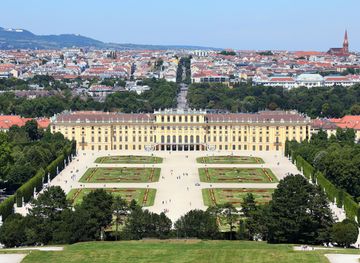
Explore more of Austria
Discover Austria's blend of alpine landscapes, rich cultural heritage, and culinary delights, from Vienna's historic charm to Tyrol's dramatic beauty.
Explore Austria