
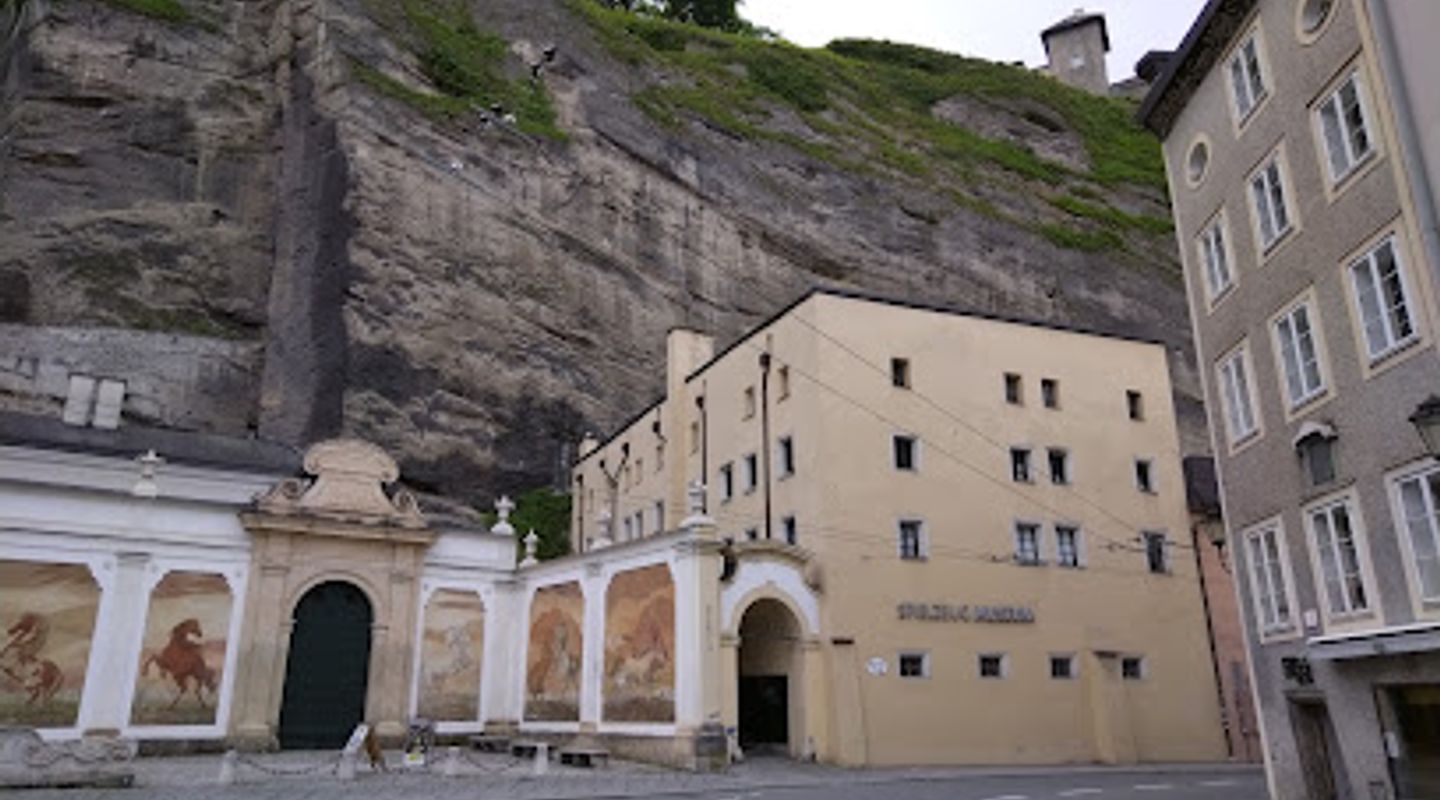
Siegmundstor, Salzburg Travel Guide
Discover Salzburg's oldest road tunnel, a historic gateway connecting the Altstadt with Riedenburg, adorned with Baroque art and steeped in history.
The Siegmundstor, also known as the Neutor, is Austria's oldest road tunnel, connecting Salzburg's Altstadt with Riedenburg. Built in the 18th century, it features Baroque portals and a parallel pedestrian tunnel, offering a glimpse into the city's history and engineering.
A brief summary to Siegmundstor
- Mönchsberg 19A, Salzburg, 5020, AT

Know before you go
Hi, I'm Eve. Here are a few practical things to know before exploring Siegmundstor.
- Take time to admire the intricate Baroque portals at each end of the tunnel, featuring sculptures, inscriptions, and the coat of arms of Prince-Archbishop Schrattenbach.
- Walk through the pedestrian tunnel parallel to the main tunnel for a less crowded experience and a different perspective on this historical landmark.
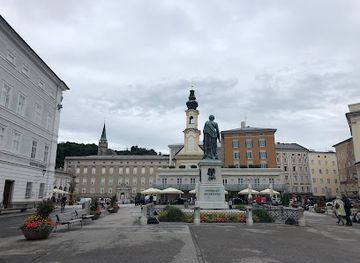
- Visit Herbert von Karajan Square near the Altstadt entrance to see the Pferdeschwemme (Horse Pond), a beautiful Baroque fountain.
Do you manage this location?
Take control to get all the benefits, like improved information, better appearance, and stronger visibility across AI-powered discovery. Learn more about listing your business on Evendo
Activate your presenceOther nearby places you may find interesting
The closest places of the same kind, if this one is not quite what you had in mind.
Explore Siegmundstor on the Map
A handpicked selection of must-see spots near Siegmundstor, mapped for you.
Unlock the Best of Siegmundstor
Buy tickets
-
No tickets available
Book tours with entry

Book tours without entry
-
No tours available
Getting There
-
Walking
From Herbert von Karajan Square in the Altstadt, the Siegmundstor entrance is easily accessible on foot. Simply walk towards the Mönchsberg mountain, passing the Pferdeschwemme (Horse Pond). The tunnel entrance is clearly visible. The pedestrian and cyclist tunnel runs parallel to the main tunnel.
-
Public Transport
Several trolleybus lines pass through the Siegmundstor, including lines 1, 8, and 10. Check local transit schedules for the most up-to-date information. A single fare within the city of Salzburg costs approximately €3.00 if purchased on board. Tickets are cheaper if purchased in advance via the Salzburg Verkehr App or at vending machines. The bus stop is located near the entrance of the tunnel.
-
Driving
If driving, be aware that the Siegmundstor is a busy traffic route. Parking is available in the Altstadtgaragen underground car park near the Siegmundstor. Parking fees typically range from €4.40 for 4 hours to €6.60 for 8 hours. The car park is open 24 hours.
Discover more about Siegmundstor













Your all‑in‑one travel companion app
Explore expert travel guides, compare and book tours, experiences, hotels, and more—all from the palm of your hand. Download now for seamless trip planning wherever your wanderlust takes you.


Explore More of Salzburg
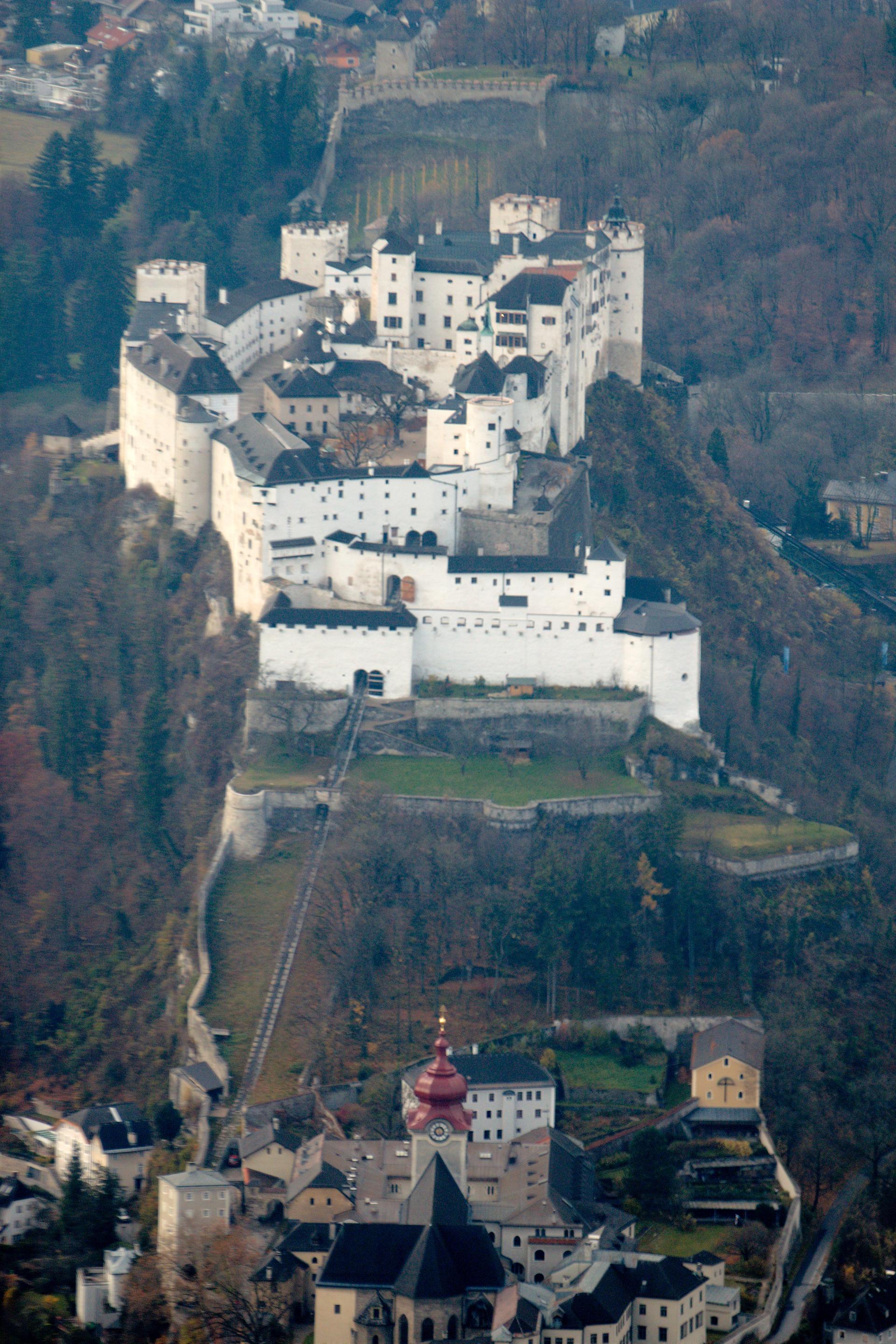
Looking beyond Siegmundstor? Discover Salzburg for broader travel guides, local hot-spots, and regional highlights.
Explore Salzburg
Ascend Salzburg's Clemens-Holzmeister-Stiege for stunning views, architectural charm, and a peaceful escape in the heart of the city.

Explore the historical beauty of Pferdeschwemme, a stunning landmark in Salzburg, showcasing the city's rich equestrian heritage and baroque architecture.
