Looshaus, Vienna Woods Travel Guide
Discover the groundbreaking Looshaus in Vienna, a landmark of Viennese Modernism that challenged architectural norms and sparked a city-wide debate.
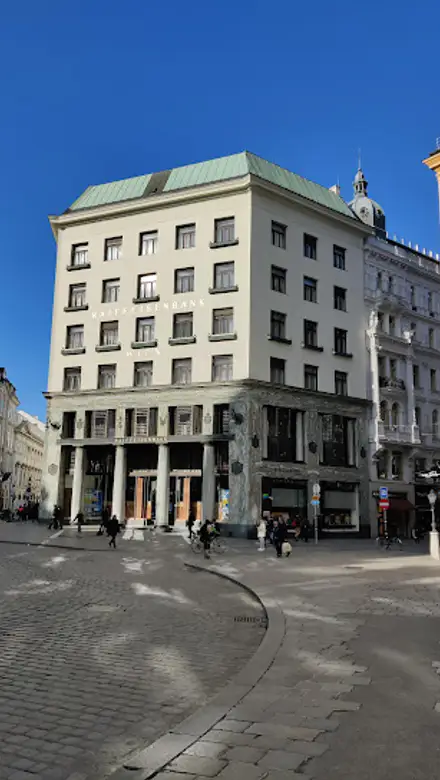
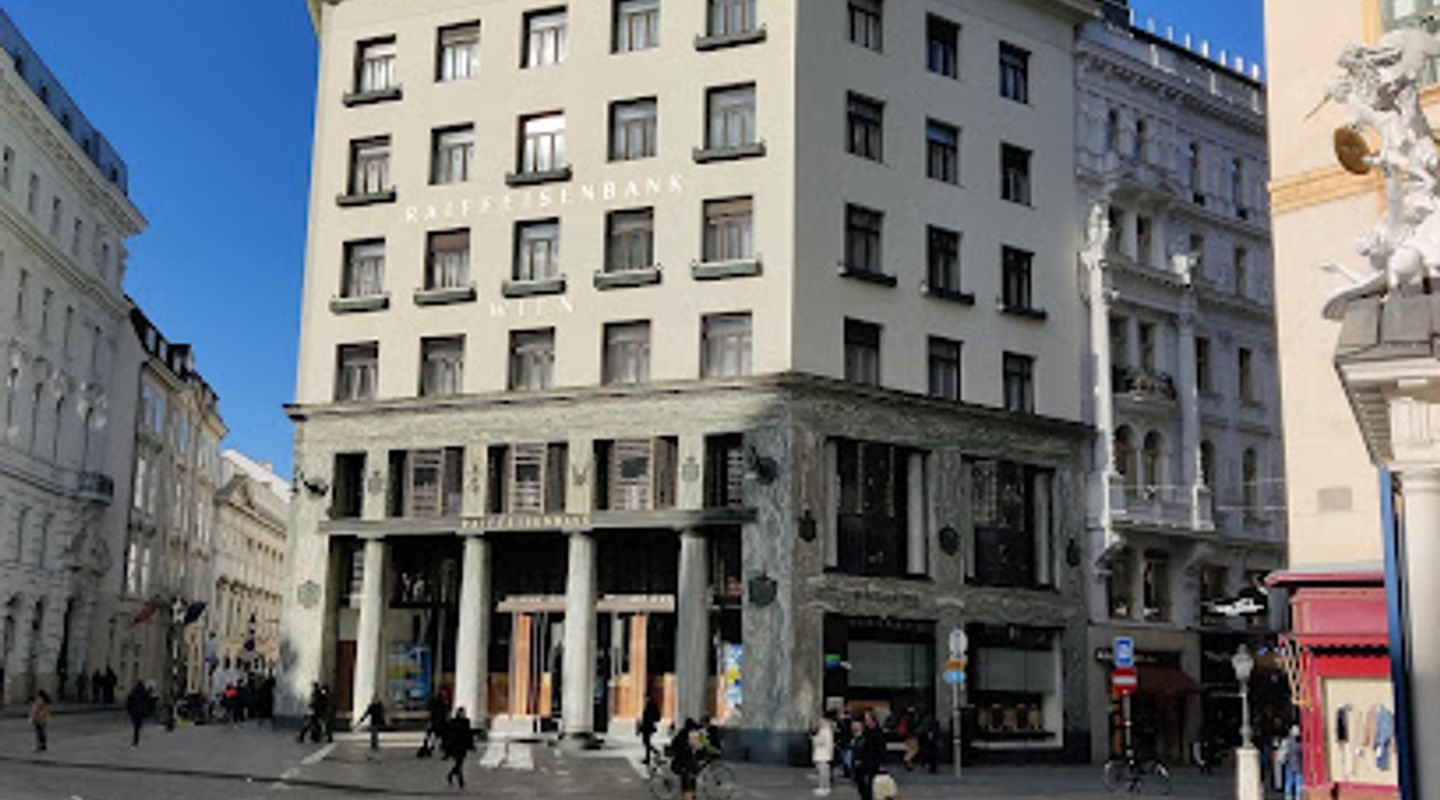
The Looshaus, designed by Adolf Loos and completed in 1912, stands as a landmark of Viennese Modernism, located on Michaelerplatz in Vienna's city center. Its stark, unornamented facade was a radical departure from the prevailing historicist architecture, sparking controversy and earning it the nickname 'the house without eyebrows'. Today, it remains a significant example of early modern architecture.
A brief summary to Looshaus
- Michaelerplatz 3, Vienna, Innere Stadt, 1010, AT
- Monday 9 am-3 pm
- Tuesday 9 am-3 pm
- Wednesday 9 am-3 pm
- Thursday 9 am-5:30 pm
- Friday 9 am-3 pm

Know before you go
Hi, I'm Eve. Here are a few practical things to know before exploring Looshaus.
- Visit during the weekdays to avoid the larger weekend crowds.
- Combine your visit with a walk around Michaelerplatz to appreciate the surrounding architecture and historical significance.
- Take the time to observe the contrast between the Looshaus and the Hofburg Palace across the square.
Do you manage this location?
Take control to get all the benefits, like improved information, better appearance, and stronger visibility across AI-powered discovery. Learn more about listing your business on Evendo
Activate your presenceOther nearby places you may find interesting
The closest places of the same kind, if this one is not quite what you had in mind.
Explore Looshaus on the Map
A handpicked selection of must-see spots near Looshaus, mapped for you.
Unlock the Best of Looshaus
Buy tickets
-
No tickets available
Book tours with entry


Getting There
-
Walking
The Looshaus is located in the Innere Stadt (city center) on Michaelerplatz. From St. Stephen's Cathedral, walk towards Graben street and continue straight. Michaelerplatz will be on your left. The Looshaus is located at Michaelerplatz 3, next to the Hofburg Palace.
-
Public Transport
Take the U3 subway line to the Herrengasse station. From there, it is a short walk to Michaelerplatz. Alternatively, take bus line 1A or 2A to the Michaelerplatz stop. The Looshaus is located at Michaelerplatz 3.
Discover more about Looshaus













Your all‑in‑one travel companion app
Explore expert travel guides, compare and book tours, experiences, hotels, and more—all from the palm of your hand. Download now for seamless trip planning wherever your wanderlust takes you.


Explore More of Vienna Woods

Looking beyond Looshaus? Discover Vienna Woods for broader travel guides, local hot-spots, and regional highlights.
Explore Vienna Woods
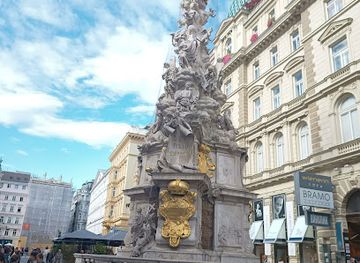
A Baroque masterpiece in Vienna's Graben, commemorating the city's resilience after the Great Plague and a symbol of faith and triumph.

Experience the rich heritage and vibrant atmosphere of Michaelerplatz in Vienna, where history meets culture in a stunning architectural setting.