Alserbachpalais: A Hidden Gem in Vienna's Alsergrund
Discover the Alserbachpalais, a Neo-Renaissance gem in Vienna's Liechtensteinpark, steeped in history and offering a glimpse into the city's aristocratic past.
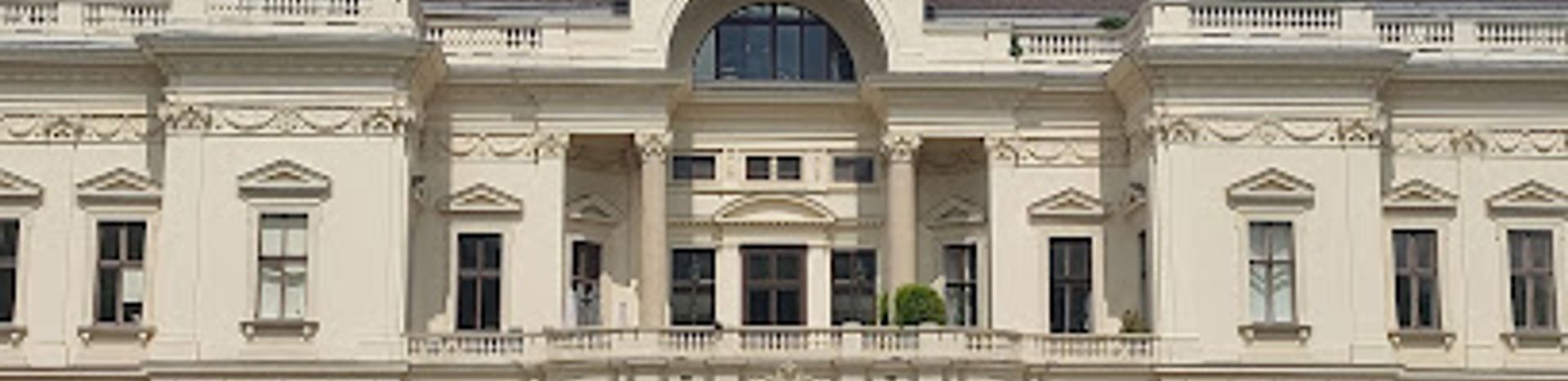
The Alserbachpalais, also known as the Sommerpalais, is a Neo-Renaissance palace located in Vienna's 9th district, Alsergrund. Built in the late 19th century by Heinrich von Ferstel for Countess Franziska Kinsky of Wchinitz and Tettau, it stands on the site of a former belvedere within the Liechtensteinpark. While not open to the public for general tours, its impressive architecture and historical significance make it a noteworthy landmark. The palace is surrounded by the serene Liechtensteinpark, offering visitors a tranquil escape from the city bustle. The palace's history is intertwined with the Liechtenstein family, one of the most important noble families of the Austro-Hungarian Empire. Today, the palace houses offices and apartments, maintaining its grandeur and contributing to the architectural landscape of Vienna. Its proximity to other attractions and the park makes it a worthwhile destination for those exploring Vienna's rich cultural heritage, even if only viewed from the outside. The Alserbachpalais provides a glimpse into Vienna's aristocratic past and architectural evolution.
A brief summary to Alserbachpalais
- Alserbachstraße 14-16, Vienna, Alsergrund, 1090, AT
- +4314000
Local tips
- Enjoy a leisurely stroll through the Liechtensteinpark for excellent views of the Alserbachpalais and the adjacent Gartenpalais Liechtenstein.
- Visit the Gartenpalais Liechtenstein (Liechtenstein Garden Palace) for events and guided tours to experience the Liechtenstein family's art collection.
- Explore the Alsergrund district, known for its blend of historical landmarks, cultural attractions, and modern eateries.

Getting There
-
Public Transport
From Schottentor (U2), take the 40A bus and alight at Bauernfeldplatz. From there, it's a short walk to Alserbachstraße 14-16. Alternatively, from Rossauer Lände (U4), walk approximately 600 meters to the entrance on Alserbachstraße. A single public transport ticket costs €2.40.
-
Walking
From the Sigmund Freud Museum, walk north along Berggasse, then turn left onto Liechtensteinstrasse. Continue until you reach Alserbachstraße. The palace will be on your right, within Liechtensteinpark. The walk is approximately 15 minutes.
-
Taxi/Ride-Share
A taxi or ride-share from the city center (e.g., Stephansplatz) to Alserbachpalais will take approximately 15-20 minutes, depending on traffic. The estimated cost is between €15-€20.
-
Driving
If driving, navigate to Alserbachstraße 14-16, 1090 Vienna. Limited parking is available in the area. Consider using the underground car park on Bauernfeldplatz. Hourly parking rates typically range from €3-€4, with daily rates around €20-€25.
Discover more about Alserbachpalais
Iconic landmarks you can’t miss

Alserbachpalais
0.0 km
Discover the Alserbachpalais, a Neo-Renaissance gem in Vienna's Liechtensteinpark, steeped in history and offering a glimpse into the city's aristocratic past.
Sobieskiplatz
0.5 km
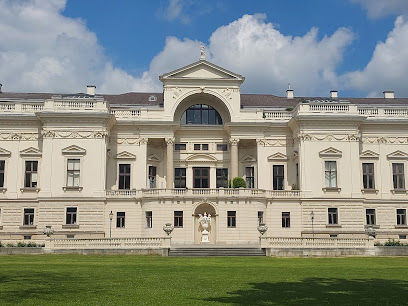
Discover Sobieskiplatz in Vienna's Alsergrund: A tranquil square steeped in history, named after a Polish king, offering a peaceful escape from the city bustle.
Servitenkirche
0.6 km
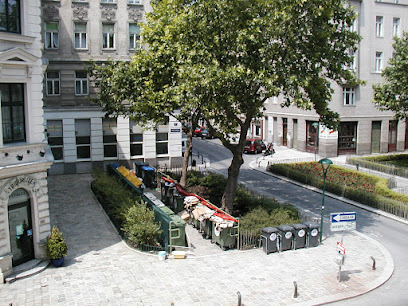
Explore the stunning Baroque architecture and serene ambiance of Servitenkirche, a cultural gem in the heart of Vienna's Alsergrund district.
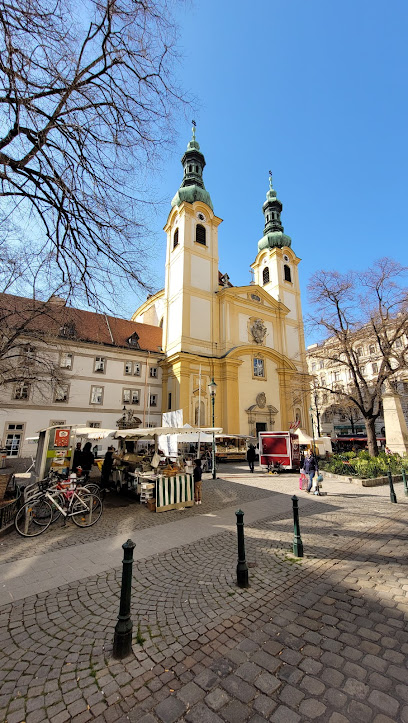
Servitenviertel
0.6 km
Discover Vienna's 'Little Paris' in the charming Servitenviertel: a blend of historic architecture, French-inspired cafes, and boutique shops, offering a tranquil escape in the heart of Alsergrund.
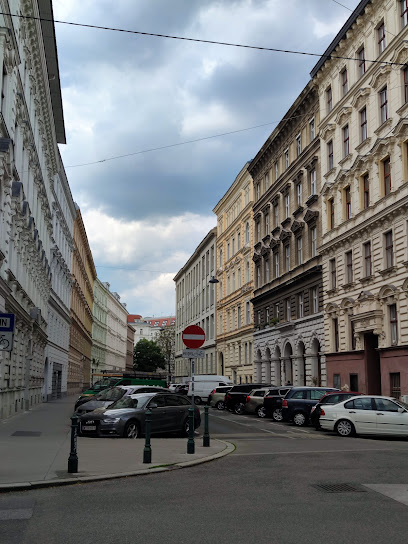
Zum blauen Würfel
0.7 km
Explore the artistic vibe of Zum blauen Würfel, a hidden gem in Vienna's Alsergrund district, where creativity meets local culture in a charming atmosphere.
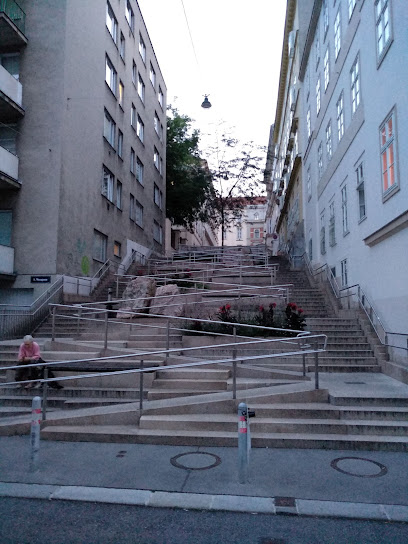
Ostarrichipark
1.1 km
A serene park in Vienna's Alsergrund district, home to the poignant Shoah Wall of Names Memorial, offering a space for reflection and remembrance of Austrian Jewish victims of the Holocaust.
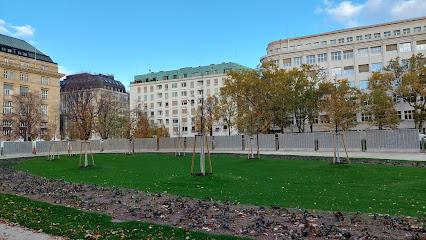
Rooseveltplatz
1.1 km
Discover the tranquil charm of Rooseveltplatz, a serene urban oasis in Vienna's Alsergrund district, perfect for relaxation and local culture.
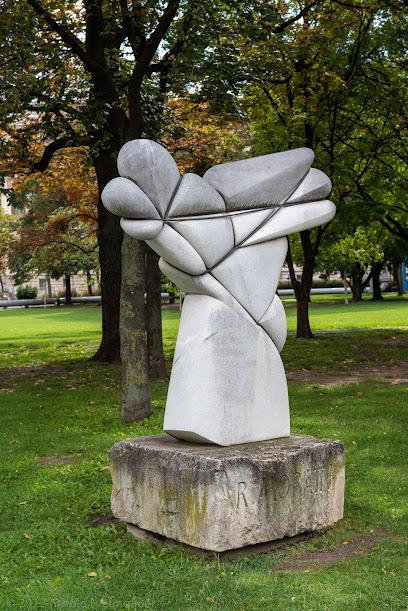
Währinger Park
1.1 km
Discover Währinger Park in Vienna: a historic green space offering recreation, sports, and a peaceful escape in the heart of the 18th district, easily accessible and open year-round.
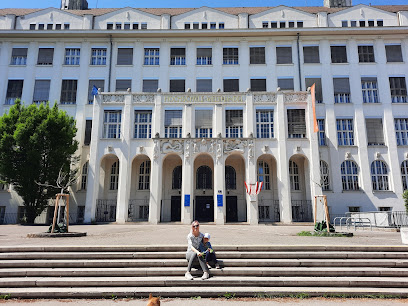
Schottenring
1.1 km
Discover the historic charm of Schottenring, a stunning boulevard in Vienna showcasing beautiful architecture and vibrant local culture.
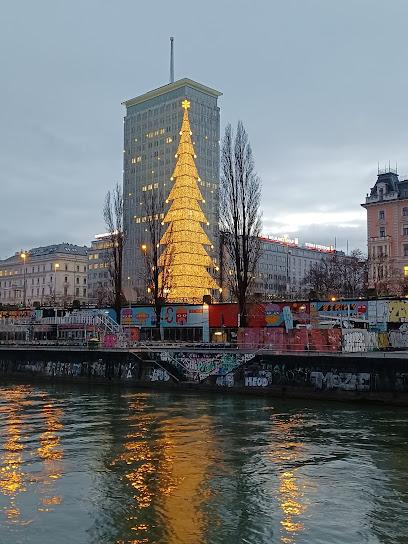
Börse
1.3 km
Explore the Börse in Vienna, a stunning architectural landmark that reflects the city’s financial history and artistic heritage in the heart of Innere Stadt.
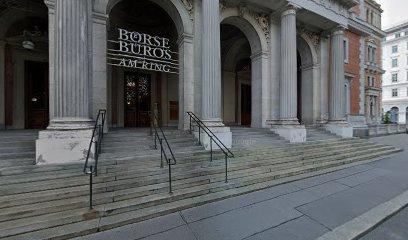
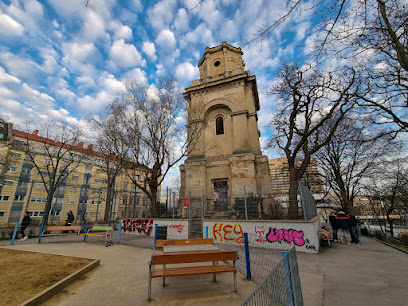
Währing Water Tower
1.3 km
Discover Vienna's engineering past at the Währing Water Tower, a historic landmark nestled in the tranquil Anton-Baumann-Park, offering a unique glimpse into the city's water management history.
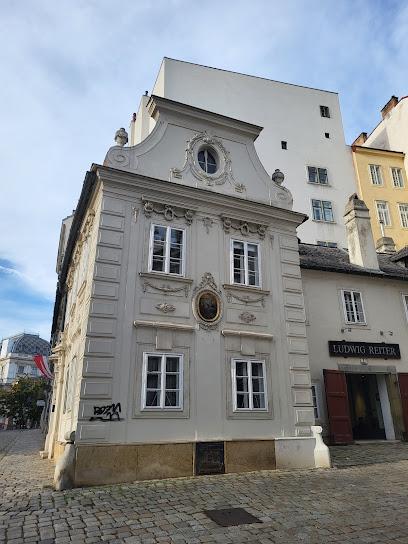
Mölker Bastei
1.3 km
Discover Vienna's historic Mölker Bastei: panoramic views, Beethoven's legacy, and a charming glimpse into the city's rich past, nestled in the heart of the Innere Stadt.
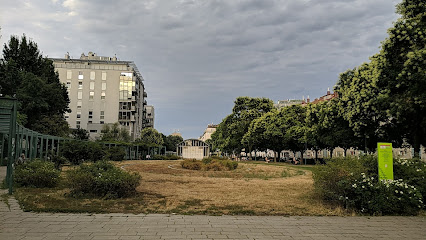
Leipziger Platz
1.4 km
Escape the city bustle at Leipziger Platz, a serene park in Vienna's Brigittenau, offering tranquil pathways, lush greenery, and a genuine local experience.
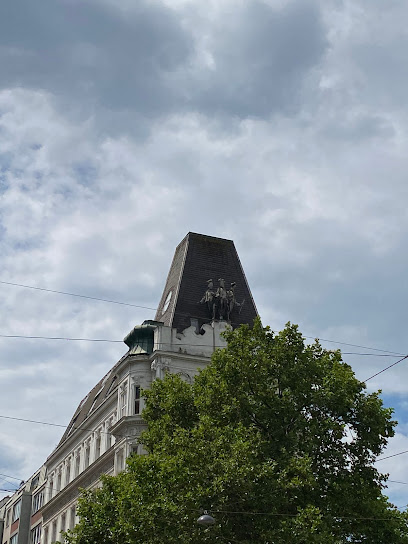
Silberfarbige, öffentliche Waage
1.4 km
Experience the artistic charm and historical significance of Silberfarbige, öffentliche Waage, a unique tourist attraction in the heart of Vienna.
Имперская сокровищница во дворце Хофбург
1.4 km
Discover over a thousand years of European history through the dazzling treasures of the Habsburgs and the Holy Roman Empire at Vienna's Imperial Treasury.
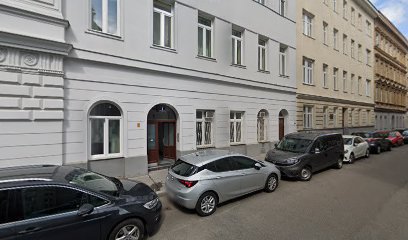
Unmissable attractions to see

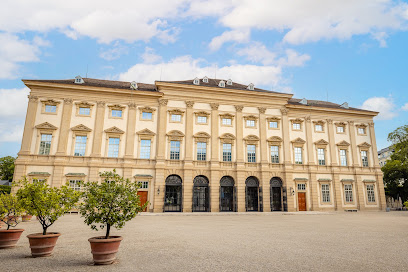
Gartenpalais Liechtenstein
0.2 km
Discover the exquisite beauty of Gartenpalais Liechtenstein, where art, history, and nature converge in the heart of Vienna.
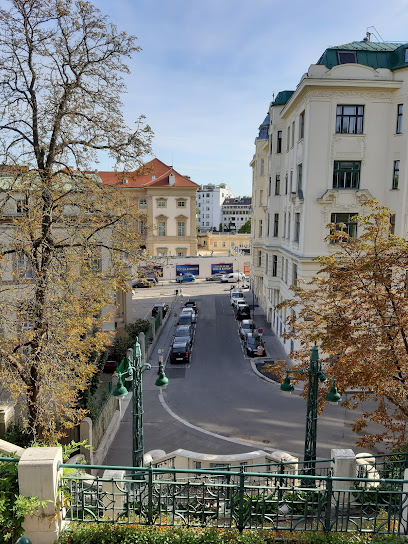
Strudlhofstiege
0.3 km
Discover the Strudlhofstiege, a stunning historical staircase in Vienna, where architecture meets serene beauty in the heart of the city.
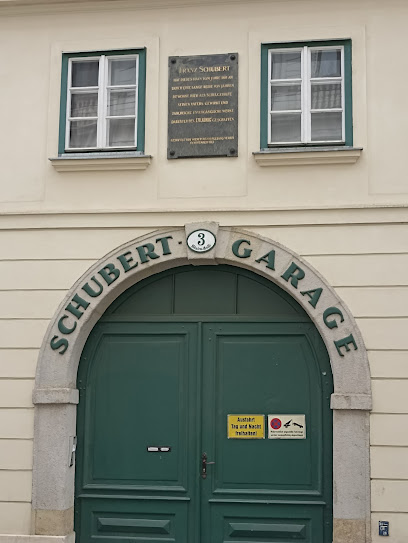
Schubert's house
0.4 km
Discover the life of composer Franz Schubert at his historic home in Vienna, a treasured landmark for music lovers and history enthusiasts alike.
Wien Museum Schubert's Birthplace
0.4 km
Discover the birthplace of Franz Schubert, a must-visit museum in Vienna that celebrates the life and works of the iconic composer.
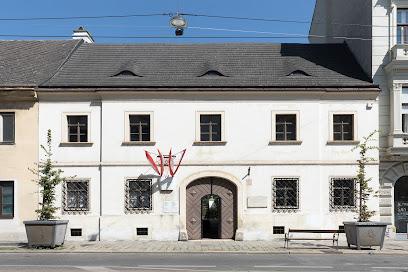
Friedensbrücke
0.6 km
Discover the charm of Friedensbrücke, a stunning bridge in Vienna offering picturesque views of the Danube and vibrant surroundings for tourists.
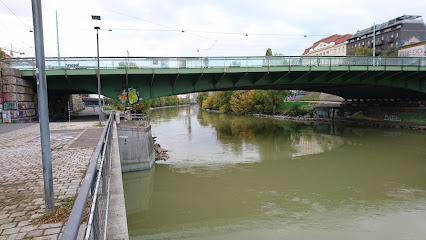
Heichal Menachem Synagogue
0.7 km
Explore the rich Jewish heritage at Heichal Menachem Synagogue, a serene spiritual hub in Vienna's Alsergrund district.
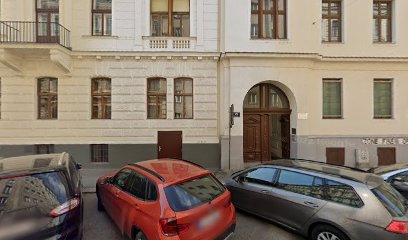
Sigmund Freud Museum
0.7 km
Discover the legacy of Sigmund Freud at his former residence in Vienna, a museum that reveals the roots of psychoanalysis and its cultural impact.
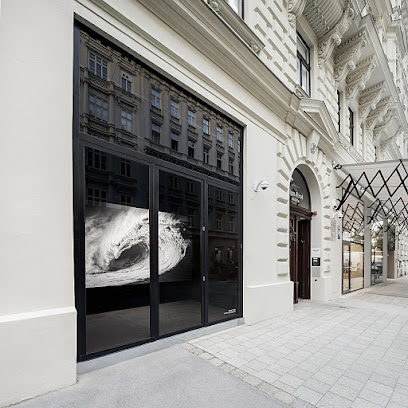
Narrenturm - Pathologisch-anatomische Sammlung
0.8 km
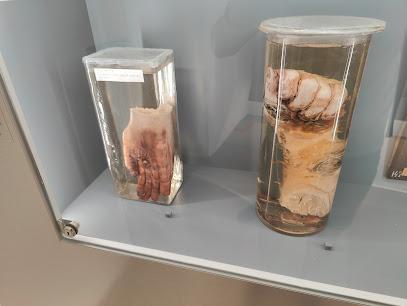
Unveil the mysteries of human anatomy at Vienna's Narrenturm, a unique museum blending medical history with captivating exhibits.
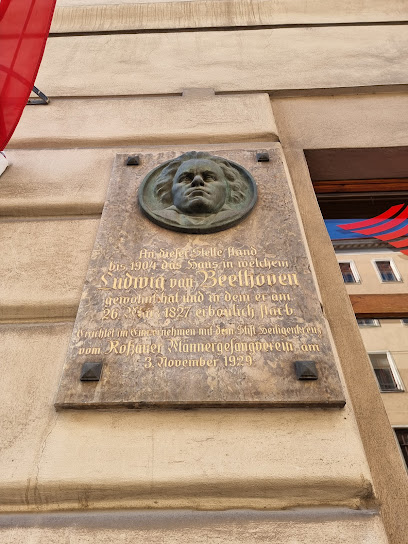
Beethoven's House (Memorial plaque)
0.9 km
Discover the historical significance of Beethoven's House in Vienna, where music history meets cultural heritage in an unforgettable experience.
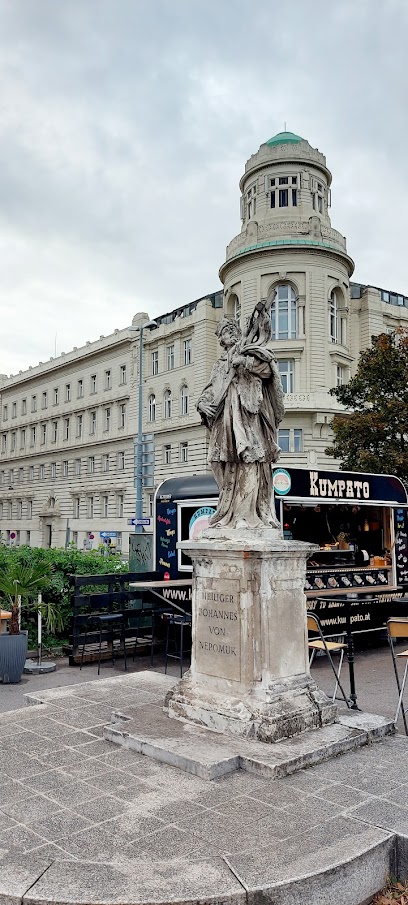
Denkmal Heiliger Johannes von Nepomuk
0.9 km
Discover the serene beauty of the Denkmal Heiliger Johannes von Nepomuk, a stunning Baroque monument in Vienna's Alsergrund district, rich in history and art.
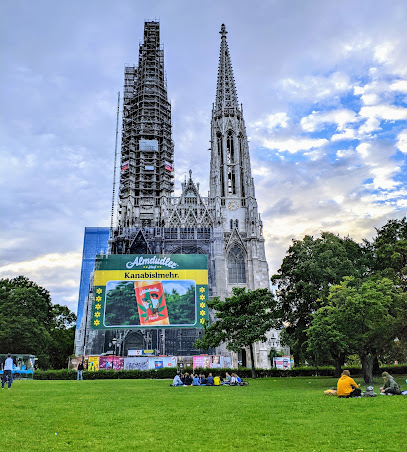
Votiv Park
1.0 km
Discover the beauty of Votiv Park, a lush urban oasis in Vienna perfect for leisurely strolls, relaxation, and cultural experiences.
Delicious Vienna - Food Tour City Tour
1.0 km
Explore the culinary landscape of Vienna with Delicious Vienna's food tour, tasting local delicacies and uncovering the city's rich gastronomic heritage.
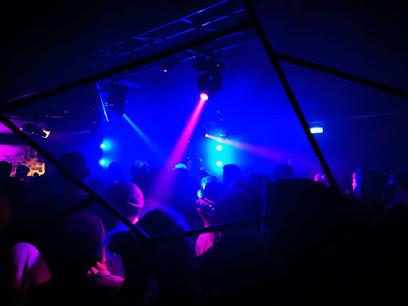
Das WERK
1.0 km
Discover the vibrant nightlife and artistic spirit of Das WERK, Vienna's premier cultural center for dance, music, and creativity.
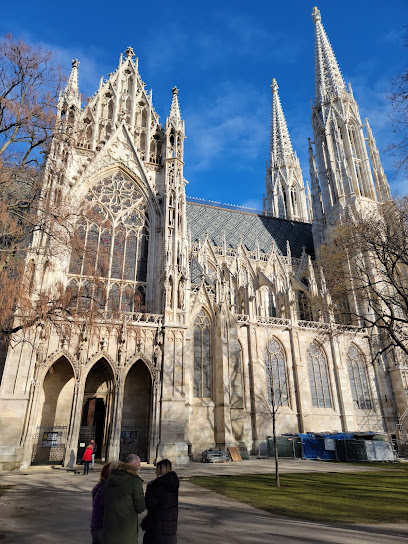
Votive Church
1.0 km
Discover the breathtaking beauty of the Votive Church in Vienna, a stunning neo-Gothic masterpiece and spiritual sanctuary in the heart of the city.
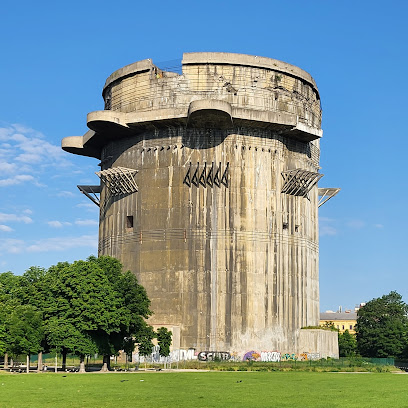
Flakturm VII G-Turm Augarten
1.1 km
Discover the historical significance of the Flakturm VII G-Turm in Vienna's Augarten, a testament to wartime resilience and architectural might.
Essential places to dine

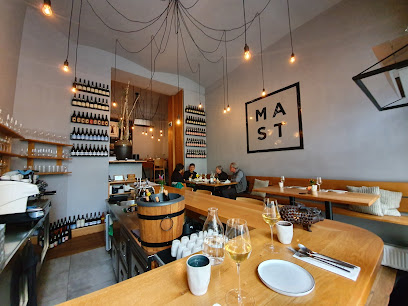
MAST Weinbistro
0.2 km
Discover the authentic taste of Vienna at MAST Weinbistro, where local wines meet exquisite seasonal dishes in a cozy atmosphere.
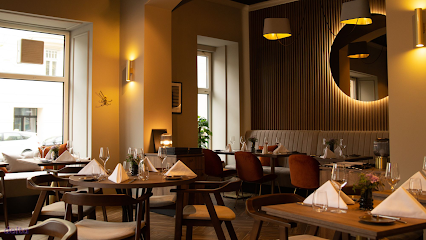
Promise Restaurant
0.4 km
Savor authentic Austrian flavors at Promise Restaurant in Vienna - a culinary gem renowned for its exquisite dishes and inviting atmosphere.
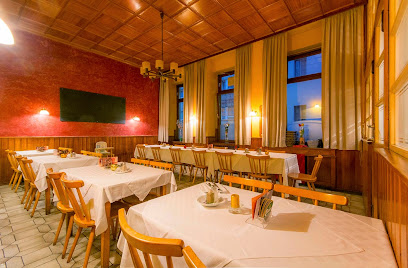
Reznicek
0.4 km
Discover the essence of Viennese cuisine at Reznicek – where tradition meets modernity in every delightful bite.
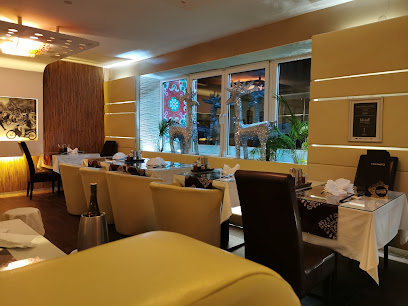
Good Morning Vietnam Restaurant
0.5 km
Discover authentic Vietnamese cuisine at Good Morning Vietnam Restaurant in Alsergrund - A culinary journey awaits!
Allegro I Osteria I Alimentari I Catering
0.5 km
Experience authentic Italian cuisine at Allegro in Vienna - where every dish is a celebration of flavor and tradition.
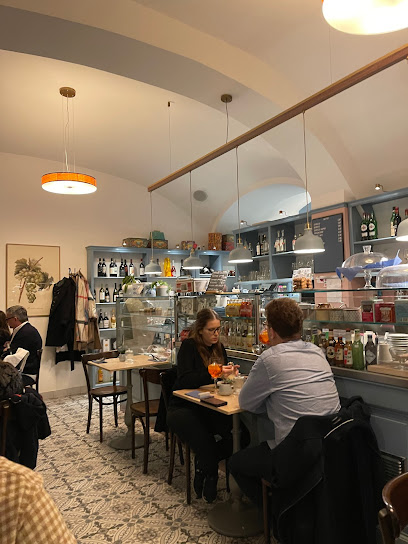
Stomach Wien
0.5 km
Experience authentic Austrian cuisine at Stomach Wien, where tradition meets modern culinary artistry in the heart of Vienna.
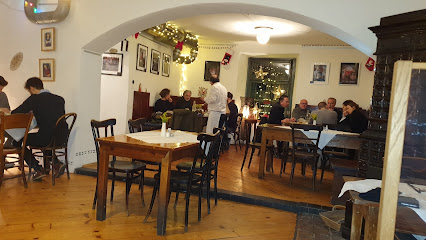
Pramerl and the Wolf
0.5 km
Experience fine dining at Pramerl and the Wolf in Vienna - where tradition meets innovation in every exquisite dish.
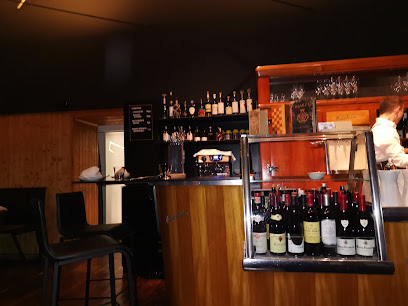
Restaurant D'Landsknecht
0.6 km
Savor the best of Austrian cuisine at Restaurant D'Landsknecht in Vienna—where tradition meets flavor.
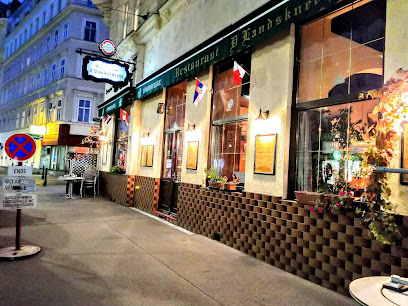
Zwischenbrückenwirt
0.7 km
Discover the heart of Austria through authentic flavors at Zwischenbrückenwirt - a culinary gem in Vienna's Brigittenau district.
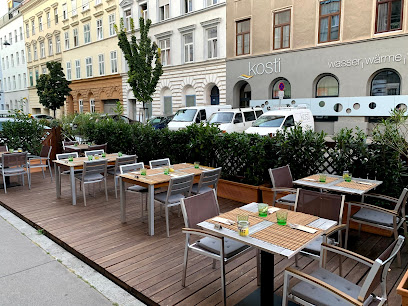
Ethiopian Restaurant - Cafe Lalibela
0.8 km
Discover authentic Ethiopian cuisine at Cafe Lalibela in Vienna – where rich flavors meet warm hospitality.
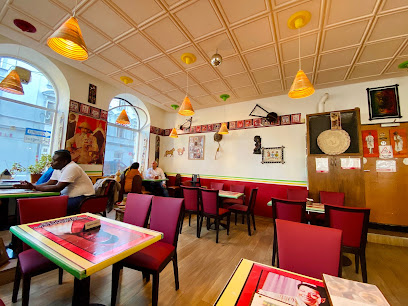
Zum Roten Bären
0.8 km
Discover the essence of Austrian cuisine at Zum Roten Bären in Vienna – where tradition meets taste in a cozy atmosphere.
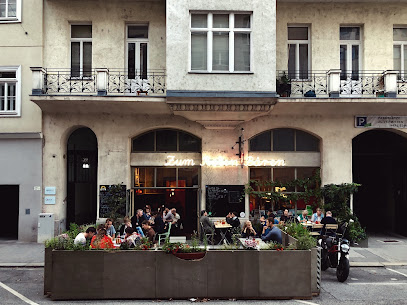
Restaurant Roth
0.9 km
Savor authentic Austrian dishes in the heart of Vienna at Restaurant Roth - where tradition meets taste.
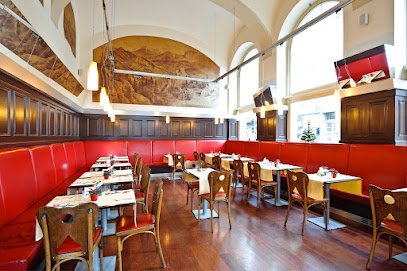
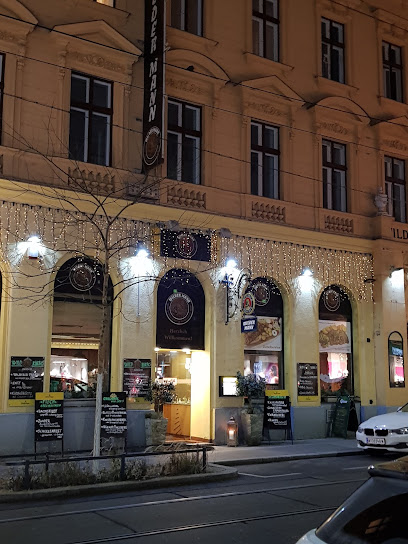
Restaurant Wilder Mann
0.9 km
Discover authentic Austrian cuisine at Restaurant Wilder Mann in Vienna's picturesque Währing district.
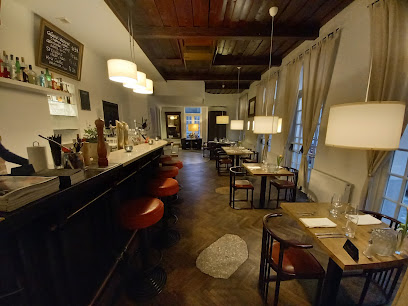
Restaurant Edelhof
1.1 km
Experience authentic Austrian cuisine at Restaurant Edelhof in Vienna's Währing district—where tradition meets taste in every bite.
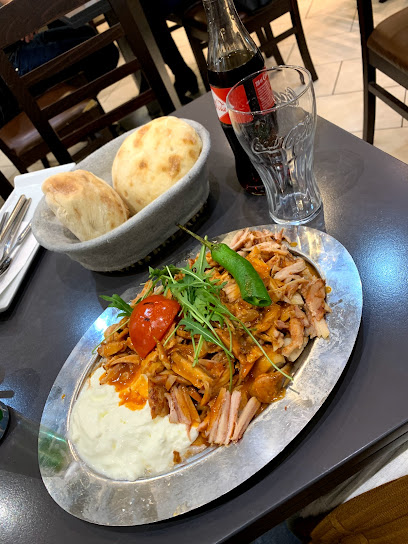
Saphire Restaurant
1.1 km
Discover authentic Turkish cuisine in Vienna at Saphire Restaurant – where every dish tells a story!
Markets, malls and hidden boutiques

Shop-S5.com
0.2 km
Explore Shop-S5 in Vienna for unique local treasures and artisan crafts that capture the city's rich culture and creativity.
Hannibal
0.2 km
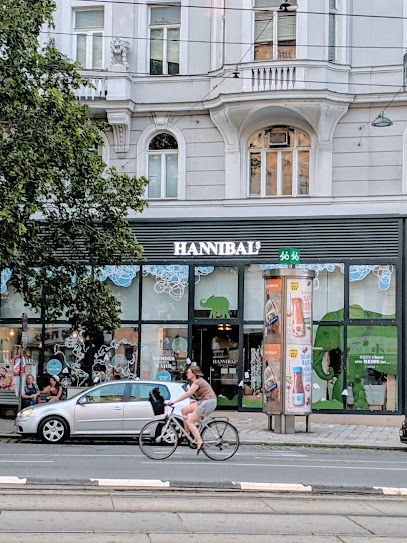
Discover Hannibal in Vienna: Your go-to shop for unique gifts, exquisite furniture, and local treasures that embody the spirit of the city.
Boutique Relax
0.3 km
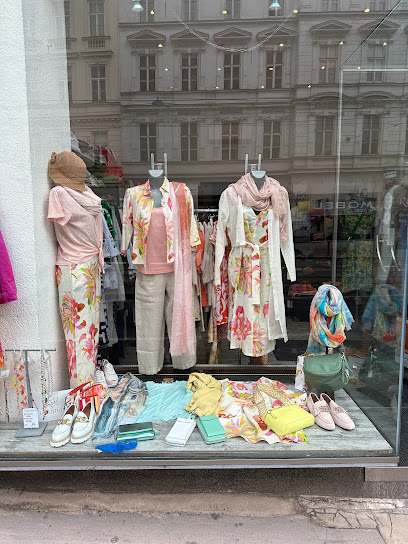
Discover Boutique Relax in Vienna: A stylish boutique offering curated fashion and accessories for the discerning traveler.
Second Time Around
0.3 km
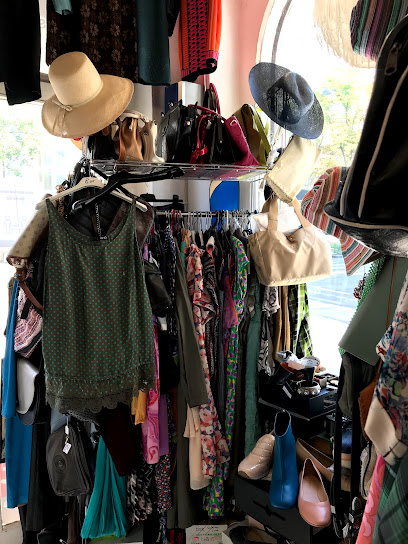
Explore Second Time Around in Vienna for sustainable fashion finds, vintage treasures, and a unique shopping experience in a charming boutique atmosphere.
Sems Boutique
0.4 km
Discover unique fashion pieces at Sems Boutique in Vienna’s Alsergrund district, where style meets individuality.
le petit bazar - Atelier & Shop
0.4 km
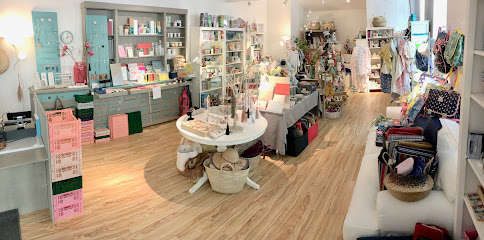
Explore le petit bazar, a charming gift shop in Vienna with unique clothing, jewelry, and more, reflecting local artistry and creativity.
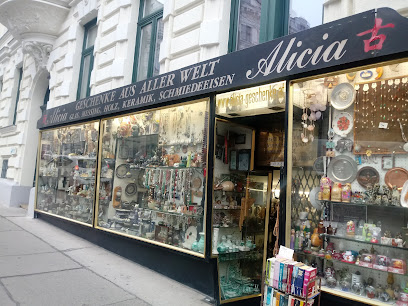
Alicia Presents
0.6 km
Discover unique gifts and artisan treasures at Alicia Presents, a charming gift shop in the heart of Vienna, perfect for all your souvenir needs.
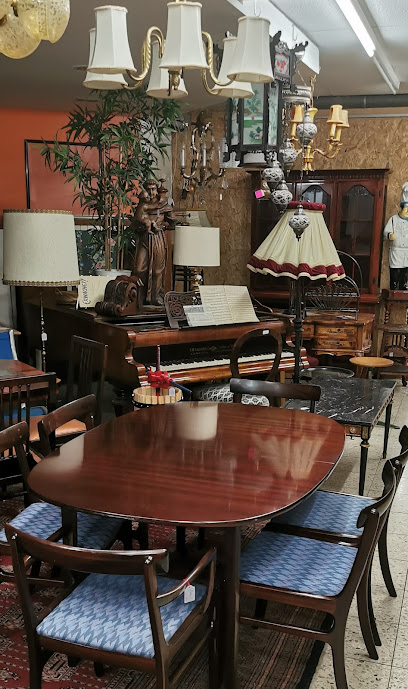
Galerie Wien20
0.7 km
Explore the charm of thrift shopping at Galerie Wien20 in Vienna, where unique treasures and sustainable finds await every visitor.
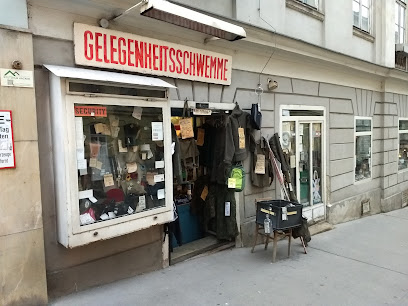
Gelegenheitsschwemme
0.8 km
Explore the unique offerings of Gelegenheitsschwemme in Vienna, where fashion meets history in a charming boutique atmosphere.
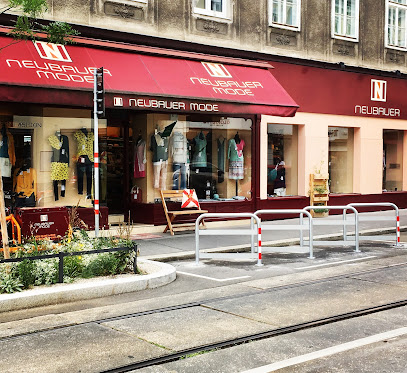
Neubauer Mode Währing
0.8 km
Explore Neubauer Mode Währing for stylish men’s and women’s clothing in the vibrant heart of Vienna, combining elegance with contemporary fashion.
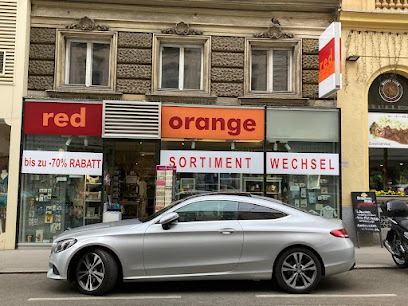
REDORANGE SHOP – Geschenke & Wohnaccessoires
0.9 km
Explore the charm of Vienna at REDORANGE SHOP, where unique gifts and home accessories await to be discovered.
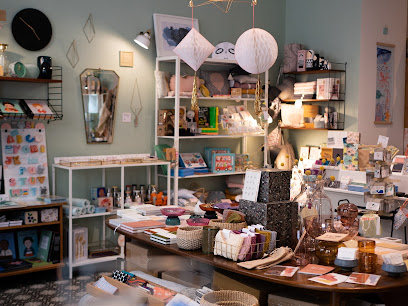
Loretta Cosima
1.0 km
Discover unique treasures and authentic Viennese souvenirs at Loretta Cosima, a charming gift shop in the heart of Vienna.
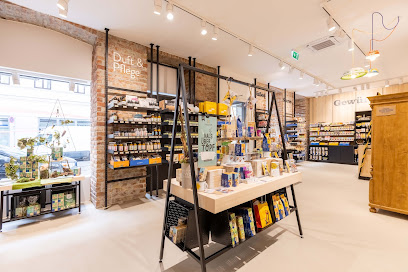
SONNENTOR Wien Währinger Straße
1.2 km
Explore a world of flavors at SONNENTOR Wien Währinger Straße, your go-to herb shop in Vienna for natural goods, spices, and aromatic teas.
Nelli's Antiques
1.2 km
Explore Nelli's Antiques in Vienna - a vintage treasure trove filled with unique finds and timeless stories, perfect for any treasure hunter.
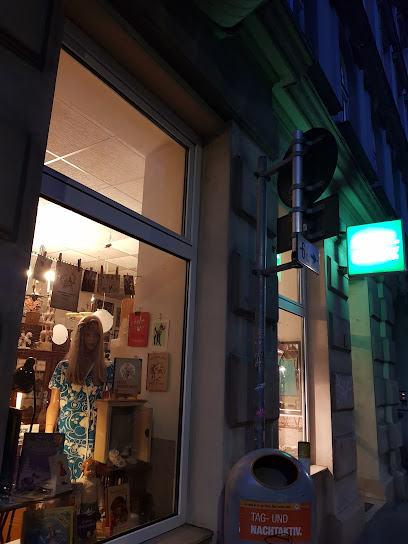
Fatima Boutique Women's Store
1.2 km
Explore the unique styles and personalized service at Fatima Boutique, Vienna's premier destination for women's fashion.
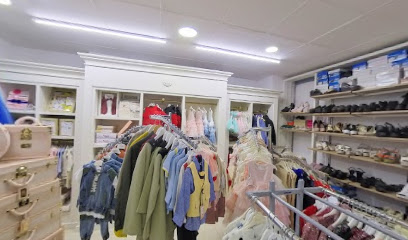
Essential bars & hidden hideouts

Bar Pani
0.5 km
Discover the vibrant cocktail scene at Bar Pani in Vienna, where creativity meets flavor in a stylish setting.
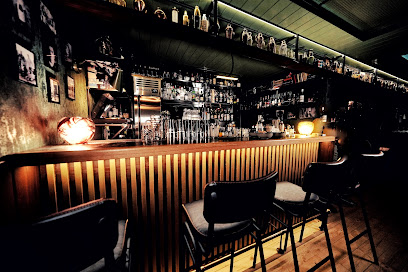
The Sign | Cocktail Bar | Bar
0.6 km
Discover an exquisite cocktail experience at The Sign, Vienna's premier cocktail bar and lounge, known for its unique drinks and inviting atmosphere.
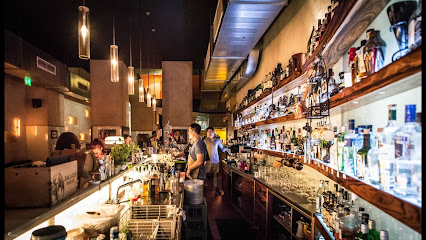
krypt.
0.8 km
Experience Vienna's nightlife at Krypt, where unique cocktails and a cozy atmosphere await in the heart of Alsergrund.
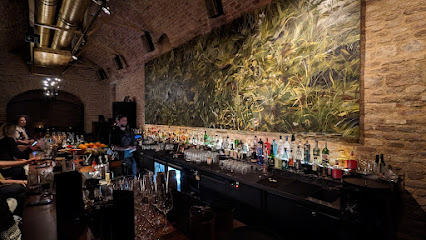
Unicorn Bar Kitchen & Club
0.8 km
Uncover the allure of Unicorn Bar Kitchen & Club, where vibrant nightlife meets delectable dining in the heart of Vienna.
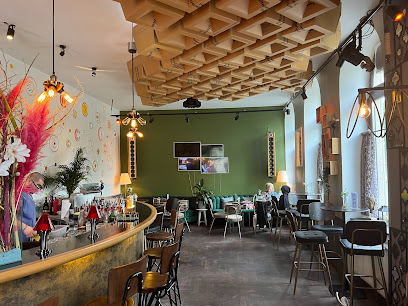
Pappala Pub
0.8 km
Discover the lively atmosphere of Pappala Pub, a charming Irish pub in Vienna that offers a delightful selection of drinks and live music.
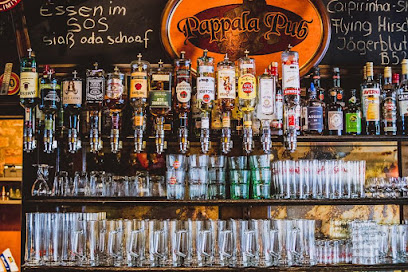
leiwand Bar & so...
0.9 km
Experience the vibrant atmosphere of Leiwand Bar & So..., a perfect blend of Austrian cuisine and drinks in the heart of Vienna.
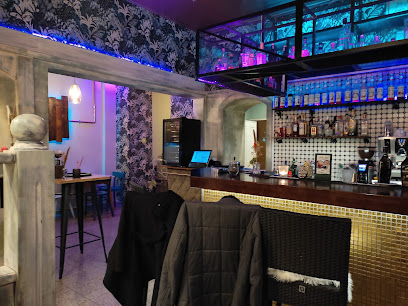
Loco Bar
0.9 km
Discover Loco Bar in Vienna: an affordable bar with a lively atmosphere, eclectic music, and a perfect spot to enjoy the city's vibrant nightlife.
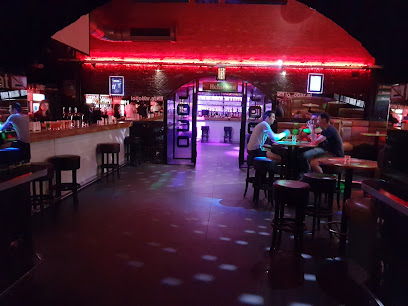
Charlie P's
0.9 km
Discover the heart of Irish culture in Vienna at Charlie P's, where great food, live entertainment, and sports come together in a lively pub atmosphere.
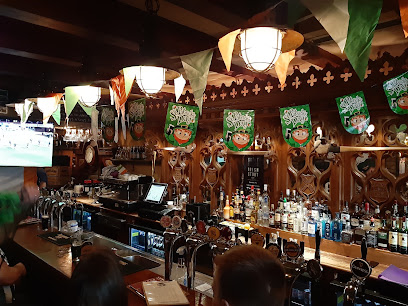
Lange Nacht Der Bars
0.9 km
Discover Vienna's nightlife at Lange Nacht Der Bars, where local charm meets vibrant energy in a unique bar experience.
The Secret Lounge & Bar
0.9 km
Discover The Secret Lounge & Bar in Vienna, where artisanal cocktails and a cozy ambiance meet for an unforgettable nightlife experience.
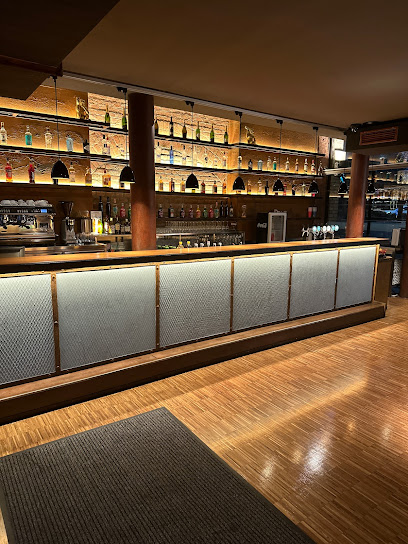
Irish Pub Na Nog
0.9 km
Discover the heart of Irish culture in Vienna at Na Nog, where delicious food, live music, and a welcoming atmosphere await you.
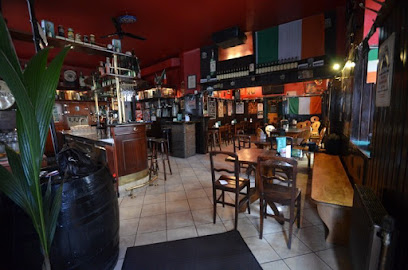
Uni Alm - The 2 Euro Bar
0.9 km
Experience the vibrant nightlife of Vienna at Uni Alm, where drinks are just 2 euros and fun is guaranteed.
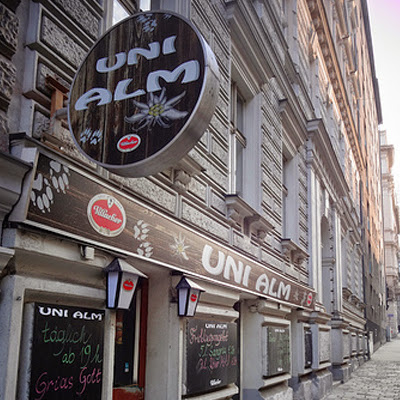
Unders Vienna
1.0 km
Discover the essence of Irish culture at Unders Vienna, a cozy pub offering a delightful selection of drinks and a warm atmosphere.
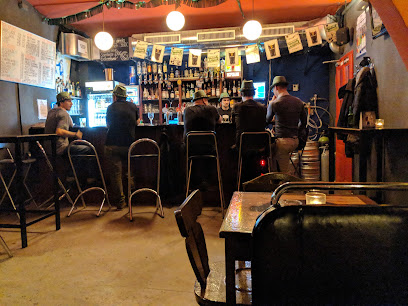
Battle Axe Rock & Metal Pub Vienna
1.0 km
Discover the heart of Vienna's nightlife at Battle Axe Rock & Metal Pub, where electrifying music and great drinks unite in a vibrant atmosphere.
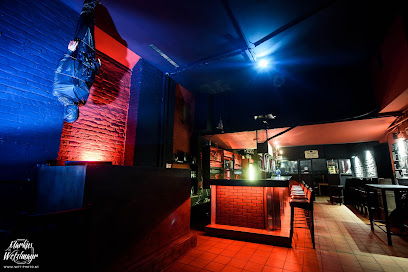
Oskar by Takan´s
1.0 km
Experience the vibrant flavors of Vienna at Oskar by Takan's, a delightful tapas bar and bar in the heart of Währing.