

Großes Palmenhaus Schönbrunn, Vienna Travel Guide
Explore a world of exotic flora within Vienna's stunning Schönbrunn Palace Park, where imperial history meets botanical wonder in one of Europe's largest glasshouses.
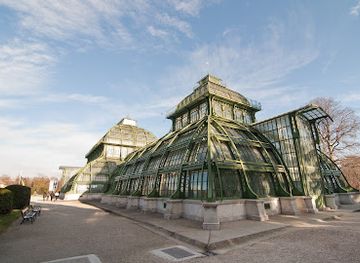
Step into a lush paradise at the Großes Palmenhaus Schönbrunn, Vienna's magnificent Palm House. Built by Emperor Franz Joseph I in 1882, this architectural marvel was once the largest glasshouse in the world and remains one of the largest in Europe. Explore three distinct climate zones, each teeming with exotic flora from around the globe. Wander through the cool, misty heights of the Kalthaus, the temperate landscapes of the Mittelpavillon, and the humid warmth of the Tropenhaus. Marvel at towering palms, vibrant orchids, and rare botanical specimens, all meticulously maintained. A visit to the Palmenhaus offers a captivating journey through diverse ecosystems, a tranquil respite from the city, and a glimpse into the Habsburgs' passion for botanical collecting. Don't miss this unique opportunity to experience the beauty and wonder of the plant kingdom in a stunning imperial setting.
A brief summary to Großes Palmenhaus Schönbrunn
- Schönbrunn Palace Park, Vienna, Hietzing, 1130, AT
- Click to display
- Click to display
- Monday 10 am-5:30 pm
- Tuesday 10 am-5:30 pm
- Wednesday 10 am-5:30 pm
- Thursday 10 am-5:30 pm
- Friday 10 am-5:30 pm
- Saturday 10 am-5:30 pm
- Sunday 10 am-5:30 pm

Know before you go
Hi, I'm Eve. Here are a few practical things to know before exploring Großes Palmenhaus Schönbrunn.
- Visit during off-peak hours (early mornings or late afternoons) to avoid crowds and enjoy a more peaceful experience.
- Wear comfortable shoes, as you'll be doing a lot of walking on potentially uneven surfaces.
- Check the Bundesgärten website for special events, guided tours, and seasonal exhibitions.
- Bring a camera to capture the stunning plant life and architectural details, but be mindful of any restrictions on flash photography.
- Combine your visit with a tour of Schönbrunn Palace and its gardens for a full day of imperial sightseeing.
Do you manage this location?
Take control to get all the benefits, like improved information, better appearance, and stronger visibility across AI-powered discovery. Learn more about listing your business on Evendo
Activate your presenceOther nearby places you may find interesting
The closest places of the same kind, if this one is not quite what you had in mind.

Explore Großes Palmenhaus Schönbrunn on the Map
A handpicked selection of must-see spots near Großes Palmenhaus Schönbrunn, mapped for you.
Unlock the Best of Großes Palmenhaus Schönbrunn
Buy tickets
-
No tickets available
Book tours with entry


Getting There
-
Public Transport
The easiest way to reach the Großes Palmenhaus Schönbrunn is via Vienna's efficient public transport system. Take the U4 subway line to the 'Schönbrunn' station. From the station, follow the signs towards Schönbrunn Palace Park. Walk through the park, following the main paths for approximately 10-15 minutes. The Palmenhaus will be visible on your right, a large glass structure. Alternatively, take tram lines 10 or 60, or bus 10A to the 'Schloss Schönbrunn' stop, which is closer to the main entrance of the Schönbrunn Palace gardens. From there, walk through the gardens towards the Palmenhaus. A single ticket for public transport within Vienna costs €2.40.
-
Taxi/Ride-Share
Taxis and ride-sharing services (like Uber or Bolt) are readily available in Vienna. Simply request a ride to 'Schönbrunn Palace' or 'Großes Palmenhaus'. The driver will drop you off at one of the designated drop-off points near the palace grounds. From there, it's a short walk to the Palmenhaus. A taxi ride from the city center (e.g., Stephansplatz) to Schönbrunn typically costs between €15-€25, depending on traffic and the specific route.
-
Driving
If driving, navigate to Schönbrunner Schloßstraße. Parking is available on Schönbrunner Schloßstraße in a pay-to-park area. Parking near Schönbrunn Palace costs €3.90 per hour, up to a maximum of €39 per day. Consider using a Park & Ride facility on the outskirts of the city and taking public transport for a more economical and stress-free journey. Note that parking can be limited, especially during peak season.
Discover more about Großes Palmenhaus Schönbrunn
More to explore near Großes Palmenhaus Schönbrunn













Your all‑in‑one travel companion app
Explore expert travel guides, compare and book tours, experiences, hotels, and more—all from the palm of your hand. Download now for seamless trip planning wherever your wanderlust takes you.


Explore More of Vienna
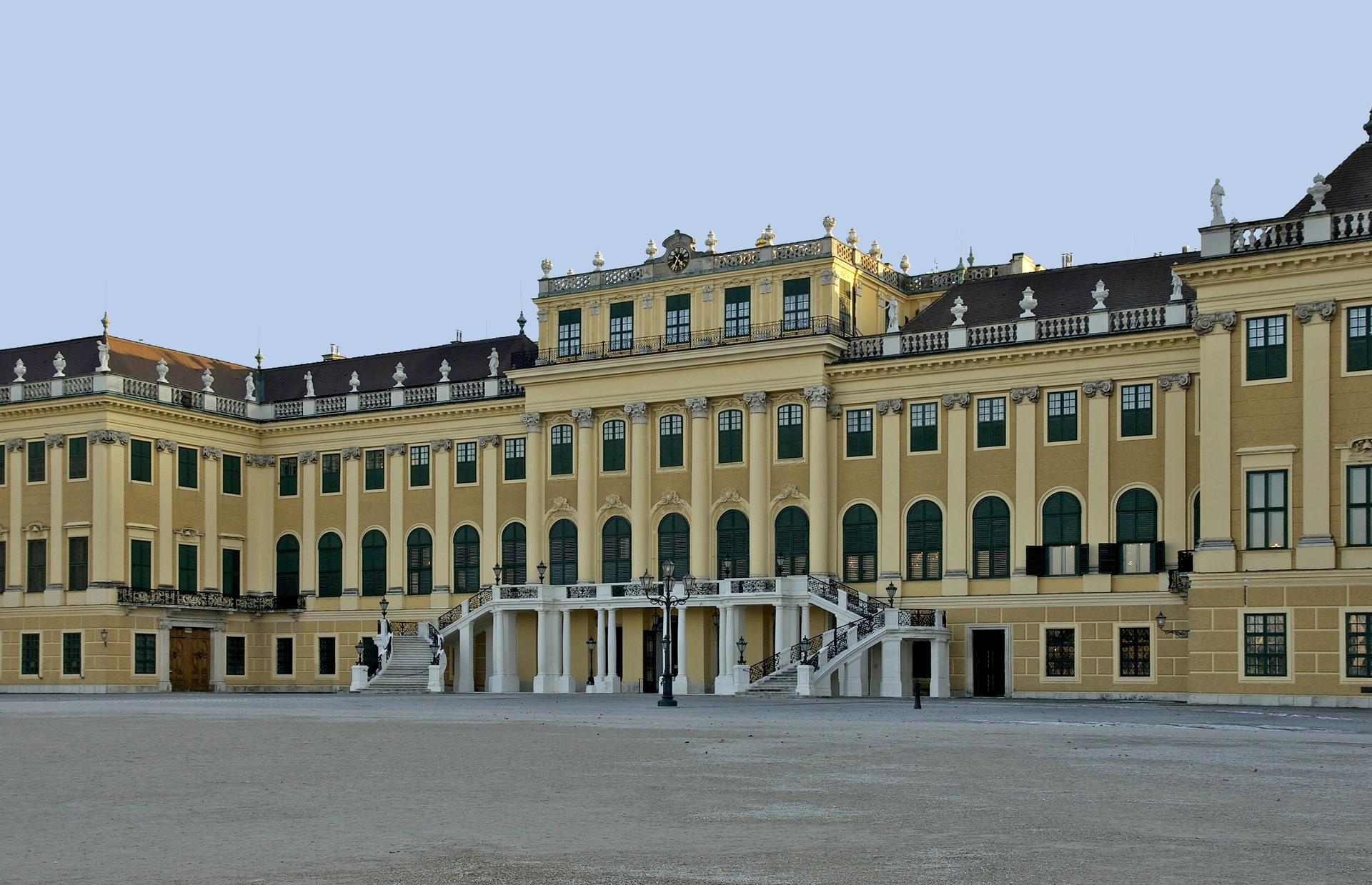
Looking beyond Großes Palmenhaus Schönbrunn? Discover Vienna for broader travel guides, local hot-spots, and regional highlights.
Explore Vienna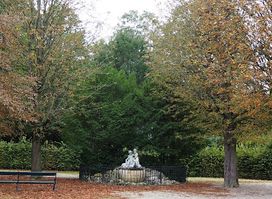
Discover the Angel Fountain in Vienna's Schönbrunn Palace gardens, a serene 18th-century sculpture and a testament to Baroque artistry.
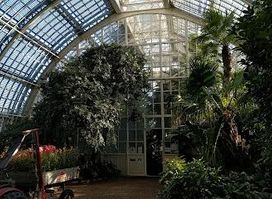
Explore a world of exotic plants within a stunning 19th-century greenhouse at Vienna's Schönbrunn Palace, a botanical journey for all ages.
