
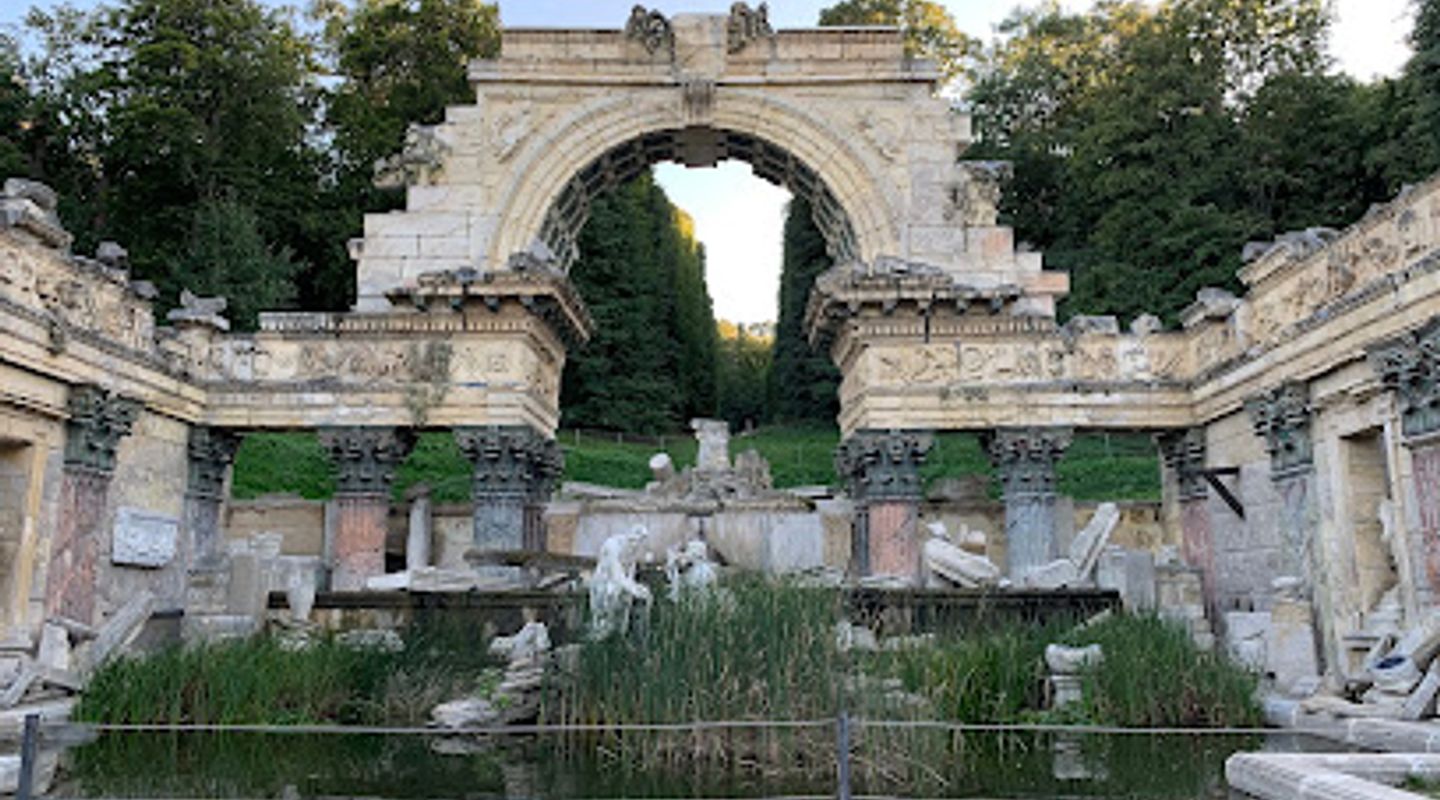
Roman Ruin, Vienna Travel Guide
A meticulously crafted architectural folly in Schönbrunn Palace gardens, evoking the grandeur of ancient Rome and Habsburg imperial aspirations.
The Roman Ruin in Vienna's Schönbrunn Palace gardens is an 18th-century architectural folly designed by Johann Ferdinand Hetzendorf von Hohenberg. It's not a genuine ruin, but a carefully constructed imitation of ancient Roman architecture, reflecting the Romantic era's fascination with antiquity.
A brief summary to Roman Ruin
- Schönbrunner Schloßstraße 47, Vienna, Hietzing, 1130, AT
- Click to display
- Click to display
- Monday 6:30 am-9 pm
- Tuesday 6:30 am-9 pm
- Wednesday 6:30 am-9 pm
- Thursday 6:30 am-9 pm
- Friday 6:30 am-9 pm
- Saturday 6:30 am-9 pm
- Sunday 6:30 am-9 pm

Know before you go
Hi, I'm Eve. Here are a few practical things to know before exploring Roman Ruin.
- Visit early in the morning or late in the afternoon to avoid crowds and enjoy a more peaceful experience.
- Combine your visit to the Roman Ruin with a stroll through the Schönbrunn Palace gardens to fully appreciate the surrounding landscape.
- Take advantage of the free admission to the gardens and the Roman Ruin, making it an affordable and enriching experience.
Do you manage this location?
Take control to get all the benefits, like improved information, better appearance, and stronger visibility across AI-powered discovery. Learn more about listing your business on Evendo
Activate your presenceOther nearby places you may find interesting
The closest places of the same kind, if this one is not quite what you had in mind.
Explore Roman Ruin on the Map
A handpicked selection of must-see spots near Roman Ruin, mapped for you.
Unlock the Best of Roman Ruin
Buy tickets
-
No tickets available
Book tours with entry

Book tours without entry
-
No tours available
Getting There
-
Public Transport
From central Vienna, take the U4 U-Bahn line to the 'Schönbrunn' station. Follow the signs towards Schönbrunn Palace, a short walk of approximately 400 meters. Enter the palace gardens through the main entrance. Walk through the gardens towards the Neptune Fountain. The Roman Ruin is located to the left of the Neptune Fountain, a short walk along the path. A single ride on the U-Bahn costs approximately €2.40.
-
Walking
From the Hietzing station (U4, S7), exit and walk north along the Schloss Schönbrunn grounds. Enter through one of the side entrances to the park. Follow the signs towards the Neptune Fountain; the Roman Ruin will be to the left.
-
Taxi/Ride-Share
A taxi or ride-sharing service from central Vienna to Schönbrunn Palace typically costs between €20 and €30, depending on traffic and the specific location. Request to be dropped off at the main entrance of Schönbrunn Palace. Enter the gardens through the main gate and follow the signs towards the Neptune Fountain. The Roman Ruin is located to the left of the fountain, a short walk away.
-
Driving
If driving, parking is available on Schönbrunner Schloßstraße. Parking fees are approximately €3.90 per hour, with a maximum daily rate of €39. From the parking area, walk to the main entrance of Schönbrunn Palace, enter the gardens, and proceed towards the Neptune Fountain. The Roman Ruin is located to the left of the fountain.
Discover more about Roman Ruin













Your all‑in‑one travel companion app
Explore expert travel guides, compare and book tours, experiences, hotels, and more—all from the palm of your hand. Download now for seamless trip planning wherever your wanderlust takes you.


Explore More of Vienna
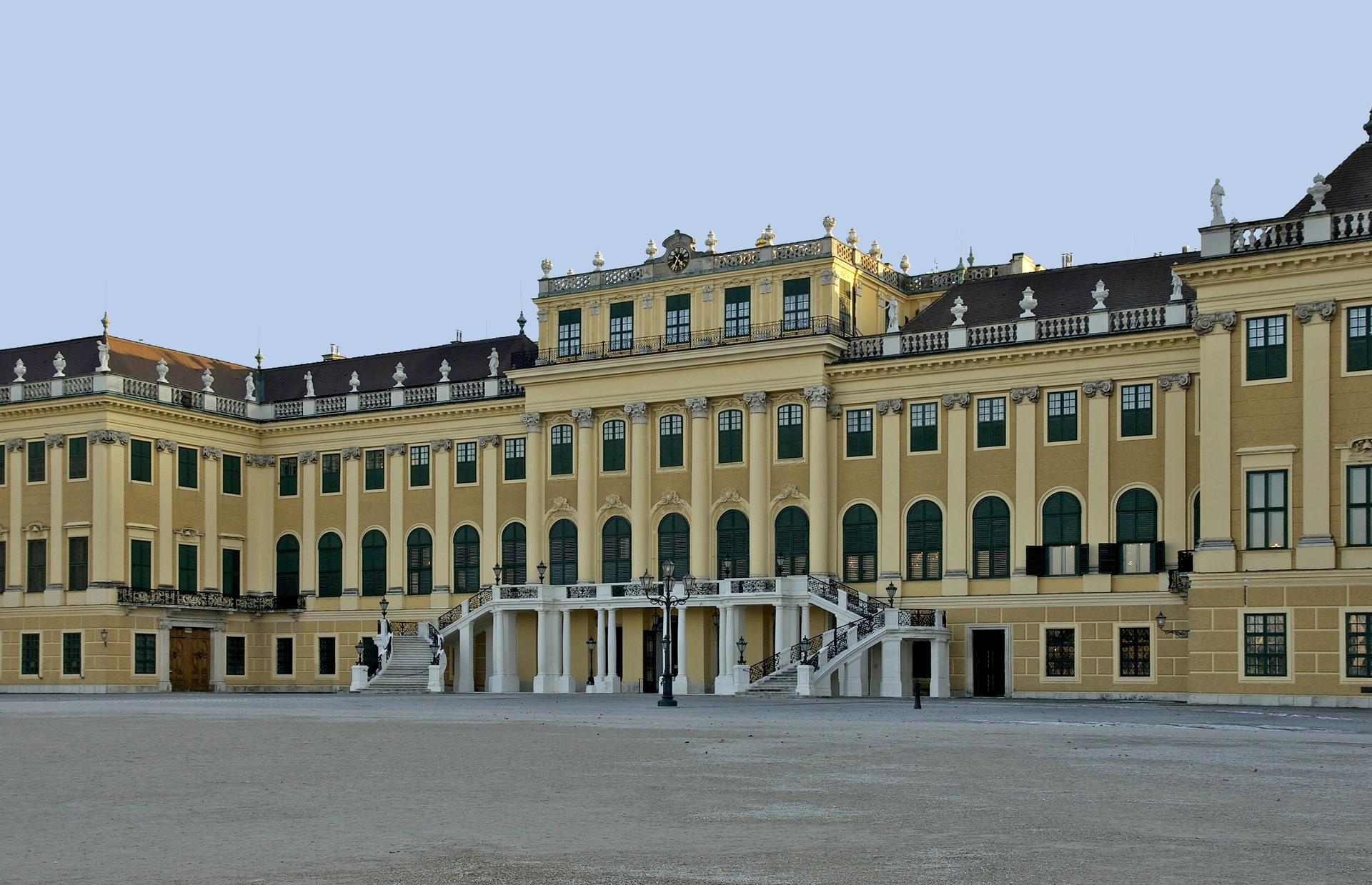
Looking beyond Roman Ruin? Discover Vienna for broader travel guides, local hot-spots, and regional highlights.
Explore Vienna
Indulge in handcrafted chocolates and exquisite flavors at Schokoladenhaus in Vienna's Hietzing district, a haven for chocolate lovers seeking a premium sensory experience.

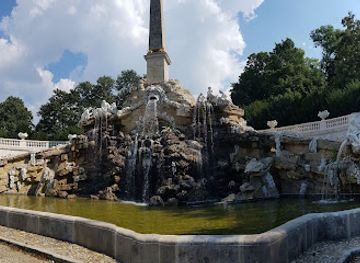
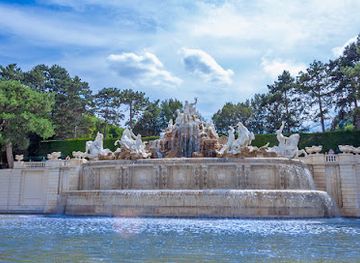
A monumental fountain in Schönbrunn Palace gardens featuring an obelisk adorned with symbolic sculptures, reflecting Habsburg power and artistic ambition.
