

Hernals (Vienna) Travel Guide - Free
Explore Hernals in Vienna with Evendo's free guide. Find the best shops, historic streets, restaurants, and gems on web or mobile.


Hernals in Vienna blends village heritage, vineyards, Vienna Woods walks, historic churches and easy tram connections with local neighbourhood life.
Village Character and Urban Life
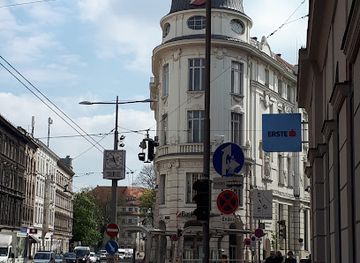
Hernals occupies Vienna’s north-western edge, where the city’s dense nineteenth-century streets begin to loosen towards the Vienna Woods. The 17th district includes the old settlements of Hernals, Dornbach and Neuwaldegg, giving it a layered character: tram-lined urban corridors, quiet residential lanes, parish churches, hillside paths and remnants of a rural past. Hernalser Hauptstraße is the district’s principal spine, with everyday shops, cafés, restaurants and local services extending towards the outer suburbs.Read more about Hernals
Churches, Hills and Historic Streets
Local Culture and Outdoor Escapes
Best attractions in Hernals
Hernals’s attractions are spread through the district rather than gathered around one central square. Kalvarienbergkirche is the principal historic visit, with its religious art and connection to the former Calvary pilgrimage tradition. The older streets around Hernals and Dornbach reward slow exploration, while Dornbacher Pfarrkirche provides another important focus for the district’s inherited village character. At the outer edge, Schwarzenbergpark offers lawns, mature trees and access to paths leading into the Vienna Woods; it feels more like a countryside excursion than a formal city park. Neuwaldegg’s spacious setting and the routes towards the Wienerwald add a strong outdoor dimension, particularly for walkers. The journey itself is part of the experience: tram 43 traces the changing streetscape from built-up Hernals towards the greener and more historically separate settlements of Dornbach and Neuwaldegg.
-
Tourist attraction
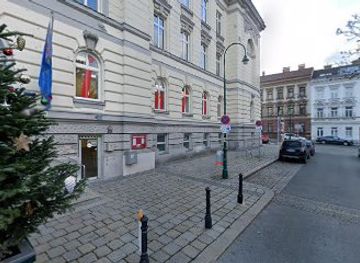
Bezirksmuseum Hernals
Discover the captivating history of Vienna's Hernals district, from its musical legends to wine-making traditions, in a charming Jugendstil setting.
7 min walk · 0.6 km from neighbourhood centre
-
Tourist attraction
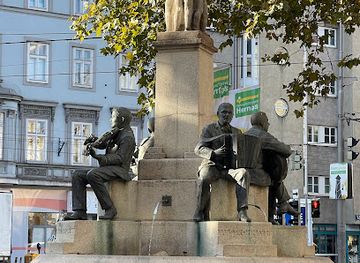
Alszauberbrunnen
Discover the Alszauberbrunnen in Vienna's Hernals district, a charming fountain celebrating Viennese music and culture, honoring the Schrammel Quartet and local heritage.
8 min walk · 0.6 km from neighbourhood centre
-
Tourist attraction
Weltfriedensbrunnen
Find serenity at Vienna's Weltfriedensbrunnen, a contemporary fountain symbolizing peace and reflection in the vibrant Ottakring district.
8 min walk · 0.6 km from neighbourhood centre
-
Tourist attraction
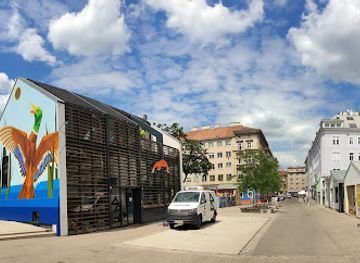
Murals, Grafitti
Discover vibrant murals and graffiti art in Vienna's Ottakring, a multicultural district showcasing local and international street artists.
1 min walk · 0.1 km from neighbourhood centre
Best landmarks in Hernals
Kalvarienbergkirche is Hernals’s most distinctive historic landmark, its religious importance connected to the Calvary pilgrimage tradition that developed when the area was still outside Vienna. The church gives Kalvarienberggasse and its surroundings a strong historical focus. Dornbacher Pfarrkirche represents another layer of the former village landscape, while the older parish and residential buildings around Hernals show how rural settlements were incorporated into a growing capital. In Neuwaldegg, the relationship between the built environment, former estate lands and the Vienna Woods is itself a landmark of landscape history. Schwarzenbergpark is significant not only as open space but also as evidence of the district’s aristocratic and rural past. Together these places explain Hernals’s unusual physical identity: urban streets gradually giving way to village remnants, parkland and wooded hills.
-
Park
Diepold Park
Escape the city bustle in Vienna's Diepold Park: a green oasis in Hernals offering relaxation, recreation, and community spirit.
14 min walk · 1.1 km from neighbourhood centre
-
Museum
Bezirksmuseum Hernals
Discover the captivating history of Vienna's Hernals district, from its wine-making past to its vibrant cultural present, at this local museum.
7 min walk · 0.6 km from neighbourhood centre
-
Tourist attraction
Weltfriedensbrunnen
Find serenity at Vienna's Weltfriedensbrunnen in Ottakring: a peaceful fountain symbolizing unity, easily accessible on Richard-Wagner-Platz.
8 min walk · 0.6 km from neighbourhood centre
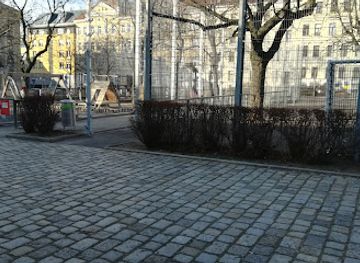
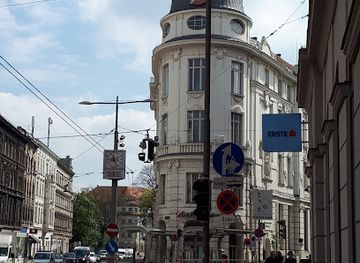
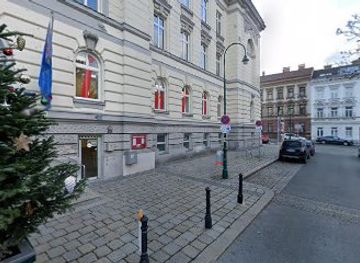
Explore Hernals on the map
A handpicked selection of must-see spots in Hernals, mapped for you.
Best hotels in Hernals
Best restaurants in Hernals
Dining in Hernals is primarily local and residential, with restaurants, cafés, bakeries and informal eateries concentrated along Hernalser Hauptstraße, Dornbacher Straße and connecting streets. The choice reflects Vienna’s everyday food culture more than a tightly defined culinary quarter: visitors may encounter Austrian cooking, familiar Central European dishes, cafés serving pastries and coffee, and international restaurants shaped by the district’s urban population. Around Dornbach and Neuwaldegg, traditional wine taverns provide a different setting, linking food and drink with the former vineyard landscape on Vienna’s western edge. Small businesses change over time, so the most useful approach is to explore the main commercial streets and check current opening arrangements locally. The neighbourhood’s food scene is best understood alongside its history as a former village absorbed into the capital, where ordinary cafés and taverns remain as important as destination dining.
-
Restaurant
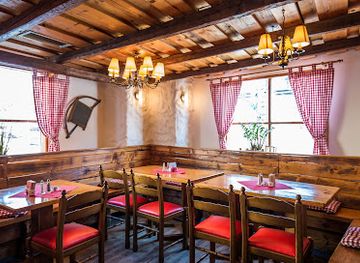
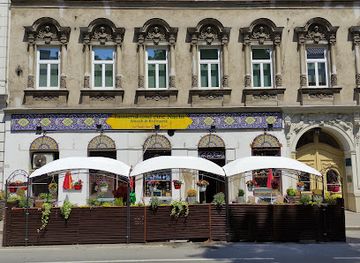
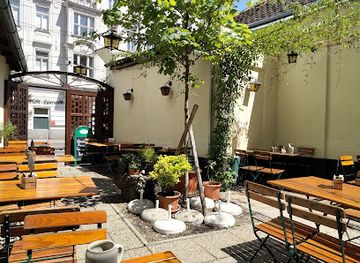
BrauBar - das urige Wirtshaus in Wien Hernals
Savor traditional Austrian cuisine and local beers at BrauBar - a cozy gem in Vienna's Hernals district.
9 min walk · 0.7 km from neighbourhood centre
-
Persian
Tausend und eine Nacht Café Restaurant
Discover the flavors of Persia at Tausend und eine Nacht Café Restaurant - where every dish tells a story.
7 min walk · 0.6 km from neighbourhood centre
-
Austrian
Zum Lercherl von Hernals
Discover authentic Austrian flavors at Zum Lercherl von Hernals – where tradition meets taste in the heart of Vienna.
7 min walk · 0.5 km from neighbourhood centre
-
Hamburger
Burger Boutique
Discover gourmet burgers at Burger Boutique in Vienna's Hernals district - where quality meets flavor!
5 min walk · 0.4 km from neighbourhood centre
Best bars in Hernals
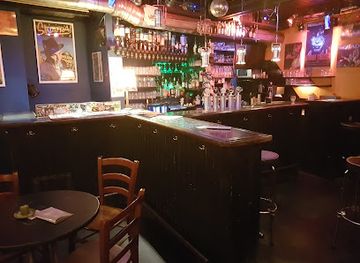
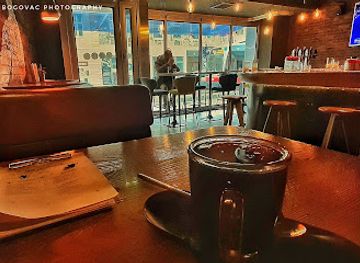
Hernals has a modest, neighbourhood-scale evening scene rather than a concentrated strip of nightclubs. Local pubs, cafés, wine taverns and restaurants provide the main places to meet after dark, particularly along Hernalser Hauptstraße and around Dornbacher Straße. The atmosphere becomes quieter towards Neuwaldegg and the Vienna Woods, where evening visits are more suited to a calm meal or a walk before returning to the better-lit urban streets. Visitors seeking large clubs, major concert venues or late-night entertainment will generally find a broader choice in central Vienna and nearby inner districts rather than within Hernals itself. Traditional wine-tavern culture is especially relevant around the outer settlements, although individual opening days and seasonal arrangements should be checked before travelling. Respect for residential neighbours matters in the district’s quieter streets.
-
Bar
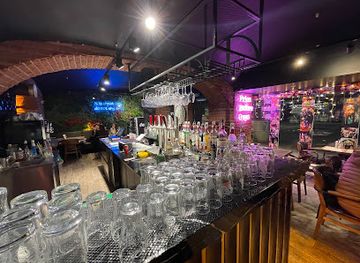
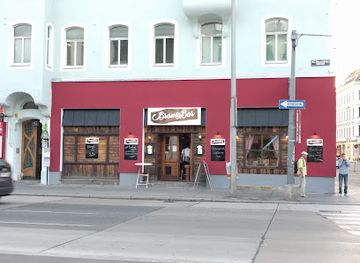
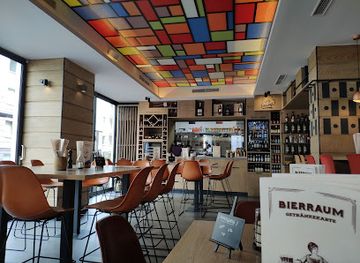
BrauBar - das urige Wirtshaus in Wien Hernals
Experience authentic Austrian hospitality at BrauBar in Hernals, Vienna, where traditional cuisine meets a vibrant bar atmosphere.
9 min walk · 0.7 km from neighbourhood centre
-
Restaurant
Beer Space
Beer Space in Vienna: Experience a diverse selection of local and international brews in a lively restaurant and beer garden atmosphere.
14 min walk · 1.1 km from neighbourhood centre
-
Bar
Jetzt Bar+Entertainment
Experience the vibrant nightlife of Vienna at Jetzt Bar+Entertainment, where drinks, music, and fun come together in an unforgettable evening.
7 min walk · 0.6 km from neighbourhood centre
-
Bar
Café Bar Laby
Experience the vibrant atmosphere of Café Bar Laby in Vienna, where every sip tells a story and every moment is a celebration of local culture.
4 min walk · 0.3 km from neighbourhood centre
Best nightclubs in Hernals
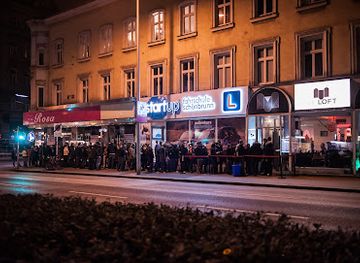
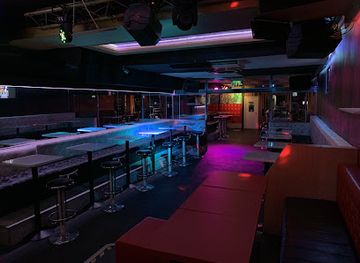
Hernals has a modest, neighbourhood-scale evening scene rather than a concentrated strip of nightclubs. Local pubs, cafés, wine taverns and restaurants provide the main places to meet after dark, particularly along Hernalser Hauptstraße and around Dornbacher Straße. The atmosphere becomes quieter towards Neuwaldegg and the Vienna Woods, where evening visits are more suited to a calm meal or a walk before returning to the better-lit urban streets. Visitors seeking large clubs, major concert venues or late-night entertainment will generally find a broader choice in central Vienna and nearby inner districts rather than within Hernals itself. Traditional wine-tavern culture is especially relevant around the outer settlements, although individual opening days and seasonal arrangements should be checked before travelling. Respect for residential neighbours matters in the district’s quieter streets.
-
Lounge
Hill Vienna Club Lounge Bar
Experience the vibrant nightlife of Vienna at Hill Vienna Club Lounge Bar, where chic ambiance meets exquisite cocktails in the heart of Ottakring.
2 min walk · 0.1 km from neighbourhood centre
-
Night club
The Loft
Discover the pulse of Vienna's nightlife at The Loft, where live music, dancing, and delicious drinks come together for an unforgettable experience.
7 min walk · 0.6 km from neighbourhood centre
-
Disco club
Club Duplex
Discover the nightlife of Vienna at Club Duplex, a disco club with electrifying music, vibrant ambiance, and a lively crowd that will keep you dancing all night.
7 min walk · 0.6 km from neighbourhood centre
-
Disco club
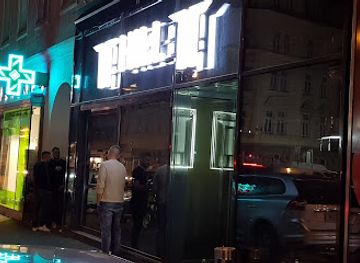
Premium Club Vienna
Experience the vibrant nightlife of Vienna at Premium Club, where eclectic music and a lively atmosphere create unforgettable dance nights.
1 min walk · 0.1 km from neighbourhood centre
Best shops in Hernals
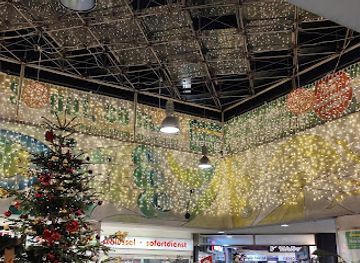
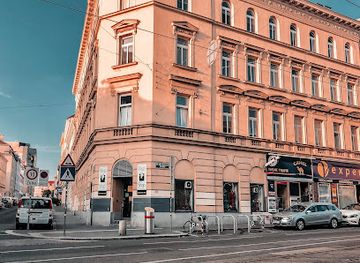
Shopping in Hernals is practical, local and concentrated along Hernalser Hauptstraße, with smaller businesses extending into side streets and around the district’s tram corridors. Visitors will find the everyday mix associated with a long-established residential area: food shops, bakeries, pharmacies, cafés, household services and independent retailers rather than a large fashion or luxury quarter. The streets around Dornbach offer further local commerce, while Neuwaldegg is noticeably quieter and less retail-focused. Those seeking a larger market atmosphere can continue towards nearby Ottakring, but Brunnenmarkt lies outside Hernals and should not be confused with a district attraction. Hernals is most rewarding for observing ordinary Viennese shopping patterns and picking up provisions for a park or woodland walk, rather than searching for a single specialist shopping destination.
-
Shopping mall
Einkaufszentrum Hernals
Discover a dynamic shopping experience at Einkaufszentrum Hernals in Vienna, where retail therapy meets delightful dining and entertainment.
8 min walk · 0.6 km from neighbourhood centre
-
Used clothing store
Vinzi Shop
Explore the charm of Vinzi Shop, where vintage fashion and affordable treasures await in the heart of Vienna's Ottakring district.
5 min walk · 0.4 km from neighbourhood centre
-
Clothing store
C&A Kids
Discover trendy and affordable children's clothing at C&A Kids in Vienna, where fashion meets fun for every age group.
8 min walk · 0.6 km from neighbourhood centre
-
Clothing store
Fashion By Katharina
Explore Fashion By Katharina in Vienna for unique clothing that blends contemporary style with local craftsmanship.
8 min walk · 0.6 km from neighbourhood centre

From Eve
Local phrases worth knowing
You don't need to get them perfect. A few words go a long way, and locals appreciate the effort.
Basics
| English | Local | Say it |
|---|---|---|
| Hello | Servus | [ser-voos] |
| Goodbye | Auf Wiedersehen | [owf vee-der-zayn] |
| Yes | Ja | [yah] |
| No | Nein | [nine] |
| Please/You're welcome | Bitte | [bit-teh] |
| Thank you | Danke | [dahn-keh] |
| Excuse me/Sorry | Entschuldigung | [ent-shool-dee-goong] |
| How are you? | Wie geht es Ihnen? | [vee gayt es een-en] |
| Fine. And you? | Gut. Und Ihnen? | [goot oont een-en] |
| Do you speak English? | Sprechen Sie Englisch? | [shpre-khen zee eng-leesh] |
| I don't understand | Ich verstehe nicht | [ikh fer-shteh-eh nikht] |
Eating & Drinking
| English | Local | Say it |
|---|---|---|
| I'd like to see the menu, please | Ich möchte die Speisekarte sehen, bitte | [ikh merkhte dee shp-eye-zeh-kar-teh zeh-en, bit-teh] |
| I don't eat meat | Ich esse kein Fleisch | [ikh ess-eh kine fly-sh] |
| Cheers! | Prost! | [prohst] |
| I would like to pay, please | Ich möchte bitte bezahlen | [ikh merkhte bit-teh bay-tsah-len] |
Emergencies
| English | Local | Say it |
|---|---|---|
| Help! | Hilfe! | [hil-feh] |
| Go away! | Geh weg! | [geh vehg] |
| Call the Police! | Rufen Sie die Polizei! | [roo-fen zee dee poh-lee-tsai] |
| Call a doctor! | Rufen Sie einen Arzt! | [roo-fen zee i-nen ahrts] |
| I'm lost | Ich habe mich verirrt | [ikh hah-beh meesh feh-reert] |
| I'm ill | Ich bin krank | [ikh been kr-ank] |
Shopping
| English | Local | Say it |
|---|---|---|
| I'd like to buy... | Ich möchte kaufen... | [ikh merkhte kow-fen] |
| I'm just looking | Ich schaue nur | [ikh sh-ow-eh noor] |
| How much is it? | Wie viel kostet es? | [vee feel koh-stet es] |
| That's too expensive | Das ist zu teuer | [dahs ist tsoo toy-er] |
| Can you lower the price? | Können Sie den Preis senken? | [kew-nen zee den prees zehn-ken] |
Time & Numbers
| English | Local | Say it |
|---|---|---|
| What time is it? | Wie spät ist es? | [vee shpeht ist es] |
| It's one o'clock | Es ist ein Uhr | [es ist iyn oor] |
| Half past (10) | Halb zehn | [halb tsehn] |
| Morning | Morgen | [mor-gen] |
| Afternoon | Nachmittag | [nahkh-mit-tahk] |
| Evening | Abend | [ah-bent] |
| Yesterday | Gestern | [ges-tern] |
| Today | Heute | [hoi-teh] |
| Tomorrow | Morgen | [mor-gen] |
| 1 | Eins | [iyns] |
| 2 | Zwei | [tsvai] |
| 3 | Drei | [dry] |
| 4 | Vier | [feer] |
| 5 | Fünf | [fuenf] |
| 6 | Sechs | [zeks] |
| 7 | Sieben | [zee-ben] |
| 8 | Acht | [ahkt] |
| 9 | Neun | [noyn] |
| 10 | Zehn | [tsehn] |
Transport & Directions
| English | Local | Say it |
|---|---|---|
| Where's a/the...? | Wo ist ein/der...? | [voh ist iyn/dehr] |
| What's the address? | Was ist die Adresse? | [vahs ist dee ah-dreh-seh] |
| Can you show me (on the map)? | Können Sie es mir zeigen (auf der Karte)? | [kew-nen zee es meer tsee-gen (ouf dehr kar-teh)] |
| When's the next (bus)? | Wann kommt der nächste (Bus)? | [vahn kohmt dehr nekh-steh (boos)] |
| A ticket (to ....) | Eine Fahrkarte (nach ....) | [iyn-eh fahr-kar-teh (nahkh ...)] |
History of Hernals
Medieval Villages and Estates
Hernals developed from a settlement outside Vienna’s historic walls, while Dornbach and Neuwaldegg formed separate communities among fields, vineyards and wooded slopes. Medieval references identify the villages as established rural places rather than extensions of the city. Their position beside routes leading west and north-west helped connect them to Vienna, but agriculture, viticulture and estate ownership remained central to local life for centuries. Neuwaldegg in particular became associated with aristocratic landholding and a country-estate landscape, traces of which survive in the area’s spacious setting and relationship with the Vienna Woods.
Reformation and Pilgrimage
During the Reformation and Counter-Reformation, Hernals became known for its Protestant associations and for religious tensions linked to the settlement’s position beyond Vienna’s immediate jurisdiction. The later Catholic response helped shape the district’s most recognisable religious landmark, Kalvarienbergkirche. A pilgrimage tradition grew around the Calvary devotional route, and the church became an important local focus. Its presence reflects the way religious politics and popular devotion influenced the cultural landscape of what was still a village outside Vienna.
From Villages to Suburb
The nineteenth century brought faster urban growth, improved roads and expanding manufacturing to Hernals. Houses, workshops and small businesses increasingly filled the routes between the old village centres and Vienna, while the district’s proximity to the city encouraged commuting and suburban development. Public transport strengthened this connection, helping Hernals evolve from a primarily rural settlement into a densely built outer district. The older churches and irregular local streets remained visible within a developing urban fabric of apartment buildings and commercial thoroughfares.
Incorporation into Vienna
Hernals, Dornbach and Neuwaldegg were incorporated into Vienna in 1892, and the combined area became the 17th municipal district. This change formalised a process already encouraged by population growth, transport links and economic integration with the capital. Urban construction continued along Hernalser Hauptstraße and nearby streets, while the outer slopes retained gardens, vineyards and open land. The district’s present identity—part inner suburb, part former village and part gateway to the Vienna Woods—comes directly from this gradual incorporation rather than from a single planned foundation.
A District Between City and Woods
In the twentieth and twenty-first centuries, Hernals remained a mixed residential district, combining established streets and municipal infrastructure with the quieter landscapes of Dornbach and Neuwaldegg. Tram and suburban-rail connections kept it closely linked to central Vienna, while parks and woodland protected a more spacious edge. Redevelopment has changed individual buildings and commercial premises, but the district’s defining contrast persists: Hernalser Hauptstraße and its urban neighbourhoods lead towards village-like streets, historic religious sites and the wooded recreation areas of the Wienerwald.
Hernals in Photos
Browse through our photo collection highlighting the charm and character of the destination.
Neighbourhoods near Hernals
The closest neighbourhoods to Hernals, if you have time for more than one stop.
-
-

-

-

-


Swipe for more neighbourhoods

