

Neubau (Vienna) Travel Guide - Free
Explore Neubau in Vienna with Evendo's free guide. Find the best shops, historic streets, restaurants, and gems on web or mobile.


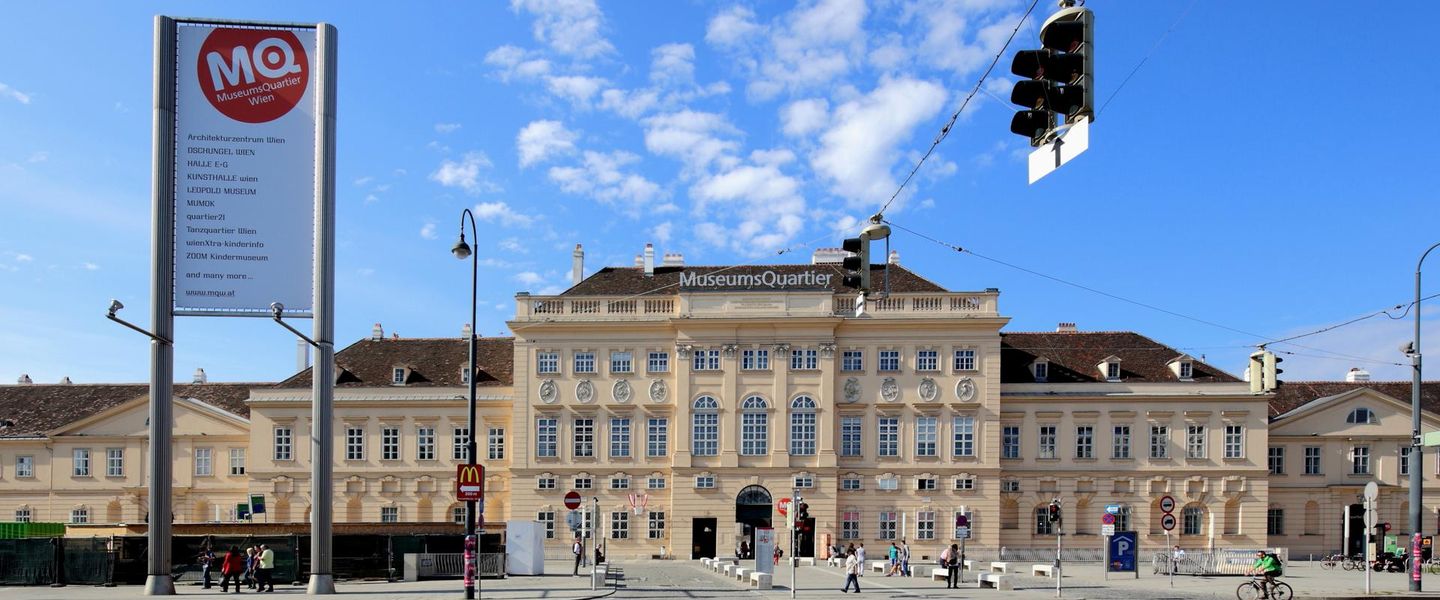


Neubau, Vienna’s creative seventh district, combines MuseumsQuartier museums, Spittelberg lanes, design shops, cafés, restaurants and local culture.
Urban Character
Neubau occupies Vienna’s 7th district, immediately west of the historic centre and stretching from the MuseumsQuartier towards the busy shopping axis of Mariahilfer Straße. Its streets bring together former suburban villages, elegant late nineteenth-century apartment buildings, creative businesses and one of the city’s most important cultural complexes. The area is compact enough to explore on foot, yet varied in mood: broad commercial boulevards give way to narrow lanes, quiet courtyards and the small, atmospheric streets of Spittelberg.Read more about Neubau
Culture and Architecture
Streets and Everyday Life
Best attractions in Neubau
Neubau’s principal attractions cluster around the MuseumsQuartier, the former imperial stables now occupied by institutions including the Leopold Museum, mumok, Kunsthalle Wien, the Architekturzentrum Wien and ZOOM Children’s Museum. Their collections range from Austrian modernism and twentieth-century art to contemporary practice, architecture and family-oriented exhibitions. The complex itself is also a place to explore, with large courtyards, sculptural seating and changing public installations. West of the museums, Spittelberg provides a contrasting experience through narrow lanes, historic houses and small squares that reward an unhurried walk. The streets around Kirchengasse, Siebensterngasse and Neubaugasse add independent galleries, design-led businesses and cafés to the sightseeing route, while Volkstheater stands near the district’s eastern edge as an important theatre and transport landmark. Together these places show Neubau as both a major cultural address and an ordinary inner-city neighbourhood.
-
Tourist attraction
Schmetterlinghaus
Experience a tropical paradise in the heart of Vienna: hundreds of exotic butterflies flutter freely in a stunning Art Nouveau glasshouse.
15 min walk · 1.2 km from neighbourhood centre
-
Tourist attraction
Platz der Menschenrechte
A significant Viennese landmark promoting human rights through art and reflection in a central, accessible public space.
10 min walk · 0.8 km from neighbourhood centre
-
Tourist attraction
Murals Calle Libre
Discover Vienna's vibrant street art scene in Neubau. Explore colorful murals and urban art by local and international artists.
4 min walk · 0.3 km from neighbourhood centre


Best landmarks in Neubau
The MuseumsQuartier is Neubau’s defining landmark, occupying the extensive former imperial stables and preserving a striking relationship between historic architecture and contemporary cultural buildings. Its courtyards and perimeter façades represent the district’s connection to Vienna’s Habsburg past, while the Leopold Museum and mumok give the complex its modern cultural importance. Spittelberg is a landmark district in its own right, with a coherent collection of narrow streets, small-scale historic houses and intimate urban spaces that recall the former suburb’s older fabric. Volkstheater, at the edge of Neubau near the Ring, marks the neighbourhood’s eastern cultural threshold. Elsewhere, the multi-storey Gründerzeit apartment buildings, corner façades and surviving shopfronts along streets such as Neubaugasse and Kirchengasse express the nineteenth-century urban expansion that turned several former villages into a continuous Viennese district.
-
Art center
MuseumsQuartier Wien
Explore Vienna's MuseumsQuartier: where historic architecture meets contemporary art, culture, and vibrant public spaces in the heart of the city.
8 min walk · 0.6 km from neighbourhood centre
-
 Historical landmark
Heldenplatz
Explore Vienna's Heldenplatz: Witness history, admire monuments, and experience a vibrant public space in the heart of the city.
13 min walk · 1.0 km from neighbourhood centre
-
Park
Burggarten
Escape to Vienna's Burggarten: A historic park with lush greenery, monuments, and the iconic Palmenhaus.
15 min walk · 1.2 km from neighbourhood centre
-
Tourist attraction
Kabinettpassage
Discover Vienna's hidden artistic heart in Kabinettpassage: a unique blend of independent shops, vibrant art installations, and cozy cafes.
10 min walk · 0.8 km from neighbourhood centre


Explore Neubau on the map
A handpicked selection of must-see spots in Neubau, mapped for you.
Best hotels in Neubau
Best restaurants in Neubau
Neubau’s food scene reflects its dense inner-city setting and long association with small businesses. Traditional Viennese cooking, coffee houses, bakeries and wine taverns sit alongside restaurants shaped by Mediterranean, Middle Eastern, Asian and contemporary international influences. The streets around Spittelberg, Siebensterngasse, Kirchengasse and Neubaugasse contain much of the neighbourhood’s most varied dining, from informal daytime cafés to more polished evening rooms, while MuseumsQuartier adds modern food and drink options within a cultural setting. Mariahilfer Straße has practical food choices, but the side streets are more rewarding for independent establishments and slower meals. Seasonal produce, vegetarian cooking and carefully made coffee are common features of the contemporary offer, although the district is better understood as a varied urban dining quarter than as the home of one single local speciality.
-
Austrian
Glacis Beisl
Experience authentic Austrian flavors at Glacis Beisl in Vienna's Neubau district – where tradition meets taste.
7 min walk · 0.5 km from neighbourhood centre
-
Restaurant
Flatschers Restaurant and Bar
Experience culinary excellence at Flatschers Restaurant and Bar in Vienna - where premium steaks meet a warm atmosphere.
11 min walk · 0.9 km from neighbourhood centre
-
Restaurant
Seven North Vienna
Discover the best of Mediterranean cuisine at Seven North Vienna, where fresh ingredients meet innovative culinary artistry in an elegant setting.
6 min walk · 0.5 km from neighbourhood centre
-
Restaurant
Restaurant Neubauschenke
Experience authentic Austrian cuisine in the vibrant heart of Vienna at Restaurant Neubauschenke.
7 min walk · 0.6 km from neighbourhood centre


Best bars in Neubau
Neubau’s evenings are shaped more by wine bars, pubs, cafés, cultural venues and small late-night gathering places than by a large concentration of clubs. MuseumsQuartier courtyards are an important meeting point in warmer weather, while Spittelberg and the streets around Siebensterngasse and Kirchengasse offer intimate places for drinks after museum visits or dinner. Traditional Austrian wine and beer culture appears beside cocktail bars and internationally influenced venues, reflecting the district’s mixed commercial character. Theatre performances at Volkstheater and events in the MuseumsQuartier contribute a cultural dimension to the night-time scene. The area is lively without being defined solely by nightlife, and many streets remain residential, so visitors should keep noise down when leaving venues and use public transport or a licensed taxi for longer journeys across Vienna.
-
Irish pub
Shamrock Vienna - Irish Pub
Discover the lively charm of Shamrock Vienna, where authentic Irish hospitality meets vibrant local culture in a cozy pub setting.
6 min walk · 0.5 km from neighbourhood centre
-
Bar
Bukowski The Pub
Discover the lively ambiance and extensive drink selection at Bukowski The Pub, a must-visit bar in Vienna's vibrant Neubau district.
6 min walk · 0.5 km from neighbourhood centre
-
Cocktail bar
bestens. Cocktailbar
Experience the vibrant nightlife of Vienna at bestens. Cocktailbar, where expertly crafted cocktails and a stylish atmosphere await.
4 min walk · 0.3 km from neighbourhood centre
-
Cocktail bar
Moby Dick - Cocktailbar & Eatery
Explore Moby Dick Cocktailbar & Eatery in Vienna for innovative cocktails and a vibrant atmosphere perfect for a night out.
3 min walk · 0.2 km from neighbourhood centre


Best nightclubs in Neubau
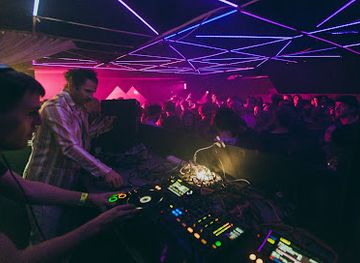
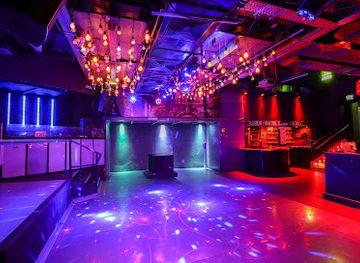
Neubau’s evenings are shaped more by wine bars, pubs, cafés, cultural venues and small late-night gathering places than by a large concentration of clubs. MuseumsQuartier courtyards are an important meeting point in warmer weather, while Spittelberg and the streets around Siebensterngasse and Kirchengasse offer intimate places for drinks after museum visits or dinner. Traditional Austrian wine and beer culture appears beside cocktail bars and internationally influenced venues, reflecting the district’s mixed commercial character. Theatre performances at Volkstheater and events in the MuseumsQuartier contribute a cultural dimension to the night-time scene. The area is lively without being defined solely by nightlife, and many streets remain residential, so visitors should keep noise down when leaving venues and use public transport or a licensed taxi for longer journeys across Vienna.
-
Night club
The Loft
Experience the vibrant nightlife of Vienna at The Loft, where music, dance, and unforgettable memories come together.
13 min walk · 1.0 km from neighbourhood centre
-
Night club
Camera Club
Dive into Vienna's nightlife at Camera Club, where vibrant beats and unforgettable experiences await every night.
7 min walk · 0.6 km from neighbourhood centre
-
Night club
DOTS the Hidden Club
Discover the energetic nightlife of Vienna at DOTS the Hidden Club, where the rhythm of music meets an unforgettable party atmosphere.
7 min walk · 0.5 km from neighbourhood centre
-
Night club
UNIQUEx
Discover the exhilarating nightlife of Vienna at UNIQUEx, where vibrant music and stylish ambiance create unforgettable memories.
8 min walk · 0.6 km from neighbourhood centre


Best shops in Neubau
Shopping in Neubau moves between mainstream retail on the district’s Mariahilfer Straße edge and a more independent scene on Neubaugasse, Kirchengasse, Lindengasse and the surrounding side streets. Visitors will find Austrian and international fashion, small design businesses, furniture and interiors, books, records, stationery and specialist lifestyle shops, with the exact mix changing as independent premises evolve. The area is particularly associated with creative retail rather than a single traditional market, and its appeal lies in browsing compact shops embedded in residential streets. Spittelberg contributes galleries, craft-oriented businesses and gift shopping around its historic lanes, while MuseumsQuartier provides art-related bookshops and cultural merchandise. The neighbourhood suits visitors interested in design and local urban retail, but it is not a substitute for Vienna’s large food markets or specialist commercial districts elsewhere in the city.
-
Clothing store
Bootik 54
Explore Bootik 54 in Vienna for a unique blend of vintage and modern fashion that speaks to sustainability and style.
2 min walk · 0.1 km from neighbourhood centre
-
Boutique
eigensinnig wien - Avantgarde Mode und High Fashion
Discover avant-garde fashion and timeless designs at Eigensinnig Wien, a boutique that redefines style in the heart of Vienna.
3 min walk · 0.2 km from neighbourhood centre
-
Clothing store
uppers & downers store
Discover unique vintage styles at Uppers & Downers, Vienna's charming clothing store specializing in curated fashion and accessories.
1 min walk · 0.1 km from neighbourhood centre
-
Clothing store
PARK - Concept Store
Explore PARK - Concept Store in Vienna for stylish clothing, accessories, and fragrances that reflect the city's rich fashion culture.
4 min walk · 0.3 km from neighbourhood centre


Neubau essentials
Getting There
Getting Around
Safety
Emergency Situations
Do's and Don'ts
Local Tips

From Eve
Local phrases worth knowing
You don't need to get them perfect. A few words go a long way, and locals appreciate the effort.
Basics
| English | Local | Say it |
|---|---|---|
| Hello | Servus | [ser-voos] |
| Goodbye | Auf Wiedersehen | [ouf vee-der-zain] |
| Yes | Ja | [ya] |
| No | Nein | [nine] |
| Please/You're welcome | Bitte | [bit-teh] |
| Thank you | Danke | [dahn-keh] |
| Excuse me/Sorry | Entschuldigung | [ent-shool-dih-goong] |
| How are you? | Wie geht's? | [vee gayts] |
| Fine. And you? | Gut. Und dir? | [goot. oond deer] |
| Do you speak English? | Sprichst du Englisch? | [shprikhst doo eng-lish] |
| I don't understand | Ich verstehe nicht | [ikh fair-shtay-eh nikht] |
Eating & Drinking
| English | Local | Say it |
|---|---|---|
| I'd like to see the menu, please | Ich hätte gerne die Speisekarte, bitte | [ikh hett-eh gehr-neh dee shpize-kahr-teh, bit-teh] |
| I don't eat meat | Ich esse kein Fleisch | [ikh ess-eh kine fly-sh] |
| Cheers! | Prost! | [prohst] |
| I would like to pay, please | Ich würde gerne bezahlen, bitte | [ikh voo-deh gehr-neh beh-tsah-len, bit-teh] |
Emergencies
| English | Local | Say it |
|---|---|---|
| Help! | Hilfe! | [hil-feh] |
| Go away! | Geh weg! | [geh vehg] |
| Call the Police! | Ruf die Polizei! | [roof dee poh-lee-tsy] |
| Call a doctor! | Ruf einen Arzt! | [roof eye-nen ahrts] |
| I'm lost | Ich habe mich verirrt | [ikh hah-beh meekh fair-eert] |
| I'm ill | Ich bin krank | [ikh been krahng] |
Shopping
| English | Local | Say it |
|---|---|---|
| I'd like to buy... | Ich würde gerne kaufen... | [ikh voo-deh gehr-neh kow-fen] |
| I'm just looking | Ich schaue nur | [ikh sh-ow-eh noor] |
| How much is it? | Wie viel kostet das? | [vee feel kohs-tet das] |
| That's too expensive | Das ist zu teuer | [das ist tsoo toy-er] |
| Can you lower the price? | Kannst du den Preis senken? | [kahnst doo den prees zehn-ken] |
Time & Numbers
| English | Local | Say it |
|---|---|---|
| What time is it? | Wie spät ist es? | [vee shpeht ist es] |
| It's one o'clock | Es ist ein Uhr | [es ist iyn oor] |
| Half past (10) | Halb zehn | [halb tsayn] |
| Morning | Morgen | [mohr-gen] |
| Afternoon | Nachmittag | [nahk-mit-tahk] |
| Evening | Abend | [ah-bend] |
| Yesterday | Gestern | [geh-shtern] |
| Today | Heute | [hoi-teh] |
| Tomorrow | Morgen | [mohr-gen] |
| 1 | Eins | [ines] |
| 2 | Zwei | [tsvai] |
| 3 | Drei | [dry] |
| 4 | Vier | [feer] |
| 5 | Fünf | [foonf] |
| 6 | Sechs | [zeks] |
| 7 | Sieben | [zee-ben] |
| 8 | Acht | [ahkt] |
| 9 | Neun | [noyn] |
| 10 | Zehn | [tsayn] |
Transport & Directions
| English | Local | Say it |
|---|---|---|
| Where's a/the...? | Wo ist ein/der...? | [vo ist iyn/dehr] |
| What's the address? | Was ist die Adresse? | [vas ist dee ah-dreh-say] |
| Can you show me (on the map)? | Kannst du mir das zeigen (auf der Karte)? | [kahnst doo meer das tsey-gen (ouf dehr kar-teh)] |
| When's the next (bus)? | Wann kommt der nächste (Bus)? | [vahn kohmt dehr naykhs-teh (boos)] |
| A ticket (to ....) | Eine Fahrkarte (nach ...) | [iyn-eh fahr-kahr-teh (nakh)] |
History of Neubau
Suburban Villages Beyond the Walls
Before Vienna expanded beyond its fortifications, the area now associated with Neubau consisted of several settlements and semi-rural zones outside the city walls, including the villages of St Ulrich and Schottenfeld and the small community of Spittelberg. Their names remain embedded in today’s streets and local identity. The district’s position close to the city made it increasingly attractive for housing, workshops and trade, while its roads connected the expanding suburbs with the old centre. What appears today as a continuous inner-city neighbourhood therefore developed from several distinct communities rather than from one planned foundation.
The Rise of Schottenfeld Industry
During the eighteenth century, Schottenfeld became associated with silk and textile production, supported by Vienna’s growing court economy and expanding consumer market. Workshops and manufactories brought employment and denser settlement to the western suburbs, while artisans, merchants and labourers shaped the social character of the area. The textile past is less visible than the surviving apartment façades and street plan, but it helps explain why this part of Vienna developed as a busy mixed-use suburb rather than a purely residential quarter. Neubau’s later reputation for small businesses and creative trades has roots in this long tradition of urban production.
Incorporation and Urban Expansion
The former suburbs were incorporated into Vienna in 1850, when the city’s expansion brought them into a new urban framework. Neubau became the name of the seventh district, although its recognised area incorporated places with their own earlier histories. Rapid growth in the nineteenth century replaced or enclosed much of the older suburban fabric with multi-storey apartment buildings, shops and workshops. The construction of the imperial stables at the edge of the district, completed in the eighteenth century and later transformed into the MuseumsQuartier, also gave Neubau a major architectural neighbour and a lasting connection to Vienna’s courtly past.
From Residential Quarter to Cultural District
After the Second World War, Neubau remained a densely built inner-city district while parts of its older housing stock and smaller commercial premises gradually changed use. From the late twentieth century, independent designers, galleries, cafés and creative businesses contributed to a new public image, alongside the survival of long-established local shops and restaurants. The opening of MuseumsQuartier in 2001 converted the former imperial stables into a major cultural complex and strengthened Neubau’s role in Vienna’s museum landscape. This development brought more visitors and investment, while the district continued to function as a residential neighbourhood with an active local community.
Neubau in Photos
Browse through our photo collection highlighting the charm and character of the destination.
Neighbourhoods near Neubau
The closest neighbourhoods to Neubau, if you have time for more than one stop.
-
-

-

-

-


Swipe for more neighbourhoods
Explore more

Explore more of Vienna
Vienna blends imperial palaces, classical music, grand coffeehouses and contemporary culture in Austria’s elegant capital, rich in history, art and architecture.
Explore Vienna