St. Stephen's Cathedral, Vienna Travel Guide
Discover Vienna's iconic St. Stephen's Cathedral: a Gothic masterpiece with a rich history, stunning architecture, and breathtaking views in the heart of the city.
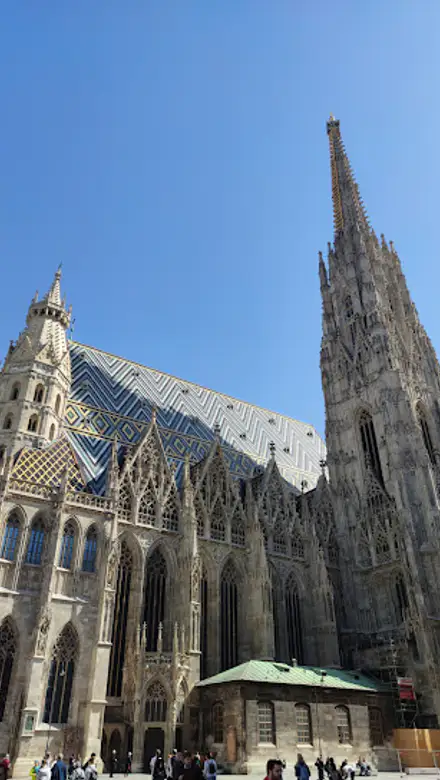
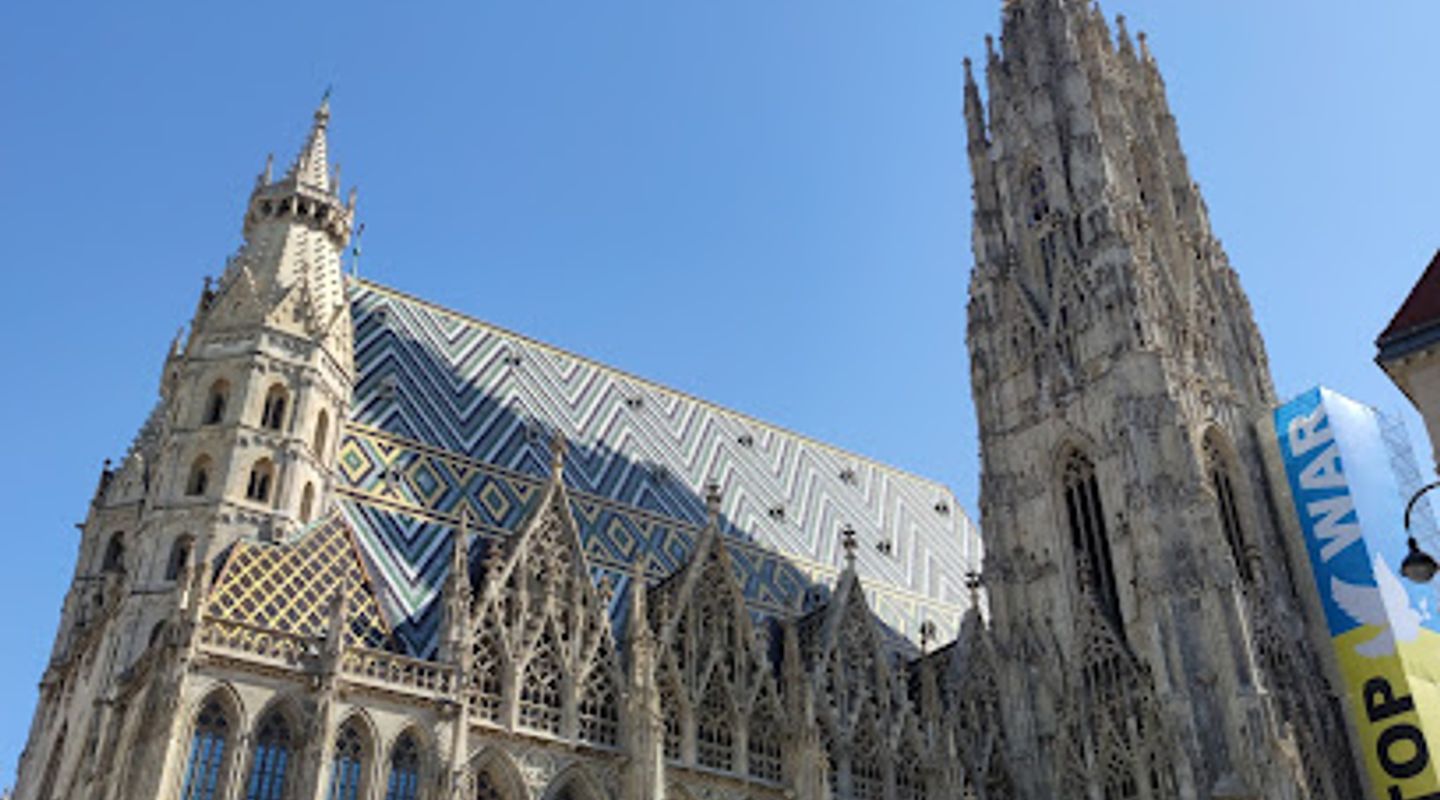
St. Stephen's Cathedral, or Stephansdom, is Vienna's most iconic landmark, a towering Gothic masterpiece that has dominated the city's skyline for centuries. Located in the heart of Vienna's Innere Stadt, the cathedral stands as a symbol of Austrian identity and a testament to the city's rich history. Construction began in the 12th century, with significant expansions and renovations continuing through the centuries, resulting in a captivating blend of Romanesque and Gothic architectural styles. The cathedral's imposing south tower, affectionately known as "Steffl," offers panoramic views of Vienna, while the colorful tiled roof, adorned with the Habsburg double-headed eagle and the city's coat of arms, adds a unique visual flair. Inside, visitors can explore the cathedral's vast interior, admire its intricate altars and chapels, and descend into the catacombs to discover the final resting place of emperors and dignitaries. Whether you're drawn to its architectural grandeur, its historical significance, or its spiritual atmosphere, St. Stephen's Cathedral is an unmissable destination for any visitor to Vienna.
A brief summary to St. Stephen's Cathedral
- Stephansplatz 3, Vienna, Innere Stadt, 1010, AT
- Click to display
- Click to display

Know before you go
Hi, I'm Eve. Here are a few practical things to know before exploring St. Stephen's Cathedral.
- Climb the South Tower for panoramic views of Vienna, but be prepared for 343 steps! The North Tower offers elevator access to see the Pummerin bell.
- Visit during a service or concert to experience the cathedral's acoustics and spiritual atmosphere.
- Explore the catacombs for a glimpse into the Habsburg history and the final resting place of notable figures (guided tours only).
- Purchase the all-inclusive ticket for access to the towers, catacombs, and cathedral museum for the best value.
- Dress respectfully when visiting, as it is an active place of worship. Shoulders and knees should be covered.
Do you manage this location?
Take control to get all the benefits, like improved information, better appearance, and stronger visibility across AI-powered discovery. Learn more about listing your business on Evendo
Activate your presenceOther nearby places you may find interesting
The closest places of the same kind, if this one is not quite what you had in mind.


Explore St. Stephen's Cathedral on the Map
A handpicked selection of must-see spots near St. Stephen's Cathedral, mapped for you.
Unlock the Best of St. Stephen's Cathedral
Buy tickets
-
No tickets available
Book tours with entry


Getting There
-
Public Transport
St. Stephen's Cathedral is easily accessible via Vienna's efficient public transport system. Take the U1 or U3 U-Bahn lines to the Stephansplatz station, which is located directly beneath Stephansplatz and has direct access to the cathedral. A single ticket costs €2.40 and is valid for one journey in one direction, including transfers. Alternatively, a 24-hour ticket costs €5.80, offering unlimited travel within Vienna's core zone for a full day. From the station, follow the signs to Stephansplatz and the cathedral. Several bus lines (1A, 2A, and 3A) also stop at Stephansplatz, but these do not operate on Sundays.
-
Taxi/Ride-Share
Taxis and ride-sharing services are readily available throughout Vienna. A short ride from a nearby location in the Innere Stadt, such as the Vienna State Opera or Hofburg Palace, to St. Stephen's Cathedral will typically cost between €7-€10, depending on traffic and the specific service. Be sure to confirm the fare with the driver before beginning your journey. Note that traffic around Stephansplatz can be congested, especially during peak tourist season.
-
Walking
St. Stephen's Cathedral is located in the heart of Vienna's city center and is easily reachable on foot from many nearby attractions. From the Hofburg Palace, walk east along Graben street for approximately 5 minutes until you reach Stephansplatz. From the Vienna State Opera, walk north along Kärntner Straße for approximately 10 minutes until you reach Stephansplatz. As you approach Stephansplatz, the towering spires of the cathedral will become visible, guiding you to your destination. Be aware that Stephansplatz is a pedestrian zone, so watch out for other pedestrians and cyclists.
-
Driving
While driving to St. Stephen's Cathedral is possible, it is not recommended due to the pedestrian zone in the city center and limited parking options. If you must drive, be aware that short-term parking zones are in effect throughout the Innere Stadt, with a maximum parking time of two hours. Parking tickets are required and can be purchased at tobacco shops or via mobile app. Parking garages are available in the area, such as the Parkring Garage (Parkring 12a), but they can be expensive, with hourly rates ranging from €2.50 to €4.50. A Park and Ride (P+R) option outside the city center, such as the one in Erdberg (U3 subway stop), is a more affordable alternative, costing €4 per day, with a subway ride to Stephansplatz costing €2.40.
Discover more about St. Stephen's Cathedral
More to explore near St. Stephen's Cathedral













Your all‑in‑one travel companion app
Explore expert travel guides, compare and book tours, experiences, hotels, and more—all from the palm of your hand. Download now for seamless trip planning wherever your wanderlust takes you.


Explore More of Vienna
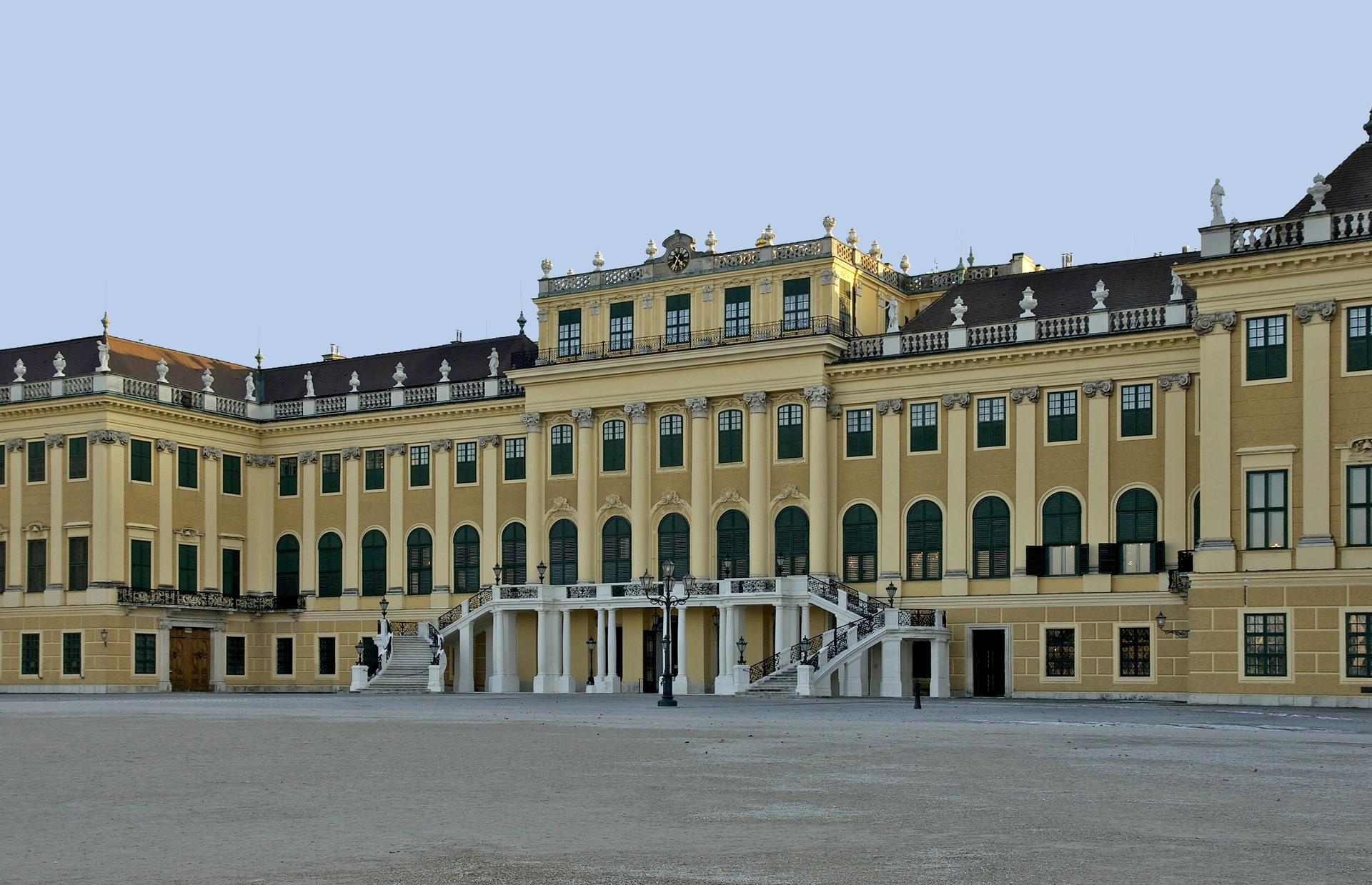
Looking beyond St. Stephen's Cathedral? Discover Vienna for broader travel guides, local hot-spots, and regional highlights.
Explore Vienna
Experience Vienna's enchanting Ankeruhr, a historic Art Nouveau clock featuring a daily parade of twelve historical figures.
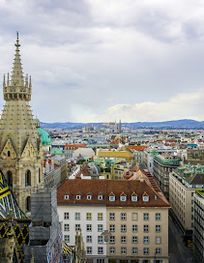
Ascend Stephansdom's North Tower for panoramic Vienna views and an up-close encounter with the Pummerin, Austria's largest bell, offering a unique perspective on the city's skyline.