Giebelstatuen des Lazanskyhauses: Guardians of Esterházypark
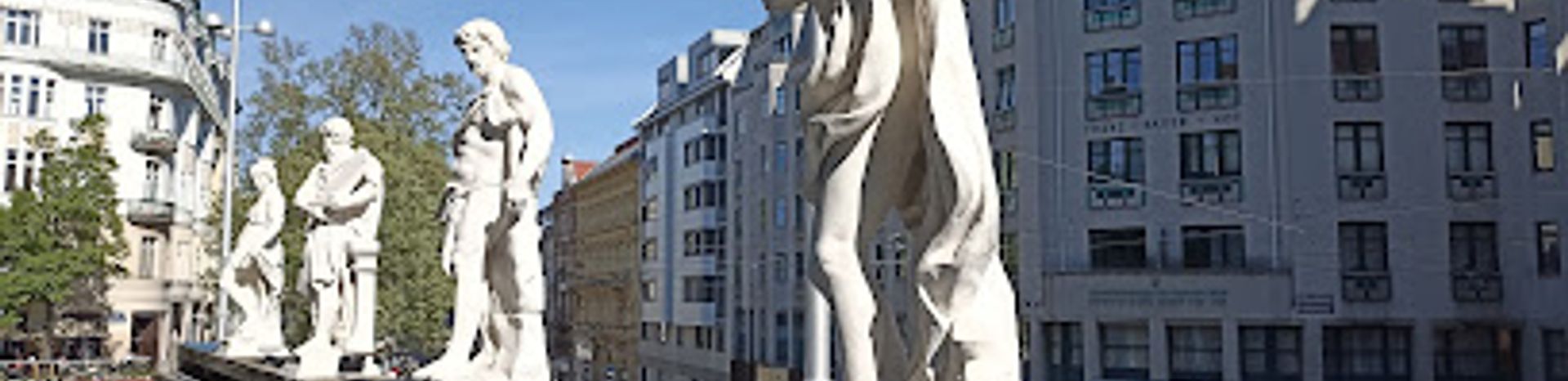
Baroque statues from a bygone era, gracing the entrance to Esterházypark and offering a glimpse into Vienna's architectural past.
The Giebelstatuen des Lazanskyhauses are four baroque stone figures at the entrance to Esterházypark in Vienna's Mariahilf district. Salvaged from the demolished Lazansky House, they offer a tangible link to Vienna's architectural history.
A brief summary to Giebelstatuen des Lazanskyhauses
- Figuren am Eingang zum Esterházypark, Gumpendorfer Str., Vienna, Mariahilf, 1060, AT
Local tips
- Take a stroll through Esterházypark after viewing the statues. The park offers recreational facilities and a unique blend of history and modern amenities.
- Visit the Haus des Meeres (House of the Sea), located in the Flakturm within Esterházypark, for a unique aquarium experience.
- Explore Gumpendorfer Straße for its diverse culinary scene and vibrant atmosphere.

Getting There
-
Public Transport
The Giebelstatuen are located at the entrance to Esterházypark on Gumpendorfer Straße. From Wien Hauptbahnhof (main train station), take the U1 subway line to Karlsplatz, then transfer to the U4 line towards Hütteldorf. Get off at Kettenbrückengasse station. From there, it's a short walk along Gumpendorfer Straße to Esterházypark. A single ticket for the Vienna public transport system costs approximately €3.
-
Walking
From the Haus des Meeres (House of the Sea) inside Esterházypark, exit the Flakturm and walk towards the Gumpendorfer Straße exit. The Giebelstatuen des Lazanskyhauses are positioned on the wall bordering Gumpendorfer Straße, making them easily accessible and visible to passersby. No cost is involved.
-
Taxi
From Wien Hauptbahnhof, a taxi to Gumpendorfer Straße near Esterházypark will take approximately 4 minutes, covering a distance of around 1.8 miles. The estimated fare is between €8 and €11. Taxi базовые charges in Vienna are €3.80, with additional costs per kilometer.
Discover more about Giebelstatuen des Lazanskyhauses
Iconic landmarks you can’t miss

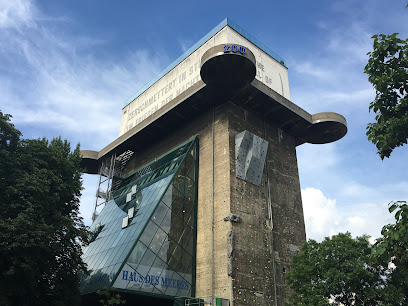
Leitturm Esterhazypark
0.1 km
Explore the historic charm of Leitturm Esterhazypark, a serene landmark in Vienna surrounded by lush gardens and rich cultural heritage.
Monument of Joseph Haydn
0.2 km
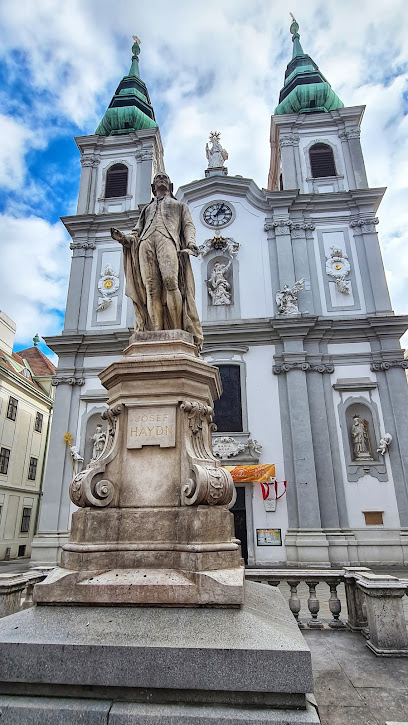
A bronze monument in Vienna honoring Joseph Haydn, the 'Father of the Symphony,' located on the lively Mariahilfer Straße.
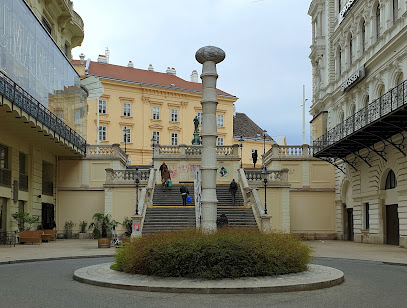
Rahlstiege
0.7 km
Explore the enchanting Rahlstiege, a historical landmark in Vienna, where stunning architecture meets rich cultural heritage in a serene atmosphere.
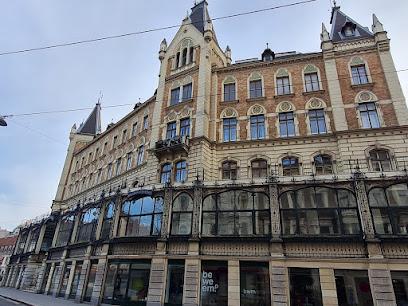
Margaretenhof
0.8 km
Discover the rich history and architectural beauty of Margaretenhof, a must-visit landmark in Vienna's enchanting Margareten district.
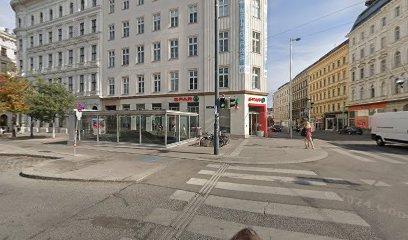
Babenbergerstraße 9
0.8 km
Explore the architectural beauty of Babenbergerstraße 9 in Vienna, a landmark showcasing the city's rich cultural heritage and vibrant atmosphere.
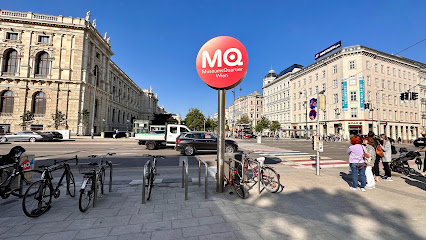
Meteoritenpassage
0.8 km
Explore the cosmos through art in Vienna's Meteoritenpassage, a unique connection between MuseumsQuartier and the Natural History Museum.
Stumpergasse 31
0.8 km
Experience the blend of history and modernity at Stumpergasse 31 in Vienna's Mariahilf district, a charming street filled with culture and local flair.
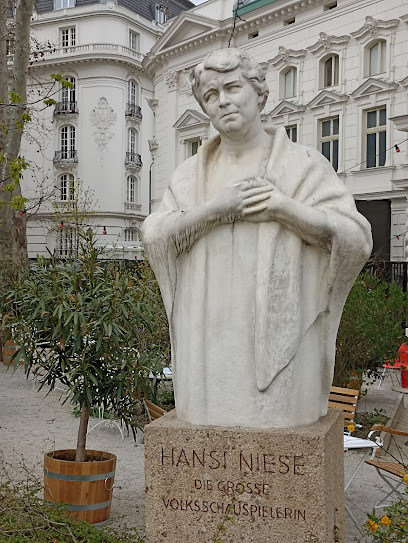
Hansi-Niese-Denkmal
0.8 km
A tribute to the beloved Viennese actress Hansi Niese, celebrating her contributions to popular theatre near the Volkstheater.
Lieber-Augustin-Statue
0.9 km
A charming monument in Vienna's Neubau, celebrating the legendary bagpiper Lieber Augustin and the city's resilient spirit.
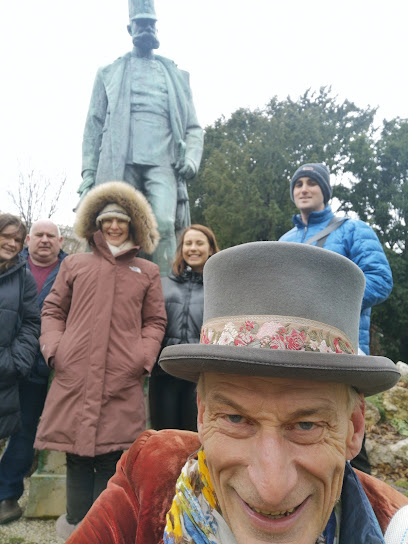
vienna cult tour
0.9 km
Explore Vienna's historical gems with the Vienna Cult Tour, a journey through the rich cultural tapestry of Austria's capital city, filled with fascinating stories and stunning architecture.
Maria-Theresien-Platz
0.9 km
A grand Viennese square flanked by museums, featuring a monumental tribute to Empress Maria Theresa and vibrant seasonal markets.
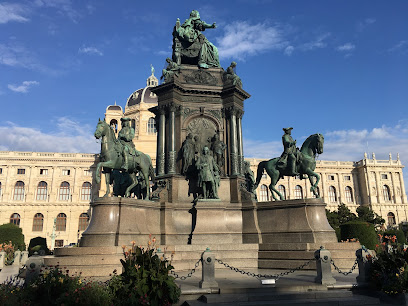
Schillerplatz
1.0 km
Discover Schillerplatz in Vienna's Innere Stadt: a historic square honoring Friedrich Schiller and surrounded by artistic and cultural landmarks.
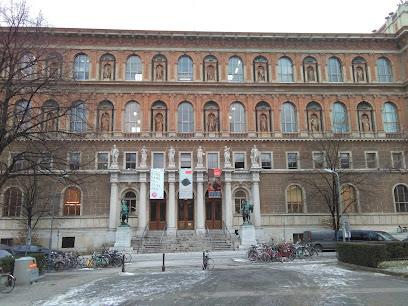
Friedrichstraße 7
1.0 km
Experience the timeless elegance of Friedrichstraße 7, an architectural gem in the heart of Vienna, surrounded by culture and history.
Wohnhausanlage mit Wandmalereien
1.0 km
Explore the enchanting murals of Wohnhausanlage in Vienna, a vibrant tourist attraction that showcases the city's artistic spirit and architectural charm.
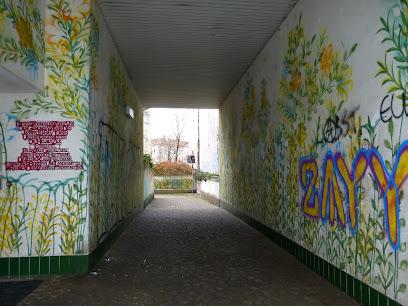
Sterbehaus Wilhelm Wiesberg Volksdichter u. Reformator
1.0 km
Discover a peaceful memorial park in Vienna's Neubau district, honoring the life and work of Austrian poet and reformer Wilhelm Wiesberg.
Unmissable attractions to see

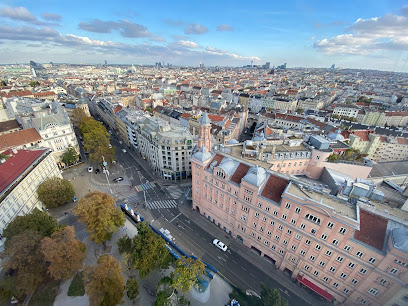
Esterházypark
0.0 km
Discover Esterházypark in Vienna: recreation, history, and urban nature blend seamlessly in this vibrant green space with the unique Haus des Meeres.
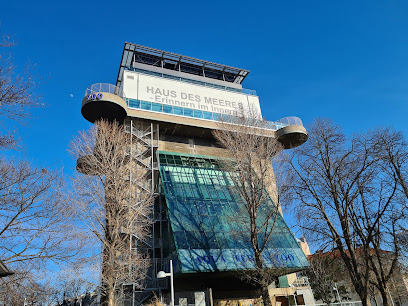
Haus des Meeres
0.1 km
Explore a world of marine and terrestrial life in a historic WWII flak tower with panoramic views of Vienna.
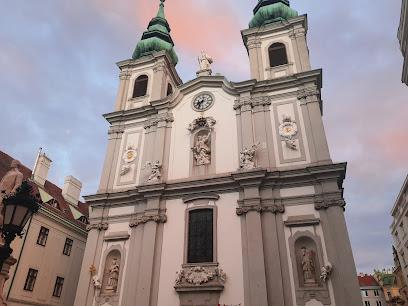
Catholic Church Mariahilf
0.2 km
Discover Baroque splendor at Vienna's Catholic Church Mariahilf, a historic sanctuary with stunning art and a serene atmosphere in the heart of the city.
Mural /Graffiti
0.2 km
Discover Vienna's vibrant street art scene at Windmühlgasse 21, a constantly evolving outdoor gallery in the heart of Mariahilf.
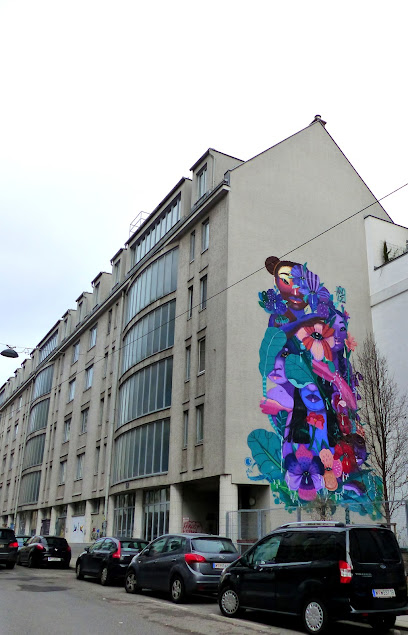
Geburtshaus Ferdinand Raimunds
0.3 km
Visit the birthplace of Ferdinand Raimund on Vienna's Mariahilfer Straße, a tribute to the celebrated Austrian playwright and a glimpse into the city's theatrical history.
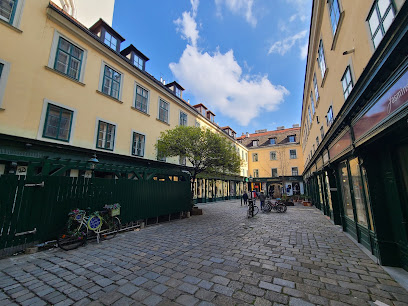
Goldenes Haus
0.4 km
Admire the gilded facade of Goldenes Haus, a Jugendstil masterpiece by Otto Wagner and Koloman Moser, showcasing Vienna's Secessionist art movement.
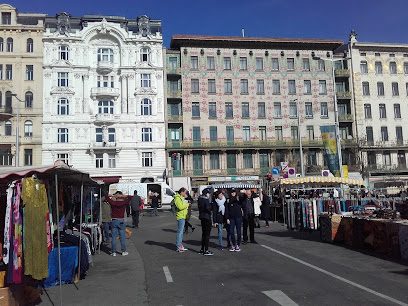
Miniatur Tirolerland
0.5 km
Discover the enchanting Miniatur Tirolerland in Vienna, where Austria's landscapes are beautifully recreated in miniature form for all to enjoy.
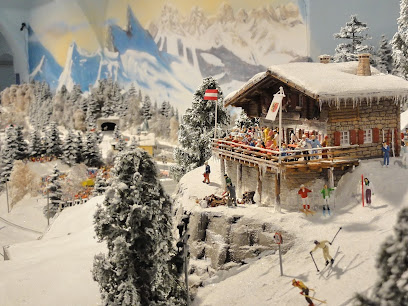
Furniture Museum Vienna
0.5 km
Explore the Furniture Museum Vienna, an exceptional journey through the history and artistry of furniture design in the heart of Vienna.
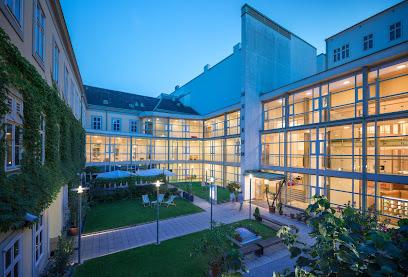
Weihnachtsmarkt am Spittelberg
0.6 km
Discover the festive charm of the Spittelberg Christmas Market in Vienna, where artisanal crafts and seasonal delights create a magical holiday experience.
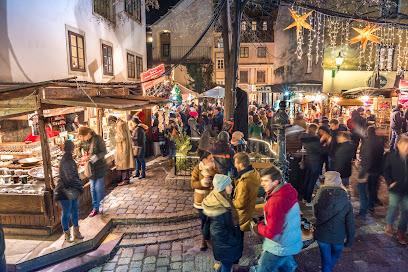
Spittelberg passage
0.6 km
Discover the enchanting Spittelberg Passage in Vienna, a cultural haven filled with art, cuisine, and historic charm.

ZOOM Kindermuseum
0.7 km
Discover a world of creativity and learning at ZOOM Kindermuseum, Vienna's premier children's museum filled with interactive exhibits and hands-on fun.
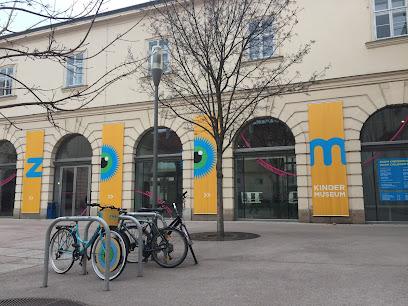
Third Man Museum
0.7 km
Discover the cinematic and historical significance of Vienna at the Third Man Museum, a unique tribute to the iconic film and its impact on culture.
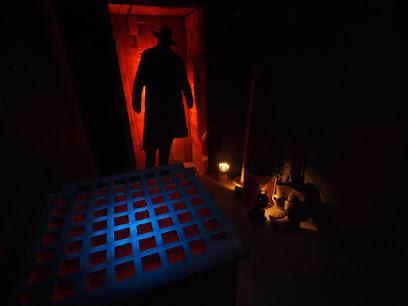
Kabinettpassage
0.7 km
Discover Vienna's hidden artistic heart in Kabinettpassage: independent shops, vibrant art, and cozy cafes on Mariahilfer Straße.
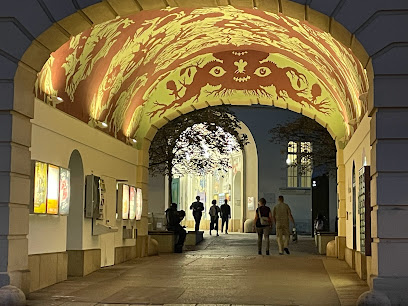
Leopold Museum
0.7 km
Explore the Leopold Museum in Vienna, showcasing a rich collection of Austrian art, including masterpieces by Schiele and Klimt, in a stunning cultural hub.
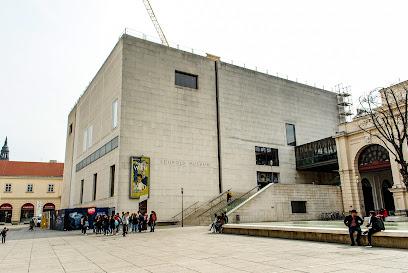
Museums Quarter Water Feature
0.7 km
Find serenity amidst art and culture at Vienna's Museums Quarter Water Feature, a tranquil escape in a vibrant urban hub.
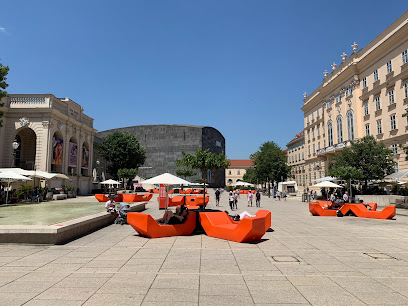
Essential places to dine

CHEZ BERNARD Restaurant et Bar
0.2 km
Discover exquisite dining and vibrant nightlife at Chez Bernard Restaurant et Bar in Vienna—where culinary art meets breathtaking views.
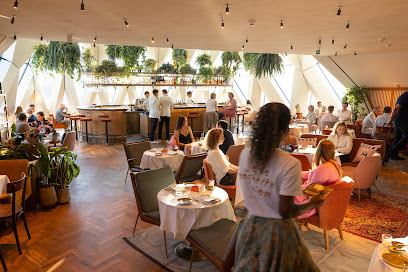
Brasserie de la Marie
0.2 km
Discover exquisite dining at Brasserie de la Marie in Vienna – where tradition meets contemporary cuisine in an inviting atmosphere.
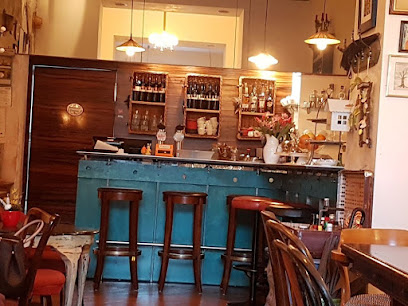
Otto Bauer
0.4 km
Discover Otto Bauer in Vienna - where traditional Austrian flavors meet modern dining in an inviting atmosphere.
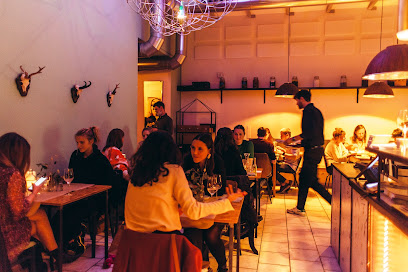
VAPIANO Wien Mariahilferstraße
0.5 km
Experience authentic Italian cuisine at VAPIANO Wien Mariahilferstraße – where fresh ingredients meet vibrant atmosphere in the heart of Vienna.
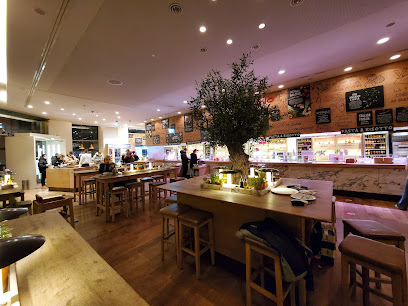
Som Kitchen - Mariahilf
0.5 km
Experience authentic Thai cuisine at Som Kitchen - where every dish tells a story of flavor and tradition.
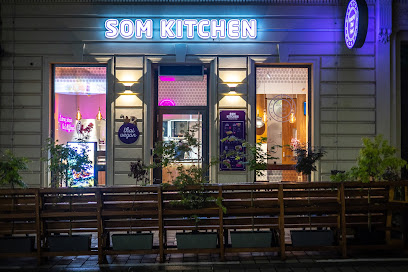
THELL | Restaurant & Bar formerly known as MOTTO
0.6 km
Experience vibrant dining at THELL Restaurant & Bar in Vienna - where eclectic ambiance meets exquisite cuisine.
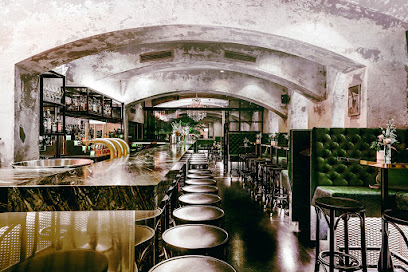
SIXTA
0.6 km
Experience authentic Austrian cuisine at SIXTA in Vienna - where tradition meets taste in a cozy atmosphere.
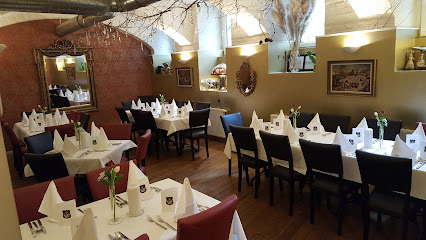
Wandel - Spätzlerestaurant Wien
0.6 km
Discover authentic Austrian Spätzle at Wandel in Vienna - where tradition meets taste in every bite.
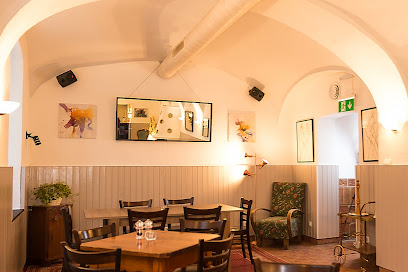
Witwe Bolte - Gutenberggasse 13
0.6 km
Experience authentic Austrian cuisine at Witwe Bolte in Vienna's Neubau district, where tradition meets modern culinary artistry.
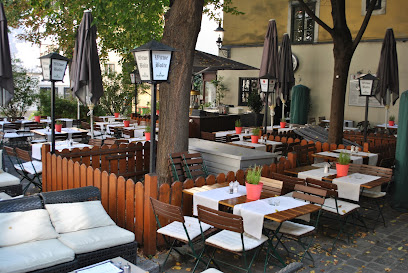
Glacis Beisl
0.7 km
Experience authentic Austrian flavors at Glacis Beisl in Vienna's Neubau district – where tradition meets taste.
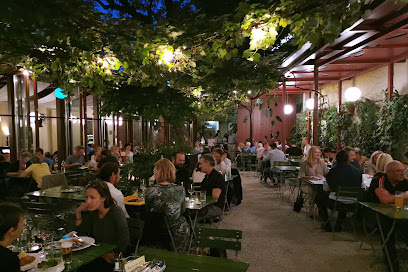
MINIRESTAURANT
0.7 km
Experience modern European cuisine and exquisite cocktails at MINIRESTAURANT in the heart of Vienna's Mariahilf district.
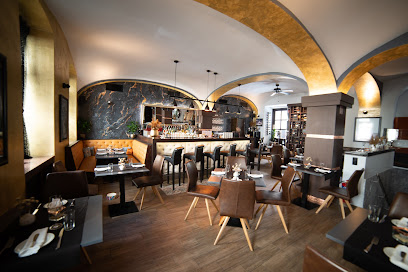
Boheme Restaurant
0.7 km
Discover the unique flavors of Austria at Boheme Restaurant in Vienna's artistic Neubau district.
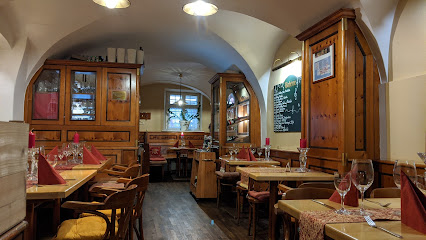
Restaurant Neubauschenke
0.7 km
Experience authentic Austrian cuisine in the vibrant heart of Vienna at Restaurant Neubauschenke.
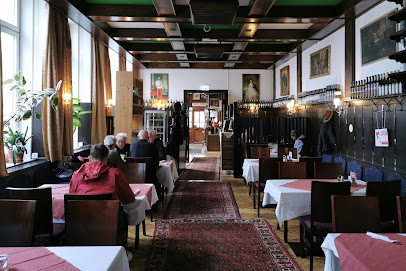
Mythos Restaurant
0.7 km
Discover authentic Greek flavors at Mythos Restaurant in Vienna – where every meal is a celebration of Mediterranean culinary traditions.
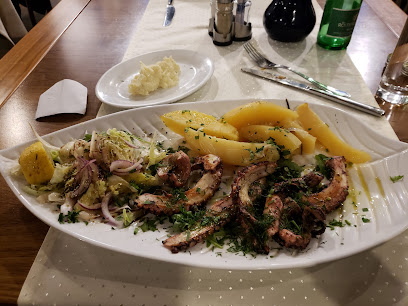
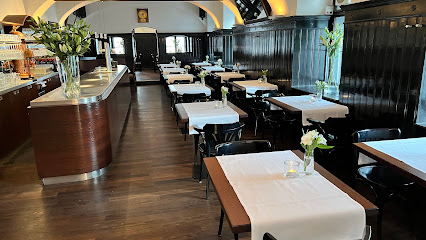
Restaurant Wiener
0.8 km
Experience authentic Austrian cuisine at Restaurant Wiener - where tradition meets modern elegance in the heart of Vienna.
Markets, malls and hidden boutiques

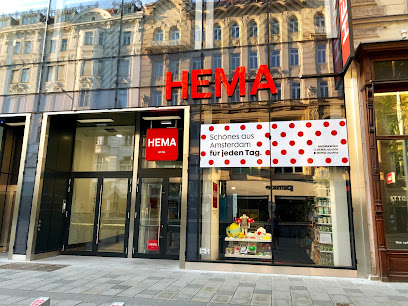
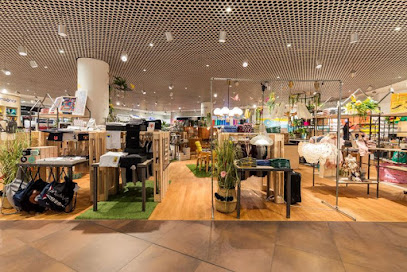
HEMA
0.2 km
Explore HEMA in Vienna for an eclectic mix of gifts, clothing, cosmetics, and more, all in a vibrant shopping atmosphere.
Kaufhaus Gerngross
0.2 km
Explore Kaufhaus Gerngross in Vienna: A blend of modern shopping, local culture, and exquisite dining experiences await you.
Urban Outfitters
0.2 km
Discover unique fashion at Urban Outfitters in Vienna, a trendy destination for stylish clothing and accessories in the heart of the city.
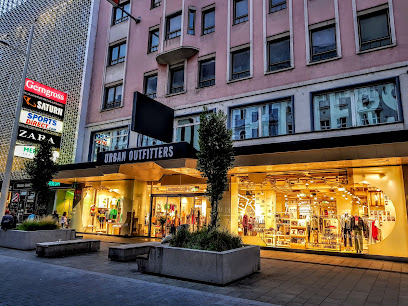
Graf&Gräfin Shop
0.3 km
Discover unique gifts, exquisite costume jewelry, and fine leather goods at Graf&Gräfin Shop, a charming boutique in the heart of Vienna.
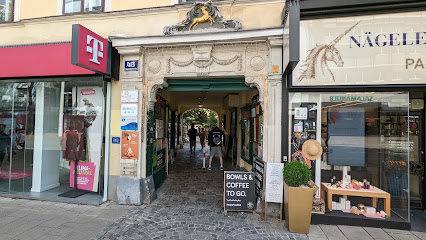
Raimundhof Wien
0.3 km
Discover Raimundhof Wien: A Cultural Haven of Art, Fashion, and Gastronomy in the Heart of Vienna.
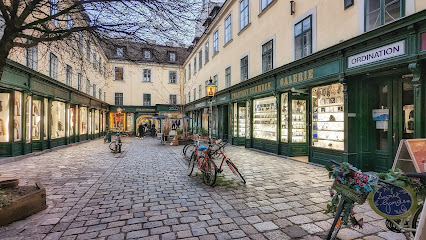
Popshop
0.3 km
Explore Popshop, a charming gift shop in Vienna, where unique furniture and artisanal paper goods await your discovery.
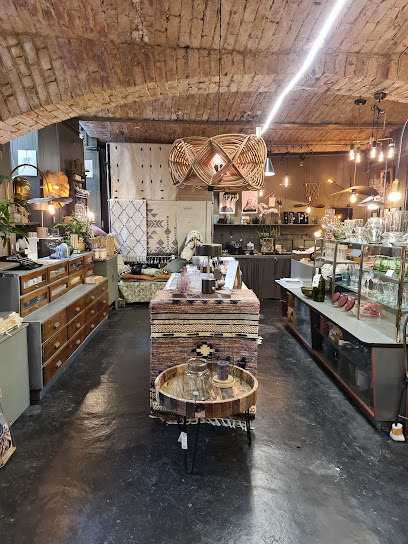
Big Bazaar Vienna
0.3 km
Explore the latest in women's fashion at Big Bazaar Vienna, where style meets affordability in the heart of the city.
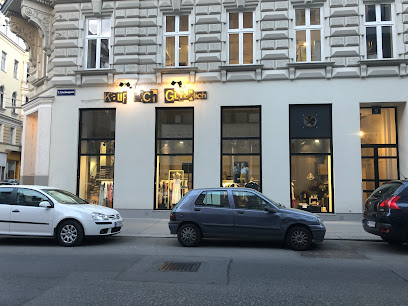
Kauf Dich Glücklich Wien
0.4 km
Explore Kauf Dich Glücklich Wien for a unique shopping experience featuring stylish clothing and shoes in the heart of Vienna's Neubau district.
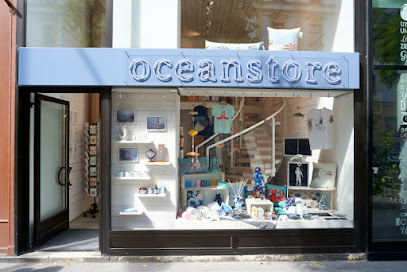
Oceanstore Wien
0.5 km
Explore Oceanstore Wien for unique gifts and souvenirs that embody the spirit of Vienna, perfect for capturing memories of your travels.
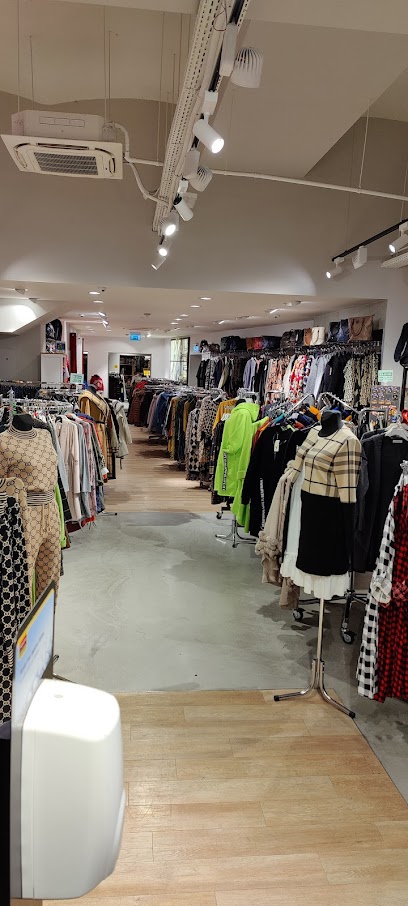
Vintage Fabrik
0.5 km
Discover unique vintage clothing and accessories at Vintage Fabrik in Vienna, where timeless fashion meets modern charm.
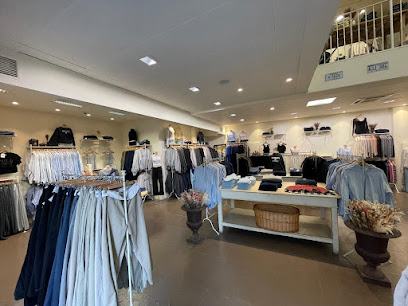
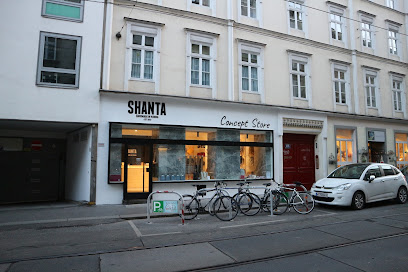
Shanta Concept Store
0.5 km
Discover Shanta Concept Store in Vienna: a charming gift shop offering unique gifts and stylish bags that capture the essence of the city's creativity.
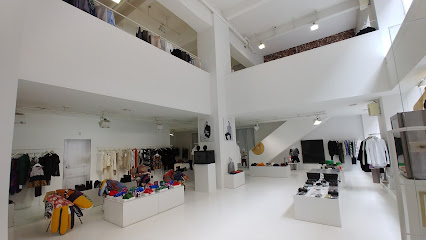
PARK - Concept Store
0.5 km
Discover fashion and style at PARK - Concept Store, where unique clothing, accessories, and perfumes come together in a vibrant atmosphere in Vienna.
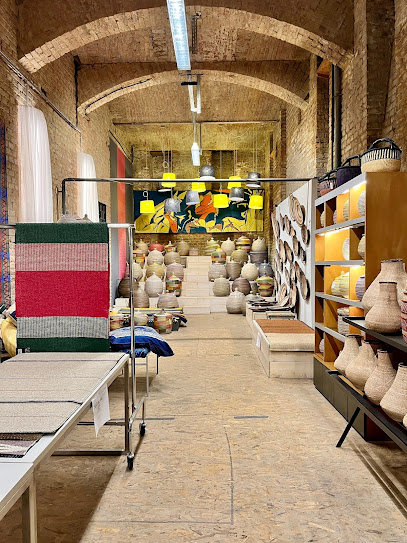
HABARI Design Store
0.5 km
Explore HABARI Design Store in Vienna for unique gifts, local art, and handcrafted treasures that reflect the city's vibrant culture.
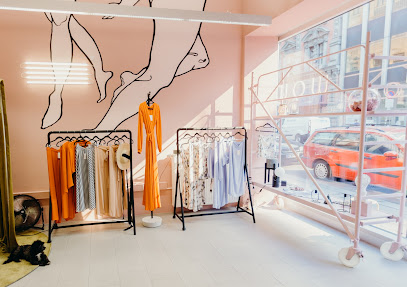
wow. shop
0.5 km
Explore WOW. Shop in Vienna: A Boutique Celebrating Local Artistry and Unique Finds.
SIGHT STORE - Japanese, Scandinavian and Austrian fashion
0.6 km
Discover the perfect blend of Japanese, Scandinavian, and Austrian fashion in Vienna's minimalistic SIGHT STORE, where style meets culture.
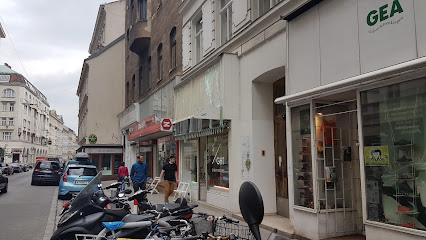
Essential bars & hidden hideouts

Luster Bar
0.1 km
Experience the vibrant nightlife at Luster Bar in Vienna, where delightful drinks and a cozy atmosphere await every visitor.
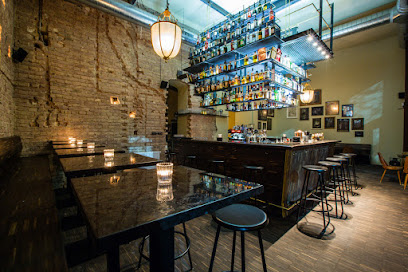
Needle Vinyl Bar 33rpm
0.1 km
Discover the perfect blend of crafted cocktails and vinyl music at Needle Vinyl Bar 33rpm, a must-visit cocktail bar in Vienna.
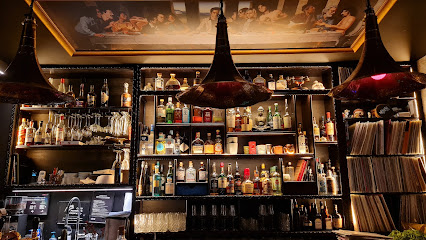
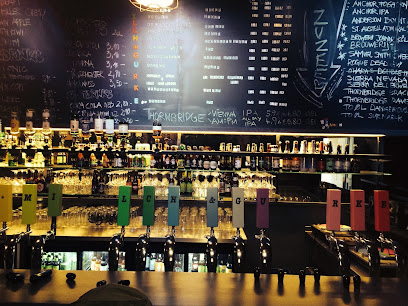
AmmutsØn Craft Beer Dive
0.1 km
Explore the vibrant craft beer scene at AmmutsØn Craft Beer Dive in Vienna, where quality brews meet a lively atmosphere in the heart of the city.
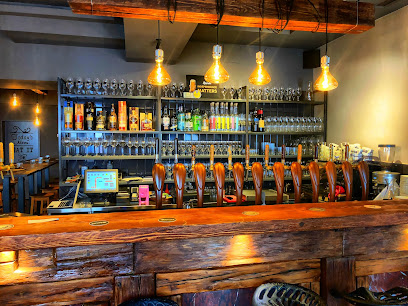
Shamrock Vienna - Irish Pub
0.3 km
Discover the lively charm of Shamrock Vienna, where authentic Irish hospitality meets vibrant local culture in a cozy pub setting.
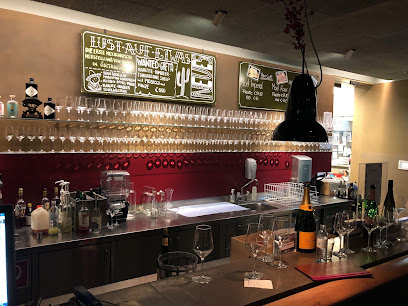
WEIN & CO Wien Mariahilfer Straße – Weinbar & Shop
0.3 km
Discover the perfect blend of fine wines and gourmet bistro cuisine at WEIN & CO Wien Mariahilfer Straße in the heart of Vienna.
St. Art Galerie-Café-Cocktailbar
0.3 km
St. Art Galerie-Café-Cocktailbar: Discover Vienna's vibrant art scene while enjoying exquisite coffee and cocktails in a cozy atmosphere.
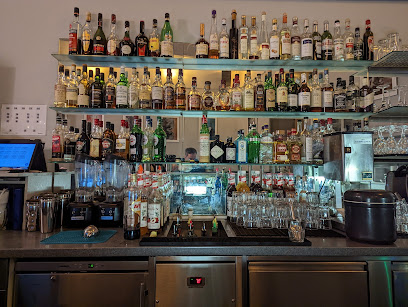
Ganz Wien
0.3 km
Discover the vibrant nightlife of Vienna at Ganz Wien, a local bar offering a diverse drink selection and a cozy atmosphere.
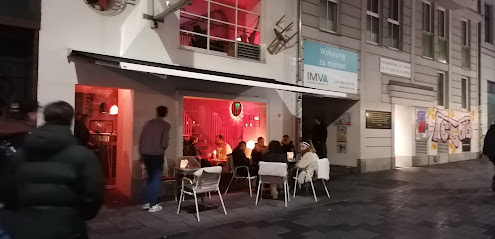
Miranda Bar
0.3 km
Experience the vibrant nightlife at Miranda Bar in Vienna, where delicious cocktails and a chic atmosphere await every visitor.
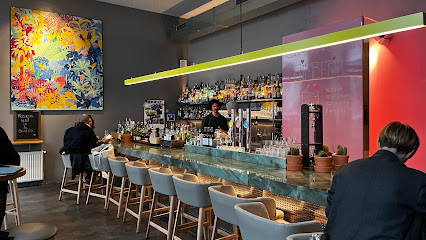
Barfly's
0.4 km
Discover Barfly's, Vienna's upscale cocktail bar known for its innovative drinks and stylish ambiance, perfect for an unforgettable night out.
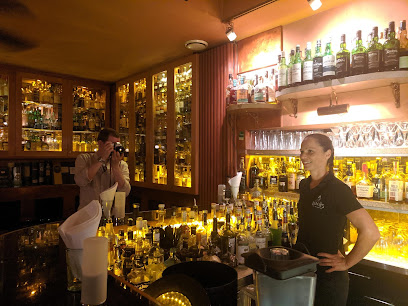
Die Rundbar
0.4 km
Discover Die Rundbar in Vienna: a cozy bar offering an extensive selection of exquisite wines and a charming ambiance for relaxation.
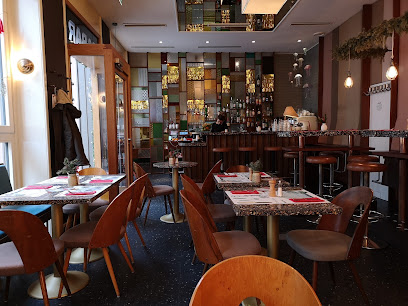
Cocktail lounge - Billiards Café Downstairs
0.5 km
Discover the perfect blend of cocktails and billiards at Billiards Café Downstairs in Vienna's Mariahilf district.
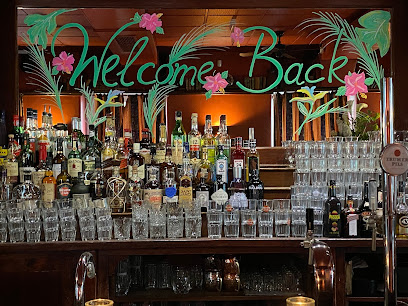
Laurel Leaf Irish Pub Vienna
0.5 km
Discover the vibrant atmosphere and traditional Irish flavors at Laurel Leaf Irish Pub in Vienna, where locals and tourists come together.
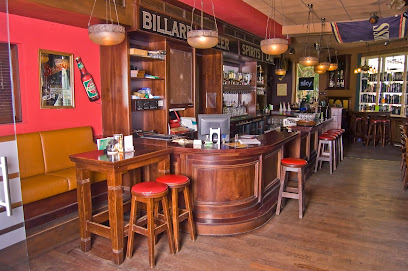
Cocktailbar Meeru
0.5 km
Experience the vibrant nightlife of Vienna at Cocktailbar Meeru, where expertly crafted cocktails and a chic atmosphere await.
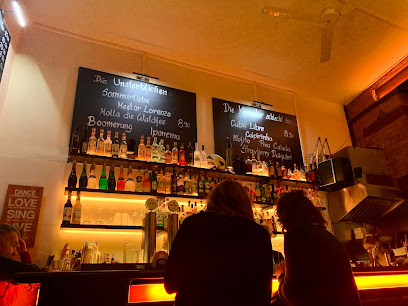
Kreisky
0.6 km
Discover Kreisky in Vienna - a lively bar offering a mix of local charm, vibrant atmosphere, and affordable drinks, perfect for nightlife enthusiasts.
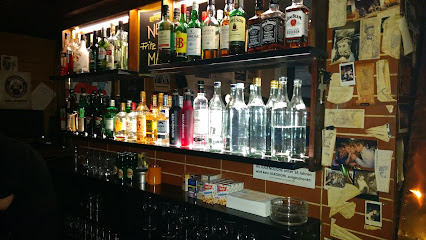
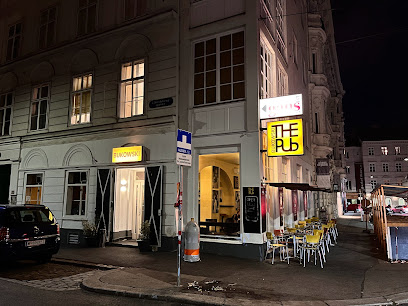
Bukowski The Pub
0.6 km
Discover the lively ambiance and extensive drink selection at Bukowski The Pub, a must-visit bar in Vienna's vibrant Neubau district.
Nightclubs & after hour spots

DOTS the Hidden Club
0.3 km
Discover the energetic nightlife of Vienna at DOTS the Hidden Club, where the rhythm of music meets an unforgettable party atmosphere.
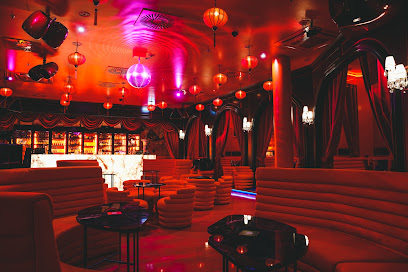
Camera Club
0.3 km
Discover the dynamic nightlife of Vienna at Camera Club, where vibrant beats and themed nights create unforgettable experiences.
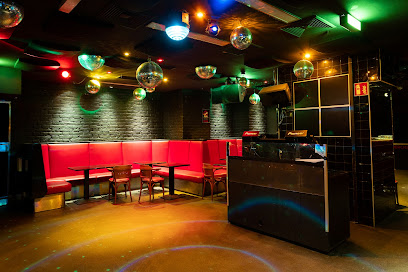
Monaco Bar - Nightclub
0.4 km
Monaco Bar: Discover Vienna's nightlife, where vibrant music, diverse crowds, and unforgettable experiences await you.
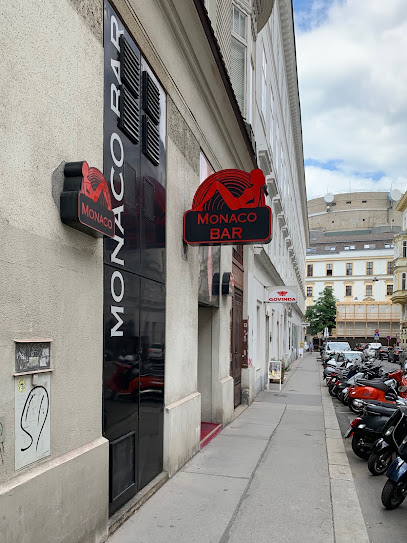
ra'mien Bar
0.6 km
Discover the electrifying nightlife of Vienna at ra'mien Bar, where vibrant cocktails and music create unforgettable experiences.
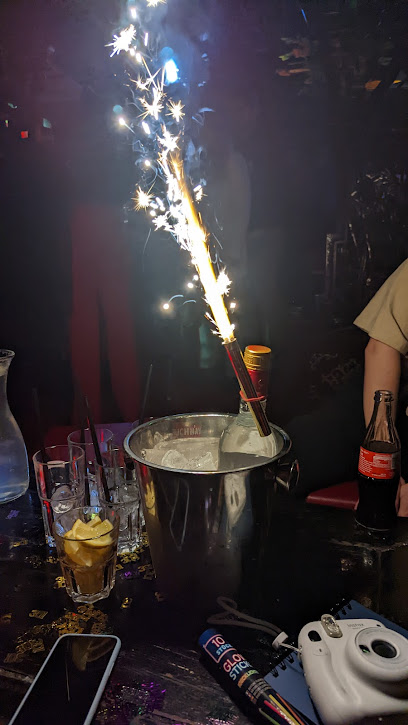
FE-Allee
0.7 km
Experience the vibrant nightlife of Vienna at FE-Allee, where electrifying music and an energetic atmosphere await every visitor.
Night On Stage
0.7 km
Immerse yourself in Vienna's vibrant nightlife at Night On Stage, the city's premier night club for unforgettable music and dancing.
Dual
0.9 km
Discover the pulsating energy of Vienna's nightlife at Dual Night Club, where music, dance, and unforgettable memories come together.
UNIQUEx
1.1 km
Discover the exhilarating nightlife of Vienna at UNIQUEx, where vibrant music and stylish ambiance create unforgettable memories.
O - the club
1.2 km
Experience the vibrant nightlife of Vienna at O - The Club, a premier destination for dancing and socializing in a stylish atmosphere.
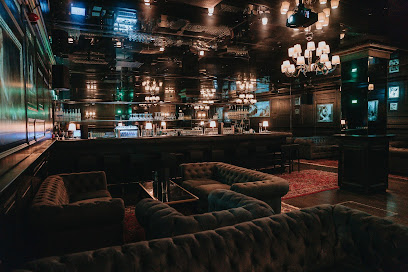
La More Vienna
1.2 km
Experience the vibrant nightlife at La More Vienna, where creative cocktails and a lively atmosphere await every visitor.
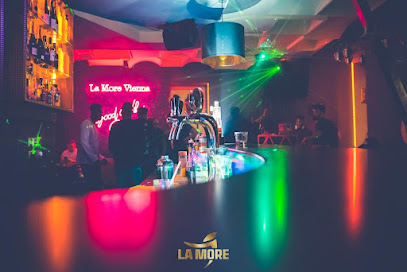
Maxim Wien
1.2 km
Dive into the exhilarating nightlife of Vienna at Maxim Wien, a premier night club known for its vibrant atmosphere and eclectic music scene.
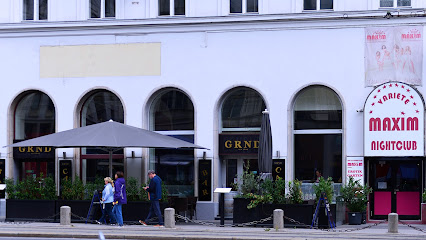
Club U
1.3 km
Dance the night away at Club U, Vienna's vibrant disco club known for its electrifying atmosphere and diverse music selection.
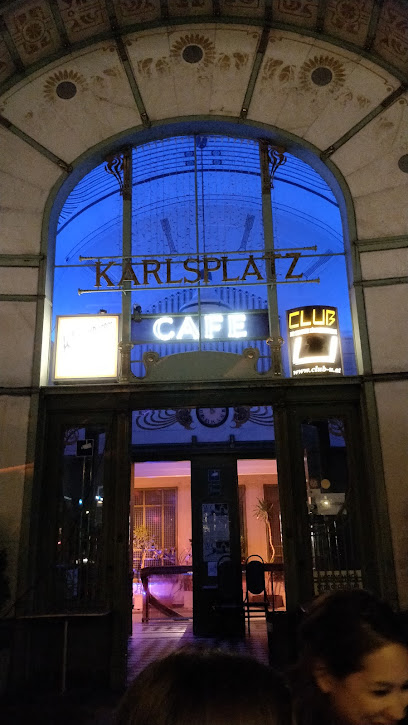
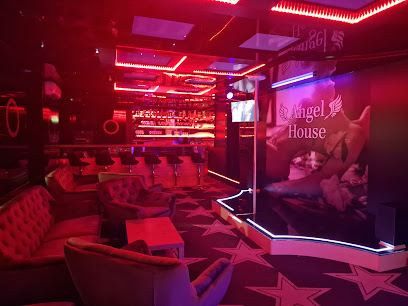
Angel House
1.3 km
Dive into the electrifying nightlife of Vienna at Angel House, a premier night club known for its vibrant atmosphere and fantastic music.
Pub Crawl Vienna
1.3 km
Discover Vienna's pulsating nightlife at Pub Crawl Vienna, where unforgettable nights and vibrant parties await every adventurer.
Palffy Club Nightclub Clubbing Events
1.4 km
Experience the thrill of Vienna's nightlife at Palffy Club, where luxury meets electrifying dance beats in an upscale atmosphere.