

Penzing (Vienna) Travel Guide - Free
Explore Penzing in Vienna with Evendo's free guide. Find the best shops, historic streets, restaurants, and gems on web or mobile.


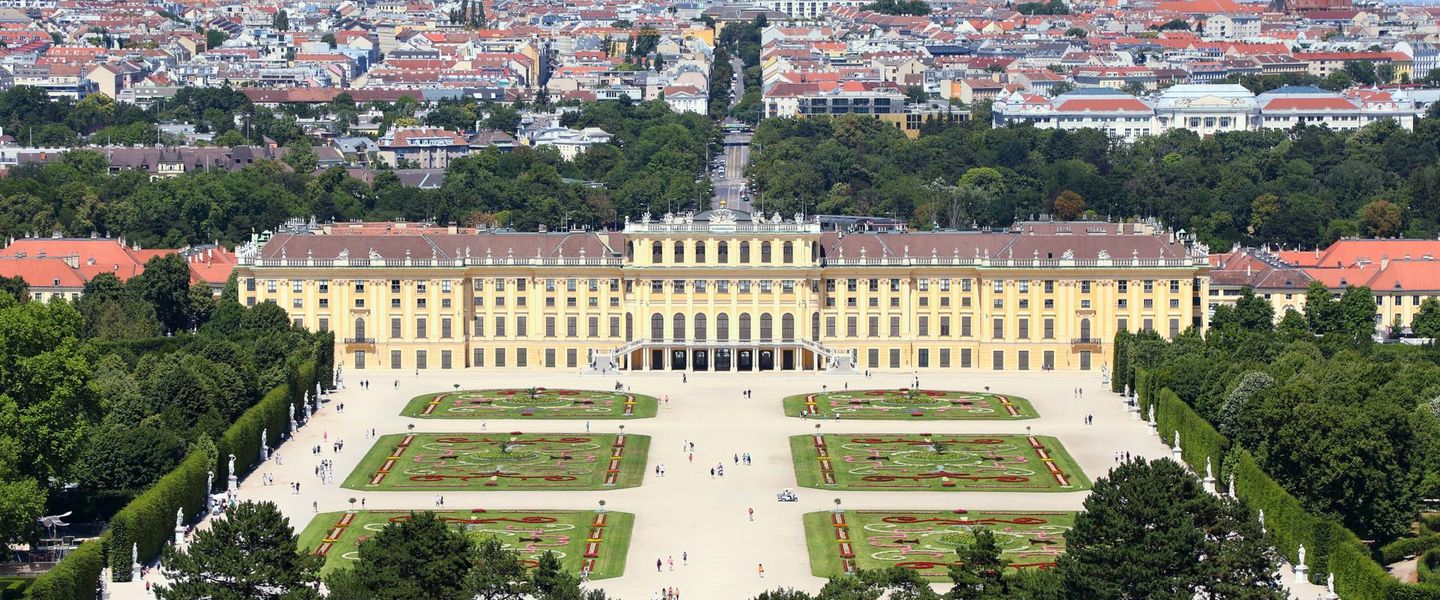


Penzing, Vienna, pairs Otto Wagner architecture, Steinhof’s hilltop church, Westbahn history and green Hütteldorf walks with local city life.
Western Vienna in Layers
Penzing occupies Vienna’s western edge, stretching from the urban streets around Breitensee and Penzing towards the wooded slopes and suburban character of Hütteldorf and Weidlingau. The 14th district is not a single, uniform quarter but a collection of former villages and urban neighbourhoods, each with its own texture. Linzer Straße and Hütteldorfer Straße provide busy commercial spines, while quieter streets around Baumgarten and Penzing retain traces of older village settlement in their churches, low-rise houses and irregular layouts.Read more about Penzing
Otto Wagner and the Western Hills
Everyday District Life
Best attractions in Penzing
Penzing’s attractions range from major museums to hillside architecture and sporting venues. The Vienna Technical Museum presents transport, engineering, communication and industrial technology in an extensive, family-friendly setting on Mariahilfer Straße. On the western heights, Kirche am Steinhof is the district’s defining sight, with Otto Wagner’s geometric architecture, white stone surfaces and gilded dome set against landscaped grounds. In Hütteldorf, the Ernst Fuchs Museum occupies Otto Wagner’s first villa, offering an atmospheric encounter with the artist Ernst Fuchs and the building’s elaborate interiors. Allianz Stadion provides a very different experience as the home ground of SK Rapid Wien, with the surrounding area taking on a strong football identity on match days. Penzing also rewards slower exploration: village-like streets around Baumgarten and Penzing, the Wiental corridor and paths towards the Vienna Woods reveal the district’s gradual transition from countryside to city.
-
Tourist attraction
Schönbrunn Zoo
Explore the world's oldest zoo, a UNESCO World Heritage Site, with over 700 animal species in Vienna's Schönbrunn Palace gardens.
13 min drive · 4.3 km from neighbourhood centre
-
Tourist attraction
Vienna Museum of Science & Technology
Explore Austria's technological achievements through interactive exhibits at Vienna's Museum of Science and Technology. A fascinating journey for all ages!
15 min drive · 5.1 km from neighbourhood centre
-
Tourist attraction
Parade Court Fountains
Experience Baroque splendor at Schönbrunn's Parade Court Fountains. A serene escape into Austria's imperial past amidst stunning gardens and sculptures.
14 min drive · 4.8 km from neighbourhood centre
-
Tourist attraction
Ernst Fuchs-Museum (Otto-Wagner-Villa)
Explore the surreal world of Ernst Fuchs at his museum in Vienna's Otto Wagner Villa, a unique blend of art, architecture, and nature.
17 min walk · 1.4 km from neighbourhood centre


Best landmarks in Penzing
Penzing’s landmarks express the district’s movement from village communities to modern metropolitan infrastructure. Kirche am Steinhof is the most significant architectural monument, designed by Otto Wagner and completed in 1907–08 as part of the Steinhof psychiatric hospital complex; its hillside position and distinctive dome make it visible far beyond the immediate grounds. Otto Wagner’s first villa in Hütteldorf, now the Ernst Fuchs Museum, is another important architectural marker, retaining the domestic scale of the architect’s early work while carrying the later association with Fuchs. The Vienna Technical Museum is a major twentieth-century cultural building on the district’s eastern side, devoted to technological history. Hütteldorf station represents Penzing’s continuing transport role, connecting the Westbahn corridor, the U4 and local services, while the older churches and village structures around Penzing and Baumgarten preserve traces of the settlements absorbed into Vienna.
-
Museum
Ernst Fuchs-Museum (Otto-Wagner-Villa)
Explore the surreal world of Ernst Fuchs within the architectural masterpiece of Otto Wagner's Villa in Vienna.
17 min walk · 1.4 km from neighbourhood centre
-
Castle
Laudon Palace
Discover Laudon Palace: A baroque masterpiece in Vienna with serene gardens, rich history, and imperial legacy.
9 min drive · 2.9 km from neighbourhood centre
-
Heritage museum
Bezirksmuseum 14. Penzing
Discover Penzing's captivating history at this local museum, showcasing artifacts, exhibits, and stories from Vienna's 14th district.
13 min drive · 4.2 km from neighbourhood centre
-
Park
Mauerbachschleuse
Discover Mauerbachschleuse in Vienna: A serene park blending nature, history, and recreation along the Wien River and Wienerwald.
5 min drive · 1.6 km from neighbourhood centre


Explore Penzing on the map
A handpicked selection of must-see spots in Penzing, mapped for you.
Best hotels in Penzing
Best restaurants in Penzing
Penzing’s dining scene is shaped more by everyday local life than by a concentrated restaurant quarter. Along Linzer Straße, Hütteldorfer Straße, Breitenseer Straße and around Hütteldorf, visitors find the familiar Viennese mix of bakeries, coffee houses, small restaurants, takeaway counters and neighbourhood pubs. Traditional Austrian dishes appear alongside Italian, Balkan, Turkish and other central European influences, reflecting the practical, mixed character of western Vienna. Bakeries are useful for a quick breakfast or a simple snack, while cafés provide a slower setting for coffee and cake away from the central tourist routes. The area around Allianz Stadion becomes particularly food-oriented on football days, although options and crowd levels vary with fixtures. Penzing is not primarily a destination for elaborate fine dining; its appeal lies in accessible local establishments, ordinary Viennese eating habits and the chance to dine among residents rather than in a purpose-built visitor district.
-
Asian
Yume
Discover the essence of Asian cuisine at Yume in Vienna - where tradition meets innovation in every dish.
8 min walk · 0.6 km from neighbourhood centre
-
Greek
Odysseus Restaurant
Experience authentic Greek flavors at Odysseus Restaurant in Vienna, where Mediterranean delights meet warm hospitality.
13 min drive · 4.2 km from neighbourhood centre
-
Austrian
Restaurant Musil
Experience authentic Austrian cuisine at Restaurant Musil in Vienna—where tradition meets flavor in every dish.
10 min drive · 3.3 km from neighbourhood centre
-
Restaurant
Prilisauer Wiener Restaurant & Bierschank
Savor traditional Viennese flavors at Prilisauer Wiener Restaurant & Bierschank - a true gem in Vienna's culinary scene.
8 min walk · 0.6 km from neighbourhood centre


Best bars in Penzing
Penzing is comparatively restrained after dark, with its evening life centred on local pubs, cafés, restaurants and the social rhythm of residential streets rather than a dense nightclub scene. Hütteldorf has the district’s strongest event atmosphere because of Allianz Stadion, where football fixtures bring supporters and informal gatherings to the surrounding streets and transport interchange. Elsewhere, neighbourhood bars along the main roads offer straightforward places for a drink, but the district does not have the late-night concentration associated with Vienna’s inner districts. Cultural evenings are more likely to involve a museum event, a meal or a local gathering than a large club night. Visitors seeking central Vienna’s broader selection of cocktail bars, concert venues and nightclubs will generally need to travel beyond Penzing, while those staying locally can expect a quieter, community-oriented evening atmosphere and should be considerate of residents when returning late.
-
Blues club
REIGEN LIVE
Discover the vibrant atmosphere of REIGEN LIVE, Vienna’s premier venue for blues, jazz, and world music, complemented by delicious dining options.
12 min drive · 4.1 km from neighbourhood centre
-
Bar
Rekordmeisterbar
Discover the vibrant atmosphere of Rekordmeisterbar in Penzing, Vienna, where local culture meets a lively bar experience.
14 min walk · 1.1 km from neighbourhood centre
-
Bar
Hüttelbeach
Experience Vienna's vibrant nightlife at Hüttelbeach, a beach-themed bar offering unique cocktails and a cozy atmosphere for relaxation.
11 min walk · 0.9 km from neighbourhood centre
-
Irish pub
The Twins (irish) Pub Wien
Discover the vibrant atmosphere and authentic Irish cuisine at The Twins Pub in Vienna, a perfect blend of culture and comfort.
7 min drive · 2.2 km from neighbourhood centre


Best nightclubs in Penzing
Penzing is comparatively restrained after dark, with its evening life centred on local pubs, cafés, restaurants and the social rhythm of residential streets rather than a dense nightclub scene. Hütteldorf has the district’s strongest event atmosphere because of Allianz Stadion, where football fixtures bring supporters and informal gatherings to the surrounding streets and transport interchange. Elsewhere, neighbourhood bars along the main roads offer straightforward places for a drink, but the district does not have the late-night concentration associated with Vienna’s inner districts. Cultural evenings are more likely to involve a museum event, a meal or a local gathering than a large club night. Visitors seeking central Vienna’s broader selection of cocktail bars, concert venues and nightclubs will generally need to travel beyond Penzing, while those staying locally can expect a quieter, community-oriented evening atmosphere and should be considerate of residents when returning late.
-
Disco club
U4 Vienna
Experience the electrifying nightlife at U4 Vienna, a premier disco club where unforgettable memories are made amidst pulsating beats and vibrant crowds.
18 min drive · 6.0 km from neighbourhood centre
-
Disco club
Cafe Dance Club U3
Dive into the vibrant nightlife of Vienna at Cafe Dance Club U3, where great music and an electric atmosphere await every visitor.
14 min drive · 4.7 km from neighbourhood centre
-
Night club
Studio La Chica Lounge
Experience Vienna's vibrant nightlife at Studio La Chica Lounge, a premier night club in the heart of Penzing, offering great music and lively atmosphere.
8 min drive · 2.6 km from neighbourhood centre
-
Night club
Flight Club Event GmbH
Dive into Vienna's nightlife at Flight Club Event GmbH, where energetic music and vibrant crowds create unforgettable nights.
7 min drive · 2.2 km from neighbourhood centre



Best shops in Penzing
Shopping in Penzing is practical, local and spread along several main roads rather than concentrated in a single destination market. Linzer Straße, Hütteldorfer Straße and Breitenseer Straße provide everyday retail, including bakeries, food shops, pharmacies, cafés, clothing stores and small specialist businesses. Around Penzing and Hütteldorf, independent retailers sit alongside the ordinary services of a long-established residential district, making the area useful for provisions and contemporary urban essentials rather than souvenir hunting. Visitors interested in local food culture should look to bakeries, delicatessens and small grocery shops for Austrian breads, pastries and regional products, while the district’s international businesses reflect the wider commercial character of Vienna. Large-scale shopping is better served by central Vienna or neighbouring districts, and Penzing’s appeal lies in observing how residents shop, eat and use the high streets rather than in a tightly defined boutique scene.
-
Sports memorabilia store
Official Fan Shop of SK Rapid Wien
Explore the Official Fan Shop of SK Rapid Wien in Vienna – a treasure trove of sports memorabilia and a celebration of football heritage.
14 min walk · 1.1 km from neighbourhood centre
-
Art supply store
A. Grabner & Co OG decoration shop
Discover a treasure trove of art supplies and decorative items at A. Grabner & Co OG, a must-visit destination for creativity in Vienna.
8 min drive · 2.8 km from neighbourhood centre
-
Souvenir store
Museum Shop
Explore the exquisite Museum Shop at Schönbrunn Palace for unique souvenirs and gifts that embody the charm of Vienna's imperial history.
15 min drive · 4.9 km from neighbourhood centre
-
Gift shop
Flying Tiger Copenhagen
Explore a vibrant gift shop in Vienna, offering unique and affordable items that spark joy and creativity for all ages.
8 min drive · 2.5 km from neighbourhood centre


Penzing essentials
Getting There
Getting Around
Safety
Emergency Situations
Do's and Don'ts
Local Tips

From Eve
Local phrases worth knowing
You don't need to get them perfect. A few words go a long way, and locals appreciate the effort.
Basics
| English | Local | Say it |
|---|---|---|
| Hello | Servus | [ser-voos] |
| Goodbye | Auf Wiedersehen | [owf vee-der-zay-en] |
| Yes | Ja | [yah] |
| No | Nein | [nine] |
| Please/You're welcome | Bitte | [bit-teh] |
| Thank you | Danke | [dahn-keh] |
| Excuse me/Sorry | Entschuldigung | [ent-shool-dee-goong] |
| How are you? | Wie geht es dir? | [vee gayt es deer] |
| Fine. And you? | Gut. Und dir? | [goot oont deer] |
| Do you speak English? | Sprechen Sie Englisch? | [shpre-khen zee eng-leesh] |
| I don't understand | Ich verstehe nicht | [ikh fer-shtay-eh nikht] |
Eating & Drinking
| English | Local | Say it |
|---|---|---|
| I'd like to see the menu, please | Ich hätte gerne die Speisekarte, bitte | [ikh het-eh gehr-neh dee shpy-zeh-kar-teh, bit-teh] |
| I don't eat meat | Ich esse kein Fleisch | [ikh ess-eh kine flysh] |
| Cheers! | Prost! | [prohst] |
| I would like to pay, please | Ich möchte bitte zahlen | [ikh mohkh-teh bit-teh tsah-len] |
Emergencies
| English | Local | Say it |
|---|---|---|
| Help! | Hilfe! | [hil-feh] |
| Go away! | Geh weg! | [geh vehg] |
| Call the Police! | Rufen Sie die Polizei! | [roo-fen zee dee po-lee-tsai] |
| Call a doctor! | Rufen Sie einen Arzt! | [roo-fen zee i-nen artsht] |
| I'm lost | Ich habe mich verirrt | [ikh hah-beh meekh feh-rirt] |
| I'm ill | Mir ist schlecht | [meer ist sh-lekht] |
Shopping
| English | Local | Say it |
|---|---|---|
| I'd like to buy... | Ich möchte kaufen... | [ikh mohkh-teh kow-fen] |
| I'm just looking | Ich schaue nur | [ikh sh-ow-eh noor] |
| How much is it? | Wie viel kostet es? | [vee feel kohs-teht es] |
| That's too expensive | Das ist zu teuer | [dahs ist tsoo toy-er] |
| Can you lower the price? | Können Sie den Preis senken? | [kern-en zee den prees zehn-ken] |
Time & Numbers
| English | Local | Say it |
|---|---|---|
| What time is it? | Wie spät ist es? | [vee shpeht ist es] |
| It's one o'clock | Es ist ein Uhr | [es ist iyn oor] |
| Half past (10) | Halb zehn | [halb tsayn] |
| Morning | Morgen | [mohr-ghen] |
| Afternoon | Nachmittag | [nahkh-mit-tahk] |
| Evening | Abend | [ah-bent] |
| Yesterday | Gestern | [geh-stern] |
| Today | Heute | [hoi-teh] |
| Tomorrow | Morgen | [mohr-ghen] |
| 1 | Eins | [iyns] |
| 2 | Zwei | [tsvai] |
| 3 | Drei | [drei] |
| 4 | Vier | [feer] |
| 5 | Fünf | [fuhnf] |
| 6 | Sechs | [zeks] |
| 7 | Sieben | [zee-ben] |
| 8 | Acht | [ahkht] |
| 9 | Neun | [noyn] |
| 10 | Zehn | [tsayn] |
Transport & Directions
| English | Local | Say it |
|---|---|---|
| Where's a/the...? | Wo ist ein/der...? | [vo ist iyn/dehr] |
| What's the address? | Wie ist die Adresse? | [vee ist dee ah-dreh-suh] |
| Can you show me (on the map)? | Können Sie mir das zeigen (auf der Karte)? | [kern-en zee meer dahs tsie-gen (owf dehr kar-teh)] |
| When's the next (bus)? | Wann kommt der nächste (Bus)? | [vahn kohmt dehr neh-khsteh (boos)] |
| A ticket (to ....) | Eine Fahrkarte (nach ....) | [iyn-eh fahr-kahr-teh (nahkh)] |
History of Penzing
Villages Along the Wien River
Penzing developed from several settlements west of Vienna, including Penzing, Baumgarten, Breitensee, Hütteldorf and Weidlingau. Penzing is recorded in medieval documents, and the settlement’s name is generally associated with a personal name such as Penzo. For centuries these communities combined farming, vineyards, small crafts and local trade, remaining distinct villages beyond Vienna’s historic walls. Their older parish churches, village centres and irregular street patterns still provide clues to this pre-urban landscape, particularly around Penzing and Baumgarten.
Railways and Urban Expansion
The opening of the Imperial and Royal Western Railway in 1858 transformed the area by connecting Vienna with the railway corridor leading westwards. Stations and improved roads encouraged industry, commuting and denser housing, while the Wien River corridor became increasingly shaped by infrastructure and urban engineering. In 1892, Penzing and the neighbouring settlements were incorporated into Vienna, taking part in the city’s rapid expansion beyond its older built-up districts. The resulting urban fabric combines village remnants with late nineteenth-century streets, tenements and transport routes.
Otto Wagner’s Social Architecture
The western hills became the setting for one of Vienna’s most ambitious municipal projects: the large psychiatric hospital complex at Steinhof, constructed in the early twentieth century. Otto Wagner designed the Kirche am Steinhof, completed in 1907–08, as its central church, giving the hillside a landmark whose geometric design, white stone and gilded details reflected the period’s modernist aspirations. The complex represented a new approach to institutional planning, with separated pavilions, landscaped grounds and specialised facilities rather than a single monumental block.
The District in Modern Vienna
Penzing’s present character took shape through the twentieth century as former villages were absorbed into a continuous western urban district. Hütteldorf became an important transport interchange, while the Westbahn and local tram connections supported daily commuting and commercial growth. The opening of the Vienna Technical Museum in 1995 gave the eastern part of the district a major educational and cultural institution. Today Penzing remains a mixed residential district, balancing busy arterial roads and sporting activity with historic architecture, institutional landscapes and access to the Vienna Woods.
Penzing in Photos
Browse through our photo collection highlighting the charm and character of the destination.
Neighbourhoods near Penzing
The closest neighbourhoods to Penzing, if you have time for more than one stop.
-

-

-

-

-


Swipe for more neighbourhoods
Explore more

Explore more of Vienna
Vienna blends imperial palaces, classical music, grand coffeehouses and contemporary culture in Austria’s elegant capital, rich in history, art and architecture.
Explore Vienna