

Goygol National Park Travel Guide - Free Web & App
Your ultimate guide to Goygol National Park. Discover top landmarks, proposed trips, and local tips. Free on the web or via the Evendo companion app.


Goygol National Park, Azerbaijan, combines Lake Goygol, Lesser Caucasus forests, alpine scenery, wildlife, hiking and German heritage near Ganja.
Mountain Lakes and Forested Slopes
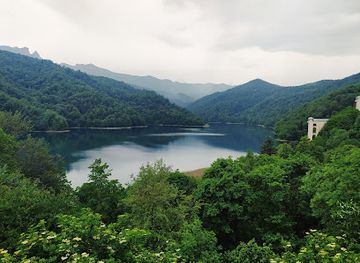
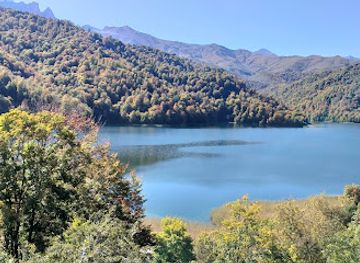
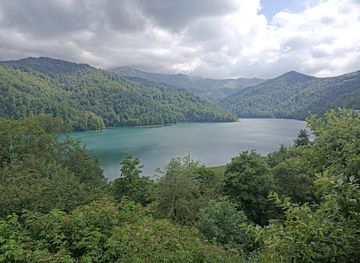
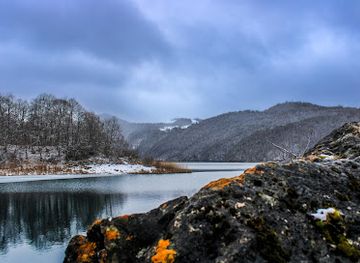
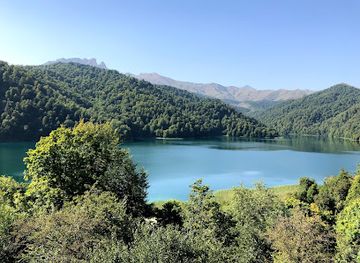
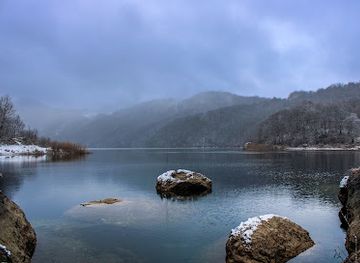
Goygol National Park lies in western Azerbaijan, in the Lesser Caucasus south of Ganja. Its landscape rises through wooded mountain slopes and open highland scenery, with Lake Goygol as its defining feature. The lake occupies a basin associated with the major earthquake that struck the region in 1139, and its clear waters are framed by steep, forested mountains. Smaller lakes, including Maralgol, add to the park's varied character, although access conditions can differ between sites.Read more about Goygol National Park
A Protected Highland Landscape
German Heritage Near the Park
When is the best time to visit Goygol National Park?
Best: May–June, September · 22–28°C| Month | High (°C) | Rainfall (mm) |
|---|---|---|
| January | 4 | 31 |
| February | 5 | 28 |
| March | 10 | 24 |
| April | 17 | 15 |
| May (best) | 22 | 12 |
| June (best) | 28 | 7 |
| July | 32 | 9 |
| August | 31 | 9 |
| September (best) | 26 | 13 |
| October | 20 | 20 |
| November | 12 | 26 |
| December | 7 | 31 |
Getting to and around Goygol National Park
How to get there
Transportation
Best attractions in Goygol National Park
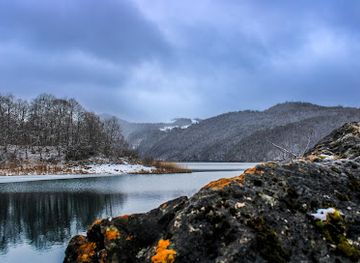
Lake Goygol is the principal attraction of the national park, occupying a dramatic mountain basin surrounded by forested slopes and highland scenery. Its clear water and changing reflections make the lakeside a natural focus for photography and quiet walks. Maralgol, another recognised lake within the park, offers a more secluded mountain setting, although access can be more dependent on roads, weather and local permissions. The surrounding forests, streams and meadows provide opportunities for landscape observation and nature-focused outings rather than intensive commercial entertainment. Göygöl town, just outside the core natural landscape, adds a cultural dimension through its history as Helenendorf, the former Swabian German settlement. Ganja, the main regional gateway, is useful for combining a national-park visit with museums, historic architecture and broader Azerbaijani urban life. Because the park covers a sizeable mountain area, visitors should distinguish between individual lakes, access roads and walking areas rather than expecting all attractions to be reached from one short route.
-
Lake
Lake Göygöl
Discover Lake Göygöl: Azerbaijan's breathtaking alpine jewel with crystal-clear waters, stunning mountain views, and rich history.
-
Hiking area
Goygol
Discover the pristine beauty of Goygol, Azerbaijan's 'Blue Lake,' nestled in the Caucasus Mountains, offering breathtaking scenery, hiking trails, and a tranquil escape into nature.
Explore Goygol National Park on the map
Plan your trip on one map. See where the top attractions, landmarks, restaurants and hotels are, and book hotels and experiences in a few clicks.
Best hotels in Goygol National Park
Best restaurants in Goygol National Park
Dining within Goygol National Park is limited compared with the options in nearby Ganja, and visitors planning a full day in the mountains should not rely on finding a restaurant at every lake or trailhead. Ganja offers the broadest choice of Azerbaijani cooking, including plov, kebabs, qutab, fresh salads, soups and tea, while small cafés and family-run establishments in Göygöl town provide a closer base before or after visiting the park. Regional produce, fruit, dairy products and locally influenced wine traditions reflect the agricultural history of the foothills and the former German settlement of Helenendorf. Rural eateries and roadside stops may be informal, with menus and payment facilities varying by location. Picnic food can be practical, but all waste should be removed from the protected area and visitors should follow any restrictions on eating or fires near the lakes.
-
Restaurant
Qala Dibi Restaurant
Experience authentic Azerbaijani cuisine amidst nature's beauty at Qala Dibi Restaurant in Goygol.
-
Restaurant
GÖYGÖL MEHMANXANA
Experience authentic Azerbaijani cuisine amidst breathtaking landscapes at Göygöl Mehmanxana.
-
Restaurant
Böyük İsgəndər restoranı
Experience authentic Azerbaijani cuisine at Böyük İsgəndər Restaurant in Goygol - where every dish tells a story.
-
Restaurant
Gilavar restoranı
Experience authentic Azerbaijani cuisine amidst stunning natural beauty at Gilavar Restoranı in Goygol.
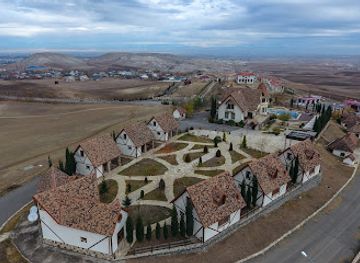
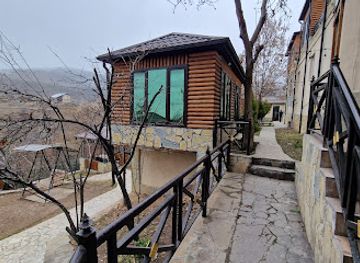
Best bars in Goygol National Park
Goygol National Park has no established nightlife district and evenings are generally quiet once visitors leave the mountain roads. The most authentic evening setting is likely to be a traditional café, family-run restaurant or hotel dining room in Ganja or Göygöl town, where tea, conversation and regional food are more characteristic than late-night clubbing. Ganja, as the larger nearby city, provides the area's wider selection of cafés and evening venues, while Göygöl offers a smaller-town atmosphere connected with the surrounding countryside and German-settler history. Visitors staying in rural accommodation should expect darkness and limited late transport rather than a programme of entertainment. Seasonal community events may occur in the wider region, but schedules and venues should be confirmed locally rather than assumed.
-
National park
Goygol National Park
Discover Goygol National Park, Azerbaijan's gem of nature filled with stunning landscapes, diverse wildlife, and serene lakes perfect for relaxation and adventure.
-
Lake
Lake Göygöl
Explore the serene beauty of Lake Göygöl, a stunning natural attraction in Azerbaijan, perfect for adventure and relaxation.
-
 Restaurant
Goy Gol Lake Resort
Experience the breathtaking beauty of Goy Gol Lake Resort, where nature and luxury meet in a tranquil setting perfect for relaxation and adventure.
-
Hiking area
Goygol
Experience breathtaking views and adventure in Goygol, Azerbaijan's premier hiking destination, where nature's beauty awaits.
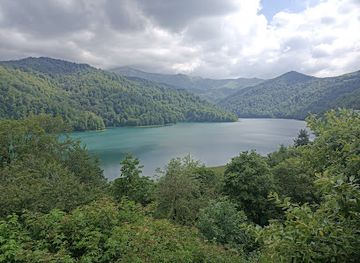
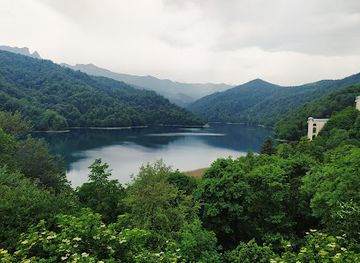

Best nightclubs in Goygol National Park
Goygol National Park has no established nightlife district and evenings are generally quiet once visitors leave the mountain roads. The most authentic evening setting is likely to be a traditional café, family-run restaurant or hotel dining room in Ganja or Göygöl town, where tea, conversation and regional food are more characteristic than late-night clubbing. Ganja, as the larger nearby city, provides the area's wider selection of cafés and evening venues, while Göygöl offers a smaller-town atmosphere connected with the surrounding countryside and German-settler history. Visitors staying in rural accommodation should expect darkness and limited late transport rather than a programme of entertainment. Seasonal community events may occur in the wider region, but schedules and venues should be confirmed locally rather than assumed.
-
National park
Goygol National Park
Experience the stunning landscapes and diverse wildlife of Goygol National Park, a must-visit destination for nature lovers in Azerbaijan.
-
Hotel
Goy Gol Lake Resort
Experience the tranquility of Goy Gol Lake Resort, where nature meets comfort in the heart of Azerbaijan's stunning landscapes.
-
Hiking area
Goygol
Explore Goygol: A Natural Gem in Azerbaijan with Stunning Lakes and Scenic Hiking Trails for Nature Lovers and Adventurers.

Best shops in Goygol National Park
Shopping inside Goygol National Park is very limited, so visitors should obtain essentials in Ganja or Göygöl town before heading into the mountains. Ganja has the region's broader retail range, including food shops, markets, crafts and practical outdoor supplies, while Göygöl town is more useful for basic provisions and locally connected products. Regional purchases may include dried fruit, preserves, honey, dairy products, seasonal produce, wine and small handmade items, although selection varies and not every product is available at all times. The area's German-settler heritage is particularly associated with agriculture and winemaking, but visitors should distinguish genuine local producers from generic souvenirs. Markets and small shops may prefer cash in Azerbaijani manat, and packaging should be carried away rather than discarded in the protected landscape.
-
National park
Goygol National Park
Explore the breathtaking landscapes and serene beauty of Goygol National Park - a true natural wonder in Azerbaijan.
-
Hiking area
Goygol
Explore Goygol: A breathtaking hiking area in Azerbaijan with stunning landscapes and a serene lake, perfect for nature lovers and outdoor adventures.
Get your free copy of our complete guide to Goygol National Park, delivered straight to you.
Everything on this page, from attractions and restaurants to essentials and local phrases, in one PDF you can read offline, print or share.
Already have an account? Sign in
Your Goygol National Park guide is ready.
We'll send it to · Not you? Sign out

Getting your guide ready…
We are putting together a fresh copy of the Goygol National Park guide. This can take up to a minute.
This can take a few moments. If your browser asks, choose Allow so the download can start. You'll find the guide in your Downloads folder.
Nothing happened? Download it again
Sorry, the guide is taking longer than usual. Please try again in a minute, or get it by email instead.
Goygol National Park essentials
Currency and Payment
Safety
Emergency Situations
Do's and Don'ts
Local Tips
From Eve
Local phrases worth knowing
You don't need to get them perfect. A few words go a long way, and locals appreciate the effort.
Basics
| English | Local | Say it |
|---|---|---|
| Hello | Salam | [sah-lahm] |
| Goodbye | Sag ol | [sahg ohl] |
| Yes | Bəli | [beh-lee] |
| No | Xeyr | [khayr] |
| Please/You're welcome | Xahiş edirəm | [khah-heesh eh-dee-rehm] |
| Thank you | Təşəkkür edirəm | [teh-sheh-kur eh-dee-rehm] |
| Excuse me/Sorry | Bağışlayın | [bah-ghush-lah-yuhn] |
| How are you? | Necəsən? | [neh-jeh-suhn] |
| Fine. And you? | Yaxşıyam. Sən? | [yahkh-shuh-yahm. sahn?] |
| Do you speak English? | İngilis dilində danışırsınız? | [een-gee-lees dee-leen-deh dah-nuh-shuhr-suh-nuhz?] |
| I don't understand | Anlamıram | [ahn-lah-muh-rahm] |
Eating & Drinking
| English | Local | Say it |
|---|---|---|
| I'd like to see the menu, please | Zəhmət olmasa menyunu görmək istəyirəm | [zuhm-uh-t ol-mah-sah mehn-yoo-noo guhr-mehk ees-teh-yee-ruhm] |
| I don't eat meat | Mən ət yemirəm | [muhn aht yeh-mee-ruhm] |
| Cheers! | Sağ olun! | [sahg oh-loon] |
| I would like to pay, please | Ödəmək istəyirəm, zəhmət olmasa | [uh-deh-mehk ees-teh-yee-ruhm, zuh-muh-t ol-mah-sah] |
Emergencies
| English | Local | Say it |
|---|---|---|
| Help! | Kömək! | [kuh-muhk] |
| Go away! | Get! | [get] |
| Call the Police! | Polisi çağırın! | [poh-lee-see chah-ghuh-ruhn] |
| Call a doctor! | Həkim çağırın! | [heh-keem chah-ghuh-ruhn] |
| I'm lost | İtirəm | [ee-tee-rehm] |
| I'm ill | Xəstəyəm | [khuh-stuh-yuhm] |
Shopping
| English | Local | Say it |
|---|---|---|
| I'd like to buy... | Almaq istəyirəm... | [ahl-mahk ees-teh-yee-ruhm] |
| I'm just looking | Sadəcə baxıram | [sah-deh-jeh bah-kuh-rahm] |
| How much is it? | Nə qədərdir? | [neh guh-deh-rdeer] |
| That's too expensive | Çox bahadır | [choh bah-ha-duhr] |
| Can you lower the price? | Qiyməti azaltmaq olar? | [kee-muh-tee ah-zahlt-mahk oh-lahr] |
Time & Numbers
| English | Local | Say it |
|---|---|---|
| What time is it? | Saat necədir? | [saht neh-jeh-deer] |
| It's one o'clock | Bir saatdir | [beer saht-deer] |
| Half past (10) | Onun yarısı | [oh-noon yah-ruh-suh] |
| Morning | Səhər | [suh-hehr] |
| Afternoon | Günorta | [goon-ohr-tah] |
| Evening | Axşam | [ahk-shahm] |
| Yesterday | Dünən | [doo-nehn] |
| Today | Bu gün | [boo goon] |
| Tomorrow | Sabah | [sah-bah] |
| 1 | Bir | [beer] |
| 2 | İki | [ee-kee] |
| 3 | Üç | [ooch] |
| 4 | Dörd | [durrd] |
| 5 | Beş | [behsh] |
| 6 | Altı | [ahl-tuh] |
| 7 | Yeddi | [yehd-dee] |
| 8 | Səkkiz | [sehk-keez] |
| 9 | Doqquz | [dohk-kooz] |
| 10 | On | [ohn] |
Transport & Directions
| English | Local | Say it |
|---|---|---|
| Where's a/the...? | ... haradadır? | [... hah-rah-dah-deer] |
| What's the address? | Ünvan nədir? | [oon-vahn neh-deer] |
| Can you show me (on the map)? | Mənə göstərə bilərsiniz? | [muh-nuh guh-stuh-ruh bee-luhr-suh-nuhz] |
| When's the next (bus)? | Növbəti (avtobus) neçədən gedir? | [nuhv-beh-tee (ahv-toh-boos) neh-jeh-den guh-deer] |
| A ticket (to ....) | Bir bilet (....a) | [beer bee-leht (ah)] |
History of Goygol National Park
The Formation of Lake Goygol
Lake Goygol occupies a mountain basin in the Lesser Caucasus and is traditionally linked to the powerful earthquake that struck Ganja and its surrounding region in 1139. Landslides triggered by the earthquake are widely associated with the creation of the natural barrier that impounded the lake. The event belongs to geological and natural history rather than to the later human history of the area, but it explains why the lake sits in a steep, enclosed landscape. The surrounding mountains, forests and smaller lakes developed as part of the wider highland environment shaped by erosion, water and changing climate.
Early Settlement and Mountain Land Use
The mountains around present-day Goygol were used within the wider cultural landscape of western Azerbaijan long before the modern national park was created. Communities in the region adapted to a varied environment of valleys, forested slopes and upland pastures, combining agriculture and animal husbandry with the use of mountain resources. Ganja, one of the historic centres of the surrounding area, connected the highlands with regional trade and political life. The lakes themselves remained primarily natural landmarks, while settlement concentrated more readily in the accessible valleys and foothills.
Helenendorf and Swabian German Heritage
In 1819, Swabian German settlers founded Helenendorf in the area now associated with Göygöl town after being invited to settle in the Russian Empire's South Caucasus territories. The community became known for farming, viticulture and wine production, leaving a cultural and architectural legacy in the surrounding countryside. Although the German population later declined and was deported during the Second World War, elements of this history remain important to the identity of Göygöl and the wider region. The town's past gives visitors a human and agricultural context for the mountain landscape.
From Protected Forest to National Park
The area around Lake Goygol was first protected as a nature reserve during the Soviet period, reflecting concern for its forests, mountain ecosystems and scenic lakes. In 2008, Goygol National Park was established, bringing a broader protected-area approach to the landscape. National park status placed greater emphasis on conserving habitats while allowing regulated recreation and nature-based tourism. The park's modern identity therefore combines an older tradition of landscape protection with contemporary efforts to manage access, preserve biodiversity and introduce visitors to the Lesser Caucasus without treating the lakeside environment as an urban resort.
Goygol National Park in Photos
Browse through our photo collection highlighting the charm and character of the destination.
Neighbouring destination travel guides
The closest destinations to Goygol National Park, if you have time for more than one.
-

-

-
-
-


Swipe for more destinations
Explore more

Explore more of Lesser Caucasus
Explore Azerbaijan’s Lesser Caucasus for forested mountains, Göygöl’s lakes, mineral springs, historic villages and rewarding highland journeys.
Explore Lesser Caucasus
Explore more of Azerbaijan
Discover Azerbaijan: A captivating blend of ancient heritage, stunning natural landscapes, and vibrant modernity at the crossroads of Europe and Asia.
Explore Azerbaijan