

Lake Sevan Travel Guide - Free Web & App
Your ultimate guide to Lake Sevan. Discover top landmarks, proposed trips, and local tips. Free on the web or via the Evendo companion app.


Lake Sevan, Armenia’s largest alpine lake, offers Sevanavank, Noratus, beaches, monasteries, mountain landscapes, and local culture, with practical travel.
A Mountain Lake Above the Ararat Plain
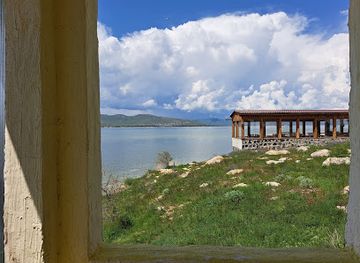
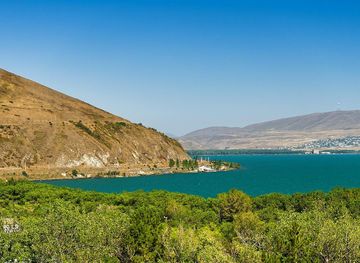
Lake Sevan occupies a vast, elevated basin in central-eastern Armenia, roughly 1,900 metres above sea level and surrounded by the Sevan, Gegham, Areguni and Vardenis mountain ranges. Often described as Armenia’s inland sea, it is one of the largest high-altitude freshwater lakes in the Caucasus and a defining feature of the country’s geography. Its broad blue horizon, rocky shores, grassy uplands and changing mountain light create a landscape that feels distinctly different from the dry valleys and volcanic plateaux elsewhere in Armenia.Read more about Lake Sevan
Monasteries, Villages and Shoreline Landscapes
Water, Wildlife and Local Life
When is the best time to visit Lake Sevan?
Best: June–July, September · 25–30°C| Month | High (°C) | Rainfall (mm) |
|---|---|---|
| January | 1 | 15 |
| February | 2 | 12 |
| March | 9 | 11 |
| April | 15 | 9 |
| May | 21 | 8 |
| June (best) | 26 | 6 |
| July (best) | 30 | 5 |
| August | 30 | 6 |
| September (best) | 25 | 8 |
| October | 19 | 10 |
| November | 11 | 12 |
| December | 5 | 15 |
Getting to and around Lake Sevan
How to get there
Transportation
Best attractions in Lake Sevan
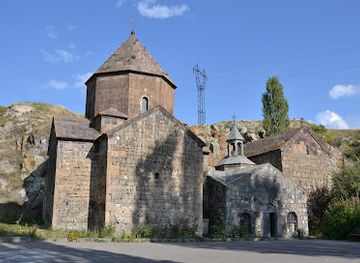
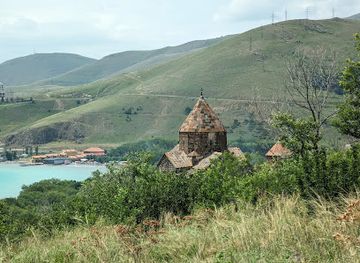
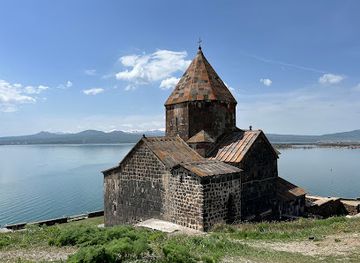
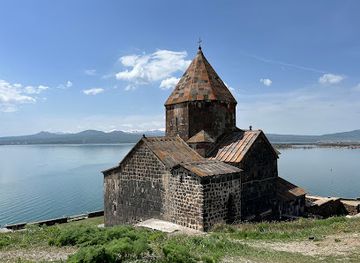
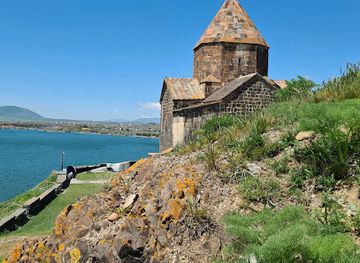
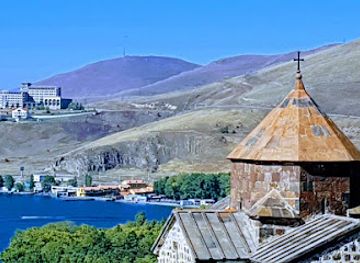
Sevanavank is Lake Sevan’s best-known attraction, with two dark volcanic-stone churches on the peninsula and broad views over the water and surrounding ranges. On the western shore, Hayravank stands above the lake in a quieter setting, while nearby Noratus is celebrated for its field of medieval khachkars, each carved cross-stone carrying distinctive forms and symbols. The Lchashen archaeological site offers insight into Bronze Age and later settlement around the basin, although its remains are less immediately visible than the lake’s monasteries. Shorzha and the eastern shoreline provide a more open, rural perspective, with grassy slopes, small beaches and mountain scenery rather than concentrated visitor infrastructure. Around the southern shore, Martuni and Vardenis act as local centres for exploring nearby villages and uplands. Birdlife and wetland habitats add natural interest, while the lake itself supports seasonal recreation, including swimming and boating where local conditions and permissions allow.
-
Tourist attraction
Vanevank
Discover Vanevank Monastery, a 10th-century Armenian treasure with stunning architecture and serene landscapes near Lake Sevan.
-
Hiking area
Севан
Discover Lake Sevan, Armenia: A high-altitude alpine lake with ancient monasteries, stunning views, and outdoor recreation.
-
Botanical garden
Sevan Botanical Garden
Discover diverse flora and serene landscapes at Sevan Botanical Garden, a lakeside retreat in Armenia's Gegharkunik Province.
-
Hiking area
Green Park Sevan
Discover Green Park Sevan: Hike scenic trails, camp under the stars, and experience the natural beauty of Lake Sevan in Armenia.

Best landmarks in Lake Sevan
The two principal ecclesiastical landmarks are Sevanavank on the peninsula and Hayravank on the western shore, both built from the dark volcanic stone characteristic of Armenian medieval architecture and both closely associated with the lake’s religious history. Noratus cemetery is a cultural landmark rather than a single monument: its dense collection of khachkars records centuries of Armenian Christian stone-carving and funerary tradition. Lchashen represents the basin’s archaeological importance, linking the modern lakeshore with Bronze Age settlement and long-established human use of the region. The lake itself is the defining natural landmark, its high-altitude basin framed by the Sevan, Gegham, Areguni and Vardenis ranges. Shoreline wetlands, open water and volcanic uplands complete a landscape whose significance is ecological, historical and geographical rather than architectural alone.
-
Monastery
Sevanavank Monastery
Explore the historic Sevanavank Monastery on Lake Sevan, Armenia, with its stunning views and medieval Armenian architecture.
-
Monastery
Sevanavank
Explore a medieval monastery with stunning lake views. Discover Armenia's rich history and breathtaking scenery at Sevanavank Monastery.
-
 Resort hotel
Harsnaqar Hotel Complex & Water World
Discover the perfect blend of relaxation and adventure at Harsnaqar Hotel Complex & Water World in Sevan, Armenia's ultimate family getaway.
-
Beach
ԱԽԹԱՄԱՐ Լողափ
Discover the tranquil beauty of Sevan Beach, a must-visit destination on the shores of Lake Sevan in Armenia, offering relaxation and adventure.
Explore Lake Sevan on the map
Plan your trip on one map. See where the top attractions, landmarks, restaurants and hotels are, and book hotels and experiences in a few clicks.
Best hotels in Lake Sevan
Best restaurants in Lake Sevan
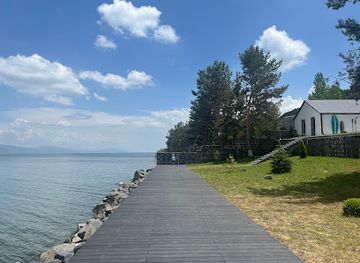
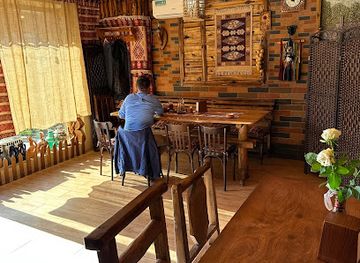
Dining around Lake Sevan is concentrated in Sevan town, the peninsula area, larger settlements such as Martuni and Vardenis, and roadside or lakeside establishments rather than distributed evenly around the shore. Fish has a strong place in the region’s culinary identity, especially the lake’s traditional ishkhan trout, although supplies, conservation concerns and regulations mean visitors should ask about responsible sourcing rather than assume availability. Armenian staples such as khorovats grilled meat, lavash, salads, cheese, herbs and seasonal fruit are common in regional cooking, while village homes and small eateries may offer simple, generously served meals. In summer, roadside cafés and outdoor dining become more visible near popular shoreline areas. Travellers heading to quieter beaches, monasteries or eastern villages should not rely on finding a restaurant at every stop and may prefer to carry water and provisions from a larger settlement.
-
Restaurant
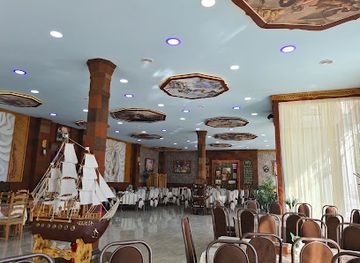
Hotel and Teahouse Bashinjaghyan
Discover the charm of Armenian culture at Hotel and Teahouse Bashinjaghyan in Chkalovka—where culinary delights meet serene hospitality.
-
Restaurant
Noyland resort
Discover Noyland Resort: A culinary haven offering stunning views and diverse flavors in Armenia's picturesque Chkalovka village.
-
Restaurant
Yasaman Sevan's Restaurant
Experience authentic Armenian cuisine with stunning views at Yasaman Sevan's Restaurant near Lake Sevan.
-
Armenian
Հացատուն Մակու
Savor Authentic Armenian Cuisine at Հացատուն Մակու – A Culinary Gem by Lake Sevan
Best bars in Lake Sevan
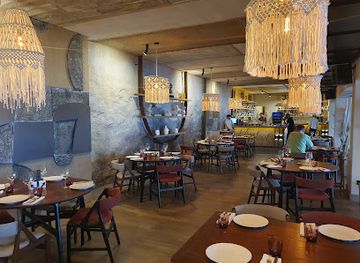
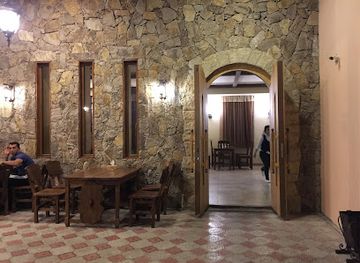
Lake Sevan is not a major nightlife destination, and evening entertainment is generally understated. Sevan town and the peninsula area offer the greatest concentration of places to eat, meet and enjoy a drink, while seasonal lakeside venues may become busier during warm-weather holidays without forming a permanent nightlife district. In villages and smaller settlements, the evening rhythm is more likely to centre on a local restaurant, café or traditional gathering place than on clubs or late-night bars. Visitors staying in guesthouses may experience a quiet rural evening with views across the water rather than organised entertainment. For a wider choice of bars, live performances and late-night venues, Yerevan is the relevant urban alternative, not an attraction within the Lake Sevan landscape.
-
Restaurant
Yasaman Sevan's Restaurant
Experience the rich flavors of Armenian cuisine with stunning views at Yasaman Sevan's Restaurant near beautiful Lake Sevan.
-
Brewery
Sevan Brewery
Discover the essence of Armenian beer at Sevan Brewery, a picturesque brewpub offering craft brews and local cuisine by Lake Sevan.
-
Armenian
Hayetsi
Experience authentic Armenian cuisine at Hayetsi, a culinary gem on the scenic Sevan Peninsula, perfect for food lovers and tourists alike.
-
Restaurant
Barev Cafe & Restaurant
Experience the rich flavors of Armenian cuisine at Barev Cafe & Restaurant, with stunning views of Lake Sevan and a warm, inviting atmosphere.
Best nightclubs in Lake Sevan
Lake Sevan is not a major nightlife destination, and evening entertainment is generally understated. Sevan town and the peninsula area offer the greatest concentration of places to eat, meet and enjoy a drink, while seasonal lakeside venues may become busier during warm-weather holidays without forming a permanent nightlife district. In villages and smaller settlements, the evening rhythm is more likely to centre on a local restaurant, café or traditional gathering place than on clubs or late-night bars. Visitors staying in guesthouses may experience a quiet rural evening with views across the water rather than organised entertainment. For a wider choice of bars, live performances and late-night venues, Yerevan is the relevant urban alternative, not an attraction within the Lake Sevan landscape.
-
Grill
Durs Bar & Grill
Discover the vibrant flavors of local and international cuisine at Durs Bar & Grill in Sevan, where every meal is a celebration.
-
Night club
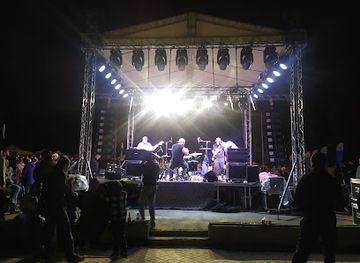
Imperia
Experience the vibrant nightlife at Imperia, Gegharkunik's premier night club, where music, dance, and excitement come together.
-
Lounge
Tnakner
Discover the cozy charm of Tnakner, a lounge in Sevan offering a perfect retreat with drinks and snacks amidst stunning natural beauty.
Best shops in Lake Sevan
Shopping at Lake Sevan is modest and concentrated in Sevan town, larger lakeside settlements and villages along the principal roads. Small shops provide everyday supplies, while roadside stalls and local producers may offer fruit, vegetables, honey, cheese, dried foods and other Armenian farm products according to season. Fish is closely associated with the lake, but visitors should choose legally and responsibly sourced produce in view of pressures on Sevan’s fish populations. Noratus and nearby communities are particularly relevant for traditional stone-carving heritage, although the cemetery itself is a cultural site rather than a conventional craft market. Travellers may also find locally made textiles, ceramics, woodwork or preserves through individual producers, but availability is not uniform. For a broader selection of Armenian crafts, speciality foods and established retail businesses, Yerevan remains more dependable than the rural lakeshore.
-
Coffee shop
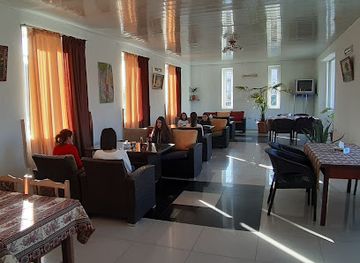
Bohem Studio - Teahouse
Discover the tranquil charm of Bohem Studio, a teahouse in Sevan offering exquisite teas and an inviting atmosphere for visitors.
-
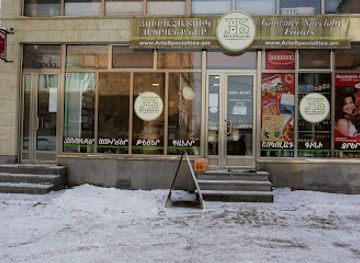
Gourmet grocery store
Արթ'ս Սփեշալթիս
Discover the culinary treasures of Martuni at Արթ'ս Սփեշալթիս, a gourmet grocery store offering local and international delights that tantalize the taste buds.
-
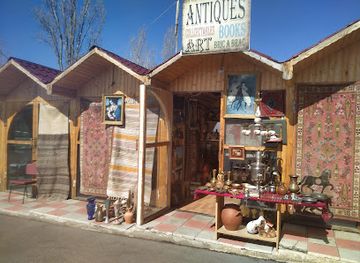
Antique store
Antique Sevan
Explore unique antiques and vintage collectibles at Antique Sevan, a treasure trove reflecting Armenia's rich cultural heritage.
-
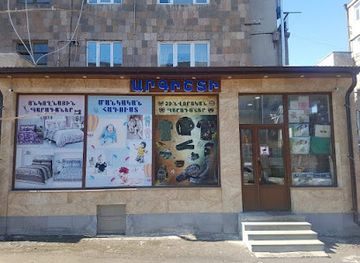
Clothing store
Argishti Home
Explore Argishti Home in Martuni for a unique blend of contemporary fashion and local styles, perfect for every tourist's wardrobe enhancement.
Get your free copy of our complete guide to Lake Sevan, delivered straight to you.
Everything on this page, from attractions and restaurants to essentials and local phrases, in one PDF you can read offline, print or share.
Already have an account? Sign in
Your Lake Sevan guide is ready.
We'll send it to · Not you? Sign out

Getting your guide ready…
We are putting together a fresh copy of the Lake Sevan guide. This can take up to a minute.
This can take a few moments. If your browser asks, choose Allow so the download can start. You'll find the guide in your Downloads folder.
Nothing happened? Download it again
Sorry, the guide is taking longer than usual. Please try again in a minute, or get it by email instead.
Lake Sevan essentials
Currency and Payment
Safety
Emergency Situations
Do's and Don'ts
Local Tips
From Eve
Local phrases worth knowing
You don't need to get them perfect. A few words go a long way, and locals appreciate the effort.
Basics
| English | Local | Say it |
|---|---|---|
| Hello | բարև | [barev] |
| Goodbye | հրացէ | [hrats'e] |
| Yes | այո | [ayo] |
| No | ոչ | [voch] |
| Please/You're welcome | խնդրում եմ/խնդրում էմ | [khndrum em/khndrum em] |
| Thank you | Շնորհակալ եմ | [shnorhakal em] |
| Excuse me/Sorry | Ներքողություն | [nerkoghut'yun] |
| How are you? | Ինչպես ես? | [inchpes es?] |
| Fine. And you? | Լավ եմ. Անդ դու? | [lav em. and du?] |
| Do you speak English? | Անգլերեն խփե՞ս | [angleren khpes?] |
| I don't understand | Ես չեմ հասկանում | [es chem haskanum] |
Eating & Drinking
| English | Local | Say it |
|---|---|---|
| I'd like to see the menu, please | Խնդրում եմ ճաշացանկ տեսնել | [khndrum em chashats'ank t'esnel] |
| I don't eat meat | Ես միս չեմ ուտում | [es mis chem ut'um] |
| Cheers! | Շնորհակալություն! | [shnorhakalutyun] |
| I would like to pay, please | Խնդրում եմ վճարել | [khndrum em vchar'el] |
Emergencies
| English | Local | Say it |
|---|---|---|
| Help! | Օգնեք! | [ogn'ek'] |
| Go away! | Միացեք! | [miatsek'] |
| Call the Police! | Զորացաք ոստիկանը! | [zorats'ak' vosdikan] |
| Call a doctor! | Զարգահարեք բժիշկին! | [zargaharek' bzhishtsin] |
| I'm lost | Ես կորցրամ | [es korts'ram] |
| I'm ill | Ես հիվանդ եմ | [es hivand em] |
Shopping
| English | Local | Say it |
|---|---|---|
| I'd like to buy... | Խնդրում եմ գնել | [khndrum em gnel] |
| I'm just looking | Ես միայն նայում եմ | [es miayn nayum em] |
| How much is it? | Ինչպե՞ս է դարձը | [inchpe es darje] |
| That's too expensive | Էն շատ մեծ է | [en shat mets e] |
| Can you lower the price? | Դուք կարծիք ունեք գնել ավելի բառացնել | [duk kartsik unek' gnel aveli barats'nel] |
Time & Numbers
| English | Local | Say it |
|---|---|---|
| What time is it? | Տե՛ս ժամը որ է | [tes zam e vor e] |
| It's one o'clock | Մեկը է | [mek'e] |
| Half past (10) | Տարուն գնա տասը | [tarun gna tase] |
| Morning | Առավոտ | [aravot] |
| Afternoon | Կեսօր | [kesor] |
| Evening | Երեկո | [yereko] |
| Yesterday | Երեկ | [yerek] |
| Today | Այսօր | [aysor] |
| Tomorrow | Վաղը | [vage] |
| 1 | մեկ | [mek] |
| 2 | երկու | [erku] |
| 3 | երեք | [ereq] |
| 4 | չորս | [chors] |
| 5 | հինգ | [hing] |
| 6 | վեց | [vets] |
| 7 | յոթ | [yot'] |
| 8 | ութ | [ut'] |
| 9 | ինը | [inə] |
| 10 | տասը | [tasə] |
Transport & Directions
| English | Local | Say it |
|---|---|---|
| Where's a/the...? | ...վերածնվելու երեկոյանը | [veratsnvelu erekoayan] |
| What's the address? | Ի՞նչ է հասցեն | [inch e hasc'en] |
| Can you show me (on the map)? | Ի՞նչպես էլ լավ ցուցադրել | [inchpes el lav ts'uts'adrel] |
| When's the next (bus)? | Երեկոյանը երիտասարդ է | [erekoayan eritasard e] |
| A ticket (to ....) | Միայն մեկ կտրոն եռանկյալ է | [miayn mek ktoron erankyal e] |
History of Lake Sevan
A Volcanic Basin and Ancient Lake
Lake Sevan occupies a high intermontane basin shaped by volcanic activity, tectonic movement and long-term erosion. Its surrounding mountains belong to the volcanic and upland landscapes of central Armenia, while the lake itself has fluctuated in size and water level over geological and human timescales. The basin’s dependable water, grazing surroundings and strategic position between Armenia’s central and eastern regions encouraged settlement from antiquity. Archaeological remains around the shore, including sites near Lchashen, demonstrate that the lake was not an empty wilderness but part of a settled landscape with farming, pastoralism, craft production and regional exchange.
Bronze Age Communities at Lchashen
The archaeological site of Lchashen, near the western side of Lake Sevan, is one of the area’s most important windows onto prehistoric and early historic life. Excavations have revealed settlement remains, burials and material associated with Bronze Age and later communities, including evidence of organised metalworking, agriculture and transport. The site is particularly significant for showing how people adapted to the lake basin’s altitude and resources long before the emergence of modern towns. Objects and traditions connected with Lchashen contribute to the wider understanding of early Armenian civilisation and the development of complex societies in the South Caucasus.
Medieval Monasteries and Lake Kingdoms
During the medieval period, Lake Sevan lay within a region shaped by Armenian princely and royal powers, ecclesiastical foundations and shifting political frontiers. Sevanavank, founded in the ninth century on what was then an island, became an important monastic centre and defensive religious site. Hayravank, also on the western shore, represents the enduring presence of Armenian Christianity in the lake basin. Monasteries, churches, cemeteries and khachkars linked local communities with religious and artistic traditions that remain visible today, while the lake’s position made its shores important for movement between settlements in eastern and central Armenia.
Soviet Engineering and a Lowering Lake
In the twentieth century, Soviet water-management schemes diverted water from Lake Sevan for irrigation and hydroelectric power, causing a dramatic fall in the lake’s level. The retreating shoreline altered the appearance of the peninsula at Sevanavank and placed pressure on the lake’s ecology, water quality and fish populations. Later measures, including the construction of the Arpa–Sevan water tunnel and changes in water management, helped stabilise the lake more effectively, although environmental pressures have not disappeared. The episode remains central to modern Sevan’s history because it shaped both the visible landscape and contemporary debates about water, development and conservation.
Conservation and Contemporary Tourism
Lake Sevan became a focus of modern Armenian environmental management because it supplies water, supports fisheries and provides habitat for birds and other wildlife while also attracting recreation. Urban growth, untreated or insufficiently treated wastewater, shoreline development, fluctuating water levels and pressure on fish stocks have all influenced the lake’s recent condition. Tourism has developed most visibly around Sevan town and the peninsula, with quieter villages and eastern shores offering a less commercial experience. Today, the lake’s heritage is understood through both its monuments and the continuing effort to balance local livelihoods, public recreation, water security and ecological protection.
Lake Sevan in Photos
Browse through our photo collection highlighting the charm and character of the destination.
Cities in Lake Sevan
The towns and cities of Lake Sevan, and the easiest places to base yourself.

Swipe for more cities
Neighbouring destination travel guides
The closest destinations to Lake Sevan, if you have time for more than one.
-

-

-

-

-


Swipe for more destinations
Explore more
Explore more of Gegharkunik
Explore Gegharkunik in Armenia for Lake Sevan, medieval monasteries, khachkars, mountain scenery and highland Armenian food traditions.
Explore Gegharkunik
Explore more of Armenia
Explore Armenia's ancient wonders, vibrant cities, and breathtaking landscapes. From historic monasteries to delicious cuisine, there's something for every traveler.
Explore Armenia