

Sisian Petroglyphs Travel Guide - Free Web & App
Your ultimate guide to Sisian Petroglyphs. Discover top landmarks, proposed trips, and local tips. Free on the web or via the Evendo companion app.


Sisian Petroglyphs in Armenia reveal prehistoric rock art on Mount Ukhtasar, with ancient hunting scenes, mountain landscapes and an archaeological journey.
Ancient Images in a Highland Landscape
The Sisian Petroglyphs occupy a remote volcanic upland on the slopes of Mount Ukhtasar, north of the town of Sisian in southern Armenia. Scattered across dark rocks and boulders, the carvings depict animals, hunting scenes, human figures, geometric forms and enigmatic symbols. Their dating is not entirely uniform, but many are generally associated with prehistoric communities of the late Neolithic, Chalcolithic and Bronze Age periods. The site is best understood as an open-air archaeological landscape rather than a formal museum or a single monumental ruin.Read more about Sisian Petroglyphs
Reaching the Petroglyphs
Reading the Landscape
When is the best time to visit Sisian Petroglyphs?
Best: June–August · 24–26°C| Month | High (°C) | Rainfall (mm) |
|---|---|---|
| January | 1 | 23 |
| February | 2 | 20 |
| March | 7 | 17 |
| April | 15 | 13 |
| May | 21 | 10 |
| June (best) | 24 | 7 |
| July (best) | 26 | 6 |
| August (best) | 25 | 6 |
| September | 21 | 7 |
| October | 15 | 13 |
| November | 8 | 17 |
| December | 4 | 20 |
Getting to and around Sisian Petroglyphs
How to get there
Transportation
Best attractions in Sisian Petroglyphs
The central attraction is the open-air field of prehistoric engravings on the slopes of Mount Ukhtasar, where careful observation reveals animals, hunters, human forms and geometric marks cut into dark volcanic rock. The surrounding upland is part of the experience, with broad mountain views, sparse vegetation and a strong sense of distance from settled Armenia. There is no conventional visitor complex to structure the visit, so the interest lies in finding and interpreting the carvings within their natural setting. Sisian provides access to the wider archaeological landscape of Syunik, including Zorats Karer, the nearby megalithic monument commonly known as Karahunj, although it is a separate site rather than part of the petroglyph field. The town can also serve as a base for exploring the region’s high plateaux and rural scenery, while the Tatev area offers a separate major excursion farther south-west. Local guidance is particularly valuable for understanding the dispersed carvings and navigating the mountain approach.
-
 Historical landmark
Ughtassar Petroglyphs
Explore ancient rock carvings at Ughtasar Petroglyphs, a remote and stunning archaeological site in Armenia's Syunik Mountains.
Best landmarks in Sisian Petroglyphs
The defining landmark is the scatter of prehistoric carvings on the volcanic slopes of Mount Ukhtasar, whose dark rock surfaces preserve images associated with animals, hunting and human activity. Their significance lies in the combination of archaeological evidence and original mountain setting: the stones remain part of the landscape in which prehistoric communities made them. Mount Ukhtasar itself is a major geographical reference for the site, rising within the high uplands north of Sisian and giving the carvings their remote character. Zorats Karer, or Karahunj, is another important prehistoric landmark near Sisian, but it is a distinct monument and should not be presented as part of the petroglyph field. The open plateaux, volcanic terrain and long views are also essential elements of the destination’s identity, even though they are natural features rather than constructed monuments.
-
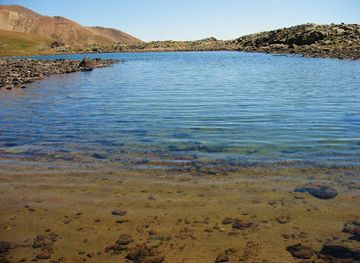
Lake
Ughtasar Lake
Discover ancient petroglyphs and breathtaking scenery at Ughtasar Lake, a remote treasure in the Armenian Highlands.
-
Historical landmark
Ughtassar Petroglyphs
Discover the Ughtassar Petroglyphs, an ancient treasure overlooking Ughtasar Lake, where history and stunning landscapes collide to create an unforgettable journey.
Explore Sisian Petroglyphs on the map
Plan your trip on one map. See where the top attractions, landmarks, restaurants and hotels are, and book hotels and experiences in a few clicks.
Best hotels in Sisian Petroglyphs
Get your free copy of our complete guide to Sisian Petroglyphs, delivered straight to you.
Everything on this page, from attractions and restaurants to essentials and local phrases, in one PDF you can read offline, print or share.
Already have an account? Sign in
Your Sisian Petroglyphs guide is ready.
We'll send it to · Not you? Sign out

Getting your guide ready…
We are putting together a fresh copy of the Sisian Petroglyphs guide. This can take up to a minute.
This can take a few moments. If your browser asks, choose Allow so the download can start. You'll find the guide in your Downloads folder.
Nothing happened? Download it again
Sorry, the guide is taking longer than usual. Please try again in a minute, or get it by email instead.
Sisian Petroglyphs essentials
Currency and Payment
Safety
Emergency Situations
Do's and Don'ts
Local Tips
From Eve
Local phrases worth knowing
You don't need to get them perfect. A few words go a long way, and locals appreciate the effort.
Basics
| English | Local | Say it |
|---|---|---|
| Hello | Բարև | [Barev] |
| Goodbye | Ցտեսություն | [Tsetsutun] |
| Yes | Այո | [Ayo] |
| No | Ոչ | [Vo] |
| Please/You're welcome | Խնդրում եմ | [Khndrum em] |
| Thank you | Շնորհակալ եմ | [Shnorhakal em] |
| Excuse me/Sorry | Ներքո | [Nerko] |
| How are you? | Ինչպե՞ս եք | [Inches ek] |
| Fine. And you? | Լավ եմ։ Անդու? | [Lav em. Andu?] |
| Do you speak English? | Անգլերեն խոսում եք՞ | [Angleren khosum ek?] |
| I don't understand | Ես չեմ կարիքանամ | [Yes chem karik'anam] |
Eating & Drinking
| English | Local | Say it |
|---|---|---|
| I'd like to see the menu, please | Խնդրում եմ մենյունը տեսնել | [Khndrum em menyunə təsnel] |
| I don't eat meat | Ես մեկն չուշարի | [Yes mekn chushari] |
| Cheers! | Կէրիերկ! | [Kerierk] |
| I would like to pay, please | Խնդրում եմ վճարել | [Khndrum em vcharəl] |
Emergencies
| English | Local | Say it |
|---|---|---|
| Help! | Օրհնեալ! | [Orhnəal] |
| Go away! | Մեկնարկ! | [Məknark] |
| Call the Police! | Զանգարկեք ոստիկանը! | [Zangərk' uztikanə] |
| Call a doctor! | Զանգարկեք բժշկին! | [Zangərk' bzhshkin] |
| I'm lost | Ես կոր եմ | [Yes kor em] |
| I'm ill | Ես հիանալի եմ | [Yes hianali em] |
Shopping
| English | Local | Say it |
|---|---|---|
| I'd like to buy... | Խնդրում եմ գնել... | [Khndrum em gnel...] |
| I'm just looking | Ես միայն տեսնում եմ | [Yes miayn təsnəm em] |
| How much is it? | Քանի է դառնային | [K'ani e dar'nayin] |
| That's too expensive | Դա շատ թանամ | [Da shat' tanam] |
| Can you lower the price? | Կարեք գները առնել | [Karek' gnerə arnel] |
Time & Numbers
| English | Local | Say it |
|---|---|---|
| What time is it? | Որ ժամ է | [Vor zam e] |
| It's one o'clock | Մեկը է | [Mekə e] |
| Half past (10) | Տաս ի կես | [Tas i kes] |
| Morning | Առավոտ | [Aravot] |
| Afternoon | Կեսգիշ | [Kesgish] |
| Evening | Երեկ | [Erek] |
| Yesterday | Երեկ | [Erek] |
| Today | Այսօր | [Aysor] |
| Tomorrow | Վաղ | [Vagh] |
| 1 | Մեկ | [Mek] |
| 2 | Երկու | [Yerku] |
| 3 | Երեք | [Yerek] |
| 4 | Չորք | [Chork] |
| 5 | Հինգ | [Hing] |
| 6 | Վեց | [Vets] |
| 7 | Յոթ | [Yot] |
| 8 | Ութ | [Ut] |
| 9 | Ինը | [Inə] |
| 10 | Տաս | [Tas] |
Transport & Directions
| English | Local | Say it |
|---|---|---|
| Where's a/the...? | Որտե՞ղ է... | [Vortegh e...] |
| What's the address? | Որպեսք է հասցեն | [Vorp'esq e hascen] |
| Can you show me (on the map)? | Կարկանեք ինձ (քարտուղում) | [Karkanek' indz (kartughum)] |
| When's the next (bus)? | Երբ է հաջորդը (ավտոբուսը) | [Yerbe e hajordə (avtobusə)] |
| A ticket (to ....) | Բիլետ (համեմատ՝ ...) | [Bilet (hamemat' ...)] |
History of Sisian Petroglyphs
A Volcanic Highland Setting
The petroglyphs lie in the highlands around Mount Ukhtasar, a volcanic landscape shaped by ancient geological processes rather than by the later history of Armenia. Dark exposed rocks provided durable surfaces for carving, while the upland environment offered seasonal access to pasture and wildlife. The setting is important to interpreting the site: the engravings are not isolated artworks transported into a museum, but marks made within a broad mountain terrain that prehistoric communities knew and used.
Prehistoric Communities and Rock Art
The carvings are generally dated across several prehistoric periods, with many scholars associating them broadly with the late Neolithic, Chalcolithic and Bronze Age eras. They include images resembling wild and domesticated animals, hunters, human figures, carts or weapons in some interpretations, together with abstract signs. Exact dates and meanings cannot always be established from individual images, but the concentration of engravings demonstrates sustained symbolic activity in the Syunik highlands long before written records. The scenes provide clues to hunting, animal husbandry and the visual imagination of early communities.
The Landscape of Ancient Use
The wider Sisian uplands formed part of a region used for movement, seasonal grazing and contact between settlements and mountain resources. The petroglyphs should be considered alongside other prehistoric remains in southern Armenia, including the nearby stone monument of Zorats Karer, although the two sites are distinct. Their existence in the same broad region illustrates the archaeological richness of Syunik and the way its open plateaux preserved traces of communities whose settlements, routes and ritual practices extended beyond any single monument.
Modern Recognition and Conservation
Modern study has brought the Ukhtasar carvings to wider attention as an important body of prehistoric rock art, while their remote position has limited intensive visitor development. That remoteness helps preserve the sense of an open archaeological landscape but also makes the carvings vulnerable to weathering, accidental damage and irresponsible visitation. Conservation depends on careful documentation, respectful access and avoiding interference with the engraved surfaces. Sisian now serves as the principal local base for visitors exploring the petroglyphs and the wider archaeological heritage of Syunik.
Sisian Petroglyphs in Photos
Browse through our photo collection highlighting the charm and character of the destination.
Neighbouring destination travel guides
The closest destinations to Sisian Petroglyphs, if you have time for more than one.
-
-
-

-
-


Swipe for more destinations
Explore more

Explore more of Syunik
Explore Syunik’s mountain gorges, Tatev Monastery, prehistoric stones, forested valleys and southern Armenian food culture near the Iranian frontier.
Explore Syunik
Explore more of Armenia
Explore Armenia's ancient wonders, vibrant cities, and breathtaking landscapes. From historic monasteries to delicious cuisine, there's something for every traveler.
Explore Armenia