

Jermuk Waterfall Travel Guide - Free Web & App
Your ultimate guide to Jermuk Waterfall. Discover top landmarks, proposed trips, and local tips. Free on the web or via the Evendo companion app.


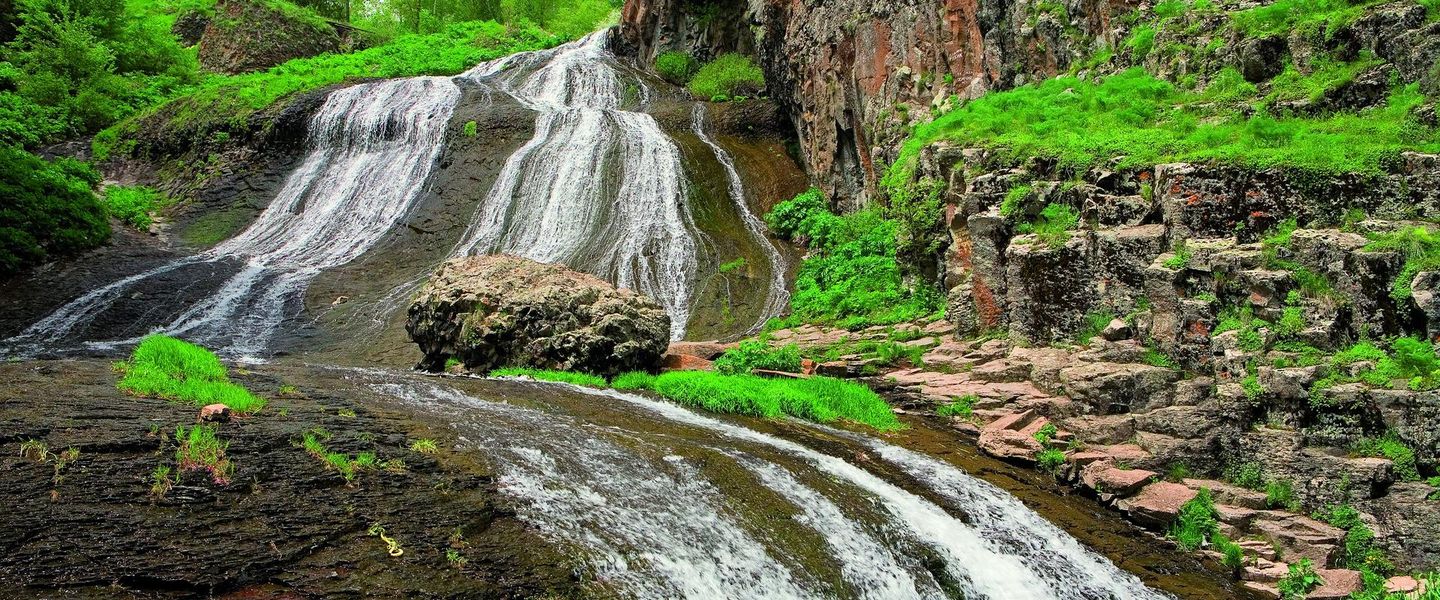


Jermuk Waterfall in Armenia pairs a 68-metre cascade with mineral springs, forested ravines, spa heritage and mountain scenery in Vayots Dzor for walkers.
The Waterfall and Its Setting
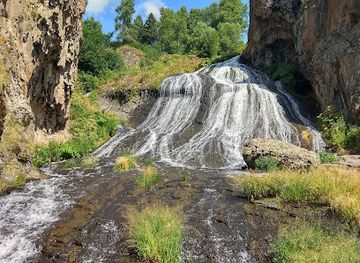
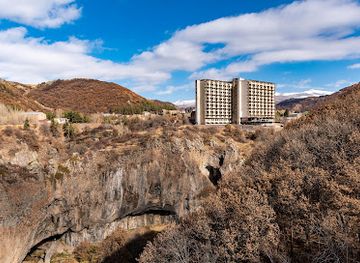
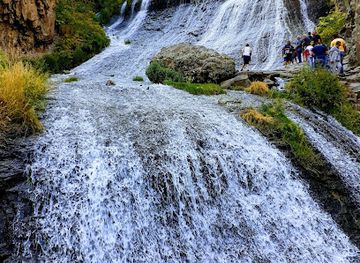
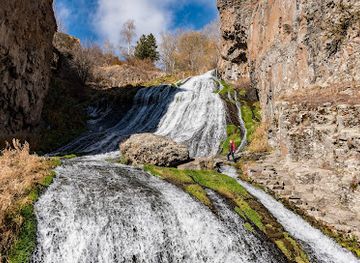
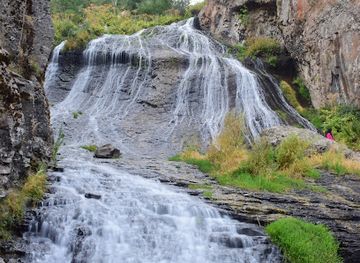
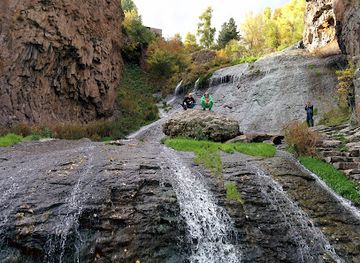
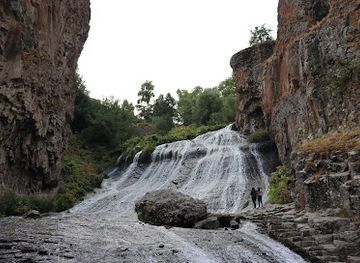
Jermuk Waterfall stands on the edge of Jermuk, a mountain resort in Armenia’s Vayots Dzor Province. The cascade drops approximately 68 metres through a steep, wooded ravine, making it the town’s defining natural feature. Paths and viewpoints around the gorge reveal the falling water against dark volcanic slopes, while the surrounding highland landscape opens towards the valleys and ridges of southern Armenia. The waterfall is close to the built-up resort area, yet the ravine gives it a distinctly natural atmosphere, particularly outside the busiest visiting periods.Read more about Jermuk Waterfall
A Spa Town in Vayots Dzor
Exploring the Area
When is the best time to visit Jermuk Waterfall?
Best: June–August · 24–26°C| Month | High (°C) | Rainfall (mm) |
|---|---|---|
| January | 1 | 16 |
| February | 2 | 16 |
| March | 5 | 16 |
| April | 12 | 11 |
| May | 19 | 8 |
| June (best) | 24 | 6 |
| July (best) | 26 | 6 |
| August (best) | 25 | 8 |
| September | 20 | 11 |
| October | 13 | 16 |
| November | 7 | 16 |
| December | 3 | 16 |
Getting to and around Jermuk Waterfall
How to get there
Transportation
Best attractions in Jermuk Waterfall
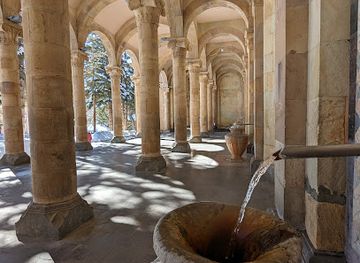
Jermuk Waterfall is the principal attraction, dropping about 68 metres through a wooded ravine below the resort town and reached by paths from the central area. Nearby, Jermuk’s drinking gallery presents the town’s naturally carbonated mineral waters, while the central park and spa buildings illustrate the resort’s long-standing health-tourism identity. The surrounding gorge offers short walks and changing perspectives of the cascade rather than an extensive trail network. Jermuk also provides access to the wider Vayots Dzor landscape, where the Arpa valley, vineyards and historic settlements broaden the experience beyond the waterfall itself. Travellers with more time can use the town as a base for excursions towards regional monasteries and archaeological landscapes, although these lie outside the immediate waterfall setting and require road travel. The attraction is therefore best understood as part of a compact resort visit combined with the larger cultural and natural geography of southern Armenia.
-
Sports complex
Jermuk Ropeway
Reach new heights in Jermuk: Ride the Ropeway for unmatched views & year-round mountain adventures in Armenia's spa town.
-
Historical landmark
Gallery of water
Explore the Gallery of Water in Jermuk, Armenia—where nature's mineral springs meet historical charm in a breathtaking setting.
-
Tourist attraction
Heroes Alley
Discover Heroes Alley in Jermuk: A serene tribute to Armenian valor and history amidst stunning mountain views and cultural richness.
-
Tourist attraction
Granitem arch
Discover the majestic Granite Arch in Jermuk, Armenia: a breathtaking natural wonder offering stunning views and a serene escape.


Best landmarks in Jermuk Waterfall
The waterfall itself is Jermuk’s defining natural landmark, with a vertical drop of approximately 68 metres in the ravine below the town. Its significance comes from the contrast between falling water, wooded slopes and the resort’s built environment, which makes the feature visible as both a scenic attraction and a symbol of Jermuk. The mineral-water drinking gallery is the town’s principal cultural landmark, representing the springs that established its identity as a health resort. The surrounding gorge, central park and Soviet-period sanatorium architecture together form a distinctive resort landscape. Beyond Jermuk, the Arpa valley and the wider volcanic highlands of Vayots Dzor provide the geographical setting for the town, while the province’s monasteries and vineyards offer important regional landmarks reachable by road rather than belonging to the immediate waterfall site.
-
Tourist attraction
Jermuk Hot Springs
Experience the healing power of nature at Jermuk Hot Springs, Armenia's premier spa destination, surrounded by breathtaking mountain scenery.
-
Sports complex
Jermuk Ropeway
Discover the breathtaking beauty of Armenia from above with the exhilarating Jermuk Ropeway, a must-visit for every adventurer.
-
Historical landmark
Gallery of water
Explore Jermuk's Gallery of Water, a historical landmark offering healing mineral waters and stunning natural beauty in Armenia’s picturesque landscapes.
-
Historical landmark
Israel Ori Statue
Discover the Israel Ori Statue in Jermuk, Armenia - a significant historical landmark surrounded by serene landscapes and rich cultural heritage.
Explore Jermuk Waterfall on the map
Plan your trip on one map. See where the top attractions, landmarks, restaurants and hotels are, and book hotels and experiences in a few clicks.
Best hotels in Jermuk Waterfall
Best restaurants in Jermuk Waterfall
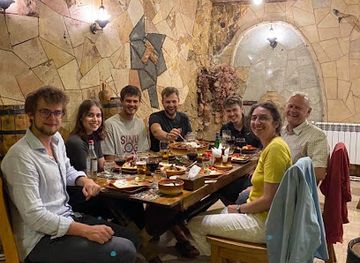
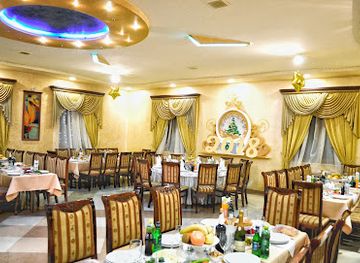
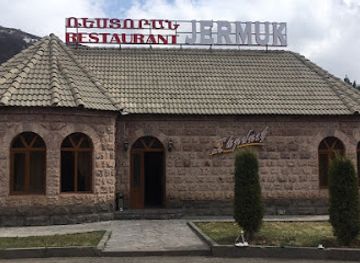
Dining in Jermuk is concentrated in hotel restaurants, spa accommodation and a modest selection of cafés and local eateries around the resort centre rather than in a large independent restaurant scene beside the waterfall. Menus commonly draw on Armenian cooking, with dishes such as khorovats grilled meats, tolma, soups, salads, lavash and regional cheeses appearing alongside familiar hotel fare. Vayots Dzor is also one of Armenia’s notable wine regions, so visitors may encounter local wines from vineyards and producers elsewhere in the province. The town is a practical place to eat before or after walking to the gorge, while travellers exploring rural areas should plan refreshments in advance. Larger food shops and more varied dining choices are generally found in regional towns rather than at isolated attractions or along mountain roads.
-
Tourist attraction
Jermuk Waterfall
Experience the breathtaking beauty of Jermuk Waterfall amidst Armenia's stunning landscapes – a must-visit natural attraction.
-
Hotel
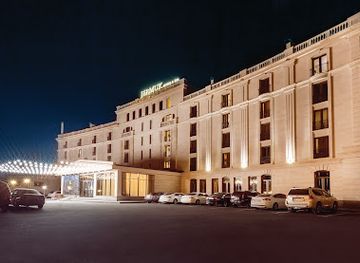
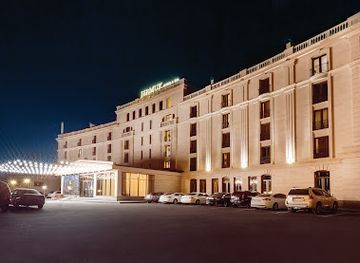
Jermuk Hotel
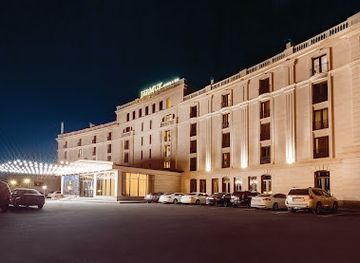
Discover luxury and wellness at Jermuk Hotel in Armenia's scenic spa town; a perfect getaway for relaxation amidst nature.
-
Armenian
Luna
Savor authentic Armenian cuisine at Luna in Vayk – where tradition meets taste in every dish.
-
Restaurant
Forte restaurant
Experience authentic Armenian flavors at Forte Restaurant in Jermuk – where culinary tradition meets modern hospitality.
Best bars in Jermuk Waterfall
Jermuk is a quiet mountain resort, not a late-night entertainment centre, and its evening life is mainly connected with hotel lounges, spa accommodation and restaurants. Visitors are more likely to find a calm drink, Armenian wine or a relaxed meal than a dedicated nightclub or dense bar district. The resort’s atmosphere becomes especially subdued outside peak holiday periods, although hotels may provide indoor social spaces for guests. In the wider Vayots Dzor region, evenings are shaped more by village hospitality, winery visits and conversation than by formal nightlife. Anyone seeking extensive clubs, live-music venues or late-opening bars should look to Yerevan or larger Armenian cities rather than expecting those facilities around Jermuk Waterfall.
-
Tourist attraction
Jermuk Waterfall
Experience the breathtaking beauty of Jermuk Waterfall in Armenia, a majestic natural wonder surrounded by lush landscapes and adventure.
-
Hotel
Jermuk Hotel
Experience ultimate relaxation and wellness in the heart of Jermuk at the luxurious Jermuk Hotel, perfect for rejuvenating getaways.
-
Tourist attraction
Jermuk Hot Springs
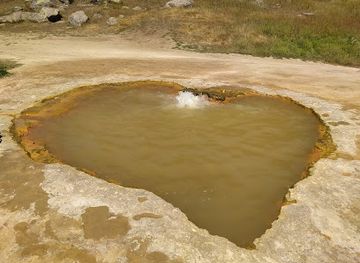
Experience the healing waters of Jermuk Hot Springs, a serene escape in the heart of Armenia's stunning landscapes, perfect for wellness and relaxation.
-
Bar
Olympia Sanatorium
Discover rejuvenation at Olympia Sanatorium in Jermuk - a premier health resort offering luxurious wellness treatments amid stunning natural beauty.
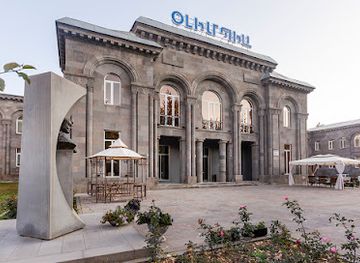
Best nightclubs in Jermuk Waterfall
Jermuk is a quiet mountain resort, not a late-night entertainment centre, and its evening life is mainly connected with hotel lounges, spa accommodation and restaurants. Visitors are more likely to find a calm drink, Armenian wine or a relaxed meal than a dedicated nightclub or dense bar district. The resort’s atmosphere becomes especially subdued outside peak holiday periods, although hotels may provide indoor social spaces for guests. In the wider Vayots Dzor region, evenings are shaped more by village hospitality, winery visits and conversation than by formal nightlife. Anyone seeking extensive clubs, live-music venues or late-opening bars should look to Yerevan or larger Armenian cities rather than expecting those facilities around Jermuk Waterfall.
-
Tourist attraction
Jermuk Waterfall
Discover the stunning Jermuk Waterfall, a natural gem in Armenia surrounded by lush landscapes and perfect for outdoor adventures.
-
Hotel
Jermuk Hotel
Experience luxurious relaxation and wellness at Jermuk Hotel, nestled in Armenia's breathtaking natural landscapes.
-
Health resort
Olympia Sanatorium
Discover holistic wellness and rejuvenation at Olympia Sanatorium, a premier health resort in Jermuk, combining nature's beauty with expert care.
-
Restaurant
Jermuk restaurant
Experience authentic Armenian cuisine with stunning views at Jermuk Restaurant, a culinary treasure in the heart of Jermuk.
Best shops in Jermuk Waterfall
Shopping around Jermuk Waterfall is limited and practical, with the resort town offering small shops, convenience outlets and places to buy refreshments rather than a substantial retail district. Visitors may find Armenian food products, preserves, sweets, wine from Vayots Dzor and locally made souvenirs in hotels or town businesses, although selection varies. The most characteristic purchase is connected with the region’s food and drink culture rather than with a specialised craft market. Travellers exploring the province can look for wine and agricultural products from local producers, while broader retail choice is available in larger Armenian towns. There are no extensive shops at the waterfall itself, so supplies for walks and road excursions should be obtained in Jermuk before leaving the resort area.
-
Water
Jermuk Waterfall
Experience the enchanting beauty of Jermuk Waterfall, a natural wonder in Armenia, perfect for nature lovers and adventurous souls seeking tranquility.
-
Historical landmark
Gallery of water
Explore the historical and health-rich Gallery of Water in Jermuk, Armenia, where natural beauty meets cultural heritage.
-
Museum
Jermuk Art Gallery
Explore the Jermuk Art Gallery, a captivating museum showcasing contemporary Armenian art in a stunning natural setting.
-
Cafe
George Coffee Shop
Discover the cozy charm of George Coffee Shop in Jermuk, where artisanal coffee and local pastries create a delightful retreat for travelers.
Get your free copy of our complete guide to Jermuk Waterfall, delivered straight to you.
Everything on this page, from attractions and restaurants to essentials and local phrases, in one PDF you can read offline, print or share.
Already have an account? Sign in
Your Jermuk Waterfall guide is ready.
We'll send it to · Not you? Sign out

Getting your guide ready…
We are putting together a fresh copy of the Jermuk Waterfall guide. This can take up to a minute.
This can take a few moments. If your browser asks, choose Allow so the download can start. You'll find the guide in your Downloads folder.
Nothing happened? Download it again
Sorry, the guide is taking longer than usual. Please try again in a minute, or get it by email instead.
Jermuk Waterfall essentials
Currency and Payment
Safety
Emergency Situations
Do's and Don'ts
Local Tips
From Eve
Local phrases worth knowing
You don't need to get them perfect. A few words go a long way, and locals appreciate the effort.
Basics
| English | Local | Say it |
|---|---|---|
| Hello | բարև | [barev] |
| Goodbye | հրաժարվես | [hradzharves] |
| Yes | այո | [ayo] |
| No | ոչ | [voch] |
| Please/You're welcome | խնդրում եմ/խնդրամում եմ | [khndrum em/khndramum em] |
| Thank you | շնորհակալ եմ | [shnorhakal em] |
| Excuse me/Sorry | ներդրում եմ | [nerdrum em] |
| How are you? | ինչպե՞ս եք | [inchpes ek] |
| Fine. And you? | Լավ, դուք? | [lav, duk] |
| Do you speak English? | Անգլերեն խօսու՞մ եք | [angleren khosum ek] |
| I don't understand | Ես չեմ հասկանում | [yes chem haskanum] |
Eating & Drinking
| English | Local | Say it |
|---|---|---|
| I'd like to see the menu, please | Խնդրել եմ ճաշացել մենյունը | [khntrrel em chashatsel menyuny] |
| I don't eat meat | Ես մեխ չուտում | [yes mex chutum] |
| Cheers! | Կովկաս! | [kovkas] |
| I would like to pay, please | Խնդրում եմ վճարել | [khndrum em vcharrel] |
Emergencies
| English | Local | Say it |
|---|---|---|
| Help! | Օրվազանիր! | [orvazanir] |
| Go away! | Հետ գնացեք! | [het gnatshek] |
| Call the Police! | Զարգացրեք շուտ! | [zargatsrek shut] |
| Call a doctor! | Զարգացրեք բժիշկ! | [zargatsrek bzhishk] |
| I'm lost | Ես կորել եմ | [yes korel em] |
| I'm ill | Ես հիվանաժել եմ | [yes hivanajel em] |
Shopping
| English | Local | Say it |
|---|---|---|
| I'd like to buy... | Ես ցանկանում եմ գնել | [yes tsankannum em gnel] |
| I'm just looking | Ես միայն ծանոթանում եմ | [yes miayn tsanotanum em] |
| How much is it? | Ինչքա՞ն է դրամը | [inchkan e dramy] |
| That's too expensive | Այդը շատ թանկ է | [ayde shat tank e] |
| Can you lower the price? | Կարե՞նք գնում դարձնել | [karenk gnum darjnel] |
Time & Numbers
| English | Local | Say it |
|---|---|---|
| What time is it? | Տեսակա՞ն է ժամը | [tesakan e dzamy] |
| It's one o'clock | Մեկը է | [meky e] |
| Half past (10) | Երկուսը (10) | [erkusy (10)] |
| Morning | Առավոտ | [aravot] |
| Afternoon | Կերակույտ | [kerakuyt] |
| Evening | Երեկ | [erek] |
| Yesterday | Երեկ | [erek] |
| Today | Իմաստով | [imastov] |
| Tomorrow | Վաղ | [vagh] |
| 1 | 1 | [1] |
| 2 | 2 | [2] |
| 3 | 3 | [3] |
| 4 | 4 | [4] |
| 5 | 5 | [5] |
| 6 | 6 | [6] |
| 7 | 7 | [7] |
| 8 | 8 | [8] |
| 9 | 9 | [9] |
| 10 | 10 | [10] |
Transport & Directions
| English | Local | Say it |
|---|---|---|
| Where's a/the...? | Որտե՞ղ է ...-ը | [vortegh e ...-y] |
| What's the address? | Ինչպե՞ս է հասցեն | [inchpes e hascen] |
| Can you show me (on the map)? | Կարե՞նք ցուցադրել (քարտում) | [karenk tsutsadrel (kartum)] |
| When's the next (bus)? | Երբ է հաջորդը (ավտոբուսը) | [erb e hajordy (avtobusy)] |
| A ticket (to ....) | Բիլետ (մինչև ...) | [bilet (minchev ...)] |
History of Jermuk Waterfall
A Volcanic Highland Landscape
Jermuk lies within Armenia’s elevated southern volcanic landscape, where erosion has cut valleys and ravines through mountain formations over long geological timescales. The waterfall is a physical expression of this terrain: water descends through a narrow gorge below the resort, creating a dramatic vertical feature in an otherwise broad highland setting. The surrounding landscape of Vayots Dzor is shaped by upland grasslands, rocky slopes and river valleys, conditions that have influenced settlement, agriculture and travel routes across the region.
Early Settlement in Vayots Dzor
Vayots Dzor has a long record of human occupation, with prehistoric sites, medieval monuments and historic villages distributed through its valleys. Jermuk’s importance, however, has been closely connected to its springs and mountain setting rather than to the large fortified urban centres found elsewhere in the province. The wider region formed part of historic Armenian cultural landscapes in which monasteries, farming communities and routes across the southern highlands linked settlements with one another.
The Rise of Jermuk as a Resort
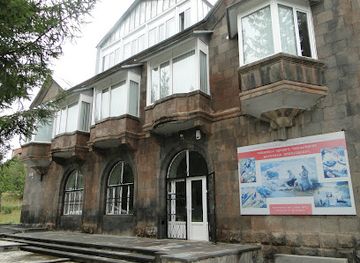
Jermuk developed into a recognised spa settlement because of its mineral waters, which were used for drinking and therapeutic treatments. Its modern resort identity expanded significantly during the Soviet period, when sanatoria, hotels and public facilities were developed around the springs and the town’s scenic environment. The waterfall and gorge became part of the resort experience, offering a natural attraction close to the treatment and accommodation districts. Much of Jermuk’s visible urban character still reflects this twentieth-century phase of planned health tourism.
Tourism and Regional Renewal
Following Armenia’s independence, Jermuk continued to function as a health and mountain tourism centre while adapting its facilities to a new visitor economy. The town’s mineral-water tradition remains central, but visitors increasingly combine spa stays with hiking, sightseeing and journeys through Vayots Dzor. Conservation of the gorge, responsible use of paths and careful management of the town’s water resources are important as tourism develops around a natural feature that is both a local landmark and a sensitive mountain environment.
Jermuk Waterfall in Photos
Browse through our photo collection highlighting the charm and character of the destination.
Cities in Jermuk Waterfall
The towns and cities of Jermuk Waterfall, and the easiest places to base yourself.
-

-


Swipe for more cities
Neighbouring destination travel guides
The closest destinations to Jermuk Waterfall, if you have time for more than one.
-
-

-

-

-


Swipe for more destinations
Explore more

Explore more of Vayots Dzor
Explore Vayots Dzor’s ancient wine traditions, red-rock monasteries, mountain scenery, spa town of Jermuk and historic Silk Road routes.
Explore Vayots Dzor
Explore more of Armenia
Explore Armenia's ancient wonders, vibrant cities, and breathtaking landscapes. From historic monasteries to delicious cuisine, there's something for every traveler.
Explore Armenia