

Free Nakhchivan Autonomous Republic Travel Guide & Mobile App
Explore Nakhchivan Autonomous Republic with free travel guides. Discover regional history, expert tips, proposed trips, and audio guides on web or mobile app.


Explore Nakhchivan in Azerbaijan for medieval mausoleums, mountain fortresses, orchard towns, salt caves and ancient landscapes beyond the mainland.
Read more about Nakhchivan Autonomous Republic
When is the best time to visit Nakhchivan Autonomous Republic?
Best: May–June, September · 24–29°C| Month | High (°C) | Rainfall (mm) |
|---|---|---|
| January | 5 | 21 |
| February | 7 | 26 |
| March | 12 | 31 |
| April | 19 | 36 |
| May (best) | 24 | 41 |
| June (best) | 29 | 26 |
| July | 33 | 21 |
| August | 32 | 21 |
| September (best) | 26 | 26 |
| October | 19 | 31 |
| November | 11 | 36 |
| December | 6 | 21 |
Getting to and around Nakhchivan Autonomous Republic
How to get there
Transportation
Best attractions in Nakhchivan Autonomous Republic
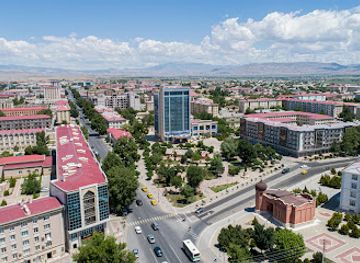
Nakhchivan’s attractions combine archaeological depth, medieval architecture and highland scenery. In Nakhchivan city, the Momine Khatun Mausoleum and regional museums introduce the area’s architectural and political history, while the Duzdag complex presents the region’s long association with salt mining and underground landscapes. The mountain fortress of Alinja, reached by a steep approach, is valued as much for its commanding setting as for its surviving walls. Ordubad offers historic streets, traditional houses, gardens and fruit-growing culture in a greener corner of the autonomous republic. Ashabi-Kahf provides a religious and geological experience in a mountain setting, and Batabat is known for open upland scenery and seasonal recreation. The Gamigaya petroglyph area is important for prehistoric art and pastoral heritage, but its altitude and access arrangements mean it should be visited with local advice. Together, these sites make Nakhchivan more suited to planned cultural touring, walking and landscape interpretation than to an itinerary built around a single urban attraction.
-
Historical landmark
Momine Khatun Mausoleum
Discover the Momine Khatun Mausoleum in Nakhchivan, a 12th-century architectural masterpiece honoring a queen's legacy with intricate designs and historical depth.
-
 Hotel
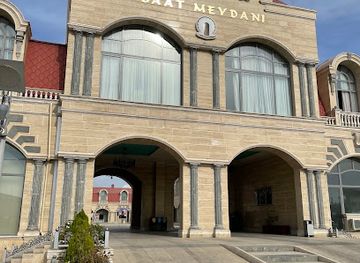
HotelSaat Meydani Nakhchivan
Experience the vibrant heart of Nakhchivan at Saat Meydani, blending culture, cuisine, and entertainment around its iconic clock tower.
-
Shrine
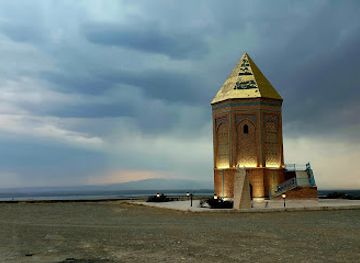
Noah's Mausoleum
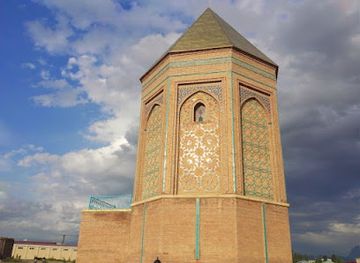
Explore the legendary Noah's Mausoleum in Nakhchivan, a site of ancient history and religious significance, revered across cultures.
-
Historical landmark
Yezidabad Castle
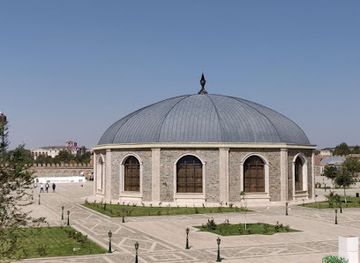
Explore Yezidabad Castle in Nakhchivan: A reconstructed fortress with a museum, walkable walls, and panoramic views of the city and beyond.


Best landmarks in Nakhchivan Autonomous Republic
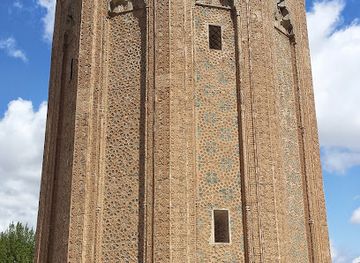
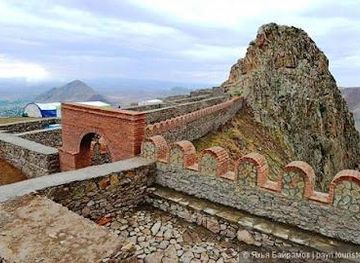
The defining landmark of Nakhchivan city is the Momine Khatun Mausoleum, a tall 12th-century brick monument covered in geometric ornament and turquoise details; it commemorates Momine Khatun and represents the artistic sophistication of the medieval Atabeg period. The nearby Yusif ibn Kuseir Mausoleum, an earlier medieval tomb, helps show the development of the region’s funerary architecture. Alinja Castle is Nakhchivan’s most dramatic defensive landmark, occupying a serrated mountain ridge above the Julfa area and demonstrating how geography shaped medieval power. In Ordubad, historic residential streets, mosques and traditional urban fabric reflect a long-established oasis settlement supported by gardens and water management. The landscape itself provides further landmarks: the arid Aras valley, the high slopes around Batabat and the cave and rock formations associated with Ashabi-Kahf. These places are significant not merely as viewpoints, but as evidence of the region’s position between mountain routes, agricultural settlements and contested frontiers.
-
Historical landmark
Momine Khatun Mausoleum
Discover the Momine Khatun Mausoleum in Nakhchivan, a 12th-century architectural marvel showcasing Azerbaijan's rich cultural heritage and intricate Islamic design.
-
Fortress
Əlincə Qalası
Explore the majestic Əlincə Qalası, an ancient fortress steeped in Azerbaijani history, offering breathtaking views and a glimpse into a bygone era of empires and sieges.
-
Shrine
Noah's Mausoleum
Explore Noah's Mausoleum in Nakhchivan, a site of ancient legends and religious significance, with a history stretching back to the 8th century.
-
Historical landmark
Yezidabad Castle
Explore the reconstructed Yezidabad Castle in Nakhchivan, a historical landmark with a museum and panoramic views, echoing tales of ancient empires.
Explore Nakhchivan Autonomous Republic on the map
Plan your trip on one map. See where the top cities, national parks and sights are, and book hotels and experiences in a few clicks.
Best hotels in Nakhchivan Autonomous Republic
Best restaurants in Nakhchivan Autonomous Republic
Dining in Nakhchivan is rooted in Azerbaijani cooking but shaped by the region’s dry climate, orchards and inland trade routes. Restaurants and family-run eateries commonly serve soups, kebabs, rice dishes, dolma, flatbreads and lamb, alongside seasonal vegetables and herbs. Dried fruit, preserves, nuts and tea are particularly appropriate choices for understanding the local larder, while Ordubad is known for orchard produce and regional sweet-making traditions. Nakhchivan city has the broadest choice of restaurants, cafés and hotel dining rooms; in smaller towns, meals may be simpler and opening arrangements less predictable. Markets and food shops are useful for finding fruit, dried produce and packaged regional specialities. Visitors should distinguish local specialities from dishes shared across Azerbaijan, Iran, Anatolia and the Caucasus rather than expecting every recipe to have a single regional origin. Alcohol is available in some establishments, but tea and non-alcoholic drinks occupy an important place in everyday hospitality.
-
Hotel
Saat Meydani Nakhchivan
Experience the charm of Saat Meydani Nakhchivan - where hospitality meets culture in an enchanting setting.
-
Restaurant
Dəyirmançı Kafe. Türk Lokantası
Experience authentic Turkish flavors at Dəyirmançı Kafe in Nakhchivan – where every dish tells a story.
-
Hotel
Hotel Tabriz
Discover unparalleled comfort at Hotel Tabriz in Nakhchivan—your gateway to a remarkable travel experience.
-
Family-friendly
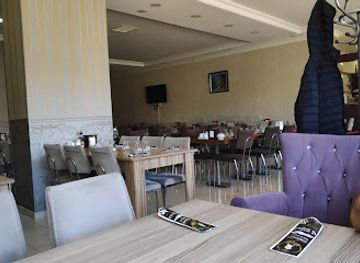
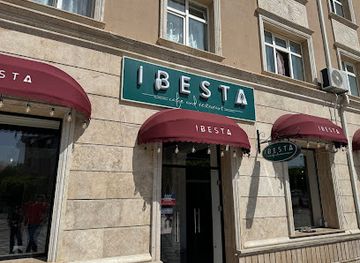
İbesta Restaurants Naxçıvan
Experience family-friendly dining at İbesta Restaurants in Nakhchivan with delicious local cuisine and warm hospitality.
Best bars in Nakhchivan Autonomous Republic
Nakhchivan has a restrained evening scene rather than a large club culture. In the capital, evenings centre on cafés, tea houses, hotel restaurants and family-oriented dining, with some venues offering live music or late socialising. Traditional tea drinking is a more reliable part of local evening life than bars, and visitors should not assume that alcohol is central to entertainment. Outside Nakhchivan city, nightlife is limited and generally consists of restaurants, cafés and informal gatherings, with earlier closing patterns possible in smaller communities. The most rewarding evening experiences are often architectural illumination, a quiet meal or tea, and a walk through the capital’s central public spaces, provided local regulations and venue arrangements are respected.
-
Wine bar
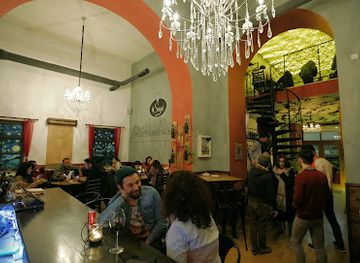
Saqi Wine Bar
Experience the vibrant wine culture of Baku at Saqi Wine Bar, where every sip is a journey through the world of exceptional wines.
-
Restaurant
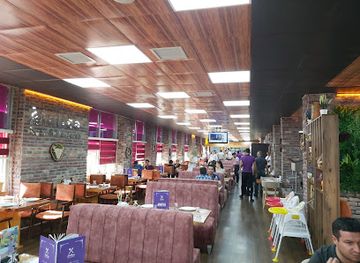
Melisa Kafe
Discover the delightful flavors of Nakhchivan at Melisa Kafe, where local cuisine meets a cozy atmosphere for an unforgettable dining experience.
-
Restaurant
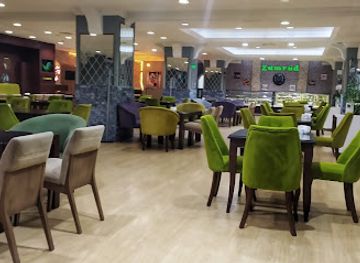
Zumrud Restoran
Savor the authentic taste of Azerbaijani cuisine at Zumrud Restoran in Nakhchivan, where tradition meets flavor.
-
Family-friendly
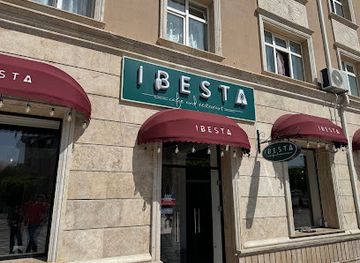
İbesta Restaurants Naxçıvan
Experience the rich flavors of Azerbaijani cuisine at İbesta Restaurants in Nakhchivan, perfect for families and food lovers.
Best nightclubs in Nakhchivan Autonomous Republic
Nakhchivan has a restrained evening scene rather than a large club culture. In the capital, evenings centre on cafés, tea houses, hotel restaurants and family-oriented dining, with some venues offering live music or late socialising. Traditional tea drinking is a more reliable part of local evening life than bars, and visitors should not assume that alcohol is central to entertainment. Outside Nakhchivan city, nightlife is limited and generally consists of restaurants, cafés and informal gatherings, with earlier closing patterns possible in smaller communities. The most rewarding evening experiences are often architectural illumination, a quiet meal or tea, and a walk through the capital’s central public spaces, provided local regulations and venue arrangements are respected.
-
Movie theater
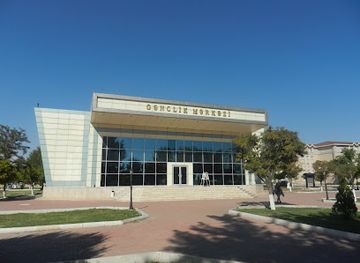
Genclik Merkezi
Discover the cinematic charm of Nakhchivan at Genclik Merkezi, a must-visit movie theater offering diverse films and a welcoming atmosphere.
-
Karaoke bar
La Case De Mafia
Experience the vibrant nightlife of Nakhchivan at La Case De Mafia, a karaoke bar where every night is a musical celebration.
-
Night club
ƏZİZİN VİLLASI
Discover the electrifying nightlife of Kulus at ƏZİZİN VİLLASI, a premier night club with vibrant music and a lively atmosphere.
-
Lounge
SVstudio
Discover the perfect blend of relaxation and local charm at SVstudio in Nakhchivan, an inviting lounge for every traveler.
Best shops in Nakhchivan Autonomous Republic
Shopping in Nakhchivan is concentrated in the capital’s central streets, local markets and small independent food shops rather than in large-scale retail districts. Useful regional purchases include dried fruit, nuts, preserves, tea, sweets and other packaged produce from the orchards and farms of the south-east, especially around Ordubad. Traditional carpets, textiles, pottery and decorative handicrafts may be available through specialist shops or cultural institutions, although quality and provenance should be considered carefully. Ordubad is more rewarding for browsing local produce and observing the relationship between gardens, food and town life than for extensive retail. In Nakhchivan city, visitors can also find books, crafts and souvenirs connected with the region’s mausoleums, archaeological heritage and historical figures. Keep receipts for valuable purchases, carry cash for smaller traders, and avoid buying archaeological objects or antiquities whose legal origin cannot be established.
-
Store
Alikin mağazası
Discover the charm of Nakhchivan at Alikin mağazası, where local crafts and unique souvenirs await every traveler.
-
Pet store
King of Naxçıvan
Discover the enchanting world of pets at King of Naxçıvan, a charming pet store in Nakhchivan filled with furry friends and essential supplies.
-
Store
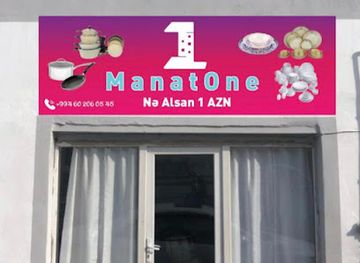
ManatOne mağazası
Explore the vibrant culture of Nakhchivan at ManatOne mağazası, your destination for unique local crafts and souvenirs.
-
Shopping mall
Saat Meydani Mall
Explore Saat Meydani Mall in Nakhchivan for a unique shopping experience, blending modern retail with local culture and delicious cuisine.
Get your free copy of our complete guide to Nakhchivan Autonomous Republic, delivered straight to you.
Everything on this page, from attractions and restaurants to essentials and local phrases, in one PDF you can read offline, print or share.
Already have an account? Sign in
Your Nakhchivan Autonomous Republic guide is ready.
We'll send it to · Not you? Sign out

Getting your guide ready…
We are putting together a fresh copy of the Nakhchivan Autonomous Republic guide. This can take up to a minute.
This can take a few moments. If your browser asks, choose Allow so the download can start. You'll find the guide in your Downloads folder.
Nothing happened? Download it again
Sorry, the guide is taking longer than usual. Please try again in a minute, or get it by email instead.
Nakhchivan Autonomous Republic essentials
Currency and Payment
Safety
Emergency Situations
Do's and Don'ts
Local Tips
From Eve
Local phrases worth knowing
You don't need to get them perfect. A few words go a long way, and locals appreciate the effort.
Basics
| English | Local | Say it |
|---|---|---|
| Hello | Salam | [sah-lahm] |
| Goodbye | Sağ ol | [sah-ol] |
| Yes | Bəli | [beh-lee] |
| No | Xeyr | [khayr] |
| Please/You're welcome | Zəhmət olmasa | [zeh-met ol-mah-sah] |
| Thank you | Təşəkkür edirəm | [teh-shehk-kur eh-dee-rem] |
| Excuse me/Sorry | Bağışlayın | [bah-uhsh-lah-yin] |
| How are you? | Necəsiz? | [neh-jeh-siz] |
| Fine. And you? | Yaxşı. Siz? | [yah-khsh-ee. siz?] |
| Do you speak English? | İngiliscə danışırsınız? | [een-gee-lee-jah dah-nah-sheer-sin-iz] |
| I don't understand | Mən başa düşmürəm | [men bah-shah doosh-moo-rem] |
Eating & Drinking
| English | Local | Say it |
|---|---|---|
| I'd like to see the menu, please | Menyuya baxmaq istərdim, zəhmət olmasa | [men-yoo-yah bahkh-maq ees-ter-deem, zeh-met ol-mah-sah] |
| I don't eat meat | Mən ət yemirəm | [men aht yeh-meer-rem] |
| Cheers! | Şərəfli | [sheh-reh-flee] |
| I would like to pay, please | Ödəmək istərdim, zəhmət olmasa | [uh-deh-mek ees-ter-deem, zeh-met ol-mah-sah] |
Emergencies
| English | Local | Say it |
|---|---|---|
| Help! | Kömək edin! | [kuh-mehk eh-deen] |
| Go away! | Get buradan! | [get boo-rah-dahn] |
| Call the Police! | Polisə zəng edin! | [po-lee-seh zehng eh-deen] |
| Call a doctor! | Həkimə zəng edin! | [heh-kee-meh zehng eh-deen] |
| I'm lost | Mən itmişəm | [men eet-me-shem] |
| I'm ill | Mən xəstəyəm | [men khes-teh-yem] |
Shopping
| English | Local | Say it |
|---|---|---|
| I'd like to buy... | Almaq istərdim... | [ahl-maq ees-ter-deem] |
| I'm just looking | Sadəcə baxıram | [sah-deh-jeh bah-khi-ram] |
| How much is it? | Bu nə qədərdir? | [boo neh geh-dehr-dir] |
| That's too expensive | Bu çox bahadır | [boo chohk bah-hah-dir] |
| Can you lower the price? | Qiyməti endirə bilərsiniz? | [kee-mah-tee en-dee-reh bi-lir-sin-iz] |
Time & Numbers
| English | Local | Say it |
|---|---|---|
| What time is it? | Saat neçədədir? | [sah-aht neh-cheh-dah-dir] |
| It's one o'clock | Saat birdir | [sah-aht beer-dir] |
| Half past (10) | Onun yarısıdır | [oh-noon yah-riss-dir] |
| Morning | Səhər | [seh-her] |
| Afternoon | Gündüz | [gun-dooz] |
| Evening | Axşam | [akh-shahm] |
| Yesterday | Dünən | [doo-nen] |
| Today | Bu gün | [boo gyoon] |
| Tomorrow | Sabah | [sah-bah] |
| 1 | 1 | [bir] |
| 2 | 2 | [iki] |
| 3 | 3 | [üç] |
| 4 | 4 | [dörd] |
| 5 | 5 | [beş] |
| 6 | 6 | [altı] |
| 7 | 7 | [yeddi] |
| 8 | 8 | [səkkiz] |
| 9 | 9 | [doqquz] |
| 10 | 10 | [on] |
Transport & Directions
| English | Local | Say it |
|---|---|---|
| Where's a/the...? | Nerədədir...? | [neh-reh-dah-dir] |
| What's the address? | Ünvan nədir? | [oon-vahn neh-dir] |
| Can you show me (on the map)? | Mənə (xəritədə) göstərə bilərsiniz? | [meh-neh (kh-eh-ree-tah-deh) gohs-teh-reh bi-lir-sin-iz] |
| When's the next (bus)? | Növbəti (avtobus) nə vaxtdır? | [nuhv-beh-ti (ahv-toh-boos) neh vahk-dur] |
| A ticket (to ....) | Bir bilet (....) | [beer bee-let] |
History of Nakhchivan Autonomous Republic
Prehistoric Settlements and Early Trade Routes
Nakhchivan has an exceptionally deep archaeological record, including early farming communities associated with sites such as Kültepe near the modern city. Its valleys offered water, cultivable land and access through the mountain corridors linking the Iranian plateau, Anatolia and the South Caucasus. Archaeological evidence shows long-distance exchange in metals, ceramics and other goods. The highland rock engravings at Gamigaya, generally dated to the Bronze and early Iron ages, add evidence of prehistoric pastoral and ritual activity, although their interpretation remains a specialist subject rather than a simple single-origin narrative.
Ancient Kingdoms and the Roman-Persian Frontier
In antiquity, Nakhchivan lay within a contested zone influenced by successive regional powers, including Urartian, Median, Achaemenid, Hellenistic, Roman and Persian political worlds. Its position at the edge of major empires made the Aras valley strategically important, while settlements connected agricultural communities with routes across the mountains. The region’s later religious landscape was also shaped by the spread of Christianity and interactions between Caucasian, Iranian and Anatolian cultures. Much of this early history is reconstructed through archaeology and textual evidence rather than through intact monumental remains.
Medieval Nakhchivan and the Atabeg Architectural Tradition
Nakhchivan flourished during the medieval period as a centre of administration, trade and architecture. Under the Eldiguzid, or Azerbaijani Atabeg, dynasty in the 12th century, the city and surrounding area received major religious and funerary monuments. The Momine Khatun Mausoleum, begun in 1186, is the finest surviving expression of this period’s distinctive brickwork and turquoise-tile decoration. Medieval construction in Nakhchivan demonstrates the region’s close links with the wider Seljuk and Iranian architectural spheres and remains central to its cultural identity.
Mongol, Timurid and Safavid Rivalries
From the 13th century onwards, Nakhchivan experienced the political upheavals associated with Mongol rule, the Ilkhanids, Timur’s campaigns and later Turkic and Persian dynasties. Its settlements and agricultural systems were affected by warfare, shifting authority and competition over strategic routes. During the Safavid and Ottoman periods, the region formed part of a frontier between major empires, with military and commercial consequences for towns along the Aras. The fortifications at Alinja illustrate the importance of mountain strongholds in this unsettled political landscape.
Russian Expansion and the Treaties of the Early Nineteenth Century
The Russo-Persian wars transformed Nakhchivan’s political setting. The Treaty of Turkmenchay in 1828 transferred the Nakhchivan Khanate to the Russian Empire, after which the territory was administered within Russia’s South Caucasian system. The new imperial frontier divided communities and redirected trade and administration towards Russian-controlled centres. This period also brought demographic and political changes across the wider region, creating legacies that continued through the late imperial, revolutionary and Soviet eras.
Soviet Administration and the Creation of the Autonomous Republic
After the upheavals of the early twentieth century, Nakhchivan became an autonomous territory within Soviet Azerbaijan. The Nakhchivan Autonomous Soviet Socialist Republic was established in 1924, giving the exclave a defined constitutional position inside Azerbaijan while it remained separated from the republic’s main territory by Armenia. Soviet policies expanded education, industry, transport and state administration, but also reshaped older economic patterns and religious institutions. Nakhchivan’s present political status derives from this Soviet-era settlement.
Independence, Border Isolation and Contemporary Nakhchivan
Following the dissolution of the Soviet Union, Nakhchivan remained part of independent Azerbaijan and faced severe transport and supply difficulties during the Nagorno-Karabakh conflict and the closure of routes through Armenia. The territory’s connection with Azerbaijan’s mainland consequently depended heavily on air links and relationships with neighbouring states. Nakhchivan city underwent extensive modern development, while investment in museums, roads, monuments and public spaces promoted the region’s historical identity. Its contemporary life still reflects the practical consequences of being an Azerbaijani exclave.
Nakhchivan Autonomous Republic in Photos
Browse through our photo collection highlighting the charm and character of the destination.
Neighbouring regions of Nakhchivan Autonomous Republic
The closest regions to Nakhchivan Autonomous Republic, if you have time for more than one.
-

-

-

-
-


Swipe for more regions
Explore more
Explore more of Azerbaijan
Discover Azerbaijan: A captivating blend of ancient heritage, stunning natural landscapes, and vibrant modernity at the crossroads of Europe and Asia.
Explore Azerbaijan