

Free Greater Barisal Travel Guide & Mobile App
Explore Greater Barisal with free travel guides. Discover regional history, expert tips, proposed trips, and audio guides on web or mobile app.


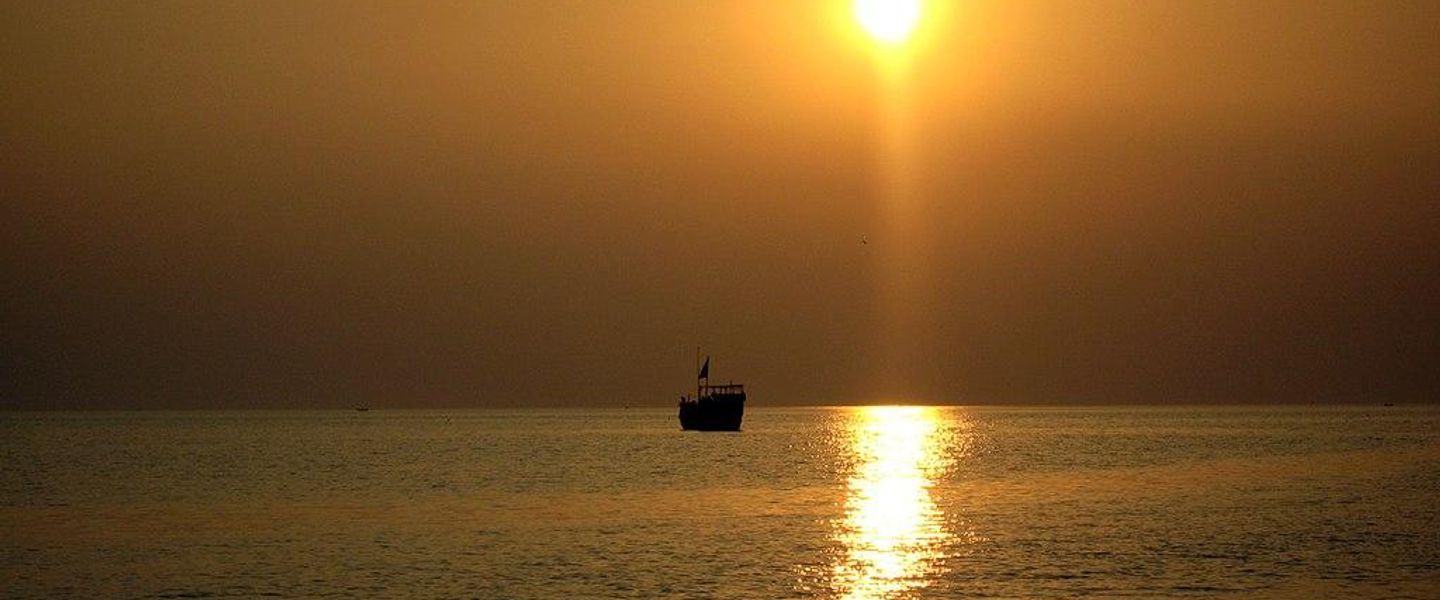


Explore Greater Barisal in Bangladesh for river journeys, floating markets, Kuakata’s coast, historic towns and the quiet landscapes of the southern delta.
Read more about Greater Barisal
When is the best time to visit Greater Barisal?
Best: December–February · 24–26°C| Month | High (°C) | Rainfall (mm) |
|---|---|---|
| January (best) | 24 | 10 |
| February (best) | 26 | 15 |
| March | 31 | 30 |
| April | 34 | 70 |
| May | 33 | 150 |
| June | 33 | 300 |
| July | 32 | 300 |
| August | 33 | 300 |
| September | 32 | 250 |
| October | 32 | 150 |
| November | 29 | 60 |
| December (best) | 24 | 20 |
Getting to and around Greater Barisal
How to get there
Transportation
Top city travel guides in Greater Barisal
The cities of Greater Barisal, and the easiest places to base yourself.
-

-


Swipe for more cities
Destinations in Greater Barisal
Resorts, valleys and scenic spots worth a trip of their own.

Swipe for more destinations
Best attractions in Greater Barisal
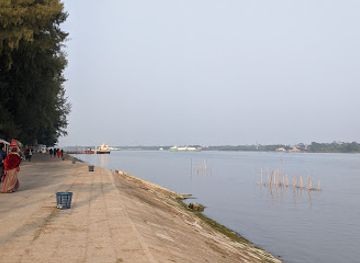
Greater Barisal’s attractions are closely tied to water and seasonal rural life. Barishal city offers riverfront activity, launch travel and access to nearby heritage properties, including the historic Lakutia area and the devotional architecture of the Guthia Mosque complex in Uzirpur. Around Jhalokathi, the canals and boats of Bhimruli provide a distinctive setting for seeing fruit trading at close range, particularly during the guava harvest. Day excursions into the countryside reveal orchards, rice fields, village shrines and waterways more effectively than a conventional sightseeing circuit. Patuakhali district leads south to Kuakata, where the beach, changing light and coastal communities form the region’s principal seaside attraction. Bhola provides a contrasting island environment of river channels, chars and ferry-linked settlements, while Pirojpur and Barguna are suited to slower journeys through wetlands and market towns. Visitors should allow for weather, tides and changing transport conditions, since the region’s strongest experiences are often reached by boat or along roads that follow shifting waterways.
-
Tourist attraction
30 Godown
Discover Barisal's charm at 30 Godown: A riverside park where history, nature, and local culture converge for an authentic experience.
-
Park
Durga Sagar
Escape to Durga Sagar: A historic lake offering serene beauty, diverse birdlife, and tranquil picnic spots near Barisal, Bangladesh.
-
Park
Shadhinota Park
Escape to Shadhinota Park in Barishal: A tranquil retreat offering lush greenery, winding trails, and a peaceful atmosphere for all nature lovers.
-
Amusement park
Planet Park
Experience thrilling rides & enchanting landscapes at Barisal's top amusement destination for families & adventure lovers.

Best landmarks in Greater Barisal
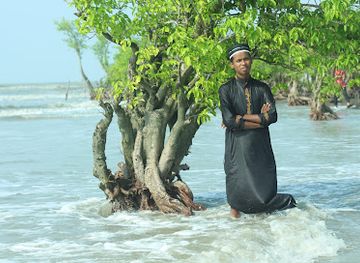
The most recognisable landmarks of Greater Barisal are often architectural or geographical markers within the delta rather than monumental structures. The Guthia Mosque complex in Uzirpur is notable for its large scale, multiple minarets and landscaped setting, making it one of the region’s most distinctive modern religious sites. Lakutia’s historic zamindar estate area, near Barishal, preserves traces of the landed families and garden landscapes that once influenced local administration and culture. In Barishal itself, the broad Kirtankhola River and its busy launch terminal are landmarks of everyday life, linking the city to the wider water network. Jhalokathi’s canals and Bhimruli’s boat market represent a working landscape in which waterways function as roads and trading floors. At the southern edge, Kuakata’s open beach is the region’s best-known natural landmark, valued for its long sea horizon and coastal setting. Bhola’s shifting riverbanks and chars are less fixed but equally significant, showing the geological processes that continue to create and erode land across the lower delta.
-
Tourist attraction
30 Godown
Discover the serene beauty and rich history of 30 Godown in Barisal, a perfect riverside escape blending natural tranquility with cultural significance and offering a peaceful retreat.
-
Buddhist temple
Mishripara Seema Buddha Temple
Discover tranquility at Mishripara Seema Buddha Temple near Kuakata, home to Bangladesh's largest Buddha statue and a vibrant Rakhine culture, offering a serene spiritual escape.
-
Historical place
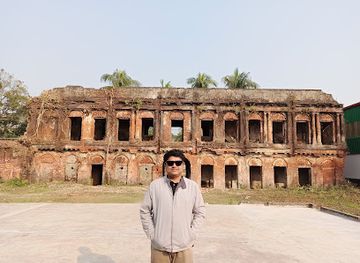
Lakutia Zamindar Bari
Discover the opulent past of Bengal's landlords at Lakutia Zamindar Bari, a historical estate showcasing colonial-era architecture and serene landscapes near Barisal, Bangladesh.
-
Historical landmark
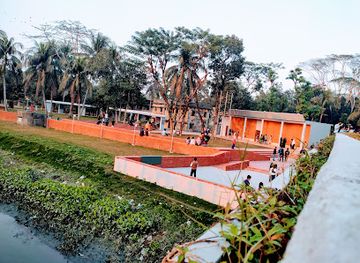
স্মৃতি ৭১ নির্যাতন- কেন্দ্র ও বধ্যভূমি
Reflect on the poignant history of the 1971 Liberation War at স্মৃতি '71 নির্যাতন কেন্দ্র ও বধ্যভূমি in Barishal, a place of remembrance and learning.
Explore Greater Barisal on the map
Plan your trip on one map. See where the top cities, national parks and sights are, and book hotels and experiences in a few clicks.
Best hotels in Greater Barisal
Best restaurants in Greater Barisal
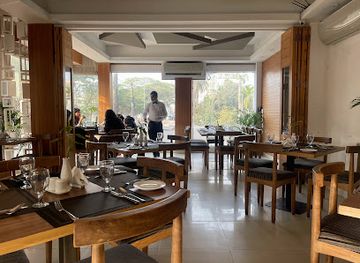
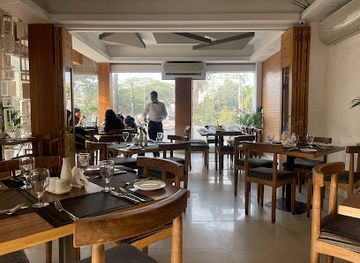
Food in Greater Barisal reflects the aquatic and agricultural character of the delta. Rice is the foundation, accompanied by freshwater fish, prawns, seasonal vegetables, lentils and preparations flavoured with mustard, chilli and turmeric. Hilsa is associated with the wider riverine cuisine of Bangladesh and may appear when available, though supply, season and price vary. Coconut, betel nut, bananas, guavas and other fruits are important in household and market life, while Patuakhali’s coastal location adds a stronger emphasis on fish and seafood. Barishal city has the broadest choice of modest Bengali restaurants, cafés and hotel dining rooms; smaller towns rely more on local eateries, tea stalls and market food. Rural inns and roadside restaurants may offer simple rice meals, fried fish and vegetable dishes rather than lengthy menus. Visitors should expect spice levels and preparation methods to vary, and can ask clearly for less chilli when needed. During fruit season, buying produce directly from a market or boat is part of the regional food experience.
-
Restaurant
Tawa Restaurant & Bakery
Experience exquisite flavors at Tawa Restaurant & Bakery in Barishal – where culinary artistry meets fine dining.
-
Restaurant
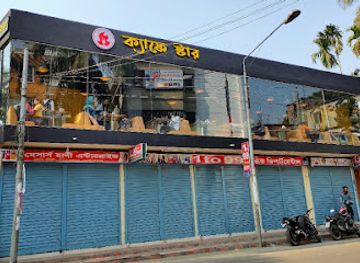
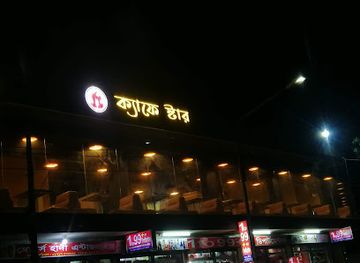
Cafe Star
Discover the cozy charm of Cafe Star in Barishal - where local flavors meet inviting ambiance.
-
Restaurant
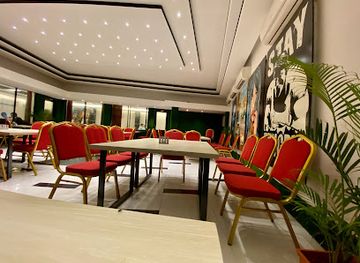
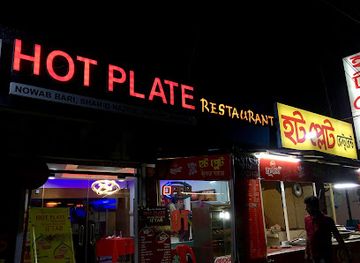
HOT PLATE Restaurant
Discover culinary excellence at HOT PLATE Restaurant in Barishal - where tradition meets innovation in every bite.
-
Restaurant
Food King
Experience the vibrant flavors of Bangladesh at Food King in Barishal - where every meal tells a story.

Best bars in Greater Barisal
Nightlife in Greater Barisal is generally modest and social rather than club-oriented. Barishal city has the region’s broadest evening choice, with tea stalls, cafés, restaurants and hotel-based dining providing places to meet after dark. In smaller towns such as Jhalokathi, Pirojpur and Patuakhali, evenings usually centre on family restaurants, market streets, riverfront activity and informal tea shops. Kuakata has more visitor-oriented restaurants and seasonal evening activity, particularly in the main beach area, but it should not be treated as a major nightclub destination. Alcohol is not central to public nightlife, and licensed availability is limited and subject to Bangladeshi law and venue policy. Avoid isolated riverbanks and beaches after dark, use reputable transport and follow local advice about areas that become quiet once markets close. Cultural programmes, literary events and local performances may occur, but dates and venues are changeable and should be checked locally.
-
Convention center
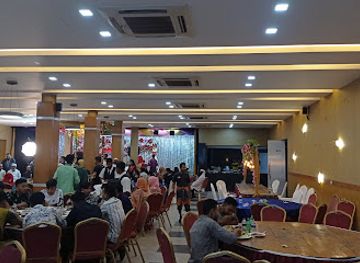
Barishal Club Ltd.
Discover the heart of Barishal at Barishal Club Ltd., a lively venue for recreation, dining, and social connection that embodies local culture.
-
Restaurant
Tawa Restaurant & Bakery
Experience exquisite dining and delicious bakery treats at Tawa Restaurant & Bakery, Barishal's culinary treasure.
-
Restaurant
Cafe Star
Discover Cafe Star in Barishal, where local flavors meet international cuisine in a cozy, welcoming atmosphere.
-
Restaurant
HOT PLATE Restaurant
Discover a culinary oasis in Barishal at HOT PLATE Restaurant, where local flavors meet international cuisine in a cozy atmosphere.
Best nightclubs in Greater Barisal
Nightlife in Greater Barisal is generally modest and social rather than club-oriented. Barishal city has the region’s broadest evening choice, with tea stalls, cafés, restaurants and hotel-based dining providing places to meet after dark. In smaller towns such as Jhalokathi, Pirojpur and Patuakhali, evenings usually centre on family restaurants, market streets, riverfront activity and informal tea shops. Kuakata has more visitor-oriented restaurants and seasonal evening activity, particularly in the main beach area, but it should not be treated as a major nightclub destination. Alcohol is not central to public nightlife, and licensed availability is limited and subject to Bangladeshi law and venue policy. Avoid isolated riverbanks and beaches after dark, use reputable transport and follow local advice about areas that become quiet once markets close. Cultural programmes, literary events and local performances may occur, but dates and venues are changeable and should be checked locally.
-
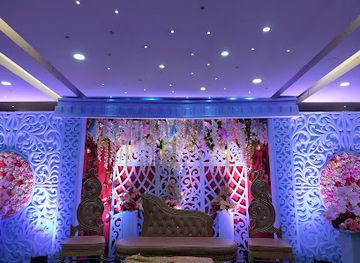
Convention center
Barishal Club Ltd.
Discover the charm of Barishal Club Ltd., where history meets modern leisure in Bangladesh's oldest social club.
-
Club
Barisal Officers Club
Barisal Officers Club: A blend of elegance and local culture in the heart of Barishal, perfect for tourists seeking a unique social experience.
-
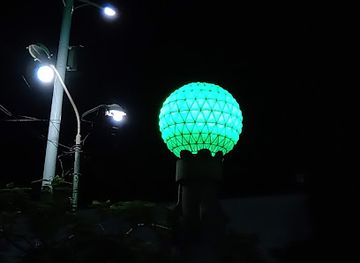
Night club
Atemkhana Auto stand
Discover the vibrant nightlife at Atemkhana Auto Stand, a premier night club in Kalapara offering entertainment, music, and local culture.
-
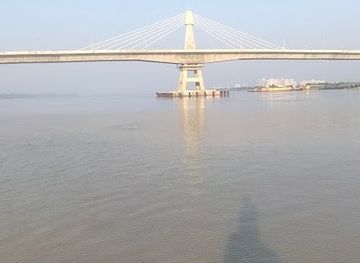
Karaoke bar
Md HANIFHAWOLADER
Discover the vibrant karaoke scene at Md Hanifhawolader in Kalapara, where music, laughter, and unforgettable nights await.
Best shops in Greater Barisal
Shopping in Greater Barisal is strongest in traditional markets and town high streets rather than large-scale retail districts. Barishal offers the widest selection of clothing, household goods, books, sweets, mobile-phone shops and regional food products, while Jhalokathi, Pirojpur, Patuakhali and Bhola have smaller markets serving local communities. The floating fruit trade around Bhimruli is particularly distinctive: seasonal guavas and other produce are sold from boats and nearby landing points, although the selection depends on harvest conditions. Kuakata’s visitor area has stalls selling shell-based ornaments, beach souvenirs, woven goods and locally made items, but quality and authenticity vary, so compare prices and avoid removing natural shells or coral from the coast. Markets are useful places to buy dried fish, spices, rice products, sweets and fresh fruit, provided food is packed appropriately for travel. Bargaining is common in informal markets but should be courteous; fixed-price shops, pharmacies and established retailers generally offer less scope for negotiation.
-
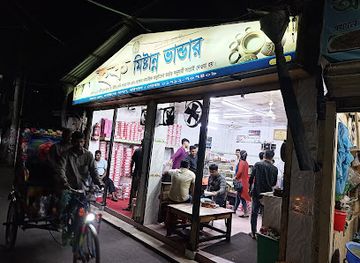
Dessert shop
Haque Sweet Vander
Discover the sweet side of Barishal at Haque Sweet Vander, offering an irresistible selection of traditional Bangladeshi desserts and confections.
-
Computer store
Ryans Computers- Barishal
Explore the best of technology at Ryans Computers in Barishal, your ultimate destination for all things tech.
-
Bakery
3S Pastry Shop
Experience the sweet charm of Barishal at 3S Pastry Shop, where delightful baked goods and a cozy atmosphere await every visitor.
-
Shopping mall
Fatema Center
Explore Fatema Center, Barishal's vibrant shopping mall offering diverse stores and local dining experiences amidst a lively atmosphere.
Get your free copy of our complete guide to Greater Barisal, delivered straight to you.
Everything on this page, from attractions and restaurants to essentials and local phrases, in one PDF you can read offline, print or share.
Already have an account? Sign in
Your Greater Barisal guide is ready.
We'll send it to · Not you? Sign out

Getting your guide ready…
We are putting together a fresh copy of the Greater Barisal guide. This can take up to a minute.
This can take a few moments. If your browser asks, choose Allow so the download can start. You'll find the guide in your Downloads folder.
Nothing happened? Download it again
Sorry, the guide is taking longer than usual. Please try again in a minute, or get it by email instead.
Greater Barisal essentials
Currency and Payment
Safety
Emergency Situations
Do's and Don'ts
Local Tips
From Eve
Local phrases worth knowing
You don't need to get them perfect. A few words go a long way, and locals appreciate the effort.
Basics
| English | Local | Say it |
|---|---|---|
| Hello | হ্যালো | [Hyalo] |
| Goodbye | বিদায় | [Biday] |
| Yes | হ্যাঁ | [Hya] |
| No | না | [Na] |
| Please/You're welcome | দয়া করে/স্বাগতম | [Doya kore/Swagatam] |
| Thank you | ধন্যবাদ | [Dhonnobad] |
| Excuse me/Sorry | মাফ করবেন/দুঃখিত | [Maf korben/Dukhito] |
| How are you? | আপনি কেমন আছেন? | [Apni kemon achen?] |
| Fine. And you? | ভাল। আপনি? | [Bhal. Apni?] |
| Do you speak English? | আপনি কি ইংরেজি বলেন? | [Apni ki Ingreji bolen?] |
| I don't understand | আমি বুঝি না | [Ami bujhi na] |
Eating & Drinking
| English | Local | Say it |
|---|---|---|
| I'd like to see the menu, please | মেনুটি দেখতে চাই, দয়া করে | [Menuti dekhte chai, doya kore] |
| I don't eat meat | আমি মাংস খাই না | [Ami mangsho khai na] |
| Cheers! | স্বাস্থ্য! | [Swastyo!] |
| I would like to pay, please | আমি বিল দিতে চাই, দয়া করে | [Ami bil dite chai, doya kore] |
Emergencies
| English | Local | Say it |
|---|---|---|
| Help! | সাহায্য করুন! | [Sahajjo korun!] |
| Go away! | এখান থেকে যান! | [Ekhan theke jan!] |
| Call the Police! | পুলিশ ডাকুন! | [Polish dakun!] |
| Call a doctor! | ডাক্তার ডাকুন! | [Daktar dakun!] |
| I'm lost | আমি হারিয়ে গেছি | [Ami hariye gechi] |
| I'm ill | আমি অসুস্থ | [Ami osustho] |
Shopping
| English | Local | Say it |
|---|---|---|
| I'd like to buy... | আমি কিনতে চাই... | [Ami kinte chai...] |
| I'm just looking | আমি শুধু দেখছি | [Ami shudhu dekhchi] |
| How much is it? | এর দাম কত? | [Er dam koto?] |
| That's too expensive | এটি খুব দামী | [Eti khub dami] |
| Can you lower the price? | আপনি কি দাম কমাতে পারেন? | [Apni ki dam komate paren?] |
Time & Numbers
| English | Local | Say it |
|---|---|---|
| What time is it? | এখন কতো বাজে? | [Ekhon koto baje?] |
| It's one o'clock | এটা একটা বাজে | [Eta ekta baje] |
| Half past (10) | দশটার অর্ধেক | [Dosh tar ardhek] |
| Morning | সকাল | [Shokal] |
| Afternoon | বিকেল | [Bikel] |
| Evening | সন্ধ্যা | [Shondhya] |
| Yesterday | গতকাল | [Gotokal] |
| Today | আজ | [Aj] |
| Tomorrow | কাল | [Kal] |
| 1 | ১ | [1] |
| 2 | ২ | [2] |
| 3 | ৩ | [3] |
| 4 | ৪ | [4] |
| 5 | ৫ | [5] |
| 6 | ৬ | [6] |
| 7 | ৭ | [7] |
| 8 | ৮ | [8] |
| 9 | ৯ | [9] |
| 10 | ১০ | [10] |
Transport & Directions
| English | Local | Say it |
|---|---|---|
| Where's a/the...? | কোথায় একটি...? | [Kothay akta...?] |
| What's the address? | ঠিকানা কি? | [Thikana ki?] |
| Can you show me (on the map)? | আপনি কি আমাকে দেখাতে পারেন (মানচিত্রে)? | [Apni ki amake dekhate paren (manchitre)?] |
| When's the next (bus)? | পরবর্তী (বাস) কখন? | [Poroborti (bas) kokhon?] |
| A ticket (to ....) | একটি টিকিট (যাতে ....) | [Ekta ticket (jate....)] |
History of Greater Barisal
Delta Settlement and Early Riverine Communities
The lands of Greater Barisal were formed and continually reshaped by the distributaries of the Ganges-Brahmaputra-Meghna delta. Early settlement concentrated on slightly raised natural levees and along navigable channels, where communities combined rice cultivation, fishing, boatbuilding and river trade. Because channels shifted, political authority and commercial importance often moved with the water. Archaeological evidence and scattered historic sites indicate long-standing settlement across the broader Barisal region, although much of its early history is recorded through riverine settlement patterns, inscriptions, religious remains and later written sources rather than through a single monumental ancient city.
Islamic Bengal and the Mughal Frontier
From the medieval period, Islam spread through Bengal’s river corridors through the activities of administrators, merchants, Sufi figures and rural communities. The southern delta became increasingly connected to the Bengal Sultanate and later the Mughal political system, although direct control was often shaped by waterways and local power holders. Mosques, shrines, market settlements and patterns of land clearance testify to the gradual expansion of settled agriculture. The region’s low-lying environment also encouraged the development of embanked fields, canals and river ports, foundations that continued to influence its economy under later regimes.
European Trade and the Growth of River Ports
European commercial interests entered Bengal’s river economy from the early modern period, joining older networks that moved rice, timber, salt, fish and other goods. The waterways around Barishal and Jhalokathi became important for transporting agricultural produce and forest products towards larger markets. River ports expanded as boat traffic connected inland settlements with the wider delta. The region did not develop as a heavily industrialised centre, but its commercial history was significant: markets, warehouses, timber yards, ferry crossings and trading families shaped many of the towns that visitors encounter today.
Colonial Administration and Barisal District
Under British rule, Barisal became an important administrative and commercial centre in eastern Bengal. Roads, courts, schools, municipal institutions and river transport strengthened the city’s role, while agrarian production remained central to the surrounding countryside. The colonial period also brought new forms of education and political organisation. Ashwini Kumar Dutta, a prominent educator and nationalist associated with Barisal, helped establish the region’s reputation for civic and educational activism. Many historic buildings, old neighbourhood layouts and institutional traditions in Barishal and nearby towns reflect this period, though subsequent development has altered much of the original urban fabric.
The Swadeshi Movement and Political Activism
Barisal was an important centre of anti-colonial politics during the early twentieth century, particularly around the Swadeshi movement that followed the 1905 partition of Bengal. Political meetings, education initiatives and campaigns supporting locally made goods drew students, professionals and wider sections of society into public life. The region’s river connections helped ideas and organisers circulate beyond the main town. This history is important not only for national politics but also for understanding the civic culture of Barisal, where schools, debating associations and public institutions became closely linked with arguments about self-rule, education and social reform.
Partition, Liberation and the Bangladesh Delta
The partition of British India in 1947 placed Greater Barisal within East Pakistan and altered established commercial, administrative and social connections. The region later became part of independent Bangladesh after the Liberation War of 1971, during which communities across the south experienced violence, displacement and political upheaval. Since independence, roads and bridges have improved access while river transport remains essential. Cyclones, river erosion, salinity and changing channels continue to affect coastal districts, making climate adaptation and disaster preparedness important parts of the region’s modern history.
Jibanananda Das and the Cultural Imagination of Barisal
The poet Jibanananda Das, born in Barishal in 1899, occupies a lasting place in Bengali literature. His writing is associated with intimate images of Bengal’s paddy fields, rivers, birds, dusk and rural memory, and has helped shape the cultural imagination of the Barisal landscape far beyond the region itself. His importance is literary rather than commemorative spectacle: visitors encounter his legacy through cultural references, educational institutions and the continuing association between Barishal and modern Bengali poetry. The region’s waterways and seasonal landscapes remain central to how it is represented in Bengali culture.
Greater Barisal in Photos
Browse through our photo collection highlighting the charm and character of the destination.
Neighbouring regions of Greater Barisal
The closest regions to Greater Barisal, if you have time for more than one.
-

-

-

-

-


Swipe for more regions
Explore more

Explore more of Bangladesh
Discover Bangladesh: A land of rivers, rich culture, and breathtaking landscapes. Explore ancient sites, vibrant cities, and the unique flavors of this South Asian gem.
Explore Bangladesh