

Free Ganges Delta Travel Guide & Mobile App
Explore Ganges Delta with free travel guides. Discover regional history, expert tips, proposed trips, and audio guides on web or mobile app.


Explore Bangladesh’s Ganges Delta through mangrove forests, river markets, historic mosques, coastal landscapes and village waterways.
Read more about Ganges Delta
When is the best time to visit Ganges Delta?
Best: December–February · 25–28°C| Month | High (°C) | Rainfall (mm) |
|---|---|---|
| January (best) | 25 | 10 |
| February (best) | 28 | 20 |
| March | 33 | 40 |
| April | 35 | 75 |
| May | 36 | 150 |
| June | 34 | 300 |
| July | 33 | 400 |
| August | 33 | 350 |
| September | 32 | 275 |
| October | 31 | 150 |
| November | 29 | 50 |
| December (best) | 26 | 20 |
Getting to and around Ganges Delta
How to get there
Transportation
Top city travel guides in Ganges Delta
The cities of Ganges Delta, and the easiest places to base yourself.
-

-

-

-

-

-


Swipe for more cities
Destinations in Ganges Delta
Resorts, valleys and scenic spots worth a trip of their own.
-

-

-

-

-

-


Swipe for more destinations
Best attractions in Ganges Delta
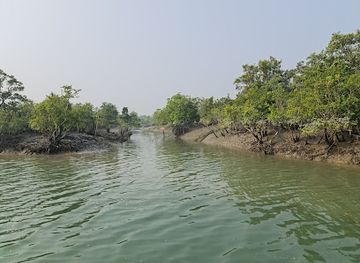
The Ganges Delta’s attractions are defined less by a single urban centre than by the relationship between water, settlement and forest. The Sundarbans is the region’s major natural destination, offering guided boat travel through tidal creeks, mangrove channels and forest edges where visitors may see birds, crocodiles, deer and other wildlife, although sightings are never guaranteed. Bagerhat provides the principal historic experience, with the Sixty Dome Mosque and other remains of a fifteenth-century Islamic city set among ponds and greenery. Around Barisal, Pirojpur and Jhalokathi, boat excursions reveal canals, orchards, rice fields and floating produce markets. Khulna brings together museums, riverfront activity and practical access to the southwest, while Mongla reflects the working port landscape. Kuakata offers a coastal setting at the delta’s southern edge, with a wide beach and fishing activity. Rural markets, ferry ghats, shrines, temples and village waterways are also significant attractions, provided they are visited respectfully and without treating working communities as spectacles.
-
Nature preserve
Sundarban National Park (West Bengal)
Explore the Sundarban National Park, home to the Royal Bengal Tiger and the world's largest mangrove forests, a UNESCO World Heritage Site.
-
Amusement park
Toggi Fun World
Experience thrilling rides, games, and attractions at Toggi Fun World, Dhaka's ultimate indoor amusement park located in Bashundhara City Shopping Mall.
-
Tourist attraction
Alutila Guha
Explore the depths of Alutila Guha, a mysterious cave in Khagrachhari, Bangladesh, and discover stunning natural beauty and thrilling adventure in the heart of the Chittagong Hill Tracts.
-
Tourist attraction
Baliati Jamidar Bari
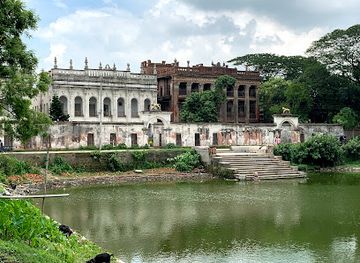
Discover the architectural splendor and historical legacy of the Baliati Jamidar Bari, a window into Bangladesh's Zamindari past.

Best landmarks in Ganges Delta
The Sixty Dome Mosque at Bagerhat is the delta’s most distinguished architectural landmark. Built in the fifteenth century during the settlement associated with Khan Jahan Ali, its many domes, heavy brick piers and restrained decoration express the regional adaptation of Islamic architecture to Bengal’s humid environment. The nearby mausoleum of Khan Jahan Ali and other historic mosques and water tanks help convey the scale of the former city. Khulna’s riverside setting is another defining feature, although its importance is functional and geographic rather than monumental. In the central delta, Barisal’s waterways, bridges and launch ghats form a characteristic urban landscape shaped by regular movement between land and water. Farther south, the mangrove channels of the Sundarbans are natural landmarks rather than fixed monuments: tidal banks, forest islands and shifting creeks demonstrate the delta’s continuing formation. Kuakata’s open coast provides a contrasting landmark, marking the exposed southern edge of the lowlands where river sediment, tide and sea meet.
-
Historical landmark
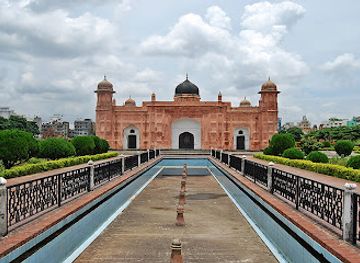
Lalbagh Fort
Explore the unfinished Mughal masterpiece of Lalbagh Fort in Dhaka, Bangladesh, and step back in time to discover the rich history and architectural splendor of the 17th century.
-
Historical landmark
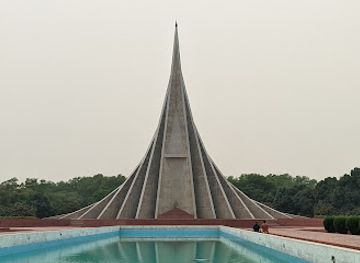
National Martyrs' Monument
A national monument in Savar commemorating the martyrs of the 1971 Liberation War, symbolizing Bangladesh's resilience and independence.
-
Historical landmark
Central Shaheed Minar
A national monument in Dhaka, honoring the martyrs of the Bengali Language Movement and the spirit of Bengali identity.
-
Historical place museum
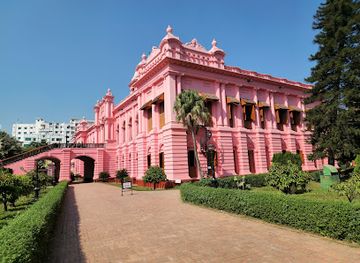
Ahsan Manzil Museum
Step back in time at Dhaka's Pink Palace, a majestic museum showcasing the opulent lifestyle and rich history of the Nawabs of Bengal on the Buriganga River.
Explore Ganges Delta on the map
Plan your trip on one map. See where the top cities, national parks and sights are, and book hotels and experiences in a few clicks.
Best hotels in Ganges Delta
Best restaurants in Ganges Delta
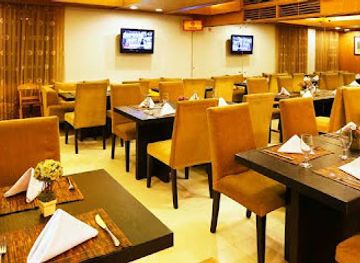
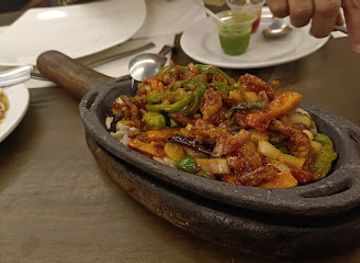
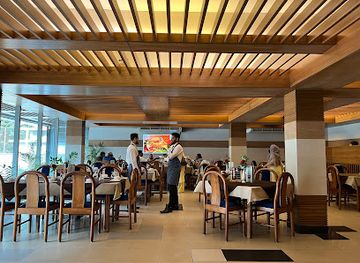
Food in the delta is closely connected to its rivers, wetlands, fields and coastal waters. Rice is the foundation, accompanied by freshwater fish, prawns, seasonal vegetables, lentils, pickles and leafy preparations. Hilsa is an important Bengali culinary symbol and is widely associated with the Padma and wider delta waterways, though fishing seasons and conservation rules affect availability. In the south, fish and shrimp feature prominently, while village meals may include mustard-based sauces, bhorta made from mashed vegetables or fish, and simple rice dishes cooked for family and workers. Barisal, Khulna and other larger towns have the broadest choice of restaurants, cafés and bakeries; smaller settlements rely more on modest eateries, markets and roadside tea stalls. Around the rural waterways, food is often fresh but facilities are basic, so organised tours may need to arrange meals in advance. Local sweets, seasonal guavas and produce from river markets add variety to the region’s predominantly rice-and-fish cuisine.
-
Restaurant
Ozz Cafe
Discover delightful dishes and a warm ambiance at Ozz Cafe in Dhaka - where culinary traditions meet modern tastes.
-
Biryani
Kolkata Kacchi Ghor
Experience authentic Bangladeshi cuisine at Kolkata Kacchi Ghor, famous for its mouth-watering Kacchi biryani and warm ambiance.
-
Restaurant
Thai Chi Restaurant & Cafe
Discover the rich flavors of Thailand, India, and China at Dhaka's premier dining destination - Thai Chi Restaurant & Cafe.
-
Chinese
Xindian Restaurant
Experience authentic Chinese and Thai flavors at Xindian Restaurant in Dhaka, where every dish tells a story of culinary excellence.
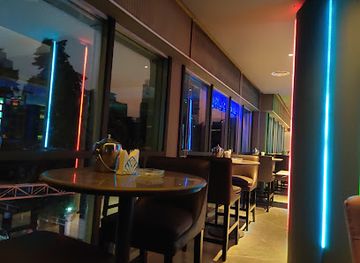
Best bars in Ganges Delta
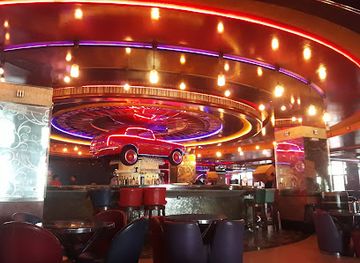
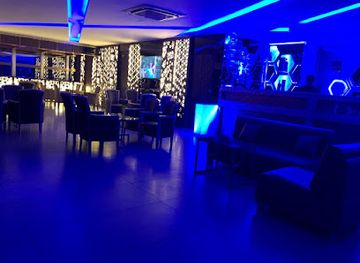
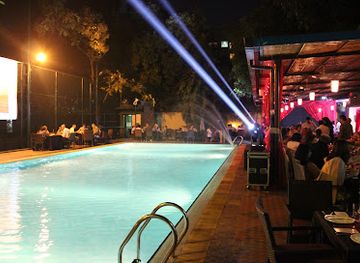
Nightlife in the Ganges Delta is generally low-key and concentrated in Khulna, Barisal and larger market towns rather than organised around a major club scene. Evening life is more likely to involve tea stalls, family restaurants, hotel cafés, riverside walks, community gatherings or occasional cultural performances than late-night entertainment. Khulna has the widest urban choice, while Barisal’s waterways and town streets give evenings a distinctly river-oriented atmosphere. Alcohol is not central to public life, and licensed availability is limited compared with many international destinations; visitors should follow local and hotel regulations. In rural areas and near the Sundarbans, evenings become quiet after dark, with accommodation, boat schedules and wildlife rules shaping the experience. Small live-music, theatre and cultural events may occur in towns, but arrangements are changeable and should be checked locally rather than assumed.
-
Bar
Chalet Restaurant & Bar
Experience the vibrant atmosphere and diverse menu at Chalet Restaurant & Bar, a must-visit culinary destination in Dhaka.
-
Bar
Kingfisher Restaurant & Bar
Discover the vibrant culinary scene at Kingfisher Restaurant & Bar in Dhaka, offering a perfect blend of delicious cuisine and lively atmosphere.
-
Bar
Golden Dragon Bar
Experience the vibrant nightlife of Dhaka at Golden Dragon Bar, where exquisite drinks and a lively atmosphere await you.
-
Restaurant
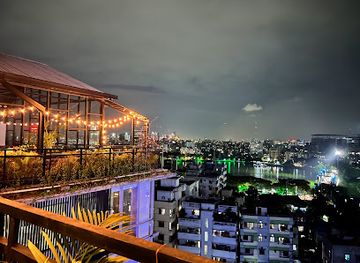
The Wind Lounge
Experience Dhaka from above at The Wind Lounge, where culinary excellence meets breathtaking skyline views.
Best nightclubs in Ganges Delta
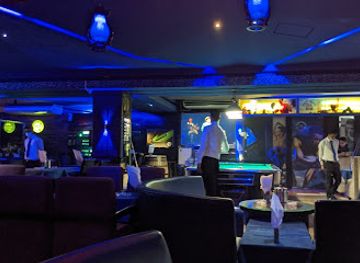
Nightlife in the Ganges Delta is generally low-key and concentrated in Khulna, Barisal and larger market towns rather than organised around a major club scene. Evening life is more likely to involve tea stalls, family restaurants, hotel cafés, riverside walks, community gatherings or occasional cultural performances than late-night entertainment. Khulna has the widest urban choice, while Barisal’s waterways and town streets give evenings a distinctly river-oriented atmosphere. Alcohol is not central to public life, and licensed availability is limited compared with many international destinations; visitors should follow local and hotel regulations. In rural areas and near the Sundarbans, evenings become quiet after dark, with accommodation, boat schedules and wildlife rules shaping the experience. Small live-music, theatre and cultural events may occur in towns, but arrangements are changeable and should be checked locally rather than assumed.
-
Bar
Bluemoon Recreation Club
Experience the perfect blend of relaxation and entertainment at Bluemoon Recreation Club in Dhaka, where leisure meets vibrant social life.
-
Bar
SKYe Lounge Bar
Experience the vibrant nightlife at SKYe Lounge Bar in Dhaka, where modern elegance meets spectacular city views with delicious drinks.
-
Social club
International Club Dhaka
Discover the vibrant atmosphere, exquisite dining, and rich cultural connections at the International Club Dhaka.
-
Comedy club
Naveed's Comedy Club
Experience the best of Dhaka's entertainment scene at Naveed's Comedy Club, where laughter and local humor come together for an unforgettable night.
Best shops in Ganges Delta
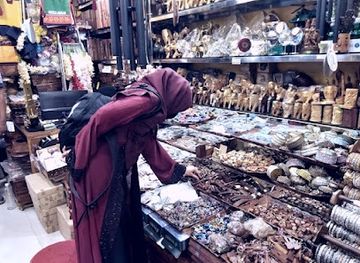
Shopping in the Ganges Delta is primarily local and practical, with the strongest character found in market towns, riverside bazaars and floating produce markets rather than large retail complexes. Barisal and surrounding waterways are known for seasonal fruit and agricultural produce, including guavas associated with the southern orchard country. Khulna offers the broadest urban selection of clothing, household goods, sweets, books and everyday necessities, while Bagerhat and other historic centres have small shops serving visitors to local monuments. Rural markets are useful for seeing fish, rice, vegetables, betel nuts, woven goods and boat-borne commerce, though transport and storage make many fresh products unsuitable as souvenirs. Appropriate purchases include packaged regional foods, Bengali books, simple textiles and locally made craft items bought from ordinary retailers. Visitors should avoid wildlife products, shells or forest materials of uncertain origin, and should ask about customs and transport restrictions before carrying agricultural or animal products across borders.
-
Shopping mall
Bashundhara City Shopping Complex
Explore Bashundhara City Shopping Complex: Dhaka's premier destination for shopping, dining, and entertainment in a vibrant and modern setting.
-
Shopping mall
Jamuna Future Park
Discover a shopping paradise at Jamuna Future Park, Dhaka's leading destination for retail, dining, and entertainment experiences.
-
Clothing store
Aarong Wari
Discover the essence of Bangladeshi craftsmanship at Aarong Wari, where traditional designs meet contemporary style in a vibrant shopping atmosphere.
-
Clothing store
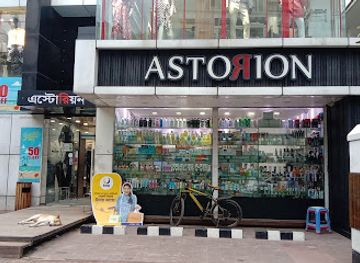
Astorion (Gulshan 02)
Explore the stylish collections at Astorion in Gulshan 02, where modern fashion meets traditional elegance in the heart of Dhaka.


Get your free copy of our complete guide to Ganges Delta, delivered straight to you.
Everything on this page, from attractions and restaurants to essentials and local phrases, in one PDF you can read offline, print or share.
Already have an account? Sign in
Your Ganges Delta guide is ready.
We'll send it to · Not you? Sign out

Getting your guide ready…
We are putting together a fresh copy of the Ganges Delta guide. This can take up to a minute.
This can take a few moments. If your browser asks, choose Allow so the download can start. You'll find the guide in your Downloads folder.
Nothing happened? Download it again
Sorry, the guide is taking longer than usual. Please try again in a minute, or get it by email instead.
Ganges Delta essentials
Currency and Payment
Safety
Emergency Situations
Do's and Don'ts
Local Tips
From Eve
Local phrases worth knowing
You don't need to get them perfect. A few words go a long way, and locals appreciate the effort.
Basics
| English | Local | Say it |
|---|---|---|
| Hello | হ্যালো | [Hyalo] |
| Goodbye | বিদায় | [Biday] |
| Yes | হ্যাঁ | [Hyān] |
| No | না | [Nā] |
| Please/You're welcome | দয়া করে/স্বাগতম | [Doya kore/Swagatam] |
| Thank you | ধন্যবাদ | [Dhonnobad] |
| Excuse me/Sorry | মাফ করবেন/দুঃখিত | [Maf korben/Dukhito] |
| How are you? | আপনি কেমন আছেন? | [Apni kemon achen?] |
| Fine. And you? | ভাল। আর আপনি? | [Bhalo. Ar apni?] |
| Do you speak English? | আপনি কি ইংরেজি বলেন? | [Apni ki Ingreji bolen?] |
| I don't understand | আমি বুঝি না | [Ami bujhi na] |
Eating & Drinking
| English | Local | Say it |
|---|---|---|
| I'd like to see the menu, please | মেনু দেখার জন্য অনুরোধ করছি | [Menu dekhār jonyo onurodh korchi] |
| I don't eat meat | আমি মাংস খাই না | [Ami mangsho khai na] |
| Cheers! | স্লাভ! | [Slav!] |
| I would like to pay, please | আমি বিল দিতে চাই, দয়া করে | [Ami bil dite chai, doya kore] |
Emergencies
| English | Local | Say it |
|---|---|---|
| Help! | সাহায্য করুন! | [Sahajyo korun!] |
| Go away! | দূর হও! | [Dur hao!] |
| Call the Police! | পুলিশ ডাকুন! | [Polish dākun!] |
| Call a doctor! | ডাক্তার ডাকুন! | [Dāktār dākun!] |
| I'm lost | আমি হারিয়ে গেছি | [Ami hāriye gechi] |
| I'm ill | আমি অসুস্থ | [Ami osustho] |
Shopping
| English | Local | Say it |
|---|---|---|
| I'd like to buy... | আমি কিনতে চাই... | [Ami kinte chai...] |
| I'm just looking | আমি শুধু দেখছি | [Ami shudhu dekhchi] |
| How much is it? | এটার দাম কত? | [Eṭār dām koto?] |
| That's too expensive | এটা খুব দামী | [Eṭā khub dāmi] |
| Can you lower the price? | আপনি কি দাম কম করতে পারেন? | [Apni ki dām kom korte paren?] |
Time & Numbers
| English | Local | Say it |
|---|---|---|
| What time is it? | কী সময়? | [Ki shomoy?] |
| It's one o'clock | এটা একটা বাজে | [Eṭā ekṭā bāje] |
| Half past (10) | দশটার অর্ধেক | [Doshṭār ardhek] |
| Morning | সকাল | [Sakal] |
| Afternoon | দুপুর | [Dupur] |
| Evening | সন্ধ্যা | [Shondhya] |
| Yesterday | গতকাল | [Gatakāl] |
| Today | আজ | [Aaj] |
| Tomorrow | কাল | [Kāl] |
| 1 | ১ | [1] |
| 2 | ২ | [2] |
| 3 | ৩ | [3] |
| 4 | ৪ | [4] |
| 5 | ৫ | [5] |
| 6 | ৬ | [6] |
| 7 | ৭ | [7] |
| 8 | ৮ | [8] |
| 9 | ৯ | [9] |
| 10 | ১০ | [10] |
Transport & Directions
| English | Local | Say it |
|---|---|---|
| Where's a/the...? | একটি/দ্যা... কোথায়? | [Ekti/Dya... kothāy?] |
| What's the address? | ঠিকানা কী? | [Thikānā ki?] |
| Can you show me (on the map)? | আপনি কি আমাকে দেখাতে পারেন (মানচিত্রে)? | [Apni ki āmāke dekhāte paren (mānchitre)?] |
| When's the next (bus)? | পরবর্তী (বাস) কখন? | [Poroborti (bās) kokhon?] |
| A ticket (to ....) | একটি টিকিট (.... এর জন্য) | [Ekti ṭikiṭ (.... er jonyo)] |
History of Ganges Delta
Early Riverine Settlements and Buddhist Bengal
The delta has never been a fixed landscape. Rivers changed course, deposited new soil and opened or abandoned routes between settlements, making agriculture and trade possible while also repeatedly altering communities. Ancient and early medieval Bengal supported rice cultivation, fishing and river commerce across the lowlands. Buddhist dynasties, particularly the Palas, influenced wider Bengal between the eighth and twelfth centuries, leaving a legacy of religious learning, sculpture and settlement patterns. Much archaeological evidence is scattered or buried beneath later alluvium, but the region’s long history of water-based agriculture and exchange remains central to understanding its present-day society.
Islamic Frontier Settlement in the Southwest
From the fifteenth century, parts of the southwestern delta were brought more systematically into cultivated and administered territory. The settlement associated with Khan Jahan Ali at Bagerhat is the clearest surviving expression of this process. Mosques, reservoirs and civic structures were built in a landscape that was still heavily forested and waterlogged. The Sixty Dome Mosque, also known as Shait Gumbad Mosque, is the best-known monument of the former city, but the wider archaeological zone includes several other mosques and tanks. The development shows how religious patronage, land clearance, water management and political authority operated together on Bengal’s frontier.
River Trade and Mughal Bengal
Under Mughal rule, Bengal’s rivers supported an extensive movement of rice, textiles, salt, timber, fish and other goods. Administrative centres and market towns depended on boats more than overland routes, while the delta’s fertile soils made it one of the most productive parts of the subcontinent. Muslim, Hindu and other communities participated in agriculture, craft production and commerce, although landholding and taxation were shaped by changing political authorities. Many present-day towns grew from these riverine networks. The waterways also connected the interior to ports and to the maritime trade of the Bay of Bengal.
Colonial Commerce, Indigo and Jute
British rule altered the delta’s economy through new systems of land revenue, commercial agriculture, transport and export. Indigo cultivation generated resistance in Bengal during the nineteenth century, while jute later became a major export crop, moving by river to processing centres and the port of Calcutta, now Kolkata, outside Bangladesh. Steam navigation, railways and colonial trading interests changed the importance of particular river ports without eliminating the underlying water-based economy. The growth of Khulna and other southern centres was connected to these wider commercial networks, as were changing patterns of labour, land ownership and rural indebtedness.
Partition and the 1947 Border
The partition of British India in 1947 placed the eastern delta within East Pakistan and created a new international boundary with India. Communities whose trade, religious institutions and family connections had long crossed the region’s waterways faced new political and administrative divisions. Migration altered the demographic and economic character of many towns, while river routes that had once functioned as internal connections became international frontiers or required greater regulation. The effects were uneven, but Partition remains important for understanding the region’s borders, minority communities, disrupted commerce and continuing cross-border cultural relationships.
The Liberation War of 1971
The delta played a significant role during the Bangladesh Liberation War. River crossings, coastal waterways, ports and rural settlements were strategically important, and the conflict affected towns and villages across the south and southwest. Bagerhat, Khulna, Barisal and surrounding districts experienced military operations, resistance activity, displacement and loss of life. Independence transformed the region’s political identity as East Pakistan became Bangladesh. Memorials and local histories vary from place to place, so visitors should approach war-related sites with respect and recognise that many accounts remain personal and community-based rather than represented by a single monument.
Cyclones, Embankments and a Changing Delta
Modern delta life has been shaped by repeated cyclones, tidal surges, river erosion and attempts to control water through embankments, polders and drainage projects. The disasters of 1970 and 1991, among others, exposed the vulnerability of low-lying coastal communities, while later improvements in warning systems, shelters and local preparedness reduced some risks without removing them. Salinity intrusion, subsidence, changing sediment flows and climate pressure continue to influence farming, fisheries and settlement. The history of the Ganges Delta is therefore also a history of adaptation: people continually adjust homes, crops, routes and livelihoods to a mobile environment.
Ganges Delta in Photos
Browse through our photo collection highlighting the charm and character of the destination.
Neighbouring regions of Ganges Delta
The closest regions to Ganges Delta, if you have time for more than one.
-

-

-

-

-


Swipe for more regions
Explore more

Explore more of Bangladesh
Discover Bangladesh: A land of rivers, rich culture, and breathtaking landscapes. Explore ancient sites, vibrant cities, and the unique flavors of this South Asian gem.
Explore Bangladesh