

Khulna Division, Bangladesh Travel Guide
Discover Khulna Division: Where the Sundarbans Meet Rich History and Vibrant Culture in Bangladesh
Khulna Division in Bangladesh is a treasure trove of natural beauty and cultural heritage. This region is home to the Sundarbans, the largest mangrove forest in the world, and a UNESCO World Heritage Site. Here, you can witness the majestic Royal Bengal Tiger, diverse wildlife, and a complex network of rivers and tidal waterways. The Sundarbans is not just a visual delight but also a haven for nature lovers and adventure seekers alike. Khulna Division also boasts historical and cultural significance. Visit the ancient 15th-century Khan Jahan Ali Mosque, a marvel of Islamic architecture, and the nearby Bagerhat, another UNESCO World Heritage Site. The mosque's intricate terracotta designs and serene atmosphere offer a glimpse into the rich history of the area. For a more urban experience, explore the city of Khulna itself. The city is known for its vibrant markets, delicious local cuisine, and friendly locals. Don't miss trying the famous Khulna sweets and seafood, which are a treat for the taste buds. The blend of urban life with natural beauty makes Khulna Division a unique and unforgettable destination.

Know before you go
Hi, I'm Eve. Here are a few practical things to know before exploring Khulna Division.
- Visit during the dry season (November to February) for the best wildlife sightings in the Sundarbans.
- Take a guided tour in the Sundarbans to ensure safety and enhance your experience.
- Try local delicacies like Chingri (shrimp) and Khulna sweets at traditional eateries.
- Wear light, breathable clothing and carry insect repellent to stay comfortable in the tropical climate.
- Respect local customs and dress modestly when visiting religious and historical sites.
Top City Travel Guides in Khulna Division
The cities of Khulna Division, and the easiest places to base yourself.


Destinations in Khulna Division
Resorts, valleys and scenic spots worth a trip of their own.


Explore Khulna Division: Things to Do, Places to Eat, Hotels & More
Handpicked recommendations for top attractions, local dining, accommodations, and more

Top Attractions & Sightseeing in Khulna Division
Top-rated picks
Best Attractions

Sunderban Delta
Explore the Sunderban Delta: A UNESCO World Heritage Site, home to the Royal Bengal Tiger and the world's largest mangrove forests.

Khan Jahan Ali Bridge
Discover the iconic Khan Jahan Ali Bridge in Khulna: A vital link, architectural marvel, and vibrant social hub with stunning Rupsha River views.

1971 : Genocide-Torture Archive & Museum
Preserving the memory of the 1971 Liberation War through artifacts, photographs, and stories of genocide and torture in Khulna, Bangladesh.

Badha Ghat, Narail
Discover Badha Ghat in Narail: A historical riverside landmark offering tranquility and cultural immersion on the banks of the Chitra River.

Best landmarks in Khulna Division
Top-rated picks
Best Landmarks

Bonobilash Zoo
Experience the vibrant wildlife and conservation efforts at Bonobilash Zoo in Khulna, a family-friendly destination for animal lovers.

Bangladesh Biman Monument
Explore the Bangladesh Biman Monument in Khulna – a solemn tribute to national heroes and a serene spot for reflection and photography.

Hiron Point
Discover Hiron Point: A serene Sundarbans sanctuary with diverse wildlife, mangrove forests, and breathtaking natural beauty.

The Sundarbans (Bangladesh)
Explore the Sundarbans, the world's largest mangrove forest and a UNESCO World Heritage site, home to the Royal Bengal Tiger and unparalleled biodiversity.

Best restaurants in Khulna Division
Top-rated picks
Best Restaurants

Kamrul Hotel
Discover authentic Bangladeshi flavors at Kamrul Hotel in Khulna - where every meal tells a story.

Deshi Kitchen
Savor authentic Bangladeshi flavors at Deshi Kitchen in Khulna – where every meal is a celebration of tradition.
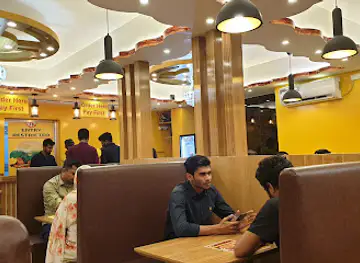
ROVERS CAFE
Experience delightful dining at Rovers Cafe in Khulna - where local flavors meet international cuisine in a cozy setting.

Bistro C
Experience the best of Khulna's culinary scene at Bistro C, where local flavors meet international cuisine in an inviting setting.

Best bars in Khulna Division
Top-rated picks
Best Bars

City Inn Limited
Discover the rich flavors of Khulna at City Inn Limited, a top-rated restaurant and hotel offering an unforgettable dining experience.

Hotel Castle Salam
Discover the perfect blend of comfort and convenience at Hotel Castle Salam, your ideal stay in Khulna's vibrant heart.

Deshi Kitchen
Experience the essence of Bangladeshi cuisine at Deshi Kitchen, a culinary gem in Khulna offering authentic flavors and a warm atmosphere.

Abbas Hotel
Experience the rich flavors of Bangladeshi cuisine at Abbas Hotel in Khulna, a budget-friendly haven for food lovers.

Best nightclubs in Khulna Division
Top-rated picks
Best Nightclubs

Khulna Club Ltd
Discover the charm of Khulna Club Ltd, a social club offering delicious cuisine and a vibrant atmosphere in the heart of Khulna.

Project
Discover Khulna's vibrant nightlife at Project, the ultimate night club experience where music and dance come alive.

Bhoot ,
Experience the vibrant nightlife at Bhoot Night Club, where music, dance, and cultural flair come together in an electrifying atmosphere.

Alamgir maitors
Unleash your night at Alamgir Maitors, Khulna's premier night club, where vibrant music and dance create unforgettable experiences.

Best shops in Khulna Division
Top-rated picks
Best Shops

Shahid Hadis Park
Explore Shahid Hadis Park in Khulna - a tranquil city park featuring lush gardens, amusement areas, and scenic pathways for relaxation and fun.

Fulbarigate Market
Discover the heart of Khulna at Fulbarigate Market, where local culture, vibrant stalls, and delicious street food await every visitor.

Khulna New Market
Explore the lively Khulna New Market, where vibrant culture meets local craftsmanship, offering an unforgettable shopping experience in Bangladesh.

Khulna Shopping Complex
Discover the Khulna Shopping Complex, a vibrant hub of fashion, dining, and culture in the heart of Khulna, perfect for every tourist's shopping adventure.

Explore Khulna Division on the Map
A handpicked selection of must-see spots in Khulna Division, mapped for you.
Khulna Division Essentials
-
Khulna Division is accessible by both air and road. The nearest airport is Jessore Airport (also known as Jashore Airport), about 65 kilometers from Khulna city. From Dhaka, you can take a domestic flight to Jessore and then a taxi or bus to Khulna. Alternatively, you can travel by road from Dhaka, with several bus services operating daily, taking approximately 6-8 hours.
-
Within Khulna Division, local transportation options include rickshaws, auto-rickshaws, and taxis. Cycle rickshaws are an affordable way to travel short distances, while auto-rickshaws and taxis are more suitable for longer trips. There are also intercity buses and trains connecting major towns within the division. Renting a car is an option, but driving conditions can be challenging due to variable road quality.
-
The official currency in Bangladesh is the Bangladeshi Taka (BDT). Credit cards are accepted in some hotels, restaurants, and shops in larger towns, but it's advisable to carry cash, especially in rural areas. ATMs are available in major towns like Khulna city, but it's wise to withdraw sufficient cash before traveling to remote areas.
-
Khulna Division is generally safe for tourists, but it is advisable to take standard precautions. Avoid walking alone at night in unfamiliar areas and keep an eye on your belongings in crowded places. Be cautious in areas like the Sundarbans, where wildlife and natural hazards can pose risks. Petty crimes like pickpocketing can occur in crowded markets, so stay vigilant.
-
In case of emergency, dial 999 for immediate assistance. Major towns have police stations and medical facilities. It is recommended to have travel insurance that covers medical emergencies. For minor health issues, there are pharmacies in towns where you can purchase over-the-counter medications. Keep a list of local emergency contacts and the address of your embassy or consulate.
-
Fashion: Do dress modestly, especially when visiting religious sites. Avoid wearing revealing clothing. Religion: Do respect local customs and traditions. Always remove your shoes before entering mosques or temples. Public Transport: Do be courteous and give up your seat to elderly passengers. Don’t eat or drink on public transport. Greetings: Do greet people with a smile and a 'Salam' (peace). A handshake is common among men, but less so between men and women. Eating & Drinking: Do try local delicacies and accept food offerings graciously. Don’t refuse hospitality, as it is considered impolite.
-
To experience Khulna Division like a local, visit the local markets where you can buy fresh produce and traditional Bangladeshi goods. Engage with locals, as they are often friendly and willing to share stories about the area's history and culture. Don’t miss visiting the Sundarbans, home to the Bengal tiger, and the historic mosque city of Bagerhat, a UNESCO World Heritage Site. For a unique experience, take a boat ride on the Rupsha River.
When is the best time to visit Khulna Division?
Useful Local Phrases for Khulna Division
You don't need to speak the language perfectly. Even learning a few simple words can make conversations warmer—and locals usually appreciate the effort.
— Eve

Here are the phrases I use most often in Khulna Division. Try a few—you'll be surprised how far they go! 😊
❤️
-
- Helloহ্যালো
[Hyalo] - Goodbyeবিদায়
[Biday] - Yesহ্যাঁ
[Hya] - Noনা
[Na] - Please/You’re welcomeদয়া করে/স্বাগতম
[Doya kore/Swagatam] - Thank youধন্যবাদ
[Dhonnobad] - Excuse me/Sorryমাফ করবেন/দুঃখিত
[Maf korben/Dukhito] - How are you?আপনি কেমন আছেন?
[Apni kemon achen?] - Fine. And you?ভাল। আর আপনি?
[Bhalo. Ar apni?] - Do you speak English?আপনি কি ইংরেজি বোঝেন?
[Apni ki Ingreji bojhen?] - I don't understandআমি বুঝি না
[Ami bujhi na]
- Helloহ্যালো
-
- I’d like to see the menu, pleaseঅনুগ্রহ করে মেনুটি দেখাবেন?
[Onugroho kore menuti dekhaben?] - I don't eat meatআমি মাংস খাই না
[Ami mangsho khai na] - Cheers!সুস্বাস্থ্য!
[Suswasthya!] - I would like to pay, pleaseঅনুগ্রহ করে আমি বিল পরিশোধ করতে চাই
[Onugroho kore ami bil porishodh korte chai]
- I’d like to see the menu, pleaseঅনুগ্রহ করে মেনুটি দেখাবেন?
-
- Help!সাহায্য করুন!
[Sahajjo korun!] - Go away!দূরে যাও!
[Dure jao!] - Call the Police!পুলিশ ডাকুন!
[Polish dakun!] - Call a doctor!ডাক্তার ডাকুন!
[Daktar dakun!] - I’m lostআমি হারিয়ে গেছি
[Ami harie gechi] - I’m illআমি অসুস্থ
[Ami oshustho]
- Help!সাহায্য করুন!
-
- I’d like to buy...আমি কেনার চাই ...
[Ami kenar chai ...] - I’m just lookingআমি শুধু দেখছি
[Ami shudhu dekhchi] - How much is it?এটির মূল্য কত?
[Etir mullo koto?] - That’s too expensiveসেটি খুব দামী
[Seti khub dami] - Can you lower the price?আপনি কি দাম কমাতে পারেন?
[Apni ki dam komate paren?]
- I’d like to buy...আমি কেনার চাই ...
-
- What time is it?এখন সময় কত?
[Ekhon shomoy koto?] - It’s one o'clockএটি একটা বাজে
[Eti ekta baje] - Half past (10)সাড়ে (১০)
[Sare (10)] - Morningসকাল
[Shokal] - Afternoonবিকেল
[Bikel] - Eveningসন্ধ্যা
[Shondha] - Yesterdayগতকাল
[Gotokaal] - Todayআজ
[Aaj] - Tomorrowআগামীকাল
[Agamikal] - 1১
[1] - 2২
[2] - 3৩
[3] - 4৪
[4] - 5৫
[5] - 6৬
[6] - 7৭
[7] - 8৮
[8] - 9৯
[9] - 10১০
[10]
- What time is it?এখন সময় কত?
-
- Where's a/the...?কোথায় একটি...?
[Kothay akta...?] - What's the address?ঠিকানা কী?
[Thikana ki?] - Can you show me (on the map)?আপনি আমাকে দেখাতে পারেন (মানচিত্রে)?
[Apni amake dekhate paren (manchitre)?] - When's the next (bus)?পরবর্তী (বাস) কখন?
[Poroborti (bas) kokhon?] - A ticket (to ....)একটি টিকিট (যাতে ....)
[Ekti ticket (jate ....)]
- Where's a/the...?কোথায় একটি...?
History of Khulna Division
-
The history of Khulna Division traces back to ancient times when the region was part of the Vanga Kingdom. The area is mentioned in ancient Indian scriptures and was known as an important center for trade and commerce. Archaeological findings suggest that it was a thriving settlement with a rich cultural heritage.
-
During the medieval period, Khulna Division came under the influence of various Muslim rulers. It became part of the Bengal Sultanate in the 14th century, and later the Mughal Empire in the 16th century. The region saw the construction of numerous mosques, madrasas, and tombs that reflect the Islamic architectural style of the time.
-
The British East India Company established control over the region in the 18th century. Khulna Division became a significant administrative and commercial center during the British Raj. The construction of railways, ports, and other infrastructure projects facilitated trade and commerce. The Sundarbans, the world's largest mangrove forest, also became a focal point during this period due to its economic potential.
-
Khulna Division played a crucial role in Bangladesh's Liberation War of 1971. The people of this region actively participated in the struggle for independence from Pakistan. Notable battles and skirmishes took place in Khulna, and many locals joined the Mukti Bahini (Liberation Army) to fight for freedom. The division witnessed significant events that contributed to the eventual victory and the birth of Bangladesh as an independent nation.
-
Khulna Division is a melting pot of cultural diversity, home to various ethnic communities, including Bengali, Bihari, and indigenous groups. The region is known for its rich traditions in music, dance, and festivals. The Baul and Bhawaiya folk music traditions are particularly popular. Each community contributes to the vibrant cultural tapestry, making Khulna a unique destination for cultural enthusiasts.
-
The Sundarbans, a UNESCO World Heritage Site, is one of the most significant natural wonders in Khulna Division. It is home to the Bengal tiger, crocodiles, and a diverse range of flora and fauna. The region's rivers, including the Rupsha and Pashur, add to its scenic beauty and ecological significance. The area's biodiversity and natural landscapes draw researchers, conservationists, and tourists alike.
Neighbouring Regions of Khulna Division
The closest regions to Khulna Division, if you have time for more than one.



Your all‑in‑one travel companion app
Explore expert travel guides, compare and book tours, experiences, hotels, and more—all from the palm of your hand. Download now for seamless trip planning wherever your wanderlust takes you.


Explore More of Bangladesh

Looking beyond Khulna Division? Discover Bangladesh for broader travel guides, local hot-spots, and regional highlights.
Explore BangladeshKhulna Division in Photos
Browse through our photo collection highlighting the charm and character of the destination.


Exploring the Charms of Khulna Division
Khulna Division in Bangladesh is a treasure trove of natural beauty and cultural heritage. This region is home to the Sundarbans, the largest mangrove forest in the world, and a UNESCO World Heritage Site. Here, you can witness the majestic Royal Bengal Tiger, diverse wildlife, and a complex network of rivers and tidal waterways. The Sundarbans is not just a visual delight but also a haven for nature lovers and adventure seekers alike. Khulna Division also boasts historical and cultural significance. Visit the ancient 15th-century Khan Jahan Ali Mosque, a marvel of Islamic architecture, and the nearby Bagerhat, another UNESCO World Heritage Site. The mosque's intricate terracotta designs and serene atmosphere offer a glimpse into the rich history of the area. For a more urban experience, explore the city of Khulna itself. The city is known for its vibrant markets, delicious local cuisine, and friendly locals. Don't miss trying the famous Khulna sweets and seafood, which are a treat for the taste buds. The blend of urban life with natural beauty makes Khulna Division a unique and unforgettable destination.