

Free Barisal Division Travel Guide & Mobile App
Explore Barisal Division with free travel guides. Discover regional history, expert tips, proposed trips, and audio guides on web or mobile app.


Explore Barisal Division’s river networks, floating markets, historic settlements, coastal islands and Kuakata beach in southern Bangladesh.
Read more about Barisal Division
When is the best time to visit Barisal Division?
Best: December–February · 24–27°C| Month | High (°C) | Rainfall (mm) |
|---|---|---|
| January (best) | 24 | 10 |
| February (best) | 27 | 20 |
| March | 32 | 35 |
| April | 34 | 75 |
| May | 34 | 150 |
| June | 32 | 300 |
| July | 31 | 400 |
| August | 31 | 400 |
| September | 32 | 300 |
| October | 31 | 150 |
| November | 30 | 50 |
| December (best) | 25 | 10 |
Getting to and around Barisal Division
How to get there
Transportation
Top city travel guides in Barisal Division
The cities of Barisal Division, and the easiest places to base yourself.
-

-


Swipe for more cities
Destinations in Barisal Division
Resorts, valleys and scenic spots worth a trip of their own.

Swipe for more destinations
Best attractions in Barisal Division
Barisal Division’s attractions are defined by water, rural life and a dispersed heritage rather than by a single concentrated sightseeing circuit. Barisal city provides riverfront activity, markets and access to nearby canals, while Durgasagar at Madhabpasha combines a historic water body with a peaceful open setting. The waterways around Swarupkathi and Banaripara in Pirojpur are known for orchards, timber trade and floating produce markets, offering an insight into how commerce operates in the delta. Kuakata in Patuakhali brings a broad sea beach, fishing activity and coastal landscapes, with the experience changing markedly between dry-season calm and monsoon weather. Bhola’s island environment and Char Kukri-Mukri provide opportunities for observing mangrove vegetation, birds and tidal scenery when reached with suitable local arrangements. Rural mosques, temples, churches, old ponds, estate remains and market towns add cultural depth, while boat journeys themselves are a major attraction. Visitors should allow for slow travel, fluctuating water levels and limited facilities beyond the main towns.
-
Beach
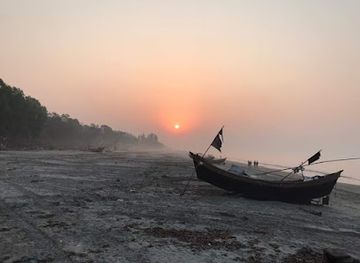
Kuakata Sea Beach
Experience breathtaking sunrises and sunsets at Kuakata Sea Beach, a serene coastal paradise in Bangladesh with rich cultural history.
-
Tourist attraction
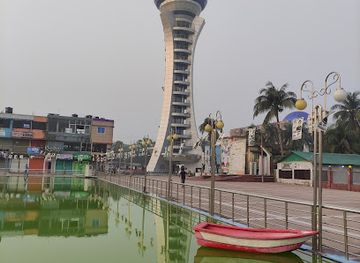
Jakob Tower
Experience breathtaking panoramic views from the tallest watchtower in Bangladesh, inspired by the Eiffel Tower, in Char Fasson, Bhola.
-
Tourist attraction
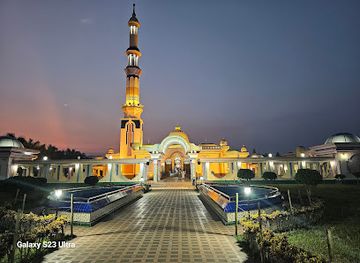
Baitul Aman Jame Masjid and Eidgah Complex
Discover the architectural brilliance & serene spirituality of Baitul Aman Jame Masjid, a must-visit destination in Barisal, Bangladesh.
-
Tourist attraction
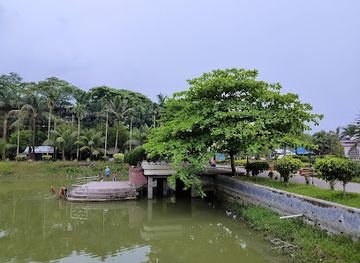
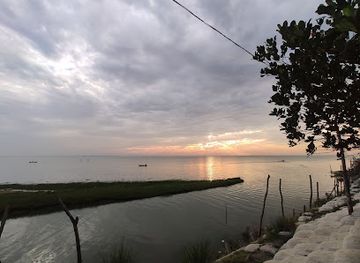
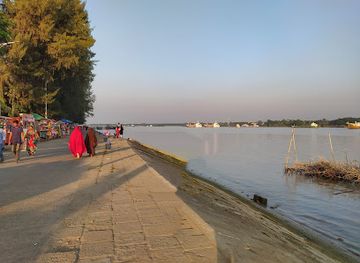
Altaf Master Ghat
Discover the tranquil beauty of rural Bangladesh at Altaf Master Ghat, a serene escape on the banks of the Meghna River.
Best landmarks in Barisal Division
The Oxford Mission Church in Barisal is one of the division’s most recognisable historic buildings, associated with the educational and missionary institutions that helped shape the city during the colonial period. Durgasagar at Madhabpasha is a significant historic water landmark, its broad pond illustrating the importance of managed water bodies in a delta where settlement and agriculture depend on access to fresh water. Kuakata’s open shoreline is the division’s principal natural landmark, distinguished by its position on the southern coast and its expansive views across the Bay of Bengal. In rural Barisal and Pirojpur, old estate compounds, temple complexes, mosques, ponds and market settlements preserve fragments of zamindari and river-trading history, though their condition varies. The Kirtankhola River and the network of channels around the division are landmarks in a broader geographical sense: they explain the location of towns, the shape of fields and the continued importance of boats. The shifting chars and mangrove-edged islands around Bhola and the southern districts further reveal the active nature of the delta.
-
Tourist attraction
30 Godown
Discover Barisal's 30 Godown: A serene riverside park with historical significance, local culture, and a peaceful escape in the city's heart.
-
Mosque
Baitul Aman Jame Masjid and Eidgah Complex
Discover the architectural splendor and serene spirituality of Baitul Aman Jame Masjid, a must-visit destination in Barisal, Bangladesh.
-
Historical landmark
Dalal Bazar Jomidar Bari
Explore the historical grandeur of Dalal Bazar Jomidar Bari in Lakshmipur, Bangladesh, and step back in time to experience the opulent lifestyle of Bengal's zamindars.
-
Amusement park
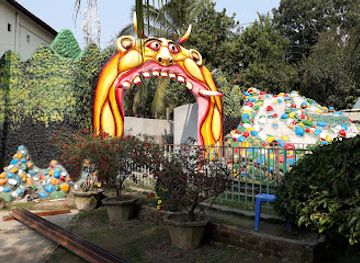
Planet Park
Experience thrilling rides & family fun at Planet Park Barisal, the city's top amusement destination. A must-visit for adventure & relaxation!

Explore Barisal Division on the map
Plan your trip on one map. See where the top cities, national parks and sights are, and book hotels and experiences in a few clicks.
Best hotels in Barisal Division
Best restaurants in Barisal Division
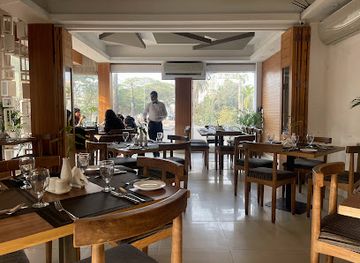
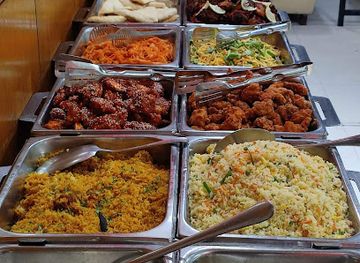
Dining in Barisal Division is closely tied to the rivers, rice fields, ponds, orchards and coastal fisheries. District-town restaurants and traditional eateries commonly serve rice with freshwater fish, vegetables, lentils and bhorta, while coastal areas add prawns, crab and marine fish to the menu. Hilsa is an important Bengali fish with strong associations across the wider delta, but availability and price are seasonal. Guavas from the canal country around Barisal and Pirojpur are a notable local product, often eaten fresh or sold through floating markets, and coconut, betel nut and seasonal fruits appear widely in rural food culture. Barisal city offers the broadest choice of modest restaurants, cafés and sweets shops; Kuakata has eateries serving seafood alongside familiar Bangladeshi dishes. In smaller settlements, food is more likely to be simple, fresh and locally prepared than formally presented. Visitors should choose busy, clean establishments, carry drinking water and ask about ingredients when dietary restrictions are important.
-
Restaurant
Tawa Restaurant & Bakery
Discover the culinary delights at Tawa Restaurant & Bakery in Barishal—where tradition meets modern fine dining.
-
Restaurant
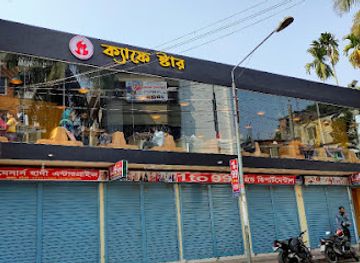
Cafe Star
Discover delightful flavors at Cafe Star in Barishal – where local ingredients meet culinary creativity in an inviting atmosphere.
-
Restaurant
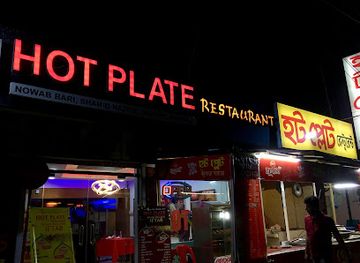
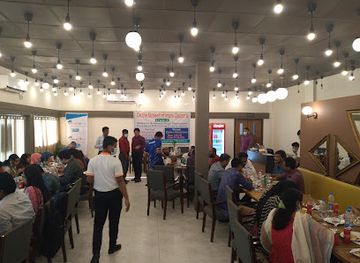
HOT PLATE Restaurant
Discover delicious Bangladeshi cuisine at HOT PLATE Restaurant in Barishal – where every dish tells a story.
-
Restaurant
Nazem's Restaurant
Discover the flavors of Bangladesh at Nazem's Restaurant in Barishal, renowned for its biriyani and welcoming atmosphere.
Best bars in Barisal Division
Nightlife in Barisal Division is subdued and generally centred on family restaurants, cafés, tea stalls, hotel lounges and traditional neighbourhood gathering places rather than large clubs. Barisal city has the greatest evening choice, with riverside activity, restaurants and occasional cultural or live-performance programmes, although venues and schedules change. In district towns such as Patuakhali and Bhola, evenings tend to revolve around markets, food outlets and informal social spaces. Kuakata has a more visitor-oriented atmosphere during busy holiday periods, but it is not comparable with the nightlife of Dhaka or major international resort cities. Rural areas become quiet after dark, and boat journeys should not be improvised at night. Alcohol is not central to local social life, and visitors should respect the licensing rules and cultural setting of any establishment that serves it.
-
Convention center
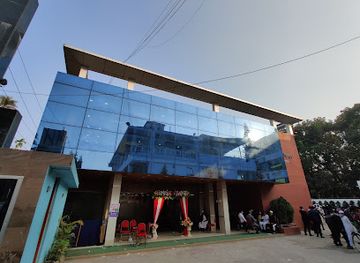
Barishal Club Ltd.
Discover leisure and entertainment at Barishal Club Ltd., featuring dining, games, and sports in a vibrant social atmosphere.
-
Restaurant
HOT PLATE Restaurant
Discover the culinary delights of HOT PLATE Restaurant in Barishal, where local flavors meet international cuisine in a vibrant atmosphere.
-
Restaurant
Zafran Restaurant Barishal
Discover the culinary delights of Zafran Restaurant Barishal, where local flavors meet international cuisine in a warm and inviting atmosphere.
-
Restaurant
Handi Korai
Savor the authentic flavors of Bangladesh at Handi Korai, Barishal's beloved restaurant for traditional and modern cuisine in a cozy setting.

Best nightclubs in Barisal Division
Nightlife in Barisal Division is subdued and generally centred on family restaurants, cafés, tea stalls, hotel lounges and traditional neighbourhood gathering places rather than large clubs. Barisal city has the greatest evening choice, with riverside activity, restaurants and occasional cultural or live-performance programmes, although venues and schedules change. In district towns such as Patuakhali and Bhola, evenings tend to revolve around markets, food outlets and informal social spaces. Kuakata has a more visitor-oriented atmosphere during busy holiday periods, but it is not comparable with the nightlife of Dhaka or major international resort cities. Rural areas become quiet after dark, and boat journeys should not be improvised at night. Alcohol is not central to local social life, and visitors should respect the licensing rules and cultural setting of any establishment that serves it.
-
 Hotel
HotelHotel Grand Park Barisal
Discover luxury and comfort at Hotel Grand Park Barisal, where exceptional hospitality meets modern amenities for an unforgettable stay.
-
Bar
Bluemoon Recreation Club
Discover Bluemoon Recreation Club in Dhaka, a vibrant hub for dining, fitness, and socializing, perfect for tourists seeking local experiences.
-
Convention center
Barishal Club Ltd.
Experience a blend of leisure and culture at Barishal Club Ltd., your go-to destination for dining, games, and social gatherings in Barishal.
-
Bar
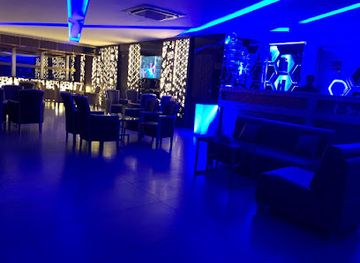
SKYe Lounge Bar
Experience the vibrant nightlife of Dhaka at SKYe Lounge Bar, where exquisite drinks meet an inviting atmosphere in an upscale setting.

Best shops in Barisal Division
Shopping in Barisal Division is primarily local and practical, with the richest experience found in district-town bazaars, river ports and weekly rural markets. Barisal city offers clothing, household goods, sweets, books and everyday Bengali products, while smaller market towns provide seasonal fruit, fish, rice, spices and handmade household items. Around Swarupkathi and nearby canal settlements, guavas and other orchard produce are a distinctive purchase when in season, and floating markets offer a memorable way to see agricultural trade rather than a conventional retail attraction. Kuakata has stalls selling shells, beach-themed souvenirs and locally made items, but visitors should avoid products made from protected wildlife or marine species. Handloom textiles, cane and bamboo goods, pottery, betel-nut products and regional sweets may be available through local shops and markets, though quality and selection vary. Bargaining is common in informal markets but should remain courteous; established shops and supermarkets generally use more fixed pricing.
-
Market
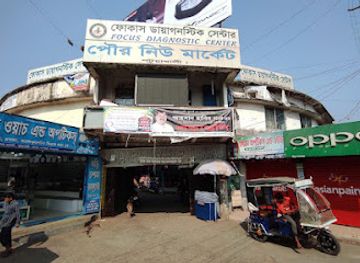
Patuakhali New Market TNI
Immerse yourself in the vibrant culture and shopping experience at Patuakhali New Market TNI, where local life comes alive.
-
Shopping mall
Fatema Center
Explore Fatema Center in Barishal—a shopping haven with diverse stores, delicious dining, and a lively atmosphere perfect for tourists!
-
Supermarket
Haat Super Shop Bottola
Explore Haat Super Shop Bottola for a diverse range of groceries, gifts, and local products in the heart of Barishal.
-
Shopping mall
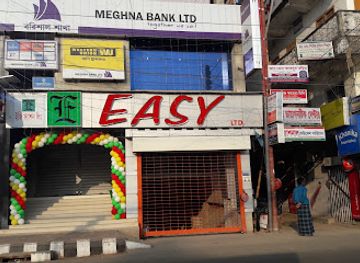
Easy Fashion Ltd.
Discover the vibrant shopping scene at Easy Fashion Ltd. in Barishal, where trendy fashion meets local culture in a delightful mall experience.
Get your free copy of our complete guide to Barisal Division, delivered straight to you.
Everything on this page, from attractions and restaurants to essentials and local phrases, in one PDF you can read offline, print or share.
Already have an account? Sign in
Your Barisal Division guide is ready.
We'll send it to · Not you? Sign out

Getting your guide ready…
We are putting together a fresh copy of the Barisal Division guide. This can take up to a minute.
This can take a few moments. If your browser asks, choose Allow so the download can start. You'll find the guide in your Downloads folder.
Nothing happened? Download it again
Sorry, the guide is taking longer than usual. Please try again in a minute, or get it by email instead.
Barisal Division essentials
Currency and Payment
Safety
Emergency Situations
Do's and Don'ts
Local Tips
From Eve
Local phrases worth knowing
You don't need to get them perfect. A few words go a long way, and locals appreciate the effort.
Basics
| English | Local | Say it |
|---|---|---|
| Hello | হ্যালো | [Halo] |
| Goodbye | বিদায় | [Biday] |
| Yes | হ্যাঁ | [Hya] |
| No | না | [Na] |
| Please/You're welcome | দয়া করে/স্বাগতম | [Doya kore/Swagatam] |
| Thank you | ধন্যবাদ | [Dhonnobad] |
| Excuse me/Sorry | মাফ করবেন/দুঃখিত | [Maf korben/Dukhito] |
| How are you? | আপনি কেমন আছেন? | [Apni kemon achhen?] |
| Fine. And you? | ভাল। এবং আপনি? | [Bhalo. Ebong apni?] |
| Do you speak English? | আপনি কি ইংরেজি বলেন? | [Apni ki Ingreji bolen?] |
| I don't understand | আমি বুঝি না | [Ami bujhi na] |
Eating & Drinking
| English | Local | Say it |
|---|---|---|
| I'd like to see the menu, please | মেনুটি দেখাবেন, দয়া করে | [Menuti dekhaben, doya kore] |
| I don't eat meat | আমি মাংস খাই না | [Ami mangso khai na] |
| Cheers! | সুস্বাদু! | [Suswadu!] |
| I would like to pay, please | আমি পরিশোধ করতে চাই, দয়া করে | [Ami porishodh korte chai, doya kore] |
Emergencies
| English | Local | Say it |
|---|---|---|
| Help! | সাহায্য! | [Sahajjo!] |
| Go away! | দূরে যাও! | [Dure jao!] |
| Call the Police! | পুলিশ ডাকুন! | [Polish dakun!] |
| Call a doctor! | ডাক্তার ডাকুন! | [Daktar dakun!] |
| I'm lost | আমি হারিয়ে গেছি | [Ami hariye gechi] |
| I'm ill | আমি অসুস্থ | [Ami osustho] |
Shopping
| English | Local | Say it |
|---|---|---|
| I'd like to buy... | আমি কিনতে চাই... | [Ami kinte chai...] |
| I'm just looking | আমি শুধু দেখছি | [Ami shudhu dekhchi] |
| How much is it? | এটার দাম কত? | [Etar dam koto?] |
| That's too expensive | এটা খুব দামি | [Eta khub dami] |
| Can you lower the price? | আপনি কি দাম কমাতে পারেন? | [Apni ki dam komate paren?] |
Time & Numbers
| English | Local | Say it |
|---|---|---|
| What time is it? | এখন কয়টা বাজে? | [Ekhon koyta baze?] |
| It's one o'clock | এখন একটা বাজে | [Ekhon ekta baze] |
| Half past (10) | সাড়ে (১০) | [Sare (10)] |
| Morning | সকাল | [Shokal] |
| Afternoon | বিকেল | [Bikel] |
| Evening | সন্ধ্যা | [Sondhya] |
| Yesterday | গতকাল | [Gotokal] |
| Today | আজ | [Aaj] |
| Tomorrow | কাল | [Kal] |
| 1 | ১ | [1] |
| 2 | ২ | [2] |
| 3 | ৩ | [3] |
| 4 | ৪ | [4] |
| 5 | ৫ | [5] |
| 6 | ৬ | [6] |
| 7 | ৭ | [7] |
| 8 | ৮ | [8] |
| 9 | ৯ | [9] |
| 10 | ১০ | [10] |
Transport & Directions
| English | Local | Say it |
|---|---|---|
| Where's a/the...? | এটা কোথায়? | [Eta kothai?] |
| What's the address? | ঠিকানা কী? | [Thikana ki?] |
| Can you show me (on the map)? | আপনি কি আমাকে দেখাতে পারেন (মানচিত্রে)? | [Apni ki amake dekhate paren (manchitre)?] |
| When's the next (bus)? | পরবর্তী (বাস) কখন? | [Poroborti (bas) kokhon?] |
| A ticket (to ....) | একটি টিকিট (গন্তব্যের জন্য) | [Ekti ticket (gontobyer jonno)] |
History of Barisal Division
Delta Settlement and Early Riverine Communities
The lands of present-day Barisal Division were formed and repeatedly reshaped by the active delta of the Ganges, Brahmaputra and Meghna systems. Early settlement concentrated on comparatively stable riverbanks and raised ground, where communities cultivated rice, fished and travelled by water. Archaeological evidence and surviving religious sites point to long-standing Hindu and Buddhist cultural influences before the consolidation of Muslim rule. River migration means that many historic locations have altered relationship with the surrounding landscape, making the region’s history inseparable from erosion, silt deposition and changing channels.
Sultanate and Mughal Bengal
From the medieval period, southern Bengal became part of wider Islamic political networks centred successively on the Bengal Sultanate and the Mughal Empire. Mosques, market settlements and administrative centres developed alongside older Hindu institutions and agrarian villages. Mughal revenue administration encouraged the extension of cultivation into forest and wetland areas, although control was often shaped by difficult communications and seasonal flooding. The cultural landscape that emerged was plural, with Islamic architecture, Hindu temples, local devotional traditions and Bengali village customs existing in close proximity.
Zamindari Estates and Expanding Cultivation
Under Mughal and later British revenue systems, zamindars and other landed intermediaries became influential in the districts of southern Bengal. Estates controlled agricultural land, collected revenue and supported markets, religious foundations and public works. Remnants of estate houses, ponds, temples and mosques survive in parts of Barisal, Pirojpur and neighbouring districts, though many have been altered or lost. The expansion of rice cultivation, betel nut gardens, fruit orchards and river trade transformed wetlands into a productive but environmentally vulnerable rural economy.
Colonial River Commerce and Barisal Town
British rule integrated the region more closely into colonial administration and commercial networks. Barisal town grew as an administrative and trading centre, connected to the surrounding countryside by rivers rather than by an extensive road system. Rice, timber, fish and agricultural products moved through river ports and market towns. Christian missionary activity also left a visible architectural legacy, including the Oxford Mission Church in Barisal. Steamers and country boats helped link the division with Dhaka, Kolkata and other parts of Bengal, reinforcing the importance of waterways.
Bengali Literary and Educational Life
The Barisal area became associated with education, public debate and Bengali literary culture during the late nineteenth and early twentieth centuries. Schools, missionary institutions, reform movements and urban associations helped create a strong intellectual life beyond the larger colonial capitals. The poet Jibanananda Das, born in Barisal in 1899, is especially connected with the region’s cultural memory; his writing is often associated with Bengal’s rivers, fields and changing landscapes. This literary legacy remains part of the division’s identity, even though the region is primarily rural and riverine.
Partition, East Pakistan and the Liberation War
The partition of Bengal in 1947 placed Barisal and the surrounding districts within East Pakistan, separating them from West Bengal and altering established administrative and commercial connections. During the Bangladesh Liberation War of 1971, the region experienced armed conflict, political mobilisation and disruption to transport and local life. Independence brought the area into the new state of Bangladesh. Subsequent decades saw significant investment in roads, bridges, ferries, education and public administration, although water remains the defining transport network across much of the division.
Modern Coastal and Riverine Transformation
Contemporary Barisal Division continues to change through river erosion, sediment movement, embankment construction, urban growth, agricultural intensification and migration. Improved road links have reduced the isolation of some settlements, while ferries and launches remain essential for islands and coastal districts. Tourism has become more visible around Kuakata, rural waterways and selected heritage sites, but the region remains highly exposed to cyclones, flooding and salinity. Its present character is therefore shaped as much by climate and delta management as by historic trade and settlement.
Barisal Division in Photos
Browse through our photo collection highlighting the charm and character of the destination.
Neighbouring regions of Barisal Division
The closest regions to Barisal Division, if you have time for more than one.
-

-

-

-

-


Swipe for more regions
Explore more

Explore more of Bangladesh
Discover Bangladesh: A land of rivers, rich culture, and breathtaking landscapes. Explore ancient sites, vibrant cities, and the unique flavors of this South Asian gem.
Explore Bangladesh