

Greater Comilla, Bangladesh Travel Guide
Discover the rich history, scenic beauty, and vibrant culture of Greater Comilla in Bangladesh, a region brimming with ancient ruins, lush landscapes, and local charm.
Greater Comilla, located in the eastern part of Bangladesh, is a region rich in history, culture, and natural beauty. Known for its ancient archaeological sites, lush green landscapes, and vibrant local markets, Greater Comilla offers a unique blend of experiences for travelers. The area is steeped in history, with landmarks dating back to the early Buddhist period, making it a treasure trove for history enthusiasts. One of the must-visit sites in Greater Comilla is the Mainamati-Lalmai archaeological complex. This site features the ruins of ancient Buddhist stupas and monasteries, offering a glimpse into the region's rich past. The Mainamati Museum nearby showcases artifacts recovered from the site, providing further insight into the historical significance of the area. Nature lovers will appreciate the scenic beauty of the Gomti River and the surrounding countryside. The riverbanks are perfect for leisurely walks and picnics, while the nearby hills offer hiking opportunities for those seeking a bit of adventure. The region's lush greenery and serene environment provide a perfect escape from the hustle and bustle of city life. Greater Comilla is also famous for its vibrant local markets, where visitors can immerse themselves in the local culture. The bustling markets offer a variety of goods, from traditional handicrafts to fresh produce, allowing tourists to experience the local way of life. Don't forget to try the region's famous sweet treats, such as rosh malai and chomchom, which are sure to delight your taste buds. Whether you're a history buff, nature enthusiast, or cultural explorer, Greater Comilla has something to offer for everyone. Its rich heritage, natural beauty, and warm hospitality make it a destination worth exploring.

Know before you go
Hi, I'm Eve. Here are a few practical things to know before exploring Greater Comilla.
- Visit the Mainamati-Lalmai archaeological complex early in the morning to avoid crowds and the midday heat.
- Hire a local guide at the Mainamati Museum for a more informative tour of the archaeological sites.
- Sample local sweets like rosh malai and chomchom at the markets for an authentic taste of Greater Comilla.
- Wear comfortable shoes and bring water when exploring the countryside and hiking trails.
- Respect local customs and dress modestly, especially when visiting religious sites.
Top City Travel Guides in Greater Comilla
The cities of Greater Comilla, and the easiest places to base yourself.


Explore Greater Comilla: Things to Do, Places to Eat, Hotels & More
Handpicked recommendations for top attractions, local dining, accommodations, and more

Top Attractions & Sightseeing in Greater Comilla
Top-rated picks
Best Attractions

Shalban Bihar
Discover the ancient ruins of Shalban Bihar, an 8th-century Buddhist monastery in Comilla, Bangladesh, and explore Bengal's rich heritage.
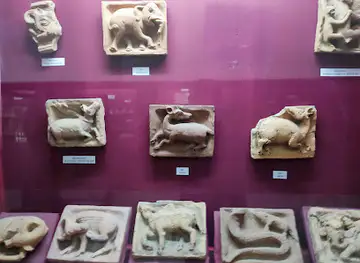
Mainamati Museum
Discover ancient Buddhist heritage at Mainamati Museum, showcasing relics from the 7th-12th centuries in Cumilla, Bangladesh.

Blue Water Park
Escape to Blue Water Park in Comilla for thrilling water slides, serene relaxation, and unforgettable family fun.
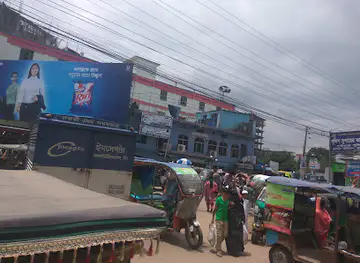
Tomsom Bridge Jame Masjid
Discover the serene beauty and cultural significance of Tomsom Bridge Jame Masjid, a must-see landmark in Cumilla, Bangladesh.

Best landmarks in Greater Comilla
Top-rated picks
Best Landmarks

Dharmasagar
Discover Dharmasagar in Cumilla: A historic lake offering serene beauty, cultural insights, and a tranquil escape in the heart of Bangladesh, perfect for history buffs and nature lovers.

Meghna Bridge
Experience the lifeline of Bangladesh: Meghna Bridge, connecting cities and cultures with stunning river views.

Chandimura Temple, Lalmai, Comilla.
Ascend to Chandimura Temple in Cumilla, a 7th-century sanctuary offering spiritual solace and panoramic views from atop Lalmai Hill.

কোল্লাপাথর শহীদ মিনারপ
A solemn memorial in Brahmanbaria honoring the brave freedom fighters of the 1971 Liberation War, offering a peaceful space for reflection.

Best restaurants in Greater Comilla
Top-rated picks
Best Restaurants

Cafe Marine
Discover Café Marine: A delightful café in Cumilla offering diverse menu options from fresh coffee to delicious fast food.

Kabab Station
Discover authentic Indian kebabs at Kabab Station in Cumilla – a flavorful dining experience awaits!
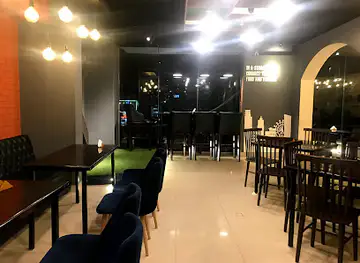
Cup's & Hotbite
Discover delightful flavors at Cup's & Hotbite in Cumilla – where every meal tells a story.

Dawat Restaurant
Discover authentic Bangladeshi flavors at Dawat Restaurant in Cumilla - the perfect spot for a hearty breakfast experience.

Best bars in Greater Comilla
Top-rated picks
Best Bars

Hotel Noorjahan
Experience the authentic flavors of Bangladesh at Hotel Noorjahan, a culinary haven in Cumilla offering exquisite dishes in a warm atmosphere.

Chondu Hotel and Restaurant
Savor authentic Bangladeshi cuisine at Chondu Hotel and Restaurant in Cumilla, a must-visit for food lovers and travelers.

Iris Hill Highway Hotel and Restaurant
Discover the flavors of Bangladesh at Iris Hill Highway Hotel and Restaurant, a scenic stop along the Dhaka-Chittagong Highway.

Cumilla Highway Hotel & Restaurent
Experience the rich culinary delights at Cumilla Highway Hotel & Restaurant, your perfect highway stop for delicious meals and warm hospitality.

Best nightclubs in Greater Comilla
Top-rated picks
Best Nightclubs

Kausar
Experience the vibrant nightlife of Cumilla at Kausar, where music, dancing, and local culture come together for an unforgettable evening.

Osman Hyder
Dance the night away at Osman Hyder, Cumilla's premier nightclub, where vibrant music and lively atmosphere create unforgettable nights.

Best shops in Greater Comilla
Top-rated picks
Best Shops

Sattar Khan Complex
Discover shopping, dining, and local culture at Sattar Khan Complex in Cumilla, a bustling hub for tourists and locals alike.

Cumilla New Market
Discover the vibrant Cumilla New Market, a cultural hotspot filled with local flavors, colors, and an array of shopping delights in the heart of Bangladesh.

Eastern Yeakub Plaza
Explore Eastern Yeakub Plaza in Cumilla for an unparalleled shopping experience with local charm and international flair.

Town Hall Super Market
Explore Town Hall Super Market in Cumilla for local flavors, vibrant culture, and a memorable shopping experience in Bangladesh.

Explore Greater Comilla on the Map
A handpicked selection of must-see spots in Greater Comilla, mapped for you.
Greater Comilla Essentials
-
Greater Comilla is located in the Chittagong Division of Bangladesh. The nearest international airport is Shahjalal International Airport in Dhaka, approximately 100 kilometers away. From Dhaka, you can take a bus, train, or hire a private car to reach Comilla. Buses are frequent and offer both economy and luxury options. The train journey from Dhaka to Comilla is also a scenic and comfortable option.
-
Within Greater Comilla, rickshaws and auto-rickshaws are the most popular modes of transport for short distances. For longer distances, you can hire taxis or use local bus services. Bicycles are also available for rent if you prefer a more eco-friendly way to explore the area. Ride-sharing apps like Uber and Pathao are also operational in Comilla, offering convenient and safe transportation options.
-
The official currency in Bangladesh is the Bangladeshi Taka (BDT). Credit cards are accepted in most hotels, restaurants, and larger shops, but it's advisable to carry cash for smaller establishments and local markets. ATMs are widely available in Comilla, but ensure you have enough cash if you plan to visit more remote areas or villages.
-
Greater Comilla is generally a safe area for tourists, but it is advisable to take standard precautions. Avoid walking alone at night in unfamiliar areas and be cautious with your belongings in crowded places. Areas such as the main bus terminals and some parts of the city center can be crowded and may have higher instances of pickpocketing. Always be aware of your surroundings and avoid displaying valuable items openly.
-
In case of emergency, dial 999 for immediate assistance. The local police station and medical facilities are available in Comilla. It is recommended to have travel insurance that covers medical emergencies. For minor health issues, there are numerous pharmacies in the town where you can purchase over-the-counter medications. The Comilla Medical College Hospital is the main medical facility in the area.
-
Fashion: Do dress modestly, especially when visiting religious sites. Avoid wearing revealing clothing. Religion: Do respect local customs and traditions. Always remove your shoes when entering mosques and temples. Public Transport: Do be respectful and give up your seat to elderly passengers. Don't eat or drink on public transport. Greetings: Do greet people with a smile and a slight bow of the head. Handshakes are common but only between same genders. Eating & Drinking: Do try local delicacies and accept food offerings graciously. Don't refuse hospitality, as it is considered impolite.
-
To experience Greater Comilla like a local, visit the local markets where you can buy fresh produce and traditional Bangladeshi goods. Engage with locals, as they are often friendly and willing to share stories about the area's history and culture. Don't miss visiting the Mainamati archaeological sites, which provide a glimpse into the region's ancient Buddhist heritage. For a unique experience, take a boat ride on the Gomti River, offering beautiful views of the surrounding countryside.
When is the best time to visit Greater Comilla?
Useful Local Phrases for Greater Comilla
You don't need to speak the language perfectly. Even learning a few simple words can make conversations warmer—and locals usually appreciate the effort.
— Eve

Here are the phrases I use most often in Greater Comilla. Try a few—you'll be surprised how far they go! 😊
❤️
-
- Helloহ্যালো
[hyalo] - Goodbyeবিদায়
[biday] - Yesহ্যাঁ
[hyā] - Noনা
[nā] - Please/You're welcomeদয়া করে / স্বাগতম
[doẏā kore / shwāgatam] - Thank youধন্যবাদ
[dhonnobād] - Excuse me/Sorryমাফ করবেন / দুঃখিত
[maf korben / duḥkhito] - How are you?আপনি কেমন আছেন?
[āpni kēmon āchhen?] - Fine. And you?ভাল। এবং আপনি?
[bhāl. ēbong āpni?] - Do you speak English?আপনি কি ইংরেজি বলেন?
[āpni ki ingrēji balen?] - I don't understandআমি বুঝতে পারি না
[āmi bujhte pāri nā]
- Helloহ্যালো
-
- I'd like to see the menu, pleaseদয়া করে মেনু দেখান
[doẏā kore menu dekhān] - I don't eat meatআমি মাংস খাই না
[āmi māṅs khāi nā] - Cheers!সুস্বাদু!
[suswādhu!] - I would like to pay, pleaseদয়া করে আমি বিল দিতে চাই
[doẏā kore āmi bil ditē chāi]
- I'd like to see the menu, pleaseদয়া করে মেনু দেখান
-
- Help!সাহায্য করুন!
[sāhāyya korun!] - Go away!দূরে যান!
[dūre yān!] - Call the Police!পুলিশ ডাকুন!
[puliś dākun!] - Call a doctor!ডাক্তার ডাকুন!
[ḍākṭār dākun!] - I'm lostআমি হারিয়ে গেছি
[āmi hāriẏē gēchi] - I'm illআমি অসুস্থ
[āmi asuṣṭha]
- Help!সাহায্য করুন!
-
- I'd like to buy...আমি কিনতে চাই...
[āmi kinte chāi...] - I'm just lookingআমি শুধু দেখছি
[āmi shudhu dekhchi] - How much is it?এটার দাম কত?
[ēṭār dām kôtô?] - That's too expensiveএটি খুব ব্যয়বহুল
[ēṭi khub byaybahul] - Can you lower the price?আপনি দামের পরিমাণ কমাতে পারেন?
[āpni dāmer porimāṇ komāte pārēn?]
- I'd like to buy...আমি কিনতে চাই...
-
- What time is it?এখন কতটা বাজে?
[ēkhon kôtṭā bājē?] - It's one o'clockএটি একটা বাজে
[ēṭi ēkṭā bājē] - Half past (10)সাড়ে (১০)
[sāṛē (10)] - Morningসকাল
[sakal] - Afternoonবিকেল
[bikel] - Eveningসন্ধ্যা
[sandhyā] - Yesterdayগতকাল
[gatakal] - Todayআজ
[āj] - Tomorrowআগামীকাল
[āgāmi-kāl] - 1১
[1] - 2২
[2] - 3৩
[3] - 4৪
[4] - 5৫
[5] - 6৬
[6] - 7৭
[7] - 8৮
[8] - 9৯
[9] - 10১০
[10]
- What time is it?এখন কতটা বাজে?
-
- Where's a/the...?কোথায় একটি...?
[kothāẏ ēkaṭi...?] - What's the address?ঠিকানা কি?
[ṭhikānā ki?] - Can you show me (on the map)?আপনি আমাকে (মানচিত্রে) দেখাতে পারেন?
[āpni āmākē (mānchitrē) dekhātē pārēn?] - When's the next (bus)?পরবর্তী (বাস) কখন?
[poroborti (bās) kakhon?] - A ticket (to ....)একটি টিকিট (যাওয়ার জন্য)
[ēkaṭi ṭikiṭ (jāwar janyē)]
- Where's a/the...?কোথায় একটি...?
History of Greater Comilla
-
Greater Comilla was part of the ancient kingdom of Samatata, which flourished between the 3rd and 6th centuries CE. The region was a significant center of trade and commerce, connecting the Indian subcontinent with Southeast Asia. Archaeological findings, including terracotta plaques and ancient coins, reveal the rich cultural heritage of this period.
-
The Mainamati archaeological site in Greater Comilla is home to one of the most significant collections of Buddhist remains in Bangladesh. The ruins, comprising 50 ancient Buddhist settlements, date back to the 8th-12th centuries CE. Key highlights include the Shalban Vihara, a large monastic complex, and the Mainamati Museum, which houses artifacts such as bronze statues, copper plates, and terracotta seals.
-
During the medieval period, Greater Comilla was under the influence of the Tripura Kingdom. The region witnessed the construction of numerous temples and palaces, reflecting the architectural and cultural advancements of the time. The Tripura kings were known for their patronage of the arts, and the influence of this era is evident in the region's historical and cultural landscape.
-
Greater Comilla came under British control in the late 18th century as part of the Bengal Presidency. The colonial era brought significant changes, including the establishment of administrative structures and modern educational institutions. The Comilla Victoria Government College, founded in 1899, stands as a testament to this period. The region also played a role in the anti-colonial struggle, with many residents participating in the independence movement.
-
Greater Comilla played a crucial role in the Bangladesh Liberation War of 1971. The region was a strategic location and witnessed several important battles. The Comilla Cantonment served as a key military base for the Mukti Bahini (Liberation Army). The war left an indelible mark on the region, and numerous monuments and memorials, such as the Mainamati War Cemetery, honor the sacrifices made during this period.
-
Greater Comilla is renowned for its rich cultural and artistic traditions. The region is famous for its traditional forms of music, dance, and folk art. Notable cultural events include the annual Rash Mela, a festival celebrating the Hindu deity Krishna, and the vibrant Boli Khela, a traditional wrestling competition. The region’s unique crafts, such as Nakshi Kantha (embroidered quilts), are also highly regarded.
Neighbouring Regions of Greater Comilla
The closest regions to Greater Comilla, if you have time for more than one.




Your all‑in‑one travel companion app
Explore expert travel guides, compare and book tours, experiences, hotels, and more—all from the palm of your hand. Download now for seamless trip planning wherever your wanderlust takes you.


Explore More of Bangladesh

Looking beyond Greater Comilla? Discover Bangladesh for broader travel guides, local hot-spots, and regional highlights.
Explore BangladeshGreater Comilla in Photos
Browse through our photo collection highlighting the charm and character of the destination.


Exploring the Charms of Greater Comilla
Greater Comilla, located in the eastern part of Bangladesh, is a region rich in history, culture, and natural beauty. Known for its ancient archaeological sites, lush green landscapes, and vibrant local markets, Greater Comilla offers a unique blend of experiences for travelers. The area is steeped in history, with landmarks dating back to the early Buddhist period, making it a treasure trove for history enthusiasts. One of the must-visit sites in Greater Comilla is the Mainamati-Lalmai archaeological complex. This site features the ruins of ancient Buddhist stupas and monasteries, offering a glimpse into the region's rich past. The Mainamati Museum nearby showcases artifacts recovered from the site, providing further insight into the historical significance of the area. Nature lovers will appreciate the scenic beauty of the Gomti River and the surrounding countryside. The riverbanks are perfect for leisurely walks and picnics, while the nearby hills offer hiking opportunities for those seeking a bit of adventure. The region's lush greenery and serene environment provide a perfect escape from the hustle and bustle of city life. Greater Comilla is also famous for its vibrant local markets, where visitors can immerse themselves in the local culture. The bustling markets offer a variety of goods, from traditional handicrafts to fresh produce, allowing tourists to experience the local way of life. Don't forget to try the region's famous sweet treats, such as rosh malai and chomchom, which are sure to delight your taste buds. Whether you're a history buff, nature enthusiast, or cultural explorer, Greater Comilla has something to offer for everyone. Its rich heritage, natural beauty, and warm hospitality make it a destination worth exploring.