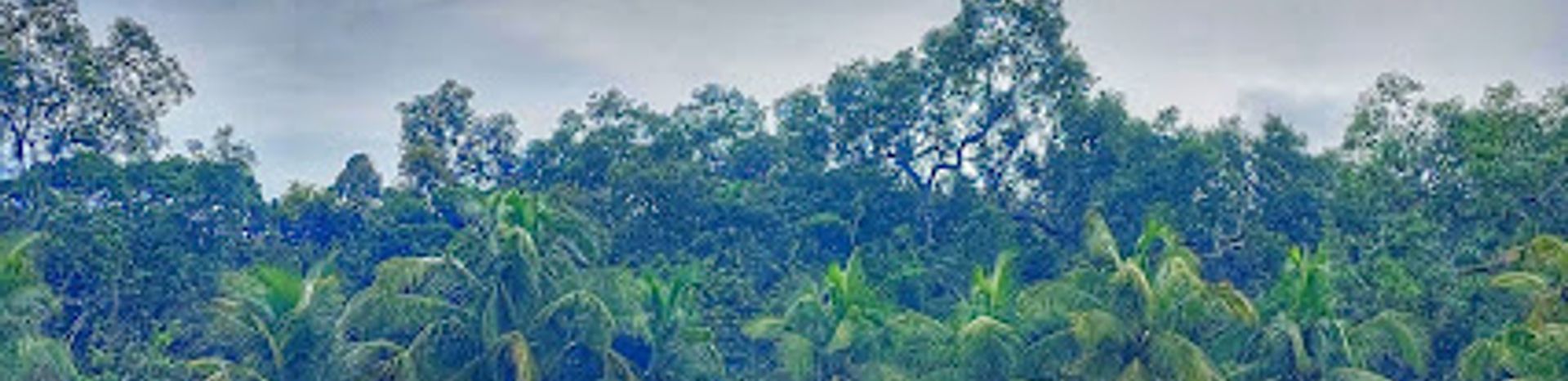
Sundarbans Reserved Forest: A Mangrove Wilderness
Explore the Sundarbans Reserved Forest, the world's largest mangrove forest and a UNESCO World Heritage Site, home to the Royal Bengal tiger and a rich tapestry of wildlife.
The Sundarbans Reserved Forest, a UNESCO World Heritage Site and Ramsar Site, is the world's largest mangrove forest, straddling Bangladesh and India. This unique ecosystem, laced with tidal waterways and islands, is a biodiversity hotspot and the last stronghold of the Royal Bengal tiger. Visitors can explore the forest's unique flora and fauna through designated ecotourism sites, offering a chance to witness diverse wildlife, including hundreds of bird species, mammals, reptiles, and fish. The forest also plays a vital role in protecting the region from natural disasters and supporting the livelihoods of millions.
A brief summary to Sundarbans Reserved Forest
- Koromjal Watch Tower, Mongla-Chila Rd, BD
- Visit website
Local tips
- Visit during the dry season (November to February) for the best weather and wildlife viewing opportunities.
- Obtain necessary permits from the Bangladesh Forest Department before entering the forest.
- Hire a local guide for a richer experience and to support the local economy.
- Respect the environment by avoiding littering and following responsible tourism practices.
- Bring binoculars for enhanced wildlife and bird viewing.

Getting There
-
Boat
The final approach to most ecotourism sites within the Sundarbans Reserved Forest requires travel by boat. From Mongla, a common access point, various tour operators offer boat trips into the Sundarbans. These trips typically include entry permits and guide services. The journey involves navigating through the intricate network of rivers and canals. Ensure your tour operator arranges the necessary permissions from the Forest Department. Boat tour costs vary depending on the duration and inclusions, ranging from approximately BDT 2,000 to BDT 10,000 per person for a day trip, including entry fees and guide services. For overnight trips, expect to pay significantly more.
-
Walking
Once at a designated ecotourism site like Karamjal or Harbaria, the final exploration often involves walking along marked trails and boardwalks. These paths allow you to observe the mangrove ecosystem up close. Entry fees to these sites are typically BDT 40 for local tourists and BDT 500 for international tourists. Follow the marked paths to minimize disturbance to the environment and wildlife.
Discover more about Sundarbans Reserved Forest
Iconic landmarks you can’t miss

Sundarban
1.6 km
Explore Sundarban: A biodiverse mangrove forest, home to the Royal Bengal Tiger and a UNESCO World Heritage Site.
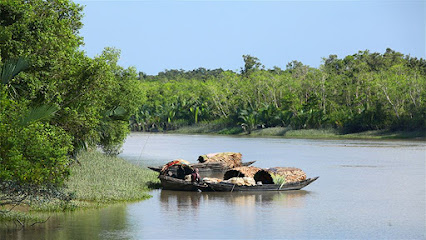
Gol Kanon Eco Resort
5.9 km
Discover the serene beauty of the Sundarbans at Gol Kanon Eco Resort: Experience authentic culture, sustainable tourism, and breathtaking natural landscapes in Bangladesh.
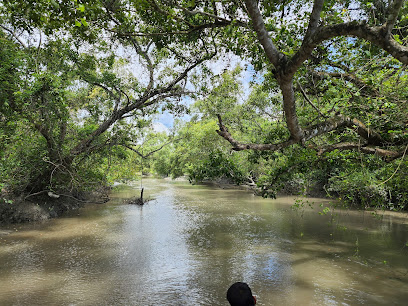
Khan Jahan Ali Majar
31.5 km
Explore the serene tomb complex of Khan Jahan Ali in Bagerhat, a 15th-century Sufi saint's legacy blending spiritual reverence with unique Bengali-Islamic architecture and crocodile ponds.
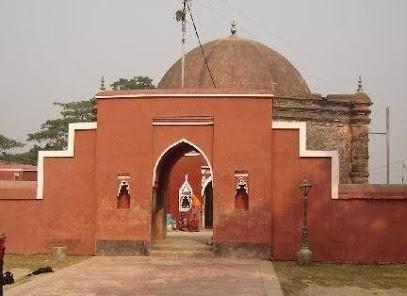
Batikhali Mondir Mor - বাতিখালি মন্দির মোড়
33.3 km
Discover the historical charm of Batikhali Mondir Mor in Paikgachha, an essential destination for those seeking to explore Bangladesh's rich cultural heritage.
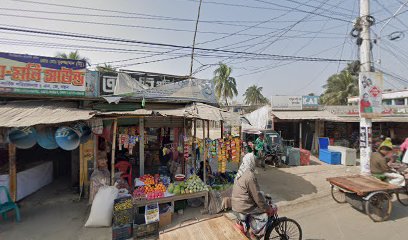
Sundarban সুন্দরবন National Forest (Bangladesh)
38.4 km
Explore the Sundarbans: A biodiverse mangrove forest, home to the Royal Bengal Tiger and a UNESCO World Heritage Site.
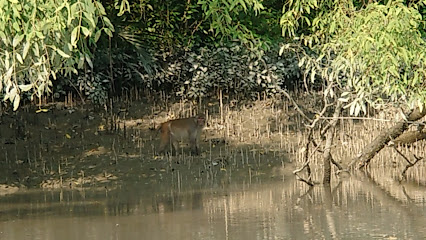
কাসেমিয়া মসজিদ মোড়, খুলনা
40.9 km
Explore Khulna's Historical Landmark: A Journey Through Bangladesh's Rich Heritage and Architectural Splendor.
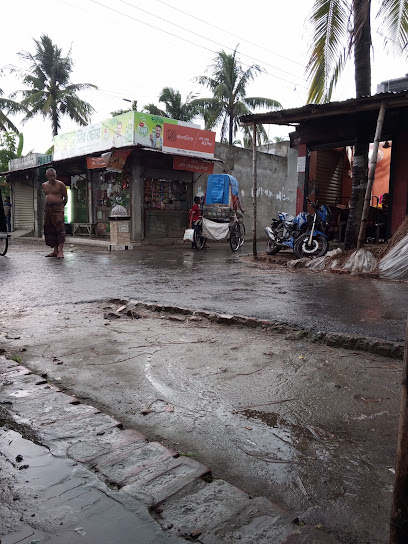
Gollamari Memorial Monument
41.6 km
A somber and inspiring memorial in Khulna, Bangladesh, commemorating the sacrifices of the 1971 Liberation War and honoring the resilience of the Bangladeshi people.
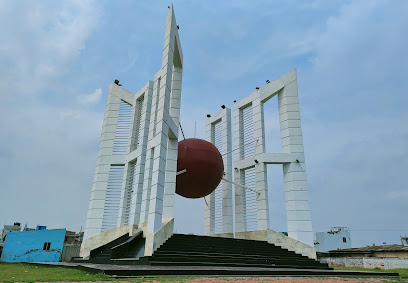
Gollamari More
41.8 km
Experience the vibrant heart of Khulna at Gollamari More, a bustling town square where culture, commerce, and history converge, offering a taste of authentic Bangladeshi life.
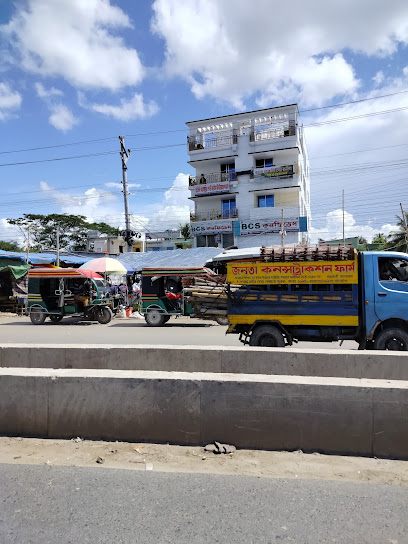
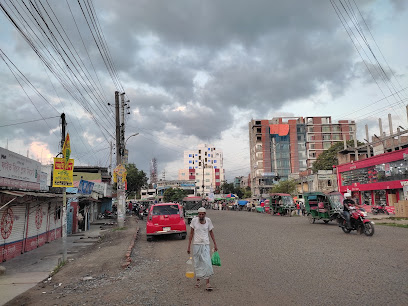
Nirala More
41.9 km
Experience the vibrant heart of Khulna at Nirala More, a bustling town square offering a taste of local culture, cuisine, and community spirit.
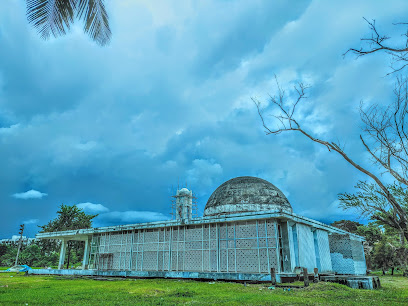
Khulna University Central Mosque
42.1 km
Discover the architectural splendor and spiritual serenity of Khulna University Central Mosque, a landmark blending modern design with Islamic tradition.
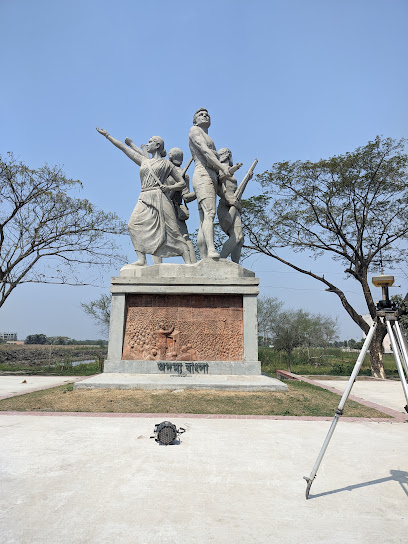
Adamya Bangla
42.2 km
A towering monument at Khulna University, honoring the brave freedom fighters of the Bangladesh Liberation War and their sacrifices.
রাজবাড়ি
42.2 km
Explore the echoes of Khulna's past at রাজবাড়ি, a symbolic landmark representing the region's rich cultural heritage and historical significance, inviting you to discover the stories etched in time.
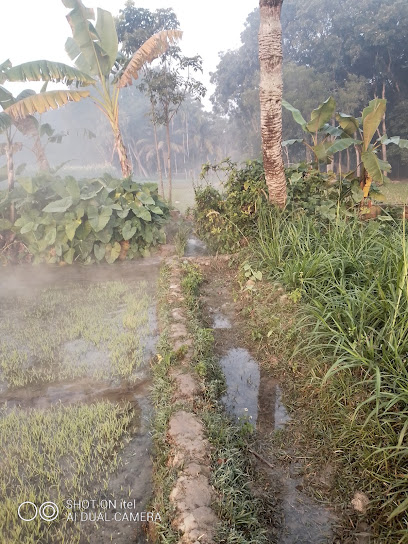
Central Library, Wi-Fi Zone
42.2 km
Khulna's Central Library: Your gateway to knowledge, community, and free Wi-Fi in a serene environment.
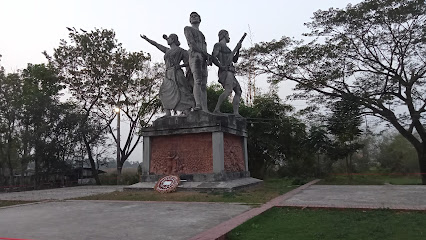
PTI More
42.4 km
Experience the vibrant heart of Khulna at PTI More, a bustling town square where local culture thrives, offering authentic street food, unique crafts, and a warm community atmosphere.
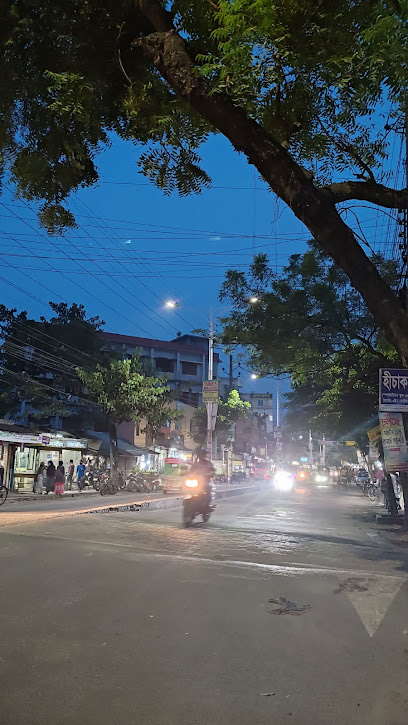
7 Rasta More
42.7 km
Experience the vibrant heart of Khulna at 7 Rasta More, a bustling town square where culture, commerce, and daily life converge.
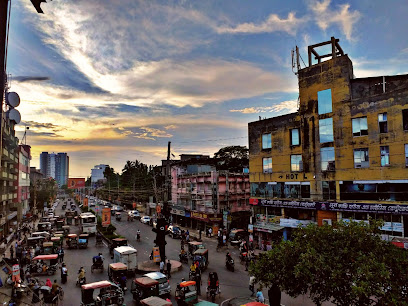
Unmissable attractions to see

Sundarban national forest
0.1 km
Explore the world's largest mangrove forest, home to the Royal Bengal tiger, in the heart of the Ganges Delta.
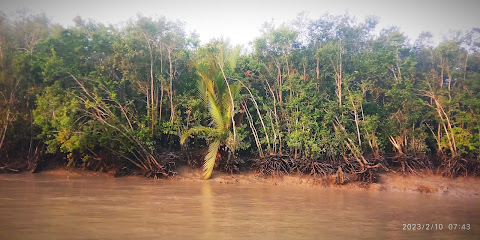
Karamjal Wildlife Breeding Center
0.1 km
Explore Karamjal Wildlife Breeding Center, a gateway to the Sundarbans, offering a close look at conservation and mangrove ecosystems.
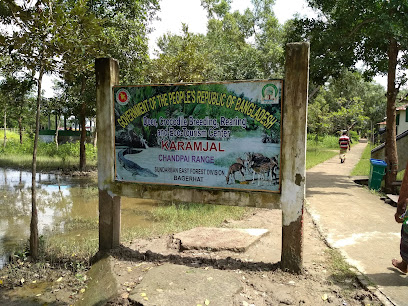
Karamjal
0.1 km
Explore Karamjal, an ecological wonder in the Sundarbans, where nature's beauty and biodiversity come alive amidst serene mangrove forests.
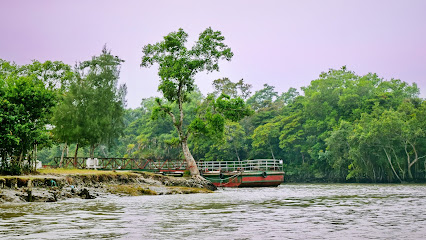
Karamjal Tourist Center. Khulna
0.2 km
Discover the wonders of the Sundarbans at Karamjal Tourist Center: a gateway to mangrove forests, crocodile breeding, and unique wildlife encounters, just a short boat trip from Mongla.
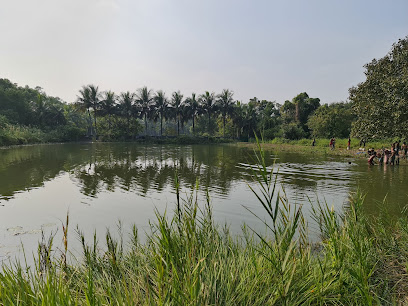
Sundorban tour plan
5.0 km
Discover the enchanting beauty of Sundarbans, a UNESCO World Heritage Site, home to Bengal tigers and diverse wildlife in a breathtaking mangrove ecosystem.
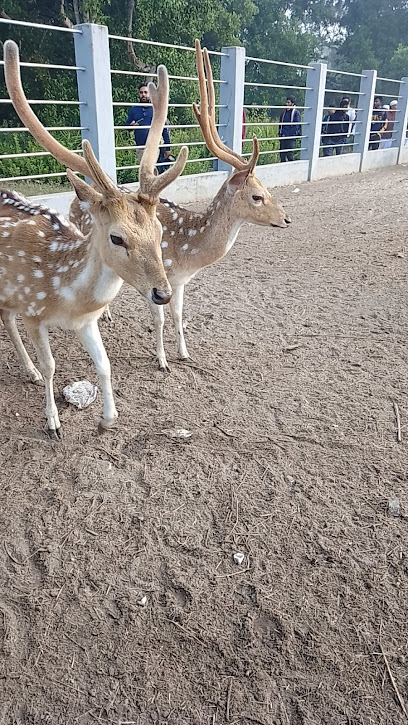
Harbaria Eco Tourism Center
14.5 km
Discover the serene beauty and diverse wildlife of the Sundarbans at the Harbaria Eco Tourism Center, a gateway to the world's largest mangrove forest.
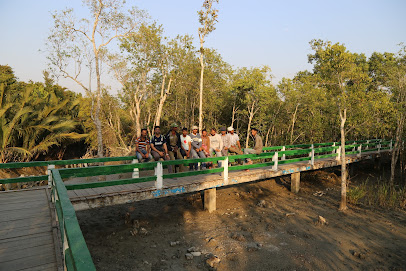
The Sundarbans (Bangladesh)
14.7 km
Explore the Sundarbans, a UNESCO World Heritage site in Bangladesh, home to the majestic Bengal tiger and stunning mangrove landscapes.
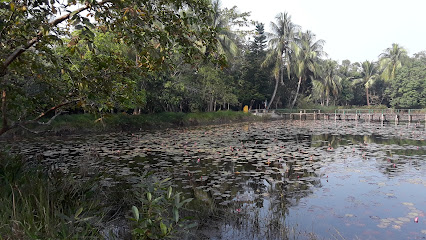
Rana Resort & Amusement Park
24.8 km
Experience thrilling rides and serene nature at Rana Resort & Amusement Park in Khulna, Bangladesh. A perfect family getaway!
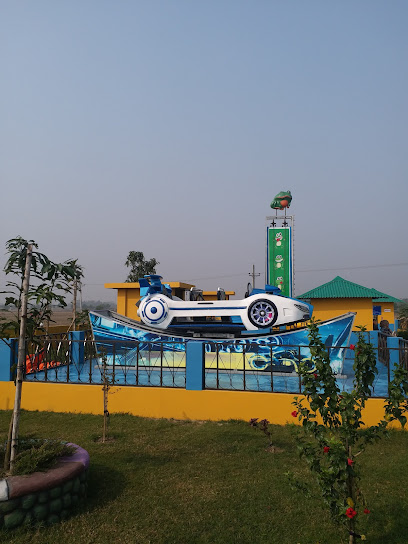
Chandra Mahal Eco Park
28.1 km
Discover nature, culture, and recreation at Chandra Mahal Eco Park, a Taj Mahal-inspired oasis near Khulna, Bangladesh. Open daily, 7:00 am to 6:30 pm.
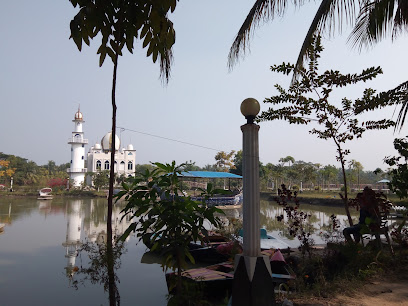
Khan Jahan Ali Dighi
30.9 km
Explore the serene beauty and historical significance of Khan Jahan Ali Dighi, home to revered shrines and ancient crocodiles.
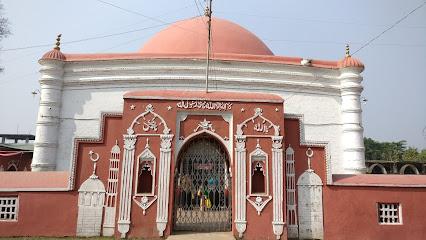
Bagerhat Museum
31.5 km
Explore Islamic art, artifacts, and history at the Bagerhat Museum, a cultural gem preserving the legacy of Khan Jahan Ali.
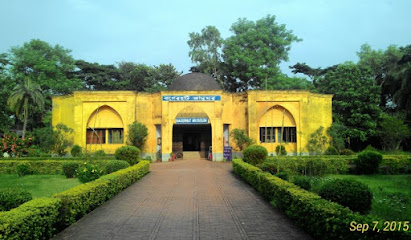
Batiaghata Riverview
33.7 km
Escape to Batiaghata Riverview for tranquil riverside scenery and a refreshing break from the city in Khulna, Bangladesh.
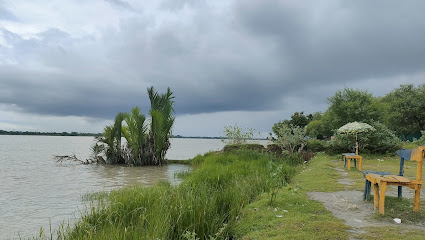
Horinpala River View Eco Park
33.9 km
Discover natural beauty and family fun at Horinpala River View Eco Park, featuring scenic river views, rides, and a deer and bird sanctuary.
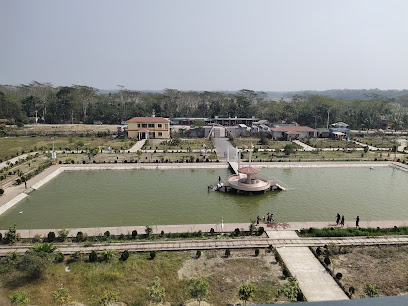
জলমা পুরাতন ফেরিঘাট
35.9 km
Discover the tranquil beauty of Jalma Puratan Ferry Ghat in Batiaghata, a historical landmark offering serene riverside views and a glimpse into Bangladeshi culture.
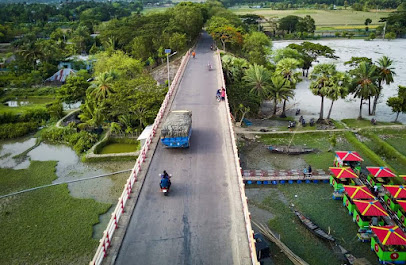
Rupsha Sunset Viewpoint
37.2 km
Experience the magic of Rupsha Sunset Viewpoint in Khulna: a tranquil escape where vibrant sunsets paint the sky, offering unforgettable moments of serenity.
Essential places to dine

Bonobibi Forest Resort Sundarban
4.7 km
Experience tranquility at Bonobibi Forest Resort Sundarban - where nature meets comfort amidst breathtaking landscapes.
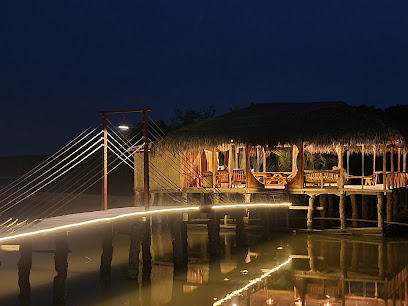
সুন্দরবন হোটেল এন্ড রেস্টুরেন্ট ট্যুরিস্ট স্পট
5.1 km
Experience family-friendly hospitality at Sundarbans Hotel and Restaurant while exploring the enchanting beauty of Bangladesh's Sundarbans.
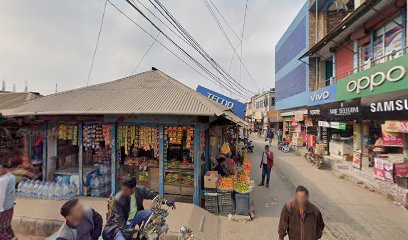
Mangrove Haven Resort
11.0 km
Experience tranquility and adventure at Mangrove Haven Resort in Kailashganj, where luxury meets nature amidst stunning mangroves.
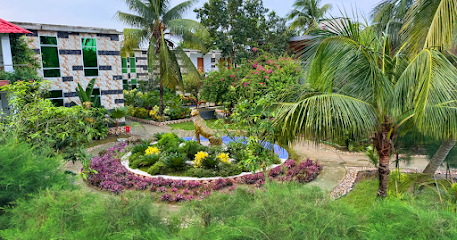
Nishan Crab Culture
37.2 km
Indulge in authentic crab dishes at Nishan Crab Culture, where fresh flavors meet traditional Bangladeshi cuisine.
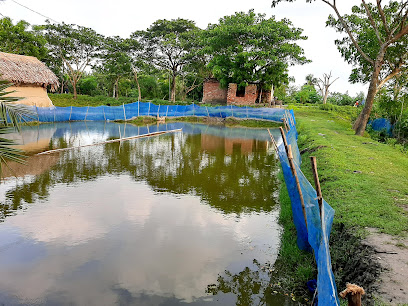
Firefly Restaurant
40.1 km
Discover the exquisite flavors of Bangladesh at Firefly Restaurant in Khulna, where delightful dishes meet warm hospitality.
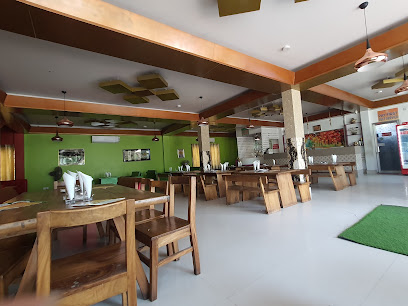
SuNdArBaN FoOdS
41.0 km
Discover SuNdArBaN FoOdS: A Crab Lover's Paradise Offering Authentic Seafood Delights in Nildumur.
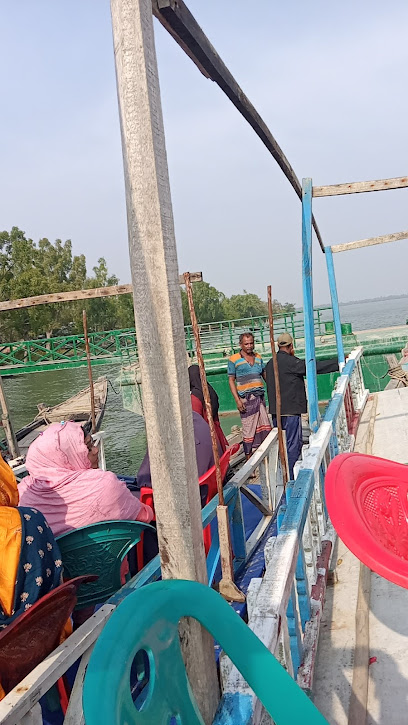
New Sufiya Hotel & Restaurant
41.5 km
Experience authentic Bangladeshi cuisine at New Sufiya Hotel & Restaurant in Khulna, where delicious flavors meet warm hospitality.
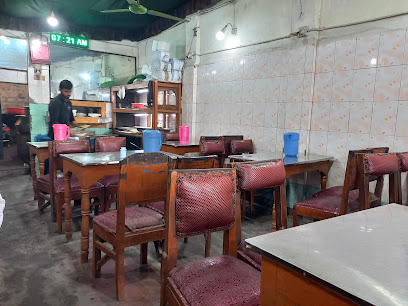
Prothom Shad Restaurant
41.7 km
Discover the essence of Bangladeshi cuisine at Prothom Shad Restaurant in Khulna, where every meal is a celebration of local flavors.
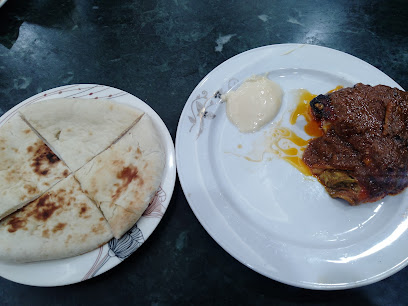
Kamrul Hotel
41.7 km
Discover authentic Bangladeshi flavors at Kamrul Hotel in Khulna - where every meal tells a story.
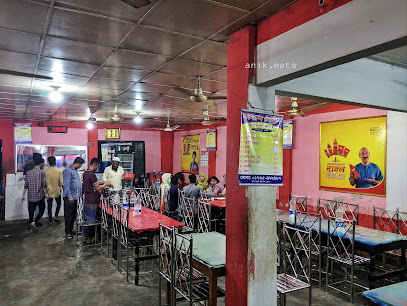
Rupkatha Restaurant
41.7 km
Experience authentic Bangladeshi cuisine at Rupkatha Restaurant in Khulna - where flavors meet tradition.
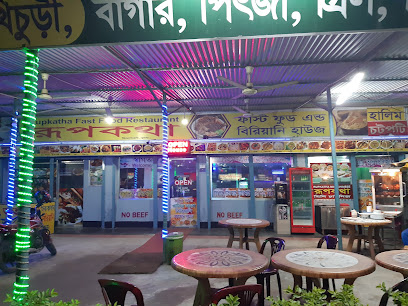
Mejban bari, Khulna
41.8 km
Discover authentic Bangladeshi flavors at Mejban Bari - a culinary delight nestled in the heart of Khulna.
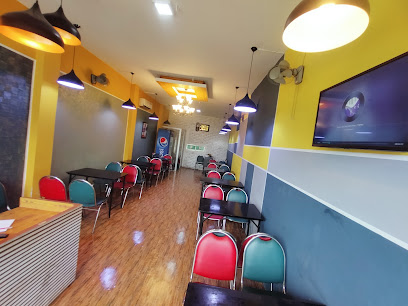
O' Khulna - Parkside Restaurant
41.8 km
Experience authentic Bengali cuisine at O' Khulna - Parkside Restaurant, where every dish tells a story of tradition and flavor.
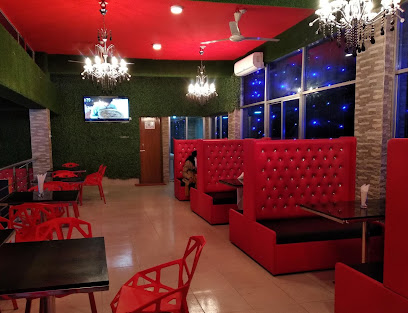
The Evening Touch
42.0 km
Discover the culinary charm of Khulna at The Evening Touch, where authentic barbecue meets vibrant local culture.
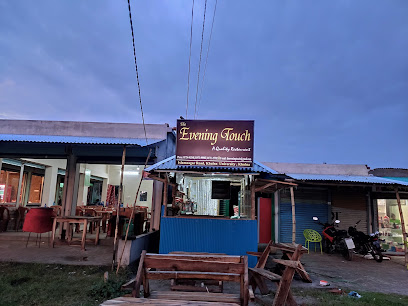
Basher Kella
42.1 km
Savor authentic Asian cuisine in Khulna's vibrant dining scene at Basher Kella - where tradition meets flavor.
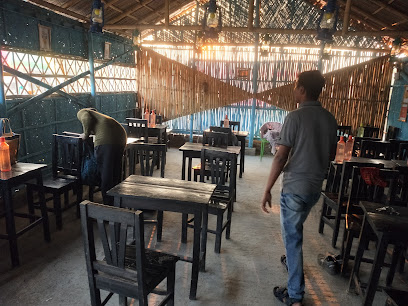
Wimpy's
42.4 km
Discover delightful flavors at Wimpy's in Khulna—where every meal is an unforgettable culinary adventure.
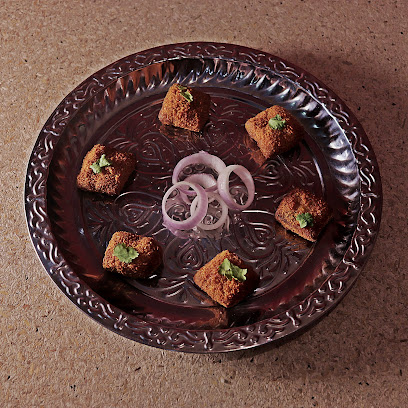
Markets, malls and hidden boutiques

Iraboti Eco Resort & Research Center Limited
5.1 km
Experience nature's tranquility and learn about sustainable practices at Iraboti Eco Resort & Research Center in Dacope, Bangladesh.
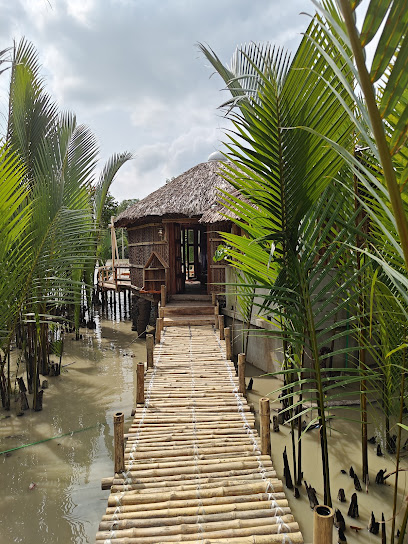
Sondorbon Shop
33.1 km
Explore Sondorbon Shop in Kobi Abadullah Sorok for unique Bangladeshi gifts and souvenirs that celebrate local craftsmanship and culture.
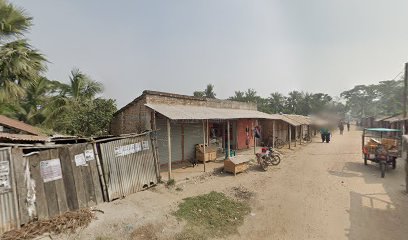
Purbo dur gabati
39.6 km
Explore Purbo Dur Gabati for unique gifts and handcrafted treasures that showcase the rich culture and artistry of Bangladesh.

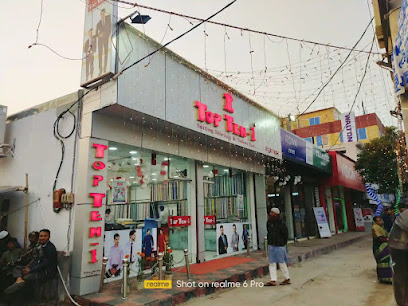
Top ten-1
41.5 km
Explore Khulna's fashion scene at this vibrant clothing store, offering a blend of local culture and contemporary styles for every taste.
UK Variety Shopping
42.5 km
Explore Khulna's UK Variety Shopping for a delightful mix of baby items, cosmetics, and unique jewelry in a vibrant shopping atmosphere.

Bistro C
42.6 km
Discover the rich flavors of Khulna at Bistro C, where local and international cuisines come together in a warm, welcoming atmosphere.
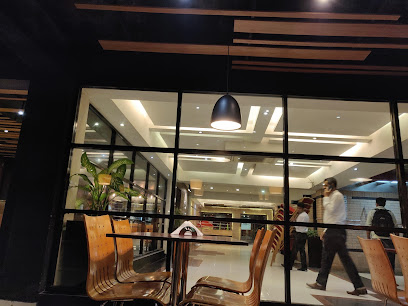
unique selling point
42.7 km
Discover a treasure trove of beauty products in Khulna, from popular cosmetics to unique local finds for every beauty enthusiast.
QuniQs Fashion & Digital Printing
43.1 km
Discover trendy youth fashion and custom print services at QuniQs Fashion & Digital Printing in Khulna, where creativity meets style.
Daraz Khulna Hub (Drop Off Point & Collection Point)
43.2 km
Explore the Daraz Khulna Hub, a central drop-off point for the largest online shopping experience in Bangladesh, blending convenience with local culture.
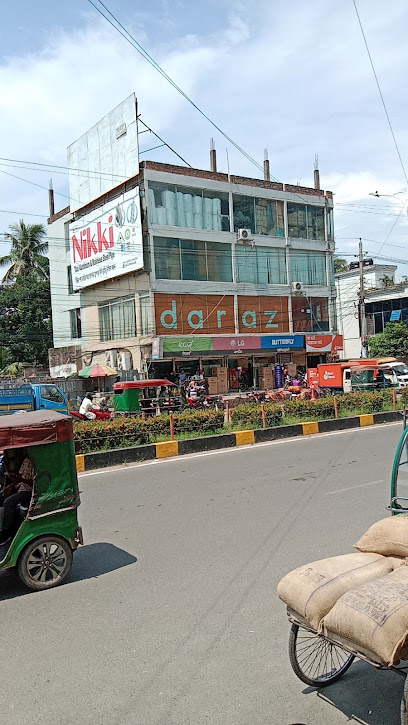
Ratul the best fashion house in khulna
43.3 km
Explore the vibrant world of fashion at Ratul, Khulna's premier fashion house, showcasing unique accessories blending modern style with tradition.
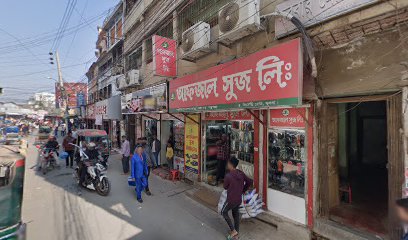
Top Ten Fabrics & Tailors
43.3 km
Explore Top Ten Fabrics & Tailors in Khulna for a unique selection of textiles and expert tailoring services that celebrate local craftsmanship.
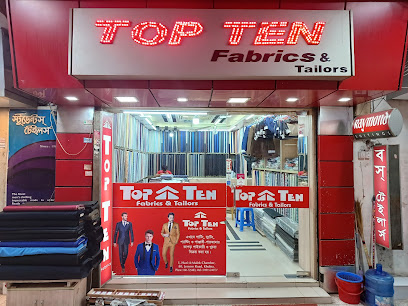
Rim Best Fashion House in Khulna
43.4 km
Explore the latest fashion trends at Rim Best Fashion House in Khulna, where style meets quality in a delightful shopping experience.
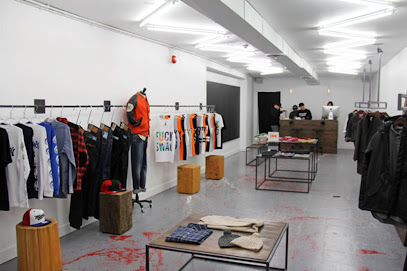
Rakib best fashion house khulna
43.4 km
Explore the vibrant fashion scene at Rakib Best Fashion House, Khulna, where unique styles meet local craftsmanship.
DARAZ STORE
43.4 km
Experience the best of local shopping and unique finds at Daraz Store in the heart of Khulna.
Khulna Shopping Complex
43.4 km
Discover the lively Khulna Shopping Complex, where shopping meets culture in the heart of Bangladesh's vibrant city.
Essential bars & hidden hideouts

মিনি কুয়াকাটা
3.2 km
Discover the heart of Mongla’s nightlife at Mini Kuakata, a lively bar offering refreshing drinks and a vibrant atmosphere for tourists.
Habibur
25.2 km
Experience the vibrant nightlife at Habibur, a popular bar in Moth Bari, where locals and tourists gather for great drinks and lively entertainment.
gabdu hoise
25.5 km
Discover the lively ambiance and local flavors at Gabdu Hoise, a vibrant bar in Bangladesh perfect for unwinding after exploration.
Mukesh Home
25.8 km
Discover the lively vibe and local flavors at Mukesh Home, a top bar destination in Nurpur Amirpur for tourists seeking a vibrant nightlife experience.
My Home
29.3 km
Experience the vibrant nightlife of Sharankhola at this charming bar, offering local flavors and a welcoming atmosphere perfect for tourists.
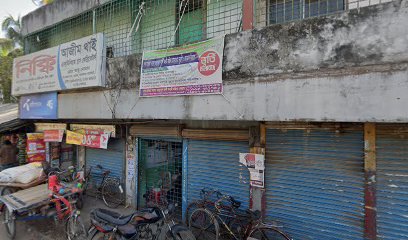
Jononi Digital Studio
32.3 km
Experience the vibrant culture of Koyra at Jononi Digital Studio, a lively bar offering a wide selection of drinks and a welcoming atmosphere.
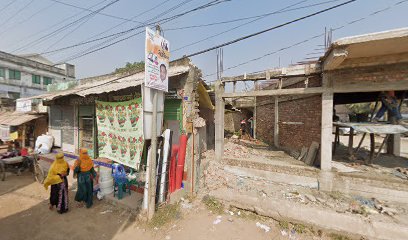
Ayskurone Shop
34.0 km
Discover the vibrant ambiance and exquisite drinks at Ayskurone Shop, a must-visit bar in Bangladesh for travelers seeking local flavors.
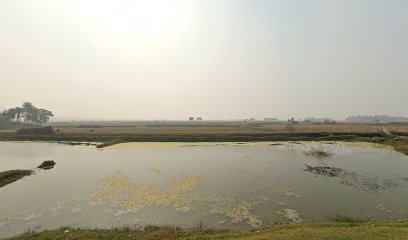
kathbirile
40.6 km
Experience the authentic taste of Bangladesh at Kathbirile, Khulna's top restaurant for traditional cuisine and warm hospitality.

Juice Bar
40.9 km
Discover refreshing beverages and a lively atmosphere at Khulna's Juice Bar, your perfect oasis for relaxation and revitalization.

SPICY INN
42.1 km
Experience the vibrant flavors of Khulna at Spicy Inn, where authentic spices and warm hospitality create unforgettable dining moments.
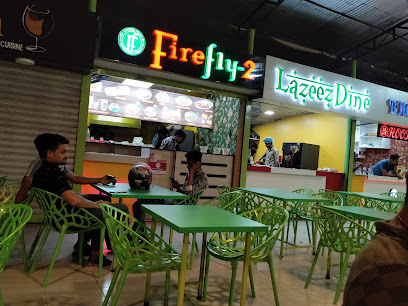
Wendy's food Court
42.1 km
Indulge in the flavors of Wendy's Food Court in Khulna, where delicious fast food meets a vibrant dining experience.
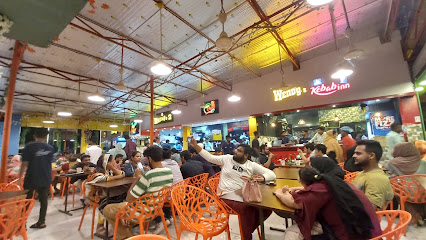
Md Ismail Hossain
42.5 km
Discover the authentic nightlife at Md Ismail Hossain Bar, where locals and tourists mingle in the heart of Khulna's vibrant social scene.
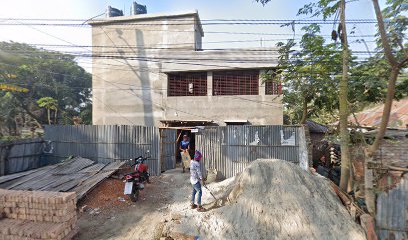
Hotel Castle Salam
42.6 km
Discover the perfect blend of comfort and convenience at Hotel Castle Salam, your ideal stay in Khulna's vibrant heart.
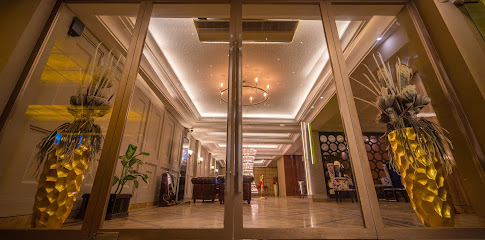
SABBIR Tower
42.8 km
Experience the vibrant atmosphere and diverse drink selection at SABBIR Tower, a must-visit bar in Bangladesh for every traveler.
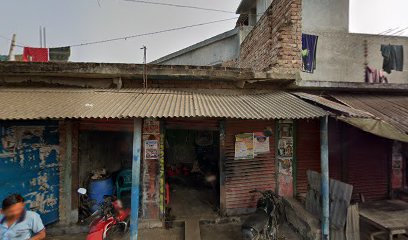
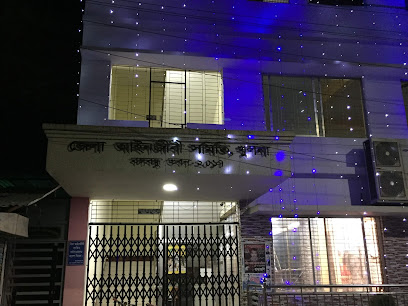
District Bar Association, Khulna
43.2 km
Explore the District Bar Association of Khulna, a pivotal institution for the legal community and a gateway to understanding Bangladesh's legal framework.
Nightclubs & after hour spots

Investors Club
5.9 km
Unwind and connect at the Investors Club in Mongla, a serene space perfect for networking and relaxation amidst vibrant local culture.
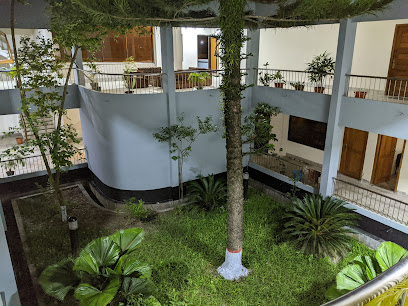
Bachelor Center
42.5 km
Discover Khulna's nightlife at Bachelor Center, where rhythm meets revelry in a vibrant atmosphere that promises unforgettable experiences.
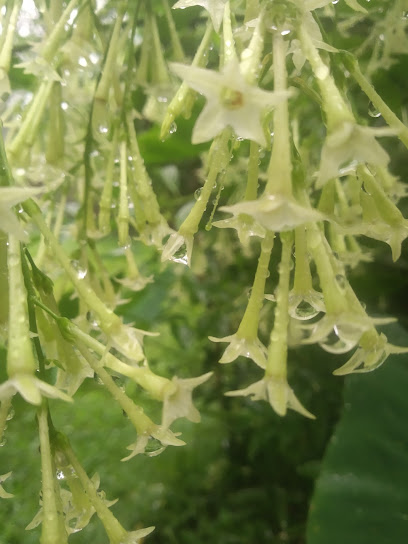
Rafiq
42.6 km
Discover the vibrant nightlife at Rafiq, Khulna's premier night club, where music, dance, and unforgettable experiences await every night.
Alamgir maitors
42.6 km
Unleash your night at Alamgir Maitors, Khulna's premier night club, where vibrant music and dance create unforgettable experiences.
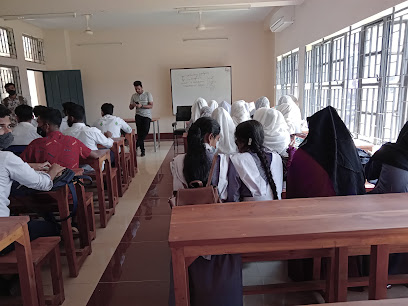
Khulna Club Ltd
42.9 km
Discover the charm of Khulna Club Ltd, a social club offering delicious cuisine and a vibrant atmosphere in the heart of Khulna.
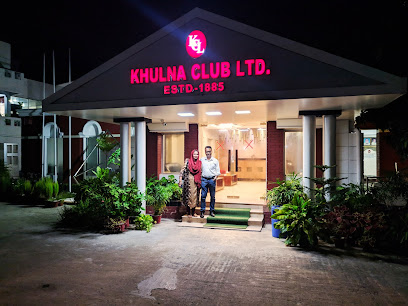
হিমেলের চিপা
43.0 km
Dive into Khulna's nightlife at হিমেলের চিপা, a vibrant night club offering exquisite drinks, lively music, and an unforgettable party atmosphere.
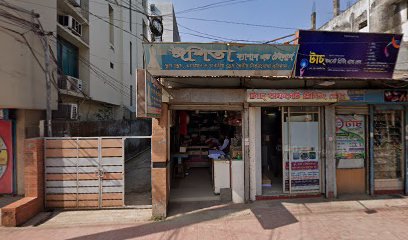
ORION
43.4 km
Discover the electrifying nightlife of Bishnapur at ORION, a premier night club offering vibrant music and a lively dance atmosphere.
Mostak store
44.3 km
Experience the electrifying nightlife at Mostak Store in Rajapur, where music, dance, and vibrant energy create unforgettable moments.
স্বাধীন এর বাসা
46.0 km
Discover the vibrant nightlife of Khulna at স্বাধীন এর বাসা, where music, dance, and fun come together for an unforgettable evening.
Project
48.4 km
Discover Khulna's vibrant nightlife at Project, the ultimate night club experience where music and dance come alive.
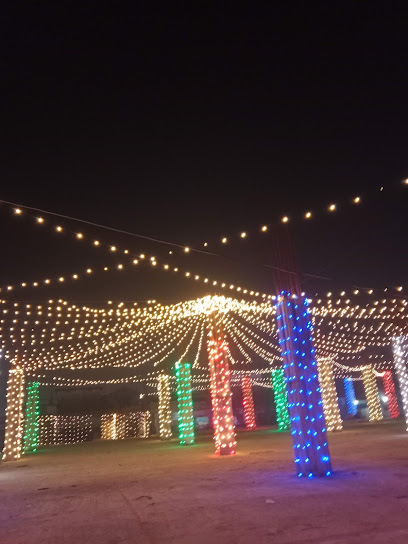
NRB Night Riders Bangladesh (Khulna)
49.3 km
Dive into Khulna's vibrant nightlife at NRB Night Riders Bangladesh, where music, drinks, and unforgettable memories await.
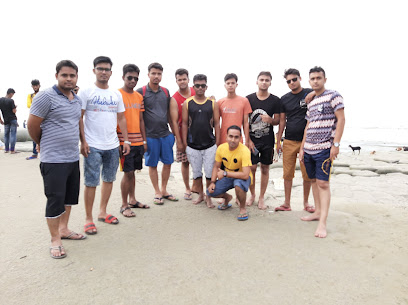
United Club
51.3 km
Discover the vibrant nightlife at United Club in Debnagar, where music, dance, and an electrifying atmosphere come together for an unforgettable experience.
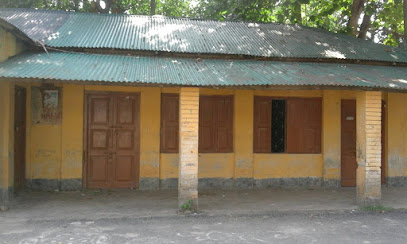
biri khawar jaiga
57.5 km
Discover the vibrant nightlife at Biri Khawar Jaiga, a premier night club in Patkelghata that promises an electrifying atmosphere and unforgettable experiences.
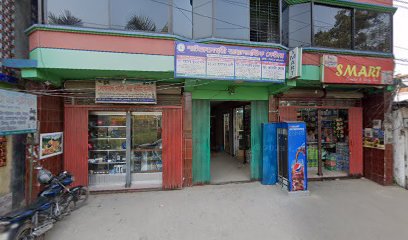
Karpara New Star Club
70.8 km
Dive into the heartbeat of Banaripara's nightlife at Karpara New Star Club, where entertainment meets vibrant culture in an unforgettable experience.
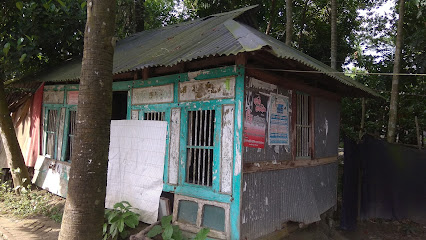
Atemkhana Auto stand
81.8 km
Discover the vibrant nightlife at Atemkhana Auto Stand, a premier night club in Kalapara offering entertainment, music, and local culture.