Sundarban National Forest: A Realm of Royal Bengals and Mangrove Majesty
Explore the Sundarban National Forest: A UNESCO World Heritage Site, home to the Royal Bengal tiger and the world's largest mangrove forest.
The Sundarban National Forest, a UNESCO World Heritage Site, is the world's largest mangrove ecosystem, a realm of Royal Bengal tigers, winding waterways, and unique wildlife. Explore the heart of the Ganges Delta, where nature's wonders unfold in a symphony of green and gold.
A brief summary to Sundarban National forest
- 2H5Q+FJH, BD
Local tips
- The best time to visit is during the winter months (October to March) for pleasant weather and optimal wildlife viewing.
- Always hire a licensed guide for boat safaris to ensure safety and maximize wildlife spotting opportunities.
- Book accommodations and safaris in advance, especially during peak season (December to February).
- Carry sufficient cash, as ATMs are scarce in and around the national park.
- Respect the no-plastic zone policy and avoid littering to preserve the fragile ecosystem.

Getting There
-
Public Transport
From Kolkata, take a local train from Sealdah Railway Station to Canning. Trains are frequent and take approximately 1.5 hours. From Canning, shared vans or auto-rickshaws are available to Godkhali Jetty, the main embarkation point for boat cruises into the Sundarbans. Costs: * Train fare (Sealdah to Canning): INR 20-30. * Shared van/auto-rickshaw fare (Canning to Godkhali): INR 50-80 per person.
-
Taxi/Ride-Share
A taxi or ride-sharing service can be hired directly from Kolkata to Godkhali. This is a more convenient but expensive option, taking around 3 hours. Costs: * Taxi/Ride-share fare (Kolkata to Godkhali): INR 2,500 - 4,000.
-
Boat
From Godkhali, the Sundarban National Park is accessible only by boat. Numerous tour operators offer day trips and multi-day cruises. Government ferries and private motorboats are available. Ensure the boat has the necessary permits and a licensed guide. Costs: * Boat safari (per day): INR 950-1000 per person (including food and stay). * Forest entry fee (Indians): INR 180 per person. * Forest entry fee (Foreigners): INR 1500 per person.
Discover more about Sundarban National forest
Iconic landmarks you can’t miss

Sundarban সুন্দরবন National Forest (Bangladesh)
21.5 km
Explore the Sundarbans: A biodiverse mangrove forest, home to the Royal Bengal Tiger and a UNESCO World Heritage Site.
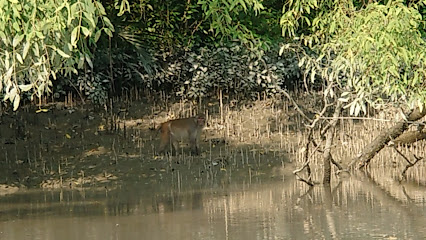
Dublar Char
26.4 km
Discover Dublar Char: A unique island in the Sundarbans, known for fishing, festivals, and natural beauty. Experience the heart of Bangladesh's coastal culture.
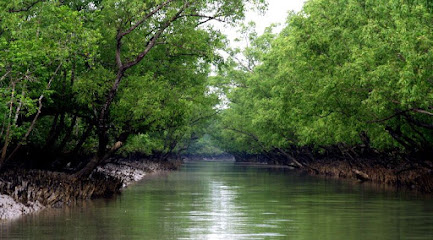
শুভ সন্ধ্যা সমুদ্র সৈকত
45.8 km
Discover Shuvo Sondha Sea Beach: Where rivers meet the sea, offering tranquil beauty and stunning sunsets in Barguna, Bangladesh.
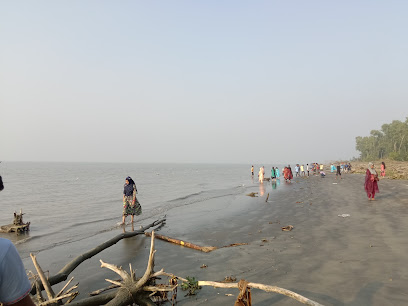
Sundarban
47.7 km
Explore Sundarban: A biodiverse mangrove forest, home to the Royal Bengal Tiger and a UNESCO World Heritage Site.
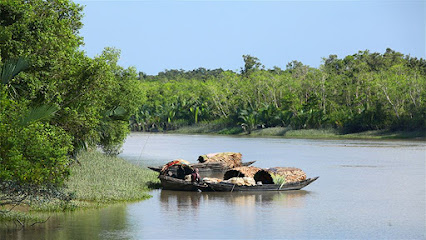
Gol Kanon Eco Resort
50.1 km
Discover the serene beauty of the Sundarbans at Gol Kanon Eco Resort: Experience authentic culture, sustainable tourism, and breathtaking natural landscapes in Bangladesh.
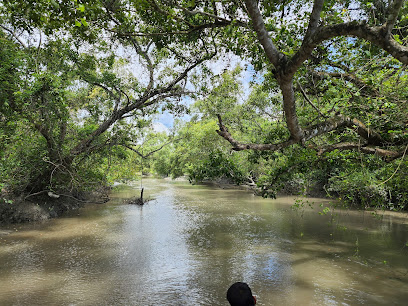
Jhinuk Beach
51.8 km
Discover the serene beauty and relaxing atmosphere of Jhinuk Beach, a hidden gem along Bangladesh's stunning coastline.

Sawpnorajjo Park and Resort, Kuakata
55.8 km
Experience the tranquility of Sawpnorajjo Park and Resort in Kuakata, where lush landscapes meet stunning coastal views for the ultimate getaway.
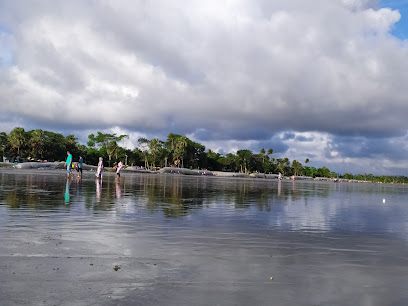
Burirdabri Forest Camp
58.2 km
Experience the tranquility of nature at Burirdabri Forest Camp, a haven for wildlife lovers in West Bengal's lush landscapes.
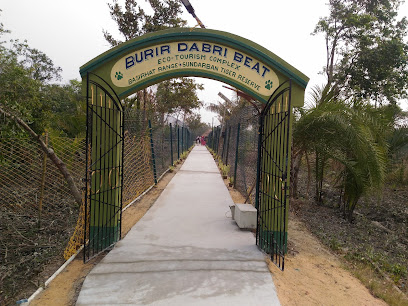
Sagor Konna Resort Ltd.
58.5 km
Experience Kuakata's beauty at Sagor Konna Resort: beachfront serenity, comfortable stays, and stunning Bay of Bengal views.
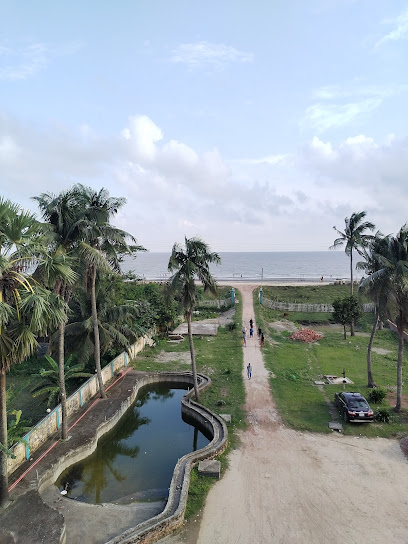
Hotel Khan Palace
58.7 km
Experience comfort and coastal beauty at Hotel Khan Palace in Kuakata, Bangladesh, offering easy access to stunning beaches, cultural sites, and breathtaking sunrise and sunset views.
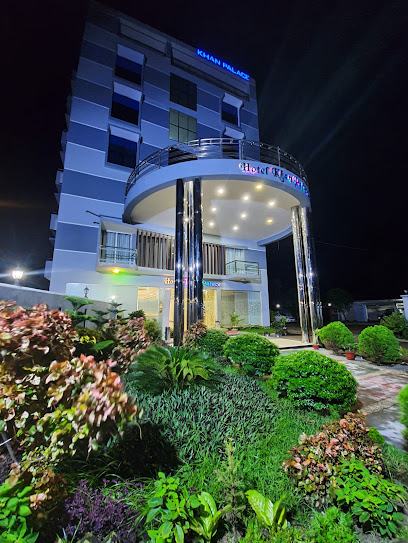
Biswas Sea palace
58.7 km
Experience tranquility at Biswas Sea Palace in Kuakata, Bangladesh, offering stunning sea views, comfortable accommodations, and easy access to the beach and local attractions.
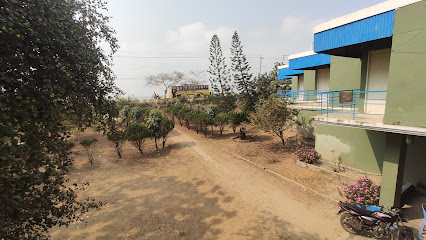
সীমা বৌদ্ধ মন্দির
58.7 km
Discover spiritual heritage at Kuakata's Seema Buddhist Temple, home to a revered অষ্টধাতু Buddha statue.
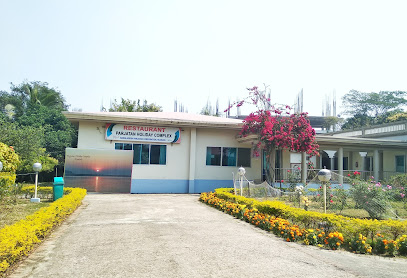
Parjatan Motel Kuakata, Patuakhali
58.9 km
Experience coastal beauty and cultural heritage at Parjatan Motel Kuakata, offering stunning sunrise/sunset views and access to local attractions.
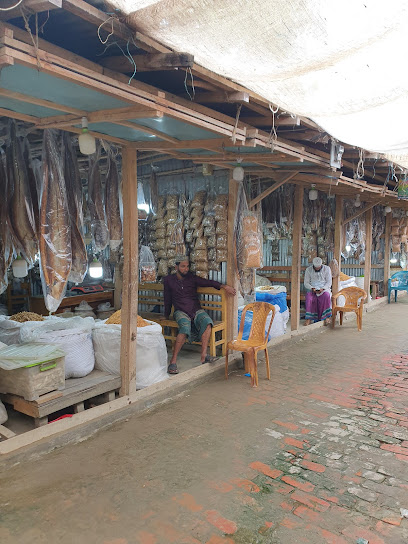
Shutki polli
59.0 km
Experience the authentic coastal culture of Bangladesh at Kuakata's Shutki Polli, a vibrant hub of traditional dried fish production.
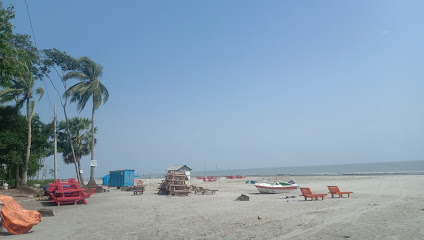
kuakata
59.1 km
Explore Kuakata, the captivating beach destination in Bangladesh known for its stunning sunrises, sunsets, and rich local culture.
Unmissable attractions to see

Sundarban National Park, Bangladesh
14.1 km
Discover the enchanting Sundarban National Park: a UNESCO site, mangrove forest, and tiger reserve, offering unique boat safaris and wildlife encounters.

Sundarban Mangrove Forest - Bangladesh
17.0 km
Explore the Sundarbans, the world's largest mangrove forest and a UNESCO site, home to the Royal Bengal tiger and unique biodiversity.
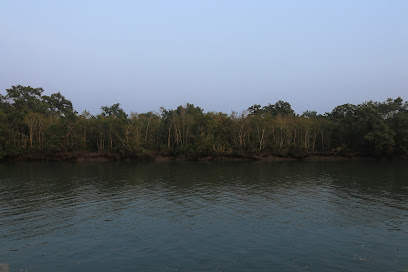
Sundarban Mangrove Forest
20.3 km
Explore the Sundarbans: World's largest mangrove forest, home to the Royal Bengal Tiger, and a UNESCO World Heritage Site. A unique blend of nature and adventure.
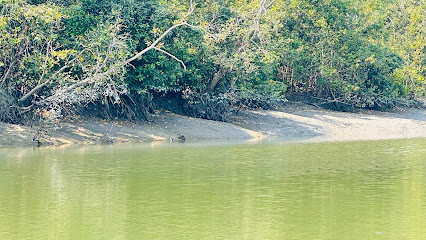
Hiron point trail. Khulna
24.8 km
Discover Hiron Point: A scenic and biodiverse haven in the Sundarbans, offering unparalleled wildlife viewing and natural beauty.
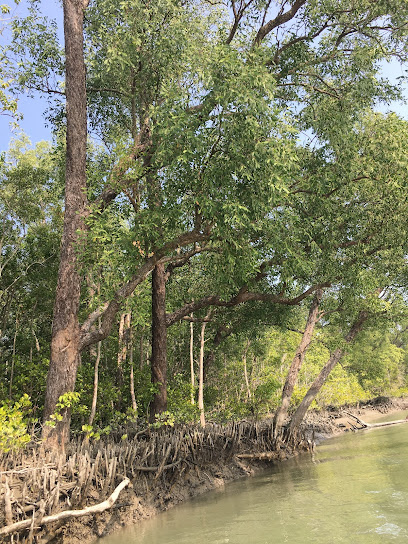
Hiron Point
25.1 km
Explore Hiron Point: A serene gateway to the Sundarbans, offering breathtaking views, rich wildlife, and unforgettable experiences in Bangladesh.
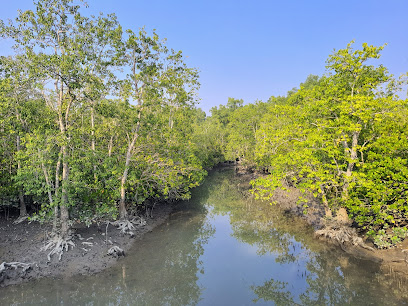
Jamtola Watch Tower
26.2 km
Explore the breathtaking Jamtola Watch Tower in the Sundarbans, a paradise for birdwatchers and nature lovers alike, offering stunning views and diverse wildlife.
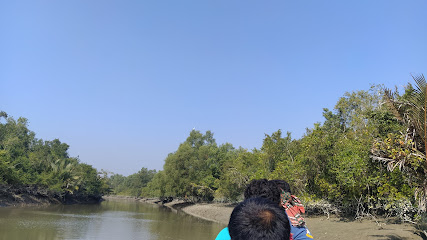
Jamtola Beach
28.1 km
Discover the untouched beauty of Jamtola Beach in Sundarbans: a serene escape where the mangrove forest meets the Bay of Bengal.
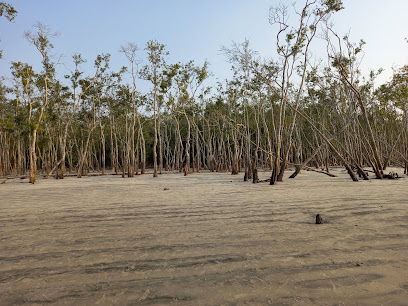
The Sundarbans (Bangladesh)
32.1 km
Explore the Sundarbans, a UNESCO World Heritage site in Bangladesh, home to the majestic Bengal tiger and stunning mangrove landscapes.
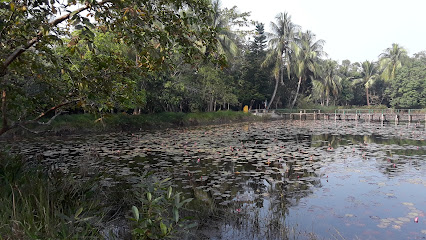
Harbaria Eco Tourism Center
32.3 km
Discover the serene beauty and diverse wildlife of the Sundarbans at the Harbaria Eco Tourism Center, a gateway to the world's largest mangrove forest.
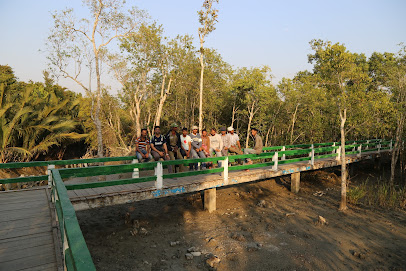
Dobeki Forest Camp
38.6 km
Escape to Dobeki Forest Camp for a tranquil Sundarbans experience, offering wildlife sightings and serene mangrove exploration.
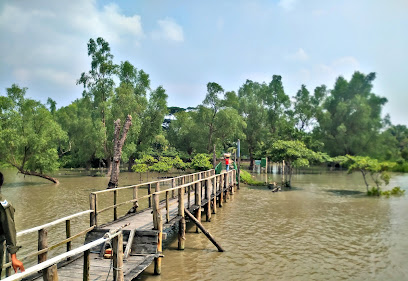
M.V The Crown
42.4 km
Experience the Sundarbans in style and comfort aboard the M.V. The Crown, a luxurious cruise through the world's largest mangrove forest.
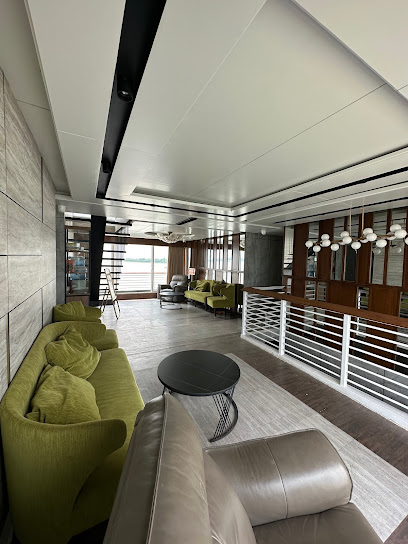
Sundarbans
42.4 km
Explore the Sundarbans, the world's largest mangrove forest and home to the Royal Bengal Tiger, a UNESCO World Heritage Site.
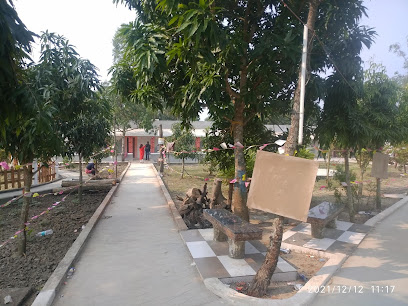
Sundarban/ সুন্দরবন National mangrove Park (Bangladesh)
42.4 km
Explore the Sundarban National Mangrove Park: A UNESCO site, home to the Royal Bengal tiger, and the world's largest mangrove forest.
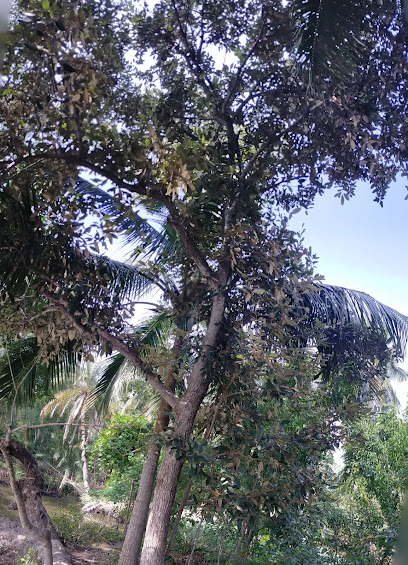
দৃষ্টি নন্দন
42.6 km
Discover the serene beauty of Drishti Nandan in Gabura Union, Bangladesh, showcasing rich culture and natural landscapes near the Sundarbans.
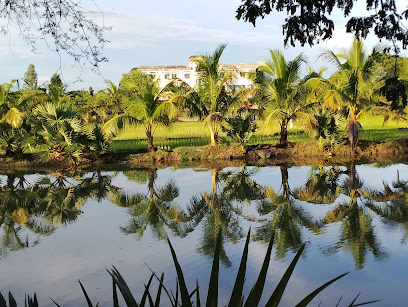
Kalagasia Watch Tower
43.0 km
Observe wildlife from above at the Kalagasia Watch Tower, offering panoramic views of the Sundarbans' unique mangrove ecosystem.
Essential places to dine

SuNdArBaN FoOdS
44.7 km
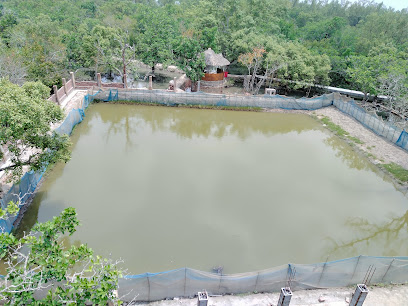
Discover SuNdArBaN FoOdS: A Crab Lover's Paradise Offering Authentic Seafood Delights in Nildumur.

Bonobibi Forest Resort Sundarban
48.7 km
Experience tranquility at Bonobibi Forest Resort Sundarban - where nature meets comfort amidst breathtaking landscapes.
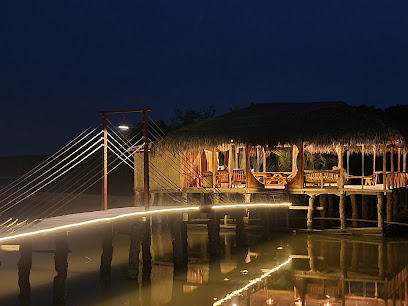
সুন্দরবন হোটেল এন্ড রেস্টুরেন্ট ট্যুরিস্ট স্পট
51.5 km
Experience family-friendly hospitality at Sundarbans Hotel and Restaurant while exploring the enchanting beauty of Bangladesh's Sundarbans.
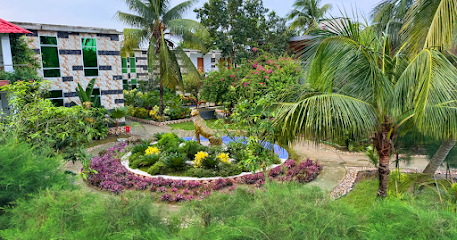
Mangrove Haven Resort
53.6 km
Experience tranquility and adventure at Mangrove Haven Resort in Kailashganj, where luxury meets nature amidst stunning mangroves.
Muslim Hotel and mistanno vandar
57.9 km
Discover the rich flavors of Bangladesh at Muslim Hotel and Mistanno Vandar in Kuakata - where authentic cuisine meets warm hospitality.
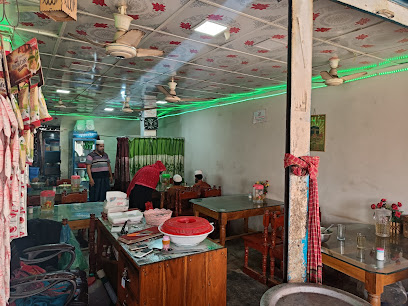
Banorupa Garden Restaurant
58.4 km
Discover Banorupa Garden Restaurant in Kuakata - A hidden gem serving authentic Asian cuisine in a serene garden setting.
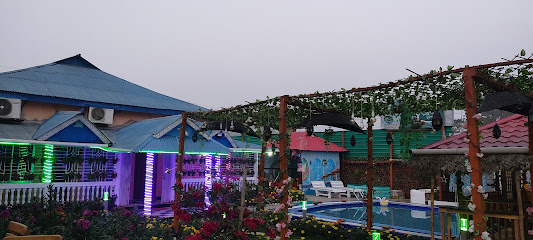
Kuakata Food Court
58.5 km
Discover delicious barbecue delights at Kuakata Food Court near stunning Kuakata Beach – a perfect blend of flavor and scenic beauty.
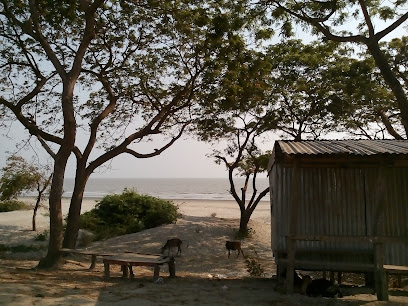
Marine Restaurant And Kabab
58.7 km
Discover exquisite seafood delights at Marine Restaurant and Kabab in Kuakata - where taste meets tradition by the sea.
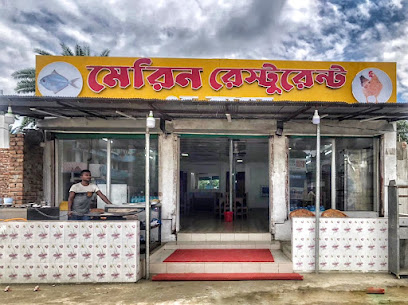
খাবারের হোটেল
58.7 km
Discover authentic Bangladeshi cuisine at খাবারের হোটেল in Kuakata – where every meal tells a story.
খবর কুয়াকাটা
58.7 km
Experience stunning sunrises and sunsets at Kuakata's pristine beaches while immersing yourself in vibrant Bangladeshi culture.
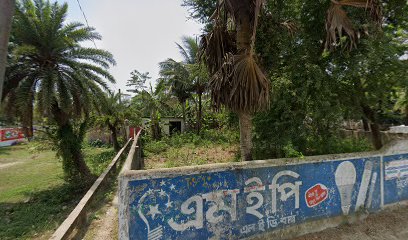
তরী (TORI KUAKATA)
58.7 km
Discover Tori Kuakata - where fresh seafood meets breathtaking ocean views in a vibrant dining atmosphere.

Rajdhani Hotel & Restaurant
58.8 km
Experience the rich flavors of Bangladesh at Rajdhani Hotel & Restaurant in Kuakata - a must-visit for food lovers.
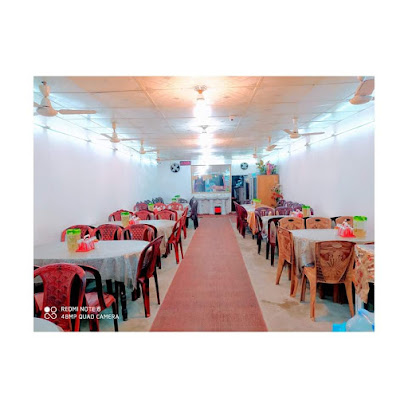
Ruposi Bangla Hotel & Restaurent
58.8 km
Experience authentic Bangladeshi cuisine with stunning beach views at Ruposi Bangla Hotel & Restaurant in Kuakata.
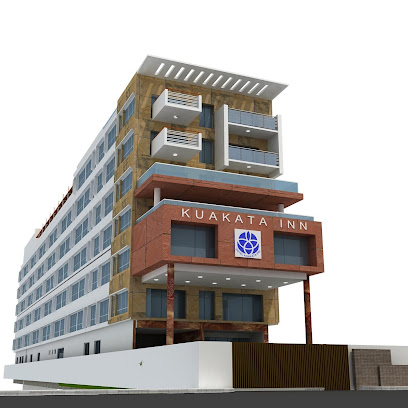
Hotel Kuakata Inn Int'l Ltd
58.9 km
Experience breathtaking views and exquisite dining at Hotel Kuakata Inn Int'l Ltd, your perfect retreat in scenic Kuakata.
Fish Fry Market
58.9 km
Savor fresh seafood delights at Fish Fry Market in Kuakata - a culinary paradise on Bangladesh's stunning coast.
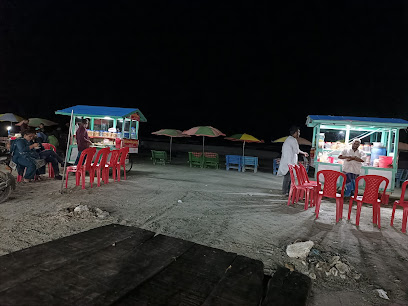
Markets, malls and hidden boutiques

Sundarban Medical Hal
42.4 km
Discover wellness and beauty at Sundarban Medical Hal, where health meets nature in an enchanting setting.
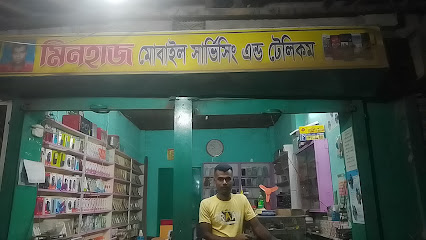
Sondorbon Shop
45.3 km
Explore Sondorbon Shop in Kobi Abadullah Sorok for unique Bangladeshi gifts and souvenirs that celebrate local craftsmanship and culture.
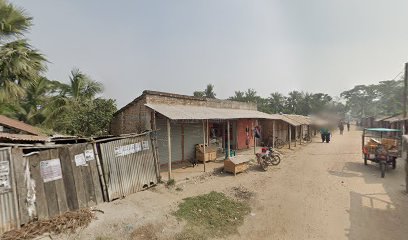
Purbo dur gabati
46.2 km
Explore Purbo Dur Gabati for unique gifts and handcrafted treasures that showcase the rich culture and artistry of Bangladesh.
Sotota mudi vaender
48.9 km
Explore the rich culture and craftsmanship at Sotota Mudi Vaender, a charming store in Bangladesh offering unique local goods.
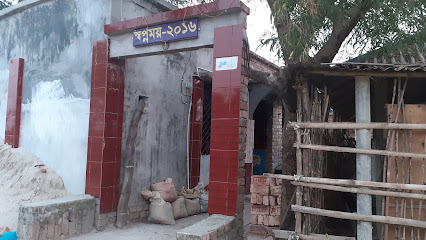
Iraboti Eco Resort & Research Center Limited
49.1 km
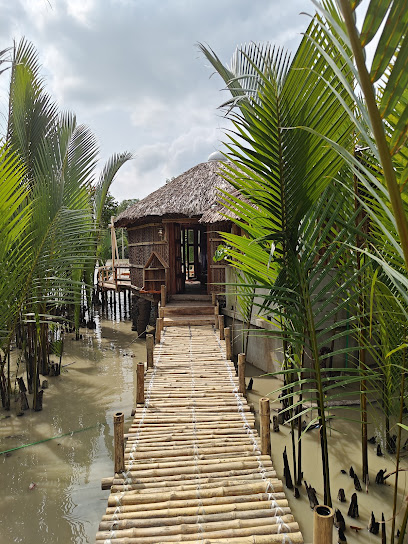
Experience nature's tranquility and learn about sustainable practices at Iraboti Eco Resort & Research Center in Dacope, Bangladesh.
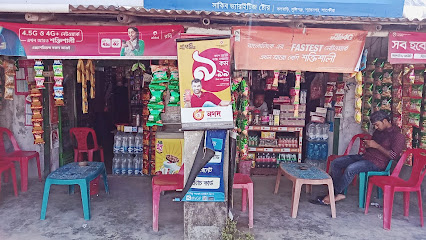
Shakib Varieties Store
49.4 km
Experience the vibrant local culture and flavors at Shakib Varieties Store in Kolbari, Bangladesh's charming grocery destination.
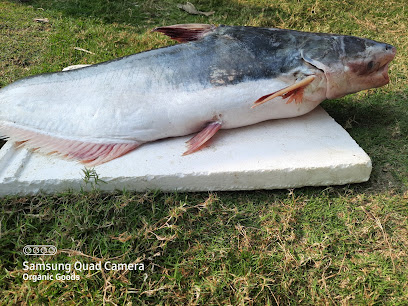
Organic Goods
49.8 km
Explore the finest organic grocery store in Bangladesh, where freshness meets sustainability and local flavors come alive.
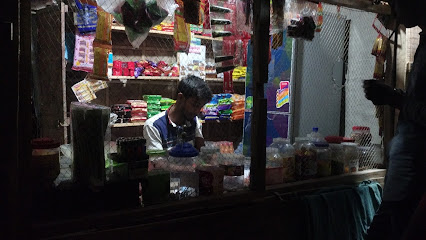
Mahim store
50.8 km
Explore Mahim Store, a vibrant shopping destination in Bangladesh, showcasing local crafts and unique treasures that reflect the region's rich heritage.
Mokka Storr
52.7 km
Explore Mokka Storr, Bangladesh's premier cosmetics store, offering a unique blend of international and local beauty products for all your needs.
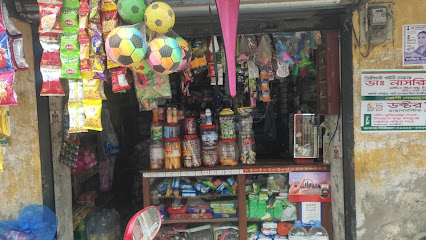
Salman Store
53.5 km
Explore the local flavors at Salman Store, your go-to grocery destination in Bangladesh for fresh produce and authentic snacks.
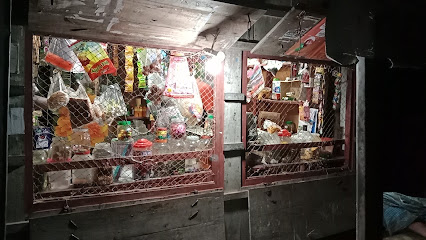
Mehedi Store
53.5 km
Explore Mehedi Store for an authentic taste of Bangladesh, featuring local crafts, snacks, and unique souvenirs.
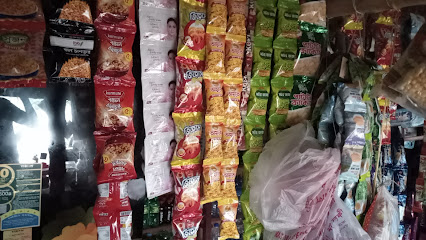
Zubayer Grocery (মল্লু)
55.2 km
Discover the vibrant local culture and flavors at Zubayer Grocery, a must-visit grocery store in Ramjannagar for authentic Bangladeshi products.
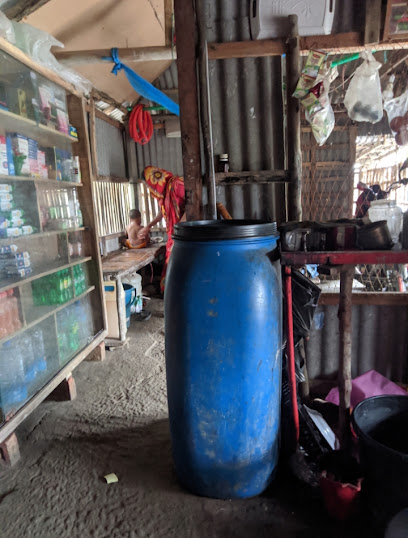
Dino Grocery
55.2 km
Explore the essence of Bangladeshi culture at Dino Grocery, where fresh local produce meets community spirit.
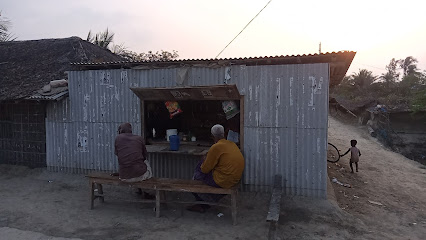
Matango sardar shop
56.0 km
Explore the unique offerings at Matango Sardar Shop, where local craftsmanship meets modern design in a delightful shopping experience.
Jeher Ali Grocery
57.4 km
Explore the authentic tastes of Bangladesh at Jeher Ali Grocery, where local flavors and culinary traditions come to life.
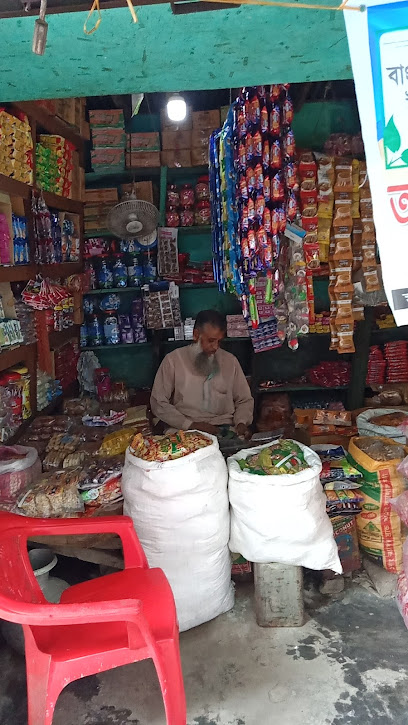
Essential bars & hidden hideouts

My Home
43.1 km
Experience the vibrant nightlife of Sharankhola at this charming bar, offering local flavors and a welcoming atmosphere perfect for tourists.
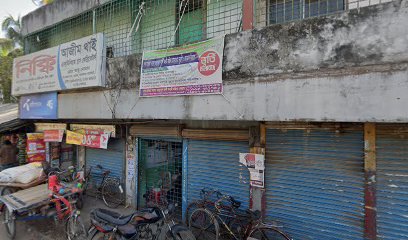
Jononi Digital Studio
48.7 km
Experience the vibrant culture of Koyra at Jononi Digital Studio, a lively bar offering a wide selection of drinks and a welcoming atmosphere.
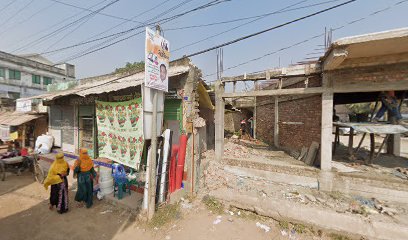
gabdu hoise
49.5 km
Discover the lively ambiance and local flavors at Gabdu Hoise, a vibrant bar in Bangladesh perfect for unwinding after exploration.
মিনি কুয়াকাটা
49.7 km
Discover the heart of Mongla’s nightlife at Mini Kuakata, a lively bar offering refreshing drinks and a vibrant atmosphere for tourists.
Habibur
49.9 km
Experience the vibrant nightlife at Habibur, a popular bar in Moth Bari, where locals and tourists gather for great drinks and lively entertainment.
Md Razab Ali Moral
50.9 km
Discover the vibrant nightlife at Md Razab Ali Moral, a lively bar in Harinagar, offering local drinks and a welcoming ambiance for tourists.
Vai Vai Mantion
57.1 km
Vai Vai Mantion: A luxurious bar in Barguna offering exquisite cocktails and an elegant atmosphere for a memorable night out.

মেসার্স শফিক পান স্টোর
57.8 km
Experience local flavor at Messrs Shofiq Pan Store, a charming bar in Kuakata, serving traditional pan and snacks in a friendly atmosphere.
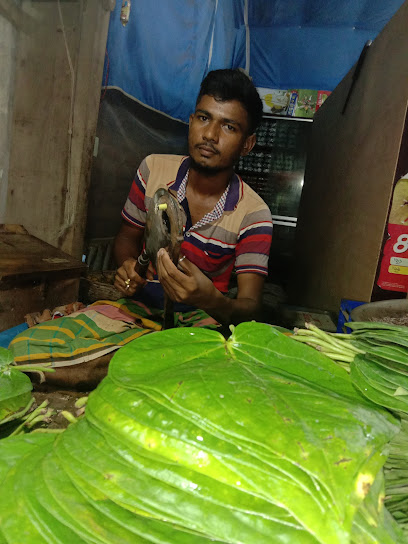
New Star Buffet Restaurant and Bar
58.5 km
Discover the vibrant New Star Buffet Restaurant and Bar in Kuakata for a delightful blend of local flavors and refreshing drinks, perfect for your travel experience.
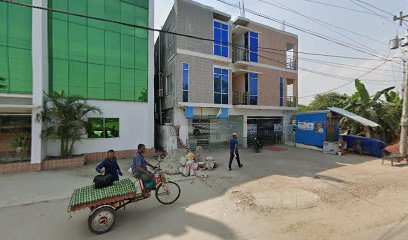
SABBIR Tower
58.6 km
Experience the vibrant atmosphere and diverse drink selection at SABBIR Tower, a must-visit bar in Bangladesh for every traveler.
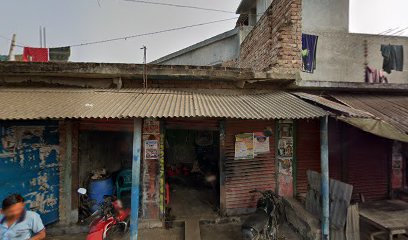
Raj Nayon
58.8 km
Discover the serene charm of Raj Nayon, a coastal pub in Kuakata offering stunning sea views and a perfect spot to unwind after a day of exploration.
Kuakata BAR
59.2 km
Discover Kuakata BAR - A vibrant seaside bar offering refreshing drinks, stunning views, and a lively atmosphere in beautiful Kuakata.
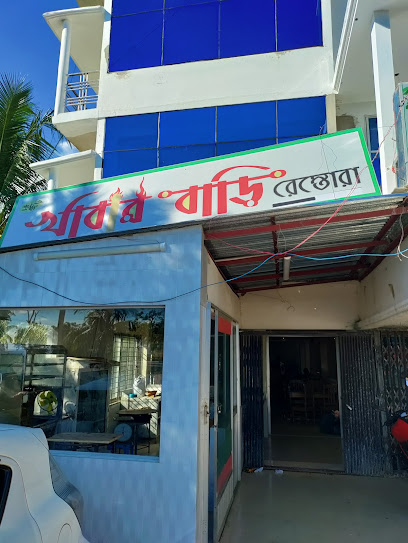
Khabar Bari Restora Kuakata
59.3 km
Explore the flavors of Kuakata at Khabar Bari Restora, a delightful restaurant offering local and international cuisine in a vibrant setting.
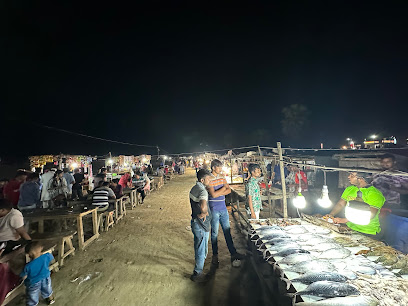
Kuakata BBQ & Fish fry
59.3 km
Discover the authentic taste of Kuakata at Kuakata BBQ & Fish Fry, where fresh seafood meets local flavor in a vibrant market setting.
Mukesh Home
60.6 km
Discover the lively vibe and local flavors at Mukesh Home, a top bar destination in Nurpur Amirpur for tourists seeking a vibrant nightlife experience.
Nightclubs & after hour spots

Investors Club
52.4 km
Unwind and connect at the Investors Club in Mongla, a serene space perfect for networking and relaxation amidst vibrant local culture.
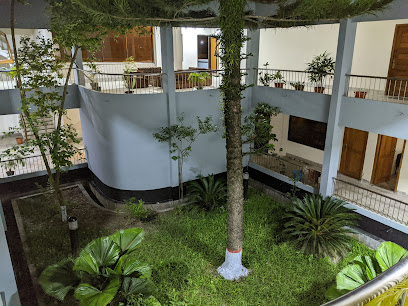
Hotel Kuakata Beach Club হোটেল কূয়াকাটা বিচ ক্লাব
59.3 km
Discover tranquility and stunning beachfront views at Hotel Kuakata Beach Club, a serene escape in the heart of Kuakata.
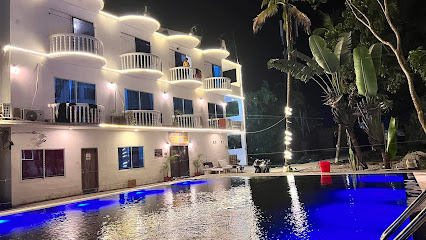
Kuakata Grand Hotel & Sea Resorts
59.5 km
Experience the serene beauty of Kuakata at Kuakata Grand Hotel & Sea Resorts, your luxurious beachfront retreat in Bangladesh's coastal paradise.
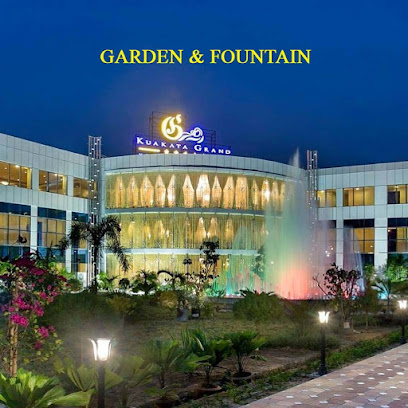
রাবেয়া আটো হাউজ
59.7 km
Experience the lively nightlife at Rabea Ato House in Kuakata, where music, dance, and fun come together in an unforgettable atmosphere.
Kuakata Club Ltd.
60.3 km
Discover vibrant nightlife at Kuakata Club Ltd. - a lively hub for dancing, drinks, and unforgettable experiences in the heart of Kuakata.
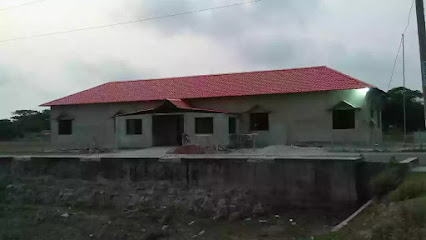
Atemkhana Auto stand
65.7 km
Discover the vibrant nightlife at Atemkhana Auto Stand, a premier night club in Kalapara offering entertainment, music, and local culture.

Md HANIFHAWOLADER
66.2 km
Discover the vibrant karaoke scene at Md Hanifhawolader in Kalapara, where music, laughter, and unforgettable nights await.

রিনা মার্কেট
73.3 km
Dive into the vibrant nightlife at Rina Market, Chalitabunia's ultimate night club offering music, dance, and local culture.
Sundarban Tiger Club - Sundarban Tour Package
83.3 km
Discover the Sundarbans at Sundarban Tiger Club - a haven for wildlife enthusiasts, offering unforgettable tours in the largest mangrove forest.
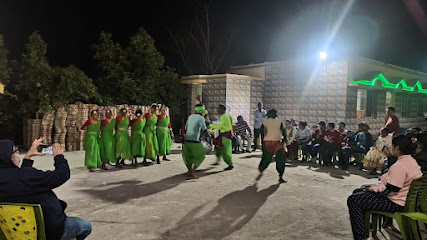
ORION
85.7 km
Discover the electrifying nightlife of Bishnapur at ORION, a premier night club offering vibrant music and a lively dance atmosphere.
Rafiq
89.0 km
Discover the vibrant nightlife at Rafiq, Khulna's premier night club, where music, dance, and unforgettable experiences await every night.
Alamgir maitors
89.0 km
Unleash your night at Alamgir Maitors, Khulna's premier night club, where vibrant music and dance create unforgettable experiences.
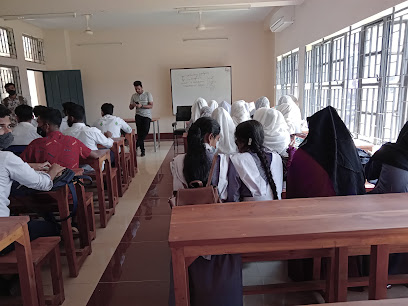
Bachelor Center
89.0 km
Discover Khulna's nightlife at Bachelor Center, where rhythm meets revelry in a vibrant atmosphere that promises unforgettable experiences.
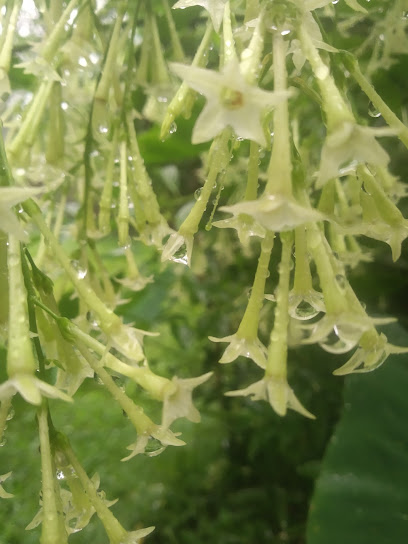
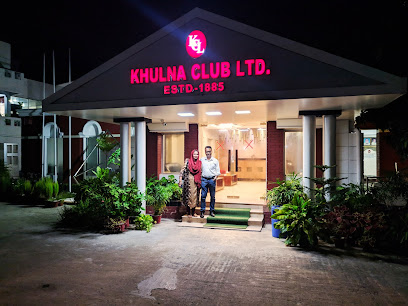
Khulna Club Ltd
89.4 km
Discover the charm of Khulna Club Ltd, a social club offering delicious cuisine and a vibrant atmosphere in the heart of Khulna.
হিমেলের চিপা
89.5 km
Dive into Khulna's nightlife at হিমেলের চিপা, a vibrant night club offering exquisite drinks, lively music, and an unforgettable party atmosphere.