

Free Saint John Travel Guide & Mobile App
Explore Saint John with free travel guides. Discover regional history, expert tips, proposed trips, and audio guides on web or mobile app.


Explore Saint John, Barbados, for Atlantic views, Codrington College, parish heritage, sugar landscapes and quiet rural roads away from resort crowds.
Read more about Saint John
When is the best time to visit Saint John?
Best: December–February · 28°C| Month | High (°C) | Rainfall (mm) |
|---|---|---|
| January (best) | 28 | 60 |
| February (best) | 28 | 50 |
| March | 29 | 50 |
| April | 30 | 60 |
| May | 30 | 70 |
| June | 30 | 80 |
| July | 31 | 80 |
| August | 31 | 90 |
| September | 31 | 90 |
| October | 30 | 80 |
| November | 29 | 70 |
| December (best) | 28 | 60 |
Getting to and around Saint John
How to get there
Transportation
Top city travel guides in Saint John
The cities of Saint John, and the easiest places to base yourself.

Swipe for more cities
Best attractions in Saint John
Saint John’s attractions are spread through a rural landscape rather than concentrated in a single town. Codrington College is the parish’s principal heritage destination, combining eighteenth-century Anglican history, plantation-era architecture, landscaped grounds and an important view into Barbados’s colonial past. Saint John Parish Church offers a different perspective: it is a working historic religious site set above the Atlantic, with a churchyard and elevated setting that reveal the parish’s long community history. The roads around Society, Clifton Hall and Four Cross Roads pass through sugar-growing countryside and provide a more agricultural view of Barbados than the developed western coast. Atlantic viewpoints and exposed coastal areas are valuable for scenery and photography, but many are observation points rather than swimming beaches. Visitors interested in natural environments can use the parish as a base for seeing open fields, coastal vegetation and changing weather over the island’s eastern side, while heritage-focused travellers can trace the connections between estates, churches, education and emancipation. Saint John is best explored at a measured pace, with a car or driver, because its appeal lies in the relationship between individual sites and the spaces between them.
-
Seafood
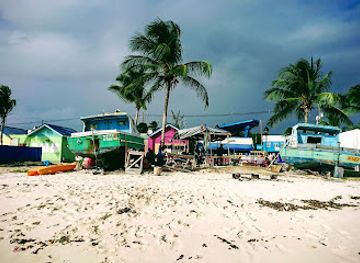
Oistins Fish Market
Experience the heart of Bajan culture at Oistins Fish Market: savor fresh seafood, groove to island rhythms, and create unforgettable memories in this vibrant fishing village.
-
Catholic church
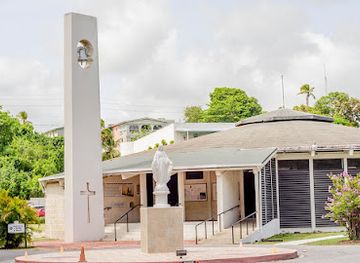
Saint Dominic's Roman Catholic Church
Discover a modern architectural marvel and spiritual haven at St. Dominic's Roman Catholic Church in Barbados, a welcoming community hub near Oistins.
-
 Public beach
Simone's Bajan Kitchen And Beach Services
Experience authentic Bajan cuisine and warm hospitality on the pristine shores of Lower Carlton at Simone's Bajan Kitchen and Beach Services, a true hidden gem of Barbados.
-
Tourist attraction
Clifton Hall Great House
Discover the timeless elegance of Clifton Hall Great House, a historic Barbadian plantation offering a captivating glimpse into the island's rich heritage and architectural grandeur.

Best landmarks in Saint John
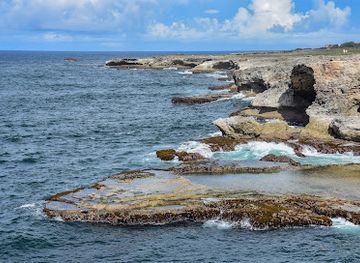
Codrington College is Saint John’s most recognisable historic landmark. Its eighteenth-century buildings and surrounding landscape recall the Codrington estate and the Anglican educational institution established through plantation wealth, while the grounds provide a strong sense of the parish’s elevated, cultivated interior. Saint John Parish Church stands on high ground overlooking the Atlantic and is one of Barbados’s important historic Anglican churches. Its position is as significant as its architecture, offering a clear connection between religious settlement, rural community life and the exposed eastern landscape. The parish’s Atlantic cliffs, headlands and open coastal views form a second category of landmark: they are geographical markers rather than built monuments, revealing the force of the sea and the difference between Barbados’s eastern and western shores. Around Society, Clifton Hall and the roads leading towards Four Cross Roads, surviving plantation landscapes and sugar fields provide a less monumental but historically important visual record of the island’s agricultural economy. Together, these places give Saint John a character shaped by elevation, sea exposure, Anglican history and rural land use.
-
Seafood
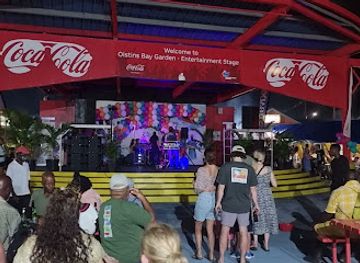
Oistins Fish Market
Experience the heart of Bajan culture at Oistins Fish Market: fresh seafood, lively music, and unforgettable Friday night fish fries!
-
Tourist attraction
Animal Flower Cave & Restaurant
Explore the stunning Animal Flower Cave & Restaurant in Barbados – a unique blend of natural beauty, adventure, and delicious local cuisine.
-
Island
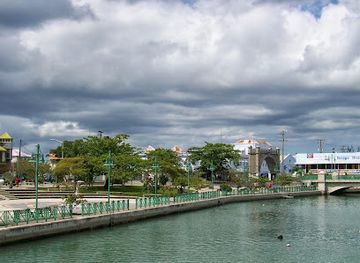
Barbados
Experience the beauty, culture, and vibrant life of Barbados, a stunning Caribbean island offering pristine beaches and rich history.
-
Garden
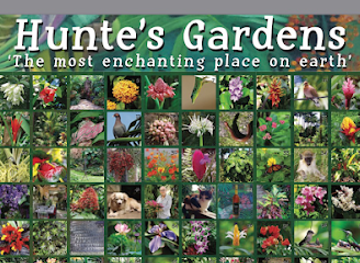
Hunte's Gardens
Explore Hunte's Gardens in Barbados, a lush botanical paradise filled with vibrant flora, tranquil pathways, and enchanting wildlife, perfect for nature lovers.
Explore Saint John on the map
Plan your trip on one map. See where the top cities, national parks and sights are, and book hotels and experiences in a few clicks.
Best hotels in Saint John
Best restaurants in Saint John
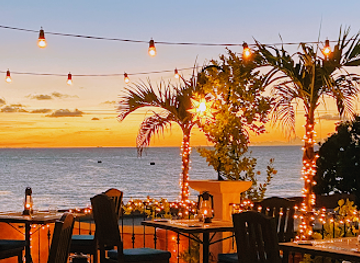
Saint John’s dining scene is primarily local and practical rather than concentrated in destination restaurants. Village shops, bakeries, rum shops and modest eateries provide opportunities to try Barbadian staples such as fish cakes, flying fish, cou-cou, macaroni pie, rice and peas, fried plantain and pepperpot. Fresh fish and seafood are naturally associated with the island, although availability varies with catches, weather and individual menus. Four Cross Roads is the parish’s most useful area for everyday provisions, while visitors driving through the countryside may find small establishments serving takeaway meals and refreshments rather than formal dining. The wider Barbadian tradition of Sunday lunch, home cooking and generously seasoned one-pot dishes is more important here than a distinct Saint John cuisine. Ask about the day’s dishes, expect service to be relaxed, and carry water when touring rural sites. For a broader choice of international food, contemporary restaurants and seaside dining, visitors generally travel beyond the parish towards Bridgetown, the south coast or the more developed west.
-
Restaurant
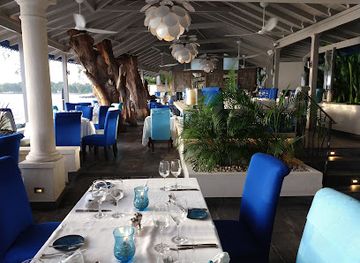
Champers Restaurant Barbados
Discover fine dining at Champers Restaurant in Barbados – where exquisite cuisine meets breathtaking ocean views.
-
Fine Dining
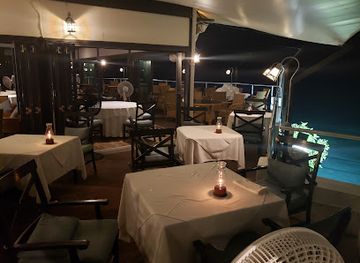
The Tides Barbados
Discover exquisite seafood at The Tides Barbados, where fine dining meets breathtaking ocean views for an unforgettable culinary experience.
-
Restaurant
Bliss Cafe
Experience delicious local flavors at Bliss Cafe in Oistins - a culinary gem in beautiful Barbados.
-
Bistro
Cafe Luna Barbados
Discover the culinary delights at Cafe Luna Barbados - where local flavors meet stunning ocean views in Oistins.

Best bars in Saint John
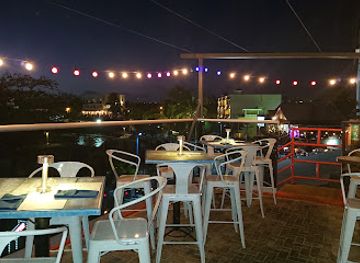
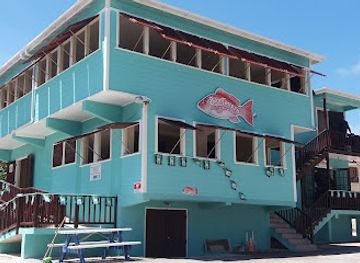
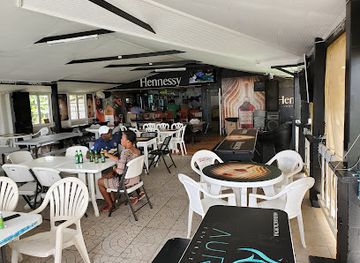
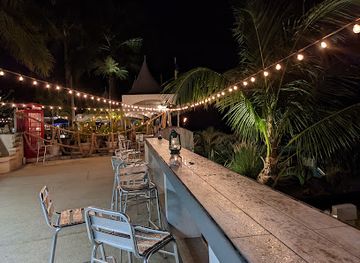
Saint John has a modest evening scene centred on rum shops, village bars, casual restaurants and community social life rather than large nightclubs. Four Cross Roads and other local centres may offer places to meet for a drink, conversation, sport on television or music, but venues and schedules can change and should not be assumed to operate late every night. Rum remains part of Barbados’s wider cultural and commercial history, and visitors may encounter local rum drinks alongside beer, soft drinks and simple snacks. The parish is better suited to an early evening meal, a local bar or a quiet night at accommodation than to a dedicated club itinerary. Those seeking live music, larger entertainment venues or late-night dancing generally travel to Bridgetown or the south and west coast, outside Saint John. Drink responsibly, arrange transport in advance for rural journeys and avoid walking unlit roads after dark.
-
Cocktail bar
Cocktail Kitchen
Experience the vibrant flavors and innovative cocktails at Cocktail Kitchen in St. Lawrence Gap, Bridgetown, Barbados.
-
Grill
Bay Tavern Bar & Restaurant
Experience the best of Barbadian cuisine at Bay Tavern Bar & Restaurant, where fresh flavors meet stunning coastal views.
-
Caribbean
The Village Bar at Lemon Arbour
Experience the vibrant flavors of the Caribbean at The Village Bar at Lemon Arbour, a must-visit dining destination in Saint John, Barbados.
-
Cocktail bar
Drift Ocean Terrace Lounge
Drift Ocean Terrace Lounge: A chic cocktail bar in Holetown, Barbados, offering stunning ocean views and expertly crafted drinks in a trendy atmosphere.
Best nightclubs in Saint John
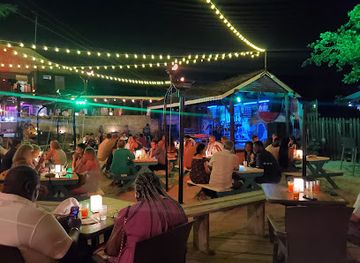
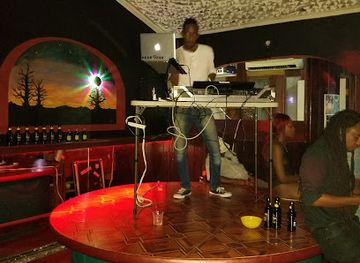
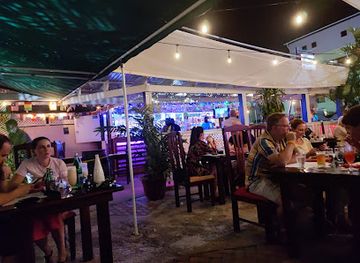
Saint John has a modest evening scene centred on rum shops, village bars, casual restaurants and community social life rather than large nightclubs. Four Cross Roads and other local centres may offer places to meet for a drink, conversation, sport on television or music, but venues and schedules can change and should not be assumed to operate late every night. Rum remains part of Barbados’s wider cultural and commercial history, and visitors may encounter local rum drinks alongside beer, soft drinks and simple snacks. The parish is better suited to an early evening meal, a local bar or a quiet night at accommodation than to a dedicated club itinerary. Those seeking live music, larger entertainment venues or late-night dancing generally travel to Bridgetown or the south and west coast, outside Saint John. Drink responsibly, arrange transport in advance for rural journeys and avoid walking unlit roads after dark.
-
Dinner theater
Harbour Lights Barbados
Experience the vibrant spirit of Barbados at Harbour Lights, where exquisite dining meets captivating entertainment in a stunning seaside setting.
-
Bar
Incognito Night Club
Discover the lively nightlife at Incognito Night Club in Christ Church, Barbados - a perfect blend of great music, cocktails, and unforgettable experiences.
-
Night club
The Cove Barbados
Experience the vibrant nightlife of The Cove Barbados, a lively bar and nightclub in St. Lawrence Gap, perfect for cocktails, music, and dancing.
-
Bar
Scientist's Place
Experience the lively spirit of Caribbean nightlife at Scientist's Place, a bar that embodies the warmth and flavor of Barbados.

Best shops in Saint John
Shopping in Saint John is focused on local services, provisions and everyday community commerce rather than major retail destinations. Four Cross Roads is the parish’s principal place for supermarkets, small shops, pharmacies and practical supplies, while village shops and rum shops serve surrounding settlements. Visitors may find locally made food products, baked goods, rum, pepper sauces and other Barbadian provisions, although stock and presentation vary between businesses. Small markets and roadside sellers can offer seasonal fruit and vegetables, but they are not always permanent or formally advertised, so ask locally rather than relying on fixed schedules. The parish is not known for extensive luxury retail, large shopping centres or a dense craft-shopping quarter. For jewellery, designer goods, galleries and a wider selection of souvenirs, Bridgetown and the main south and west coast visitor areas offer more choice outside Saint John. Buying from independent shops and local producers can be a practical way to support the rural economy, provided that food and agricultural products are permitted by the visitor’s onward destination.
-
Department store
Bridgetown Duty Free Broad Street
Explore Bridgetown Duty Free for unbeatable deals on luxury goods in the heart of Barbados, blending shopping with local culture.
-
Craft store
Laurie Dash & Sons Inc
Explore local Barbadian artistry at Laurie Dash & Sons Inc, a must-visit craft store in Bridgetown for unique souvenirs and creative supplies.
-
Shopping mall
Bridgetown Duty Free Sunset Crest Shopping Mall
Discover the ultimate shopping experience in Barbados at Bridgetown Duty Free Sunset Crest Shopping Mall, where duty-free delights await every traveler.
-
Gift shop
Gift Baskets Barbados
Explore Gift Baskets Barbados for unique handcrafted gifts that celebrate the island's vibrant culture and flavors, perfect for any occasion.



Get your free copy of our complete guide to Saint John, delivered straight to you.
Everything on this page, from attractions and restaurants to essentials and local phrases, in one PDF you can read offline, print or share.
Already have an account? Sign in
Your Saint John guide is ready.
We'll send it to · Not you? Sign out

Getting your guide ready…
We are putting together a fresh copy of the Saint John guide. This can take up to a minute.
This can take a few moments. If your browser asks, choose Allow so the download can start. You'll find the guide in your Downloads folder.
Nothing happened? Download it again
Sorry, the guide is taking longer than usual. Please try again in a minute, or get it by email instead.
Saint John essentials
Currency and Payment
Safety
Emergency Situations
Do's and Don'ts
Local Tips
From Eve
Local phrases worth knowing
You don't need to get them perfect. A few words go a long way, and locals appreciate the effort.
Basics
| English | Local | Say it |
|---|---|---|
| Hello | Wha' happenin' | [Wah hap-pen-in] |
| Goodbye | See yuh later | [See yuh lay-ta] |
| Yes | Yea | [Yea] |
| No | Nah | [Nah] |
| Please/You're welcome | No problem | [No prob-lem] |
| Thank you | Tank yuh | [Tank yuh] |
| Excuse me/Sorry | Scuse me | [Skewz me] |
| How are you? | How yuh doin' | [How yuh do-in] |
| Fine. And you? | I good. An yuh? | [I good. An yuh?] |
| Do you speak English? | Yuh does speak English? | [Yuh duz speak English?] |
| I don't understand | I ain't understand | [I ain't un-der-stand] |
Eating & Drinking
| English | Local | Say it |
|---|---|---|
| I'd like to see the menu, please | Could I see the menu, please? | [Could I see de men-u, please?] |
| I don't eat meat | I don't eat meat | [I don't eat meat] |
| Cheers! | Cheers! | [Cheers!] |
| I would like to pay, please | I wan' pay, please | [I wan' pay, please] |
Emergencies
| English | Local | Say it |
|---|---|---|
| Help! | Help! | [Help!] |
| Go away! | Get outta here! | [Get out-ta here!] |
| Call the Police! | Call de Police! | [Call de Po-lees!] |
| Call a doctor! | Call a doctor! | [Call a doc-ta!] |
| I'm lost | I lost | [I lost] |
| I'm ill | I sick | [I sick] |
Shopping
| English | Local | Say it |
|---|---|---|
| I'd like to buy... | I wan' buy... | [I wan' buy...] |
| I'm just looking | Mi just looking | [Mi just look-in] |
| How much is it? | How much dat? | [How much dat?] |
| That's too expensive | Dat too expensive | [Dat too ex-pens-ive] |
| Can you lower the price? | Can yuh lower de price? | [Can yuh low-er de price?] |
Time & Numbers
| English | Local | Say it |
|---|---|---|
| What time is it? | Wha' time it is? | [Wha' time it is?] |
| It's one o'clock | It one o'clock | [It one o'clock] |
| Half past (10) | Half past ten | [Half past ten] |
| Morning | Mornin' | [Morn-in'] |
| Afternoon | Afternoon | [Af-ter-noon] |
| Evening | Evenin' | [Eve-nin'] |
| Yesterday | Yesterday | [Yes-ter-day] |
| Today | Today | [To-day] |
| Tomorrow | Tomorrow | [To-mor-row] |
| 1 | One | [One] |
| 2 | Two | [Two] |
| 3 | Three | [Three] |
| 4 | Four | [Four] |
| 5 | Five | [Five] |
| 6 | Six | [Six] |
| 7 | Seven | [Seven] |
| 8 | Eight | [Eight] |
| 9 | Nine | [Nine] |
| 10 | Ten | [Ten] |
Transport & Directions
| English | Local | Say it |
|---|---|---|
| Where's a/the...? | Wha' de...? | [Wha' de...?] |
| What's the address? | Wha' de address? | [Wha' de ad-dress?] |
| Can you show me (on the map)? | Can yuh show me (on de map)? | [Can yuh show me (on de map)?] |
| When's the next (bus)? | When de next (bus)? | [When de next (bus)?] |
| A ticket (to ....) | A ticket (to ...) | [A tick-it (to ...)] |
History of Saint John
Early settlement and the pre-colonial island
Before English colonisation, Barbados was visited and settled by Indigenous peoples from the wider Caribbean, including communities associated with the Arawakan and later Kalinago worlds. Archaeological evidence across the island demonstrates long-standing occupation, although Saint John’s surviving visitor attractions are principally colonial and post-colonial. The parish’s elevated interior and coastal access would have formed part of broader island networks of movement and resource use. Much of this earlier history is less visible in the landscape than the later plantation era, making it important to understand that Barbados’s story began long before English land grants, Anglican churches and sugar estates.
English colonisation and the parish foundation
England established a permanent colony in Barbados in the seventeenth century, dividing the island into parishes as settlement expanded. Saint John developed as an agricultural parish served by an Anglican church and a network of estates, roads and small communities. The parish’s high, well-drained lands became valuable for plantation agriculture, while its Atlantic-facing position exposed it to the sea routes and weather systems that shaped island life. Saint John Parish Church, with origins reaching back to the early colonial period and later rebuilding, remains a visible expression of the parish’s longstanding religious and civic organisation.
Plantation sugar and Codrington estate
Sugar transformed Barbados during the seventeenth and eighteenth centuries, creating a wealthy but highly unequal plantation society dependent on the forced labour of enslaved Africans. Codrington estate became one of the most important holdings associated with Saint John. Its lands and buildings illustrate how plantation wealth supported institutions as well as agricultural production. Codrington College, founded in the eighteenth century through a bequest connected with the Codrington family, developed as an Anglican theological institution. The surviving college landscape must be read alongside the suffering and exploitation that made the plantation economy possible.
Codrington College and Anglican intellectual life
Codrington College was established in the 1740s and became an important centre for Anglican theological education in the Caribbean. Its presence gave Saint John a significance extending beyond local plantation administration, linking the parish with religious and educational networks throughout the British Atlantic. The college’s buildings, gardens and former estate setting remain among the parish’s most important historic environments. They also reflect the complicated relationship between education, colonial authority and plantation wealth, rather than representing an isolated academic story.
Emancipation and the transformation of rural society
The abolition of slavery in the British Caribbean was implemented in the 1830s, followed by a period of apprenticeship and then full emancipation. Saint John, like other plantation parishes, experienced profound changes as formerly enslaved people negotiated wages, land access, family life and religious independence. Sugar agriculture continued, but the social order of the old plantation system could not remain unchanged. Villages, churches, smallholdings and independent religious communities became increasingly important features of the rural landscape, while the parish church and former estates retained reminders of the colonial hierarchy.
Modern Barbados and the persistence of the sugar landscape
During the twentieth century Barbados diversified beyond sugar into tourism, services, manufacturing and international business, while rural parishes retained important agricultural areas. Saint John has remained less intensively developed than the island’s western and southern coastal belts. Four Cross Roads grew as a local service centre, while roads connected farming communities and historic properties with the rest of Barbados. Today, sugar fields, village settlement, churches and former plantation landscapes coexist with modern homes and businesses, making Saint John a useful place to observe both the persistence and adaptation of Barbados’s rural heritage.
Saint John in Photos
Browse through our photo collection highlighting the charm and character of the destination.
Neighbouring regions of Saint John
The closest regions to Saint John, if you have time for more than one.
-

-

-

-
-


Swipe for more regions
Explore more

Explore more of Barbados
Discover Barbados: Pristine beaches, rich history, and vibrant culture await in this Caribbean paradise. Perfect for adventure, relaxation, and culinary delights.
Explore Barbados