

Free Bathsheba Travel Guide & Mobile App
Plan your Bathsheba trip with Evendo. Get free guides to top attractions, restaurants, hotels, and bars. Web access or download the mobile app.


Bathsheba, Barbados blends Atlantic surf, coral boulders, rainforest hills and village life, with the Soup Bowl, Andromeda Gardens and east-coast walks.
Atlantic Landscape
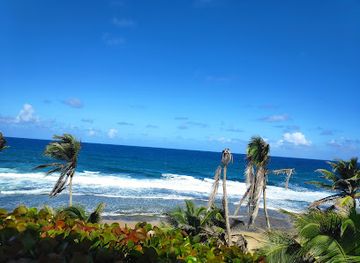
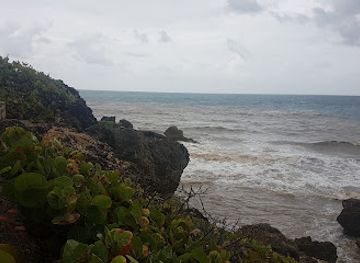
Bathsheba lies along Barbados’ rugged east coast, where the Atlantic breaks against coral boulders and the green hills of Saint Joseph descend towards the sea. Unlike the island’s more developed south and west coasts, this village has a spacious, elemental character: palms lean over narrow roads, fishing boats rest near the shore, and the famous Soup Bowl draws surfers to one of the Caribbean’s most challenging breaks. The rocky Bathsheba Beach is generally admired for its scenery rather than swimming, with powerful currents and exposed reefs making local advice especially important.Read more about Bathsheba
Village and Garden Life
Exploring the East Coast
When is the best time to visit Bathsheba?
Best: February–April · 28–29°C| Month | High (°C) | Rainfall (mm) |
|---|---|---|
| January | 29 | 80 |
| February (best) | 28 | 60 |
| March (best) | 28 | 60 |
| April (best) | 29 | 60 |
| May | 30 | 60 |
| June | 31 | 60 |
| July | 31 | 60 |
| August | 31 | 60 |
| September | 31 | 60 |
| October | 30 | 60 |
| November | 30 | 60 |
| December | 29 | 80 |
Getting to and around Bathsheba
How to get there
Transportation
Best attractions in Bathsheba
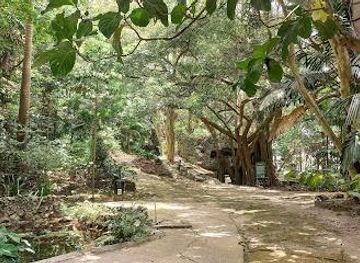
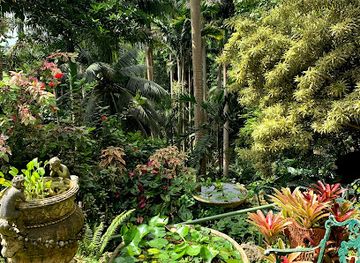
Bathsheba’s main attractions are its landscape and the close relationship between village, sea and hillside. Bathsheba Beach is framed by the large coral boulders that have become one of Barbados’ most recognisable coastal scenes, while the Soup Bowl attracts experienced surfers and spectators to a powerful Atlantic break. Bathsheba Park offers an accessible coastal pause, with views across the rocky shore and open water. At Andromeda Botanic Gardens, paths wind through tropical plantings on a hillside above Tent Bay, creating a more sheltered counterpoint to the exposed coast. The surrounding roads lead towards Cattlewash, Scotland District scenery and elevated viewpoints around Saint Joseph, where gullies and cultivated slopes reveal the island’s eastern geography. Bathsheba is less about a long list of ticketed sights than about combining gardens, shoreline observation, village walks and scenic drives in a landscape shaped by wind, waves and weather.
-
Tourist attraction
Harrison's Cave Eco-Adventure Park
Discover Barbados' geological heart at Harrison's Cave Eco-Adventure Park: tram tours, ziplines, nature trails, and rum history await!
18 min drive · 6.0 km from city centre
-
Tourist attraction
Welchman Hall Gully
Explore a lush tropical forest in a collapsed cave, home to exotic plants, playful monkeys, and the birthplace of the grapefruit in Barbados.
17 min drive · 5.7 km from city centre
-
Botanical garden
Flower Forest Botanical Gardens
Explore a 53-acre botanical paradise in Barbados's lush interior, offering vibrant flora, stunning views, and a tranquil escape in St. Joseph.
14 min drive · 4.5 km from city centre
-
Botanical garden
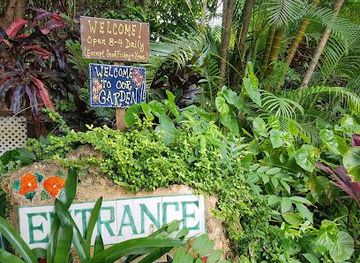
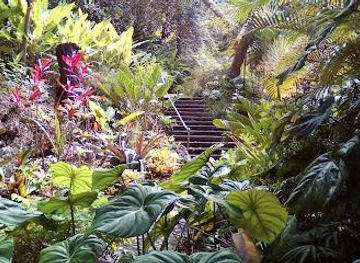
Andromeda Botanic Gardens
Discover Barbados' original botanic garden: a lush, woman-made paradise with over 500 plant species in a stunningly diverse landscape.
12 min walk · 0.9 km from city centre

Best landmarks in Bathsheba
Bathsheba’s most significant landmarks are natural formations and coastal spaces rather than grand civic buildings. The Soup Bowl is the best-known, a powerful break shaped by the Atlantic swell and a defining symbol of Barbados’ windward coast. Bathsheba’s large coral boulders, scattered through the shore and shallows, give the beach its distinctive profile and illustrate the island’s limestone geology. Bathsheba Park provides a public vantage point over this dramatic shoreline, while Andromeda Botanic Gardens represents a different aspect of local heritage: the cultivation and study of tropical plants in a historic garden setting above the coast. Beyond the village, the steep slopes and gullies of the Scotland District form an important regional landscape, linking Bathsheba to Barbados’ geological and agricultural history rather than to the formal architecture of Bridgetown or the island’s plantation great houses.
-
Tourist attraction
Harrison's Cave Eco-Adventure Park
Discover the breathtaking beauty of Harrison's Cave Eco-Adventure Park in Barbados: Explore stunning caverns, enjoy thrilling activities, and immerse yourself in the island's natural wonders.
18 min drive · 6.0 km from city centre
-
Garden
Hunte's Gardens
Discover a hidden paradise in Barbados: Explore the vibrant flora and tranquil beauty of Hunte's Gardens, a unique botanical experience in a natural gully.
10 min drive · 3.4 km from city centre
-
Restaurant
Round House
Experience the vibrant atmosphere and stunning views of the Atlantic at Round House, Bathsheba's premier restaurant and cultural venue.
5 min walk · 0.4 km from city centre
-
Tourist attraction
Welchman Hall Gully
Discover a tropical paradise in the heart of Barbados: Explore the lush Welchman Hall Gully, a collapsed cave teeming with exotic flora, playful monkeys, and breathtaking views.
17 min drive · 5.7 km from city centre
Explore Bathsheba on the map
Plan your Bathsheba trip on one map. See where the top attractions, landmarks, restaurants, bars and hotels are, find what's near where you're staying, and book hotels and experiences in a few clicks.
Best hotels in Bathsheba
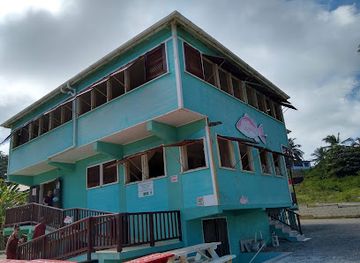
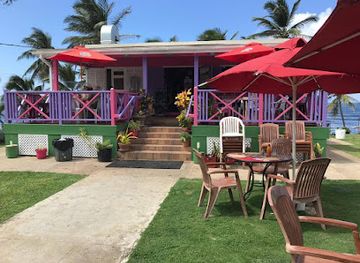
Best restaurants in Bathsheba
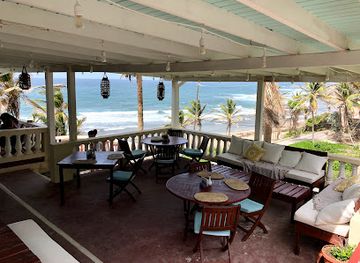
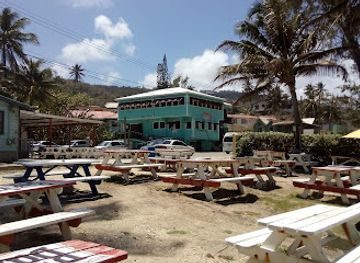
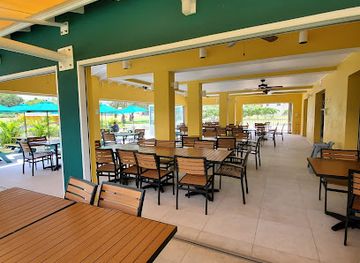
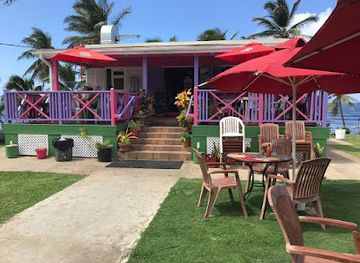
Bathsheba’s dining scene is small and informal, reflecting its village scale rather than a concentrated restaurant quarter. Independent cafés, guesthouse kitchens, rum shops and casual eateries may serve Barbadian staples such as flying fish, cou-cou, fish cakes, macaroni pie, rice and peas, grilled fish and pepperpot, with menus shaped by availability and the day’s catch. Along the wider east coast, roadside food stops and small establishments provide opportunities to eat away from the main resort areas, although opening patterns can vary. Fresh produce from Barbados’ farms, including breadfruit, plantain, sweet potato and seasonal fruit, often appears in local cooking. Visitors should distinguish between Bathsheba’s occasional, locally rooted dining options and the broader choice available in Bridgetown or the south and west coasts, arranging transport if planning an evening meal away from their accommodation.
-
Restaurant
Round House
Experience culinary delights and vibrant local culture at Round House in Bathsheba – a unique restaurant and art gallery by the sea.
5 min walk · 0.4 km from city centre
-
Grill
Bay Tavern Bar & Restaurant
Experience authentic Barbadian flavors at Bay Tavern Bar & Restaurant in Martin's Bay - where culinary excellence meets stunning ocean views.
11 min drive · 3.7 km from city centre
-
Caribbean
Sand Dunes
Explore Barbados' stunning Sand Dunes - A natural paradise with breathtaking views and rich biodiversity perfect for adventure and relaxation.
16 min drive · 5.5 km from city centre
-
Restaurant
Dina's Bar
Experience authentic Caribbean cuisine at Dina's Bar in Saint Joseph, Barbados - where local flavors meet warm hospitality.
10 min walk · 0.8 km from city centre
Best bars in Bathsheba
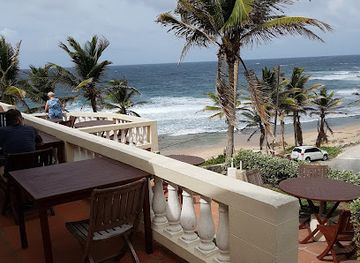
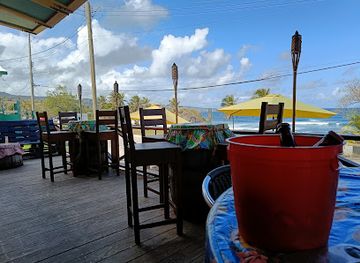
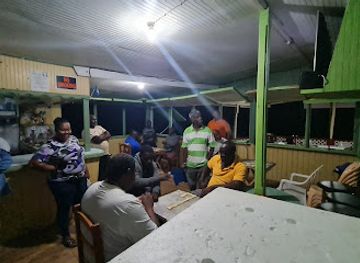
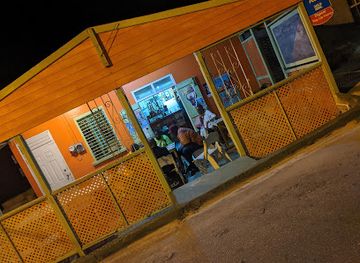
Bathsheba is not a major clubbing destination, and its evening life is generally quiet, social and locally scaled. A few rum shops, casual bars and accommodation-based spaces provide places to share a drink, talk with residents or watch the coast settle after sunset. Some nearby businesses may offer music or informal events, but entertainment is less predictable and less concentrated than in Bridgetown, St Lawrence Gap or Holetown. After dark, the village’s appeal lies more in the sound of the surf, clear skies and relaxed conversation than in late-night venues. Anyone travelling between scattered east-coast locations should arrange a taxi or designated driver, as roads can be dark and winding and public transport options become more limited in the evening.
-
Bar
Round House
Discover Round House in Bathsheba, Barbados: a vibrant bar, restaurant, and art gallery with stunning ocean views and live music.
5 min walk · 0.4 km from city centre
-
Grill
Bay Tavern Bar & Restaurant
Experience the vibrant tastes of Barbados at Bay Tavern Bar & Restaurant, where every meal is a celebration of local flavors and stunning coastal views.
11 min drive · 3.7 km from city centre
-
Restaurant
Dina's Bar
Experience the heart of Barbadian cuisine at Dina's Bar, where every dish tells a story and every visit feels like home.
10 min walk · 0.8 km from city centre
-
Restaurant
Uncle Joe's Bar & Grill
Discover Uncle Joe's Bar & Grill, where delicious Caribbean cuisine meets stunning beach views in Bathsheba, Saint Joseph, Barbados.
11 min walk · 0.9 km from city centre
Best nightclubs in Bathsheba
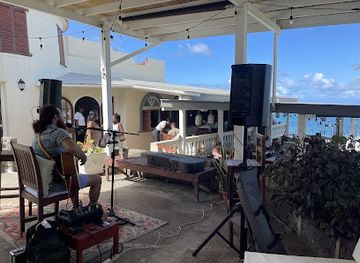
Bathsheba is not a major clubbing destination, and its evening life is generally quiet, social and locally scaled. A few rum shops, casual bars and accommodation-based spaces provide places to share a drink, talk with residents or watch the coast settle after sunset. Some nearby businesses may offer music or informal events, but entertainment is less predictable and less concentrated than in Bridgetown, St Lawrence Gap or Holetown. After dark, the village’s appeal lies more in the sound of the surf, clear skies and relaxed conversation than in late-night venues. Anyone travelling between scattered east-coast locations should arrange a taxi or designated driver, as roads can be dark and winding and public transport options become more limited in the evening.
-
Bar
Round House
Discover the Round House in Bathsheba: a delightful blend of bar, restaurant, and art gallery with stunning views and vibrant live music.
5 min walk · 0.4 km from city centre
-
Grill
Sea View Bar
Discover the perfect blend of breathtaking ocean views and delicious grilled cuisine at Sea View Bar in beautiful Barbados.
12 min walk · 1.0 km from city centre
-
Bar
East Side
Experience the vibrant culture and stunning views at East Side Bar in Bathsheba, a perfect blend of relaxation and local flavors.
7 min walk · 0.6 km from city centre
-
Bar
Aunty G Bar
Discover the warm hospitality and local flavors at Aunty G Bar in the picturesque hills of Saint Joseph, Barbados.
7 min walk · 0.6 km from city centre
Best shops in Bathsheba
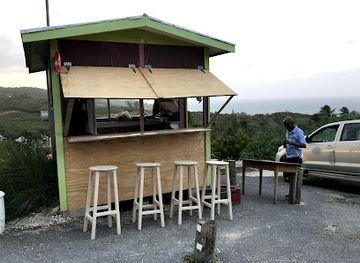
Shopping in Bathsheba is limited and local in character, with small shops, roadside sellers, craft makers and occasional produce stalls rather than a dedicated retail district. Visitors may find Barbadian snacks, drinks, handmade items and practical beach supplies, while wider east-coast communities offer modest opportunities to buy fresh fruit, vegetables and locally prepared food. Bathsheba is not the place for department stores or extensive designer retail; those choices are concentrated around Bridgetown, Holetown and the south-coast commercial areas. When purchasing crafts or food, look for goods made or grown in Barbados, such as small artworks, ceramics, woven items, fruit preserves, pepper sauces and rum-based products where legally sold. Cash is useful for small independent traders, and respectful bargaining should never replace fair payment for handmade work.
-
Gift shop
Gift Baskets Barbados
Discover unique Barbadian gifts at Gift Baskets Barbados, where local flavors and craftsmanship come together for an unforgettable shopping experience.
21 min drive · 6.9 km from city centre
-
Grocery store
Cleaver's Hill Supermarket Inc.
Explore the vibrant flavors of Barbados at Cleaver's Hill Supermarket, your local grocery store in Bathsheba, offering fresh produce and unique local products.
3 min walk · 0.3 km from city centre
-
Variety store
Roach Village Variety
Experience local charm at Roach Village Variety, your go-to spot for unique finds and authentic Barbadian goods in Saint George.
21 min drive · 7.0 km from city centre
-
Variety store
Bardown Variety And Bar
Experience the vibrant culture of Barbados at Bardown Variety And Bar, a perfect blend of local flavors and friendly ambiance in Bathsheba.
5 min walk · 0.4 km from city centre


Get your free copy of our complete guide to Bathsheba, delivered straight to you.
Everything on this page, from attractions and restaurants to essentials and local phrases, in one PDF you can read offline, print or share.
Already have an account? Sign in
Your Bathsheba guide is ready.
We'll send it to · Not you? Sign out

Getting your guide ready…
We are putting together a fresh copy of the Bathsheba guide. This can take up to a minute.
This can take a few moments. If your browser asks, choose Allow so the download can start. You'll find the guide in your Downloads folder.
Nothing happened? Download it again
Sorry, the guide is taking longer than usual. Please try again in a minute, or get it by email instead.
Bathsheba essentials
Currency and Payment
Safety
Emergency Situations
Do's and Don'ts
Local Tips
From Eve
Local phrases worth knowing
You don't need to get them perfect. A few words go a long way, and locals appreciate the effort.
Basics
| English | Local | Say it |
|---|---|---|
| Hello | Hello | [Hello] |
| Goodbye | Goodbye | [Goodbye] |
| Yes | Yes | [Yes] |
| No | No | [No] |
| Please/You're welcome | Please/You're welcome | [Please/You're welcome] |
| Thank you | Thank you | [Thank you] |
| Excuse me/Sorry | Excuse me/Sorry | [Excuse me/Sorry] |
| How are you? | How are you? | [How are you?] |
| Fine. And you? | Fine. And you? | [Fine. And you?] |
| Do you speak English? | Do you speak English? | [Do you speak English?] |
| I don't understand | I don't understand | [I don't understand] |
Eating & Drinking
| English | Local | Say it |
|---|---|---|
| I'd like to see the menu, please | I'd like to see the menu, please | [I'd like to see the menu, please] |
| I don't eat meat | I don't eat meat | [I don't eat meat] |
| Cheers! | Cheers! | [Cheers!] |
| I would like to pay, please | I would like to pay, please | [I would like to pay, please] |
Emergencies
| English | Local | Say it |
|---|---|---|
| Help! | Help! | [Help!] |
| Go away! | Go away! | [Go away!] |
| Call the Police! | Call the Police! | [Call the Police!] |
| Call a doctor! | Call a doctor! | [Call a doctor!] |
| I'm lost | I'm lost | [I'm lost] |
| I'm ill | I'm ill | [I'm ill] |
Shopping
| English | Local | Say it |
|---|---|---|
| I'd like to buy... | I'd like to buy... | [I'd like to buy...] |
| I'm just looking | I'm just looking | [I'm just looking] |
| How much is it? | How much is it? | [How much is it?] |
| That's too expensive | That's too expensive | [That's too expensive] |
| Can you lower the price? | Can you lower the price? | [Can you lower the price?] |
Time & Numbers
| English | Local | Say it |
|---|---|---|
| What time is it? | What time is it? | [What time is it?] |
| It's one o'clock | It's one o'clock | [It's one o'clock] |
| Half past (10) | Half past (10) | [Half past (10)] |
| Morning | Morning | [Morning] |
| Afternoon | Afternoon | [Afternoon] |
| Evening | Evening | [Evening] |
| Yesterday | Yesterday | [Yesterday] |
| Today | Today | [Today] |
| Tomorrow | Tomorrow | [Tomorrow] |
| 1 | 1 | [1] |
| 2 | 2 | [2] |
| 3 | 3 | [3] |
| 4 | 4 | [4] |
| 5 | 5 | [5] |
| 6 | 6 | [6] |
| 7 | 7 | [7] |
| 8 | 8 | [8] |
| 9 | 9 | [9] |
| 10 | 10 | [10] |
Transport & Directions
| English | Local | Say it |
|---|---|---|
| Where's a/the...? | Where's a/the...? | [Where's a/the...?] |
| What's the address? | What's the address? | [What's the address?] |
| Can you show me (on the map)? | Can you show me (on the map)? | [Can you show me (on the map)?] |
| When's the next (bus)? | When's the next (bus)? | [When's the next (bus)?] |
| A ticket (to ....) | A ticket (to ....) | [A ticket (to ....)] |
History of Bathsheba
Barbados Before European Settlement
Bathsheba’s history begins within the wider story of Barbados, an island inhabited by Indigenous peoples before European colonisation. Archaeological evidence records earlier Amerindian activity, including communities associated with the Arawakan-speaking Saladoid tradition and later Kalinago presence. By the early seventeenth century, however, Indigenous populations had been severely disrupted by disease, displacement and colonial violence. The east coast’s rugged terrain and exposed Atlantic frontage made it less suited to the dense plantation development that transformed much of Barbados, although its valleys, uplands and sheltered pockets were incorporated into the island’s agricultural landscape.
English Colonisation and Saint Joseph
England established a permanent colony in Barbados in 1627, after which land was divided into plantations and parishes. Saint Joseph, the parish containing Bathsheba, developed through a mixture of sugar cultivation, provision farming and small coastal settlements. The island’s plantation economy depended on the forced labour of enslaved Africans, whose work created the wealth, roads and estates that shaped Barbados. Although Bathsheba did not become a major colonial port, its shoreline supported fishing and local exchange, while inland estates connected the district to the wider sugar economy.
Plantations, Villages and the Windward Coast
During the eighteenth and nineteenth centuries, sugar remained central to Barbados, but the eastern side of the island retained a more rural and dispersed character than the plantation districts around Bridgetown. Bathsheba and nearby coastal settlements developed around fishing, small-scale agriculture, estate work and domestic trade. The steep Scotland District, extending across parts of eastern Barbados, limited large-scale cultivation in some areas and helped preserve a landscape of gullies, hills and winding roads. The coast’s dramatic rock formations and surf were everyday features of working village life long before they became attractions for visitors.
Emancipation and Social Change
The abolition of slavery in the British Empire took effect in Barbados in 1834, followed by a period of apprenticeship before full freedom in 1838. Emancipation altered labour relations but did not immediately remove economic dependence on the plantation system. Across Saint Joseph, formerly enslaved families combined plantation employment with fishing, cultivation and other forms of independent work. Over the following decades, schools, churches, roads and local trading networks strengthened community life. Bathsheba’s identity continued to be shaped by the relationship between small coastal communities and the agricultural interior.
A Coast Known Beyond Barbados
In the twentieth century, improved roads and growing tourism brought wider attention to Barbados’ east coast. Bathsheba’s scenery, boulders and powerful surf became associated with landscape photography, surfing and informal seaside recreation, while the village retained a quieter scale than the island’s resort corridors. Contemporary Bathsheba reflects several overlapping histories: Indigenous and colonial land use, plantation-era agriculture, post-emancipation community life and a modern interest in gardens, outdoor pursuits and coastal heritage. Its location within Saint Joseph also links it to the island’s broader environmental story, particularly the gullies and elevated terrain of eastern Barbados.
Travel experiences inspired by this city
-
 11 Day Trip
Bathsheba Bound: An 11-Day East Coast Escape in Barbados
Explore Bathsheba’s rugged Atlantic coast from The Atlantis Historic Inn—surf vistas, tide pools, hikes, Bajan flavors, and sustainable, culture-rich travel.
11 Day Trip
Bathsheba Bound: An 11-Day East Coast Escape in Barbados
Explore Bathsheba’s rugged Atlantic coast from The Atlantis Historic Inn—surf vistas, tide pools, hikes, Bajan flavors, and sustainable, culture-rich travel.
 27 Jul 2026
By David Smith -
 11 Day Trip
Homecoming to Bathsheba: 11-Day Family Escape on Barbados' Wild East Coast
Family return to Barbados: 11 days in Bathsheba to surf Soup Bowl, hike dramatic East Coast trails, and unwind in eco-conscious comfort at ECO Lifestyle & Lodge.
11 Day Trip
Homecoming to Bathsheba: 11-Day Family Escape on Barbados' Wild East Coast
Family return to Barbados: 11 days in Bathsheba to surf Soup Bowl, hike dramatic East Coast trails, and unwind in eco-conscious comfort at ECO Lifestyle & Lodge.
 20 Jul 2026
By David Clarke -
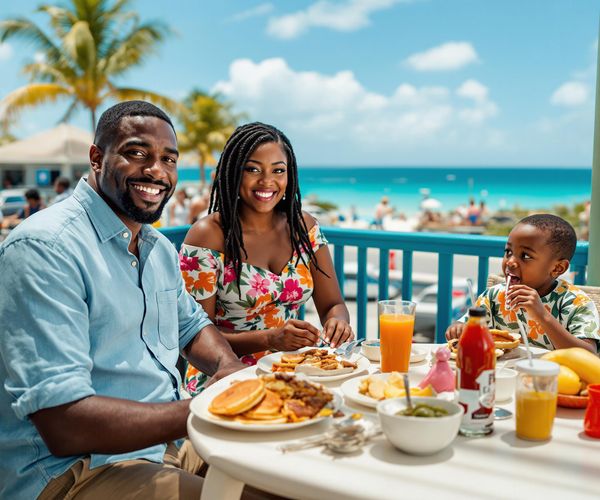 8 Day Trip
Family Adventure to Harrison's Cave in Barbados
Discover the natural wonders of Harrison's Cave, Barbados, with your family. Explore stunning caves and enjoy the vibrant culture and cuisine.
8 Day Trip
Family Adventure to Harrison's Cave in Barbados
Discover the natural wonders of Harrison's Cave, Barbados, with your family. Explore stunning caves and enjoy the vibrant culture and cuisine.
 10 Sep 2025
By David Clarke
Swipe for more travel diaries
Bathsheba in Photos
Browse through our photo collection highlighting the charm and character of the destination.
Cities near Bathsheba
The closest cities to Bathsheba, if you have time for more than one stop.
-

-

-

-

-


Swipe for more cities
Explore more

Explore more of Barbados
Discover Barbados: Pristine beaches, rich history, and vibrant culture await in this Caribbean paradise. Perfect for adventure, relaxation, and culinary delights.
Explore Barbados