

Free South Coast Travel Guide & Mobile App
Explore South Coast with free travel guides. Discover regional history, expert tips, proposed trips, and audio guides on web or mobile app.


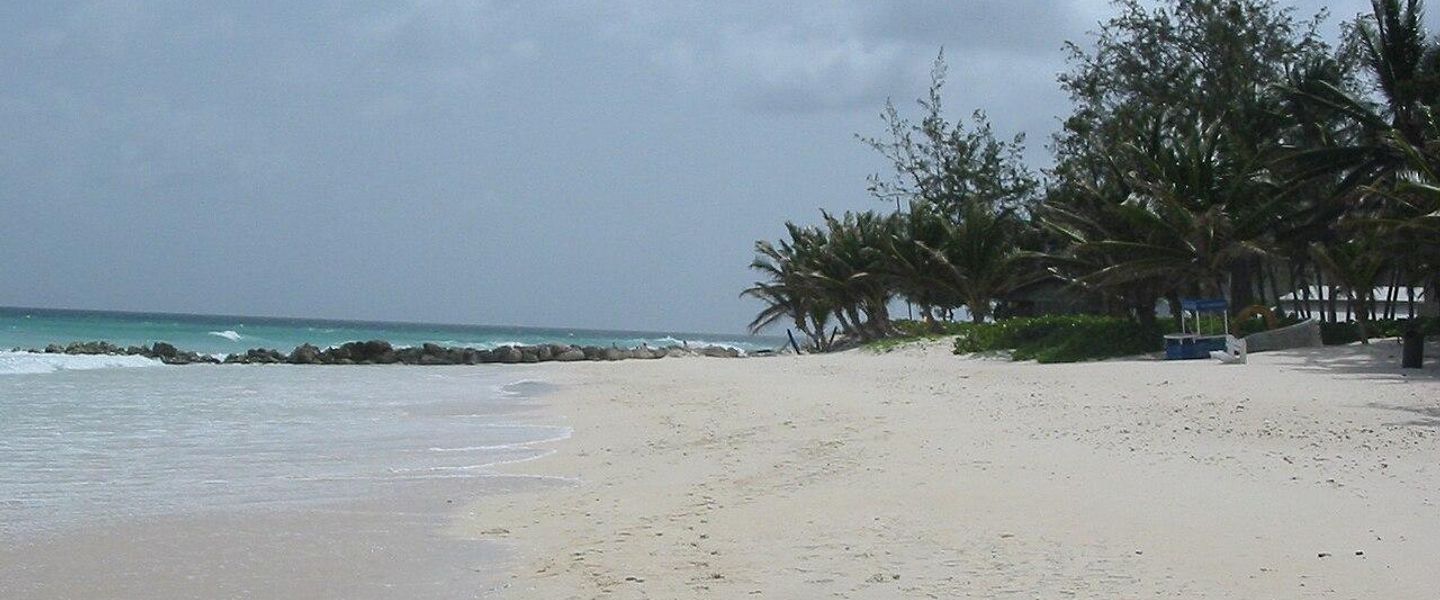


Explore Barbados’s South Coast for sheltered beaches, Oistins seafood, coastal walks, watersports and lively Bajan conversation.
Read more about South Coast
When is the best time to visit South Coast?
Best: January–March · 30°C| Month | High (°C) | Rainfall (mm) |
|---|---|---|
| January (best) | 30 | 50 |
| February (best) | 30 | 40 |
| March (best) | 30 | 50 |
| April | 30 | 60 |
| May | 30 | 80 |
| June | 31 | 100 |
| July | 31 | 110 |
| August | 31 | 120 |
| September | 31 | 110 |
| October | 30 | 100 |
| November | 30 | 80 |
| December | 30 | 60 |
Getting to and around South Coast
How to get there
Transportation
Top city travel guides in South Coast
The cities of South Coast, and the easiest places to base yourself.
-

-

-

-

-

-


Swipe for more cities
Destinations in South Coast
Resorts, valleys and scenic spots worth a trip of their own.
-

-

-


Swipe for more destinations
Best attractions in South Coast
The South Coast’s attractions are organised around the sea, coastal communities and accessible outdoor activity. Sheltered beaches from Carlisle Bay’s southern approaches through Hastings, Worthing and Maxwell suit swimming and relaxed beach days, while the Richard Haynes Boardwalk provides an easy coastal walk between beaches, hotels and restaurants. Oistins combines a working fish market and harbour with informal seafood dining and a well-known Friday evening gathering. Around Silver Sands, stronger winds and open water attract kitesurfers and windsurfers, while the nearby Chancery Lane area offers a different, quieter wetland environment. The western gateway also provides access to the Garrison, Barbados Museum and Bridgetown’s historic core in neighbouring Saint Michael; these are nearby rather than central South Coast attractions. Visitors interested in heritage can explore churches, older plantation landscapes and community buildings across Christ Church, while families and first-time snorkellers often favour protected bays and organised marine excursions. The region is less about a single monumental sight than about the contrast between urban waterfront, resort beach, fishing community, boardwalk and exposed Atlantic shore.
-
Beach club
The Boatyard Beach Club
Experience the best of Barbados at The Boatyard Beach Club: pristine beaches, thrilling water sports, vibrant nightlife, and unforgettable memories in beautiful Carlisle Bay.
-
Zoo
Barbados Wildlife Reserve
Discover Barbados' natural beauty at the Wildlife Reserve: stroll among free-roaming animals, learn about local ecosystems, and support conservation efforts in a lush mahogany forest.
-
Historical landmark
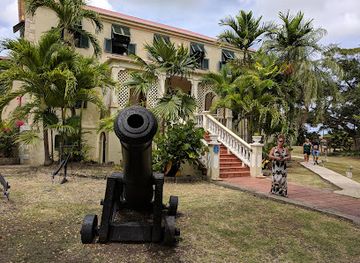
Sunbury Plantation Great House
Discover Barbadian colonial history at Sunbury Plantation Great House, a beautifully preserved 17th-century estate with antique collections, guided tours, and serene gardens, offering a unique glimpse into the island's past.
-
Tourist attraction
Off Road Fury Barbados
Experience Barbados like never before with an off-road adventure through rugged terrains and scenic landscapes. Book your thrilling ride today!

Best landmarks in South Coast
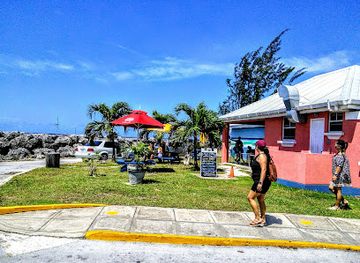
The South Coast’s most recognisable landmarks include the Richard Haynes Boardwalk, which traces the shoreline between Hastings and Worthing and has become a defining feature of the modern coastal landscape. Oistins Fish Market and its harbour remain important markers of the district’s maritime identity, even as tourism has grown around them. At the eastern end, Silver Sands is distinguished by its broad, wind-exposed shoreline and is strongly associated with kitesurfing and windsurfing. The South Point Lighthouse, near the island’s southern tip, is a prominent navigation structure and a useful geographical reference, though the surrounding coast can be rough. The Garrison Savannah and associated historic buildings lie at the western gateway in Saint Michael, just outside the central South Coast resort area; together with nearby Bridgetown, they represent the military and commercial history that shaped the island. Chancery Lane’s wetland landscape provides a natural landmark in contrast to the developed beachfront.
-
Seafood
Oistins Fish Market
Experience the vibrant atmosphere and fresh seafood delights at Oistins Fish Market, a must-visit culinary destination in Christ Church, Barbados.
-
Hotel
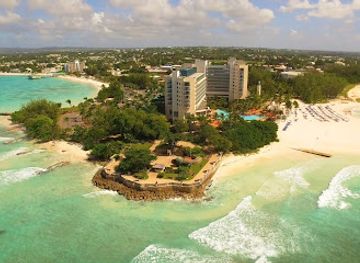
Hilton Barbados Resort
Discover ultimate luxury and relaxation at Hilton Barbados Resort, a beachfront paradise in the heart of Bridgetown, Barbados.
-
Tourist attraction
Animal Flower Cave & Restaurant
Experience the breathtaking beauty of Animal Flower Cave & Restaurant, where stunning views and delicious local cuisine collide in Barbados.
-
Tourist attraction
Harrison's Cave Eco-Adventure Park
Explore Barbados' geological wonders: Harrison's Cave Eco-Adventure Park offers tram tours, ziplines, and rum tastings in a stunning subterranean setting.
Explore South Coast on the map
Plan your trip on one map. See where the top cities, national parks and sights are, and book hotels and experiences in a few clicks.
Best hotels in South Coast
Best restaurants in South Coast
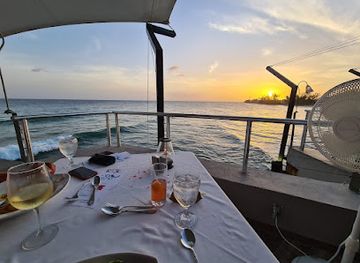
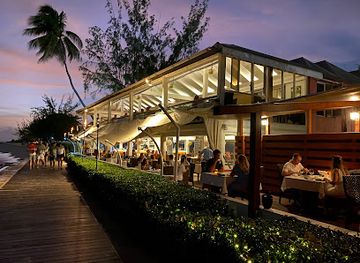
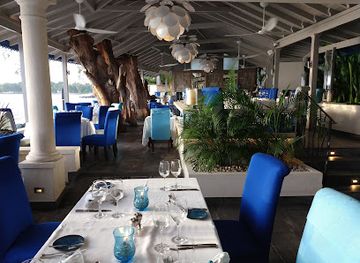
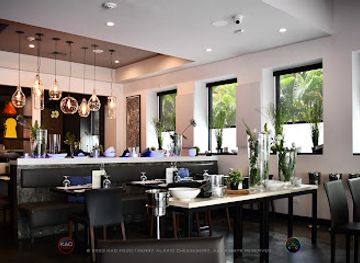
Dining on the South Coast ranges from fish-shack cooking and market stalls to hotel restaurants, cafés, rum shops and contemporary Caribbean menus. Oistins is the region’s best-known food centre, where grilled or fried fish, fish cakes, macaroni pie, rice dishes and salads are commonly enjoyed in an informal setting. Flying fish with cou-cou is Barbados’s signature combination, while cutters, seasoned fish, pudding and souse, and Bajan-style pepper sauces appear in local food culture more broadly. Along Saint Lawrence Gap, Worthing and Hastings, restaurants offer Caribbean, British, Italian, Indian and other international influences, reflecting the area’s long tourism history. Fresh seafood is prominent, but visitors should not assume that every dish is locally caught or that menus are identical from one establishment to another. Supermarkets and small food shops are useful for fruit, pastries, snacks and drinks, while rum remains an important part of Barbados’s culinary and agricultural heritage.
-
Restaurant
Champers Restaurant Barbados
Discover exquisite dining at Champers Restaurant in Barbados – where fresh seafood meets breathtaking ocean views.
-
Tapas
Tapas
Experience the best of Caribbean flavors at Tapas in Bridgetown - where culinary artistry meets stunning ocean views.
-
Fine Dining
The Tides Barbados
Experience exquisite seafood dining at The Tides Barbados, where every meal is complemented by stunning ocean views and vibrant Caribbean flavors.
-
Italian
Buzo Osteria Italiana
Experience authentic Italian cuisine at Buzo Osteria Italiana in Bridgetown, Barbados – where every meal is a celebration of flavor.
Best bars in South Coast
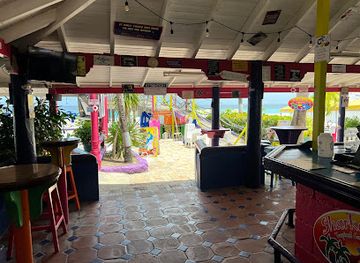
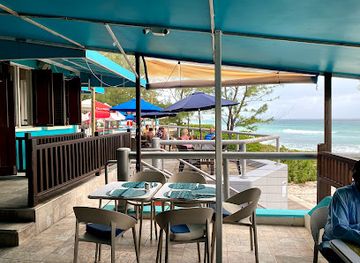
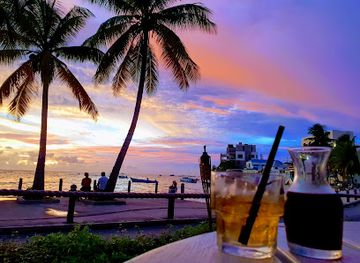
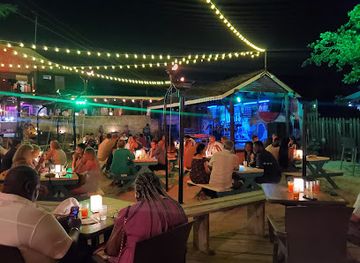
Evening life is concentrated around Saint Lawrence Gap, Oistins, Worthing and the hotel districts near Hastings and Rockley. Saint Lawrence Gap has the largest concentration of bars, casual restaurants and music-led venues, with activity varying by night and season. Oistins is known more for food, conversation and dancing around its Friday gathering than for a formal nightclub district. Traditional rum shops and neighbourhood bars offer a more local setting, while resort properties provide live music, cocktails and organised entertainment. The South Coast does have late-night venues, but its nightlife is generally smaller and more dispersed than that of a major city. Visitors should use taxis or arranged transport if returning late, particularly when staying away from the main coastal road, and should check current arrangements rather than rely on old listings.
-
Bar
The Boatyard Beach Club
The Boatyard Beach Club: A vibrant beachside escape in Bridgetown, Barbados, offering relaxation, exquisite dining, and lively nightlife.
-
Sports bar
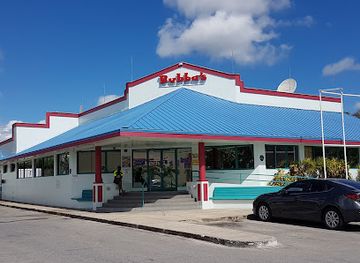
Bubba's Sports Bar
Experience the vibrant atmosphere at Bubba's Sports Bar, where sports, food, and fun unite in the heart of Bridgetown, Barbados.
-
Grill
Blakey's Bar & Restaurant
Discover the vibrant flavors of the Caribbean at Blakey's Bar & Restaurant, where grilled delights meet ocean views in a lively atmosphere.
-
Cocktail bar
Cocktail Kitchen
Experience the vibrant cocktail scene at Cocktail Kitchen in St. Lawrence Gap, where innovative drinks meet the lively atmosphere of Barbados.
Best nightclubs in South Coast
Evening life is concentrated around Saint Lawrence Gap, Oistins, Worthing and the hotel districts near Hastings and Rockley. Saint Lawrence Gap has the largest concentration of bars, casual restaurants and music-led venues, with activity varying by night and season. Oistins is known more for food, conversation and dancing around its Friday gathering than for a formal nightclub district. Traditional rum shops and neighbourhood bars offer a more local setting, while resort properties provide live music, cocktails and organised entertainment. The South Coast does have late-night venues, but its nightlife is generally smaller and more dispersed than that of a major city. Visitors should use taxis or arranged transport if returning late, particularly when staying away from the main coastal road, and should check current arrangements rather than rely on old listings.
-
Cocktail bar
Copacabana Beach Club
Discover the vibrant Copacabana Beach Club in Bridgetown, Barbados – a cocktail bar and grill with stunning ocean views and lively events.
-
Night club
Harbour Lights Barbados
Discover the vibrant nightlife of Barbados at Harbour Lights, a unique night club and dinner theater by the beach offering unforgettable entertainment and dining.
-
Bar
The Tiki Bar
Experience the vibrant atmosphere of The Tiki Bar in Bridgetown, where Caribbean cuisine meets live music for the perfect tropical getaway.
-
Cocktail bar
Drift Ocean Terrace Lounge
Experience the vibrant atmosphere and stunning ocean views at Drift Ocean Terrace Lounge, a premier cocktail bar in Holetown, Barbados.
Best shops in South Coast
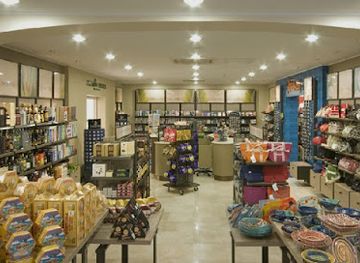
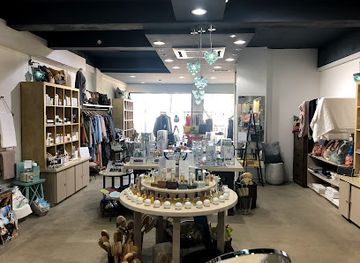
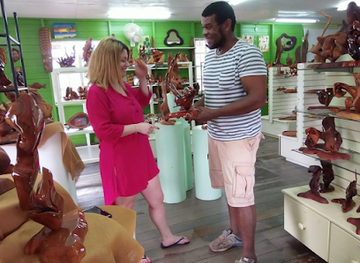
Shopping on the South Coast is spread through supermarkets, small shopping plazas, hotel areas, market stalls and the commercial streets of Oistins rather than concentrated in one large retail district. Oistins is useful for locally oriented food shopping, fish, snacks and practical supplies, while the coastal resort belt has pharmacies, beachwear, craft goods, jewellery and convenience shops. Independent vendors and galleries offer rum, pepper sauces, packaged sweets, Bajan artwork, ceramics, textiles and other Caribbean-inspired products, although provenance and quality vary. Larger retail centres and a broader selection of established shops are available in and around Bridgetown, just outside the main South Coast area. Farmers’ and community markets can be seasonal or held on changing schedules, so visitors should check locally. For a more meaningful purchase, look for clearly labelled Barbadian produce or locally made craftwork rather than assuming that every island-themed souvenir was produced in Barbados.
-
Department store
Bridgetown Duty Free Broad Street
Explore Bridgetown Duty Free: Your ultimate shopping destination in Barbados for luxury goods and local crafts.
-
Shopping mall
Limegrove Lifestyle Centre
Discover luxury shopping, exquisite dining, and vibrant entertainment at Limegrove Lifestyle Centre in Holetown, Barbados.
-
Souvenir store
Medford Craft World
Explore Medford Craft World in Bridgetown for unique Barbadian souvenirs and handcrafted treasures that embody the island's rich culture.
-
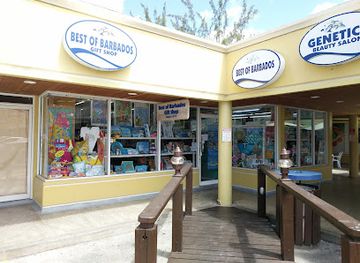
Gift shop
Best of Barbados Quayside Gift shop
Explore the Best of Barbados Quayside Gift Shop for unique souvenirs and local crafts that capture the heart of Barbados.
Get your free copy of our complete guide to South Coast, delivered straight to you.
Everything on this page, from attractions and restaurants to essentials and local phrases, in one PDF you can read offline, print or share.
Already have an account? Sign in
Your South Coast guide is ready.
We'll send it to · Not you? Sign out

Getting your guide ready…
We are putting together a fresh copy of the South Coast guide. This can take up to a minute.
This can take a few moments. If your browser asks, choose Allow so the download can start. You'll find the guide in your Downloads folder.
Nothing happened? Download it again
Sorry, the guide is taking longer than usual. Please try again in a minute, or get it by email instead.
South Coast essentials
Currency and Payment
Safety
Emergency Situations
Do's and Don'ts
Local Tips
From Eve
Local phrases worth knowing
You don't need to get them perfect. A few words go a long way, and locals appreciate the effort.
Basics
| English | Local | Say it |
|---|---|---|
| Hello | Wha' happenin'? | [Wah hap-pen-in] |
| Goodbye | See yuh later | [See yuh lay-ta] |
| Yes | Yea | [Yea] |
| No | Nuh | [Nuh] |
| Please/You're welcome | No problem | [No prob-lem] |
| Thank you | Tank yuh | [Tank yuh] |
| Excuse me/Sorry | Me sorry | [Me sah-ry] |
| How are you? | How yuh doin'? | [How yuh do-in] |
| Fine. And you? | Good. An' yuh? | [Good. An' yuh?] |
| Do you speak English? | Yuh speak English? | [Yuh speak English?] |
| I don't understand | I ain't undastand | [I ain't un-dah-stand] |
Eating & Drinking
| English | Local | Say it |
|---|---|---|
| I'd like to see the menu, please | Can I see di menu, please? | [Can I see di men-yu, please?] |
| I don't eat meat | I don't eat no meat | [I don't eat no meat] |
| Cheers! | Cheers! | [Cheers!] |
| I would like to pay, please | I would like to pay, please | [I would like to pay, please] |
Emergencies
| English | Local | Say it |
|---|---|---|
| Help! | Help! | [Help!] |
| Go away! | Get away! | [Get away!] |
| Call the Police! | Call di Police! | [Call di Po-lees!] |
| Call a doctor! | Call a doctor! | [Call a doc-ta!] |
| I'm lost | I lost | [I lost] |
| I'm ill | I sick | [I sick] |
Shopping
| English | Local | Say it |
|---|---|---|
| I'd like to buy... | I wanna buy... | [I wanna buy...] |
| I'm just looking | I just a lookin' | [I just a look-in] |
| How much is it? | How much it cost? | [How much it cost?] |
| That's too expensive | Dat too high | [Dat too high] |
| Can you lower the price? | Can yuh drop di price? | [Can yuh drop di price?] |
Time & Numbers
| English | Local | Say it |
|---|---|---|
| What time is it? | Wha' time it is? | [Wah time it is?] |
| It's one o'clock | It's one o'clock | [It's one o'clock] |
| Half past (10) | Half past ten | [Half past ten] |
| Morning | Mornin' | [Morn-in] |
| Afternoon | Afternoon | [Afternoon] |
| Evening | Evenin' | [Even-in] |
| Yesterday | Yesterday | [Yesterday] |
| Today | Today | [Today] |
| Tomorrow | Tomorrow | [Tomorrow] |
| 1 | One | [One] |
| 2 | Two | [Two] |
| 3 | Three | [Three] |
| 4 | Four | [Four] |
| 5 | Five | [Five] |
| 6 | Six | [Six] |
| 7 | Seven | [Seven] |
| 8 | Eight | [Eight] |
| 9 | Nine | [Nine] |
| 10 | Ten | [Ten] |
Transport & Directions
| English | Local | Say it |
|---|---|---|
| Where's a/the...? | Wha' de...? | [Wah de...?] |
| What's the address? | Wha' de address? | [Wah de ad-dress?] |
| Can you show me (on the map)? | Can yuh show me (pon di map)? | [Can yuh show me (pon di map)?] |
| When's the next (bus)? | When de next (bus)? | [When de next (bus)?] |
| A ticket (to ....) | A ticket (to ....) | [A ticket (to....)] |
History of South Coast
First settlement and Indigenous heritage
Barbados was visited and settled by Indigenous peoples before European colonisation, with archaeological evidence associated particularly with the Saladoid-Barrancoid and later Arawakan and Kalinago worlds. Coastal areas, including the south, provided access to fish, shellfish and transport by sea, while inland resources supported more permanent communities. Later colonial development greatly disrupted Indigenous presence and memory, but archaeological work and museum collections continue to illuminate a history that predates English settlement by centuries.
English colonisation from 1627
English settlers established a permanent colony in Barbados in 1627, with the first settlement at Jamestown on the west coast. As land was claimed and cultivated, settlement spread across the island, including the southern parishes. Parish churches, roads, plantation boundaries and coastal landing places developed within this colonial system. Bridgetown and its harbour became the principal urban and commercial centre, serving communities and plantations along the nearby South Coast.
Sugar, slavery and plantation society
From the seventeenth century, sugar transformed Barbados’s economy and landscape. Plantations expanded across the island and depended on the forced labour of Africans and their descendants, creating a deeply unequal society whose consequences remain part of Barbados’s history. The South Coast’s roads, estates, churches and older buildings reflect this plantation economy, while Oistins and other coastal settlements retained maritime and fishing functions. The wealth generated by sugar also strengthened Bridgetown’s commercial and military importance.
The Garrison and Atlantic defence
The military landscape near Bridgetown became increasingly important as Britain defended its Caribbean interests. The Garrison, established and enlarged over several centuries, supported troops, stores and coastal defence close to the South Coast’s western end. Its surviving buildings and parade ground form part of the UNESCO-listed Historic Bridgetown and its Garrison, whose designation recognises the relationship between the colonial port and its defensive infrastructure. The site is near, rather than wholly identical with, the modern resort corridor.
Emancipation and social change
Slavery was abolished in the British Empire in the 1830s, with full emancipation in Barbados in 1838 after a period of apprenticeship. Formerly enslaved people continued to face economic restrictions, but new communities, churches, schools and forms of political organisation gradually developed. Fishing villages and market communities on the southern coast became important settings for working life outside the plantation hierarchy. These changes helped shape the social and cultural traditions associated with modern Barbados.
Tourism, independence and the modern South Coast
During the twentieth century, improved transport, air connections and investment in hotels changed the South Coast from a primarily local and agricultural coastline into one of Barbados’s principal visitor areas. Beaches, watersports, restaurants and accommodation developed around Hastings, Rockley, Worthing, Saint Lawrence Gap and the approaches to Oistins. Barbados became independent in 1966 and became a republic in 2021. Today, tourism operates alongside fishing, retail, residential life and long-established community traditions.
South Coast in Photos
Browse through our photo collection highlighting the charm and character of the destination.
Neighbouring regions of South Coast
The closest regions to South Coast, if you have time for more than one.
-
-

-

-

-


Swipe for more regions
Explore more

Explore more of Barbados
Discover Barbados: Pristine beaches, rich history, and vibrant culture await in this Caribbean paradise. Perfect for adventure, relaxation, and culinary delights.
Explore Barbados