

Free Saint George Travel Guide & Mobile App
Explore Saint George with free travel guides. Discover regional history, expert tips, proposed trips, and audio guides on web or mobile app.


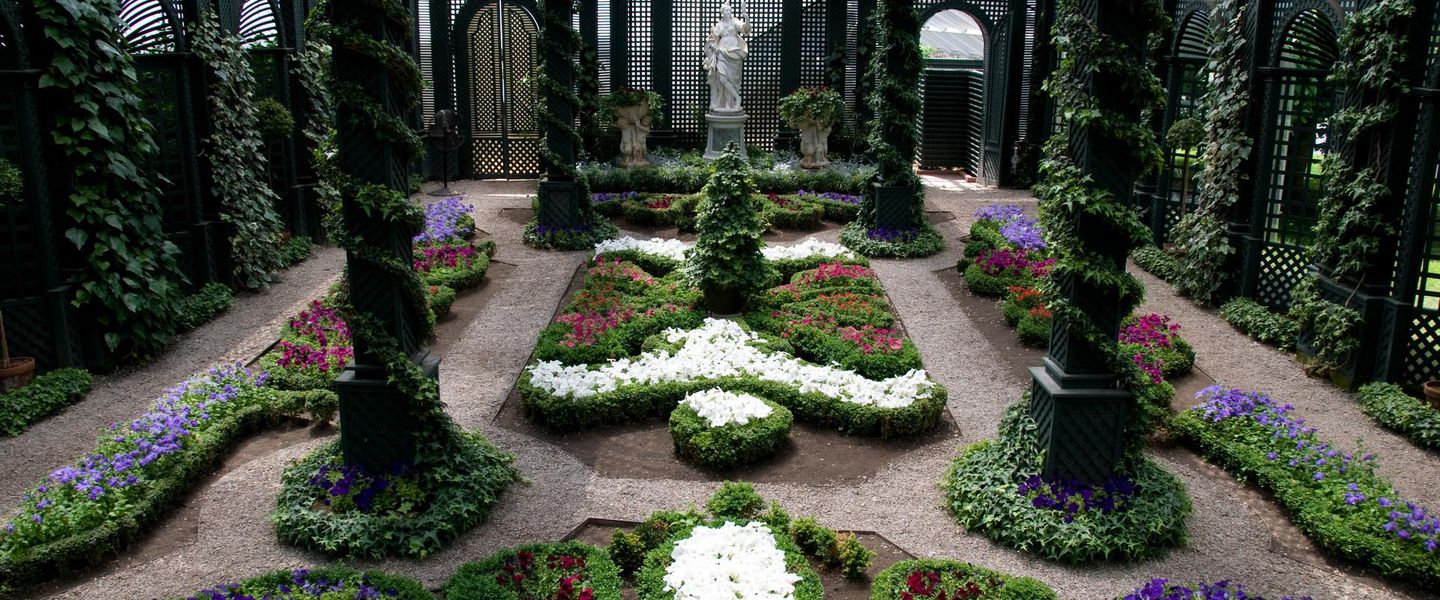


Explore Saint George, Barbados, for cane fields, historic signal stations, gardens, village life and a quieter view of the island’s interior.
Read more about Saint George
When is the best time to visit Saint George?
Best: January–March · 31–32°C| Month | High (°C) | Rainfall (mm) |
|---|---|---|
| January (best) | 31 | 90 |
| February (best) | 31 | 80 |
| March (best) | 32 | 70 |
| April | 32 | 90 |
| May | 32 | 100 |
| June | 33 | 110 |
| July | 33 | 120 |
| August | 33 | 130 |
| September | 33 | 140 |
| October | 32 | 130 |
| November | 32 | 120 |
| December | 31 | 110 |
Getting to and around Saint George
How to get there
Transportation
Top city travel guides in Saint George
The cities of Saint George, and the easiest places to base yourself.

Swipe for more cities
Destinations in Saint George
Resorts, valleys and scenic spots worth a trip of their own.
-

-


Swipe for more destinations
Best attractions in Saint George
Saint George’s attractions are mainly inland and reflect the parish’s agricultural landscape, elevated terrain and colonial history. Gun Hill Signal Station is the best-known heritage site, combining a restored military structure with far-reaching views across Barbados. Orchid World and Tropical Flower Garden provides a cultivated alternative, with landscaped displays that introduce visitors to tropical and subtropical plants in a setting suited to a slower visit. The parish church, village communities and old roads add quieter cultural interest, while the surrounding cane fields show how strongly sugar shaped the interior. Visitors can also explore country lanes, viewpoints and small local businesses, although these are experiences rather than formally managed attractions. Saint George is especially valuable for travellers who want to see Barbados beyond the hotel coast, but its sites are dispersed and public transport is not always arranged around sightseeing. Nearby attractions in adjoining parishes can be combined with a Saint George excursion, provided their separate locations are recognised when planning travel.
-
Tourist attraction
Gun Hill Signal Station
Immerse yourself in history and stunning views at Gun Hill Signal Station, a must-see landmark in Saint George, Barbados.
-
Cultural landmark
Golden Square Freedom Park
Discover Barbados's heart at Golden Square Freedom Park in Bridgetown: a vibrant tribute to history, culture, and the spirit of freedom.
-
Tourist attraction
Tropical Garden Barbados
Discover a breathtaking collection of orchids and tropical plants at Orchid World & Tropical Flower Garden, a tranquil oasis offering stunning views and a peaceful escape in Barbados.
-
Bar
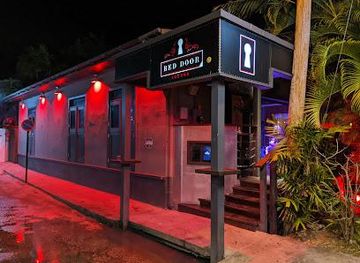
Red Door Lounge
Experience Barbados' premier nightlife at Red Door Lounge in Holetown: chic ambiance, tantalizing cocktails, and vibrant entertainment await in this upscale, urban hideaway.


Best landmarks in Saint George
Gun Hill Signal Station is Saint George’s most distinctive landmark, standing on elevated ground with views over the central and southern parts of Barbados. Its military tower belongs to the island’s nineteenth-century signalling network and gives physical form to the strategic importance of Barbados within the British Empire. Saint George’s Parish Church is another important reference point, representing the parish-based religious and administrative system that helped organise rural Barbados through the colonial period and beyond. The parish’s landscape itself is a significant cultural landmark: broad cane fields, rising roads, scattered villages and wooded hollows preserve the visual structure of an interior shaped by sugar agriculture. Rather than a single monumental town centre, Saint George is defined by these dispersed features and by the way historic sites sit within an inhabited working landscape. Some celebrated Barbados landmarks lie in neighbouring parishes and should not be confused with those of Saint George.
-
Seafood
Oistins Fish Market
Experience the heart of Bajan culture at Oistins Fish Market: savor fresh seafood, enjoy lively music, and immerse yourself in the vibrant atmosphere of this historic fishing village.
-
Hotel
Hilton Barbados Resort
Experience beachfront luxury with a touch of history at Hilton Barbados Resort, nestled on Needham's Point within a UNESCO World Heritage Site, offering stunning ocean views and world-class amenities.
-
Tourist attraction
Animal Flower Cave & Restaurant
Discover Barbados' geological wonders at the Animal Flower Cave: explore sea caves, swim in natural pools, and savor panoramic ocean views from the northernmost point of the island.
-
Island
Barbados
Discover Barbados: where pristine beaches meet vibrant culture and rich history in the heart of the Caribbean. An island paradise awaits!


Explore Saint George on the map
Plan your trip on one map. See where the top cities, national parks and sights are, and book hotels and experiences in a few clicks.
Best hotels in Saint George
Best restaurants in Saint George
Dining in Saint George is centred on village cafés, rum shops, small takeaways, family-run restaurants and roadside food businesses rather than a concentrated restaurant district. Visitors may encounter Barbadian staples such as cou-cou with flying fish, fish cakes, macaroni pie, rice and peas, stewed meats and fried or grilled fish, alongside snacks influenced by the island’s wider Caribbean food culture. Fresh produce, breadfruit, sweet potatoes and seasonal fruit reflect the agricultural character of the interior, while rum remains part of Barbados’s national culinary heritage. The parish is a useful place to seek an unhurried local lunch, but smaller establishments may have limited seating, changing menus or card facilities. For a broader choice of dining styles, visitors generally travel towards Bridgetown, the south coast or the west coast outside Saint George.
-
Fine Dining
The Cliff
Discover fine dining at The Cliff in Barbados—where exquisite cuisine meets stunning ocean views for an unforgettable culinary experience.
-
Caribbean
Dis Ole House Kitchen & Garden Barbados
Experience authentic Caribbean flavors in a lush garden setting at Dis Ole House Kitchen & Garden in Long Bay, Barbados.
-
Restaurant
QP Bistro
Discover QP Bistro: A charming restaurant in Barbados offering exquisite local cuisine and breathtaking ocean views.
-
Fine Dining
Paul Owens At The Beach House
Discover exquisite fine dining at Paul Owens At The Beach House in Holetown - where local flavors meet elegant ambiance.


Best bars in Saint George
Saint George has a modest evening scene shaped by village rum shops, casual bars, small eateries and community social life rather than purpose-built nightclubs. A local bar may function as an informal meeting place where conversation, televised sport and music matter more than a late-night dance floor. Evening options are more limited and dispersed than along Barbados’s south and west coasts, and visitors should not assume that every rural establishment stays open late. Those seeking live entertainment, larger bars or club nights generally travel outside the parish to Bridgetown or the coastal resort districts. Taxis should be arranged in advance for late returns, particularly when staying in a rural area, and visitors should follow local guidance rather than walking unfamiliar country roads after dark.
-
Cocktail bar
Cocktail Kitchen
Discover Cocktail Kitchen: A vibrant cocktail bar in St. Lawrence Gap, Barbados, offering innovative drinks and a lively atmosphere for all.
-
Grill
Garry's Rum Punch Bar
Discover the vibrant flavors and lively atmosphere of Garry's Rum Punch Bar in Bridgetown, where Caribbean hospitality meets delicious grilled cuisine.
-
Grill
Johnny Cools Bar
Discover the lively atmosphere at Johnny Cools Bar in Oistins, where delicious grilled cuisine meets vibrant local entertainment in Barbados.
-
Bar
De Thirsty Lizard
Experience the vibrant atmosphere at De Thirsty Lizard, a lively bar in Bridgefield, Saint Thomas, where refreshing cocktails meet Caribbean charm.


Best nightclubs in Saint George
Saint George has a modest evening scene shaped by village rum shops, casual bars, small eateries and community social life rather than purpose-built nightclubs. A local bar may function as an informal meeting place where conversation, televised sport and music matter more than a late-night dance floor. Evening options are more limited and dispersed than along Barbados’s south and west coasts, and visitors should not assume that every rural establishment stays open late. Those seeking live entertainment, larger bars or club nights generally travel outside the parish to Bridgetown or the coastal resort districts. Taxis should be arranged in advance for late returns, particularly when staying in a rural area, and visitors should follow local guidance rather than walking unfamiliar country roads after dark.
-
Disco club
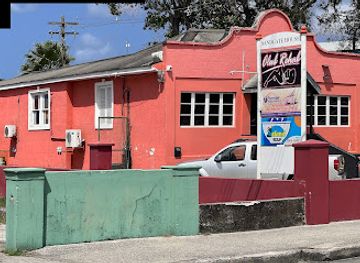
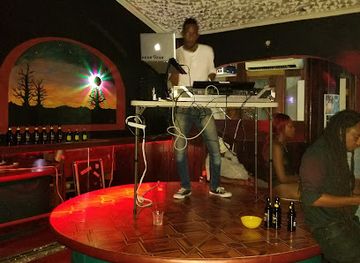
Club Rehab
Experience the electrifying nightlife at Club Rehab in Bridgetown, where the beats are contagious and every night is a celebration.
-
Bar
Incognito Night Club
Experience the vibrant nightlife at Incognito Night Club in Oistins, where music, drinks, and dancing create unforgettable memories.
-
Bar
Sweet Lime Bar
Experience the vibrant spirit of Sweet Vale at Sweet Lime Bar, where refreshing drinks and a lively atmosphere await every visitor.
-
Bar
In De Hole Bar
Discover the heart of Barbadian culture at In De Hole Bar, a lively restaurant and bar in Salters, Saint George offering local cuisine and a vibrant atmosphere.


Best shops in Saint George
Shopping in Saint George is practical and local in character, with small village shops, supermarkets, convenience stores and modest food outlets serving residents rather than a dedicated visitor retail quarter. Travellers may find Barbadian snacks, rum, preserves, seasonal produce and everyday goods, although selection and opening arrangements vary. The parish’s rural setting makes it more suitable for buying provisions or locally made food than for extensive fashion, luxury or souvenir shopping. For craft galleries, larger retail centres, books, jewellery and a wider range of branded goods, visitors generally travel to Bridgetown or the better-known shopping areas outside the parish. When purchasing agricultural products or handmade items directly from small sellers, carry cash and ask about payment methods before ordering. Local produce and food gifts provide a more appropriate souvenir of Saint George than generic resort merchandise.
-
Department store
Bridgetown Duty Free Broad Street
Discover an exceptional shopping experience at Bridgetown Duty Free, where luxury meets local charm in the heart of Barbados.
-
Shopping mall
Quayside Centre Shopping Plaza
Discover the vibrant Quayside Centre Shopping Plaza in Bridgetown, a shopping haven offering local crafts, international brands, and delectable dining options.
-
Department store
Bridgetown Duty Free Vista Worthing
Explore Bridgetown Duty Free Vista in Worthing: Your ultimate shopping destination for luxury and local treasures in Barbados.
-
Shopping mall
The Walk at Welches
Discover the vibrant shopping and dining experience at The Walk at Welches, a premier destination in Saint Thomas, Barbados.


Get your free copy of our complete guide to Saint George, delivered straight to you.
Everything on this page, from attractions and restaurants to essentials and local phrases, in one PDF you can read offline, print or share.
Already have an account? Sign in
Your Saint George guide is ready.
We'll send it to · Not you? Sign out

Getting your guide ready…
We are putting together a fresh copy of the Saint George guide. This can take up to a minute.
This can take a few moments. If your browser asks, choose Allow so the download can start. You'll find the guide in your Downloads folder.
Nothing happened? Download it again
Sorry, the guide is taking longer than usual. Please try again in a minute, or get it by email instead.
Saint George essentials
Currency and Payment
Safety
Emergency Situations
Do's and Don'ts
Local Tips
From Eve
Local phrases worth knowing
You don't need to get them perfect. A few words go a long way, and locals appreciate the effort.
Basics
| English | Local | Say it |
|---|---|---|
| Hello | Wah gwaan | [Wah gwaan] |
| Goodbye | Lata | [Lata] |
| Yes | Yea | [Yea] |
| No | Naw | [Naw] |
| Please/You're welcome | No problem | [No problem] |
| Thank you | Tank yuh | [Tank yuh] |
| Excuse me/Sorry | Scuse me | [Scuse me] |
| How are you? | How yuh doin’? | [How yuh doin’?] |
| Fine. And you? | I good. An yuh? | [I good. An yuh?] |
| Do you speak English? | Yuh speak English? | [Yuh speak English?] |
| I don't understand | I ain't gettin' it | [I ain't gettin' it] |
Eating & Drinking
| English | Local | Say it |
|---|---|---|
| I'd like to see the menu, please | Can I see the menu, please? | [Can I see the menu, please?] |
| I don't eat meat | I don’t eat meat | [I don’t eat meat] |
| Cheers! | Cheers! | [Cheers!] |
| I would like to pay, please | I would like to pay, please | [I would like to pay, please] |
Emergencies
| English | Local | Say it |
|---|---|---|
| Help! | Help! | [Help!] |
| Go away! | Get way! | [Get way!] |
| Call the Police! | Call di Police! | [Call di Police!] |
| Call a doctor! | Call a doctor! | [Call a doctor!] |
| I'm lost | I lost | [I lost] |
| I'm ill | I ain't feelin' well | [I ain't feelin' well] |
Shopping
| English | Local | Say it |
|---|---|---|
| I'd like to buy... | I wanna buy... | [I wanna buy...] |
| I'm just looking | I just lookin’ | [I just lookin’] |
| How much is it? | How much dat? | [How much dat?] |
| That's too expensive | Dat too high | [Dat too high] |
| Can you lower the price? | Can yuh lower di price? | [Can yuh lower di price?] |
Time & Numbers
| English | Local | Say it |
|---|---|---|
| What time is it? | Wah time it? | [Wah time it?] |
| It's one o'clock | It one o'clock | [It one o'clock] |
| Half past (10) | Half past ten | [Half past ten] |
| Morning | Mornin’ | [Mornin’] |
| Afternoon | Afternoon | [Afternoon] |
| Evening | Evenin’ | [Evenin’] |
| Yesterday | Yesterday | [Yesterday] |
| Today | Today | [Today] |
| Tomorrow | Tomorrow | [Tomorrow] |
| 1 | One | [One] |
| 2 | Two | [Two] |
| 3 | Three | [Three] |
| 4 | Four | [Four] |
| 5 | Five | [Five] |
| 6 | Six | [Six] |
| 7 | Seven | [Seven] |
| 8 | Eight | [Eight] |
| 9 | Nine | [Nine] |
| 10 | Ten | [Ten] |
Transport & Directions
| English | Local | Say it |
|---|---|---|
| Where's a/the...? | Wheh de...? | [Wheh de...?] |
| What's the address? | Wah di address? | [Wah di address?] |
| Can you show me (on the map)? | Can yuh show me (pon di map)? | [Can yuh show me (pon di map)?] |
| When's the next (bus)? | When di next (bus)? | [When di next (bus)?] |
| A ticket (to ....) | A ticket (to ....) | [A ticket (to ....)] |
History of Saint George
Early Settlement and the Island’s Indigenous Past
Long before English colonisation, Barbados was visited and settled by Indigenous peoples associated with wider Caribbean networks, including communities connected with the Saladoid and later Amerindian traditions. Archaeological evidence from across the island shows that settlement was not confined to the coast; inland areas such as Saint George formed part of the broader landscape of cultivation, movement and resource use. Much of this early history is not visible through monumental ruins, but it remains important for understanding Barbados as a populated Caribbean island before the plantation economy and British rule transformed its landscape.
English Colonisation and the Plantation Landscape
English settlement began in the seventeenth century and gradually converted much of Barbados into an export-oriented plantation colony. Sugar became the dominant crop, worked largely by enslaved Africans and their descendants, while roads, churches, estate buildings and village communities developed around the agricultural system. Saint George’s inland position made it particularly associated with cultivated land and plantation connections rather than port activity. The cane fields and scattered historic buildings seen today are remnants of a landscape created through colonial landholding, forced labour and the commercial importance of sugar.
The Parish Church and Colonial Community
Parish churches were central institutions in colonial Barbados, serving religious, administrative and social functions as settlements expanded beyond Bridgetown. Saint George’s Parish Church reflects this pattern of development, although the present building and its surroundings represent rebuilding and change over time rather than a perfectly preserved colonial scene. Churches, burial grounds and associated roads help explain how rural communities were organised under British rule. They also reveal the long interaction between official Anglican institutions, plantation society and the African-descended population whose labour sustained the island’s economy.
Gun Hill and the Imperial Defence Network
Gun Hill Signal Station was established in the early nineteenth century as part of Barbados’s military communications system. From its elevated position, signals could be relayed across the island, allowing authorities to communicate warnings and information more quickly than by messenger on the roads. The site illustrates Barbados’s place within the British imperial world during a period of heightened concern about rebellion, invasion and maritime conflict. Its tower, views and surviving setting offer a direct connection with the island’s strategic history, while also demonstrating how the interior’s high ground had practical military value.
Emancipation and the Transformation of Rural Society
The abolition of slavery in the British Empire in the 1830s fundamentally changed rural Barbados, although it did not dismantle the power of the plantation economy or resolve unequal access to land. Formerly enslaved people built family and village communities, negotiated wage labour and developed religious and social institutions alongside the continuing sugar estates. In Saint George, as elsewhere on the island, the resulting landscape combined plantation fields with small settlements, churches, shops and homes. These patterns remain part of the parish’s social geography, even as agriculture has declined in economic importance.
Sugar, Modernisation and Contemporary Saint George
During the nineteenth and twentieth centuries, roads, improved communications and later motor transport connected Saint George more closely with Bridgetown and Barbados’s coastal districts. Sugar remained the defining industry, but its dominance weakened as the island diversified into tourism, services and international commerce. The parish has retained substantial open land while absorbing residential growth and small businesses. Modern Saint George therefore combines agricultural remnants, heritage sites and ordinary suburban and village life, offering a perspective on Barbados’s transition from a plantation colony to an independent Caribbean state with a diversified economy.
Saint George in Photos
Browse through our photo collection highlighting the charm and character of the destination.
Neighbouring regions of Saint George
The closest regions to Saint George, if you have time for more than one.
-
-

-

-
-


Swipe for more regions
Explore more

Explore more of Barbados
Discover Barbados: Pristine beaches, rich history, and vibrant culture await in this Caribbean paradise. Perfect for adventure, relaxation, and culinary delights.
Explore Barbados