

Free Saint Joseph Travel Guide & Mobile App
Explore Saint Joseph with free travel guides. Discover regional history, expert tips, proposed trips, and audio guides on web or mobile app.


Explore Saint Joseph, Barbados for Atlantic beaches, Bathsheba surf, tropical gardens, dramatic gullies and the rural landscapes of the east coast.
Read more about Saint Joseph
When is the best time to visit Saint Joseph?
Best: January–March · 28–29°C| Month | High (°C) | Rainfall (mm) |
|---|---|---|
| January (best) | 28 | 60 |
| February (best) | 28 | 50 |
| March (best) | 29 | 50 |
| April | 30 | 60 |
| May | 30 | 70 |
| June | 31 | 80 |
| July | 31 | 90 |
| August | 31 | 100 |
| September | 30 | 100 |
| October | 30 | 90 |
| November | 29 | 80 |
| December | 29 | 70 |
Getting to and around Saint Joseph
How to get there
Transportation
Top city travel guides in Saint Joseph
The cities of Saint Joseph, and the easiest places to base yourself.
-

-


Swipe for more cities
Destinations in Saint Joseph
Resorts, valleys and scenic spots worth a trip of their own.
-

-


Swipe for more destinations
Best attractions in Saint Joseph
Saint Joseph’s attractions combine Atlantic scenery, tropical horticulture and the rural landscapes of eastern Barbados. Bathsheba is the parish’s best-known base, offering views of the bay, distinctive offshore rocks and access to the Soup Bowl, a celebrated surf break that is more suitable for experienced surfers than casual swimmers. The coastline towards Cattlewash provides further opportunities for photography and walking, although the exposed shore demands care. Inland, Andromeda Botanic Gardens presents an extensive collection of tropical plants on elevated ground overlooking the coast, while Hunte’s Gardens occupies a dramatic former sinkhole in the central uplands. Flower Forest offers another cultivated landscape among the parish’s rolling interior vegetation. Short drives through the Scotland District reveal gullies, changing geology, farmland and elevated viewpoints, with roads that reward unhurried exploration. Saint Joseph is less about a concentration of ticketed attractions than about the relationship between gardens, coast, geology and small communities. Visitors interested in outdoor recreation can combine scenic walks with surfing or landscape photography, while those seeking Barbados’s rural character will find more value in observing the terrain and settlement pattern than in rushing between stops.
-
Tourist attraction
Bathsheba Park
Explore the natural wonder of Bathsheba Park in Saint Joseph, Barbados—where stunning views and tranquil landscapes await every visitor.
-
Tourist attraction
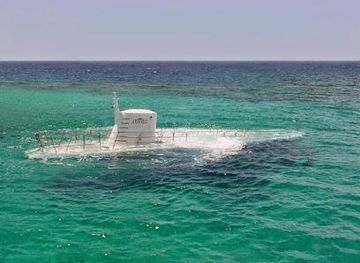
Atlantis Submarines
Dive into an unforgettable underwater adventure with Atlantis Submarines Barbados, exploring vibrant coral reefs, diverse marine life, and a mysterious shipwreck in a real submarine.
-
Botanical garden
Andromeda Botanic Gardens
Discover the breathtaking Andromeda Botanic Gardens in Bathsheba, Barbados – a serene sanctuary of tropical flora and local art.
-
Farm
PEG Farm and Nature Reserve
Discover the serene beauty of PEG Farm and Nature Reserve in Barbados: a biodynamic farm offering eco-tours, farm-to-table dining, and stunning views from Hackleton's Cliff.



Best landmarks in Saint Joseph
Bathsheba Bay is Saint Joseph’s defining natural landmark, its broad Atlantic curve punctuated by wave-worn rock formations and backed by hills descending towards the sea. The Soup Bowl, beside Bathsheba, is both a physical coastal feature and one of Barbados’s best-known surfing locations, recognised for powerful and often demanding waves. Along the coast, exposed rock shelves and the seaward scenery towards Cattlewash demonstrate the force of Atlantic erosion. Inland, the deeply cut gullies and shifting slopes of the Scotland District distinguish Saint Joseph from the flatter coral terraces elsewhere on the island. Andromeda Botanic Gardens is an important horticultural landmark as well as a visitor attraction, with its elevated position giving it a strong visual relationship with the east coast. The parish’s churches, country roads and scattered plantation-era remnants are quieter landmarks, reflecting the historical pattern of rural settlement and agriculture rather than monumental architecture. Together these places express Saint Joseph’s identity through geology, vegetation, surf and landscape.
-
Seafood
Oistins Fish Market
Discover the vibrant atmosphere and fresh seafood delights at Oistins Fish Market in Barbados, a true gem for culinary enthusiasts and beach lovers alike.
-
Tourist attraction
Animal Flower Cave & Restaurant
Experience the breathtaking beauty of Animal Flower Cave & Restaurant in Barbados, featuring stunning sea caves, delicious local cuisine, and family-friendly fun.
-
Tourist attraction
Harrison's Cave Eco-Adventure Park
Discover Barbados' geological heart: Explore stunning caves, zipline through lush gullies, and immerse yourself in Bajan culture at Harrison's Cave.
-
Park
Bathsheba Park
Discover the rugged beauty of Barbados' east coast at Bathsheba Park, a haven of dramatic scenery, tranquil beaches, and authentic Bajan charm.


Explore Saint Joseph on the map
Plan your trip on one map. See where the top cities, national parks and sights are, and book hotels and experiences in a few clicks.
Best hotels in Saint Joseph
Best restaurants in Saint Joseph
Dining in Saint Joseph is generally informal and closely connected with Barbadian home-style cooking rather than a concentrated fine-dining district. Around Bathsheba and the eastern coast, small restaurants, cafés and guesthouse kitchens may serve flying fish, fish cakes, grilled or fried seafood, rice and peas, macaroni pie, seasoned vegetables and other dishes associated with Barbados’s wider culinary culture. Menus and opening arrangements can be seasonal or limited, so it is sensible to plan meals rather than assume that every coastal stop will have late service. Rum shops and modest local eateries provide opportunities to encounter the social side of everyday food culture, while garden and visitor establishments may offer refreshments in a quieter setting. Fresh fish is especially appropriate near the coast, but local sourcing varies. Visitors should distinguish between dishes genuinely rooted in Barbadian tradition and international food offered for tourists; both have a place, but the parish’s strongest culinary identity lies in straightforward, generously seasoned island cooking.
-
Restaurant
Bliss Cafe
Discover Bliss Cafe: A culinary haven in Oistins offering fresh seafood and vibrant Caribbean flavors amidst lively surroundings.
-
Restaurant
Fisherman's Pub
Experience authentic Barbadian flavors at Fisherman's Pub in Speightstown - your go-to spot for fresh seafood and tropical drinks by the sea.
-
Fine Dining
The Cliff
Experience exquisite fine dining at The Cliff in Barbados with breathtaking ocean views and innovative Caribbean cuisine.
-
Caribbean
Dis Ole House Kitchen & Garden Barbados
Experience authentic Caribbean cuisine surrounded by nature at Dis Ole House Kitchen & Garden in beautiful Barbados.


Best bars in Saint Joseph
Saint Joseph does not have a large nightclub scene. Evening life is concentrated around informal rum shops, village bars, restaurants and occasional live-music settings, with Bathsheba providing the best-known coastal focus. These venues are generally more suited to conversation, a drink or a meal than to all-night clubbing. The parish’s guesthouses and small accommodation businesses may offer relaxed evening spaces, while some visitors travel to Bridgetown or the south and west coasts for a broader choice of clubs, late bars and organised entertainment; those areas are outside Saint Joseph. Alcohol is not necessary to appreciate the parish after dark: sunset views, a meal overlooking the coast and the quieter atmosphere of the eastern shoreline are important parts of its evening character. Transport should be arranged in advance for rural locations, as late public transport is less convenient and roads can be poorly lit.
-
Bar
Round House
Discover the vibrant atmosphere of Round House in Bathsheba, Barbados, where art, music, and exquisite dining meet stunning ocean views.
-
Caribbean
The Village Bar at Lemon Arbour
Discover the flavors of Barbados at The Village Bar, a cozy Caribbean restaurant in Saint John, offering a taste of local cuisine and vibrant atmosphere.
-
Restaurant
Dina's Bar
Discover the flavors of Barbados at Dina's Bar, a charming restaurant in Saint Joseph, offering a delightful menu and inviting atmosphere.
-
Restaurant
The Bay Lounge
Discover the flavors of Barbados at The Bay Lounge, where every meal is a feast for the senses in a beautiful beachside setting.


Best nightclubs in Saint Joseph
Saint Joseph does not have a large nightclub scene. Evening life is concentrated around informal rum shops, village bars, restaurants and occasional live-music settings, with Bathsheba providing the best-known coastal focus. These venues are generally more suited to conversation, a drink or a meal than to all-night clubbing. The parish’s guesthouses and small accommodation businesses may offer relaxed evening spaces, while some visitors travel to Bridgetown or the south and west coasts for a broader choice of clubs, late bars and organised entertainment; those areas are outside Saint Joseph. Alcohol is not necessary to appreciate the parish after dark: sunset views, a meal overlooking the coast and the quieter atmosphere of the eastern shoreline are important parts of its evening character. Transport should be arranged in advance for rural locations, as late public transport is less convenient and roads can be poorly lit.
-
Night club
Harbour Lights Barbados
Uncover the vibrant nightlife of Harbour Lights Barbados - a perfect blend of dining, dancing, and dazzling entertainment in the heart of Bridgetown.
-
Disco club
Club Rehab
Experience the vibrant nightlife of Bridgetown at Club Rehab, where dancing and fun come alive in a spectacular disco setting.
-
Bar
Incognito Night Club
Discover the vibrant nightlife of Barbados at Incognito Night Club, where music, dancing, and local drinks create unforgettable memories.
-
Event venue
Halo Ultra Lounge
Discover the vibrant nightlife at Halo Ultra Lounge in St. Lawrence Gap, Barbados, where exceptional entertainment meets stunning ocean views.

Best shops in Saint Joseph
Shopping in Saint Joseph is modest and locally oriented, with Bathsheba providing the most recognisable concentration of small cafés, provisions shops, art-related outlets and visitor services. The parish is better suited to buying locally made crafts, artwork, garden-related products, rum and packaged Barbadian foods than to conventional retail shopping. Small shops and roadside sellers may offer snacks, fruit or handmade items, but availability can vary by day and season. Visitors seeking a larger selection of clothing, jewellery, department-store goods or international brands will find broader retail areas in Bridgetown and the south and west coast districts outside the parish. Farmers’ stalls and village shops offer a more useful window into everyday provision, although they should not be treated as permanent markets with fixed schedules. When purchasing crafts or food products, ask about local provenance and packaging requirements for international travel, and carry cash for smaller sellers. The most characteristic souvenirs from Saint Joseph are connected with its gardens, coast, Barbadian food culture and independent artistic life rather than mass-produced beach merchandise.
-
Department store
Bridgetown Duty Free Broad Street
Experience unparalleled shopping at Bridgetown Duty Free, where luxury meets local charm in the heart of Barbados.
-
Shopping mall
Limegrove Lifestyle Centre
Experience luxury shopping, gourmet dining, and entertainment at Limegrove Lifestyle Centre in Holetown, Barbados - a vibrant hub for tourists.
-
Craft store
Laurie Dash & Sons Inc
Explore the vibrant world of crafting at Laurie Dash & Sons Inc, Barbados' premier destination for all your creative needs.
-
Shopping mall
The Walk at Welches
Experience the vibrant shopping and dining at The Walk at Welches, where local culture meets international charm in beautiful Barbados.


Get your free copy of our complete guide to Saint Joseph, delivered straight to you.
Everything on this page, from attractions and restaurants to essentials and local phrases, in one PDF you can read offline, print or share.
Already have an account? Sign in
Your Saint Joseph guide is ready.
We'll send it to · Not you? Sign out

Getting your guide ready…
We are putting together a fresh copy of the Saint Joseph guide. This can take up to a minute.
This can take a few moments. If your browser asks, choose Allow so the download can start. You'll find the guide in your Downloads folder.
Nothing happened? Download it again
Sorry, the guide is taking longer than usual. Please try again in a minute, or get it by email instead.
Saint Joseph essentials
Currency and Payment
Safety
Emergency Situations
Do's and Don'ts
Local Tips
From Eve
Local phrases worth knowing
You don't need to get them perfect. A few words go a long way, and locals appreciate the effort.
Basics
| English | Local | Say it |
|---|---|---|
| Hello | Wuh deh pon? | [wuh deh pon?] |
| Goodbye | See yuh later | [see yuh later] |
| Yes | Yah | [yah] |
| No | No | [no] |
| Please/You're welcome | Please | [please] |
| Thank you | Tank yuh | [tank yuh] |
| Excuse me/Sorry | Sorry | [sorry] |
| How are you? | How yuh doin? | [how yuh doin?] |
| Fine. And you? | I good. An you? | [I good. An you?] |
| Do you speak English? | Yuh does speak English? | [yuh does speak English?] |
| I don't understand | I ain't understand | [I ain't understand] |
Eating & Drinking
| English | Local | Say it |
|---|---|---|
| I'd like to see the menu, please | Can I see de menu, please? | [can I see de menu, please?] |
| I don't eat meat | I don't eat meat | [I don't eat meat] |
| Cheers! | Cheers! | [cheers!] |
| I would like to pay, please | I would like to pay, please | [I would like to pay, please] |
Emergencies
| English | Local | Say it |
|---|---|---|
| Help! | Help! | [help!] |
| Go away! | Go 'way! | [go 'way!] |
| Call the Police! | Call de Police! | [call de Police!] |
| Call a doctor! | Call a doctor! | [call a doctor!] |
| I'm lost | I lost | [I lost] |
| I'm ill | I sick | [I sick] |
Shopping
| English | Local | Say it |
|---|---|---|
| I'd like to buy... | I want to buy... | [I want to buy...] |
| I'm just looking | I just a lookin | [I just a lookin] |
| How much is it? | How much it cost? | [how much it cost?] |
| That's too expensive | Dat too expensive | [dat too expensive] |
| Can you lower the price? | Can yuh drop de price? | [can yuh drop de price?] |
Time & Numbers
| English | Local | Say it |
|---|---|---|
| What time is it? | Wuh time it is? | [wuh time it is?] |
| It's one o'clock | It one o'clock | [it one o'clock] |
| Half past (10) | Half past ten | [half past ten] |
| Morning | Mornin | [mornin] |
| Afternoon | Afternoon | [afternoon] |
| Evening | Evenin | [evenin] |
| Yesterday | Yesterday | [yesterday] |
| Today | Today | [today] |
| Tomorrow | Tomorrow | [tomorrow] |
| 1 | One | [one] |
| 2 | Two | [two] |
| 3 | Three | [three] |
| 4 | Four | [four] |
| 5 | Five | [five] |
| 6 | Six | [six] |
| 7 | Seven | [seven] |
| 8 | Eight | [eight] |
| 9 | Nine | [nine] |
| 10 | Ten | [ten] |
Transport & Directions
| English | Local | Say it |
|---|---|---|
| Where's a/the...? | Wuh de...? | [wuh de...?] |
| What's the address? | Wuh de address? | [wuh de address?] |
| Can you show me (on the map)? | Can yuh show me (pon de map)? | [can yuh show me (pon de map)?] |
| When's the next (bus)? | Wen de next (bus)? | [wen de next (bus)?] |
| A ticket (to ....) | A ticket (to ...) | [a ticket (to ...)] |
History of Saint Joseph
Early Indigenous Settlement
Long before European colonisation, Barbados was visited and settled by Indigenous peoples, including communities associated with the Saladoid-Barrancoid and later Arawakan traditions. Archaeological evidence across the island indicates fishing, farming and movement between coastal and inland environments. Saint Joseph’s gullies, uplands and sheltered coastal areas formed part of this wider island landscape, although relatively little visible Indigenous architecture survives in the parish today. The island’s earliest human history is therefore best understood through archaeology and regional research rather than through monumental ruins.
English Colonisation and Parish Formation
English settlement began in Barbados in the seventeenth century and gradually transformed Saint Joseph from an Indigenous landscape into a parish of plantations, small farms and Anglican institutions. Parish boundaries and church organisation helped structure local administration, while roads connected the east coast and uplands to the island’s commercial centres. The terrain made Saint Joseph less uniformly suited to large-scale cultivation than some flatter districts, encouraging a varied landscape of estates, provision grounds and rural communities.
Sugar, Plantations and Enslavement
Sugar production became the central economic force in Barbados, and Saint Joseph participated in the plantation system that depended on the enslavement of Africans and their descendants. Estates occupied cultivated slopes and valleys, while enslaved workers performed agricultural, domestic and skilled labour under coercive conditions. The parish’s churches, old estate landscapes, roads and patterns of settlement retain traces of this period, but the physical landscape should be read alongside the human cost of plantation wealth. Emancipation in 1834, followed by full freedom in 1838, reshaped labour and rural society.
Agriculture and Rural Communities after Emancipation
After emancipation, many formerly enslaved Barbadians continued to work in agriculture while developing provision grounds, smallholdings and village communities. Saint Joseph’s interior supported crops and livestock, and its eastern districts remained more rural than the expanding commercial centres around Bridgetown. Land access was often constrained, yet independent cultivation and local markets helped sustain households. The parish’s present mixture of gardens, pasture, small farms and scattered homes reflects these long-term changes as well as the continuing importance of agriculture in Barbadian life.
The Scotland District and Geological Change
Saint Joseph forms part of the Scotland District, an area of eastern Barbados known for softer sedimentary rocks, steep gullies and active erosion. Geological processes produced a landscape unlike the island’s more stable coral terraces, with roads and settlements shaped by unstable slopes and deeply cut valleys. This terrain influenced agriculture, transport and settlement patterns, while its varied soils and humid conditions also encouraged rich vegetation. The district is now an important setting for understanding Barbados’s geology and eastern landscape.
Bathsheba and the Eastern Coast in the Modern Era
Bathsheba developed as a small coastal community rather than as a large resort, retaining links to fishing, local recreation and the rural interior. During the twentieth century, improved roads, tourism and surfing brought wider attention to the east coast, especially to the Soup Bowl and Bathsheba’s distinctive shoreline. The parish nevertheless avoided the dense, continuous hotel development found in parts of the south and west. Its modern identity combines residential life, gardening, outdoor recreation and a strong sense of landscape.
Gardens, Conservation and Cultural Tourism
In recent decades, Saint Joseph’s tropical gardens, gullies and coastal scenery have become important parts of Barbados’s visitor economy. Sites such as Andromeda Botanic Gardens, Hunte’s Gardens and Flower Forest present cultivated collections within the island’s natural setting, connecting horticulture with heritage and environmental interpretation. The parish also benefits from growing interest in walking, landscape photography, surfing and geology. These activities have broadened tourism beyond the traditional beach-resort model while keeping the character of the eastern parish relatively low-key.
Saint Joseph in Photos
Browse through our photo collection highlighting the charm and character of the destination.
Neighbouring regions of Saint Joseph
The closest regions to Saint Joseph, if you have time for more than one.
-

-

-

-

-


Swipe for more regions
Explore more

Explore more of Barbados
Discover Barbados: Pristine beaches, rich history, and vibrant culture await in this Caribbean paradise. Perfect for adventure, relaxation, and culinary delights.
Explore Barbados