

Free Crane Travel Guide & Mobile App
Plan your Crane trip with Evendo. Get free guides to top attractions, restaurants, hotels, and bars. Web access or download the mobile app.


Crane, Barbados offers dramatic east-coast scenery, historic resort heritage, Crane Beach, rum culture and easy access to Saint Philip's landscapes.
Atlantic Coast Character
Crane is a small coastal community in south-eastern Barbados, set above the broad sweep of Crane Beach in the parish of Saint Philip. Rather than a conventional urban centre, it is best understood as a village and established resort area, where coral cliffs, sea views and quieter roads create a distinctly spacious atmosphere. The Atlantic-facing coast is more exposed than the island’s sheltered west, bringing stronger surf, trade winds and dramatic changes of colour across the water.Read more about Crane
A Resort with History
Exploring Saint Philip
When is the best time to visit Crane?
Best: February–April · 30°C| Month | High (°C) | Rainfall (mm) |
|---|---|---|
| January | 30 | 67 |
| February (best) | 30 | 53 |
| March (best) | 30 | 45 |
| April (best) | 30 | 45 |
| May | 30 | 56 |
| June | 30 | 67 |
| July | 31 | 89 |
| August | 31 | 100 |
| September | 30 | 100 |
| October | 30 | 111 |
| November | 30 | 122 |
| December | 30 | 111 |
Getting to and around Crane
How to get there
Transportation
Best attractions in Crane
Crane Beach is the area’s principal attraction, stretching below coral cliffs and offering a striking Atlantic setting, although surf conditions should be assessed before swimming. The cliff-top grounds around The Crane provide views across the coast and a sense of the community’s long resort history. Within the wider Saint Philip area, visitors can explore the rugged shoreline near Sam Lord’s Castle, a historic plantation-era site being redeveloped as a resort, and the quiet rural roads leading through villages and former sugar country. Foul Bay and Bottom Bay, both within the broader south-eastern region rather than Crane itself, offer further coastal scenery, while the nearby coastline reveals Barbados’s exposed Atlantic character. Crane is also a useful base for reaching attractions elsewhere on the island, including the historic centre of Bridgetown and the evening food culture of Oistins, but these are separate destinations requiring road travel.
-
Car racing track
Bushy Park Barbados
Experience the thrill of motorsport at Bushy Park Barbados, the Caribbean's premier racing destination, offering high-speed action, driving experiences, and community events for all.
12 min drive · 4.1 km from city centre
-
Historical landmark
Sunbury Plantation Great House
Discover Barbadian history at Sunbury Plantation Great House, a beautifully preserved 17th-century estate offering a glimpse into colonial life and the island's sugar heritage.
13 min drive · 4.5 km from city centre
-
Botanical garden
Andromeda Botanic Gardens
Discover a diverse collection of flora and fauna in a tranquil, organically maintained landscape on the scenic east coast of Barbados.
34 min drive · 14 km from city centre
-
Beach
Miami Beach, Barbados
Discover Miami Beach in Barbados: A perfect blend of soft sands, turquoise waters, and vibrant Bajan culture awaits you near Oistins. Relax, swim, and soak up the sun!
31 min drive · 11 km from city centre


Best landmarks in Crane
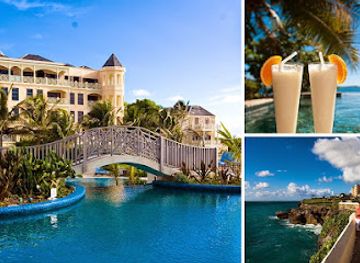
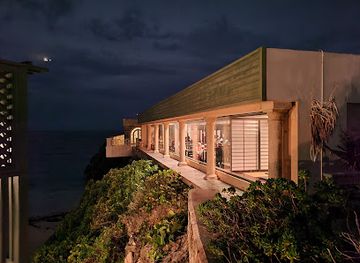
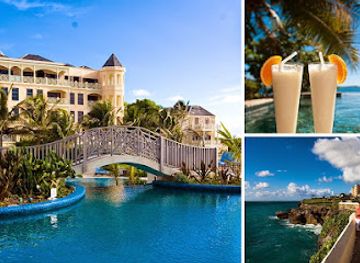
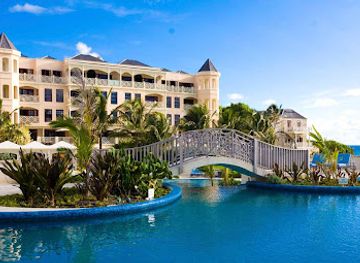
The Crane hotel, founded in 1887, is Crane’s defining historic landmark and a surviving example of Barbados’s early resort tradition. Its position on the coral cliffs is as significant to the area’s identity as its architecture, linking hospitality history with the island’s distinctive geology. Crane Beach forms a natural landmark below the settlement, while the surrounding coral-stone terrain and Atlantic-facing escarpment explain the community’s elevated outlook. In the wider Saint Philip landscape, parish churches, plantation-era buildings and the remains associated with Sam Lord’s Castle reveal the importance of sugar estates and coastal landholding. These sites belong to a dispersed rural parish rather than a compact historic town, so their significance is best understood through the roads and communities that connect them.
-
Tourist attraction
Harrison's Cave Eco-Adventure Park
Discover Barbados' geological wonders at Harrison's Cave Eco-Adventure Park: Explore stunning caverns, waterfalls, and nature trails for an unforgettable subterranean experience.
36 min drive · 16 km from city centre
-
Hotel
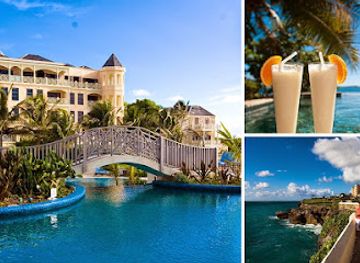
The Crane Resort, Barbados
Experience the timeless elegance and modern luxury of The Crane Resort in Barbados, where stunning ocean views, world-class amenities, and rich history create an unforgettable escape.
3 min walk · 0.2 km from city centre
-
Garden
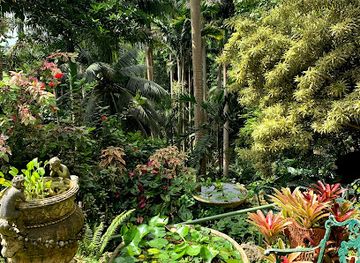
Hunte's Gardens
Discover a hidden paradise in Barbados at Hunte's Gardens, a breathtaking botanical sanctuary showcasing exotic flora, tranquil ponds, and the vision of renowned horticulturist Anthony Hunte.
35 min drive · 15 km from city centre
-
Tourist attraction
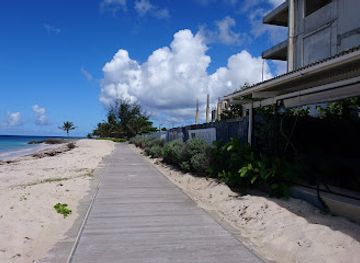
The Richard Haynes Boardwalk
Experience the beauty of Barbados on the Richard Haynes Boardwalk: a scenic coastal promenade offering stunning views, vibrant culture, and a relaxing atmosphere for locals and tourists alike.
37 min drive · 17 km from city centre
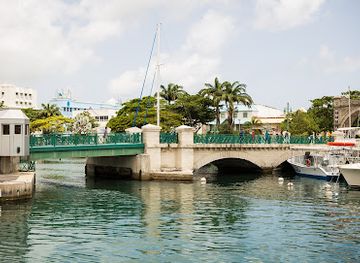
Explore Crane on the map
Plan your Crane trip on one map. See where the top attractions, landmarks, restaurants, bars and hotels are, find what's near where you're staying, and book hotels and experiences in a few clicks.
Best hotels in Crane
Best restaurants in Crane
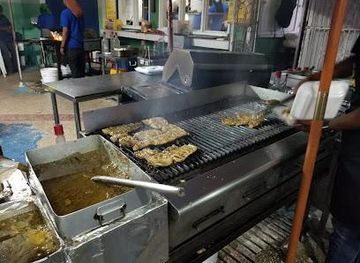
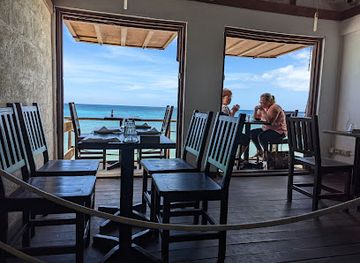
Dining in Crane centres on resort restaurants and relaxed Caribbean cooking rather than a dense independent restaurant district. Menus commonly draw on Barbadian ingredients and traditions, including flying fish, fish cakes, macaroni pie, rice and peas, grilled fish and hearty stews, with British, West Indian and international influences also present. The resort setting provides sit-down meals with views and formal service, while small eateries and rum shops elsewhere in Saint Philip offer a more local atmosphere when open. Fresh seafood is naturally important along the island’s coast, though availability varies with catches and season. For a broader concentration of casual food, Oistins is the better-known nearby destination, particularly around its fish market and evening food venues. Visitors should distinguish the quiet dining pattern around Crane from the larger choice found in Bridgetown and the developed south coast.
-
Seafood
Oistins Fish Market
Savor fresh grilled fish amid Friday night beats, domino clacks, and Bajan vibes at Barbados' ultimate seaside fish fry showdown.
31 min drive · 11 km from city centre
-
 Restaurant
Champers Restaurant Barbados
Experience exquisite Caribbean cuisine with breathtaking ocean views at Champers Restaurant in Barbados.
36 min drive · 16 km from city centre
-
Restaurant
Surfer's Cafe
Experience the vibrant flavors of Barbados at Surfer's Cafe in Oistins – where fresh seafood meets island charm.
32 min drive · 12 km from city centre
-
Bistro
Cafe Luna Barbados
Discover authentic Barbadian flavors at Cafe Luna Barbados - where every dish tells a story against a backdrop of stunning ocean views.
31 min drive · 11 km from city centre
Best bars in Crane
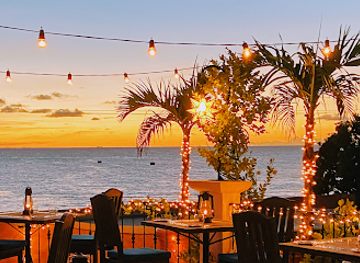
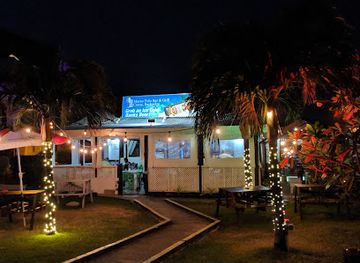
Crane’s evening scene is mainly low-key, with resort bars, sunset drinks, live entertainment on selected evenings and relaxed conversation rather than a concentration of nightclubs. The elevated coast gives some venues an atmospheric setting, while rum-based drinks reflect Barbados’s long association with sugar and rum production. Visitors seeking later or more varied entertainment generally travel towards Oistins, where fish-fry culture, bars and music create a livelier evening environment, or towards Bridgetown and the south-coast entertainment areas. Nightlife in Saint Philip is more locally dispersed, so schedules and venue activity can vary. Taxis or pre-arranged transport are sensible for returning after dark, particularly on quieter roads where pedestrian facilities are limited.
-
Hotel
The Crane Resort, Barbados
Discover the ultimate luxury resort experience at The Crane in Barbados, where stunning views and exceptional amenities create unforgettable memories.
3 min walk · 0.2 km from city centre
-
Restaurant
Cutters of Barbados
Experience authentic Barbadian flavors at Cutters of Barbados, a family-friendly restaurant with stunning beach views and a diverse menu.
5 min walk · 0.4 km from city centre
-
Grill
Marco Polo Bar and Grill
Experience the vibrant culinary scene at Marco Polo Bar and Grill, where Caribbean flavors meet grill classics in a stunning island setting.
6 min walk · 0.5 km from city centre
-
Japanese
Zen Restaurant
Experience the finest Japanese cuisine in Barbados at Zen Restaurant, where tradition meets innovation in a serene setting.
3 min walk · 0.3 km from city centre

Best nightclubs in Crane
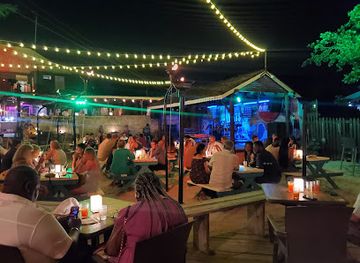
Crane’s evening scene is mainly low-key, with resort bars, sunset drinks, live entertainment on selected evenings and relaxed conversation rather than a concentration of nightclubs. The elevated coast gives some venues an atmospheric setting, while rum-based drinks reflect Barbados’s long association with sugar and rum production. Visitors seeking later or more varied entertainment generally travel towards Oistins, where fish-fry culture, bars and music create a livelier evening environment, or towards Bridgetown and the south-coast entertainment areas. Nightlife in Saint Philip is more locally dispersed, so schedules and venue activity can vary. Taxis or pre-arranged transport are sensible for returning after dark, particularly on quieter roads where pedestrian facilities are limited.
-
Hotel
The Crane Resort, Barbados
Discover the ultimate luxury escape at The Crane Resort in Barbados, where stunning ocean views and top-notch amenities await.
3 min walk · 0.2 km from city centre
-
Night club
Harbour Lights Barbados
Discover the vibrant nightlife at Harbour Lights Barbados - a fusion of dining, entertainment, and Caribbean culture awaits you.
38 min drive · 18 km from city centre
-
Hotel
Hilton Grand Vacations Club The Crane Barbados
Discover a luxurious retreat at Hilton Grand Vacations Club The Crane Barbados, where stunning views and top-tier amenities create the ultimate island escape.
3 min walk · 0.2 km from city centre
-
Disco club
Club Rehab
Experience the vibrant nightlife of Bridgetown at Club Rehab, the ultimate disco club with electrifying music and an unforgettable atmosphere.
39 min drive · 19 km from city centre

Best shops in Crane
Shopping in Crane is concentrated around resort retail, practical visitor services and small-scale purchases rather than a large commercial centre. Visitors may find Barbados-themed gifts, beach essentials, rum, food products and craft items through accommodation outlets or nearby businesses, while local shops in Saint Philip serve everyday community needs. For a wider selection, Bridgetown’s central shopping streets and duty-free retailers provide clothing, jewellery, souvenirs and island products, and Oistins offers a more casually local setting around its market and fish-trading area. Barbadian rum, pepper sauces, spices, handmade crafts and food items can make meaningful purchases, but labels and customs rules should be checked before taking agricultural products or liquids overseas. The quieter retail environment around Crane is part of its village character rather than a sign of a missing town centre.
-
Shopping mall
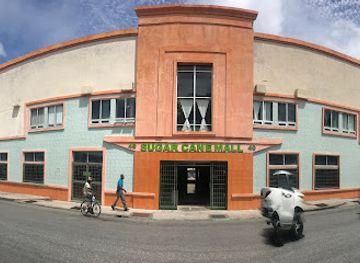
Sugar Cane Mall
Experience the vibrant shopping at Sugar Cane Mall, Bridgetown, where local culture meets diverse retail therapy.
38 min drive · 18 km from city centre
-
Gift shop
Gift Baskets Barbados
Explore Gift Baskets Barbados for unique local gifts and heartfelt souvenirs that capture the spirit of the island.
40 min drive · 20 km from city centre
-
Gift shop
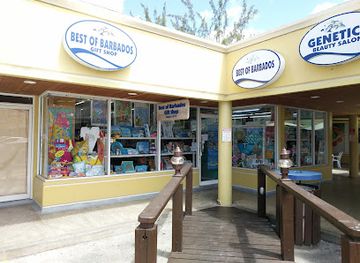
Best of Barbados Quayside Gift shop
Explore the Best of Barbados Quayside Gift Shop for authentic souvenirs, local crafts, and unique gifts that celebrate the spirit of the Caribbean.
36 min drive · 16 km from city centre
-
Home goods store
JAZL JARL
Discover unique home goods at JAZL JARL in Saint Philip, Barbados—your go-to store for quality decor and essentials.
8 min drive · 2.6 km from city centre

Get your free copy of our complete guide to Crane, delivered straight to you.
Everything on this page, from attractions and restaurants to essentials and local phrases, in one PDF you can read offline, print or share.
Already have an account? Sign in
Your Crane guide is ready.
We'll send it to · Not you? Sign out

Getting your guide ready…
We are putting together a fresh copy of the Crane guide. This can take up to a minute.
This can take a few moments. If your browser asks, choose Allow so the download can start. You'll find the guide in your Downloads folder.
Nothing happened? Download it again
Sorry, the guide is taking longer than usual. Please try again in a minute, or get it by email instead.
Crane essentials
Currency and Payment
Safety
Emergency Situations
Do's and Don'ts
Local Tips
From Eve
Local phrases worth knowing
You don't need to get them perfect. A few words go a long way, and locals appreciate the effort.
Basics
| English | Local | Say it |
|---|---|---|
| Hello | Hey | [Hey] |
| Goodbye | Laters | [Laters] |
| Yes | Yeah | [Yeah] |
| No | Nah | [Nah] |
| Please/You're welcome | Pardon/No problem | [Pardon/No problem] |
| Thank you | Thanks | [Thanks] |
| Excuse me/Sorry | Pardon | [Pardon] |
| How are you? | How you doing? | [How you doing?] |
| Fine. And you? | Irie. And you? | [Irie. And you?] |
| Do you speak English? | Yuh speak English? | [Yuh speak English?] |
| I don't understand | I ent get you | [I ent get you] |
Eating & Drinking
| English | Local | Say it |
|---|---|---|
| I'd like to see the menu, please | Lemme see de menu, please | [Lemme see de menu, please] |
| I don't eat meat | I ent eat nuh meat | [I ent eat nuh meat] |
| Cheers! | Cheers! | [Cheers!] |
| I would like to pay, please | Lemme pay, please | [Lemme pay, please] |
Emergencies
| English | Local | Say it |
|---|---|---|
| Help! | Help! | [Help!] |
| Go away! | Move from me! | [Move from me!] |
| Call the Police! | Call de Police! | [Call de Police!] |
| Call a doctor! | Call a doctor! | [Call a doctor!] |
| I'm lost | I lost | [I lost] |
| I'm ill | I sick | [I sick] |
Shopping
| English | Local | Say it |
|---|---|---|
| I'd like to buy... | I ent wanna buy... | [I ent wanna buy...] |
| I'm just looking | I just browsing | [I just browsing] |
| How much is it? | How much dis is? | [How much dis is?] |
| That's too expensive | Dat too dear | [Dat too dear] |
| Can you lower the price? | Yuh cud drop de price? | [Yuh cud drop de price?] |
Time & Numbers
| English | Local | Say it |
|---|---|---|
| What time is it? | What time it is? | [What time it is?] |
| It's one o'clock | Is one o'clock | [Is one o'clock] |
| Half past (10) | Half past ten | [Half past ten] |
| Morning | Mornin' | [Mornin'] |
| Afternoon | Evenin' | [Evenin'] |
| Evening | Evenin' | [Evenin'] |
| Yesterday | Yesterday | [Yesterday] |
| Today | Today | [Today] |
| Tomorrow | Tomorrow | [Tomorrow] |
| 1 | One | [One] |
| 2 | Two | [Two] |
| 3 | Three | [Three] |
| 4 | Four | [Four] |
| 5 | Five | [Five] |
| 6 | Six | [Six] |
| 7 | Seven | [Seven] |
| 8 | Eight | [Eight] |
| 9 | Nine | [Nine] |
| 10 | Ten | [Ten] |
Transport & Directions
| English | Local | Say it |
|---|---|---|
| Where's a/the...? | Where de...? | [Where de...?] |
| What's the address? | What de address is? | [What de address is?] |
| Can you show me (on the map)? | Yuh cud show me (on de map)? | [Yuh cud show me (on de map)?] |
| When's the next (bus)? | When de nex' (bus) is? | [When de nex' (bus) is?] |
| A ticket (to ....) | A ticket (to ....) | [A ticket (to ....)] |
History of Crane
Early Settlement and Saint Philip
The area now known as Crane developed within Saint Philip, a parish shaped by Barbados’s early English settlement, plantation agriculture and coastal trade. Indigenous peoples had inhabited Barbados before European colonisation, but the island’s English colony was established in the seventeenth century. Sugar cultivation later transformed the landscape, bringing estates, roads, churches and port connections, as well as the forced migration of enslaved Africans whose labour sustained the colonial economy. The scattered settlement pattern around south-eastern Barbados reflects this agricultural past more than the compact form of a traditional town.
Plantation Barbados and Emancipation
During the eighteenth and nineteenth centuries, Saint Philip was part of the sugar-producing countryside that powered Barbados’s economy. Coral-stone plantation houses, estate lands and parish churches preserve elements of that period, although the social order behind them was marked by enslavement until emancipation took effect in 1834, followed by a period of apprenticeship. After full freedom in 1838, formerly enslaved communities developed new religious, family and commercial networks. These changes shaped the villages and working landscapes that surround Crane, even as later tourism gave the coast a different economic role.
The Crane Hotel Opens
The Crane’s hotel history began in 1887, when the property opened on the coral cliffs above Crane Beach. Its elevated position offered breezes and relief from the heat at a time when Barbados was beginning to attract long-stay visitors from overseas. The hotel became associated with the island’s early resort culture and helped establish this otherwise lightly settled section of the south-eastern coast as a place for seaside accommodation. Its continuing presence gives Crane a historical identity distinct from newer, purpose-built tourism areas elsewhere on the island.
Changing Connections and Tourism
Improved roads, motor transport and the expansion of Barbados’s visitor economy gradually connected Saint Philip’s rural communities with Bridgetown and the south coast. Tourism diversified beyond traditional long-stay resort properties, while plantations and small agricultural holdings were increasingly accompanied by guest accommodation, restaurants and holiday residences. Crane retained a quieter setting because it lies away from the island’s densest commercial corridors. The area’s development has therefore combined historic resort continuity with modern accommodation and residential expansion rather than producing a large urban centre.
Contemporary Coastal Community
Today Crane is recognised principally for its beach, cliff-top setting and resort heritage, within a parish where older villages, churches and agricultural landscapes remain important. Barbados’s independence in 1966 placed these local histories within a sovereign nation whose cultural identity draws on African, European and Caribbean influences. The community’s present character reflects that layered past: a historic hotel and coral-stone environment sit alongside modern holiday facilities, while the surrounding coastline and villages retain a slower, locally grounded rhythm.
Travel experiences inspired by this city
-
 11 Day Trip
Bathsheba Bound: An 11-Day East Coast Escape in Barbados
Explore Bathsheba’s rugged Atlantic coast from The Atlantis Historic Inn—surf vistas, tide pools, hikes, Bajan flavors, and sustainable, culture-rich travel.
11 Day Trip
Bathsheba Bound: An 11-Day East Coast Escape in Barbados
Explore Bathsheba’s rugged Atlantic coast from The Atlantis Historic Inn—surf vistas, tide pools, hikes, Bajan flavors, and sustainable, culture-rich travel.
 27 Jul 2026
By David Smith -
 11 Day Trip
Homecoming to Bathsheba: 11-Day Family Escape on Barbados' Wild East Coast
Family return to Barbados: 11 days in Bathsheba to surf Soup Bowl, hike dramatic East Coast trails, and unwind in eco-conscious comfort at ECO Lifestyle & Lodge.
11 Day Trip
Homecoming to Bathsheba: 11-Day Family Escape on Barbados' Wild East Coast
Family return to Barbados: 11 days in Bathsheba to surf Soup Bowl, hike dramatic East Coast trails, and unwind in eco-conscious comfort at ECO Lifestyle & Lodge.
 20 Jul 2026
By David Clarke -
 8 Day Trip
Family Adventure to Harrison's Cave in Barbados
Discover the natural wonders of Harrison's Cave, Barbados, with your family. Explore stunning caves and enjoy the vibrant culture and cuisine.
8 Day Trip
Family Adventure to Harrison's Cave in Barbados
Discover the natural wonders of Harrison's Cave, Barbados, with your family. Explore stunning caves and enjoy the vibrant culture and cuisine.
 10 Sep 2025
By David Clarke
Swipe for more travel diaries
Crane in Photos
Browse through our photo collection highlighting the charm and character of the destination.
Cities near Crane
The closest cities to Crane, if you have time for more than one stop.
-

-
-

-

-


Swipe for more cities
Explore more

Explore more of Barbados
Discover Barbados: Pristine beaches, rich history, and vibrant culture await in this Caribbean paradise. Perfect for adventure, relaxation, and culinary delights.
Explore Barbados