Background

Stadshal: Ghent's Modern Heart

Experience the vibrant heart of Ghent at the Stadshal, where modern architecture meets historical charm, creating a dynamic public space for markets, events, and community gatherings.

4

The Stadshal, or City Pavilion, in Ghent, is a striking example of modern architecture nestled amidst the city's historical landmarks. Located on the Poeljemarkt, this open-air structure, designed by Robbrecht en Daem and Marie-José Van Hee, serves as a dynamic public space hosting markets, events, and gatherings. Its unique design, featuring a contemporary roof and glass facade, contrasts and complements the surrounding medieval buildings, creating a vibrant hub for locals and tourists alike. The Stadshal offers a place to relax, socialize, and experience the energy of Ghent, with a grand café underneath and the Green park at a lower level. It's a must-see for those seeking a blend of history and modern culture. The Stadshal is more than just a building; it's a symbol of Ghent's commitment to community and architectural innovation, providing a space where the past and present converge.

A brief summary to Stadshal / City Pavilion

  • Monday 12 am-12 am
  • Tuesday 12 am-12 am
  • Wednesday 12 am-12 am
  • Thursday 12 am-12 am
  • Friday 12 am-12 am
  • Saturday 12 am-12 am
  • Sunday 12 am-12 am

Local tips

  • Visit during the weekly market for a taste of local produce and crafts.
  • Check the event schedule for concerts, dance performances, and other cultural activities.
  • Explore the underground grand café for a relaxing break and Italian-inspired cuisine.
  • Take a stroll through The Green, the sunken park beneath the Stadshal, for a peaceful escape.
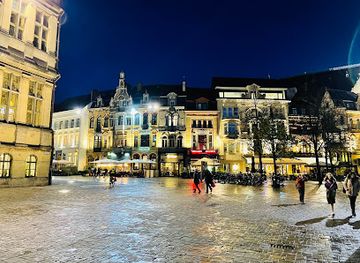
  • Visit at night to see the Stadshal illuminated, resembling a large lantern in the city center.
widget icon

Getting There

  • Walking

    From Korenmarkt, a central square, walk east towards the St. Nicholas Church. Continue past the church, and the Stadshal will be directly ahead on the Poeljemarkt. The walk is approximately 5 minutes and is on flat, paved surfaces.

  • Public Transport

    Take tram lines 1, 2, 3, or 4 to the Korenmarkt stop. From there, walk east towards St. Nicholas Church, and the Stadshal is a short walk ahead. A single tram ticket costs €3 and is valid for 60 minutes, allowing unlimited transfers.

  • Taxi/Ride-Share

    A taxi or ride-share from Ghent-Sint-Pieters railway station to the Stadshal costs approximately €10-€15, depending on traffic. The journey takes around 10-15 minutes. Ask the driver to drop you off at the Poeljemarkt, right in front of the Stadshal.

  • Driving

    Parking near the Stadshal is limited and can be expensive. The closest parking garages are Vrijdagmarkt, Reep, and Sint-Michiels. Parking at Vrijdagmarkt costs €3 for the first hour and €7 for 2 hours. Be aware of Ghent's Low Emission Zone (LEZ); check your vehicle's compliance before entering the city center to avoid fines. Park at a free park-and-ride (P+R) outside the city center and take a tram or bus to Korenmarkt.

Unlock the Best of Stadshal / City Pavilion

Buy tickets

    No tickets available

Book tours with entry

    No tours available

Book tours without entry

    No tours available

Discover more about Stadshal / City Pavilion

The Stadshal, also known as the City Pavilion or Market Hall, is a modern architectural marvel located in the heart of Ghent, Belgium. Situated on the Poeljemarkt, this open-air structure stands as a testament to Ghent's ability to blend its rich historical heritage with contemporary design. Completed in 2012, the Stadshal was designed by the architectural team of Robbrecht en Daem, in collaboration with Marie-José Van Hee, as part of an urban redevelopment plan to revitalize the city center. Before the Stadshal, the area was a desolate parking lot, a far cry from the vibrant medieval heart it once was. The construction of the Stadshal aimed to restore the area's density and create a public space that could host various activities and events. The project was initially met with controversy, with some critics arguing that its modern design clashed with the surrounding historical buildings, including the nearby Belfry, a UNESCO World Heritage site. However, over time, the Stadshal has become an integral part of Ghent's identity, embraced by locals and tourists alike. The architecture of the Stadshal is characterized by its open and accessible design. The structure features a large, canopy-like roof made of wood and glass, supported by four concrete piers. The roof's design is reminiscent of the pitched roofs found on traditional Gothic buildings in Ghent, creating a visual connection to the city's architectural heritage. The use of wood and glass allows natural light to flood the interior, creating a bright and inviting space. At night, the Stadshal transforms into a lantern, with light emanating from the structure and illuminating the surrounding area. Underneath the Stadshal, visitors can discover a 'grand café' offering a place to relax and enjoy refreshments. The Green, a sunken park, provides a tranquil escape from the bustling city center. Stairs and ramps connect the park with the street levels, inviting people to stroll and shop. The Stadshal is not just a building; it's a multifunctional space that hosts a variety of events throughout the year. From weekly markets to concerts and dance performances, the Stadshal is a hub of activity that brings people together. The Stadshal's location is strategically chosen, surrounded by centuries-old churches and buildings, making it a fascinating spot for photography enthusiasts and history buffs alike. The nearby St. Nicholas Church, the Belfry, and St. Bavo's Cathedral create a stunning backdrop for the modern structure. The Stadshal also incorporates existing art elements, such as the Minne sculptures and the Mathildis clock, giving them a new place in the design. Ghent itself is a city with a rich history and culture. Once one of the largest and most important cities in Europe, Ghent has a wealth of historical landmarks and attractions. The Gravensteen, a medieval castle, is a must-see for visitors. St. Bavo's Cathedral, home to the Ghent Altarpiece, is another popular attraction. The Graslei and Korenlei, two picturesque quays along the Leie River, offer stunning views of the city's architecture. Ghent is also known for its vibrant cultural scene. The city hosts numerous festivals and events throughout the year, including the Ghent Festivities, a ten-day city festival that attracts visitors from around the world. Ghent is a city that embraces sustainability. The city center is largely car-free, encouraging people to walk, bike, or use public transport. Ghent is also committed to accessibility, with initiatives in place to make the city more accessible to people with disabilities. The Stadshal stands as a symbol of Ghent's commitment to community, culture, and architectural innovation. It is a place where the past and present converge, creating a unique and dynamic space that reflects the spirit of the city. Whether you are a local resident or a tourist visiting Ghent for the first time, the Stadshal is a must-see destination that will leave a lasting impression. The Stadshal has garnered both praise and criticism for its design. Some have lauded its innovative use of materials and its ability to create a vibrant public space. Others have criticized its modern aesthetic, arguing that it clashes with the surrounding historical buildings. Despite the controversy, the Stadshal has become an iconic landmark in Ghent, a symbol of the city's ability to embrace both its past and its future. Visiting the Stadshal is a unique experience. The open-air structure allows visitors to feel connected to the city around them. The bustling atmosphere, with markets, events, and people coming and going, creates a sense of energy and excitement. Whether you are relaxing with a coffee, browsing the market stalls, or attending a concert, the Stadshal offers a space to connect with the local culture and experience the spirit of Ghent. The Stadshal is more than just a building; it's a symbol of Ghent's identity, a testament to its ability to blend history and modernity, and a vibrant public space that brings people together. It is a must-see destination for anyone visiting Ghent, a place where you can experience the city's rich culture, its innovative spirit, and its commitment to community.

Popular Experiences near Stadshal / City Pavilion

Popular Hotels near Stadshal / City Pavilion

Select Currency