

Free Walloon Brabant Travel Guide & Mobile App
Explore Walloon Brabant with free travel guides. Discover regional history, expert tips, proposed trips, and audio guides on web or mobile app.


Explore Walloon Brabant for Waterloo’s battlefield, Villers-la-Ville Abbey, historic Nivelles, university culture and green Brabant countryside.
Read more about Walloon Brabant
When is the best time to visit Walloon Brabant?
Best: June–August · 21–23°C| Month | High (°C) | Rainfall (mm) |
|---|---|---|
| January | 6 | 70 |
| February | 6 | 60 |
| March | 11 | 60 |
| April | 14 | 50 |
| May | 18 | 60 |
| June (best) | 21 | 70 |
| July (best) | 23 | 70 |
| August (best) | 23 | 70 |
| September | 20 | 60 |
| October | 15 | 70 |
| November | 9 | 70 |
| December | 6 | 70 |
Getting to and around Walloon Brabant
How to get there
Transportation
Top city travel guides in Walloon Brabant
The cities of Walloon Brabant, and the easiest places to base yourself.
-

-

-

-


Swipe for more cities
Destinations in Walloon Brabant
Resorts, valleys and scenic spots worth a trip of their own.

Swipe for more destinations
Best attractions in Walloon Brabant
Walloon Brabant’s attractions range from internationally recognised battlefield heritage to abbey ruins, museums, family entertainment and accessible countryside. The Waterloo area is the province’s principal historical destination, with the Lion’s Mound, the Wellington Museum, Hougoumont farm and other sites interpreting the 1815 campaign across the surrounding fields. In the south, Villers-la-Ville Abbey offers extensive Cistercian ruins, gardens and woodland walks, while Nivelles combines a historic town centre with the artistic and architectural significance of Saint Gertrude’s collegiate church. Louvain-la-Neuve brings a modern cultural dimension through the Hergé Museum, university architecture and pedestrian urban design. Families may choose Walibi Belgium near Wavre, while the Bois des Rêves near Ottignies provides outdoor recreation in a wooded setting. Elsewhere, marked paths, cycling lanes, river valleys, village churches and agricultural landscapes make the province suitable for slower exploration between major sites.
-
Animal park
Pairi Daiza
Discover the enchanting Pairi Daiza, an animal park in Belgium that combines wildlife, nature, and cultural experiences for an unforgettable adventure.
-
Park
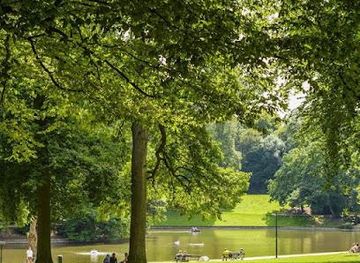
Bois de la Cambre
Explore the serene beauty of Bois de la Cambre, Brussels' enchanting park perfect for relaxation, outdoor activities, and scenic strolls.
-
Museum
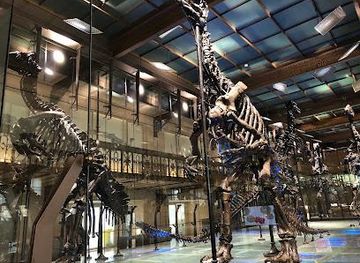
Royal Belgian institute of Natural Sciences
Explore the Royal Belgian Institute of Natural Sciences in Brussels, where fascinating exhibits on biodiversity and natural history await every visitor.
-
Historical landmark
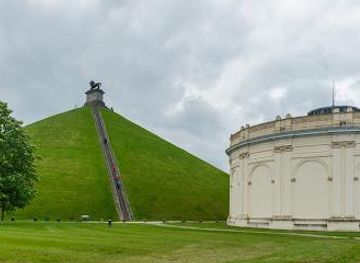
Lion's Mound
Explore the historic Lion's Mound in Braine-l'Alleud, a symbol of the Battle of Waterloo with stunning views and rich heritage.

Best landmarks in Walloon Brabant
The Lion’s Mound is Walloon Brabant’s most recognisable monument, rising above the former Waterloo battlefield as a nineteenth-century memorial to the allied victory. Nearby Hougoumont farm is important not simply as a preserved building group but as a position whose defence influenced the course of the battle. In Nivelles, the collegiate church of Saint Gertrude dominates the town with its massive Romanesque architecture and twin-towered west front, embodying the long history of the former abbey. Villers-la-Ville Abbey is a landmark of a different kind: its roofless church, cloisters and monastic remains form a major medieval ruin set among wooded hills. The modern pedestrian centre of Louvain-la-Neuve, with its university buildings, elevated walkways and planned public spaces, represents the province’s twentieth-century architectural history. Around Wavre and Ottignies, the Dyle valley and wooded slopes provide natural landmarks whose significance lies in the contrast between settled towns, watercourses and open Brabant countryside.
-
Plaza
Grand Place
Explore the Grand Place in Brussels, a UNESCO World Heritage site, and marvel at its stunning architecture and vibrant cultural scene.
-
Tourist attraction
Atomium
Experience the Atomium, a stunning architectural masterpiece in Brussels, offering breathtaking views, rich cultural exhibits, and a taste of Belgian history.
-
Fountain
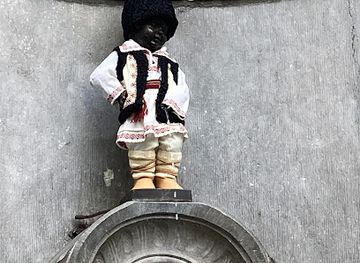
Manneken Pis
Experience the charm of Brussels at Manneken Pis, an iconic fountain that embodies the city's playful spirit and rich cultural heritage.
-
Castle
Gravensteen
Discover the majestic Gravensteen Castle in Ghent, a historical gem that brings medieval history to life amidst stunning architecture and picturesque surroundings.



Explore Walloon Brabant on the map
Plan your trip on one map. See where the top cities, national parks and sights are, and book hotels and experiences in a few clicks.
Best hotels in Walloon Brabant
Best restaurants in Walloon Brabant
Dining in Walloon Brabant reflects Wallonia’s French-speaking culture and Belgium’s broader culinary traditions, with brasseries, cafés, bakeries, village restaurants and contemporary kitchens found in the larger towns and university centres. Menus commonly draw on Belgian staples such as beef stews, mussels when in season, chips, croquettes and waffles, alongside French-influenced cooking and changing dishes based on local farm produce. Nivelles is associated with the tarte al djote, a savoury tart made with cheese and greens, a speciality worth seeking in the town and surrounding area. Around Waterloo, Wavre and Louvain-la-Neuve, visitors will find a wider choice of international food, informal student dining and polished restaurants. Local markets and specialist food shops are useful for bread, cheese, chocolate, beer and seasonal produce, while rural inns provide a slower meal in villages and valley communities.
-
Restaurant
Brasserie Du Lac
Experience exceptional Belgian cuisine at Brasserie Du Lac with stunning lake views and warm hospitality.
-
Restaurant
Brasserie Chez Clément
Experience authentic Belgian cuisine at Brasserie Chez Clément in Rixensart – where every meal is a delightful journey through local flavors.
-
Coffee shop
La Fleur en Papier Doré
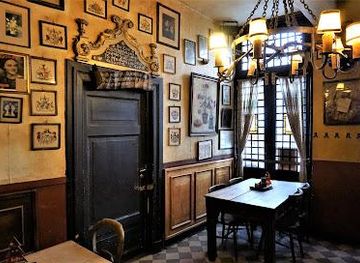
Brussels' surreal estaminet where Magritte's spirit lingers amid Lambic walls, eclectic art, and timeless Belgian conviviality—a bohemian haven for beer, culture, and quiet revelation.
-
Restaurant
Le chalet De La Foret
Experience exceptional Belgian cuisine amidst breathtaking nature at Le Chalet De La Foret in Genappe.



Best bars in Walloon Brabant
Evening life in Walloon Brabant is concentrated in Wavre, Nivelles, Waterloo and Louvain-la-Neuve rather than spread evenly across the countryside. Traditional cafés and brasseries provide the most characteristic setting for a Belgian beer, coffee or light meal, while Louvain-la-Neuve has the broadest student-oriented choice of casual bars, cafés and occasional live music. Wavre and Nivelles offer a more mixed local scene, including restaurants and late-opening bars, though the scale is modest compared with Brussels. Rural towns and villages generally become quiet after dinner, with evening life centred on village cafés, social clubs or restaurants. Belgian beer is prominent, but visitors can also find wine, soft drinks and alcohol-free options; a night out does not depend on drinking. Check current arrangements for performances and smaller venues, as programmes and opening patterns change.
-
Bar
Le Palais Du Houblon
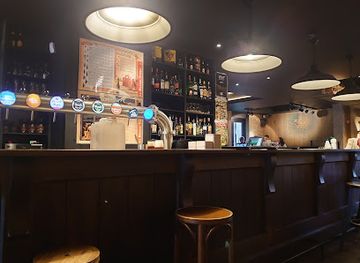
Discover the local brews and warm ambiance at Le Palais Du Houblon, a charming bar and beer hall in Nivelles, Belgium.
-
Bar
Dude!
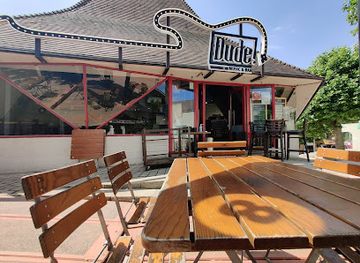
Discover the lively atmosphere at Dude! - a must-visit bar in Ottignies-Louvain-la-Neuve, perfect for relaxing with friends and enjoying affordable drinks.
-
Bar
Ginette Bar
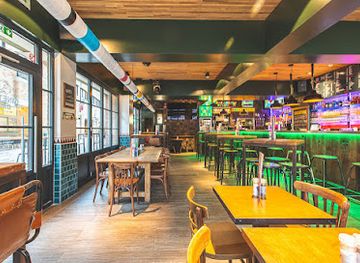
Experience the vibrant atmosphere and exquisite drink selection at Ginette Bar, a local gem in Ottignies-Louvain-la-Neuve.
-
Bar
Le Brasse-Temps
Experience the rich flavors of Belgian craft beers and delicious cuisine at Le Brasse-Temps, a lively brewpub in the heart of Louvain-la-Neuve.

Best nightclubs in Walloon Brabant
Evening life in Walloon Brabant is concentrated in Wavre, Nivelles, Waterloo and Louvain-la-Neuve rather than spread evenly across the countryside. Traditional cafés and brasseries provide the most characteristic setting for a Belgian beer, coffee or light meal, while Louvain-la-Neuve has the broadest student-oriented choice of casual bars, cafés and occasional live music. Wavre and Nivelles offer a more mixed local scene, including restaurants and late-opening bars, though the scale is modest compared with Brussels. Rural towns and villages generally become quiet after dinner, with evening life centred on village cafés, social clubs or restaurants. Belgian beer is prominent, but visitors can also find wine, soft drinks and alcohol-free options; a night out does not depend on drinking. Check current arrangements for performances and smaller venues, as programmes and opening patterns change.
-
Club
Acte 3
Discover Braine-l'Alleud's top nightlife destination at Acte 3, a lively club and concert hall offering unforgettable music and dance experiences.
-
Night club
Cactus Club
Experience the electrifying nightlife at Cactus Club in Auderghem, where music, dancing, and vibrant energy come together for an unforgettable night out.
-
Disco club
Nostalgia Club
Experience the vibrant nightlife of Brussels at Nostalgia Club, where dance and music blend in a retro-inspired atmosphere.
-
Disco club
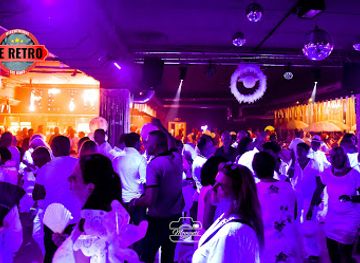
Le RETRO Discothèque
Experience the vibrant nightlife of Gembloux at Le RETRO Discothèque, where music, dance, and energy collide for an unforgettable night.


Best shops in Walloon Brabant
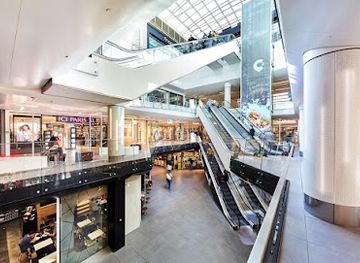
Shopping in Walloon Brabant is centred on the high streets and markets of its towns rather than on a single provincial retail district. Wavre offers the broadest traditional town-centre choice, with everyday shops, cafés and independent retailers, while Nivelles combines practical shopping with historic streets and access to local food specialities. Waterloo has a more affluent, suburban retail character, including larger commercial areas outside the old centre, and Louvain-la-Neuve caters to students, residents and visitors with bookshops, fashion, cafés and specialist stores in its pedestrian core. Village and town markets are useful for seasonal produce, bread, cheese and prepared foods, although days and locations should be checked locally. Good regional purchases include Belgian chocolate, beer, biscuits, cheese, tarte al djote from Nivelles and small-scale crafts or artworks from galleries and independent shops. For antiques and distinctive gifts, compare several market towns rather than expecting a concentrated luxury-shopping quarter.
-
Shopping mall
Docks Bruxsel
Explore Docks Bruxsel, Brussels' premier shopping mall, blending retail, dining, and entertainment in a vibrant atmosphere.
-
Shopping mall
City2
Explore City2, the premier shopping destination in Brussels, where fashion meets flavor in a vibrant atmosphere.
-
Shopping mall
Rive Gauche
Explore Rive Gauche, Charleroi's premier shopping mall, offering diverse stores and delightful dining experiences in a vibrant atmosphere.
-
Shopping mall
Woluwe Shopping Center
Discover the best of shopping and dining at Woluwe Shopping Center, a vibrant hub of retail therapy and local culture in Belgium.



Get your free copy of our complete guide to Walloon Brabant, delivered straight to you.
Everything on this page, from attractions and restaurants to essentials and local phrases, in one PDF you can read offline, print or share.
Already have an account? Sign in
Your Walloon Brabant guide is ready.
We'll send it to · Not you? Sign out

Getting your guide ready…
We are putting together a fresh copy of the Walloon Brabant guide. This can take up to a minute.
This can take a few moments. If your browser asks, choose Allow so the download can start. You'll find the guide in your Downloads folder.
Nothing happened? Download it again
Sorry, the guide is taking longer than usual. Please try again in a minute, or get it by email instead.
Walloon Brabant essentials
Currency and Payment
Safety
Emergency Situations
Do's and Don'ts
Local Tips
From Eve
Local phrases worth knowing
You don't need to get them perfect. A few words go a long way, and locals appreciate the effort.
Basics
| English | Local | Say it |
|---|---|---|
| Hello | Bonjour | [bɔ̃ʒuʁ] |
| Goodbye | Au revoir | [o ʁəvwaʁ] |
| Yes | Oui | [wi] |
| No | Non | [nɔ̃] |
| Please/You're welcome | S'il vous plaît / De rien | [sil vu plɛ / də ʁjɛ̃] |
| Thank you | Merci | [mɛʁsi] |
| Excuse me/Sorry | Excusez-moi / Désolé | [ɛkskyze mwa / dezole] |
| How are you? | Comment ça va? | [kɔmɑ̃ sa va] |
| Fine. And you? | Bien. Et vous? | [bjɛ̃. e vu] |
| Do you speak English? | Parlez-vous anglais? | [paʁle vu ɑ̃ɡlɛ] |
| I don't understand | Je ne comprends pas | [ʒə nə kɔ̃pʁɑ̃ pa] |
Eating & Drinking
| English | Local | Say it |
|---|---|---|
| I'd like to see the menu, please | Je voudrais voir le menu, s'il vous plaît | [ʒə vudʁɛ vwaʁ lə məny, sil vu plɛ] |
| I don't eat meat | Je ne mange pas de viande | [ʒə nə mɑ̃ʒ pa də vjɑ̃d] |
| Cheers! | Santé! | [sɑ̃te] |
| I would like to pay, please | Je voudrais payer, s'il vous plaît | [ʒə vudʁɛ peje, sil vu plɛ] |
Emergencies
| English | Local | Say it |
|---|---|---|
| Help! | Au secours! | [o səkuʁ] |
| Go away! | Allez-vous en! | [ale vu ɑ̃] |
| Call the Police! | Appelez la police! | [aple la pɔlis] |
| Call a doctor! | Appelez un médecin! | [aple ɛ̃ mɛdɛsɛ̃] |
| I'm lost | Je suis perdu | [ʒə sɥi pɛʁdy] |
| I'm ill | Je suis malade | [ʒə sɥi malad] |
Shopping
| English | Local | Say it |
|---|---|---|
| I'd like to buy... | Je voudrais acheter... | [ʒə vudʁɛ aʃte] |
| I'm just looking | Je regarde juste | [ʒə ʁəɡaʁd ʒyst] |
| How much is it? | C'est combien? | [se kɔ̃bjɛ̃] |
| That's too expensive | C'est trop cher | [se tʁo ʃɛʁ] |
| Can you lower the price? | Pouvez-vous baisser le prix? | [puve vu bɛse lə pʁi] |
Time & Numbers
| English | Local | Say it |
|---|---|---|
| What time is it? | Quelle heure est-il? | [kɛl œʁ ɛ til] |
| It's one o'clock | Il est une heure | [il ɛt yn œʁ] |
| Half past (10) | Dix heures et demie | [dis œʁ e dəmi] |
| Morning | Matin | [matɛ̃] |
| Afternoon | Après-midi | [apʁɛ midi] |
| Evening | Soir | [swaʁ] |
| Yesterday | Hier | [jɛʁ] |
| Today | Aujourd'hui | [oʒuʁdɥi] |
| Tomorrow | Demain | [dəmɛ̃] |
| 1 | Un | [œ̃] |
| 2 | Deux | [dø] |
| 3 | Trois | [tʁwa] |
| 4 | Quatre | [katʁ] |
| 5 | Cinq | [sɛ̃k] |
| 6 | Six | [sis] |
| 7 | Sept | [sɛt] |
| 8 | Huit | [ɥit] |
| 9 | Neuf | [nœf] |
| 10 | Dix | [dis] |
Transport & Directions
| English | Local | Say it |
|---|---|---|
| Where's a/the...? | Où est un/le...? | [u ɛ ɛ̃/lə] |
| What's the address? | Quelle est l'adresse? | [kɛl ɛ l'adʁɛs] |
| Can you show me (on the map)? | Pouvez-vous me montrer (sur la carte)? | [puve vu mə mɔ̃tʁe (syʁ la kaʁt)] |
| When's the next (bus)? | Quand est le prochain (bus)? | [kɑ̃ ɛ lə pʁɔʃɛ̃ (bys)] |
| A ticket (to ....) | Un billet (pour ....) | [œ̃ bijɛ (puʁ ....)] |
History of Walloon Brabant
Prehistoric settlement and Roman roads
The fertile loess soils of central Brabant attracted farming communities long before the creation of modern Belgium. Archaeological evidence across the province records prehistoric settlement, while Roman roads connected the wider region to important centres such as Bavay, Tongeren and the Roman city at nearby Nivelles-area routes. The agricultural character of the plateau, with villages linked by long-used tracks and field systems, has deep roots. Although many ancient remains are not dramatic monuments, the landscape’s position between major northern and southern routes was already shaping settlement and movement in antiquity.
The foundation of Nivelles Abbey
Nivelles became a major religious centre in the seventh century when Itta of Metz founded an abbey and her daughter, Saint Gertrude, became its first abbess. The institution accumulated land, influence and rights across the surrounding region, helping to shape the town’s religious, economic and political importance. The present collegiate church of Saint Gertrude preserves the scale of that medieval legacy, even though it was rebuilt and altered over several centuries. The abbey also explains why Nivelles remained one of the most prominent historic centres in what is now Walloon Brabant.
Medieval Brabant and the Cistercian abbeys
From the medieval period, much of the area formed part of the Duchy of Brabant, whose rulers governed a prosperous territory between the major urban centres of Brussels, Leuven and the Meuse basin. Religious foundations played an important role in land management and local culture. Villers-la-Ville Abbey, founded by Cistercian monks in 1146, developed into a substantial monastic complex with farms, mills and extensive estates. Its ruins today reveal the scale of medieval religious institutions and their role in organising agriculture, woodland and water resources.
Towns, agriculture and early industry
For centuries, Walloon Brabant was shaped by market towns, grain-growing villages, small craft industries and estates rather than by a single dominant city. Wavre developed as a commercial centre on the Dyle, while Nivelles, Jodoigne, Jodoigne’s surrounding villages and the settlements of the central plateau served local agricultural economies. Water power supported mills and modest manufacturing in the valleys. Later roads, canals and railways strengthened links with Brussels and other Belgian cities, gradually turning the province into both a productive countryside and an accessible commuter region.
The Battle of Waterloo, 1815
On 18 June 1815, the allied army commanded by the Duke of Wellington and the Prussian army led by Gebhard Leberecht von Blücher defeated Napoleon’s French forces in the countryside south of Brussels. The fighting extended across areas now associated with Braine-l’Alleud, Waterloo and Genappe, with Hougoumont, La Haye Sainte and Plancenoit among the best-known positions. The battle ended Napoleon’s rule and reshaped European politics. Museums, monuments, farm buildings and the Lion’s Mound preserve the memory of the campaign, while the open fields remain central to understanding its geography.
Louvain-la-Neuve and the linguistic transformation of Belgium
The creation of Louvain-la-Neuve in the late 1960s was one of the most important modern developments in the province. In the context of Belgium’s linguistic tensions, the French-speaking section of the Catholic University of Leuven moved to a new site in Walloon Brabant. Planned around pedestrians, public transport and university life, the town grew into a major academic and research centre. Its architecture, lakeside setting and cultural institutions represent a deliberate modern foundation, contrasting with the medieval towns and villages elsewhere in the province.
Walloon Brabant in Photos
Browse through our photo collection highlighting the charm and character of the destination.
Neighbouring regions of Walloon Brabant
The closest regions to Walloon Brabant, if you have time for more than one.
-

-

-

-

-


Swipe for more regions
Explore more

Explore more of Belgium
Discover Belgium: A blend of medieval charm, culinary delights, and stunning landscapes. Explore historic cities, savor exquisite chocolates, and enjoy a perfect getaway.
Explore Belgium