

Free Zenne Valley Travel Guide & Mobile App
Explore Zenne Valley with free travel guides. Discover regional history, expert tips, proposed trips, and audio guides on web or mobile app.


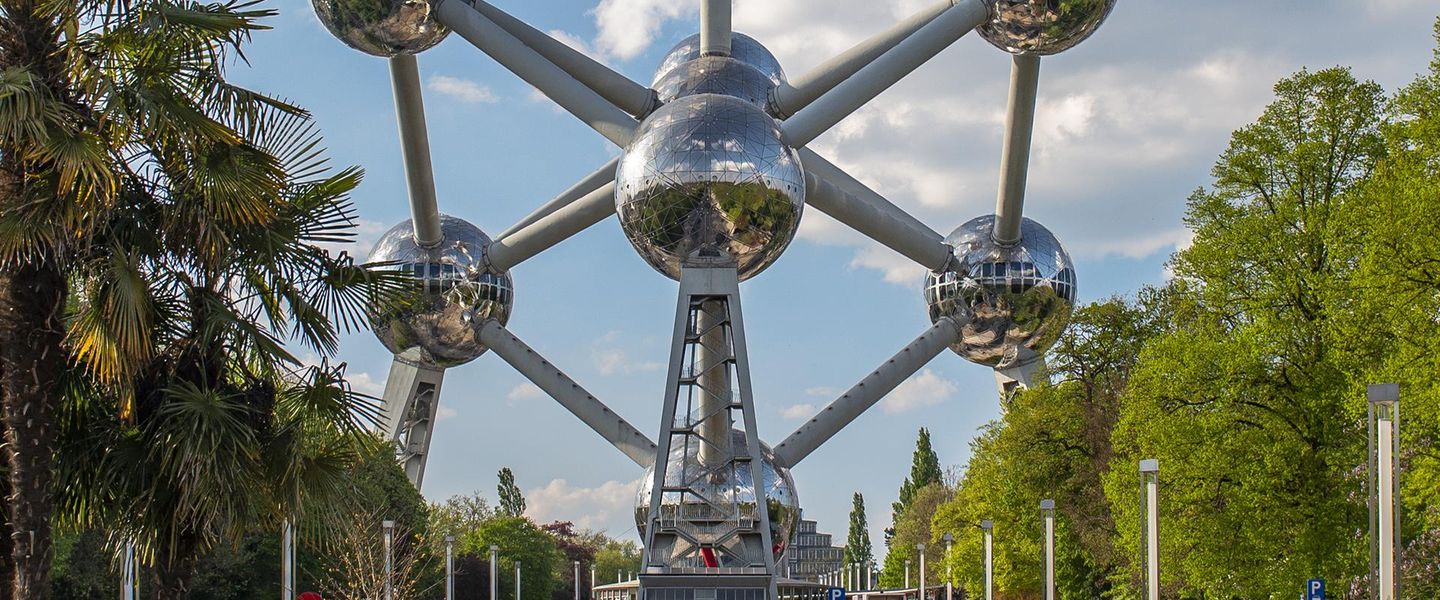


Explore Belgium’s Zenne Valley for Gothic Halle, Beersel Castle, bluebell woods, rose gardens, canal walks and lambic brewing traditions.
Read more about Zenne Valley
When is the best time to visit Zenne Valley?
Best: June–August · 22–24°C| Month | High (°C) | Rainfall (mm) |
|---|---|---|
| January | 7 | 70 |
| February | 7 | 60 |
| March | 11 | 70 |
| April | 15 | 60 |
| May | 19 | 70 |
| June (best) | 22 | 80 |
| July (best) | 24 | 80 |
| August (best) | 24 | 80 |
| September | 21 | 70 |
| October | 16 | 70 |
| November | 10 | 70 |
| December | 7 | 70 |
Getting to and around Zenne Valley
How to get there
Transportation
Top city travel guides in Zenne Valley
The cities of Zenne Valley, and the easiest places to base yourself.

Swipe for more cities
Best attractions in Zenne Valley
The Zenne Valley’s attractions combine compact historic towns with accessible countryside and a distinctive brewing culture. In Halle, the Basilica of Saint Martin and the town’s central streets provide an architectural and religious focus, while local museums and cultural venues explore the area’s history. Beersel is known for its medieval castle, and the surrounding municipality offers woodland, parkland and canal-side landscapes rather than a single concentrated tourism district. The Hallerbos, south of Halle, is the region’s best-known natural attraction, especially during the spring bluebell season, but its paths and mature woodland are worth visiting in other months as well. Sint-Pieters-Leeuw contributes the Coloma domain and rose garden, while Huizingen offers a large recreational park with gardens, open spaces and facilities for a longer family-oriented visit. Cycling and walking routes link portions of the valley, although the most urban stretches require attention to traffic and route planning. Brewery visits, where available by arrangement, add a cultural dimension rooted in lambic production and the agricultural landscape around the Senne.
-
Tourist attraction
Bobbejaanland
Discover thrilling rides and family fun at Bobbejaanland, Belgium's ultimate theme park destination for adventure seekers and families alike.
-
Park
Bois de la Cambre
Explore the serene beauty of Bois de la Cambre, Brussels' vibrant park perfect for relaxation, picnics, and recreational activities amidst nature.
-
Museum
Royal Belgian institute of Natural Sciences
Explore the Royal Belgian Institute of Natural Sciences, a premier museum in Brussels showcasing the wonders of our natural world.
-
Tourist attraction
Josaphat Park
Explore the serene beauty of Josaphat Park, a lush urban oasis in Schaerbeek perfect for relaxation, picnics, and nature walks.


Best landmarks in Zenne Valley
The Basilica of Saint Martin in Halle is the Zenne Valley’s most imposing historic landmark. Built largely in the Gothic tradition and associated with a long-standing pilgrimage to the Virgin Mary, it dominates the town centre with its stone architecture, tower and richly developed ecclesiastical interior. Beersel Castle provides a very different image: a medieval brick fortress with round towers, a moat and a strong defensive profile that remains striking beside the modern settlement. In Sint-Pieters-Leeuw, the Coloma domain and its landscaped gardens represent the region’s later estate and horticultural heritage, while the Senne and Brussels–Charleroi Canal are infrastructural landmarks that explain the valley’s industrial and transport history. The Hallerbos is a natural landmark rather than a monumental structure, its broad woodland and seasonal bluebell carpeting giving the southern valley a recognisable landscape identity. Together these places show how religious power, medieval defence, cultivated estates, transport engineering and woodland ecology have shaped the region.
-
Plaza
Grand Place
Explore Grand Place in Brussels, a UNESCO World Heritage site known for its stunning architecture and vibrant cultural scene.
-
Tourist attraction
Atomium
Discover the Atomium in Brussels: A stunning architectural gem with breathtaking views, rich history, and cultural exhibitions.
-
Fountain
Manneken Pis
Experience the charm of Manneken Pis, Brussels' iconic fountain that embodies the city's humor and spirit, attracting visitors from around the world.
-
Castle
Gravensteen
Explore the majestic Gravensteen Castle in Ghent, a medieval fortress filled with history, stunning architecture, and panoramic city views, perfect for all tourists.


Explore Zenne Valley on the map
Plan your trip on one map. See where the top cities, national parks and sights are, and book hotels and experiences in a few clicks.
Best hotels in Zenne Valley
Best restaurants in Zenne Valley
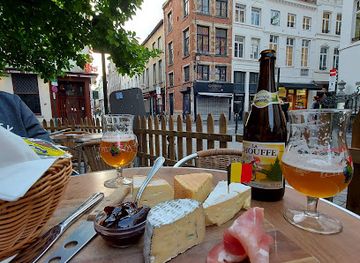
Dining in the Zenne Valley ranges from Belgian cafés and traditional pubs to contemporary restaurants in Halle, Beersel and the suburban communities closer to Brussels. The most distinctive local culinary association is lambic brewing, with gueuze and fruit lambic often served alongside regional dishes rather than treated simply as industrial beer. Menus reflect broader Belgian traditions, including seasonal produce, meat and poultry, croquettes, chips, waffles and substantial café fare, while rural establishments may emphasise ingredients from nearby farms. Around Halle and the larger settlements, visitors will find international food as well as Belgian cooking. Breweries and specialist beer venues can provide a useful introduction to the differences between lambic, gueuze and fruit varieties, but opening arrangements vary. Farmers’ markets, bakeries and independent food shops are practical places to encounter local products, particularly when planning a picnic for the woods, parks or canal paths.
-
Brasserie
Volle Gas
Savor authentic Belgian and French cuisine at Volle Gas in Ixelles—where culinary excellence meets inviting ambiance.
-
Modern European
La Quincaillerie
Discover La Quincaillerie: A Modern European restaurant in Ixelles offering delightful Belgian dishes with a contemporary twist.
-
Restaurant
Les Pénates Flagey
Experience culinary excellence at Les Pénates Flagey in Ixelles - a vibrant restaurant blending Mediterranean and Portuguese flavors.
-
Lebanese
Restaurant O'Syrie
Discover authentic Lebanese flavors at Restaurant O'Syrie, where every dish tells a story of culinary tradition and warmth.


Best bars in Zenne Valley
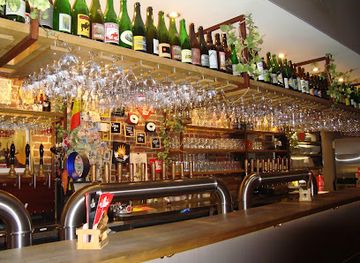
Evening life in the Zenne Valley is centred on Belgian cafés, brown pubs, beer bars and restaurant terraces rather than a large club scene. Halle provides the broadest choice of places to eat and drink, with activity concentrated around its central streets and squares; Beersel and the smaller communities offer a quieter selection of local cafés and traditional inns. Lambic, gueuze and fruit beers are important to the region’s drinking culture, and specialist venues may offer guided tastings or explanations of brewing methods, although they should not be confused with late-night clubs. Live music and seasonal town events can add energy at particular times, but programmes change and should be checked locally. Visitors staying in the rural parts of the valley will find that evenings generally finish earlier, with dining, conversation and small-scale hospitality more characteristic than extensive nightlife.
-
Bar
Delirium Café
Delirium Café: A vibrant hub in Brussels boasting an extensive beer selection and lively atmosphere, perfect for socializing and enjoying local flavors.
-
Beer hall
À La Mort Subite
Immerse yourself in the rich Belgian beer culture at À La Mort Subite, Brussels' iconic beer hall offering a delightful selection of brews and traditional cuisine.
-
Beer hall
Moeder Lambic Fontainas
Discover the heart of Belgian brewing at Moeder Lambic Fontainas, where craft beer meets a welcoming atmosphere in the heart of Brussels.
-
Bar
Poechenellekelder
Discover the whimsical charm and extensive Belgian beer selection at Poechenellekelder, a must-visit bar in the heart of Brussels.

Best nightclubs in Zenne Valley
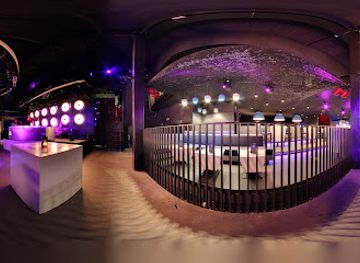
Evening life in the Zenne Valley is centred on Belgian cafés, brown pubs, beer bars and restaurant terraces rather than a large club scene. Halle provides the broadest choice of places to eat and drink, with activity concentrated around its central streets and squares; Beersel and the smaller communities offer a quieter selection of local cafés and traditional inns. Lambic, gueuze and fruit beers are important to the region’s drinking culture, and specialist venues may offer guided tastings or explanations of brewing methods, although they should not be confused with late-night clubs. Live music and seasonal town events can add energy at particular times, but programmes change and should be checked locally. Visitors staying in the rural parts of the valley will find that evenings generally finish earlier, with dining, conversation and small-scale hospitality more characteristic than extensive nightlife.
-
Night club
Versuz
Experience the electrifying nightlife at Versuz, Hasselt's premier night club, where music and dance come alive in a vibrant atmosphere.
-
Disco club
Spirito Brussels
Discover Spirito Brussels: a stylish disco club in Ixelles offering an unforgettable nightlife experience with eclectic music and vibrant ambiance.
-
Night club
Fuse
Fuse: The Heartbeat of Brussels' Nightlife, Where Techno Enthusiasts Unite for an Unforgettable Experience.
-
Disco club
C12
C12 in Brussels: Discover the electrifying disco club that defines the city's vibrant nightlife with great music and an unforgettable atmosphere.


Best shops in Zenne Valley
Shopping in the Zenne Valley is local and practical rather than centred on large luxury districts. Halle has the region’s most substantial high-street selection, with everyday shops, cafés, bakeries and independent businesses around the historic centre, while Beersel and Sint-Pieters-Leeuw provide smaller-scale retail and services. Market days and seasonal stalls can be good places to find fresh produce, bread, cheese and other Belgian specialities, although dates and locations vary. Specialist beer shops and brewery outlets are particularly relevant for visitors seeking lambic, gueuze and fruit beers, subject to producer sales arrangements and transport considerations. Garden-related products and plants may appeal to visitors interested in the area’s horticultural tradition, while local food shops offer more practical souvenirs than fragile craft items. For broader Belgian designer, antique and department-store shopping, Brussels is the nearby metropolitan option rather than part of the Zenne Valley itself.
-
Store
Docks Bruxsel
Discover Docks Bruxsel: the ultimate shopping and dining experience in Brussels, blending local charm with modern convenience.
-
Shopping mall
City2
Explore City2 - Brussels' vibrant shopping mall offering a mix of local and international brands, dining options, and exciting events.
-
Shopping mall
Rive Gauche
Discover Rive Gauche in Charleroi, Belgium, a shopping mall offering diverse retail, dining, and entertainment for an unforgettable experience.
-
Shopping mall
Woluwe Shopping Center
Experience the vibrant Woluwe Shopping Center, a retail haven with diverse shops and delectable dining options in the heart of Brussels.


Get your free copy of our complete guide to Zenne Valley, delivered straight to you.
Everything on this page, from attractions and restaurants to essentials and local phrases, in one PDF you can read offline, print or share.
Already have an account? Sign in
Your Zenne Valley guide is ready.
We'll send it to · Not you? Sign out

Getting your guide ready…
We are putting together a fresh copy of the Zenne Valley guide. This can take up to a minute.
This can take a few moments. If your browser asks, choose Allow so the download can start. You'll find the guide in your Downloads folder.
Nothing happened? Download it again
Sorry, the guide is taking longer than usual. Please try again in a minute, or get it by email instead.
Zenne Valley essentials
Currency and Payment
Safety
Emergency Situations
Do's and Don'ts
Local Tips
From Eve
Local phrases worth knowing
You don't need to get them perfect. A few words go a long way, and locals appreciate the effort.
Basics
| English | Local | Say it |
|---|---|---|
| Hello | Howdy | ['haʊdi] |
| Goodbye | See ya | ['si jə] |
| Yes | Yup | ['jʌp] |
| No | Nope | ['noʊp] |
| Please/You're welcome | Sure thing | ['ʃʊr θɪŋ] |
| Thank you | Thanks | ['θæŋks] |
| Excuse me/Sorry | Pardon me | ['pɑrdən mi] |
| How are you? | How's it going? | ['haʊz ɪt 'goʊɪŋ] |
| Fine. And you? | Good. You? | ['gʊd ju] |
| Do you speak English? | You speak English? | ['ju spik 'ɪŋɡlɪʃ] |
| I don't understand | I don’t get it | ['aɪ doʊnt 'ɡɛt ɪt] |
Eating & Drinking
| English | Local | Say it |
|---|---|---|
| I'd like to see the menu, please | Can I see the menu? | ['kæn aɪ si ðə 'mɛnju] |
| I don't eat meat | I'm a vegetarian | ['aɪm ə 'vɛdʒəˌtɛriən] |
| Cheers! | Cheers! | ['tʃɪrz] |
| I would like to pay, please | Can I get the check? | ['kæn aɪ ɡɛt ðə 'tʃɛk] |
Emergencies
| English | Local | Say it |
|---|---|---|
| Help! | Help! | ['hɛlp] |
| Go away! | Leave me alone! | ['liːv mi ə'loʊn] |
| Call the Police! | Call the cops! | ['kɔl ðə 'kɑps] |
| Call a doctor! | Get a doctor! | ['ɡɛt ə 'dɑktər] |
| I'm lost | I'm lost | ['aɪm lɔst] |
| I'm ill | I feel sick | ['aɪ fiːl sɪk] |
Shopping
| English | Local | Say it |
|---|---|---|
| I'd like to buy... | I want to buy... | ['aɪ wɑnt tə baɪ] |
| I'm just looking | Just browsing | ['dʒʌst 'braʊzɪŋ] |
| How much is it? | What's the price? | ['wʌts ðə 'praɪs] |
| That's too expensive | That's a bit pricey | ['ðæts ə bɪt 'praɪsi] |
| Can you lower the price? | Can you knock down the price? | ['kæn ju nɑk daʊn ðə 'praɪs] |
Time & Numbers
| English | Local | Say it |
|---|---|---|
| What time is it? | What time is it? | ['wʌt taɪm ɪt] |
| It's one o'clock | It's one o'clock | ['ɪts wʌn ə'klɑk] |
| Half past (10) | Half past ten | ['hæf pæst tɛn] |
| Morning | Morning | ['mɔrnɪŋ] |
| Afternoon | Afternoon | ['æftərˌnun] |
| Evening | Evening | ['ivnɪŋ] |
| Yesterday | Yesterday | ['jɛstərdeɪ] |
| Today | Today | ['tə'deɪ] |
| Tomorrow | Tomorrow | [tə'mɔroʊ] |
| 1 | One | ['wʌn] |
| 2 | Two | ['tu] |
| 3 | Three | ['θri] |
| 4 | Four | ['fɔr] |
| 5 | Five | ['faɪv] |
| 6 | Six | ['sɪks] |
| 7 | Seven | ['sɛvən] |
| 8 | Eight | ['eɪt] |
| 9 | Nine | ['naɪn] |
| 10 | Ten | ['tɛn] |
Transport & Directions
| English | Local | Say it |
|---|---|---|
| Where's a/the...? | Where's the...? | ['wɛrz ðə] |
| What's the address? | What's the address? | ['wʌts ði ə'drɛs] |
| Can you show me (on the map)? | Can you point it out? | ['kæn ju pɔɪnt ɪt aʊt] |
| When's the next (bus)? | When's the next bus? | ['wɛn ðə nɛkst bʌs] |
| A ticket (to ....) | A ticket to... | ['ə 'tɪkɪt tə] |
History of Zenne Valley
Early settlement and the Senne corridor
The Senne valley has long provided a natural route through the landscapes south-west of Brussels. Archaeological evidence from the wider region records prehistoric settlement and farming, followed by Roman activity in the surrounding parts of central Belgium. The river, its tributary valleys and later roads helped connect communities across what is now Flemish Brabant and the Brussels periphery. Much of the early landscape has been transformed by cultivation and modern development, but the valley’s basic geography still explains the location of its towns, transport routes and agricultural clearings.
Medieval Halle and pilgrimage
Halle developed as an important medieval settlement on the Senne, aided by its position on regional routes and by pilgrimage to the image of the Virgin Mary preserved in the town. Its Basilica of Saint Martin grew into a major Gothic church, reflecting Halle’s religious importance and the resources available to its civic and ecclesiastical institutions. The town’s pilgrimage tradition remains part of its identity, while the basilica, market centre and historic street pattern provide some of the clearest evidence of the valley’s medieval urban development.
Beersel Castle and medieval defence
Beersel Castle was built and developed as a fortified residence in the medieval period, guarding routes south of Brussels and expressing the power of local lords. Its towers, moat and brick defensive form are particularly significant because the structure remains unusually legible despite later changes in warfare and land use. The castle was associated with the influential House of Withem, whose members held important positions in the Duchy of Brabant. Today, it stands as a physical reminder that the apparently gentle valley was once part of a politically contested landscape.
Canals, roads and industrial change
The valley changed substantially from the eighteenth and nineteenth centuries as improved roads, waterways and railways connected its towns more closely with Brussels and the industrial centres of central Belgium. The Brussels–Charleroi Canal brought freight movement and related industry, while rail links encouraged commuting, manufacturing and the growth of settlements along the corridor. These developments created the mixed landscape visible today: historic town centres and village churches sit close to canal infrastructure, railway lines, warehouses and suburban housing.
Lambic brewing and regional agriculture
The Zenne Valley and neighbouring Pajottenland became associated with lambic, a beer fermented through exposure to naturally occurring yeasts rather than by adding a standard cultivated yeast culture. The valley’s traditional breweries and blending practices helped establish the identity of gueuze and fruit lambic, while surrounding farms supplied agricultural products and helped preserve open land. Brewing has modernised, but traditional producers and specialist visitors continue to connect the region’s contemporary economy with its distinctive environmental and agricultural heritage.
Twentieth-century urban pressure and renewal
During the twentieth century, the valley moved from a primarily rural and small-town economy towards an integrated suburban and industrial zone linked to Brussels. Population growth, road building and commercial development altered the Senne corridor, while river pollution and the loss of open land became significant environmental concerns. More recent planning has placed greater emphasis on water management, ecological corridors, heritage conservation and accessible recreation. The present valley therefore reflects both the pressures of metropolitan expansion and efforts to protect its woods, parks, waterways and historic identity.
Zenne Valley in Photos
Browse through our photo collection highlighting the charm and character of the destination.
Neighbouring regions of Zenne Valley
The closest regions to Zenne Valley, if you have time for more than one.
-

-

-

-

-


Swipe for more regions
Explore more

Explore more of Belgium
Discover Belgium: A blend of medieval charm, culinary delights, and stunning landscapes. Explore historic cities, savor exquisite chocolates, and enjoy a perfect getaway.
Explore Belgium