

Free Dyle Valley Travel Guide & Mobile App
Explore Dyle Valley with free travel guides. Discover regional history, expert tips, proposed trips, and audio guides on web or mobile app.


Explore Belgium’s Dyle Valley for Leuven’s heritage, Wavre’s culture, river walks, university towns, woodland and Brabant food traditions.
Read more about Dyle Valley
When is the best time to visit Dyle Valley?
Best: June–August · 22–24°C| Month | High (°C) | Rainfall (mm) |
|---|---|---|
| January | 6 | 70 |
| February | 7 | 60 |
| March | 11 | 65 |
| April | 15 | 70 |
| May | 19 | 75 |
| June (best) | 22 | 80 |
| July (best) | 24 | 80 |
| August (best) | 24 | 80 |
| September | 20 | 75 |
| October | 16 | 70 |
| November | 10 | 75 |
| December | 7 | 80 |
Getting to and around Dyle Valley
How to get there
Transportation
Top city travel guides in Dyle Valley
The cities of Dyle Valley, and the easiest places to base yourself.
-

-

-

-

-

-


Swipe for more cities
Destinations in Dyle Valley
Resorts, valleys and scenic spots worth a trip of their own.
-
-


Swipe for more destinations
Best attractions in Dyle Valley
The Dyle Valley offers a varied combination of urban heritage, university culture and accessible countryside. Leuven is the main cultural centre, with its historic university buildings, museums, churches and the Groot Begijnhof, while the surrounding villages lead towards river meadows and wooded hills. The Doode Beemde nature reserve near Oud-Heverlee and Sint-Joris-Weert is notable for wet grassland, streams and quiet walking routes, and Meerdaal Forest provides longer woodland excursions on foot or by bicycle. In the southern valley, Louvain-la-Neuve offers a contrasting modern experience through its pedestrian planning, university institutions and museums, including the Hergé Museum. Ottignies adds parks, woodland and the Bois des Rêves recreational area, while Wavre provides shopping, civic architecture and family entertainment, including Walibi Belgium nearby. Historic farms, village churches, former estates and river landscapes fill the spaces between the main towns, making the region particularly suitable for visitors who prefer to combine museums and architecture with short outdoor journeys rather than focus on a single metropolitan centre.
-
Plaza
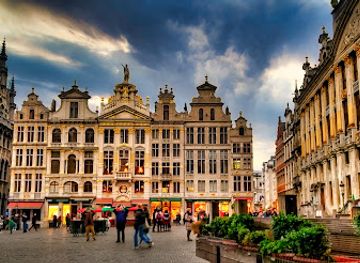
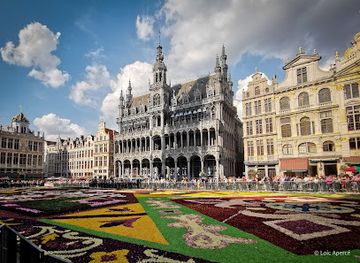
Grand Place
Discover the breathtaking beauty of Grand Place, Brussels' historic square, renowned for its stunning architecture and vibrant atmosphere.
-
Tourist attraction
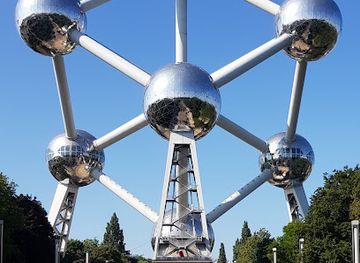
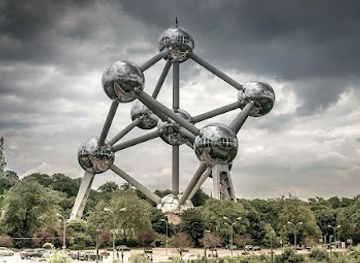
Atomium
Visit the Atomium in Brussels, an architectural wonder and cultural landmark offering breathtaking views and fascinating exhibits.
-
Tourist attraction
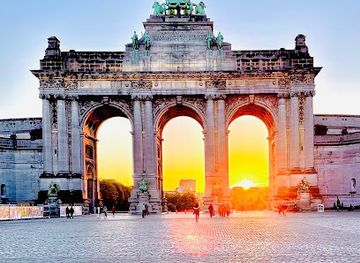
Parc du Cinquantenaire
Explore the lush gardens, iconic monuments, and museums at Parc du Cinquantenaire, a must-visit green oasis in the heart of Brussels.
-
Tourist attraction
Manneken Pis
Discover the charm of Manneken Pis, the iconic fountain statue in Brussels, representing the city's humor and rich cultural history.
Best landmarks in Dyle Valley
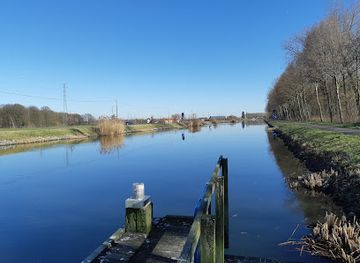
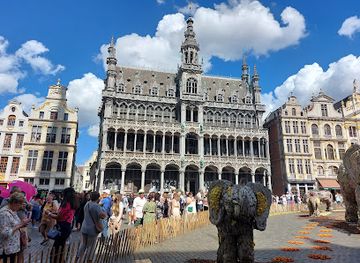
Leuven’s Gothic Town Hall is the Dyle Valley’s most recognisable civic landmark, its highly ornamented façade embodying the wealth and ambition of late-medieval Brabant. Nearby, the Church of Saint Peter anchors the historic Grote Markt, while the Groot Begijnhof spreads along the Dyle in a carefully preserved network of brick streets, bridges, courtyards and former beguine houses. The site’s scale and coherence explain its international heritage importance. In Heverlee, Arenberg Castle and its surrounding parkland represent the valley’s aristocratic and academic past, with a historic estate later connected to the university. Louvain-la-Neuve provides a deliberate architectural counterpoint: its raised walkways, pedestrian core and modern university buildings form a planned twentieth-century town rather than a medieval centre. The Dyle itself is a less monumental but equally defining landmark, appearing as a narrow urban watercourse in Leuven and as a meandering river through meadows and woodland farther south. Village churches, farm complexes and former mills complete the valley’s more intimate landmark landscape.
-
Plaza
Grand Place
Experience the enchanting Grand Place of Brussels, a UNESCO World Heritage site, where stunning architecture meets rich history and vibrant culture.
-
Tourist attraction
Atomium
Experience the Atomium in Brussels, a unique architectural marvel offering stunning views and rich cultural exhibitions in a captivating setting.
-
 Park
ParkParc du Cinquantenaire
Explore the lush beauty and rich history of Parc du Cinquantenaire, a serene urban park in Brussels, perfect for relaxation and cultural discovery.
-
Fountain
Manneken Pis
Visit Manneken Pis, the charming fountain in Brussels, and experience the playful spirit that symbolizes the city's unique culture and traditions.
Explore Dyle Valley on the map
Plan your trip on one map. See where the top cities, national parks and sights are, and book hotels and experiences in a few clicks.
Best hotels in Dyle Valley
Best restaurants in Dyle Valley
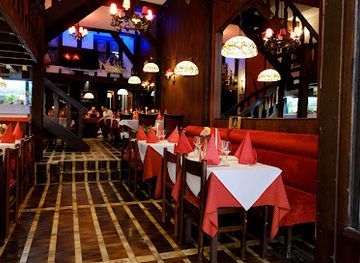
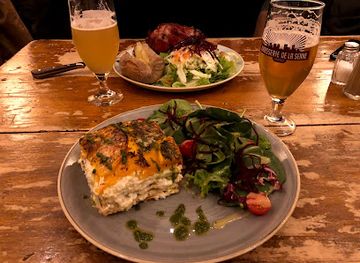
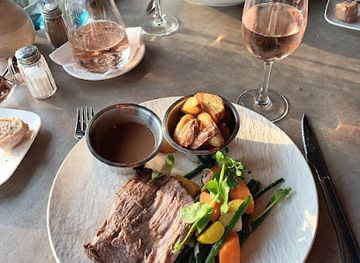
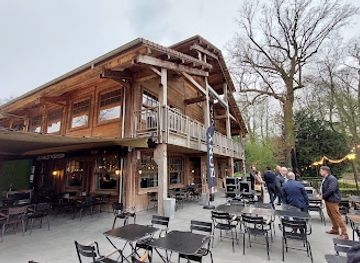
Dining in the Dyle Valley draws on Belgium’s broad culinary traditions while reflecting the contrast between university cities, Walloon towns and rural Brabant. Leuven has the region’s widest selection of cafés, brasseries, international restaurants and beer-focused venues, with student demand supporting a lively but varied food scene. Wavre, Ottignies and Louvain-la-Neuve offer French-speaking Belgian cooking alongside contemporary European and international options. In villages and countryside districts, look for traditional inns, bakeries and small restaurants serving seasonal dishes, meat, vegetable preparations and regional beers rather than expecting a dense restaurant selection. Belgian staples such as fries, waffles, chocolate, mussels and carbonnade are widely available, while local breweries and cafés give Leuven a particularly strong beer identity. Farmers’ markets and specialist food shops are useful for bread, cheese, chocolate, fruit, beer and picnic supplies for walks beside the Dyle or in the forests.
-
Seafood
The Lobster House
Discover exquisite seafood dining at The Lobster House in Brussels, where fresh ingredients meet exceptional service for an unforgettable experience.
-
Belgian
Fin de Siècle
Discover the essence of Belgian cuisine at Fin de Siècle – where tradition meets taste in a cozy Brussels setting.
-
Belgian
Atomium-Restaurant
Experience exquisite Belgian cuisine with stunning views at the iconic Atomium-Restaurant in Brussels.
-
Brasserie
Chalet Robinson
Discover Chalet Robinson in Brussels – where exquisite Belgian and French cuisine meets tranquil natural beauty.
Best bars in Dyle Valley
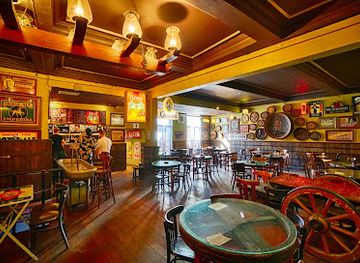
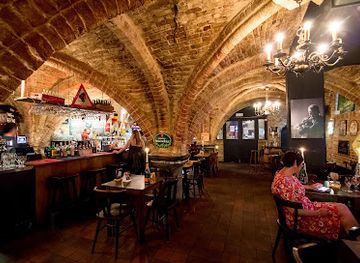
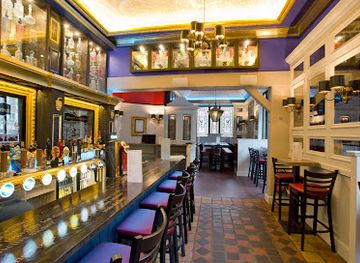
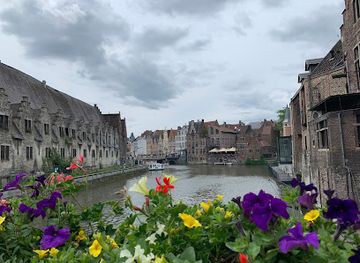
Nightlife is strongest in Leuven, where a large student population supports an extensive concentration of cafés, beer bars, late-opening venues and live entertainment around the historic centre. The atmosphere ranges from traditional Belgian beer houses to modern bars, but visitors should not assume that every venue offers the same music or late hours. Louvain-la-Neuve also has a substantial student-oriented evening scene, with cafés, bars and cultural programming linked to the university. Wavre and Ottignies are quieter and more local in character, with evening activity centred on restaurants, cafés, pubs and occasional live performances rather than a large club district. In rural parts of the valley, the traditional pub or village restaurant is usually the principal evening option. Check current arrangements locally, as student calendars, holidays and seasonal events can significantly affect opening patterns.
-
Bar
Delirium Café
Discover the iconic Delirium Café in Brussels, where beer lovers unite over 2000 varieties in a vibrant and welcoming atmosphere.
-
Bar
Le Trappiste
Experience the heart of Bruges with a visit to Le Trappiste, a cozy bar and café offering a unique selection of Belgian beers.
-
Irish pub
The Wild Geese
Experience the spirit of Ireland in Brussels at The Wild Geese, where hearty cuisine and lively entertainment await.
-
Bar
't Dreupelkot
Explore the rich flavors of jenever at 't Dreupelkot, a must-visit bar in the heart of Ghent, Belgium, known for its unique ambiance and quality drinks.
Best nightclubs in Dyle Valley
Nightlife is strongest in Leuven, where a large student population supports an extensive concentration of cafés, beer bars, late-opening venues and live entertainment around the historic centre. The atmosphere ranges from traditional Belgian beer houses to modern bars, but visitors should not assume that every venue offers the same music or late hours. Louvain-la-Neuve also has a substantial student-oriented evening scene, with cafés, bars and cultural programming linked to the university. Wavre and Ottignies are quieter and more local in character, with evening activity centred on restaurants, cafés, pubs and occasional live performances rather than a large club district. In rural parts of the valley, the traditional pub or village restaurant is usually the principal evening option. Check current arrangements locally, as student calendars, holidays and seasonal events can significantly affect opening patterns.
-
Disco club
Carré
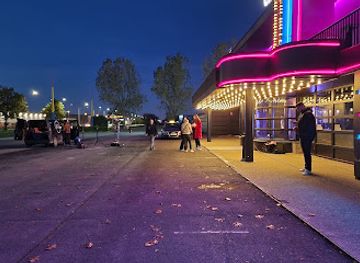
Experience the vibrant nightlife at Carré, Willebroek's premier disco club, where electrifying music and unforgettable events await.
-
Disco club
Spirito Brussels
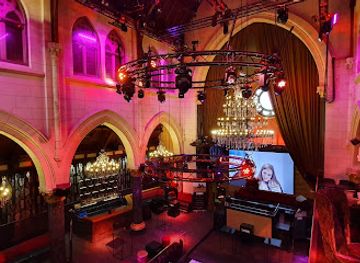
Experience the electrifying nightlife at Spirito Brussels, where chic decor meets pulsating beats in an unforgettable disco atmosphere.
-
Disco club
FLAGDEL
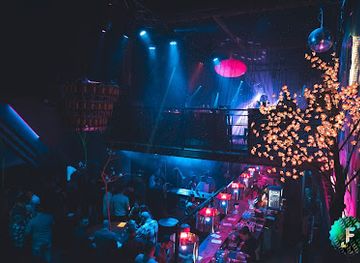
Experience the electrifying nightlife at FLAGDEL, the premier disco club in Namur, Belgium, where the music never stops.
-
Disco club
Rio club
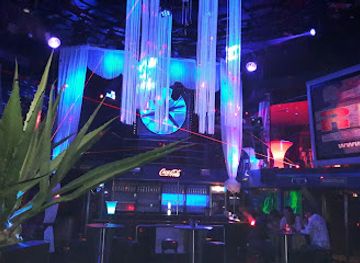
Discover the electrifying nightlife of Rio Club in Sint-Katelijne-Waver, where every night is a vibrant celebration of music and dance.
Best shops in Dyle Valley
Shopping varies considerably across the Dyle Valley. Leuven has the broadest selection, with central pedestrian streets containing national retailers, independent boutiques, bookshops, delicatessens, cafés and specialist beer and chocolate shops. The historic centre is particularly suitable for combining shopping with architectural sightseeing, while university districts add stationery, books and an international range of food outlets. Wavre and Ottignies serve as practical shopping centres for Walloon Brabant, with high-street stores, cafés and local services rather than a major luxury-shopping scene. Louvain-la-Neuve’s pedestrian centre has a modern retail character shaped by the university and surrounding residential development. In smaller towns and villages, markets, bakeries, farm shops and independent food shops are more useful than conventional retail. Good regional purchases include Belgian chocolate, beer from Brabant breweries, bread, cheese and locally produced preserves; visitors should check food and drink transport rules when taking purchases across borders by air.
-
Shopping mall
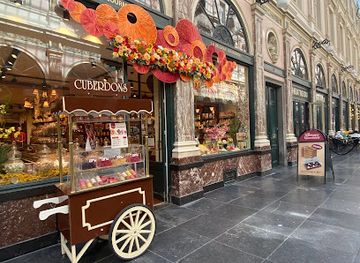
Royal Gallery of Saint Hubert
Discover the Royal Gallery of Saint Hubert, a stunning shopping arcade in Brussels filled with luxury boutiques, delightful cafes, and rich history.
-
Store
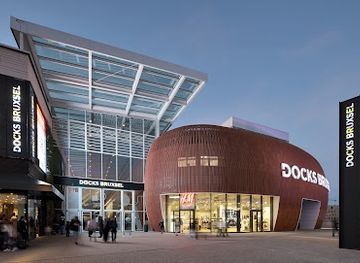
Docks Bruxsel
Docks Bruxsel: Your ultimate destination for shopping, dining, and entertainment in the heart of Brussels.
-
Shopping mall
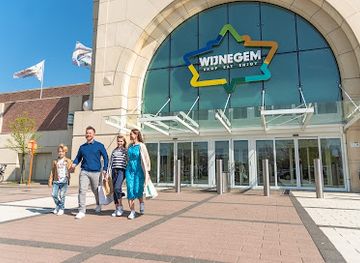
Wijnegem - Shop Eat Enjoy
Discover endless shopping, dining, and entertainment at Wijnegem - Shop Eat Enjoy, the ultimate destination for a perfect day out in Belgium.
-
Shopping mall
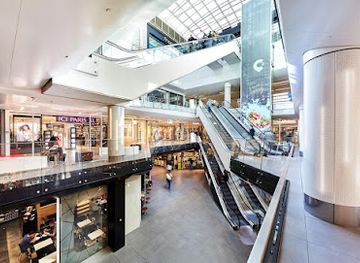
City2
Discover the ultimate shopping experience in Brussels at City2, where fashion, dining, and culture converge in one vibrant location.
Get your free copy of our complete guide to Dyle Valley, delivered straight to you.
Everything on this page, from attractions and restaurants to essentials and local phrases, in one PDF you can read offline, print or share.
Already have an account? Sign in
Your Dyle Valley guide is ready.
We'll send it to · Not you? Sign out

Getting your guide ready…
We are putting together a fresh copy of the Dyle Valley guide. This can take up to a minute.
This can take a few moments. If your browser asks, choose Allow so the download can start. You'll find the guide in your Downloads folder.
Nothing happened? Download it again
Sorry, the guide is taking longer than usual. Please try again in a minute, or get it by email instead.
Dyle Valley essentials
Currency and Payment
Safety
Emergency Situations
Do's and Don'ts
Local Tips
From Eve
Local phrases worth knowing
You don't need to get them perfect. A few words go a long way, and locals appreciate the effort.
Basics
| English | Local | Say it |
|---|---|---|
| Hello | Salut | [sah-loo] |
| Goodbye | Au revoir | [oh ruh-vwahr] |
| Yes | Oui | [wee] |
| No | Non | [noh] |
| Please/You're welcome | S'il vous plaît | [seel voo pleh] |
| Thank you | Merci | [mehr-see] |
| Excuse me/Sorry | Excusez-moi | [ehk-skew-zay mwah] |
| How are you? | Comment ça va? | [koh-mohn sah vah] |
| Fine. And you? | Bien. Et vous? | [byan. eh voo?] |
| Do you speak English? | Parlez-vous anglais? | [par-lay voo ahn-glay?] |
| I don't understand | Je ne comprends pas | [zhuh nuh kom-prahnd pah] |
Eating & Drinking
| English | Local | Say it |
|---|---|---|
| I'd like to see the menu, please | Je voudrais voir le menu, s'il vous plaît | [zhuh voo-dray vwar luh meh-nu, seel voo pleh] |
| I don't eat meat | Je ne mange pas de viande | [zhuh nuh mahnj pah duh vyahnd] |
| Cheers! | Santé! | [sahn-tay] |
| I would like to pay, please | Je voudrais payer, s'il vous plaît | [zhuh voo-dray pay-ay, seel voo pleh] |
Emergencies
| English | Local | Say it |
|---|---|---|
| Help! | Au secours! | [oh suh-koor] |
| Go away! | Allez-vous-en! | [ah-lay voo-zahn] |
| Call the Police! | Appelez la police! | [ah-peh-lay lah poh-lees] |
| Call a doctor! | Appelez un docteur! | [ah-peh-lay uhn dok-teur] |
| I'm lost | Je suis perdu | [zhuh swee pair-dyoo] |
| I'm ill | Je suis malade | [zhuh swee mah-lahd] |
Shopping
| English | Local | Say it |
|---|---|---|
| I'd like to buy... | Je voudrais acheter... | [zhuh voo-dray ah-sheh-tay...] |
| I'm just looking | Je regarde juste | [zhuh ruh-gard zhoost] |
| How much is it? | C'est combien? | [seh kohm-byen?] |
| That's too expensive | C'est trop cher | [seh troh shair] |
| Can you lower the price? | Pouvez-vous baisser le prix? | [poo-vay voo beh-say luh pree?] |
Time & Numbers
| English | Local | Say it |
|---|---|---|
| What time is it? | Quelle heure est-il? | [kel uhr eh-teel?] |
| It's one o'clock | Il est une heure | [eel eh ewn uhr] |
| Half past (10) | Dix heures et demie | [deez uhr eh duh-mee] |
| Morning | Matin | [mah-tan] |
| Afternoon | Après-midi | [ah-preh mee-dee] |
| Evening | Soir | [swahr] |
| Yesterday | Hier | [ee-air] |
| Today | Aujourd'hui | [oh-zhoor-dwee] |
| Tomorrow | Demain | [duh-manh] |
| 1 | Un | [uhn] |
| 2 | Deux | [duh] |
| 3 | Trois | [trwah] |
| 4 | Quatre | [katr] |
| 5 | Cinq | [sank] |
| 6 | Six | [sees] |
| 7 | Sept | [set] |
| 8 | Huit | [weet] |
| 9 | Neuf | [nuhf] |
| 10 | Dix | [deez] |
Transport & Directions
| English | Local | Say it |
|---|---|---|
| Where's a/the...? | Où est un/une...? | [oo eh uhn/oon...?] |
| What's the address? | Quelle est l'adresse? | [kel eh la-dress?] |
| Can you show me (on the map)? | Pouvez-vous me montrer (sur la carte)? | [poo-vay voo muh mon-tray (sur lah kart)?] |
| When's the next (bus)? | Quand est le prochain (bus)? | [kahn eh luh pro-shen (boos)?] |
| A ticket (to ....) | Un billet (pour....) | [uhn bee-yay (poor....)] |
History of Dyle Valley
Early settlement and the Dyle landscape
The Dyle basin has supported settlement, farming and movement since prehistoric times. Its river terraces, fertile soils and wooded uplands provided contrasting resources: wet meadows beside the water, arable land on higher ground and timber in the forests around Meerdaal and the eastern Brabant plateau. Archaeological traces in the wider Brabant countryside point to long occupation before written records, although the valley’s most visible historic character developed later through medieval villages, churches, farms and estate landscapes. The relationship between water, woodland and cultivation remains central to the region’s identity.
The medieval Duchy of Brabant
During the Middle Ages, the Dyle Valley formed part of the Duchy of Brabant, a territory whose towns and rulers were closely connected with the political and commercial life of the Low Countries. Leuven grew as an important urban and administrative centre, while river crossings, market settlements and religious foundations helped organise the surrounding countryside. Medieval parish churches, village layouts and surviving farm complexes reflect this period of consolidation. Wavre and other settlements in the southern valley developed within the Walloon Brabant sphere, but the entire corridor shared the broader political history of Brabant.
Leuven University and the growth of learning
The University of Leuven, founded in 1425, profoundly shaped the northern Dyle Valley. Its colleges, libraries, religious foundations and student communities made Leuven one of the principal centres of learning in the Low Countries. The university’s history was not uninterrupted: the old university was suppressed during the French period, and the modern Catholic University of Leuven was established in the nineteenth century. In the 1960s, conflict over language led to the division of the university and the creation of the French-speaking Université catholique de Louvain at Louvain-la-Neuve. This produced one of the most distinctive modern landscapes in the valley.
Beguinages, religious life and urban heritage
Religious institutions played a substantial role in the social and architectural development of the valley. Leuven’s Groot Begijnhof, founded in the thirteenth century and expanded over subsequent centuries, housed a community of beguines, women who lived a religious life without taking monastic vows. Its brick streets, small bridges, courtyards and former houses preserve the scale of a historic community beside the Dyle. Monasteries, parish churches, chapels and charitable foundations elsewhere in the valley likewise influenced settlement patterns and landholding, leaving a legacy that remains visible in both urban and rural architecture.
Agriculture, estates and early industry
For centuries, the valley economy combined cultivation, livestock, forestry, brewing, milling and local trade. Aristocratic estates and country residences occupied wooded or elevated land, while farms and water-dependent activities clustered around villages and the river. Leuven became particularly associated with brewing, supported by regional grain production and urban demand. Later roads and railways strengthened links between Leuven, Ottignies, Wavre and Brussels, encouraging commuting and the movement of goods. The resulting landscape is a mixture of historic farms, estate woodland, industrial remnants and expanding residential districts.
The First World War and reconstruction
The Dyle Valley was affected by the German invasion of Belgium in 1914, when Leuven suffered severe destruction, including the burning of its historic library and damage to parts of the city. The event caused international shock and became a powerful symbol of wartime cultural loss. Leuven was subsequently rebuilt, and its university library was reconstructed with international support after the war. The conflict also altered communities across Brabant through requisitioning, displacement and military occupation, while later reconstruction contributed to the changing appearance of the region’s towns.
Louvain-la-Neuve and Belgium’s linguistic settlement
The creation of Louvain-la-Neuve in the 1970s was one of the most consequential modern developments in the valley. It followed the linguistic division of the University of Leuven, with the French-speaking university relocating to Walloon Brabant. Built around a pedestrian centre, raised circulation routes and a deliberately planned urban structure, the new town represented a major experiment in university-led development. It expanded the southern Dyle Valley’s cultural and economic importance while making the linguistic frontier a visible part of the region’s contemporary geography.
Dyle Valley in Photos
Browse through our photo collection highlighting the charm and character of the destination.
Neighbouring regions of Dyle Valley
The closest regions to Dyle Valley, if you have time for more than one.
-

-

-

-

-


Swipe for more regions
Explore more

Explore more of Belgium
Discover Belgium: A blend of medieval charm, culinary delights, and stunning landscapes. Explore historic cities, savor exquisite chocolates, and enjoy a perfect getaway.
Explore Belgium