

Saint-Gilles (Brussels) Travel Guide - Free
Explore Saint-Gilles in Brussels with Evendo's free guide. Find the best shops, historic streets, restaurants, and gems on web or mobile.


Saint-Gilles in Brussels blends Art Nouveau townhouses, the Horta Museum, Parvis cafés, multicultural dining and lively local streets for curious visitors.
Village Origins and Urban Character
Saint-Gilles occupies the southern slope of central Brussels, extending from the broad transport interchange around Brussels-Midi towards the leafy heights bordering Forest. Its identity is more local and layered than the grand civic centre: steep streets, compact squares, late-nineteenth-century townhouses and busy cafés create a neighbourhood that feels lived-in as well as architecturally important. The area grew from the former village of Obbrussel, whose name means ‘upper Brussels’, and the parish of Saint-Gilles gradually gave the district its modern name.Read more about Saint-Gilles
Art Nouveau and Everyday Streets
Parvis, Markets and Local Life
Best attractions in Saint-Gilles
Saint-Gilles’s principal attraction is the Maison Horta, the former home and studio of Victor Horta, where the architect’s flowing staircases, built-in furniture, light wells and decorative details make Art Nouveau legible as a complete domestic environment. Around it, streets such as Rue Américaine, Rue Defacqz and Rue Paul-Émile Janson form an open-air architectural trail of townhouses, although many interiors are private. Place du Parvis de Saint-Gilles provides a more sociable focus, with the nineteenth-century church, market activity and cafés framing everyday neighbourhood life. The Saint-Gilles town hall is another worthwhile exterior, while the route towards Barrière de Saint-Gilles reveals changing views across the slopes and a mixture of civic, commercial and residential architecture. Brussels-Midi is primarily a transport hub rather than a sightseeing attraction, but its presence helps explain Saint-Gilles’s busy southern edge.
-
 Tourist attraction
Halle Gate
Explore Brussels' medieval history at the Halle Gate, a preserved city gate transformed into a museum with panoramic city views.
5 min walk · 0.4 km from neighbourhood centre
-
Tourist attraction
Zuidertoren
Experience the architectural beauty of Zuidertoren in Saint-Gilles, a must-see tourist attraction in Brussels offering stunning views and rich cultural insights.
13 min walk · 1.1 km from neighbourhood centre
-
Tourist attraction
Fresque BD Spirou
Explore the vibrant Fresque BD Spirou mural in Brussels, a celebration of the iconic comic character and a highlight for art and culture enthusiasts.
13 min walk · 1.0 km from neighbourhood centre
-
Tourist attraction
The Glacière
Explore The Glaciere in Brussels - A historic icehouse turned cultural gem showcasing the city's rich heritage and creativity.
15 min walk · 1.2 km from neighbourhood centre


Best landmarks in Saint-Gilles
The Maison Horta is Saint-Gilles’s defining architectural landmark, not simply because it preserves Victor Horta’s residence and studio but because its plan, materials and ornament show how Belgian Art Nouveau reshaped domestic space. The Saint-Gilles town hall, with its prominent civic presence, reflects the municipality’s growth during the period when the former village became a dense Brussels suburb. The local church at Place du Parvis anchors the neighbourhood’s historic centre and remains part of its daily public setting. The Saint-Gilles Prison, a substantial late-nineteenth-century complex, is another unmistakable landmark, although it is a working institutional site rather than a conventional visitor attraction. Around these buildings, rows of Art Nouveau and eclectic townhouses provide the most extensive landmark landscape: individual façades, balconies, sgraffito and doorways reveal the ambitions of the urban expansion that shaped modern Saint-Gilles.
-
Museum
Halle Gate
Explore the medieval charm of Halle Gate in Brussels, a captivating museum showcasing the city's rich history and architectural heritage.
5 min walk · 0.4 km from neighbourhood centre
-
Market
Market Parvis Saint-Gilles
Discover the vibrant Market Parvis Saint-Gilles in Brussels, where fresh produce, artisanal goods, and local culture come alive every weekend.
2 min walk · 0.1 km from neighbourhood centre
-
City park
Louis Morichar Place
Explore the tranquil beauty of Louis Morichar Place, a lush city park in Saint-Gilles, perfect for relaxation and leisurely strolls amid nature.
5 min walk · 0.4 km from neighbourhood centre
-
Park
Parc Pierre Paulus
Discover Parc Pierre Paulus in Brussels: a charming oasis of nature, art, and history in the heart of Saint-Gilles.
4 min walk · 0.3 km from neighbourhood centre


Explore Saint-Gilles on the map
A handpicked selection of must-see spots in Saint-Gilles, mapped for you.
Best hotels in Saint-Gilles
Best restaurants in Saint-Gilles
Dining in Saint-Gilles is concentrated around Place du Parvis, Chaussée de Waterloo, Chaussée de Charleroi and the streets between them, where Belgian staples sit alongside food shaped by the neighbourhood’s international population. Visitors will find cafés and brasseries suited to a long coffee or a plate of familiar Brussels cooking, as well as restaurants offering North African, Mediterranean, Middle Eastern, Asian and other contemporary influences. Bakeries, speciality food shops and casual addresses add to the area’s everyday culinary rhythm rather than forming a single formal dining quarter. The Parvis is the easiest place to survey the scene, while quieter side streets provide a more residential setting. Menus, ownership and opening arrangements change, so the strongest approach is to treat Saint-Gilles as a neighbourhood for browsing several streets rather than arriving with a fixed list of fashionable venues.
-
Italian
CiPiaCe
Experience authentic Italian flavors at CiPiaCe in Brussels—your go-to destination for brunch and cocktails.
2 min walk · 0.1 km from neighbourhood centre
-
Belgian
La Porteuse d'Eau
Discover authentic Belgian cuisine at La Porteuse d'Eau in Saint-Gilles, where tradition meets taste in every delicious dish.
3 min walk · 0.3 km from neighbourhood centre
-
Restaurant
Fernand Obb Delicatessen Saint-Gilles
Discover gourmet delights at Fernand Obb Delicatessen in Saint-Gilles - a haven for food lovers seeking authentic Belgian flavors.
5 min walk · 0.4 km from neighbourhood centre
-
Restaurant
Le 203
Discover Le 203: A top-rated restaurant in Saint-Gilles offering creative Belgian cuisine in a cozy atmosphere.
5 min walk · 0.4 km from neighbourhood centre


Best bars in Saint-Gilles
Saint-Gilles has an active but locally scaled evening scene, centred particularly on Place du Parvis and the bars, cafés and restaurants extending along Chaussée de Waterloo and nearby streets. The atmosphere ranges from Belgian beer in traditional cafés to contemporary cocktail and wine-focused places, with conversations spilling onto terraces when conditions allow. It is better known for sociable neighbourhood evenings than for large nightclubs, and the area’s nightlife sits alongside ordinary homes and small businesses. Cultural venues and the wider Brussels arts circuit can add to the evening possibilities, but the most characteristic experience is moving between independent bars and cafés rather than seeking a single entertainment complex. Around Brussels-Midi, activity is more closely linked to transport and late travel, so visitors should distinguish that functional edge from the more settled social life around the Parvis.
-
Bar
Le Malte Bruxelles
Experience the vibrant nightlife and exquisite cuisine at Le Malte Bruxelles, a trendy bar and restaurant in Saint-Gilles, the heart of Brussels.
10 min walk · 0.8 km from neighbourhood centre
-
Wine bar
Rubis Wine Bar
Discover Rubis Wine Bar in Saint-Gilles - a haven for wine lovers with a cozy atmosphere and an exquisite selection of wines.
6 min walk · 0.5 km from neighbourhood centre
-
Bar
L'Amère à Boire Saint-Gilles
Explore the vibrant atmosphere of L'Amère à Boire, a beloved bar in Saint-Gilles, offering an extensive selection of local Belgian brews.
5 min walk · 0.4 km from neighbourhood centre
-
Wine bar
La Trinquette
Discover La Trinquette, a charming wine bar in Saint-Gilles, where exquisite wines and a cozy atmosphere await your visit.
11 min walk · 0.9 km from neighbourhood centre


Best nightclubs in Saint-Gilles
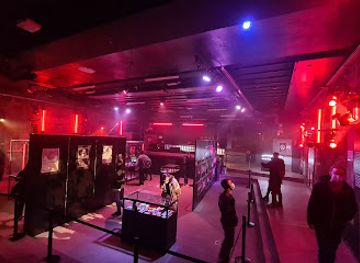
Saint-Gilles has an active but locally scaled evening scene, centred particularly on Place du Parvis and the bars, cafés and restaurants extending along Chaussée de Waterloo and nearby streets. The atmosphere ranges from Belgian beer in traditional cafés to contemporary cocktail and wine-focused places, with conversations spilling onto terraces when conditions allow. It is better known for sociable neighbourhood evenings than for large nightclubs, and the area’s nightlife sits alongside ordinary homes and small businesses. Cultural venues and the wider Brussels arts circuit can add to the evening possibilities, but the most characteristic experience is moving between independent bars and cafés rather than seeking a single entertainment complex. Around Brussels-Midi, activity is more closely linked to transport and late travel, so visitors should distinguish that functional edge from the more settled social life around the Parvis.
-
Night club
Fuse
Discover the electrifying nightlife at Fuse Night Club in Brussels, where unforgettable beats and vibrant crowds create the ultimate party experience.
8 min walk · 0.7 km from neighbourhood centre
-
Gay night club
La demence
Experience the vibrant nightlife at La Demence, Brussels' premier gay nightclub, where inclusivity, music, and dancing unite for unforgettable nights.
8 min walk · 0.7 km from neighbourhood centre
-
Night club
Revelation Brussels
Discover the electrifying nightlife at Revelation Brussels, where music and memories come alive in the heart of the city.
12 min walk · 0.9 km from neighbourhood centre
-
Night club
Le terrier des Albanais
Discover the lively nightlife at Le Terrier des Albanais, a top night club in Saint-Gilles, Brussels, perfect for dancing and socializing.
6 min walk · 0.5 km from neighbourhood centre


Best shops in Saint-Gilles
Shopping in Saint-Gilles is mainly local, independent and food-oriented rather than dominated by a large retail centre. Place du Parvis and the surrounding streets provide everyday shops, cafés, bakeries and market activity, while Chaussée de Waterloo and Chaussée de Charleroi offer a broader mixture of specialist food businesses, fashion, household services and restaurants. The neighbourhood’s international character is visible in the ingredients and small food shops found along its commercial avenues, although stock and individual businesses naturally change. Visitors interested in design and architecture will also encounter bookshops, galleries and creative retail connected to the wider Saint-Gilles arts scene, but the strongest reason to browse is the contrast between ordinary local commerce and the carefully restored façades above it. Shopping here works best as part of a walking route between the Parvis, the town hall and the Art Nouveau streets rather than as a dedicated department-store outing.
-
Department store
Yuman
Explore Yuman, Brussels' vibrant department store, showcasing sustainable fashion, unique gifts, and local artistry in a charming shopping experience.
10 min walk · 0.8 km from neighbourhood centre
-
Gourmet grocery store
Le Comptoir Belge
Discover the best of Belgian flavors at Le Comptoir Belge, your go-to gourmet grocery store in Saint-Gilles, Belgium.
2 min walk · 0.2 km from neighbourhood centre
-
Fashion accessories store
Michael Kors
Explore the luxurious world of Michael Kors in Brussels, where fashion accessories, clothing, and jewelry meet elegance on Avenue Louise.
12 min walk · 1.0 km from neighbourhood centre
-
Used clothing store
Les Petits Riens
Explore a unique shopping experience at Les Petits Riens, where vintage fashion meets social responsibility in the heart of Saint-Gilles.
2 min walk · 0.2 km from neighbourhood centre


Saint-Gilles essentials
Getting There
Getting Around
Safety
Emergency Situations
Do's and Don'ts
Local Tips

From Eve
Local phrases worth knowing
You don't need to get them perfect. A few words go a long way, and locals appreciate the effort.
Basics
| English | Local | Say it |
|---|---|---|
| Hello | Bonjour | [bon-zhoor] |
| Goodbye | Au revoir | [oh ruh-vwahr] |
| Yes | Oui | [wee] |
| No | Non | [nohn] |
| Please/You're welcome | S'il vous plaît/De rien | [seel voo pl-ay/duh ryen] |
| Thank you | Merci | [mehr-see] |
| Excuse me/Sorry | Excusez-moi/Désolé | [ex-kew-zay mwah/dey-zo-lay] |
| How are you? | Comment ça va? | [koh-mohn sah vah] |
| Fine. And you? | Bien. Et vous? | [byen/ey voo] |
| Do you speak English? | Parlez-vous anglais? | [par-lay voo ahn-glay] |
| I don't understand | Je ne comprends pas | [zhuh nuh kohm-prohnd pah] |
Eating & Drinking
| English | Local | Say it |
|---|---|---|
| I'd like to see the menu, please | Je voudrais voir la carte, s'il vous plaît | [zhuh voo-dray vwar lah kahrt, seel voo pl-ay] |
| I don't eat meat | Je ne mange pas de viande | [zhuh nuh mahnj pah duh vyand] |
| Cheers! | Santé! | [sahn-tay] |
| I would like to pay, please | Je voudrais payer, s'il vous plaît | [zhuh voo-dray pay-ay, seel voo pl-ay] |
Emergencies
| English | Local | Say it |
|---|---|---|
| Help! | Au secours! | [oh suh-koor] |
| Go away! | Allez-vous en! | [ah-lay voo zahn] |
| Call the Police! | Appelez la police! | [ah-peh-lay lah poh-leece] |
| Call a doctor! | Appelez un médecin! | [ah-peh-lay uh may-deh-sahn] |
| I'm lost | Je suis perdu | [zhuh swee pair-doo] |
| I'm ill | Je suis malade | [zhuh swee mah-lahd] |
Shopping
| English | Local | Say it |
|---|---|---|
| I'd like to buy... | Je voudrais acheter... | [zhuh voo-dray zah-shay] |
| I'm just looking | Je regarde juste | [zhuh ruh-gahrd zhust] |
| How much is it? | Combien ça coûte? | [kohm-byen sah koot] |
| That's too expensive | C'est trop cher | [say troh shair] |
| Can you lower the price? | Pouvez-vous baisser le prix? | [poo-vay voo bay-say luh pree] |
Time & Numbers
| English | Local | Say it |
|---|---|---|
| What time is it? | Quelle heure est-il? | [kel uhr ay-teel] |
| It's one o'clock | Il est une heure | [eel ay oon uhr] |
| Half past (10) | Dix heures et demie | [dees uhr eh duh-mee] |
| Morning | Matin | [mah-tahn] |
| Afternoon | Après-midi | [ah-pray mee-dee] |
| Evening | Soir | [swahr] |
| Yesterday | Hier | [yehr] |
| Today | Aujourd'hui | [oh-zhoor-dwee] |
| Tomorrow | Demain | [duh-mahn] |
| 1 | Un | [uhn] |
| 2 | Deux | [duh] |
| 3 | Trois | [trwah] |
| 4 | Quatre | [kah-truh] |
| 5 | Cinq | [sank] |
| 6 | Six | [sees] |
| 7 | Sept | [set] |
| 8 | Huit | [weet] |
| 9 | Neuf | [nuf] |
| 10 | Dix | [dees] |
Transport & Directions
| English | Local | Say it |
|---|---|---|
| Where's a/the...? | Où est... | [oo ay...] |
| What's the address? | Quelle est l'adresse? | [kel ay lah-dress] |
| Can you show me (on the map)? | Pouvez-vous me montrer (sur la carte)? | [poo-vay voo muh mohn-tray (soor lah kahrt)] |
| When's the next (bus)? | Quand est le prochain (bus)? | [kahn ay luh proh-shahn (boos)] |
| A ticket (to ....) | Un billet (pour ...) | [uhn bee-yay (poor)] |
History of Saint-Gilles
The Medieval Village of Obbrussel
Saint-Gilles developed from the rural settlement known as Obbrussel, or ‘upper Brussels’, on the southern heights outside the medieval city. Its name became associated with the local parish dedicated to Saint Giles, a hermit and early Christian saint, and the village was historically linked to the larger parish territory of Forest. Religious landholding, farms, gardens and country paths shaped the area for centuries, leaving it distinct from the walled city below. The settlement’s position on routes running south from Brussels later helped it absorb the city’s expansion, but its name and elevated setting preserve the memory of a separate village origin.
Railways and Nineteenth-Century Expansion
Saint-Gilles changed rapidly during the nineteenth century as Brussels expanded beyond its former core and railway infrastructure transformed the southern approach. The development of Brussels-Midi as a major railway station, with the present station site established in the nineteenth century, brought workers, travellers and commercial activity to the lower part of the municipality. New roads and tram connections encouraged dense construction, while former gardens and rural plots gave way to streets of brick townhouses. The result was a predominantly urban landscape in which modest workers’ housing, middle-class residences, shops and civic buildings stood close together.
A Municipality of Art Nouveau
Around the turn of the twentieth century, Saint-Gilles became one of Brussels’s most important settings for experimental domestic architecture. Victor Horta built his own house and studio on Rue Américaine between 1898 and 1901, and other architects introduced flowing ironwork, curved façades, stained glass and carefully designed interiors to the neighbourhood’s new streets. Art Nouveau was not an isolated decorative fashion here: it appeared within the ordinary urban fabric of homes, schools and commercial buildings created during a period of intense population growth. Many façades have since become valued examples of Brussels architecture, even though the neighbourhood continued to function primarily as a residential municipality.
Civic Identity and Changing Communities
Saint-Gilles’s civic landscape was reinforced by institutions such as the municipal town hall and the Saint-Gilles Prison, built in the late nineteenth century as part of the expanding capital’s penal infrastructure. During the twentieth century, the municipality experienced the social changes affecting much of Brussels, including industrial employment, migration and the gradual decline of some traditional crafts and workshops. From the late twentieth century onwards, the architectural quality of its housing attracted cultural organisations, creative workers and new residents, while longstanding communities and independent businesses remained central to daily life. Contemporary Saint-Gilles therefore combines heritage conservation with continuing residential change rather than existing as a museum district.
Saint-Gilles in Photos
Browse through our photo collection highlighting the charm and character of the destination.
Neighbourhoods near Saint-Gilles
The closest neighbourhoods to Saint-Gilles, if you have time for more than one stop.
-

-

-
-

-


Swipe for more neighbourhoods
Explore more

Explore more of Brussels
Brussels blends Grand Place splendour, Art Nouveau architecture, comic-strip culture, Belgian chocolate, museums and lively neighbourhoods for memorable breaks.
Explore Brussels