

Free Belize Barrier Reef Travel Guide & Mobile App
Explore Belize Barrier Reef with free travel guides. Discover regional history, expert tips, proposed trips, and audio guides on web or mobile app.


Explore the Belize Barrier Reef through coral gardens, marine reserves, offshore atolls, island communities and responsible Caribbean adventures.
Read more about Belize Barrier Reef
When is the best time to visit Belize Barrier Reef?
Best: January–March · 29–30°C| Month | High (°C) | Rainfall (mm) |
|---|---|---|
| January (best) | 29 | 60 |
| February (best) | 30 | 50 |
| March (best) | 30 | 40 |
| April | 31 | 50 |
| May | 32 | 130 |
| June | 32 | 160 |
| July | 32 | 150 |
| August | 32 | 160 |
| September | 32 | 210 |
| October | 31 | 210 |
| November | 30 | 160 |
| December | 29 | 100 |
Getting to and around Belize Barrier Reef
How to get there
Transportation
Top city travel guides in Belize Barrier Reef
The cities of Belize Barrier Reef, and the easiest places to base yourself.
-

-


Swipe for more cities
Destinations in Belize Barrier Reef
Resorts, valleys and scenic spots worth a trip of their own.

Swipe for more destinations
Best attractions in Belize Barrier Reef
The Belize Barrier Reef’s attractions are predominantly aquatic and ecological rather than built. Snorkellers can explore shallow coral gardens around Hol Chan Marine Reserve, Shark Ray Alley and the waters reached from Ambergris Caye or Caye Caulker, while divers find wall dives, channels and varied coral formations along the outer reef. Lighthouse Reef Atoll combines shallow sites with the Blue Hole, a deep marine sinkhole known for its unusual geology and demanding dives. Half Moon Caye Natural Monument adds a low-lying island setting and important seabird habitat, while Glover’s Reef offers a remote atoll environment reached by longer boat transfers. In the south, South Water Caye Marine Reserve and the coastal waters around Tobacco Caye provide access to mangroves, seagrass and reef habitats. Glass-bottom boats, kayaking, paddleboarding and fishing excursions provide alternatives for visitors who do not dive. The most rewarding experiences depend on weather, tides, visibility and responsible site management, so the reef is best approached as a living environment rather than a collection of guaranteed spectacles.
-
 Resort hotel
King Lewey's Island Resort
Discover the enchanting beauty of King Lewey's Island Resort, a tropical haven in the Caribbean Sea offering relaxation, adventure, and unforgettable memories.
-
Island
South Water Caye
Experience the serene beauty of South Water Caye, an island paradise in Belize with stunning beaches and vibrant coral reefs perfect for adventure and relaxation.
-
Island
Tobacco Caye
Discover Tobacco Caye, Belize's serene island paradise, where stunning beaches meet vibrant marine life in a tranquil setting.
-
Public beach
Glover's Atoll Resort
Experience the breathtaking beauty and tranquility of Glover's Atoll Resort, a paradise for beach lovers and adventure seekers alike.

Best landmarks in Belize Barrier Reef
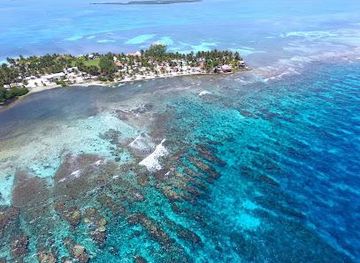
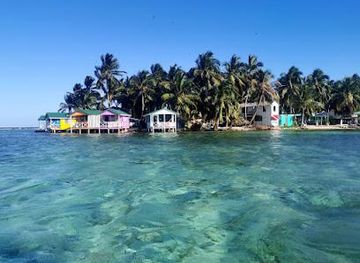
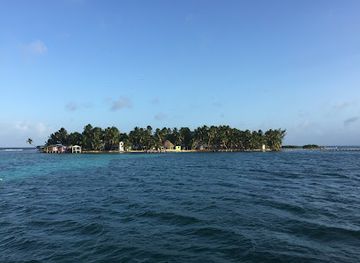
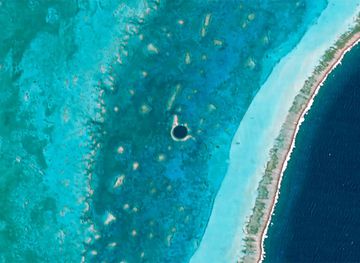
The Blue Hole is the reef system’s most recognisable natural landmark: a near-circular marine sinkhole within Lighthouse Reef Atoll, created by the collapse and flooding of cave systems during past periods of lower sea level. Its dark blue centre contrasts sharply with the surrounding pale reef and shallow lagoon. Half Moon Caye, set within the same atoll, is notable for its low coral-sand landscape, protected seabird habitat and long association with Belizean marine conservation. The reef crest itself is a shifting geographical landmark, visible as breaking water, shallow turquoise flats and narrow channels rather than as a single fixed structure. Hol Chan, whose Maya name is commonly translated as “little channel”, is an important natural passage through the reef near Ambergris Caye and has become a recognised symbol of protected marine tourism in Belize. South Water Caye and the string of small islands linked to southern marine reserves express another defining feature of the region: the close relationship between mangrove-fringed land, seagrass shallows and offshore coral.
-
Hotel
Tobacco Caye Paradise
Discover the enchanting beauty of Tobacco Caye Paradise, where stunning beaches and vibrant marine life create a perfect tropical getaway in Belize.
-
Resort hotel
Off The Wall Dive Center and Resort
Experience the ultimate Belizean escape at Off The Wall Dive Center and Resort, where adventure meets relaxation on Long Caye.
-
Hotel
Joe Jo's By The Reef
Discover the beauty of Belize at Joe Jo's By The Reef, a tranquil hotel offering stunning sea views, relaxation, and adventure opportunities.
-
Island
Tobacco Caye
Experience the tranquil beauty of Tobacco Caye, Belize's idyllic island retreat with stunning beaches and vibrant marine life.
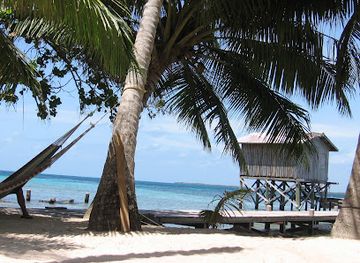
Explore Belize Barrier Reef on the map
Plan your trip on one map. See where the top cities, national parks and sights are, and book hotels and experiences in a few clicks.
Best hotels in Belize Barrier Reef
Best restaurants in Belize Barrier Reef
Dining around the Belize Barrier Reef reflects the country’s Caribbean, Creole, Garifuna, Mestizo and Maya influences, with menus varying between busy island settlements and small offshore cayes. Fresh fish, lobster when in season and conch are prominent in coastal cooking, often served grilled, fried or in soups and ceviche-style preparations. Rice and beans, stewed chicken, plantains, cassava and seafood dishes provide familiar local staples, while fry jacks, tamales and coconut-based recipes broaden the choice. San Pedro and Caye Caulker have the widest range of cafés, casual seafood restaurants, bakeries and international dining, whereas smaller islands may rely on guesthouse kitchens, communal meals or pre-arranged menus. Placencia and other mainland gateways offer a broader selection of restaurants before or after boat transfers. Sustainable sourcing matters in a region where fishing pressure affects both communities and ecosystems, so ask about seasonal seafood and avoid protected or undersized species.
-
Restaurant
Reef ‘s End Bar and Restaurant
Experience authentic Caribbean flavors at Reef's End Bar and Restaurant on Tobacco Caye – your tropical culinary getaway.
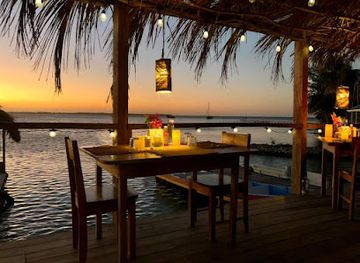
Best bars in Belize Barrier Reef
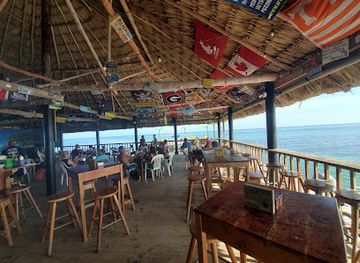
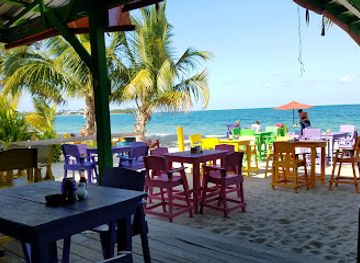
Evening life around the Belize Barrier Reef is concentrated on Ambergris Caye, Caye Caulker and mainland gateway towns rather than on the remote cayes themselves. San Pedro has the broadest mix of beachfront bars, rum-focused lounges, casual restaurants, live music and occasional late-night venues, while Caye Caulker is associated with informal waterfront drinking, music and sunset gatherings. Placencia provides another useful base for seaside restaurants, relaxed bars and occasional live performances connected with the coastal tourism scene. On smaller islands such as Tobacco Caye or South Water Caye, evenings are generally quiet, with conversation, stargazing and meals at accommodation venues replacing a formal club circuit. Alcohol is widely available, but boat operators and dive centres expect guests to remain fit for early departures and water activities. Check local closing arrangements and return safely to accommodation after dark, particularly where paths are unlit and transport is limited.
-
Grill
Secret Beach Belize
Experience the serene beauty of Secret Beach in Belize, a tropical paradise perfect for relaxation, adventure, and unforgettable memories.
-
Grill
The Lazy Lizard
Experience the vibrant atmosphere and delicious cuisine at The Lazy Lizard, a tropical bar and grill on Caye Caulker's stunning Split.
-
Grill
Palapa Bar and Grill
Discover the vibrant Palapa Bar and Grill in San Pedro, where delicious grilled cuisine meets live music and a beautiful Caribbean atmosphere.
-
Grill
Barefoot Beach Bar
Experience the vibrant flavors and relaxed vibes of Barefoot Beach Bar in Placencia, Belize, where delicious food meets stunning beachfront views.
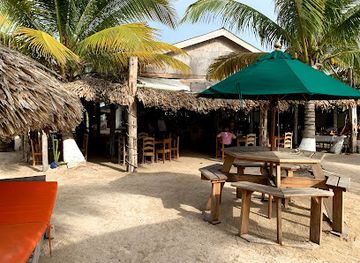
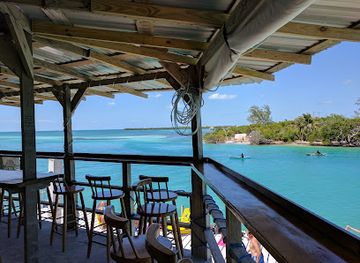
Best nightclubs in Belize Barrier Reef
Evening life around the Belize Barrier Reef is concentrated on Ambergris Caye, Caye Caulker and mainland gateway towns rather than on the remote cayes themselves. San Pedro has the broadest mix of beachfront bars, rum-focused lounges, casual restaurants, live music and occasional late-night venues, while Caye Caulker is associated with informal waterfront drinking, music and sunset gatherings. Placencia provides another useful base for seaside restaurants, relaxed bars and occasional live performances connected with the coastal tourism scene. On smaller islands such as Tobacco Caye or South Water Caye, evenings are generally quiet, with conversation, stargazing and meals at accommodation venues replacing a formal club circuit. Alcohol is widely available, but boat operators and dive centres expect guests to remain fit for early departures and water activities. Check local closing arrangements and return safely to accommodation after dark, particularly where paths are unlit and transport is limited.
-
Bar
Sunset Bar
Experience the best of Tobacco Caye at Sunset Bar, where stunning sunsets and refreshing cocktails create the perfect island getaway.
Best shops in Belize Barrier Reef
Shopping around the Belize Barrier Reef is practical, informal and closely connected to island life rather than centred on large retail complexes. San Pedro offers the widest choice of small boutiques, beachwear shops, galleries, craft outlets, convenience stores and vendors selling locally made souvenirs. Caye Caulker has a more compact scene, with independent shops, artwork, jewellery, carved objects and reef-themed gifts. Coastal towns such as Placencia and Dangriga provide additional opportunities to buy crafts, food products, clothing and practical supplies before travelling offshore. Look for Belizean woodwork, woven items, handmade jewellery, hot sauces, chocolate, coffee and packaged foods, while checking that shells, coral and wildlife products have not been taken illegally from the marine environment. Small cayes may have limited stock and restricted payment facilities, so purchase essentials on the mainland or at a larger island rather than assuming they will be available offshore. Bargaining is not a universal expectation; ask politely and pay the marked price where one is shown.
-
Gift shop
Old Belize
Explore Old Belize: A vibrant blend of culture, history, and fun activities for tourists in Belize.
-
Gift shop
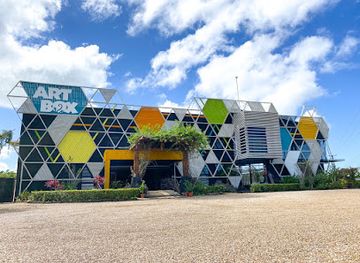
Art Box - Belize Artisan Store & Cafe
Discover the heart of Belizean creativity at Art Box, where art, crafts, and coffee come together in a unique shopping experience.
-
Art gallery
GariMaya Gift Shop
Discover GariMaya Gift Shop in Hopkins, where Belizean artistry thrives with unique handcrafted treasures and a cultural experience.
-
Shopping mall
The Northern Shops
Experience shopping like never before at The Northern Shops, Belize City's premier retail destination offering local crafts, international brands, and delicious cuisine.

Get your free copy of our complete guide to Belize Barrier Reef, delivered straight to you.
Everything on this page, from attractions and restaurants to essentials and local phrases, in one PDF you can read offline, print or share.
Already have an account? Sign in
Your Belize Barrier Reef guide is ready.
We'll send it to · Not you? Sign out

Getting your guide ready…
We are putting together a fresh copy of the Belize Barrier Reef guide. This can take up to a minute.
This can take a few moments. If your browser asks, choose Allow so the download can start. You'll find the guide in your Downloads folder.
Nothing happened? Download it again
Sorry, the guide is taking longer than usual. Please try again in a minute, or get it by email instead.
Belize Barrier Reef essentials
Currency and Payment
Safety
Emergency Situations
Do's and Don'ts
Local Tips
From Eve
Local phrases worth knowing
You don't need to get them perfect. A few words go a long way, and locals appreciate the effort.
Basics
| English | Local | Say it |
|---|---|---|
| Hello | Bailando | [bai-lan-do] |
| Goodbye | Adios | [ah-dee-os] |
| Yes | Sí | [see] |
| No | No | [no] |
| Please/You're welcome | Por favor | [por fa-vor] |
| Thank you | Gracias | [gra-thi-as] |
| Excuse me/Sorry | Perdón | [per-don] |
| How are you? | ¿Cómo estás? | [ko-mo es-tas] |
| Fine. And you? | Bien. ¿Y tú? | [byen. ee tu] |
| Do you speak English? | ¿Hablas inglés? | [ah-blas in-glehs] |
| I don't understand | No entiendo | [no en-tee-en-do] |
Eating & Drinking
| English | Local | Say it |
|---|---|---|
| I'd like to see the menu, please | Me gustaría ver el menú, por favor | [me gus-ta-ree-a ver el me-nu por fa-vor] |
| I don't eat meat | No como carne | [no ko-mo kar-ne] |
| Cheers! | ¡Salud! | [sa-lud] |
| I would like to pay, please | Me gustaría pagar, por favor | [me gus-ta-ree-a pa-gar por fa-vor] |
Emergencies
| English | Local | Say it |
|---|---|---|
| Help! | ¡Ayuda! | [a-yu-da] |
| Go away! | ¡Vete! | [be-te] |
| Call the Police! | ¡Llama a la policía! | [ya-ma a la po-li-cia] |
| Call a doctor! | ¡Llama a un doctor! | [ya-ma a un dok-tor] |
| I'm lost | Estoy perdido | [es-toy per-di-do] |
| I'm ill | Estoy enfermo | [es-toy en-fer-mo] |
Shopping
| English | Local | Say it |
|---|---|---|
| I'd like to buy... | Me gustaría comprar... | [me gus-ta-ree-a kom-prar] |
| I'm just looking | Solo estoy mirando | [so-lo es-toy mi-ran-do] |
| How much is it? | ¿Cuánto cuesta? | [kwan-to kwes-ta] |
| That's too expensive | Eso es muy caro | [e-so es moy ka-ro] |
| Can you lower the price? | ¿Puedes bajar el precio? | [pwe-des ba-har el pre-cio] |
Time & Numbers
| English | Local | Say it |
|---|---|---|
| What time is it? | ¿Qué hora es? | [ke o-ra es] |
| It's one o'clock | Es la una | [es la u-na] |
| Half past (10) | Y media (10) | [ee me-dia] |
| Morning | Mañana | [ma-nyana] |
| Afternoon | Tarde | [tar-de] |
| Evening | Noche | [no-che] |
| Yesterday | Ayer | [a-yer] |
| Today | Hoy | [oy] |
| Tomorrow | Mañana | [ma-nyana] |
| 1 | Uno | [oo-no] |
| 2 | Dos | [dos] |
| 3 | Tres | [tres] |
| 4 | Cuatro | [kwa-tro] |
| 5 | Cinco | [sin-ko] |
| 6 | Seis | [says] |
| 7 | Siete | [syet-e] |
| 8 | Ocho | [o-cho] |
| 9 | Nueve | [nwe-ve] |
| 10 | Diez | [dye-s] |
Transport & Directions
| English | Local | Say it |
|---|---|---|
| Where's a/the...? | ¿Dónde está un/una...? | [don-de es-ta un/una] |
| What's the address? | ¿Cuál es la dirección? | [kwal es la di-rec-cion] |
| Can you show me (on the map)? | ¿Me puedes mostrar (en el mapa)? | [me pwe-des mos-trar en el ma-pa] |
| When's the next (bus)? | ¿Cuándo es el próximo (bus)? | [kwan-do es el pro-ksi-mo] |
| A ticket (to ....) | Un boleto (a ....) | [un bo-le-to a] |
History of Belize Barrier Reef
Maya Coastal Networks Before European Rule
Long before modern tourism, Maya communities used Belize’s coast, rivers, mangroves and offshore waters as part of wider trading and subsistence networks. Coastal settlements exchanged food, salt, shells and other goods with inland centres, while reef organisms and fish contributed to local diets. The cayes and channels were navigational spaces as well as sources of materials. Although the reef itself left limited monumental architecture, its position between the Maya lowlands and the Caribbean made the coast an important zone of movement and exchange.
European Seafaring and Colonial Coastal Trade
From the sixteenth century onwards, European ships entered the Caribbean routes that passed Belize’s coast, while English logwood cutters and later settlers established a stronger presence in the territory. Shallow waters, reefs and offshore islands influenced navigation, anchorage and maritime trade. The same geography that supported fishing and coastal travel also created hazards for sailing vessels. These historical patterns helped shape Belize’s enduring relationship with boats, pilotage, fishing settlements and maritime commerce.
Fishing, Coconuts and the Development of Caye Communities
During the nineteenth and early twentieth centuries, fishing became central to many coastal and island communities. Lobster, conch and finfish supported local livelihoods and entered regional markets, while coconuts and small-scale agriculture contributed to island economies. Settlements such as San Pedro and Caye Caulker developed distinctive maritime identities shaped by wooden boats, family fishing enterprises and links to the mainland. Modern tourism has diversified these economies, but fishing remains culturally and economically significant in parts of the reef region.
The Rise of Marine Science and Conservation
Growing scientific understanding of coral ecosystems during the twentieth century encouraged Belize to treat the reef as a national asset requiring formal protection. Marine reserves were established in stages, including Hol Chan Marine Reserve in 1987, one of the country’s earliest and best-known protected marine areas. Conservation work increasingly addressed coral habitats, mangroves, seagrass, fisheries and tourism together rather than viewing the reef as an isolated diving resource.
The Belize Barrier Reef Reserve System and UNESCO Recognition
In 1996, the Belize Barrier Reef Reserve System was inscribed on the UNESCO World Heritage List. The serial property brought together seven protected areas, including Half Moon Caye Natural Monument, South Water Caye Marine Reserve and Glover’s Reef Marine Reserve, reflecting the ecological variety of the wider system. UNESCO placed the property on its List of World Heritage in Danger from 2009 until 2018 amid concerns about coastal development and offshore oil activity. The episode placed long-term reef stewardship at the centre of national and international debate.
Tourism, Fisheries and Contemporary Reef Stewardship
Since the late twentieth century, diving, snorkelling, sport fishing and marine excursions have become major parts of Belize’s visitor economy. Tourism has created employment and conservation funding but has also increased pressure on coral, waste systems, coastal construction and heavily visited sites. Belize has progressively strengthened marine management through protected areas, fishing regulations and conservation partnerships. The contemporary history of the barrier reef is therefore one of balancing livelihoods and access with the need to maintain a fragile ecosystem facing warming seas, storms, pollution and coral disease.
Belize Barrier Reef in Photos
Browse through our photo collection highlighting the charm and character of the destination.
Neighbouring regions of Belize Barrier Reef
The closest regions to Belize Barrier Reef, if you have time for more than one.
-

-

-

-

-


Swipe for more regions
Explore more
Explore more of Belize
Discover Belize: A Caribbean paradise known for its stunning barrier reef, rich cultural heritage, and eco-friendly adventures in lush rainforests and pristine waters.
Explore Belize