

Free Coastal Plains Travel Guide & Mobile App
Explore Coastal Plains with free travel guides. Discover regional history, expert tips, proposed trips, and audio guides on web or mobile app.


Explore Belize’s Coastal Plains for Maya heritage, wetlands, Caribbean villages, Garifuna culture, wildlife and access to the offshore reef.
Read more about Coastal Plains
When is the best time to visit Coastal Plains?
Best: January–March · 29–30°C| Month | High (°C) | Rainfall (mm) |
|---|---|---|
| January (best) | 29 | 75 |
| February (best) | 30 | 65 |
| March (best) | 30 | 55 |
| April | 31 | 85 |
| May | 32 | 125 |
| June | 33 | 175 |
| July | 33 | 185 |
| August | 33 | 195 |
| September | 32 | 205 |
| October | 32 | 165 |
| November | 31 | 125 |
| December | 30 | 105 |
Getting to and around Coastal Plains
How to get there
Transportation
Top city travel guides in Coastal Plains
The cities of Coastal Plains, and the easiest places to base yourself.
-

-

-

-


Swipe for more cities
Destinations in Coastal Plains
Resorts, valleys and scenic spots worth a trip of their own.
-

-

-

-


Swipe for more destinations
Best attractions in Coastal Plains
The Coastal Plains offer a varied combination of archaeological, ecological and cultural attractions. Altun Ha, north of Belize City, provides an accessible introduction to Maya monumental architecture and the region’s ancient trading connections. The wetlands around Crooked Tree are important for birdwatching and boat-based wildlife observation, while river and lagoon excursions reveal how water shapes settlement and agriculture across the lowlands. Belize City contributes museums, historic streets, galleries and waterfront heritage rather than a conventional resort atmosphere. Farther south, Dangriga, Hopkins and the Placencia peninsula provide access to Garifuna cultural experiences, beaches, lagoons, fishing and reef trips. Visitors can also explore nearby protected landscapes and lowland forests through guided excursions, although some lie towards the inland edge of the coastal belt rather than directly beside the sea. The region is best understood as a set of connected environments: urban port, river plain, wetland, village coast and offshore marine world. Weather, tides and seasonal conditions influence what is accessible, so excursions should be arranged with established local guides and not treated as interchangeable day trips.
-
Grill
Secret Beach Belize
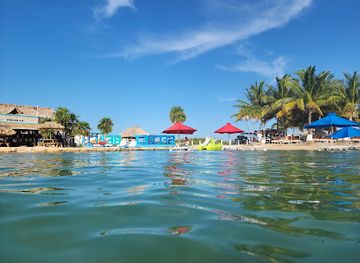
Experience the charm of Secret Beach Belize, a serene escape with breathtaking views and delightful grilled cuisine on Ambergris Caye.
-
Historical landmark
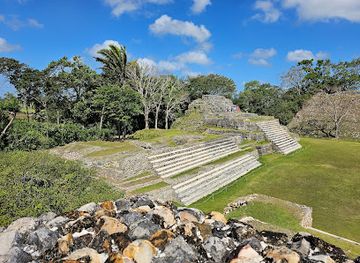
Altun Ha
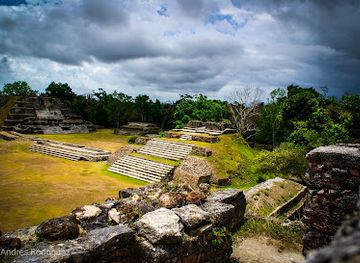
Uncover the ancient Maya civilization at Altun Ha, a historical landmark in Belize, surrounded by stunning landscapes and rich cultural heritage.
-
Archaeological site
Lamanai Archaeological Reserve
Explore the ancient Maya civilization at Lamanai Archaeological Reserve, a breathtaking archaeological site surrounded by lush jungles and rich history.
-
Caye Caulker
Discover the serene beauty and vibrant culture of Caye Caulker, a tropical island paradise in Belize perfect for relaxation and adventure.


Best landmarks in Coastal Plains
Belize City’s historic core, with its wooden buildings, civic architecture and waterfront setting, is the most recognisable urban landmark landscape of the Coastal Plains. St John’s Cathedral is an important surviving monument of the colonial period and reflects the city’s long connection with British administration and the Anglican Church. The Swing Bridge, spanning the Haulover Creek, is a distinctive piece of Belize City’s maritime infrastructure and a reminder of the waterways that shaped commerce and movement. North of the city, the Maya plazas and pyramids of Altun Ha form the region’s most prominent archaeological landmark, set within lowland woodland rather than a mountainous landscape. In the south, the coastline around Dangriga, Hopkins and Placencia is defined less by monumental architecture than by a sequence of villages, lagoons, beaches and working waterfronts. Mangrove wetlands and river mouths are equally important geographical landmarks: they explain the area’s settlement patterns, support wildlife and illustrate the vulnerability of low-lying Belize to storms and rising water.
-
Archaeological site
Xunantunich Mayan Ruins
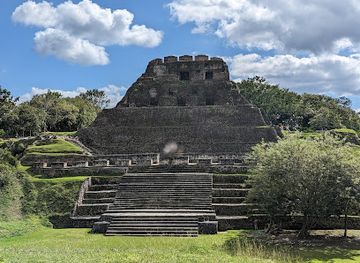
Explore the ancient wonders of Xunantunich Mayan Ruins in Belize, where history and breathtaking landscapes intertwine.
-
Grill
Secret Beach Belize
Explore the breathtaking Secret Beach Belize, a tranquil oasis with crystal-clear waters and vibrant local culture, perfect for relaxation and adventure.
-
Historical landmark
Altun Ha
Explore Altun Ha, a breathtaking ancient Mayan site in Belize, rich in history and surrounded by lush tropical landscapes.
-
Swimming facility
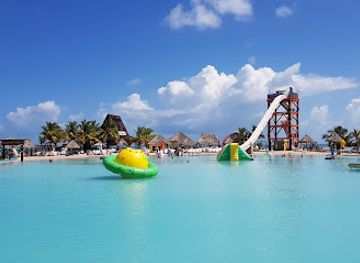
Old Belize
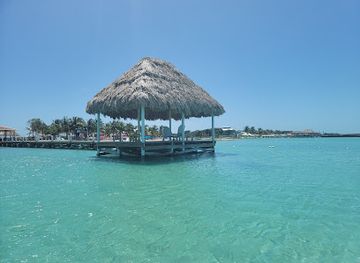
Experience the vibrant culture and adventure of Old Belize, a unique destination featuring swimming, dining, shopping, and rich historical insights.
Explore Coastal Plains on the map
Plan your trip on one map. See where the top cities, national parks and sights are, and book hotels and experiences in a few clicks.
Best hotels in Coastal Plains
Best restaurants in Coastal Plains
Dining across the Coastal Plains reflects Belize’s Caribbean, Central American, Maya, Creole and Garifuna influences. In Belize City, restaurants and small eateries serve rice and beans, stewed chicken, fried fish, soups, pastries and seafood alongside international food. On the southern coast, fresh fish, conch when legally in season, shrimp, coconut, plantain and cassava are common features, while Garifuna cooking may include hudut, a fish and coconut preparation traditionally served with mashed plantain. Rice-and-beans plates, tamales, salbutes, garnaches and other maize-based foods connect Belizean dining with wider Central American traditions, though recipes vary between households and communities. Coastal villages are good places to look for grilled seafood and informal local kitchens, while Belize City and larger tourism centres offer more contemporary menus. Farmers’ markets and small food stalls can reveal seasonal fruit, baked goods and local ingredients, but opening patterns and availability are not uniform, especially outside the main towns.
-
Grill
The Lazy Lizard
Discover culinary delights at The Lazy Lizard - Caye Caulker's premier bar and grill with stunning sea views.
-
Restaurant
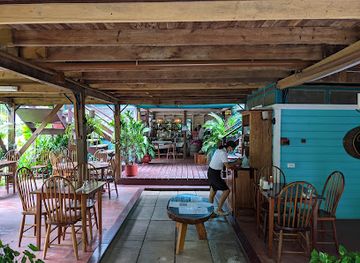
The Guava Limb Restaurant & Café
Experience culinary excellence at The Guava Limb Restaurant & Café in San Ignacio - where local flavors meet international cuisine.
-
Restaurant
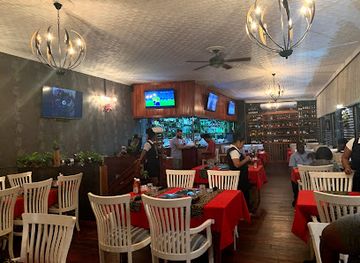
Midtown Restaurant & Bar
Experience authentic Belizean cuisine at Midtown Restaurant & Bar in Belize City—where every dish tells a story.
-
Restaurant
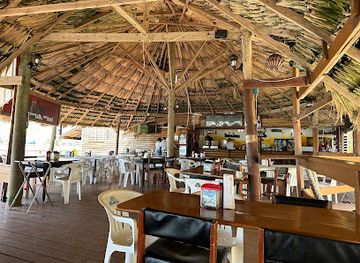
Bird's Isle Restaurant
Experience delightful local cuisine at Bird's Isle Restaurant in Belize City with stunning sea views and friendly service.

Best bars in Coastal Plains
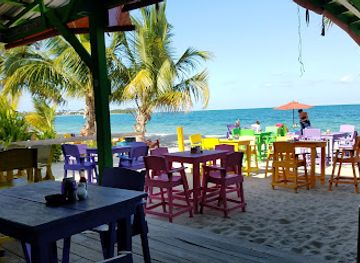
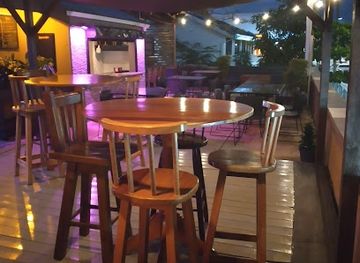
Evening life in the Coastal Plains is generally social and relaxed rather than dominated by large nightclubs. Belize City has the broadest choice of bars, restaurants, live music and occasional late-night entertainment, although venues and opening arrangements change. In Dangriga, Hopkins and the Placencia area, evenings often centre on beach bars, small restaurants, local music and conversations with residents and other travellers. Garifuna drumming and dance may be encountered through cultural organisations or arranged community performances, and should be approached respectfully rather than assumed to be nightly entertainment. Indoor and outdoor bars commonly serve Belizean beer, rum-based drinks and soft drinks, while some establishments offer cocktails and international wines. Rural communities tend to quieten earlier, and transport after dark can be limited, so visitors should arrange a reliable way back to their accommodation instead of assuming that taxis or buses will remain available.
-
Grill
The Lazy Lizard
Experience the vibrant atmosphere, delicious food, and stunning views at The Lazy Lizard in Caye Caulker, Belize.
-
Grill
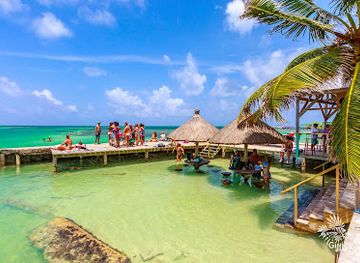
Palapa Bar and Grill
Experience the vibrant flavors of Palapa Bar and Grill in San Pedro, where delicious food meets live music in a stunning waterfront setting.
-
Grill
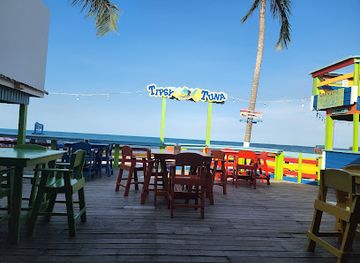
Tipsy Tuna
Experience the best of Belizean cuisine at Tipsy Tuna, a vibrant grill in Placencia offering delicious food and stunning ocean views.
-
Grill
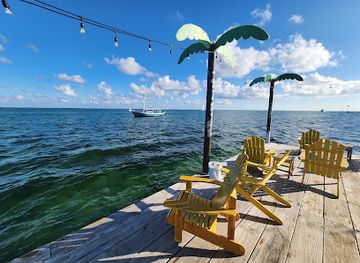
Barefoot Beach Bar
Experience the vibrant flavors of Belize at Barefoot Beach Bar, where tropical vibes meet delicious grill cuisine along the stunning Placencia shoreline.
Best nightclubs in Coastal Plains
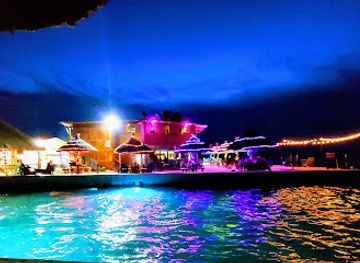
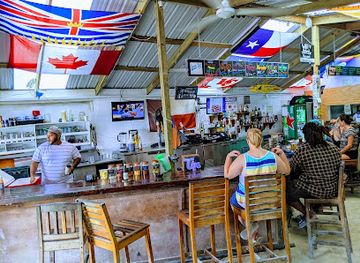
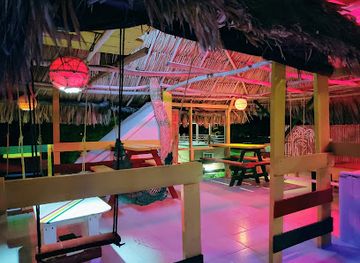
Evening life in the Coastal Plains is generally social and relaxed rather than dominated by large nightclubs. Belize City has the broadest choice of bars, restaurants, live music and occasional late-night entertainment, although venues and opening arrangements change. In Dangriga, Hopkins and the Placencia area, evenings often centre on beach bars, small restaurants, local music and conversations with residents and other travellers. Garifuna drumming and dance may be encountered through cultural organisations or arranged community performances, and should be approached respectfully rather than assumed to be nightly entertainment. Indoor and outdoor bars commonly serve Belizean beer, rum-based drinks and soft drinks, while some establishments offer cocktails and international wines. Rural communities tend to quieten earlier, and transport after dark can be limited, so visitors should arrange a reliable way back to their accommodation instead of assuming that taxis or buses will remain available.
-
Grill
The Lazy Lizard
Experience the vibrant energy and tropical flavors of The Lazy Lizard, the ultimate grill and bar destination on Caye Caulker, Belize.
-
Restaurant
Barrier Reef Sports Bar & Grill
Savor delicious local cuisine and lively nightlife at Barrier Reef Sports Bar & Grill, a must-visit for tourists in Belize.
-
Bar
I and I Reggae Bar
Discover the vibrant energy of I and I Reggae Bar, where live music, delicious cocktails, and a lively atmosphere await you in Belize.
-
Grill
Thirsty Thursday
Experience vibrant Caribbean flavors at Thirsty Thursday in Belize City, where great food meets a lively atmosphere.
Best shops in Coastal Plains
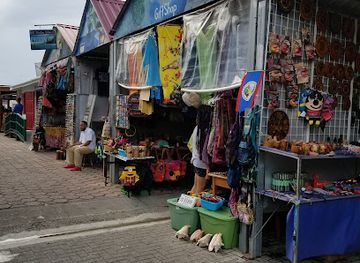
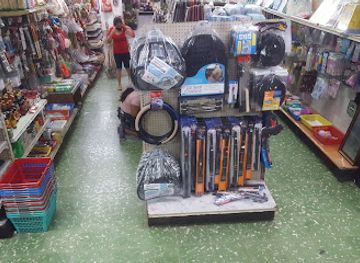
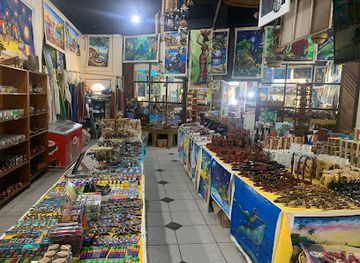
Shopping in the Coastal Plains is centred on local markets, neighbourhood shops, craft stalls and independent businesses rather than a single large retail district. Belize City offers the widest choice of groceries, clothing, books, artworks, practical goods and locally produced souvenirs, with smaller shops and market areas providing a more everyday view of urban commerce. In Dangriga, Hopkins and Placencia, visitors may find woven items, carved wood, paintings, jewellery, drums and other crafts, although stock and opening days vary. Local food products such as hot sauces, spices, coconut-based goods, rum, chocolate and packaged snacks are practical purchases, provided they meet travel and customs rules. Market towns and roadside stalls may sell seasonal fruit, baked goods and produce from nearby farms. Buy directly from artists and community organisations where possible, ask about materials and provenance, and avoid coral, shells, archaeological objects or wildlife products that may be illegal or environmentally damaging to export.
-
Cruise terminal
Fort Street Tourism Village
Explore Fort Street Tourism Village: A vibrant hub of local crafts, cuisine, and culture in Belize City, perfect for cruise travelers and tourists.
-
Shopping mall
Golden Bay Store
Explore Golden Bay Store in Belize City for an eclectic mix of shops, local crafts, and a lively atmosphere perfect for tourists and locals alike.
-
Home goods store
Simon Quan
Discover Simon Quan, the ultimate destination for home goods and party supplies in Belize City, where affordability meets quality for all your decorating needs.
-
Art gallery
GariMaya Gift Shop
Explore GariMaya Gift Shop in Hopkins for unique Belizean art and crafts that embody the rich cultural heritage of Belize.

Get your free copy of our complete guide to Coastal Plains, delivered straight to you.
Everything on this page, from attractions and restaurants to essentials and local phrases, in one PDF you can read offline, print or share.
Already have an account? Sign in
Your Coastal Plains guide is ready.
We'll send it to · Not you? Sign out

Getting your guide ready…
We are putting together a fresh copy of the Coastal Plains guide. This can take up to a minute.
This can take a few moments. If your browser asks, choose Allow so the download can start. You'll find the guide in your Downloads folder.
Nothing happened? Download it again
Sorry, the guide is taking longer than usual. Please try again in a minute, or get it by email instead.
Coastal Plains essentials
Currency and Payment
Safety
Emergency Situations
Do's and Don'ts
Local Tips
From Eve
Local phrases worth knowing
You don't need to get them perfect. A few words go a long way, and locals appreciate the effort.
Basics
| English | Local | Say it |
|---|---|---|
| Hello | Hola | [oh-lah] |
| Goodbye | Adiós | [ah-dee-ohs] |
| Yes | Sí | [see] |
| No | No | [noh] |
| Please/You're welcome | Por favor/De nada | [por fah-vor/deh nah-dah] |
| Thank you | Gracias | [grah-syahs] |
| Excuse me/Sorry | Disculpe/Lo siento | [dis-kool-peh/loh syen-toh] |
| How are you? | ¿Cómo está? | [koh-moh es-tah] |
| Fine. And you? | Bien. ¿Y tú? | [byen. ee too] |
| Do you speak English? | ¿Hablas inglés? | [ah-blas een-glehs] |
| I don't understand | No entiendo | [noh en-tyen-doh] |
Eating & Drinking
| English | Local | Say it |
|---|---|---|
| I'd like to see the menu, please | Me gustaría ver el menú, por favor | [meh goo-stah-ree-ah vehr el meh-noo, por fah-vor] |
| I don't eat meat | No como carne | [noh koh-moh kar-neh] |
| Cheers! | ¡Salud! | [sah-lood] |
| I would like to pay, please | Me gustaría pagar, por favor | [meh goo-stah-ree-ah pah-gar, por fah-vor] |
Emergencies
| English | Local | Say it |
|---|---|---|
| Help! | ¡Ayuda! | [ah-yoo-dah] |
| Go away! | ¡Vete! | [beh-teh] |
| Call the Police! | ¡Llama a la policía! | [yah-mah ah lah poh-lee-see-ah] |
| Call a doctor! | ¡Llama a un doctor! | [yah-mah ah oon dok-tor] |
| I'm lost | Estoy perdido | [es-toy per-dee-doh] |
| I'm ill | Estoy enfermo/a | [es-toy en-fer-moh/ah] |
Shopping
| English | Local | Say it |
|---|---|---|
| I'd like to buy... | Me gustaría comprar... | [meh goo-stah-ree-ah kohm-prar] |
| I'm just looking | Solo estoy mirando | [soh-lo es-toy mee-ran-doh] |
| How much is it? | ¿Cuánto cuesta? | [kwan-toh kwes-tah] |
| That's too expensive | Eso es demasiado caro | [eh-so es deh-mah-see-ah-doh kah-roh] |
| Can you lower the price? | ¿Puedes bajar el precio? | [pweh-des bah-har el preh-syo] |
Time & Numbers
| English | Local | Say it |
|---|---|---|
| What time is it? | ¿Qué hora es? | [keh oh-rah es] |
| It's one o'clock | Es la una | [es lah oo-nah] |
| Half past (10) | Y diez y media | [ee dyehs ee meh-dee-ah] |
| Morning | Mañana | [mah-nyah-nah] |
| Afternoon | Tarde | [tar-deh] |
| Evening | Noche | [noh-cheh] |
| Yesterday | Ayer | [ah-yer] |
| Today | Hoy | [oy] |
| Tomorrow | Mañana | [mah-nyah-nah] |
| 1 | Uno | [oo-noh] |
| 2 | Dos | [dohs] |
| 3 | Tres | [tres] |
| 4 | Cuatro | [kwah-troh] |
| 5 | Cinco | [seen-koh] |
| 6 | Seis | [says] |
| 7 | Siete | [syet-eh] |
| 8 | Ocho | [oh-choh] |
| 9 | Nueve | [nweh-veh] |
| 10 | Diez | [dyehs] |
Transport & Directions
| English | Local | Say it |
|---|---|---|
| Where's a/the...? | ¿Dónde está un/una...? | [dohn-deh es-tah oon/oo-nah] |
| What's the address? | ¿Cuál es la dirección? | [kwahl es lah dee-rek-syon] |
| Can you show me (on the map)? | ¿Puedes mostrarme (en el mapa)? | [pweh-des mos-trar-meh (en el mah-pah)] |
| When's the next (bus)? | ¿Cuándo es el próximo (autobús)? | [kwan-doh es el prohk-see-mo (ow-toh-boos)] |
| A ticket (to ....) | Un boleto (a ...) | [oon boh-leh-toh (ah ...)] |
History of Coastal Plains
Maya Lowland Civilisation
The Coastal Plains formed part of the wider Maya lowlands, where communities developed agriculture, trade networks, ceremonial centres and sophisticated political systems over many centuries. Altun Ha, north of Belize City, was an important settlement with monumental architecture and evidence of long-distance exchange, including valuable materials brought from other parts of Mesoamerica. River corridors and wetlands supported movement and food production, while the coast connected mainland communities with marine resources and regional trade. Although many major Maya centres declined or changed substantially before European colonisation, Maya communities and cultural traditions remain an important part of Belize’s living heritage.
European Settlement and the Timber Economy
From the seventeenth century, English-speaking logwood cutters and later mahogany interests established a foothold along Belize’s rivers and coast. The timber economy shaped settlement patterns, exported forest products and laid the foundations of British control, although it depended on coercive labour systems and was deeply connected to Atlantic commerce. Belize Town, now Belize City, grew as the principal port and administrative centre. River transport, warehouses and waterfront buildings reflected the importance of moving timber from the interior to ships in the Caribbean. This commercial past remains visible in the city’s historic layout and surviving wooden architecture.
Colonial Belize and Belize Town
The settlement known as British Honduras developed distinctive institutions under British influence and became a Crown colony in the nineteenth century. Belize Town, repeatedly affected by hurricanes and flooding, was rebuilt and expanded as a port, government centre and commercial hub. Colonial administration brought courts, churches, schools and new infrastructure, but it also reinforced social and economic inequalities shaped by race, class and access to land. Present-day Belize City contains reminders of this period in its civic buildings, churches, street plan and maritime heritage, while its multicultural population reflects centuries of movement through the port.
Garifuna Settlement on the Southern Coast
Garifuna history is central to the southern Coastal Plains. Garifuna people, descended from African and Indigenous Caribbean communities, arrived on the Central American mainland in the early nineteenth century after displacement from St Vincent. Settlements developed along the coast, including Dangriga and communities around Hopkins, where fishing, farming and seafaring supported local life. Garifuna music, drumming, dance, language and cuisine became defining elements of Belizean cultural heritage. The Garifuna Settlement Day observance commemorates the arrival of Garifuna people in Belize, while everyday cultural practice remains more significant than any single annual celebration.
Hurricanes, Flooding and Coastal Change
The low elevation of Belize’s coastal plains has made settlements vulnerable to hurricanes, storm surges and river flooding. A major hurricane devastated Belize City in 1931, causing extensive loss of life and prompting changes in building practice, public administration and the development of Belmopan inland as Belize’s capital in the twentieth century. Flood control, drainage and adaptation remain practical concerns in low-lying communities. Mangroves, wetlands and barrier beaches provide natural protection but are also sensitive to development, pollution and changing weather patterns, making environmental management an important part of the region’s contemporary history.
Independence and a Diversifying Coastal Economy
Belize became independent from the United Kingdom in 1981, and the Coastal Plains continued to serve as the country’s main population and economic corridor. Timber’s former dominance gave way to a more varied economy involving government, commerce, agriculture, fisheries, tourism and services. Belize City remained the principal urban and port centre, while southern communities increasingly connected traditional coastal livelihoods with cultural tourism and marine recreation. Conservation initiatives helped protect wetlands, forests and offshore ecosystems, although the balance between tourism, settlement, agriculture and environmental protection remains an ongoing national and regional issue.
Coastal Plains in Photos
Browse through our photo collection highlighting the charm and character of the destination.
Neighbouring regions of Coastal Plains
The closest regions to Coastal Plains, if you have time for more than one.
-

-

-

-

-


Swipe for more regions
Explore more
Explore more of Belize
Discover Belize: A Caribbean paradise known for its stunning barrier reef, rich cultural heritage, and eco-friendly adventures in lush rainforests and pristine waters.
Explore Belize