

Free Belize District Travel Guide & Mobile App
Explore Belize District with free travel guides. Discover regional history, expert tips, proposed trips, and audio guides on web or mobile app.


Explore Belize District for colonial Belize City, Maya heritage, wildlife wetlands, tropical cayes and direct access to the Belize Barrier Reef.
Read more about Belize District
When is the best time to visit Belize District?
Best: January–March · 28–29°C| Month | High (°C) | Rainfall (mm) |
|---|---|---|
| January (best) | 28 | 76 |
| February (best) | 28 | 61 |
| March (best) | 29 | 39 |
| April | 30 | 56 |
| May | 31 | 153 |
| June | 31 | 243 |
| July | 30 | 216 |
| August | 31 | 244 |
| September | 30 | 286 |
| October | 29 | 304 |
| November | 28 | 181 |
| December | 27 | 114 |
Getting to and around Belize District
How to get there
Transportation
Top city travel guides in Belize District
The cities of Belize District, and the easiest places to base yourself.
-

-

-

-


Swipe for more cities
Destinations in Belize District
Resorts, valleys and scenic spots worth a trip of their own.
-

-

-

-


Swipe for more destinations
Best attractions in Belize District
Belize District's attractions range from urban history to reef, wetland and forest environments. In Belize City, the Museum of Belize, the House of Culture and the old waterfront introduce the country's colonial, archaeological and social story, while St John's Cathedral and the Swing Bridge offer tangible links with the city's past. Inland, Altun Ha provides an accessible encounter with Maya architecture, and the Belize Zoo focuses on native species in a setting designed around local habitats. Crooked Tree Wildlife Sanctuary is important for wetland birds and seasonal lagoon landscapes, while the Community Baboon Sanctuary protects black howler monkey habitat along the Belize River. Offshore, Ambergris Caye and Caye Caulker are gateways to snorkelling, diving, sailing and fishing on the Belize Barrier Reef. Marine reserves and reef excursions are central to the visitor experience, but weather, currents and conservation rules should shape the choice of activity. The district's appeal lies in this close succession of city, river, forest, wetland and coral-island environments.
-
Fort Street Tourism Village
Explore the lively Fort Street Tourism Village in Belize City, your gateway to local culture, shopping, and stunning Caribbean views.
-
Tourist attraction
Digi Park
Experience the lush greenery and tranquility of Digi Park, a serene urban oasis in Belize City, perfect for relaxation and enjoying local cuisine.
-
Museum
Old Belize
Experience the rich history, delicious cuisine, and stunning scenery at Old Belize, the ultimate destination for culture and recreation.
-
Nature preserve
Hol Chan Marine Reserve
Explore the breathtaking marine life and coral reefs of Hol Chan Marine Reserve in Belize, a top destination for snorkeling and diving enthusiasts.


Best landmarks in Belize District
Belize City's historic core contains the district's most concentrated group of civic and architectural landmarks. St John's Cathedral, built in the nineteenth century from locally produced brick, is closely associated with the colonial period, while the Swing Bridge remains a recognisable working structure over Haulover Creek and links the city's historic commercial areas. The former colonial prison, now the Museum of Belize, represents the administrative and penal systems of British Honduras. The Baron Bliss Lighthouse on the seafront commemorates the benefactor whose legacy supported Belizean institutions, although the surrounding waterfront has changed considerably over time. Inland, the temple groups and plazas of Altun Ha are landmarks of Maya political and religious architecture, while the lagoons and broad wetlands of Crooked Tree form a natural landmark shaped by the Belize River system. Offshore, the reef edge, mangrove islands and shallow waters around the cayes define the district's most powerful geographical symbol.
-
Archaeological site
Xunantunich Mayan Ruins
Explore the majestic Xunantunich Mayan Ruins in Belize, where ancient history meets stunning natural beauty in a captivating archaeological site.
-
Grill
Secret Beach Belize
Explore the tranquil beauty of Secret Beach Belize, a hidden gem in Ambergris Bay, perfect for relaxation and culinary delights.
-
Historical landmark
Altun Ha
Explore Altun Ha, an ancient Maya city in Belize, where history comes alive among the breathtaking ruins and lush landscapes.
-
Zoo
The Belize Zoo and Tropical Education Center
Explore the natural wonders of Belize at The Belize Zoo and Tropical Education Center, where wildlife conservation meets education in a tropical paradise.


Explore Belize District on the map
Plan your trip on one map. See where the top cities, national parks and sights are, and book hotels and experiences in a few clicks.
Best hotels in Belize District
Best restaurants in Belize District
Dining in Belize District reflects the meeting of Caribbean, Creole, Mestizo, Maya, Garifuna and international influences. Belize City is a strong place to try rice and beans with stewed chicken, fresh seafood, fry jacks, tamales, soups and fruit drinks, with casual cafés, family-run eateries and more formal restaurants serving different sides of the local table. On Ambergris Caye and Caye Caulker, grilled fish, lobster when in season, conch and other seafood feature prominently, alongside tacos, ceviche and casual waterfront meals. Coconut, plantain, cassava, rice and beans appear widely, while Chinese-Belizean restaurants form a familiar part of the urban food scene. Markets and small food stalls can be rewarding for inexpensive local dishes, but menus and availability vary with the catch and season. Visitors should check sustainability guidance for seafood and expect service to follow a relaxed Caribbean pace rather than a tightly timed schedule.
-
Restaurant
Midtown Restaurant & Bar
Savor authentic Belizean cuisine with international flair at Midtown Restaurant & Bar in vibrant Belize City.
-
Restaurant
Bird's Isle Restaurant
Experience authentic Belizean cuisine with stunning waterfront views at Bird's Isle Restaurant in Belize City.
-
Restaurant
Celebrity Restaurant & Bar
Experience authentic Belizean cuisine at Celebrity Restaurant & Bar in Belize City—where every dish tells a story!
-
Grill
Lucca
Experience the best grill cuisine in Belize at Lucca – where vibrant flavors meet warm hospitality.


Best bars in Belize District
Belize District's evening life is varied but generally more social and local than club-dominated. Belize City has traditional rum shops, relaxed bars, restaurants with music and occasional live performances, with activity concentrated around established central and waterfront areas rather than one large nightlife quarter. San Pedro offers the broadest choice of evening venues in the district, including beach bars, cocktail-focused spots, casual pubs, restaurants and music venues, while Caye Caulker usually centres on informal waterfront bars and laid-back gatherings. Smaller mainland communities tend to close earlier, with evening life focused on local restaurants, family occasions and community events. Nightlife can change seasonally and weather can affect island venues, so confirm current arrangements locally and use a taxi or organised transfer when returning late.
-
Grill
The Lazy Lizard
Experience the best of Belizean flavors at The Lazy Lizard, a vibrant grill on Caye Caulker's stunning shoreline, perfect for tourists and locals alike.
-
Restaurant
Midtown Restaurant & Bar
Savor the essence of Belizean cuisine at Midtown Restaurant & Bar, a top culinary destination in Belize City offering diverse flavors in a welcoming atmosphere.
-
Restaurant
Celebrity Restaurant & Bar
Discover the essence of Belizean cuisine at Celebrity Restaurant & Bar, where local flavors meet stunning seaside views in Belize City.
-
Grill
Lucca
Experience the rich culinary heritage of Belize at Lucca, a grill restaurant offering delicious dishes in a warm and inviting atmosphere.


Best nightclubs in Belize District
Belize District's evening life is varied but generally more social and local than club-dominated. Belize City has traditional rum shops, relaxed bars, restaurants with music and occasional live performances, with activity concentrated around established central and waterfront areas rather than one large nightlife quarter. San Pedro offers the broadest choice of evening venues in the district, including beach bars, cocktail-focused spots, casual pubs, restaurants and music venues, while Caye Caulker usually centres on informal waterfront bars and laid-back gatherings. Smaller mainland communities tend to close earlier, with evening life focused on local restaurants, family occasions and community events. Nightlife can change seasonally and weather can affect island venues, so confirm current arrangements locally and use a taxi or organised transfer when returning late.
-
Lounge
Sit & Sip Belize
Experience the vibrant culture and refreshing drinks at Sit & Sip Belize, a top lounge destination in Belize City for tourists and locals alike.
-
Grill
Thirsty Thursday
Experience the vibrant flavors of Belize at Thirsty Thursday, a premier grill offering delicious cuisine and a lively atmosphere in Belize City.
-
Wine bar
Social Lounge
Discover the flavors of the world at Social Lounge, Belize City's finest wine bar, offering an exquisite selection of wines and delectable small plates in a cozy ambiance.
-
Bar
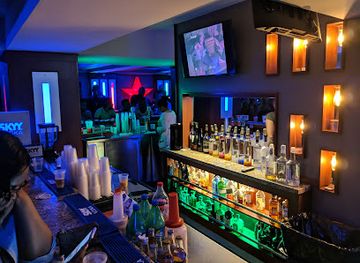
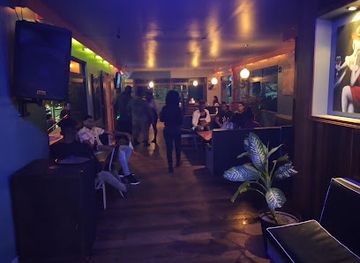
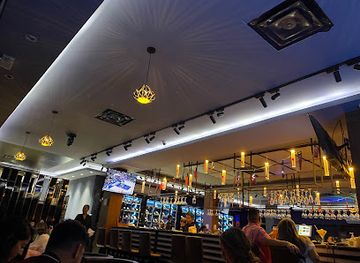
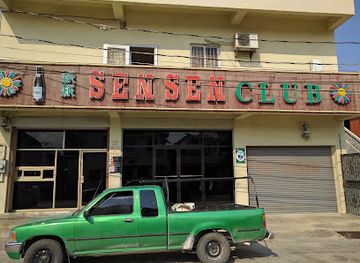
Sen Sen Club
Immerse yourself in the vibrant nightlife of Belize City at Sen Sen Club, where great drinks and a lively atmosphere await.
Best shops in Belize District
Belize City offers the district's broadest everyday shopping, with central market areas, food stalls, independent retailers, craft outlets and galleries selling woodwork, baskets, textiles, jewellery and locally themed souvenirs. Shopping is practical and mixed in character rather than centred on a single luxury district. Visitors can look for Belizean chocolate, hot sauces, coffee, rum, spices and packaged foods, while craft purchases are best made from reputable sellers who can explain materials and production. San Pedro has a more tourism-oriented scene, combining boutiques, beachwear, art, handmade jewellery, gifts and small food shops along its busy streets. Caye Caulker is smaller, with independent craft stalls, galleries and informal island souvenirs rather than extensive retail. Markets are useful for fresh produce and everyday local life, but opening patterns and stock can vary, particularly outside the main tourist season.
-
Department store
Mirab Department Store
Discover the Mirab Department Store in Belize City for a unique shopping experience featuring quality home goods, appliances, and local crafts.
-
Shopping mall
Golden Bay Store
Explore the eclectic shopping experience at Golden Bay Store in Belize City, where local culture meets international flair.
-
Shopping mall
Down Town Plaza
Experience the Best of Shopping and Local Culture at Down Town Plaza in Belize City.
-
Shopping mall
Dibary
Explore the vibrant shopping scene at Dibary, Belize City, where local culture meets modern retail in an unforgettable shopping experience.


Get your free copy of our complete guide to Belize District, delivered straight to you.
Everything on this page, from attractions and restaurants to essentials and local phrases, in one PDF you can read offline, print or share.
Already have an account? Sign in
Your Belize District guide is ready.
We'll send it to · Not you? Sign out

Getting your guide ready…
We are putting together a fresh copy of the Belize District guide. This can take up to a minute.
This can take a few moments. If your browser asks, choose Allow so the download can start. You'll find the guide in your Downloads folder.
Nothing happened? Download it again
Sorry, the guide is taking longer than usual. Please try again in a minute, or get it by email instead.
Belize District essentials
Currency and Payment
Safety
Emergency Situations
Do's and Don'ts
Local Tips
From Eve
Local phrases worth knowing
You don't need to get them perfect. A few words go a long way, and locals appreciate the effort.
Basics
| English | Local | Say it |
|---|---|---|
| Hello | Bwai | [bwah-ee] |
| Goodbye | Lata | [lah-tah] |
| Yes | Yah | [yah] |
| No | Noh | [noh] |
| Please/You're welcome | Di no problem | [dee noh proh-blem] |
| Thank you | Tenk yuh | [tenk yuh] |
| Excuse me/Sorry | Mek I pass | [mek eye pahs] |
| How are you? | How yuh di? | [how yuh dee] |
| Fine. And you? | I deh good. An yuh? | [eye deh good. an yuh] |
| Do you speak English? | Yuh speak Inglish? | [yuh speek ing-lish] |
| I don't understand | I noh understand | [eye noh un-der-stand] |
Eating & Drinking
| English | Local | Say it |
|---|---|---|
| I'd like to see the menu, please | Mek I si di menu, please | [mek eye see dee men-yu, pleez] |
| I don't eat meat | I noh eat meat | [eye noh eet meet] |
| Cheers! | Cheers! | [cheers] |
| I would like to pay, please | Mek I pay, please | [mek eye pay, pleez] |
Emergencies
| English | Local | Say it |
|---|---|---|
| Help! | Help! | [help] |
| Go away! | Gweh! | [gweh] |
| Call the Police! | Call di Police! | [call dee po-lees] |
| Call a doctor! | Call a doctor! | [call a dok-ta] |
| I'm lost | I lost | [eye lost] |
| I'm ill | I sick | [eye sik] |
Shopping
| English | Local | Say it |
|---|---|---|
| I'd like to buy... | Mek I buy... | [mek eye buy] |
| I'm just looking | I just di look | [eye just dee look] |
| How much is it? | How much dat? | [how much dat] |
| That's too expensive | Dat too high | [dat too high] |
| Can you lower the price? | Can yuh lower di price? | [can yuh loh-er dee price] |
Time & Numbers
| English | Local | Say it |
|---|---|---|
| What time is it? | Wah time it? | [wah time it] |
| It's one o'clock | It one o'clock | [it wan o-clock] |
| Half past (10) | Half past ten | [half past ten] |
| Morning | Mornin' | [mor-ning] |
| Afternoon | Afternoon | [af-ter-noon] |
| Evening | Evenin' | [ee-ven-ing] |
| Yesterday | Yesterday | [yes-ter-day] |
| Today | Today | [to-day] |
| Tomorrow | Tomorrow | [to-mor-row] |
| 1 | Wan | [wan] |
| 2 | Tu | [too] |
| 3 | Tri | [tree] |
| 4 | Foh | [foh] |
| 5 | Faiv | [fahyv] |
| 6 | Siks | [siks] |
| 7 | Sev'n | [sev'n] |
| 8 | Eit | [ate] |
| 9 | Nain | [nine] |
| 10 | Ten | [ten] |
Transport & Directions
| English | Local | Say it |
|---|---|---|
| Where's a/the...? | Wah di...? | [wah dee] |
| What's the address? | Wah di address? | [wah dee ad-dress] |
| Can you show me (on the map)? | Can yuh show me (pon di map)? | [can yuh show me pon dee map] |
| When's the next (bus)? | When di next (bus)? | [wen dee next bus] |
| A ticket (to ....) | A ticket (to ....) | [a ti-ket to] |
History of Belize District
Maya centres and regional trade
The Belize District contains several important Maya archaeological sites, of which Altun Ha is the best known. Occupied for many centuries and flourishing particularly during the Classic period, Altun Ha controlled or participated in trade routes linking the Caribbean coast with inland communities. Its ceremonial plazas, temples and elite burials show the political and religious importance of the site. The famous jade-head monument associated with Kinich Ahau, the Maya sun deity, reflects the long-distance connections of the settlement. Archaeological landscapes around the district demonstrate that its wetlands, rivers and coastal routes supported organised communities long before European contact.
European contact and the logwood economy
From the seventeenth century, English woodcutters established settlements along the Belize River and nearby waterways to harvest logwood, used in dye production. The settlement that became Belize Town, and later Belize City, developed from this river-based economy. Control of the area was contested diplomatically between Britain and Spain, while the population grew through the presence of European settlers, African people, enslaved labourers and their descendants. Logwood and later mahogany shaped land use, trade and social structures, establishing the commercial foundations of modern Belize City.
British Honduras and colonial Belize City
Britain gradually consolidated its authority over the settlement, which became known as British Honduras. Belize City served as the colony's administrative and commercial centre, with warehouses, churches, government offices and wharves clustered around the river and coast. Mahogany extraction became especially important during the nineteenth century, linking the district to international markets while creating harsh working conditions in the forest. Colonial architecture, old waterways and institutions in Belize City still reflect this period, although the city's society was shaped as much by African and Caribbean communities as by British administration.
From colony to self-government
The twentieth century brought political mobilisation, labour activism and a growing movement for self-government. Belize City was central to these developments because it was the colony's principal urban, media and organisational centre. The devastating hurricane of 1931 destroyed much of the city and exposed the weaknesses of colonial administration, while later constitutional changes expanded elected representation. The capital was eventually moved inland to Belmopan in neighbouring Cayo District, but Belize City remained the country's commercial and cultural capital. That distinction continues to shape the district's national importance.
Hurricane Hattie and the inland capital
Hurricane Hattie struck Belize in 1961, causing severe loss of life and extensive destruction in Belize City and coastal communities. The disaster reinforced concerns about the vulnerability of a low-lying coastal capital to hurricanes and storm surges. A new inland capital, Belmopan, was established in Cayo District, with the move taking place during the following decade. Belize City retained its port, businesses, government functions and population, but the relocation altered the country's administrative geography and made the contrast between the coastal district and inland Belize more pronounced.
Independence and a changing economy
Belize became independent from Britain in 1981, with Belize City continuing to act as the country's main commercial gateway and cultural centre. During the late twentieth and early twenty-first centuries, tourism, marine conservation and service industries grew alongside established trade, fishing and public-sector activity. Ambergris Caye and Caye Caulker became major bases for reef tourism, while protected areas such as Crooked Tree Wildlife Sanctuary and the Community Baboon Sanctuary reflected a growing emphasis on biodiversity. The district's modern identity combines national urban life with conservation, archaeology and coastal tourism.
Belize District in Photos
Browse through our photo collection highlighting the charm and character of the destination.
Neighbouring regions of Belize District
The closest regions to Belize District, if you have time for more than one.
-

-

-

-

-


Swipe for more regions
Explore more
Explore more of Belize
Discover Belize: A Caribbean paradise known for its stunning barrier reef, rich cultural heritage, and eco-friendly adventures in lush rainforests and pristine waters.
Explore Belize