

Free Central Belize Travel Guide & Mobile App
Explore Central Belize with free travel guides. Discover regional history, expert tips, proposed trips, and audio guides on web or mobile app.


Central Belize links Belize City’s colonial waterways with Maya ruins, river wetlands, wildlife reserves and the forested road to Belmopan.
Read more about Central Belize
Getting to and around Central Belize
How to get there
Transportation
Top city travel guides in Central Belize
The cities of Central Belize, and the easiest places to base yourself.
-

-

-

-

-

-


Swipe for more cities
Destinations in Central Belize
Resorts, valleys and scenic spots worth a trip of their own.
-

-

-

-

-


Swipe for more destinations
Best attractions in Central Belize
Central Belize combines urban heritage with accessible archaeological, wetland and forest attractions. In Belize City, the Museum of Belize introduces the country’s archaeology and colonial history, while the city’s creeks, civic buildings and historic churches provide context for the former British Honduran capital. North-west of the city, Altun Ha is one of the region’s most approachable Maya sites, with ceremonial plazas and monumental temples set among tropical vegetation. Crooked Tree Wildlife Sanctuary offers lagoons, wetlands and strong birdwatching opportunities, especially during the dry season, while the Community Baboon Sanctuary protects forest habitat for black howler monkeys. The Belize Zoo, on the road towards Belmopan, focuses on native species and is a practical introduction to Belizean wildlife. Inland, Guanacaste National Park provides short forest walks and viewpoints near Belmopan, while the route farther west leads towards larger protected landscapes outside Central Belize. Together these places make the region useful for visitors seeking a compact combination of history, wildlife, river scenery and easy-to-reach nature rather than a single concentrated resort area.
-
Tourist attraction
Nohoch Che'en Caves Branch Archaeological Reserve
Discover the breathtaking beauty and ancient history of Nohoch Che'en Caves Branch Archaeological Reserve, perfect for adventure seekers and nature lovers.
-
Tourist attraction
Ragga Sailing Adventures
Explore the stunning Caribbean waters with Ragga Sailing Adventures, offering unforgettable sailing tours and vibrant marine experiences in Caye Caulker.
-
National park
St. Herman's Blue Hole National Park
Explore the breathtaking beauty of St. Herman's Blue Hole National Park, a captivating natural gem in Belize, perfect for adventure and relaxation.
-
National park
Guanacaste National Park
Experience the breathtaking beauty and rich biodiversity of Guanacaste National Park, a must-visit destination for nature lovers and adventure seekers in Belize.


Best landmarks in Central Belize
Belize City’s most recognisable landmarks reflect its coastal setting and colonial-era development. The Swing Bridge crosses Haulover Creek in the historic centre and remains a visual symbol of the city’s relationship with its waterways and maritime commerce. Nearby St John’s Cathedral, built in the nineteenth century, is an important surviving church associated with the colonial period, while the former Government House, now the historic House of Culture, represents the administrative history of British Honduras. The Baron Bliss Lighthouse stands on the waterfront as a memorial to the benefactor whose legacy is commemorated nationally. Inland, the monumental temples and broad plazas of Altun Ha are the defining archaeological landmarks of Central Belize, revealing the scale and ceremonial importance of a Maya centre that once participated in regional trade. Belmopan’s planned government district provides a contrasting modern landmark landscape: its low-rise civic buildings and spacious layout express the capital’s post-hurricane relocation and its role as Belize’s administrative centre.
-
Archaeological site
Xunantunich Mayan Ruins
Discover the ancient wonders of Xunantunich Mayan Ruins in Belize, where history and nature intertwine in a breathtaking setting.
-
Grill
Secret Beach Belize
Experience the serene beauty and delicious flavors at Secret Beach in Belize, a must-visit destination for travelers seeking relaxation and adventure.
-
Historical landmark
Altun Ha
Explore the ancient Mayan city of Altun Ha, a historical landmark in Belize renowned for its stunning temples and rich cultural heritage.
-
Zoo
The Belize Zoo and Tropical Education Center
Experience Belize's vibrant wildlife at The Belize Zoo and Tropical Education Center, where education and conservation come together in a lush tropical setting.


Explore Central Belize on the map
Plan your trip on one map. See where the top cities, national parks and sights are, and book hotels and experiences in a few clicks.
Best hotels in Central Belize
Best restaurants in Central Belize
Central Belize reflects the country’s cultural mix most clearly in its everyday food. Belize City is the region’s broadest dining centre, with Creole staples such as rice and beans, stewed chicken, fried plantain and salads appearing alongside fresh seafood, ceviche and Caribbean-influenced cooking. Small eateries and market stalls are often the best places to encounter familiar local dishes, while cafés and restaurants offer more contemporary interpretations. Around Belmopan and the inland highway, roadside stands and family-run establishments commonly serve grilled meats, tacos, tamales and other dishes shaped by Maya and Mestizo traditions. Fruit drinks, pastries and seasonal produce add variety, and locally available fish and shellfish connect the region to Belize’s coastal economy. Dining is generally informal, though established hotels and urban restaurants provide more polished settings. Visitors should ask about ingredients and spice levels, particularly when trying pepper sauces, and should not assume that a dish served in Central Belize is exclusive to the region rather than part of wider Belizean cuisine.
-
Central American
Elvi's Kitchen
Experience the vibrant flavors of Central America at Elvi's Kitchen in San Pedro - a seafood lover's paradise with an inviting atmosphere.
-
Restaurant
The Guava Limb Restaurant & Café
Experience delightful dining at The Guava Limb Restaurant & Café in San Ignacio—where local flavors meet international cuisine.
-
Restaurant
Midtown Restaurant & Bar
Experience the vibrant flavors and lively atmosphere at Midtown Restaurant & Bar in Belize City – a must-visit culinary hotspot.
-
Restaurant
Bird's Isle Restaurant
Discover culinary delights at Bird's Isle Restaurant in Belize City - where local flavors meet stunning waterfront views.


Best bars in Central Belize
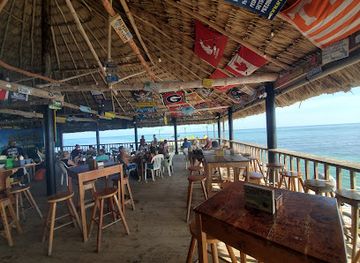
Evening life in Central Belize is more social and local than club-oriented. Belize City has the widest selection of bars, casual restaurants and venues with music, with activity concentrated around established commercial areas rather than one single nightlife district. Traditional rum shops and neighbourhood bars offer an informal setting, while hotels and restaurants provide quieter drinks and evening meals. Belmopan’s nightlife is smaller and tends to centre on bars, eateries and occasional live music rather than late-night clubs. Along the highways and in rural communities, evenings are generally organised around family gatherings, local restaurants and community events. Visitors should use transport thoughtfully after dark and avoid treating drinking as the main way to engage with Belizean culture. Nightlife can also vary considerably by day, season and local event schedule, so current advice from accommodation staff is more reliable than assuming that every venue operates nightly.
-
Grill
The Lazy Lizard
Experience the vibrant atmosphere of The Lazy Lizard on Caye Caulker, where delicious grilled dishes and stunning sea views await every visitor.
-
Grill
Palapa Bar and Grill
Experience the vibrant flavors and lively atmosphere at Palapa Bar and Grill, a beloved grill and live music venue in San Pedro, Belize.
-
Grill
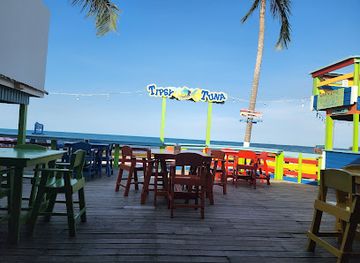
Tipsy Tuna
Savor the vibrant flavors of the Caribbean at Tipsy Tuna, Placencia's top bar and grill for fresh seafood and tropical drinks.
-
Grill
Barefoot Beach Bar
Discover the vibrant flavors and laid-back charm of Barefoot Beach Bar in Placencia, Belize, a perfect tropical escape for every traveler.


Best nightclubs in Central Belize
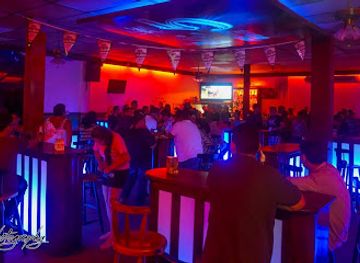
Evening life in Central Belize is more social and local than club-oriented. Belize City has the widest selection of bars, casual restaurants and venues with music, with activity concentrated around established commercial areas rather than one single nightlife district. Traditional rum shops and neighbourhood bars offer an informal setting, while hotels and restaurants provide quieter drinks and evening meals. Belmopan’s nightlife is smaller and tends to centre on bars, eateries and occasional live music rather than late-night clubs. Along the highways and in rural communities, evenings are generally organised around family gatherings, local restaurants and community events. Visitors should use transport thoughtfully after dark and avoid treating drinking as the main way to engage with Belizean culture. Nightlife can also vary considerably by day, season and local event schedule, so current advice from accommodation staff is more reliable than assuming that every venue operates nightly.
-
Bar
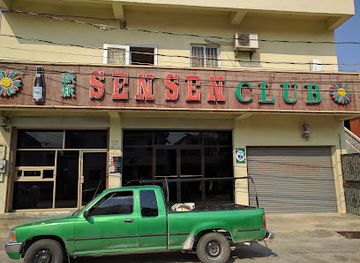
Sen Sen Club
Discover the lively spirit of Belize City at Sen Sen Club, where affordable drinks and vibrant nightlife await.
-
Night club
Hi5 Pub & Nightclub
Discover the excitement of nightlife at Hi5 Pub & Nightclub in Orange Walk, where great music and vibrant energy await.
-
Casino
MONETA Night Club and Casino
Discover the vibrant nightlife of MONETA Night Club and Casino in San Pedro, Belize, where gaming excitement meets unforgettable entertainment.
-
Bar
Revolution Nightclub
Discover the electrifying nightlife of San Ignacio at Revolution Nightclub, where vibrant music, cocktails, and fun await every night.

Best shops in Central Belize
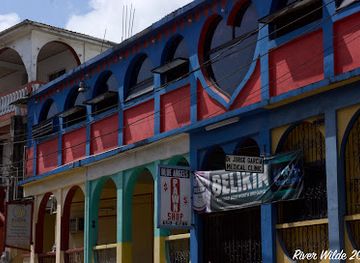
Shopping in Central Belize is practical, local and varied rather than dominated by large retail districts. Belize City has the region’s broadest selection of groceries, pharmacies, clothing shops, craft sellers, bookshops and small galleries, with markets and waterfront areas useful for browsing souvenirs and everyday produce. Look for carved wood, woven items, paintings, jewellery and food products, while checking that wildlife materials and archaeological objects are legal and ethically sourced. Belmopan offers a smaller market and high-street scene suited to fresh produce, prepared food and daily necessities, with craft and cultural items available through local sellers and visitor-focused outlets. Roadside stalls along the inland corridor may sell fruit, snacks, honey and seasonal agricultural products, but availability changes. Regional food gifts such as pepper sauces, coffee, dried fruit and chocolate can be easier to transport than fragile crafts. Bargaining is not universal, so ask politely rather than assuming every price is negotiable, and carry cash for smaller vendors.
-
Zoo
The Belize Zoo and Tropical Education Center
Discover the beauty and diversity of Belize's wildlife at The Belize Zoo and Tropical Education Center, a sanctuary for native animals and conservation education.
-
Shopping mall
Golden Bay Store
Explore the Golden Bay Store in Belize City for unique crafts, vibrant souvenirs, and a taste of local culture.
-
Gift shop
Art Box - Belize Artisan Store & Cafe
Discover the vibrant creativity of Belize at Art Box, your go-to destination for unique art, gifts, and delicious coffee.
-
Stationery store
A&R Enterprises | Belmopan
Discover unique stationery and local crafts at A&R Enterprises in Belmopan - a must-visit shopping destination for tourists.


Get your free copy of our complete guide to Central Belize, delivered straight to you.
Everything on this page, from attractions and restaurants to essentials and local phrases, in one PDF you can read offline, print or share.
Already have an account? Sign in
Your Central Belize guide is ready.
We'll send it to · Not you? Sign out

Getting your guide ready…
We are putting together a fresh copy of the Central Belize guide. This can take up to a minute.
This can take a few moments. If your browser asks, choose Allow so the download can start. You'll find the guide in your Downloads folder.
Nothing happened? Download it again
Sorry, the guide is taking longer than usual. Please try again in a minute, or get it by email instead.
Central Belize essentials
Currency and Payment
Safety
Emergency Situations
Do's and Don'ts
Local Tips
From Eve
Local phrases worth knowing
You don't need to get them perfect. A few words go a long way, and locals appreciate the effort.
Basics
| English | Local | Say it |
|---|---|---|
| Hello | Bélize | [beh-leez] |
| Goodbye | Adiós | [ah-dee-ohs] |
| Yes | Sí | [see] |
| No | No | [noh] |
| Please/You're welcome | Por favor | [por fah-bor] |
| Thank you | Gracias | [grah-syahs] |
| Excuse me/Sorry | Perdón | [pehr-dohn] |
| How are you? | ¿Cómo estás? | [koh-moh eh-stahs] |
| Fine. And you? | Bien. ¿Y tú? | [byen. ee too] |
| Do you speak English? | ¿Hablas inglés? | [ah-blahs een-glays] |
| I don't understand | No entiendo | [noh en-tyen-doh] |
Eating & Drinking
| English | Local | Say it |
|---|---|---|
| I'd like to see the menu, please | Me gustaría ver el menú, por favor | [meh goos-tah-ree-ah vehr el meh-noo, por fah-bor] |
| I don't eat meat | No como carne | [noh koh-moh kar-neh] |
| Cheers! | ¡Salud! | [sah-lood] |
| I would like to pay, please | Me gustaría pagar, por favor | [meh goos-tah-ree-ah pah-gar, por fah-bor] |
Emergencies
| English | Local | Say it |
|---|---|---|
| Help! | ¡Ayuda! | [ah-yoo-dah] |
| Go away! | ¡Vete! | [veh-teh] |
| Call the Police! | ¡Llama a la policía! | [yah-mah ah lah poh-lee-see-ah] |
| Call a doctor! | ¡Llama a un doctor! | [yah-mah ah oon dok-tor] |
| I'm lost | Estoy perdido | [es-toy pehr-dee-doh] |
| I'm ill | Estoy enfermo | [es-toy en-fehr-moh] |
Shopping
| English | Local | Say it |
|---|---|---|
| I'd like to buy... | Me gustaría comprar... | [meh goos-tah-ree-ah kom-prar] |
| I'm just looking | Solo estoy mirando | [soh-lo es-toy mee-rahn-doh] |
| How much is it? | ¿Cuánto cuesta? | [kwahn-toh kwes-tah] |
| That's too expensive | Eso es muy caro | [eh-so es mooy kah-roh] |
| Can you lower the price? | ¿Puedes bajar el precio? | [pweh-des bah-har el preh-syo] |
Time & Numbers
| English | Local | Say it |
|---|---|---|
| What time is it? | ¿Qué hora es? | [keh oh-rah es] |
| It's one o'clock | Es la una | [es lah oo-nah] |
| Half past (10) | Y diez y media | [ee dyas ee meh-dee-ah] |
| Morning | Mañana | [mah-nyah-nah] |
| Afternoon | Tarde | [tahr-deh] |
| Evening | Noche | [noh-cheh] |
| Yesterday | Ayer | [ah-yehr] |
| Today | Hoy | [oy] |
| Tomorrow | Mañana | [mah-nyah-nah] |
| 1 | Uno | [oo-noh] |
| 2 | Dos | [dohs] |
| 3 | Tres | [tres] |
| 4 | Cuatro | [kwah-troh] |
| 5 | Cinco | [seen-koh] |
| 6 | Seis | [says] |
| 7 | Siete | [syay-teh] |
| 8 | Ocho | [oh-choh] |
| 9 | Nueve | [nweh-veh] |
| 10 | Diez | [dyes] |
Transport & Directions
| English | Local | Say it |
|---|---|---|
| Where's a/the...? | ¿Dónde está un/una...? | [dohn-deh es-tah oon/oo-nah] |
| What's the address? | ¿Cuál es la dirección? | [kwahl es lah dee-rek-syon] |
| Can you show me (on the map)? | ¿Puedes mostrarme (en el mapa)? | [pweh-des mohs-trar-meh en el mah-pah] |
| When's the next (bus)? | ¿Cuándo sale el próximo (autobús)? | [kwahn-doh sah-leh el prohk-see-moh ow-toh-boos] |
| A ticket (to ....) | Un boleto (a ....) | [oon bo-leh-toh ah] |
History of Central Belize
Maya Lowland Civilisation
The Central Belize landscape formed part of the wider Maya lowlands, whose communities developed complex political, agricultural and trading systems over many centuries. Altun Ha, north-west of Belize City, flourished particularly during the Classic period and controlled routes linking inland resources with the Caribbean coast. Its temples, plazas and carved monuments demonstrate the importance of urban ceremonial centres in the region. Maya communities continued to live across Belize after the political decline of many major cities, and Maya languages, farming traditions and cultural practices remain part of the country’s living heritage.
Logwood, Mahogany and British Settlement
From the seventeenth century, European settlers and enslaved Africans established an economy based first on logwood and later on mahogany. Rivers were essential for moving timber from the interior to the coast, helping Belize Town develop as the colony’s commercial centre. The timber trade brought wealth to merchants but depended on coercive labour systems and left a lasting social and architectural legacy. Belize City’s waterways, old commercial buildings and relationship with the Belize River all reflect this period, when the settlement occupied a strategic position within British Honduras.
Colonial Institutions and Cultural Change
During the nineteenth and early twentieth centuries, Belize City became the administrative and social centre of British Honduras. Churches, schools, courts, trading houses and government offices grew alongside communities of African, European, Maya, Mestizo, Garifuna, Creole and other backgrounds. The city’s built environment records this layered history, from St John’s Cathedral to surviving wooden buildings and former commercial premises. Georgetown-style colonial administration never erased local cultural development; instead, Belizean Creole language and urban customs emerged from the interaction of African, Caribbean, British and Central American influences.
The 1931 Hurricane and Social Reform
A catastrophic hurricane struck Belize City in September 1931, causing extensive destruction and many deaths. The disaster exposed the vulnerability of low-lying wooden urban districts and intensified criticism of colonial administration and social inequality. Reconstruction altered parts of the city, while the event remained central to public memory. Economic hardship during the same period contributed to labour unrest and political mobilisation, helping stimulate movements that later led towards greater self-government. The hurricane is commemorated as one of the decisive events in modern Belizean history.
Belmopan and the Inland Shift
Hurricane Hattie devastated Belize City in 1961, prompting the colonial government to develop a new inland capital away from the coast’s principal storm risks. Belmopan was planned and established in the 1970s near the centre of the country, in what is now Cayo District. Its low-density layout, government buildings and surrounding greenery contrast sharply with Belize City’s older, denser urban fabric. The move redistributed some administrative functions inland while Belize City remained the country’s commercial, cultural and maritime gateway.
Independence and the Contemporary Region
Belize became independent from the United Kingdom in 1981, with Belize City continuing as the largest urban centre and Belmopan serving as the national capital. Since independence, Central Belize has developed as a service, transport and tourism corridor. Archaeological conservation, wildlife protection and community-based tourism have gained importance alongside commerce and government. The region’s modern identity is consequently shaped by both inherited colonial infrastructure and a multicultural Belizean society whose economy connects urban services, agriculture, conservation and travel to the coast and interior.
Central Belize in Photos
Browse through our photo collection highlighting the charm and character of the destination.
Neighbouring regions of Central Belize
The closest regions to Central Belize, if you have time for more than one.
-

-

-

-

-


Swipe for more regions
Explore more
Explore more of Belize
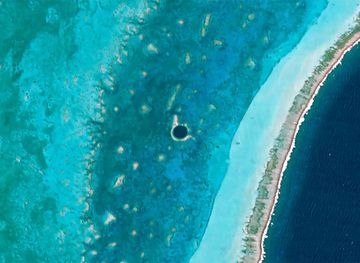
Discover Belize: A Caribbean paradise known for its stunning barrier reef, rich cultural heritage, and eco-friendly adventures in lush rainforests and pristine waters.
Explore Belize