

Free The Cayes Travel Guide & Mobile App
Explore The Cayes with free travel guides. Discover regional history, expert tips, proposed trips, and audio guides on web or mobile app.


Explore Belize’s Cayes for coral reefs, island villages, diving, seafood, sailing and relaxed Caribbean days across Ambergris Caye and beyond.
Read more about The Cayes
When is the best time to visit The Cayes?
Best: January–March · 27–29°C| Month | High (°C) | Rainfall (mm) |
|---|---|---|
| January (best) | 27 | 75 |
| February (best) | 28 | 70 |
| March (best) | 29 | 65 |
| April | 30 | 70 |
| May | 31 | 105 |
| June | 31 | 175 |
| July | 31 | 185 |
| August | 31 | 195 |
| September | 31 | 205 |
| October | 30 | 185 |
| November | 29 | 145 |
| December | 28 | 105 |
Getting to and around The Cayes
How to get there
Transportation
Top city travel guides in The Cayes
The cities of The Cayes, and the easiest places to base yourself.
-

-


Swipe for more cities
Best attractions in The Cayes
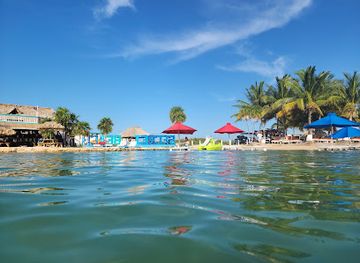
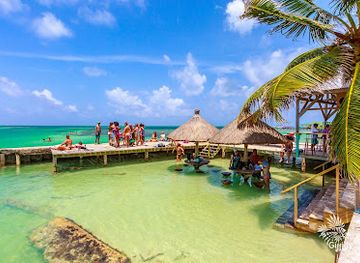
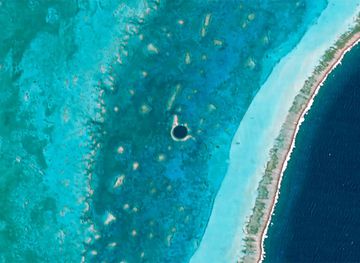
The Cayes’ principal attractions are marine rather than monumental. Ambergris Caye provides access to Hol Chan Marine Reserve and Shark Ray Alley, where guided snorkelling and diving trips explore coral, seagrass and shallow marine habitats. Caye Caulker is a convenient base for reef excursions and kayaking, while its Split is a familiar swimming and waterfront gathering point. South Water Caye Marine Reserve, Tobacco Caye and nearby reef islands offer smaller-scale stays and easy access to coral environments, although facilities and transfer arrangements are limited. Farther offshore, Glover’s Reef and Turneffe Atoll are important destinations for diving, fly-fishing, kayaking and wildlife observation. Lighthouse Reef Atoll is associated with Half Moon Caye Natural Monument, a protected island with notable seabird habitat, and the Great Blue Hole, whose deep marine geology attracts experienced divers. Visitors should treat these places as living ecosystems rather than adventure playgrounds: currents, visibility, weather and conservation rules shape each excursion. On the inhabited cayes, additional attractions include fishing villages, waterfront walks, local galleries, boat trips through mangroves and the everyday activity of markets, docks and small restaurants.
-
Zoo
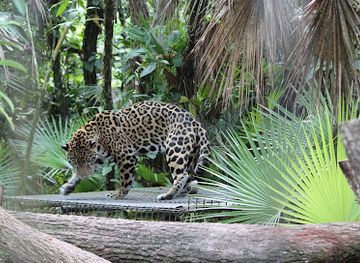
The Belize Zoo and Tropical Education Center
Explore the Belize Zoo and Tropical Education Center, a haven for wildlife enthusiasts and nature lovers, showcasing the beauty of Belize’s native species.
-
Cruise terminal
Fort Street Tourism Village
Explore Fort Street Tourism Village in Belize City for a vibrant blend of shopping, dining, and cultural experiences in a tropical paradise.
-
Park
Digi Park
Experience the tranquility and natural beauty of Digi Park in Belize City, a perfect escape for tourists seeking relaxation and local culture.
-
Swimming facility
Old Belize
Explore Old Belize, where culture meets recreation, offering swimming, dining, shopping, and rich historical exhibits in a picturesque setting.

Best landmarks in The Cayes
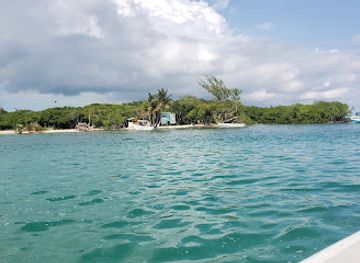
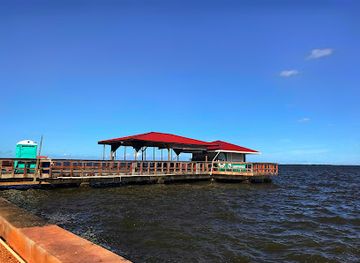
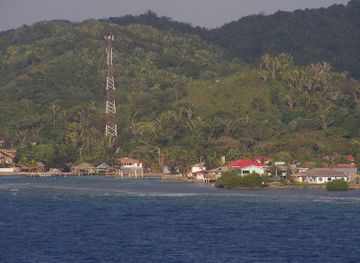
The Cayes’ most recognisable landmarks are shaped by water, reef and settlement. The Split on Caye Caulker is a narrow channel dividing the island’s inhabited areas and has become one of its best-known geographic features. San Pedro’s waterfront, pier-lined streets and low-rise townscape express Ambergris Caye’s evolution from fishing village to Belize’s principal island tourism centre, although much of the built environment is contemporary. Offshore, the Great Blue Hole at Lighthouse Reef is the region’s defining natural landmark: a near-circular marine sinkhole whose dark blue profile contrasts with the surrounding shallow reef. Half Moon Caye, also within Lighthouse Reef, is notable for its protected island landscape and seabird habitat. The reef flats, mangrove islands and channels of Turneffe Atoll form a less immediately visible but geographically significant landmark, representing one of Belize’s largest marine atoll systems. In the southern Cayes, the low wooded profile of South Water Caye and Tobacco Caye demonstrates how small settlements occupy narrow strips of land surrounded by extensive protected waters.
-
Archaeological site
Xunantunich Mayan Ruins
Explore the ancient wonders of Xunantunich Mayan Ruins, a captivating archaeological site in Belize that showcases Mayan history and breathtaking views.
-
Grill
Secret Beach Belize
Experience the tranquility of Secret Beach in Belize, a hidden paradise with stunning views, delicious cuisine, and a friendly atmosphere perfect for relaxation.
-
Historical landmark
Altun Ha
Explore the ancient Mayan ruins of Altun Ha in Belize, where history and nature beautifully intertwine, creating a magical travel experience.
-
Grill
The Lazy Lizard
Discover the vibrant flavors and laid-back vibes at The Lazy Lizard, the perfect grill destination on Caye Caulker's stunning shores.
Explore The Cayes on the map
Plan your trip on one map. See where the top cities, national parks and sights are, and book hotels and experiences in a few clicks.
Best hotels in The Cayes
Best restaurants in The Cayes
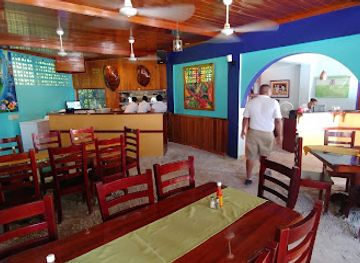
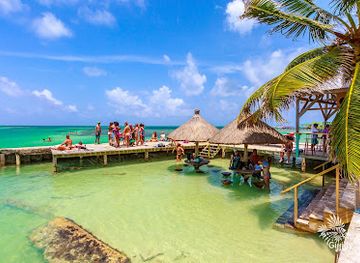
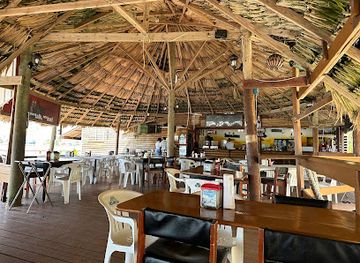
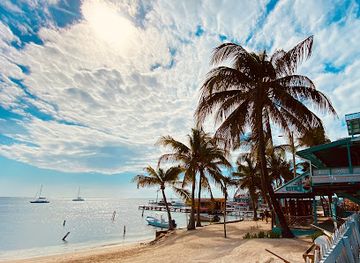
Dining in the Cayes is closely connected to the sea and to Belize’s broader Caribbean, Creole, Mestizo and Central American influences. Grilled fish, shrimp, conch ceviche, rice and beans, stewed chicken, fresh salads and seafood tacos are widely encountered, while lobster appears during the legally permitted season rather than year-round. San Pedro has the widest range, from casual grills and cafés to hotel restaurants and more elaborate dining rooms, with menus that combine Belizean ingredients and international styles. Caye Caulker is known for informal waterfront eating, grilled seafood and relaxed cafés, while smaller cayes usually depend on set menus or pre-arranged meals at guesthouses and lodges. Local fruit, coconut, hot sauces and freshly prepared seafood add regional character, and rum-based drinks are common in island settings. Ask whether seafood is locally caught and check seasonal restrictions before ordering conch or lobster; responsible sourcing matters in a region where fishing communities and marine conservation are closely linked.
-
Central American
Elvi's Kitchen
Discover vibrant flavors at Elvi's Kitchen in San Pedro—where fresh seafood meets authentic Central American cuisine.
-
Grill
The Lazy Lizard
Discover tropical flavors at The Lazy Lizard in Caye Caulker—where fresh seafood meets laid-back island vibes.
-
Restaurant
Bird's Isle Restaurant
Experience exquisite dining at Bird's Isle Restaurant in Belize City - where fresh seafood meets stunning waterfront views.
-
Restaurant
Estel's Dine By the Sea
Experience authentic Belizean flavors with stunning beachfront views at Estel's Dine By the Sea in San Pedro.
Best bars in The Cayes
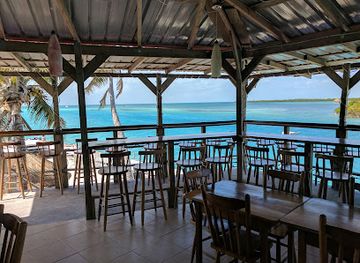
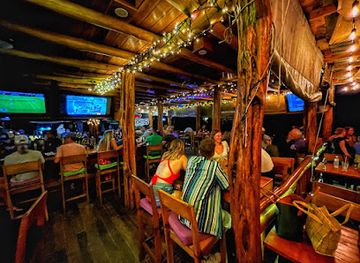
Evening life in the Cayes is generally informal and waterfront-focused rather than built around large nightclubs. San Pedro has the broadest choice of beach bars, rum bars, hotel lounges, restaurants with music and occasional venues offering dancing or live performances. Caye Caulker has a compact evening scene centred on casual bars, small restaurants, sunset gatherings and music, with activity varying by season and day of the week. On South Water Caye, Tobacco Caye and other smaller islands, nightlife usually means drinks at the accommodation, conversation with other travellers, stargazing or an early night after time on the water. Breweries, cocktails and Belizean rum feature alongside soft drinks and fresh juices, but alcohol is not necessary to participate in island social life. Confirm the return arrangements before joining an evening boat trip, and remember that remote-island services, sound levels and closing times are considerably more limited than in San Pedro.
-
Grill
The Lazy Lizard
Experience the essence of Caye Caulker at The Lazy Lizard, where delicious food meets breathtaking views in a vibrant island atmosphere.
-
Grill
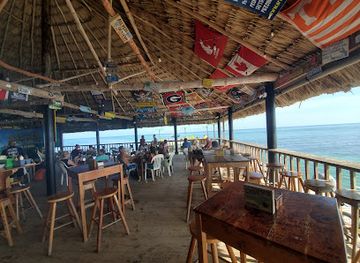
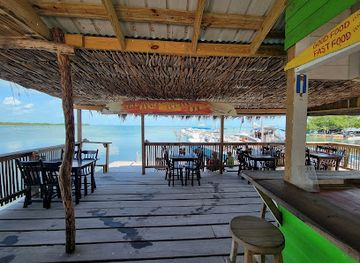
Palapa Bar and Grill
Discover the lively Palapa Bar and Grill in San Pedro, where delicious food meets captivating live music and stunning seaside views.
-
Grill
The Pelican Sunset Bar
Experience the best of Caye Caulker at The Pelican Sunset Bar, where grilled delights meet breathtaking sunset views in a vibrant setting.
-
Sports bar
Crocs Sunset Sports Bar
Crocs Sunset Sports Bar: Your destination for vibrant nightlife, delicious cuisine, and unforgettable sunsets in San Pedro, Belize.
Best nightclubs in The Cayes
Evening life in the Cayes is generally informal and waterfront-focused rather than built around large nightclubs. San Pedro has the broadest choice of beach bars, rum bars, hotel lounges, restaurants with music and occasional venues offering dancing or live performances. Caye Caulker has a compact evening scene centred on casual bars, small restaurants, sunset gatherings and music, with activity varying by season and day of the week. On South Water Caye, Tobacco Caye and other smaller islands, nightlife usually means drinks at the accommodation, conversation with other travellers, stargazing or an early night after time on the water. Breweries, cocktails and Belizean rum feature alongside soft drinks and fresh juices, but alcohol is not necessary to participate in island social life. Confirm the return arrangements before joining an evening boat trip, and remember that remote-island services, sound levels and closing times are considerably more limited than in San Pedro.
-
 Night club
White Swan Bar
Dive into the electrifying nightlife at White Swan Bar in Hope Creek, where music, dance, and vibrant energy await every visitor.
-
Lounge
SAC Lounge and Restaurant
Experience the vibrant nightlife of Dangriga at SAC Lounge and Restaurant, where local flavors meet a lively atmosphere.
-
Night club
MJ Nightclub
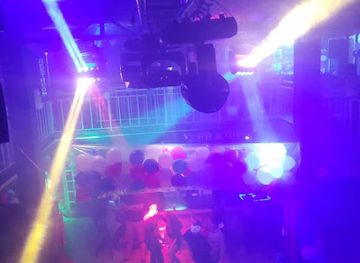
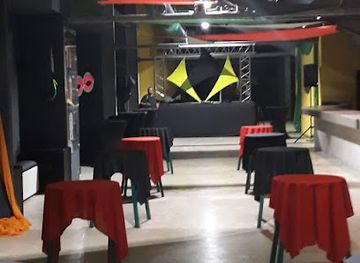
Experience the vibrant nightlife of Belize City at MJ Nightclub, where music, dance, and unforgettable moments await.
-
Night club
Fuzion Lounge
Discover the vibrant nightlife at Fuzion Lounge, Belize City's premier night club, where music, dancing, and good vibes await.
Best shops in The Cayes
Shopping in the Cayes is concentrated in San Pedro and Caye Caulker, where small boutiques, craft stalls, art galleries, beachwear shops and convenience stores serve both residents and visitors. Purchases commonly include locally made jewellery, carved items, paintings, woven goods, hammocks, reef-themed artwork and Belizean food products such as hot sauces, chocolate and rum. San Pedro offers the broader retail selection, including practical diving and beach equipment, while Caye Caulker’s shops are more compact and informal. Smaller islands generally have little or no independent retail, so bring toiletries, specialist equipment and suitable snacks before travelling there. Seafood should not be bought casually from unregulated sources, and shells, coral and other marine material should never be removed as souvenirs. For a more meaningful purchase, look for clearly identified Belizean-made crafts and ask about the maker or materials rather than assuming that every island-themed item originated locally.
-
Art gallery
GariMaya Gift Shop
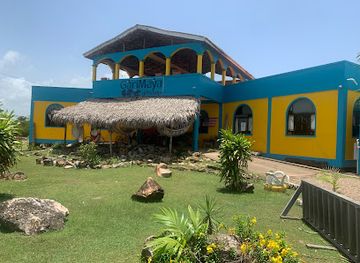
Discover the vibrant artistry of Belize at GariMaya Gift Shop, a unique art gallery showcasing handcrafted treasures from local artisans.
-
Market
The Farmhouse Market & Cafe
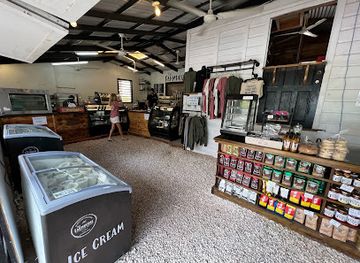
Experience the delightful blend of local flavors and fresh produce at The Farmhouse Market & Cafe in San Pedro, Belize.
-
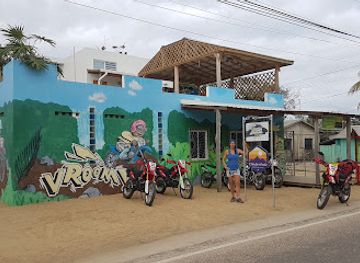
Motorcycle rental agency
Motorbike Rentals & Alternate Adventures
Unleash your adventurous spirit with Motorbike Rentals & Alternate Adventures, the gateway to exploring Belize on two wheels.
-
Grocery store
Island City Supermarket
Explore Island City Supermarket in San Pedro for a unique grocery shopping experience with local flavors and international delights.
Get your free copy of our complete guide to The Cayes, delivered straight to you.
Everything on this page, from attractions and restaurants to essentials and local phrases, in one PDF you can read offline, print or share.
Already have an account? Sign in
Your The Cayes guide is ready.
We'll send it to · Not you? Sign out

Getting your guide ready…
We are putting together a fresh copy of the The Cayes guide. This can take up to a minute.
This can take a few moments. If your browser asks, choose Allow so the download can start. You'll find the guide in your Downloads folder.
Nothing happened? Download it again
Sorry, the guide is taking longer than usual. Please try again in a minute, or get it by email instead.
The Cayes essentials
Currency and Payment
Safety
Emergency Situations
Do's and Don'ts
Local Tips
From Eve
Local phrases worth knowing
You don't need to get them perfect. A few words go a long way, and locals appreciate the effort.
Basics
| English | Local | Say it |
|---|---|---|
| Hello | Hola | [O-la] |
| Goodbye | Adiós | [A-dee-os] |
| Yes | Sí | [See] |
| No | No | [No] |
| Please/You're welcome | Por favor/De nada | [Por fa-vor/De na-da] |
| Thank you | Gracias | [Gra-thias] |
| Excuse me/Sorry | Perdón | [Per-don] |
| How are you? | ¿Cómo estás? | [Ko-mo es-tas] |
| Fine. And you? | Bien. ¿Y tú? | [Bee-en. E tu] |
| Do you speak English? | ¿Hablas inglés? | [A-blas in-glez] |
| I don't understand | No entiendo | [No en-tien-do] |
Eating & Drinking
| English | Local | Say it |
|---|---|---|
| I'd like to see the menu, please | Me gustaría ver el menú, por favor | [Me gus-ta-ria ver el me-nu, por fa-vor] |
| I don't eat meat | No como carne | [No co-mo car-ne] |
| Cheers! | ¡Salud! | [Sa-lud] |
| I would like to pay, please | Me gustaría pagar, por favor | [Me gus-ta-ria pa-gar, por fa-vor] |
Emergencies
| English | Local | Say it |
|---|---|---|
| Help! | ¡Ayuda! | [A-yu-da] |
| Go away! | ¡Vete! | [Ve-te] |
| Call the Police! | ¡Llama a la policía! | [Ya-ma a la po-li-cia] |
| Call a doctor! | ¡Llama a un doctor! | [Ya-ma a un doc-tor] |
| I'm lost | Estoy perdido | [Es-toy per-di-do] |
| I'm ill | Estoy enfermo/enferma | [Es-toy en-fer-mo/en-fer-ma] |
Shopping
| English | Local | Say it |
|---|---|---|
| I'd like to buy... | Me gustaría comprar... | [Me gus-ta-ria com-prar] |
| I'm just looking | Solo estoy mirando | [So-lo es-toy mi-ran-do] |
| How much is it? | ¿Cuánto cuesta? | [Cuan-to ques-ta] |
| That's too expensive | Eso es muy caro | [E-so es muy ca-ro] |
| Can you lower the price? | ¿Puedes bajar el precio? | [Pwe-des ba-har el pre-cio] |
Time & Numbers
| English | Local | Say it |
|---|---|---|
| What time is it? | ¿Qué hora es? | [Ke o-ra es] |
| It's one o'clock | Es la una | [Es la u-na] |
| Half past (10) | Y media (10) | [Y me-dia] |
| Morning | Mañana | [Ma-nya-na] |
| Afternoon | Tarde | [Tar-de] |
| Evening | Noche | [No-che] |
| Yesterday | Ayer | [A-yer] |
| Today | Hoy | [Oi] |
| Tomorrow | Mañana | [Ma-nya-na] |
| 1 | Uno | [U-no] |
| 2 | Dos | [Dos] |
| 3 | Tres | [Tres] |
| 4 | Cuatro | [Cua-tro] |
| 5 | Cinco | [Sin-co] |
| 6 | Seis | [Seis] |
| 7 | Siete | [Sye-te] |
| 8 | Ocho | [O-cho] |
| 9 | Nueve | [Nwe-ve] |
| 10 | Diez | [Dyez] |
Transport & Directions
| English | Local | Say it |
|---|---|---|
| Where's a/the...? | ¿Dónde está un/una...? | [Don-de es-ta un/una] |
| What's the address? | ¿Cuál es la dirección? | [Cual es la di-rec-ción] |
| Can you show me (on the map)? | ¿Puedes mostrarme (en el mapa)? | [Pwe-des mos-trar-me en el ma-pa] |
| When's the next (bus)? | ¿Cuándo es el próximo (autobús)? | [Cuan-do es el pro-xi-mo] |
| A ticket (to ....) | Un boleto (a ....) | [Un bo-le-to a] |
History of The Cayes
Maya Maritime Networks
Long before European settlement, Maya communities on the Belize mainland used the coast, lagoons and offshore islands as part of extensive trading networks. The cayes provided access to marine resources, salt, shell, fish and transport routes along the Caribbean coast. Archaeological evidence on the mainland and in coastal zones shows the importance of maritime exchange to Maya societies, although most of the low-lying cayes have not preserved large monumental settlements. Their position between the coast and open sea continued to make them strategically useful long after the Classic Maya period.
British Logwood and Coastal Settlement
From the seventeenth century, English-speaking logwood and timber cutters established a lasting presence in what became British Honduras. The cayes formed part of the coastal world that supported these activities, providing anchorages, fishing grounds and routes for small craft. Settlement remained scattered, and the islands were also used by fishers and maritime traders. British influence helped shape the English language and legal traditions that remain important in Belize, while the wider coastal population developed through interaction among Maya, African-descended, European and mixed communities.
Sailing, Fishing and the Colonial Coast
During the nineteenth and early twentieth centuries, the cayes were closely tied to sailing, coastal transport and fishing rather than mass tourism. Residents harvested fish, conch and turtle, cultivated coconuts in suitable locations and supplied the mainland and passing vessels. San Pedro developed as a fishing settlement on Ambergris Caye, while smaller cayes supported modest communities or seasonal activity. These maritime occupations created practical knowledge of currents, reefs and weather that continues to influence the islands’ culture and local economy.
Coconut Production and Changing Island Economies
Coconut cultivation became significant on parts of the Belizean coast and cayes during the nineteenth and twentieth centuries, producing copra and linking island communities to regional trade. Hurricanes, disease, changing prices and the limitations of small-island agriculture restricted its long-term importance. Fishing remained central, especially the harvesting of lobster and conch, but processing, transport and market access gradually changed the character of island livelihoods. Many present-day food traditions and boat-based practices reflect this earlier dependence on the sea.
Hurricane Hattie and Modern Belize
Hurricane Hattie struck Belize in 1961, causing catastrophic damage along the coast and prompting the colonial administration to move the capital from Belize City to the inland site of Belmopan. The storm also affected coastal and island communities, reinforcing the vulnerability of low-lying settlements to hurricanes, storm surge and flooding. For the cayes, the event remains part of a broader history of rebuilding after severe weather. Hurricane preparedness, sturdy construction and seasonal monitoring are consequently important aspects of contemporary island life.
From Fishing Villages to Marine Tourism
International interest in Belize’s coral reef, clear waters and diving expanded markedly in the late twentieth century. San Pedro and Caye Caulker developed accommodation, restaurants, water-sports businesses and transport links, while smaller islands and offshore reefs attracted specialist divers, anglers and conservation projects. Tourism did not replace fishing everywhere, but it became a major economic force and brought new pressures, including coastal construction, waste management and demand for freshwater. The modern Cayes therefore combine older maritime livelihoods with a service economy focused on marine recreation.
Marine Conservation and the Belize Barrier Reef
The growth of marine tourism coincided with stronger efforts to protect coral reefs, mangroves, seagrass and fish populations. Marine reserves and protected areas were established across the Belize Barrier Reef and offshore atolls, including Hol Chan, South Water Caye, Glover’s Reef, Turneffe Atoll and Lighthouse Reef. The Belize Barrier Reef Reserve System was inscribed on the UNESCO World Heritage List in 1996. Conservation remains an evolving process, balancing livelihoods, tourism and the ecological sensitivity of a reef system exposed to warming seas, storms and coastal development.
The Cayes in Photos
Browse through our photo collection highlighting the charm and character of the destination.
Neighbouring regions of The Cayes
The closest regions to The Cayes, if you have time for more than one.
-

-

-

-

-


Swipe for more regions
Explore more
Explore more of Belize
Discover Belize: A Caribbean paradise known for its stunning barrier reef, rich cultural heritage, and eco-friendly adventures in lush rainforests and pristine waters.
Explore Belize