

Free Corozal District Travel Guide & Mobile App
Explore Corozal District with free travel guides. Discover regional history, expert tips, proposed trips, and audio guides on web or mobile app.


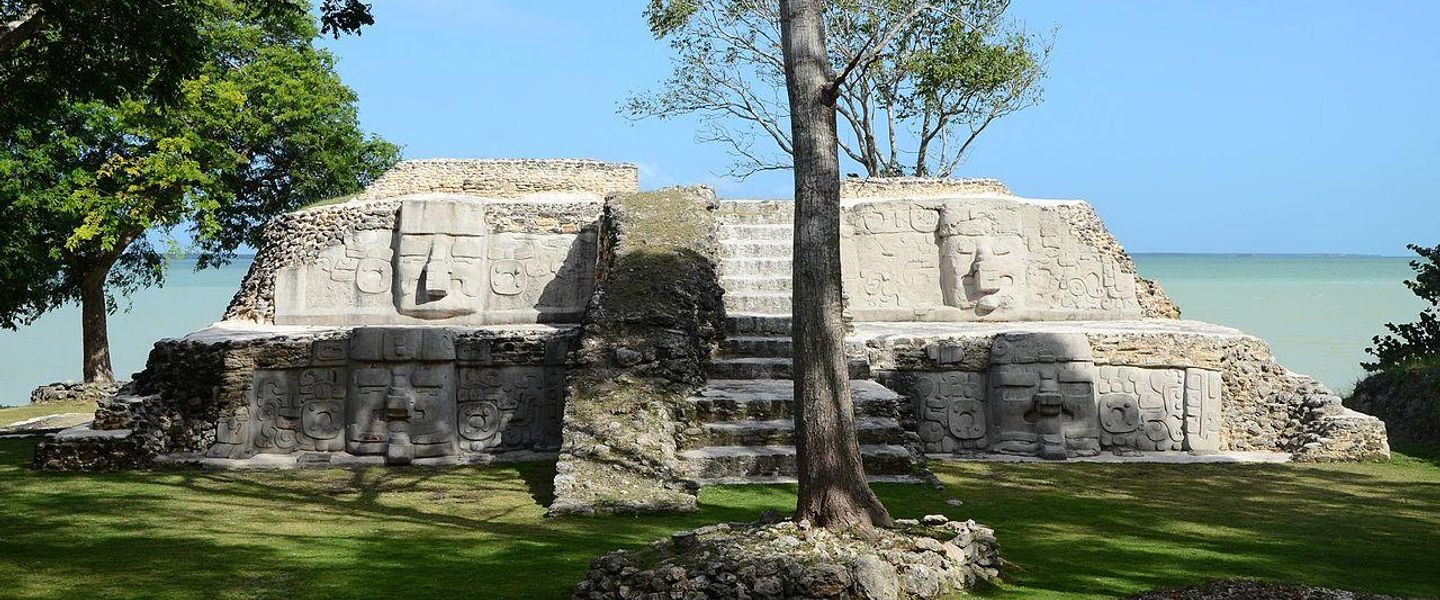


Explore Corozal District for Maya archaeology, bayfront history, wildlife reserves, Mestizo food and Belize’s culturally layered northern borderlands.
Read more about Corozal District
When is the best time to visit Corozal District?
Best: January–March · 29–30°C| Month | High (°C) | Rainfall (mm) |
|---|---|---|
| January (best) | 29 | 75 |
| February (best) | 29 | 65 |
| March (best) | 30 | 65 |
| April | 31 | 80 |
| May | 32 | 135 |
| June | 33 | 200 |
| July | 33 | 160 |
| August | 33 | 180 |
| September | 33 | 210 |
| October | 32 | 180 |
| November | 30 | 125 |
| December | 29 | 90 |
Getting to and around Corozal District
How to get there
Transportation
Top city travel guides in Corozal District
The cities of Corozal District, and the easiest places to base yourself.
-

-


Swipe for more cities
Destinations in Corozal District
Resorts, valleys and scenic spots worth a trip of their own.

Swipe for more destinations
Best attractions in Corozal District
Corozal District’s attractions combine Maya archaeology, coastal scenery, wetlands and the everyday culture of northern Belize. Near Corozal Town, Santa Rita Archaeological Site preserves the remains of an important Maya settlement and offers a compact introduction to the district’s ancient history. Cerros, on a peninsula near the mouth of the New River, is a more remote archaeological experience, with monumental structures set amid waterways and low-lying coastal habitats. It is best approached with advance transport planning. Around Sarteneja, Shipstern Nature Reserve protects mangroves, lagoons, savanna and forest, creating opportunities for birdwatching, wildlife observation and guided nature excursions. Boat trips can reveal the district’s relationship with Corozal Bay, rivers and coastal wetlands, while fishing and traditional boatbuilding remain part of Sarteneja’s maritime identity. Corozal Town itself is suited to unhurried exploration, with the bayfront, local streets, churches, small cultural venues and the Corozal House of Culture. The flat northern landscape also lends itself to short cycling trips and visits to villages, although heat, rain and road conditions should shape expectations. The district’s appeal lies less in a large concentration of formal attractions than in the combination of archaeological sites, borderland culture and accessible but lightly developed natural environments.
-
Island
Ambergris Caye
Discover the beauty of Ambergris Caye, Belize's largest island, where stunning beaches meet vibrant marine life for an unforgettable tropical getaway.
-
Park
Mangrove Park
Experience the natural beauty and tranquility of Mangrove Park in Corozal, Belize, a family-friendly destination perfect for nature lovers.
-
Archaeological site
Santa Rita Archaeological Site
Explore the ancient wonders of the Santa Rita Archaeological Site in Corozal, Belize, and immerse yourself in the rich history of the Maya civilization.
-
Park
Rainbow Park
Experience the serene beauty of Rainbow Park in Corozal, a vibrant oasis filled with lush landscapes and unique palm tree art, perfect for relaxation.


Best landmarks in Corozal District
The most recognisable landmark in Corozal District is Santa Rita Archaeological Site, whose preserved Maya structures rise near Corozal Town and provide a tangible link between the modern settlement and the ancient northern Maya world. Cerros is more remote but historically important, with large ceremonial buildings and distinctive monumental architecture on a peninsula surrounded by coastal waterways. Corozal Town’s former custom house, now the Corozal House of Culture, reflects the settlement’s commercial and administrative history under British Honduras and later Belize. The broad curve of Corozal Bay is itself a defining geographical landmark, shaping the town’s waterfront outlook and its historic relationship with boats and trade. In the east, the coastal environment around Sarteneja and the lagoons and mangroves of Shipstern Nature Reserve represent a different kind of landmark: a low-lying landscape of water, forest and savanna rather than masonry. Together, these places express the district’s central themes of Maya antiquity, colonial-era commerce, borderland settlement and a heavily water-shaped northern environment.
-
Park
Mangrove Park
Explore the natural beauty and tranquility of Mangrove Park in Corozal, a must-visit destination for nature lovers and birdwatchers.
-
Archaeological site
Santa Rita Archaeological Site
Explore the Santa Rita Archaeological Site in Corozal, Belize, where ancient Mayan history comes alive amidst breathtaking natural beauty.
-
Museum
Corozal House Of Culture
Explore the rich heritage of Belize at Corozal House of Culture, a captivating museum showcasing local history and culture.
-
Historical landmark
Cerros Mayan Ruins
Explore the ancient Cerros Mayan Ruins in Belize, a coastal treasure showcasing the legacy of the Mayan civilization amidst stunning landscapes.


Explore Corozal District on the map
Plan your trip on one map. See where the top cities, national parks and sights are, and book hotels and experiences in a few clicks.
Best hotels in Corozal District
Best restaurants in Corozal District
Dining in Corozal District reflects the northern Belizean borderland, with Mestizo and Mexican-influenced flavours combining with the country’s wider Creole, Maya and Caribbean food traditions. In Corozal Town, modest restaurants, market stalls and cafés serve tacos, panuchos, salbutes, stewed meats, rice and beans, fried fish and other filling everyday dishes. Local eating is often casual, and the best choice may depend on the day’s market produce or a family-run kitchen rather than a formal menu. Seafood is available in coastal communities, including Sarteneja, although supply and preparation vary seasonally. Travellers may also encounter Belizean staples such as tamales, garnaches and coconut-based dishes alongside spicy sauces and Yucatecan-style preparations. Markets are useful for fruit, snacks and quick meals, while restaurants and pubs in Corozal Town provide the broadest choice. The district is not chiefly known for a concentrated fine-dining scene; its culinary interest lies in accessible food shaped by migration, agriculture, fishing and close ties with neighbouring Yucatán.
-
Restaurant
Corozo Blue's
Experience vibrant flavors at Corozo Blue's in Corozal - where delightful cuisine meets breathtaking views.
-
Restaurant
Tortuga Grill&Lounge
Discover exquisite local flavors at Tortuga Grill & Lounge in Corozal - where delicious cuisine meets breathtaking bay views.
-
Restaurant
Wood House Restaurant and Bar
Experience the best of Belizean cuisine at Wood House Restaurant and Bar in Corozal – where great food meets vibrant culture.
-
Restaurant
La Piccola Pizzeria
Experience authentic Italian flavors at La Piccola Pizzeria in Corozal—where every pizza is crafted with passion and tradition.


Best bars in Corozal District
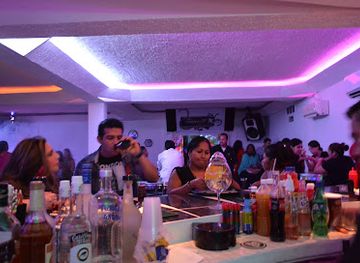
Evenings in Corozal District are generally low-key, centred on local bars, casual restaurants, hotel lounges and social spaces around Corozal Town rather than a large club circuit. The waterfront and town centre provide places for a drink or meal, while music and conversation are often more important than late-night dancing. Some venues reflect Belize’s broad musical culture, with Caribbean, Latin and contemporary popular sounds, but schedules and opening arrangements can change. Sarteneja and smaller villages offer a quieter evening atmosphere in which local eateries and neighbourhood bars serve as meeting places. Visitors should not expect extensive nightlife in rural areas, and arranging a taxi or return transport is prudent after dark. Alcohol is not necessary to enjoy the district’s evening culture: sunset walks by Corozal Bay, an early dinner, community events when available and the cooler atmosphere after nightfall are equally characteristic ways to spend the evening.
-
Grill
Palapa Bar and Grill
Discover Palapa Bar and Grill, where delicious cuisine meets breathtaking waterfront views and vibrant live music in San Pedro, Belize.
-
Bar
Corozo Blue's
Experience the charm of Corozo Blue's, where delicious cuisine meets stunning views in the heart of Corozal, Belize.
-
Restaurant
Wayo's Beach Bar
Experience the best of Belizean cuisine and stunning ocean views at Wayo's Beach Bar, a must-visit destination for all travelers in San Pedro.
-
Grill
Carlo & Ernie's Runway Bar
Experience delicious grilled cuisine and breathtaking views of the runway at Carlo & Ernie's Runway Bar in the heart of San Pedro, Belize.


Best nightclubs in Corozal District
Evenings in Corozal District are generally low-key, centred on local bars, casual restaurants, hotel lounges and social spaces around Corozal Town rather than a large club circuit. The waterfront and town centre provide places for a drink or meal, while music and conversation are often more important than late-night dancing. Some venues reflect Belize’s broad musical culture, with Caribbean, Latin and contemporary popular sounds, but schedules and opening arrangements can change. Sarteneja and smaller villages offer a quieter evening atmosphere in which local eateries and neighbourhood bars serve as meeting places. Visitors should not expect extensive nightlife in rural areas, and arranging a taxi or return transport is prudent after dark. Alcohol is not necessary to enjoy the district’s evening culture: sunset walks by Corozal Bay, an early dinner, community events when available and the cooler atmosphere after nightfall are equally characteristic ways to spend the evening.
-
Disco club
Charisma Night Club
Unleash the Night: Dive into the electrifying atmosphere of Charisma Night Club in Sta Elena, where unforgettable moments await.
-
Bar
C & B Cool Spot
Experience the vibrant nightlife at C & B Cool Spot, a bar in Corozal offering refreshing drinks, local bites, and lively entertainment.
-
Casino
MONETA Night Club and Casino
Dive into a world of excitement at MONETA Night Club and Casino, where gaming meets vibrant nightlife in San Pedro.
-
Night club
Euphoria21
Experience the vibrant nightlife at Euphoria21 in Corozal, Belize - the ultimate destination for music, drinks, and unforgettable memories.



Best shops in Corozal District
Shopping in Corozal District is practical, local and strongly influenced by the international border. Corozal Town has small shops, supermarkets, market stalls and independent businesses where visitors can buy snacks, fruit, household goods, clothing and Belizean food products. The main commercial attraction is the Corozal Free Zone near the northern border, outside Corozal Town, where a range of businesses serve cross-border shoppers; conditions, stock and opening arrangements can change, so it is wise to confirm details locally. Markets are useful for fresh produce and inexpensive prepared food rather than highly specialised souvenirs. Visitors seeking regional gifts may look for Belizean spices, sauces, packaged foods, handmade items and small pieces of local craftwork, while Sarteneja’s maritime identity is more evident in its boatbuilding tradition than in a dedicated souvenir district. For a wider selection of crafts and galleries, travellers may need to plan stops elsewhere in Belize, but Corozal’s retail character is valuable for observing the everyday commerce of a northern border community.
-
Grocery store
China Store
Explore the vibrant offerings of the China Store in Corozal, where local flavors and unique products await every visitor.
-
Boutique
Belizean Elegance Boutique
Explore the finest local craftsmanship and contemporary fashion at Belizean Elegance Boutique in Corozal, a paradise for souvenir hunters and style enthusiasts.
-
 Grocery store
Bans Store
Discover the flavors of Belize at Bans Store in Corozal, your local grocery stop for fresh produce and authentic local products.
-
Gift shop
Belize Tee Shirts
Explore Belize Tee Shirts in Corozal for vibrant souvenirs and unique apparel that embody the spirit of Belizean culture.


Get your free copy of our complete guide to Corozal District, delivered straight to you.
Everything on this page, from attractions and restaurants to essentials and local phrases, in one PDF you can read offline, print or share.
Already have an account? Sign in
Your Corozal District guide is ready.
We'll send it to · Not you? Sign out

Getting your guide ready…
We are putting together a fresh copy of the Corozal District guide. This can take up to a minute.
This can take a few moments. If your browser asks, choose Allow so the download can start. You'll find the guide in your Downloads folder.
Nothing happened? Download it again
Sorry, the guide is taking longer than usual. Please try again in a minute, or get it by email instead.
Corozal District essentials
Currency and Payment
Safety
Emergency Situations
Do's and Don'ts
Local Tips
From Eve
Local phrases worth knowing
You don't need to get them perfect. A few words go a long way, and locals appreciate the effort.
Basics
| English | Local | Say it |
|---|---|---|
| Hello | Hola | [O-la] |
| Goodbye | Adiós | [A-dee-os] |
| Yes | Sí | [See] |
| No | No | [No] |
| Please/You're welcome | Por favor/De nada | [Por fa-vor/De na-da] |
| Thank you | Gracias | [Gra-thee-as] |
| Excuse me/Sorry | Perdón | [Per-don] |
| How are you? | ¿Cómo estás? | [Co-mo es-tas] |
| Fine. And you? | Bien. ¿Y tú? | [Bee-en. Ee tu] |
| Do you speak English? | ¿Hablas inglés? | [A-blas in-gles] |
| I don't understand | No entiendo | [No en-tien-do] |
Eating & Drinking
| English | Local | Say it |
|---|---|---|
| I'd like to see the menu, please | Quisiera ver el menú, por favor | [Kee-see-e-ra ver el me-nu, por fa-vor] |
| I don't eat meat | No como carne | [No co-mo car-ne] |
| Cheers! | ¡Salud! | [Sa-lud] |
| I would like to pay, please | Me gustaría pagar, por favor | [Me gus-ta-ri-a pa-gar, por fa-vor] |
Emergencies
| English | Local | Say it |
|---|---|---|
| Help! | ¡Ayuda! | [A-yu-da] |
| Go away! | ¡Vete! | [Ve-te] |
| Call the Police! | ¡Llama a la policía! | [Ya-ma a la po-li-cia] |
| Call a doctor! | ¡Llama a un doctor! | [Ya-ma a un doc-tor] |
| I'm lost | Estoy perdido | [Es-toy per-di-do] |
| I'm ill | Estoy enfermo/a | [Es-toy en-fer-mo/a] |
Shopping
| English | Local | Say it |
|---|---|---|
| I'd like to buy... | Quisiera comprar... | [Kee-see-e-ra com-prar] |
| I'm just looking | Solo estoy mirando | [So-lo es-toy mi-ran-do] |
| How much is it? | ¿Cuánto cuesta? | [Cuan-to cues-ta] |
| That's too expensive | Eso es muy caro | [E-so es muy ca-ro] |
| Can you lower the price? | ¿Puedes bajar el precio? | [Pue-des ba-har el pre-cio] |
Time & Numbers
| English | Local | Say it |
|---|---|---|
| What time is it? | ¿Qué hora es? | [Ke o-ra es] |
| It's one o'clock | Es la una | [Es la u-na] |
| Half past (10) | Y media (10) | [Ee me-dia (10)] |
| Morning | Mañana | [Ma-nya-na] |
| Afternoon | Tarde | [Tar-de] |
| Evening | Noche | [No-che] |
| Yesterday | Ayer | [A-yer] |
| Today | Hoy | [Oy] |
| Tomorrow | Mañana | [Ma-nya-na] |
| 1 | Uno | [U-no] |
| 2 | Dos | [Dos] |
| 3 | Tres | [Tres] |
| 4 | Cuatro | [Cua-tro] |
| 5 | Cinco | [Cin-co] |
| 6 | Seis | [Seis] |
| 7 | Siete | [Sie-te] |
| 8 | Ocho | [O-cho] |
| 9 | Nueve | [Nue-ve] |
| 10 | Diez | [Diez] |
Transport & Directions
| English | Local | Say it |
|---|---|---|
| Where's a/the...? | ¿Dónde está...? | [Don-de es-ta] |
| What's the address? | ¿Cuál es la dirección? | [Cual es la di-rec-cion] |
| Can you show me (on the map)? | ¿Puedes mostrarme (en el mapa)? | [Pue-des mos-trar-me (en el ma-pa)] |
| When's the next (bus)? | ¿Cuándo es el próximo (autobús)? | [Cuan-do es el pro-xi-mo (au-to-bus)] |
| A ticket (to ....) | Un boleto (a ....) | [Un bo-le-to (a ....)] |
History of Corozal District
Ancient Maya Settlement at Cerros and Santa Rita
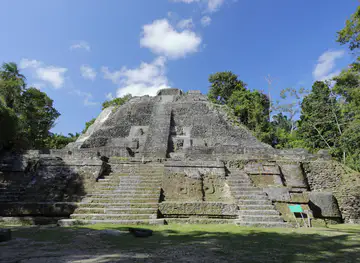
Corozal District contains important evidence of ancient Maya occupation, including Cerros on the coast near the mouth of the New River and Santa Rita close to present-day Corozal Town. Cerros flourished during the Late Preclassic period and is notable for monumental architecture, including large buildings associated with early Maya ceremonial and political development. Santa Rita, known in ancient times as Chactemal or a related regional centre in historical interpretations, remained strategically important into later periods. The sites demonstrate that northern Belize was connected to major trade and political networks long before the arrival of Europeans.
Spanish Influence and the Northern Maya Borderlands
After the Spanish conquest of Yucatán, the northern Belize region remained part of a wider frontier shaped by Maya communities, Spanish claims and limited colonial settlement. Control was uneven, and the waterways, forests and distance from major colonial centres made the area difficult to administer. The region’s later cultural character was influenced by movements across the modern Belize–Mexico frontier, helping explain the strong presence of Spanish language and Mestizo traditions in Corozal District. Ancient settlement patterns and colonial-era border dynamics both contributed to the district’s role as a meeting place between Belize and Yucatán.
Mestizo Migration after the Caste War, 1847–1901
The Caste War of Yucatán began in 1847 and caused prolonged displacement and conflict across the peninsula. Many Mestizo refugees moved south into British Honduras, settling particularly in the north, including the area around Corozal. Their arrival transformed the population and cultural life of the district, strengthening Spanish-speaking communities and introducing or reinforcing agricultural, culinary and social traditions associated with northern Yucatán. Corozal Town developed as an important settlement in this period, and the district’s Mestizo heritage remains one of its defining regional characteristics.
The Development of Corozal Town
Corozal Town grew during the nineteenth century as a settlement linked to agriculture, trade and the administration of northern British Honduras. Its position on Corozal Bay provided access to waterborne movement, while roads and later transport links connected it with other northern communities. The town’s historic buildings and former custom house reflect its commercial and administrative role. Corozal also became a centre for communities formed by migration from Yucatán, creating a cultural profile that differed in emphasis from the Creole-dominated settlements farther south and the inland Maya communities of other parts of Belize.
Sugar Cane and Northern Agriculture
Sugar cane became a major force in the economy of northern Belize during the twentieth century, particularly in Corozal and neighbouring Orange Walk District. The crop reshaped rural land use, employment and transport, and sugar production became closely tied to regional livelihoods and export markets. Fields around Corozal remain a visible part of the district’s landscape, although agriculture exists alongside fishing, small-scale commerce, tourism and cross-border trade. The industry also linked northern Belize more closely to national economic development while reinforcing the importance of towns and villages connected to farming areas.
The Corozal Free Zone and Modern Border Commerce
The establishment of the Corozal Free Zone near the Belize–Mexico border added a major commercial dimension to the district’s modern economy. Located at the northern frontier rather than in Corozal Town itself, the zone attracts cross-border shoppers and supports businesses serving both Belizean and Mexican markets. Its growth illustrates the practical importance of the border, which shapes transport, retail and employment as well as cultural exchange. Today, Corozal District combines ancient Maya heritage and coastal livelihoods with an economy influenced by migration, agriculture and regular movement between neighbouring countries.
Corozal District in Photos
Browse through our photo collection highlighting the charm and character of the destination.
Neighbouring regions of Corozal District
The closest regions to Corozal District, if you have time for more than one.
-
-
-

-

-


Swipe for more regions
Explore more
Explore more of Belize
Discover Belize: A Caribbean paradise known for its stunning barrier reef, rich cultural heritage, and eco-friendly adventures in lush rainforests and pristine waters.
Explore Belize