

Free Southern Belize Travel Guide & Mobile App
Explore Southern Belize with free travel guides. Discover regional history, expert tips, proposed trips, and audio guides on web or mobile app.


Explore Southern Belize for Garifuna culture, Maya archaeology, rainforest trails, Caribbean villages and reef excursions between coast and mountains.
Read more about Southern Belize
When is the best time to visit Southern Belize?
Best: February–April · 29–30°C| Month | High (°C) | Rainfall (mm) |
|---|---|---|
| January | 28 | 130 |
| February (best) | 29 | 100 |
| March (best) | 29 | 80 |
| April (best) | 30 | 80 |
| May | 31 | 120 |
| June | 32 | 250 |
| July | 32 | 250 |
| August | 32 | 250 |
| September | 32 | 250 |
| October | 31 | 240 |
| November | 30 | 180 |
| December | 29 | 160 |
Getting to and around Southern Belize
How to get there
Transportation
Top city travel guides in Southern Belize
The cities of Southern Belize, and the easiest places to base yourself.
-

-

-

-

-


Swipe for more cities
Destinations in Southern Belize
Resorts, valleys and scenic spots worth a trip of their own.
-

-

-

-


Swipe for more destinations
Best attractions in Southern Belize
Southern Belize’s attractions range from Caribbean water to rainforest and archaeological landscapes. On the Stann Creek coast, Dangriga and Hopkins provide access to Garifuna cultural experiences, local food and boat trips, while the Placencia Peninsula is a base for swimming, kayaking, fishing, snorkelling and diving on the nearby Belize Barrier Reef. Inland, Cockscomb Basin Wildlife Sanctuary offers marked forest trails, waterfalls, birdwatching and a chance to learn about jaguar conservation, though wildlife sightings cannot be guaranteed. The Maya Mountains bring rivers, caves, viewpoints and guided outdoor activities, with conditions varying by season. In Toledo, the archaeological sites of Lubaantun, Nim Li Punit and Uxbenka connect forest travel with the region’s ancient Maya history. The coast’s lagoons, mangroves and wetlands are important for birdlife and boating, while villages and farms offer a more community-based view of southern Belize. Experiences are often dispersed, and the most rewarding itineraries balance organised excursions with time in the towns themselves rather than treating the region as a sequence of isolated sights.
-
Public beach
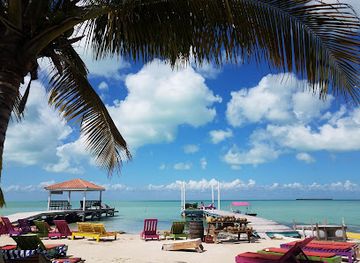
Placencia Municipal Pier & Plaza
Explore the vibrant Placencia Municipal Pier & Plaza, a beautiful public beach in Belize perfect for relaxation, culture, and adventure.
-
Tourist attraction
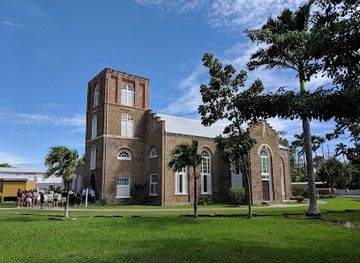
St John Anglican Cathedral
Discover the architectural beauty and rich history of St. John Anglican Cathedral, a must-see cultural landmark in Belize City.
-
Tour operator
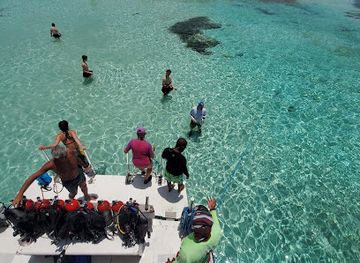
Seahorse Dive Shop
Discover Belize's underwater paradise with Seahorse Dive Shop, your gateway to thrilling diving experiences in the Caribbean Sea.
-
Tour operator
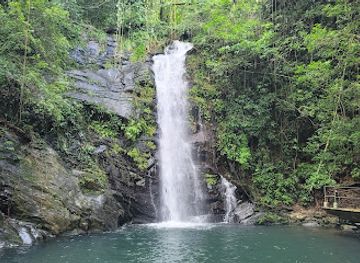
Maya King Waterfalls
Discover the pristine beauty of Maya King Waterfalls, a tranquil oasis in Silver Creek Camp, perfect for adventure seekers and nature lovers alike.

Best landmarks in Southern Belize
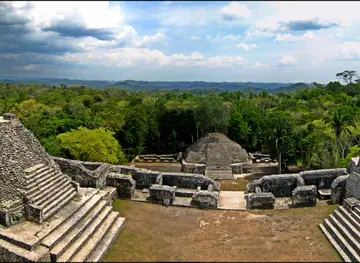
Southern Belize’s most distinctive landmarks include both monumental Maya sites and natural features. Lubaantun, near San Pedro Columbia in Toledo, is notable for its large ceremonial structures built from carefully fitted stone, while Nim Li Punit is recognised for its carved stelae and elevated setting near the Maya Mountains. Uxbenka, one of the region’s earlier Maya centres, preserves carved monuments and terraces overlooking the surrounding landscape. In Stann Creek, the Maya Mountains form a powerful inland backdrop, with Victoria Peak visible as Belize’s highest summit even though it is reached through demanding protected-area terrain rather than casual sightseeing. Cockscomb Basin’s forested ridges, rivers and waterfalls are landmarks of the region’s conservation landscape, while the Placencia Peninsula’s narrow strip between lagoon and Caribbean gives it a distinctive geographical form. Dangriga’s coastal setting and Garifuna cultural institutions represent a living landmark of Belizean identity, grounded in community history rather than monumental architecture.
-
Archaeological site
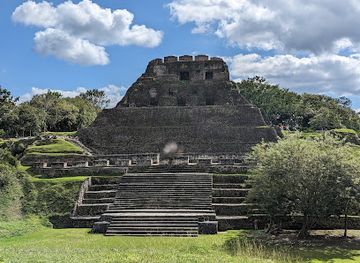
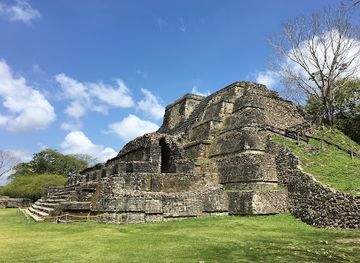
Xunantunich Mayan Ruins
Explore the majestic Xunantunich Mayan Ruins, a historical gem in Belize offering captivating architecture and stunning jungle views.
-
Grill
Secret Beach Belize
Experience the tranquil beauty of Secret Beach Belize, a hidden gem with stunning waters, delicious grill cuisine, and unforgettable adventures.
-
Historical landmark
Altun Ha
Explore the ancient Maya ruins of Altun Ha in Belize, a historical landmark rich in culture and breathtaking scenery, ideal for every traveler.
-
Zoo
The Belize Zoo and Tropical Education Center
Discover Belize's wildlife at The Belize Zoo and Tropical Education Center, a conservation-focused sanctuary showcasing native species in natural habitats.
Explore Southern Belize on the map
Plan your trip on one map. See where the top cities, national parks and sights are, and book hotels and experiences in a few clicks.
Best hotels in Southern Belize
Best restaurants in Southern Belize
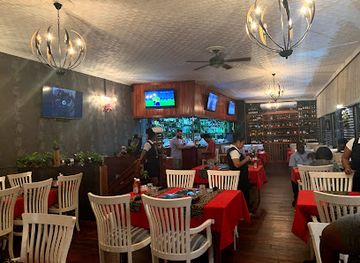
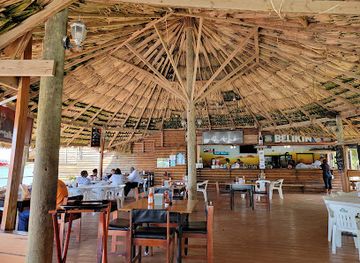
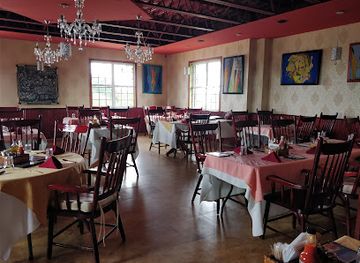
Southern Belizean food reflects Caribbean, Maya and wider Central American influences. In Garifuna communities, hudut combines fish with mashed plantain and a coconut-based broth, while cassava, plantain, seafood and coconut appear in many home-style dishes. Dangriga and Hopkins are especially useful places to seek local cooking and cultural food experiences, while restaurants on the Placencia Peninsula draw on fresh fish, seafood and tropical produce. Toledo is associated with cacao production and Maya food traditions based on corn, beans, rice, vegetables and locally grown ingredients; community visits may offer an opportunity to learn how chocolate and other foods are prepared. Rice and beans, stewed meats, grilled seafood and fry jacks are also part of the broader Belizean dining landscape. Cafés, roadside kitchens, village eateries, hotel restaurants and beach bars dominate rather than formal dining rooms, though more polished menus are available in the main visitor centres. Ask about catch, seasonality and preparation, and carry cash for small local establishments.
-
Central American
Elvi's Kitchen
Discover authentic Central American flavors at Elvi's Kitchen in San Pedro – where seafood meets tradition in a vibrant setting.
-
Restaurant
Midtown Restaurant & Bar
Discover Midtown Restaurant & Bar - A culinary haven in Belize City offering delicious local and international cuisine.
-
Restaurant
Bird's Isle Restaurant
Experience authentic Belizean cuisine with stunning views at Bird's Isle Restaurant in Belize City.
-
Restaurant
Celebrity Restaurant & Bar
Experience authentic Belizean flavors at Celebrity Restaurant & Bar with stunning waterfront views and vibrant atmosphere.
Best bars in Southern Belize
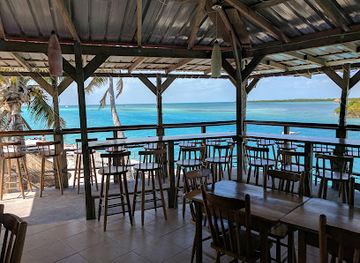
Evening life in Southern Belize is generally social and low-key rather than centred on large nightclubs. Dangriga’s bars and cultural venues provide opportunities for live drumming, music and conversation, while Hopkins combines small bars, restaurants and occasional live performances in a village setting. Placencia has the region’s broadest concentration of evening venues, including beach bars, casual restaurants, music spots and places serving cocktails, with activity varying by season and day of the week. In Punta Gorda and other Toledo communities, nightlife tends to focus on local bars, restaurants and community events rather than a dedicated club district. Some hotels and tour businesses arrange music or cultural evenings, but visitors should confirm current schedules locally. Respect community quiet hours, arrange transport in advance when staying outside a town, and remember that evening cultural events should be approached as community activities rather than opportunities to treat local traditions as entertainment.
-
Grill
The Lazy Lizard
Experience the flavors of Belize at The Lazy Lizard, a beachfront bar and grill in Caye Caulker, offering delicious food and stunning Caribbean views.
-
Grill
Palapa Bar and Grill
Experience the vibrant culture and flavors of Belize at Palapa Bar and Grill, where delicious food meets live music and stunning ocean views.
-
Grill
Tipsy Tuna
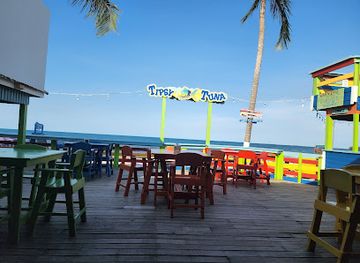
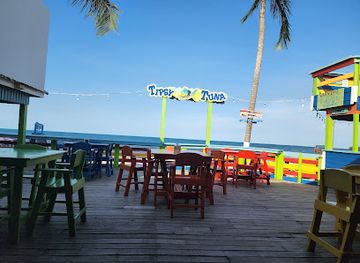
Experience the vibrant flavors of Belize at Tipsy Tuna, the perfect grill on Placencia Sidewalk for unforgettable meals and drinks.
-
Grill
Tipsy Tuna Sports Bar
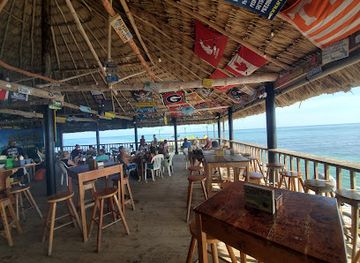
Experience the vibrant atmosphere and delicious flavors at Tipsy Tuna Sports Bar in Placencia, a perfect blend of grill and relaxation by the sea.
Best nightclubs in Southern Belize
Evening life in Southern Belize is generally social and low-key rather than centred on large nightclubs. Dangriga’s bars and cultural venues provide opportunities for live drumming, music and conversation, while Hopkins combines small bars, restaurants and occasional live performances in a village setting. Placencia has the region’s broadest concentration of evening venues, including beach bars, casual restaurants, music spots and places serving cocktails, with activity varying by season and day of the week. In Punta Gorda and other Toledo communities, nightlife tends to focus on local bars, restaurants and community events rather than a dedicated club district. Some hotels and tour businesses arrange music or cultural evenings, but visitors should confirm current schedules locally. Respect community quiet hours, arrange transport in advance when staying outside a town, and remember that evening cultural events should be approached as community activities rather than opportunities to treat local traditions as entertainment.
-
Grill
Barefoot Beach Bar
Experience the vibrant flavors and lively atmosphere of Barefoot Beach Bar in Placencia, Belize, a must-visit for tourists seeking tropical fun.
-
Bar
Sen Sen Club
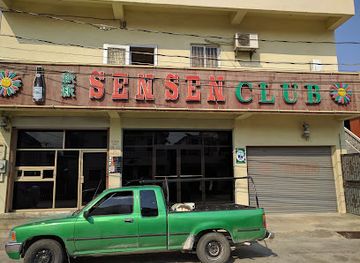
Discover the lively atmosphere of Sen Sen Club, a vibrant bar in Belize City perfect for enjoying local drinks and nightlife.
-
Bar
building
Experience the vibrant nightlife of Belize City with lively bars offering local drinks, music, and delicious cuisine in a welcoming atmosphere.
-
Lounge
SAC Lounge and Restaurant
Experience the vibrant nightlife of Dangriga at SAC Lounge and Restaurant, where delicious food and great drinks create unforgettable memories.


Best shops in Southern Belize
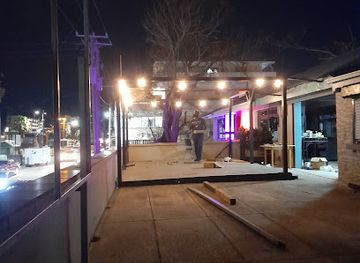
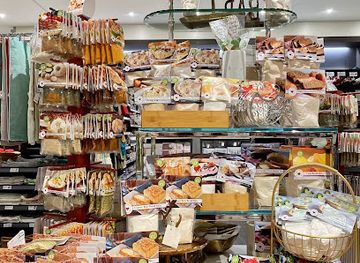
Shopping in Southern Belize is strongest in market towns and coastal communities rather than large retail centres. Dangriga and Hopkins are good places to look for Garifuna-related crafts, locally produced foods, drums, carvings and small artworks, although products vary by maker and should be bought directly and respectfully where possible. Placencia has a wider selection of galleries, craft shops, beachwear, jewellery and small independent retailers aimed at visitors. Punta Gorda and the wider Toledo District offer cacao products, spices, handmade items and community-produced crafts, with village visits often providing a more direct connection to producers than resort shopping. Local food products such as chocolate, hot sauces, cassava-based goods and dried fruit travel more easily than fragile crafts, but check packaging and customs rules before carrying food internationally. Markets and shop opening patterns can be informal, so keep smaller Belize-dollar notes and allow time to browse rather than expecting fixed retail hours or extensive commercial districts.
-
Department store
Mirab Department Store
Discover an extensive range of quality goods at Mirab Department Store in Belize City, your one-stop shop for home essentials and souvenirs.
-
Shopping mall
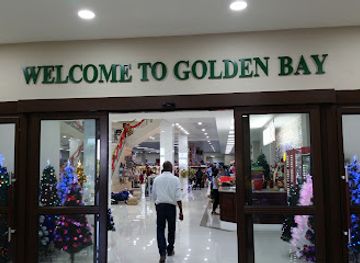
Golden Bay Store
Discover the vibrant shopping experience at Golden Bay Store in Belize City, where local culture meets diverse retail options.
-
Shopping mall
San Cas Shopping Centre
Discover the vibrant San Cas Shopping Centre in Belize City, where shopping meets culture and culinary delights in a unique retail experience.
-
Shopping mall
The Northern Shops
Explore local crafts, delightful cuisine, and a vibrant atmosphere at The Northern Shops in Belize City, your ultimate shopping destination.

Get your free copy of our complete guide to Southern Belize, delivered straight to you.
Everything on this page, from attractions and restaurants to essentials and local phrases, in one PDF you can read offline, print or share.
Already have an account? Sign in
Your Southern Belize guide is ready.
We'll send it to · Not you? Sign out

Getting your guide ready…
We are putting together a fresh copy of the Southern Belize guide. This can take up to a minute.
This can take a few moments. If your browser asks, choose Allow so the download can start. You'll find the guide in your Downloads folder.
Nothing happened? Download it again
Sorry, the guide is taking longer than usual. Please try again in a minute, or get it by email instead.
Southern Belize essentials
Currency and Payment
Safety
Emergency Situations
Do's and Don'ts
Local Tips
From Eve
Local phrases worth knowing
You don't need to get them perfect. A few words go a long way, and locals appreciate the effort.
Basics
| English | Local | Say it |
|---|---|---|
| Hello | Béliz | [beh-leez] |
| Goodbye | Adios | [ah-dee-ohs] |
| Yes | Sí | [see] |
| No | No | [no] |
| Please/You’re welcome | Por favor/De nada | [por fah-vor/deh nah-dah] |
| Thank you | Gracias | [grah-syahs] |
| Excuse me/Sorry | Perdón | [pehr-dohn] |
| How are you? | ¿Cómo estás? | [koh-moh eh-stahs] |
| Fine. And you? | Bien. ¿Y tú? | [byen. ee too] |
| Do you speak English? | ¿Hablas inglés? | [ah-blahs een-glehs] |
| I don’t understand | No entiendo | [noh en-tyen-doh] |
Eating & Drinking
| English | Local | Say it |
|---|---|---|
| I’d like to see the menu, please | Me gustaría ver el menú, por favor | [meh goos-tah-ree-ah vehr el meh-noo, por fah-vor] |
| I don’t eat meat | No como carne | [noh koh-moh kar-neh] |
| Cheers! | ¡Salud! | [sah-lood] |
| I would like to pay, please | Me gustaría pagar, por favor | [meh goos-tah-ree-ah pah-gar, por fah-vor] |
Emergencies
| English | Local | Say it |
|---|---|---|
| Help! | ¡Ayuda! | [ah-yoo-dah] |
| Go away! | ¡Vete! | [veh-teh] |
| Call the Police! | ¡Llama a la policía! | [yah-mah ah lah poh-lee-see-ah] |
| Call a doctor! | ¡Llama a un doctor! | [yah-mah ah oon dok-tor] |
| I’m lost | Estoy perdido | [es-toy pehr-dee-doh] |
| I’m ill | Estoy enfermo/enferma | [es-toy en-fehr-moh/en-fehr-mah] |
Shopping
| English | Local | Say it |
|---|---|---|
| I’d like to buy... | Me gustaría comprar... | [meh goos-tah-ree-ah kohm-prar] |
| I’m just looking | Solo estoy mirando | [so-lo es-toy mee-ran-do] |
| How much is it? | ¿Cuánto cuesta? | [kwan-toh kwes-tah] |
| That’s too expensive | Eso es demasiado caro | [eh-so es deh-mah-see-ah-doh kah-roh] |
| Can you lower the price? | ¿Puedes bajar el precio? | [pweh-des bah-har el preh-syo] |
Time & Numbers
| English | Local | Say it |
|---|---|---|
| What time is it? | ¿Qué hora es? | [keh oh-rah es] |
| It’s one o’clock | Es la una | [es lah oo-nah] |
| Half past (10) | Y media (10) | [ee meh-dee-ah (diez)] |
| Morning | Mañana | [mahn-yah-nah] |
| Afternoon | Tarde | [tahr-deh] |
| Evening | Noche | [noh-cheh] |
| Yesterday | Ayer | [ah-yehr] |
| Today | Hoy | [oy] |
| Tomorrow | Mañana | [mahn-yah-nah] |
| 1 | Uno | [oo-noh] |
| 2 | Dos | [dohs] |
| 3 | Tres | [tres] |
| 4 | Cuatro | [kwah-troh] |
| 5 | Cinco | [seen-koh] |
| 6 | Seis | [says] |
| 7 | Siete | [see-eh-teh] |
| 8 | Ocho | [oh-choh] |
| 9 | Nueve | [nweh-veh] |
| 10 | Diez | [dyehs] |
Transport & Directions
| English | Local | Say it |
|---|---|---|
| Where's a/the...? | ¿Dónde hay un/una...? | [dohn-deh eye oon/oo-nah] |
| What’s the address? | ¿Cuál es la dirección? | [kwahl es lah dee-rek-syon] |
| Can you show me (on the map)? | ¿Puedes mostrarme (en el mapa)? | [pweh-des mos-trar-meh (en el mah-pah)] |
| When’s the next (bus)? | ¿Cuándo es el próximo (autobús)? | [kwan-doh es el prohk-see-mo (ow-toh-boos)] |
| A ticket (to ....) | Un boleto (a ....) | [oon boh-leh-toh (ah ....)] |
History of Southern Belize
Ancient Maya Centres of the Southern Lowlands
Southern Belize contains an important concentration of Maya archaeological sites connected to the wider civilisation of the eastern Maya lowlands. Uxbenka, Lubaantun and Nim Li Punit in Toledo reveal urban centres, ceremonial architecture, carved monuments and political relationships that developed over many centuries. Lubaantun is especially noted for its carefully fitted stone construction, while Nim Li Punit preserves carved stelae associated with royal authority. These sites were part of a sophisticated world of farming, trade, ritual and regional politics long before the arrival of Europeans.
European Contact and the Colonial Frontier
European contact transformed the region gradually rather than replacing Maya society at once. Spanish missions and expeditions approached the southern interior from neighbouring territories, while the British settlement that developed in Belize was initially concentrated around the coast and the Belize River. Much of the Maya Mountains and Toledo remained difficult for colonial authorities to control. The resulting history included shifting boundaries, missionary activity, trade and continuing Maya autonomy in areas away from the principal coastal settlements.
Mahogany, Logwood and Coastal Settlement
The timber economy shaped British Honduras, the territory that became Belize, from the colonial period into the nineteenth century. Mahogany and other forest products were extracted from river valleys and transported towards coastal outlets, encouraging roads, waterways, labour migration and settlement. Stann Creek developed as a significant agricultural and timber area, while southern ports and rivers connected inland production with regional trade. The industry generated wealth for merchants but depended on demanding labour systems and left a lasting mark on the region’s transport routes and settlement pattern.
The Garifuna Arrival and the Growth of Dangriga
Garifuna people, descended from Indigenous Caribbean and West African communities, established settlements along the Central American Caribbean coast after displacement from St Vincent by British colonial forces. Garifuna settlers reached what is now Belize in the early nineteenth century, and Dangriga became an important centre of the community. Garifuna language, drumming, dance, fishing, farming and food traditions remain central to southern Belizean identity. Garifuna Settlement Day, observed nationally on 19 November, commemorates this history while highlighting a living culture rather than a closed historical episode.
Banana Agriculture and the Stann Creek Coast
Commercial banana cultivation became particularly important in the Stann Creek District during the late nineteenth and twentieth centuries. Plantations, rail and coastal shipping linked agricultural areas with markets, while workers and families shaped the communities around the industry. Disease, hurricanes, market pressures and changing agricultural economics later altered the sector, but banana farms remain part of the landscape inland from the coast. The history helps explain the region’s mixture of rural settlements, agricultural roads and export-oriented coastal connections.
Maya Land and Community Rights in Toledo
Toledo’s modern history has been shaped by the relationship between Mopan and Q’eqchi’ Maya communities, customary land use and national development policy. Villages rely on farming, forest resources and community institutions, while questions over land recognition, conservation and resource extraction have had national significance. Court decisions and political campaigns concerning Maya customary land rights brought southern Belize into wider public debate. Travellers encounter this history through community tourism, village landscapes and the continuing importance of local stewardship.
Conservation and the Rise of Nature Tourism
From the late twentieth century, conservation became a major influence on southern Belize. Cockscomb Basin was protected as a wildlife sanctuary, with particular attention to jaguar habitat and forest watersheds, while marine reserves and protected areas supported reef, mangrove and coastal ecosystems. Nature tourism, diving, fishing, guiding and community enterprises expanded alongside conservation work. This transition did not remove older livelihoods, but it created new debates about access, employment, environmental protection and the value of the region’s forests and sea.
Southern Belize in Photos
Browse through our photo collection highlighting the charm and character of the destination.
Neighbouring regions of Southern Belize
The closest regions to Southern Belize, if you have time for more than one.
-
-

-

-

-


Swipe for more regions
Explore more
Explore more of Belize
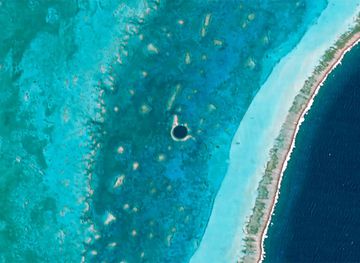
Discover Belize: A Caribbean paradise known for its stunning barrier reef, rich cultural heritage, and eco-friendly adventures in lush rainforests and pristine waters.
Explore Belize