

Free Gasa Travel Guide & Mobile App
Explore Gasa with free travel guides. Discover regional history, expert tips, proposed trips, and audio guides on web or mobile app.


Explore Gasa in northern Bhutan for forested valleys, Himalayan trekking, hot springs, Buddhist heritage and remote highland communities.
Read more about Gasa
When is the best time to visit Gasa?
Best: June–August · 24–26°C| Month | High (°C) | Rainfall (mm) |
|---|---|---|
| January | 7 | 20 |
| February | 9 | 25 |
| March | 12 | 30 |
| April | 16 | 35 |
| May | 20 | 40 |
| June (best) | 24 | 60 |
| July (best) | 26 | 70 |
| August (best) | 26 | 70 |
| September | 23 | 60 |
| October | 18 | 40 |
| November | 11 | 30 |
| December | 7 | 20 |
Getting to and around Gasa
How to get there
Transportation
Top city travel guides in Gasa
The cities of Gasa, and the easiest places to base yourself.
-

-

-

-


Swipe for more cities
Destinations in Gasa
Resorts, valleys and scenic spots worth a trip of their own.

Swipe for more destinations
Best attractions in Gasa
Gasa’s attractions are closely tied to its mountain environment rather than to a long list of developed visitor facilities. Gasa Tshachu, the district’s celebrated hot-spring complex, offers a traditional bathing experience in a forested Himalayan valley, while Tashi Thongmo Dzong provides the principal cultural and architectural focus. Jigme Dorji National Park covers wide areas of the district and supports walking, birdwatching, nature study and challenging multi-day treks. Routes towards Laya pass through changing vegetation zones, traditional settlements and high pasture, while the more remote Lunana region is suited only to well-prepared trekkers with specialist support. Lower valleys provide opportunities to observe village life, terraced cultivation and Buddhist features such as prayer flags, mani walls and small temples. Wildlife is an important part of the park’s appeal, although animals are elusive and sightings depend on season, habitat and luck. Gasa is therefore best suited to visitors who value protected landscapes, cultural encounters and physically active travel over a tightly scheduled programme of indoor attractions.
-
Tourist attraction
View Point and Shed, Chele La
Discover the breathtaking views and serene atmosphere at Chele La Pass, the highest motorable pass in Bhutan, a must-visit for nature lovers and photographers.
-
Tourist attraction
Zangtopelri
Discover the spiritual heart of Bhutan at Zangtopelri, a stunning Buddhist temple in Phuentsholing, rich in history and tranquility.
-
Tourist attraction
Centenary Farmers Market
Discover the flavors and culture of Bhutan at Centenary Farmers Market in Thimphu, a vibrant hub for fresh produce and artisanal crafts.
-
Tourist attraction
Jigme Dorji National Park
Jigme Dorji National Park: A breathtaking expanse of Bhutanese wilderness, rich in biodiversity and stunning landscapes for every adventurer.
Best landmarks in Gasa
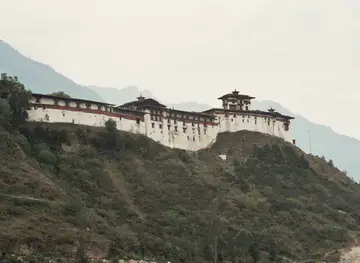
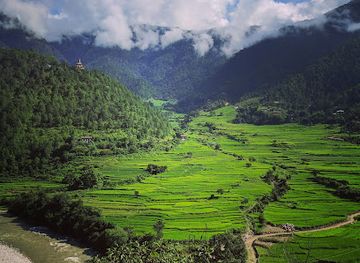
Tashi Thongmo Dzong is Gasa’s defining built landmark, a fortified Buddhist administrative centre associated with the seventeenth-century consolidation of Bhutan. Its elevated position and traditional architecture reflect the dual religious and civic role of Bhutanese dzongs, while the surrounding mountains make the setting as significant as the structure itself. Gasa Tshachu is the district’s best-known natural landmark, where mineral-rich hot water emerges in a forested valley used for bathing and local recreation. The high valleys of Laya and Lunana provide a different kind of landmark landscape: yak-grazing grounds, glacial peaks, mountain passes and compact settlements linked by arduous trails. Across the district, mani walls, prayer flags, village temples and cultivated terraces add human detail to the protected mountain scenery. Jigme Dorji National Park is the broad geographical landmark tying these places together, extending from lower forest environments to some of Bhutan’s highest and most remote inhabited terrain.
-
Buddhist temple
Buddha Dordenma Statue སྟོན་པ་རྡོར་གདན་མ།
Explore the breathtaking Buddha Dordenma Statue in Thimphu, Bhutan - a serene and majestic site that offers stunning views and spiritual reflection.
-
Buddhist temple
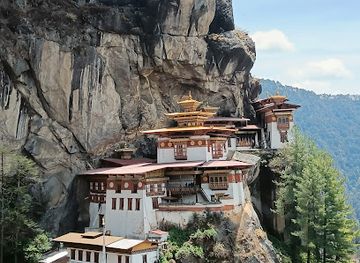
Paro Taktsang
Explore the breathtaking Paro Taktsang, a revered Buddhist monastery in Bhutan offering stunning views, rich history, and spiritual tranquility.
-
Buddhist temple
National Memorial Chhorten རྒྱལ་ཡོངས་རྗེས་དྲན་མཆོད་རྟེན།
Discover the National Memorial Chhorten in Thimphu, Bhutan - A serene Buddhist temple rich in culture and spiritual significance.
-
Buddhist temple
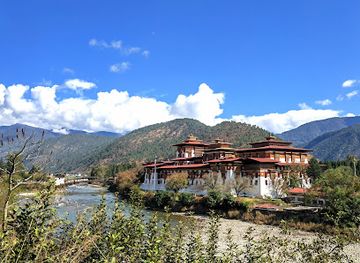
Punakha Dzong སྤུ་ན་ཁ་རྫོང་།
Explore the architectural beauty and cultural significance of Punakha Dzong, a historical fortress in Bhutan that enchants every traveler.


Explore Gasa on the map
Plan your trip on one map. See where the top cities, national parks and sights are, and book hotels and experiences in a few clicks.
Best hotels in Gasa
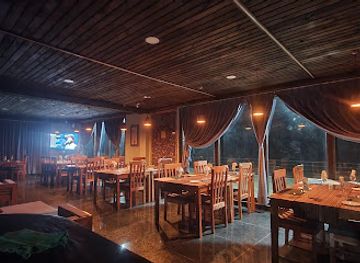
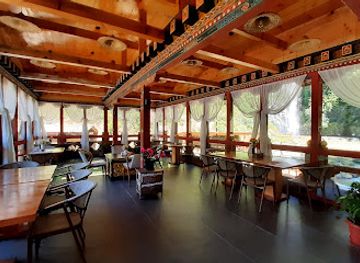
Best restaurants in Gasa
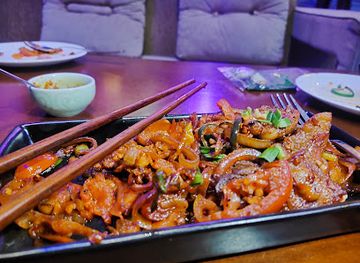
Dining in Gasa is modest, local and closely connected to Bhutanese home cooking. Meals commonly centre on rice accompanied by vegetables, lentils, cheese, eggs or meat, with ema datshi and other chilli-and-cheese dishes forming part of the wider Bhutanese food tradition. In higher settlements, yak products, dried foods and provisions suited to a cold pastoral environment may appear, while lower valleys have greater access to fresh produce. Small guesthouses, homestays and local eateries usually provide the most practical meals, often prepared in advance rather than ordered from an extensive menu. Visitors should notify hosts about vegetarian, allergy or low-chilli requirements before eating, as remote kitchens have limited alternatives. Travellers heading towards Laya or Lunana should arrange provisions with their trekking team, since food supply is less predictable away from road-accessible communities. Tea, rice-based meals and simple snacks are more dependable than a specialised restaurant scene.
-
Restaurant
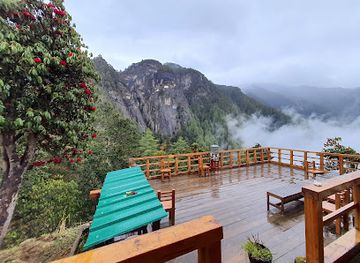
Taktshang Cafeteria
Discover Taktshang Cafeteria: A delightful dining experience amidst the breathtaking beauty of Bhutan's Taktsang trail.
-
Restaurant
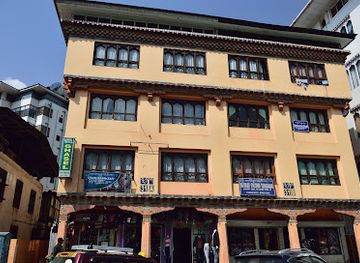
Hotel Ghasel
Experience authentic Bhutanese flavors in the heart of Thimphu at Hotel Ghasel - where tradition meets taste.
-
Restaurant
Willing Waterfall Cafe
Experience breathtaking views and delicious cuisine at Willing Waterfall Cafe along Bhutan's scenic highway.
-
Restaurant
SOS Restaurant and Bar
Experience culinary innovation at SOS Restaurant and Bar in Norzin – where traditional flavors meet modern flair.
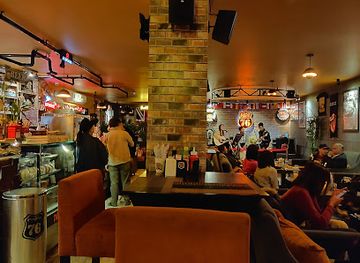
Best bars in Gasa
Gasa does not have a significant nightclub scene, and evening life is generally quiet. Social time is more likely to take place in a guesthouse, homestay or local gathering space than in a dedicated bar. In Gasa town, visitors may find simple places serving tea, soft drinks or alcoholic beverages, but hours, availability and facilities can change. After dark, the district’s appeal lies in conversation, mountain stillness and clear-sky observation rather than organised entertainment. Trekkers in Laya and Lunana should expect even fewer commercial options and should not rely on purchasing alcohol or late-night refreshments. Drink responsibly, respect Buddhist sites and local communities, and follow any guidance from hosts or trekking staff. Larger nightlife choices are found in Bhutan’s principal towns, not within remote Gasa.
-
Bar
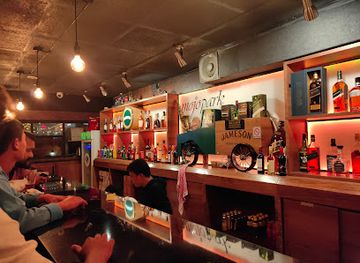
Mojo Park
Experience the vibrant nightlife at Mojo Park, Thimphu's premier bar and live music venue featuring delicious food, great drinks, and captivating performances.
-
Bistro
MERENGMA' Bistro
Experience the essence of Bhutanese flavors at MERENGMA' Bistro in Khuruthang, where every dish tells a story of local heritage.
-
Live music bar
PARK 76 Cafe & Pub
Experience the vibrant atmosphere of PARK 76 Cafe & Pub in Paro, where live music and delicious cuisine create unforgettable moments.
-
Restaurant
Willing Waterfall Cafe
Discover tranquility and taste at Willing Waterfall Cafe, where dining meets the serene beauty of Bhutan’s landscapes.
Best nightclubs in Gasa
Gasa does not have a significant nightclub scene, and evening life is generally quiet. Social time is more likely to take place in a guesthouse, homestay or local gathering space than in a dedicated bar. In Gasa town, visitors may find simple places serving tea, soft drinks or alcoholic beverages, but hours, availability and facilities can change. After dark, the district’s appeal lies in conversation, mountain stillness and clear-sky observation rather than organised entertainment. Trekkers in Laya and Lunana should expect even fewer commercial options and should not rely on purchasing alcohol or late-night refreshments. Drink responsibly, respect Buddhist sites and local communities, and follow any guidance from hosts or trekking staff. Larger nightlife choices are found in Bhutan’s principal towns, not within remote Gasa.
-
Night club
Viva City
Experience the heartbeat of Thimphu's nightlife at Viva City, where vibrant music and a lively atmosphere await you.
-
Night club
DG Wanderlust Club @Thimphu hongkong market/oppesite of Thimphu BOB main Branch office
Unleash your spirit at DG Wanderlust Club, Thimphu's premier destination for nightlife and vibrant celebrations.
-
Night club
Space 34 DOS
Discover the best of Thimphu's nightlife at Space 34 DOS, a lively night club offering music, drinks, and a welcoming atmosphere.
-
Night club
ACE CLUB, Thimphu
Discover the vibrant nightlife of Thimphu at ACE CLUB, where music, dancing, and unforgettable memories await.


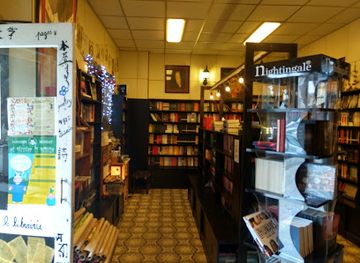
Best shops in Gasa
Shopping in Gasa is limited and practical rather than retail-focused. Small local shops and guesthouses may sell basic provisions, drinks, toiletries and trekking necessities, but visitors should not expect a large high street, shopping centre or dependable range of souvenirs. Useful purchases can include locally made food products, woven items or small handicrafts when available through communities and homestays, although supply varies by season and settlement. High-altitude villages such as Laya have their own textile and pastoral traditions, but products are not always displayed in formal shops. Bhutanese handicrafts, books, textiles and a wider selection of regional goods are easier to find in Punakha, Thimphu or Paro outside the district. Buy respectfully, pay fairly and avoid purchasing wildlife products, old religious objects or anything whose provenance is unclear. Pack essential personal items before travelling into Gasa’s remote valleys.
-
Gift shop
KOJA BHUTAN
Explore the charm of Bhutanese craftsmanship at KOJA Bhutan, a premier gift shop in Thimphu offering unique souvenirs and traditional artifacts.
-
Book store
Junction Bookstore
Discover Junction Bookstore in Thimphu, a tranquil literary retreat offering a diverse collection of books in a cozy setting.
-
Gift shop
Drukpro Bhutan
Explore Drukpro Bhutan: Your gateway to authentic Bhutanese handicrafts and memorable souvenirs in the heart of Thimphu.
-
Fashion accessories store
Miniso Bhutan མི་ཎི་སོ་ འབྲུག།
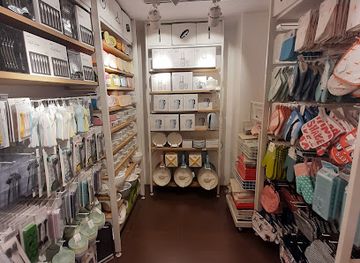
Explore trendy and affordable fashion accessories at Miniso Bhutan, where modern design meets Bhutanese spirit in the heart of Thimphu.

Get your free copy of our complete guide to Gasa, delivered straight to you.
Everything on this page, from attractions and restaurants to essentials and local phrases, in one PDF you can read offline, print or share.
Already have an account? Sign in
Your Gasa guide is ready.
We'll send it to · Not you? Sign out

Getting your guide ready…
We are putting together a fresh copy of the Gasa guide. This can take up to a minute.
This can take a few moments. If your browser asks, choose Allow so the download can start. You'll find the guide in your Downloads folder.
Nothing happened? Download it again
Sorry, the guide is taking longer than usual. Please try again in a minute, or get it by email instead.
Gasa essentials
Currency and Payment
Safety
Emergency Situations
Do's and Don'ts
Local Tips
From Eve
Local phrases worth knowing
You don't need to get them perfect. A few words go a long way, and locals appreciate the effort.
Basics
| English | Local | Say it |
|---|---|---|
| Hello | བཀྲ་ཤིས་བདེ་ལག་པོ | [Kuzuzangpo] |
| Goodbye | བཞུགས་གནང་ | [Zhug nang] |
| Yes | ཨིན་ | [In] |
| No | མིན་ | [Min] |
| Please/You're welcome | བཀྲ་ཤིས་ | [Kuzuzangpo] |
| Thank you | ཐུགས་རྗེ་ཆེ་ | [Thukje che] |
| Excuse me/Sorry | བདེ་སྐྱོད་ | [Deskyod] |
| How are you? | ཁྱེད་ལ་ངག་དབང་བྱེད་ཀྱི་ཡོད་ | [Khey la ngagwang jey ki yoe] |
| Fine. And you? | ང་བདེ་ཡོད་, ཁྱེད་གིས་ག་རེ་ཡོད་? | [Nga be yoe, khey gi ga re yoe?] |
| Do you speak English? | ཁྱེད་རང་རྩོམ་འབྲེལ་བྱེད་ཀྱི་ཡོད་? | [Khey rang tsom dre jey ki yoe?] |
| I don't understand | ང་དག་པོ་མེད་ | [Nga dakpo med] |
Eating & Drinking
| English | Local | Say it |
|---|---|---|
| I'd like to see the menu, please | ང་བརྒྱབ་མཛོད་འདི་ལེད་ཀྱི་ཡོད་ | [Nga barjap dzod di le ki yoe] |
| I don't eat meat | ང་བོད་མི་ལས་བཟ་ཡོད་མེད་ | [Nga bod mi las za yoe med] |
| Cheers! | སྐུ་མོས་ | [Ku mos] |
| I would like to pay, please | ང་འདི་ཡིག་གཏང་འདི་ལེད་ཀྱི་ཡོད་ | [Nga di yik tang di le ki yoe] |
Emergencies
| English | Local | Say it |
|---|---|---|
| Help! | ཐོབ་གནང་! | [Thob nang!] |
| Go away! | འདི་ལུས་གནང་བྱེད་ཀྱི་ཡོད་! | [Di lus nang jey ki yoe!] |
| Call the Police! | དངོས་པོ་གཏོག་མི་འདོད་ཀྱི་ཡོད་! | [Ngopho tog mi do ki yoe!] |
| Call a doctor! | དོན་རིམ་འདོད་ཀྱི་ཡོད་! | [Dron rim do ki yoe!] |
| I'm lost | ང་དངོས་སྤྱོད་བྱས་འདོད་ | [Nga ngopho chye jey] |
| I'm ill | ང་སྤྱོད་འདོད་ཀྱི་ཡོད་ | [Nga chye do ki yoe] |
Shopping
| English | Local | Say it |
|---|---|---|
| I'd like to buy... | ང་བཅོས་བཟོ་ཚོད་ཀྱི་ཡོད་ | [Nga cho bzo tsod ki yoe] |
| I'm just looking | ང་དོན་བཀྲ་ཤིས་ལེད་འདུག་ | [Nga don kuzuzangpo le duk] |
| How much is it? | འདི་ག་ཆེ་ཡོད་? | [Di ga che yoe?] |
| That's too expensive | འདི་གཞི་ལ་བཅོད་ | [Di zhi la cho] |
| Can you lower the price? | ཁྱེད་ལ་འཕེལ་བྱེད་ཀྱི་ཡོད་? | [Khey la phel jey ki yoe?] |
Time & Numbers
| English | Local | Say it |
|---|---|---|
| What time is it? | འདི་ག་རེ་ཐ་ཀྱི་ཡོད་? | [Di ga re tha ki yoe?] |
| It's one o'clock | འདི་བཅོས་ཕྱིན་ཡོད་ | [Di cho chin yoe] |
| Half past (10) | དུ་ངན་སུམ་བཅོས་ | [Dunghen sum cho] |
| Morning | དགོང་བདག་ | [Gong dak] |
| Afternoon | ཕར་ | [Par] |
| Evening | དགོང་བདག་ | [Gong dak] |
| Yesterday | དུས་གཞུང་ | [Dhu zhing] |
| Today | དུས་ཚོད་ | [Dhu tsod] |
| Tomorrow | འདི་དུས་ཚོད་ | [Di dhu tsod] |
| 1 | དང་པོ | [Dang po] |
| 2 | གཉིས་ | [Gnyis] |
| 3 | གསུམ་ | [Gsum] |
| 4 | བཞི་ | [Bzhi] |
| 5 | ལྔ་ | [Nga] |
| 6 | དྲུག་ | [Drug] |
| 7 | བདུད་ | [Dud] |
| 8 | བརྒྱད་ | [Gya] |
| 9 | དགུ་ | [Dgu] |
| 10 | བཅོས་ | [Cho] |
Transport & Directions
| English | Local | Say it |
|---|---|---|
| Where's a/the...? | འདི་ག་རེ་ཡོད་? | [Di ga re yoe?] |
| What's the address? | འདི་ག་འཛིན་ཡོད་? | [Di ga dzin yoe?] |
| Can you show me (on the map)? | ཁྱེད་ལ་དགོང་བར་གཏང་འདུག་? | [Khey la gong bar tang duk?] |
| When's the next (bus)? | འདི་ག་ལོ་ཐོ་ཡོད་? | [Di ga lo tho yoe?] |
| A ticket (to....) | འདི་དགོང་ངོས་དམིགས་རྩོམ་ | [Di gong ngong dmigs tsom] |
History of Gasa
Early Himalayan settlement and sacred landscapes
Gasa’s valleys have long been shaped by seasonal movement, pastoralism and trade across the northern mountains. Communities used forest paths and high passes linking the lower valleys with Laya and Lunana, while Buddhist teachers and local religious traditions gave many springs, cliffs and mountain sites spiritual significance. Much of the early history survives through oral traditions, village temples and sacred landscapes rather than through extensive written records. The region’s difficult terrain also allowed local communities considerable autonomy from the more densely settled central valleys.
The consolidation of Bhutan in the seventeenth century
The arrival of Zhabdrung Ngawang Namgyal in the seventeenth century transformed the political and religious structure of Bhutan. Fortified monastic centres were established to administer valleys and defend the emerging state, including Tashi Thongmo Dzong at Gasa. The dzong gave the northern district a recognised administrative and religious centre, connecting remote communities with the wider Drukpa Buddhist system. Its position also reflected Gasa’s strategic importance on routes leading towards the high mountain passes.
Dzong administration and mountain trade
For centuries, Gasa was governed through the dzong system that linked religious authority, taxation, justice and local administration. Trade and seasonal exchange connected the lower valleys with highland communities, where salt, wool, textiles, livestock products and agricultural goods circulated across difficult routes. Yaks remained important for transport and subsistence in the higher settlements. Although modern roads have changed the pattern of movement, pack-animal travel, pastoral life and the geographic isolation of northern villages remain central to Gasa’s historical identity.
The Wangchuck monarchy and modern Bhutan
The establishment of the Wangchuck monarchy in 1907 gradually provided a more unified national administration, while Bhutan retained strong local institutions and a cautious approach to outside influence. In remote Gasa, change was slower than in the western valleys and was shaped by improvements in education, health services, communications and government administration. The district’s historic dzong and village religious sites continue to express the older political and spiritual order, while roads and public services connect communities more closely with the rest of Bhutan.
Jigme Dorji National Park and conservation
Modern Gasa is closely associated with Jigme Dorji National Park, established in 1974 and named after Bhutan’s third Druk Gyalpo, Jigme Dorji Wangchuck. The park protects an exceptional vertical range of habitats, from warm forest to alpine and glacial environments, and includes much of the district. Conservation has brought international attention to species such as the takin, snow leopard and red panda. It has also reinforced the importance of managing tourism, grazing, forests and infrastructure in a sensitive mountain environment.
Road access, community tourism and changing livelihoods
Road construction and improved communications have altered travel in Gasa, reducing the isolation of the district headquarters while leaving Laya, Lunana and other high valleys comparatively remote. Tourism has developed around trekking, hot springs, protected landscapes and cultural visits rather than mass sightseeing. Guesthouses, homestays and local guiding can supplement traditional livelihoods, but the economy remains strongly influenced by agriculture, pastoralism and public services. Gasa’s contemporary challenge is to improve access without undermining the environmental and cultural qualities that draw visitors.
Gasa in Photos
Browse through our photo collection highlighting the charm and character of the destination.
Neighbouring regions of Gasa
The closest regions to Gasa, if you have time for more than one.
-

-

-

-

-


Swipe for more regions
Explore more

Explore more of Bhutan
Experience the enchantment of Bhutan, a Himalayan paradise where tradition meets tranquility and Gross National Happiness reigns supreme.
Explore Bhutan